









What Is RF Cavitation Technology?
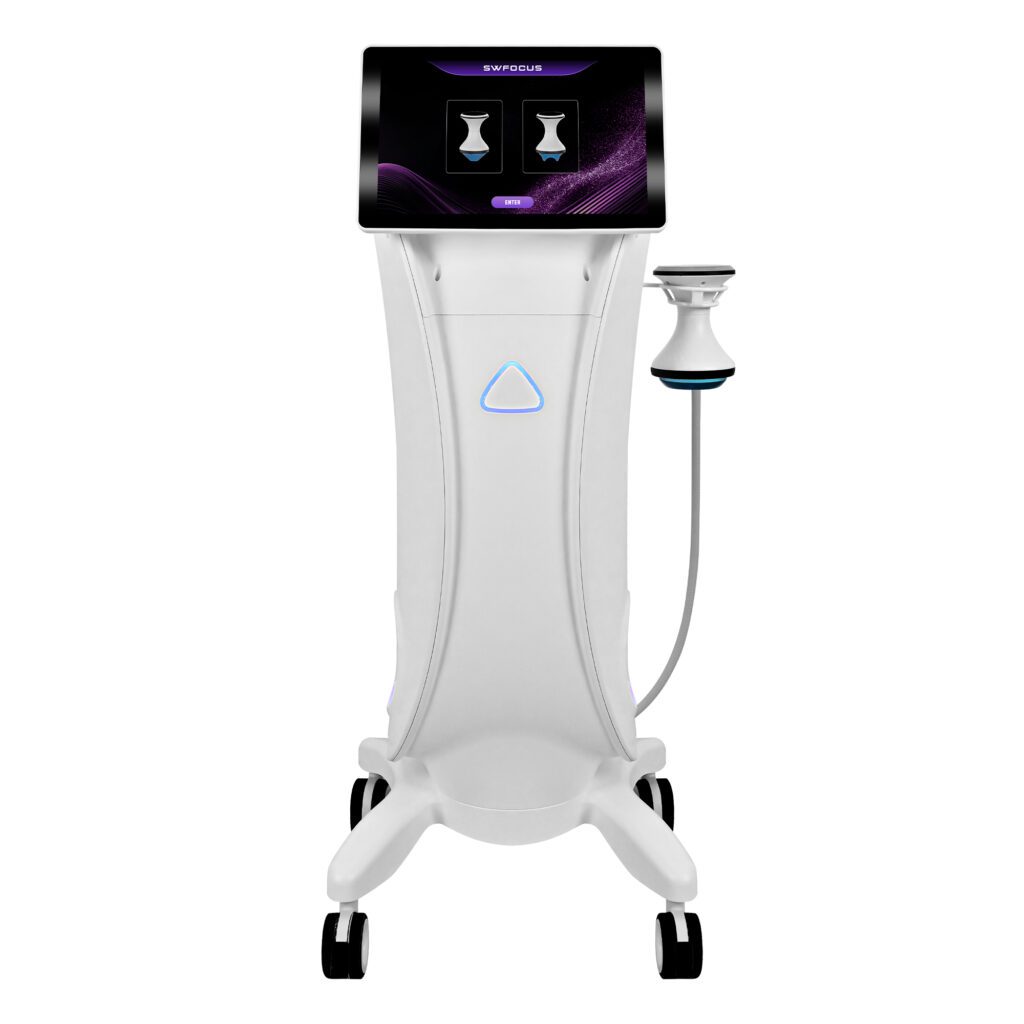
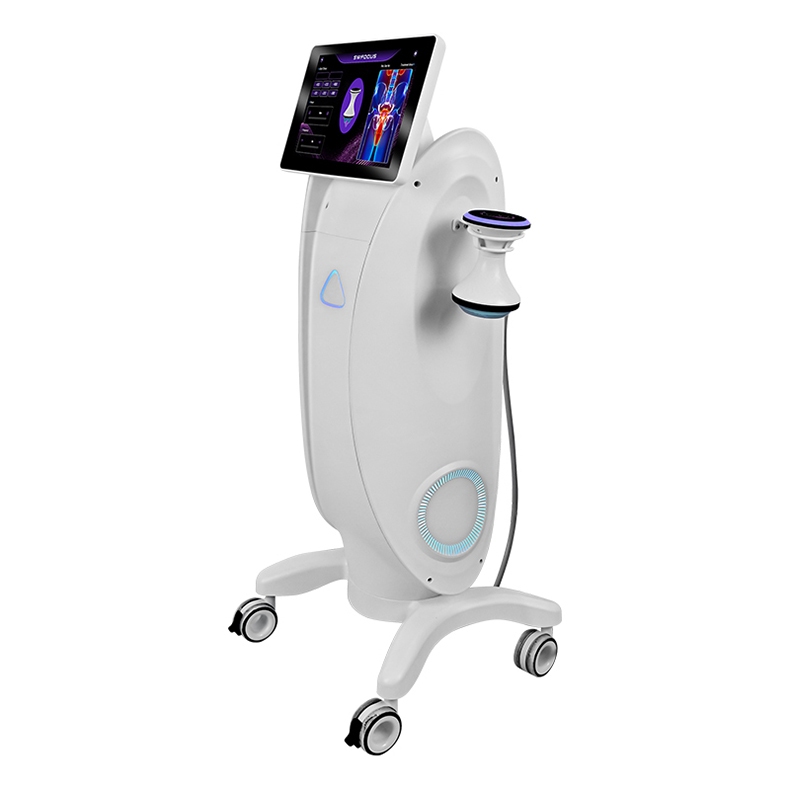
RF cavitation technology combines two powerful non-invasive treatment methods into a single beauty device. Ultrasonic cavitation uses low-frequency sound waves to target fat cells beneath the skin, while radio frequency energy helps tighten the skin and stimulate collagen production. Together, these technologies create a popular body contouring solution used in med spas, wellness centers, and beauty clinics worldwide.
Think of ultrasonic cavitation as a gentle hammer that breaks down stubborn fat cells, while RF acts like a sculptor refining the skin afterward. Without RF, some patients may experience loose skin after fat reduction treatments. That’s why multifunction machines have become the gold standard in modern aesthetic clinics. Clients want slimming and tightening at the same time, not one without the other.
The appeal of RF cavitation machines comes from their ability to deliver visible results without surgery, downtime, or painful recovery periods. Traditional liposuction still exists, but many consumers now prefer less aggressive procedures that allow them to return to work the same day. The rise of social media beauty trends and increased interest in wellness treatments have accelerated this shift dramatically.
Recent industry reports show strong growth in both the cavitation and RF skin rejuvenation sectors. Portable and multifunction systems are especially popular because clinics want equipment capable of offering multiple services using a single machine. This demand creates enormous opportunities for wholesalers that can supply reliable, certified, and competitively priced equipment.
How RF Cavitation Works
Ultrasonic cavitation works by sending low-frequency ultrasound waves into fat tissue. These waves create microscopic bubbles that disrupt fat cell membranes. Once broken down, the body naturally processes and removes the fat through the lymphatic system. The process is often compared to shaking butter until it softens and melts. The fat doesn’t instantly disappear, but the body gradually flushes it out over time.
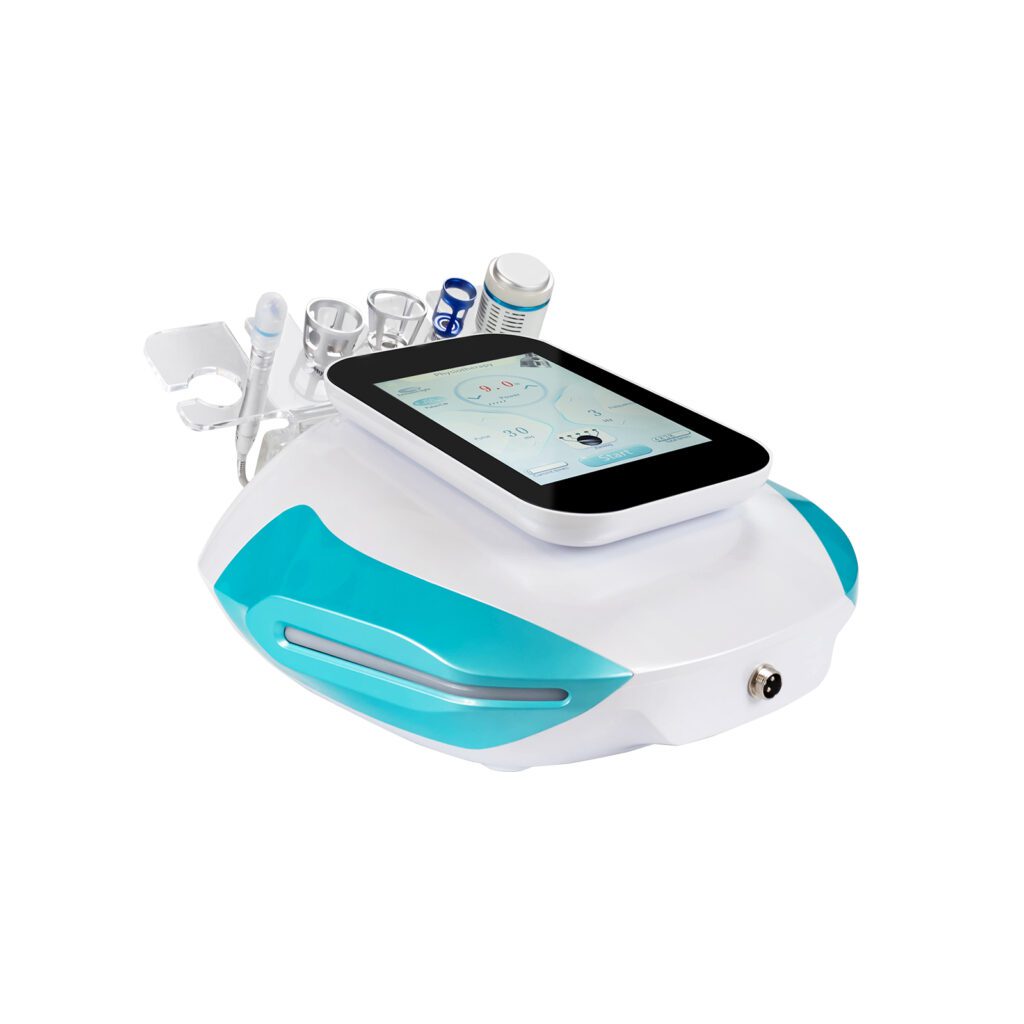
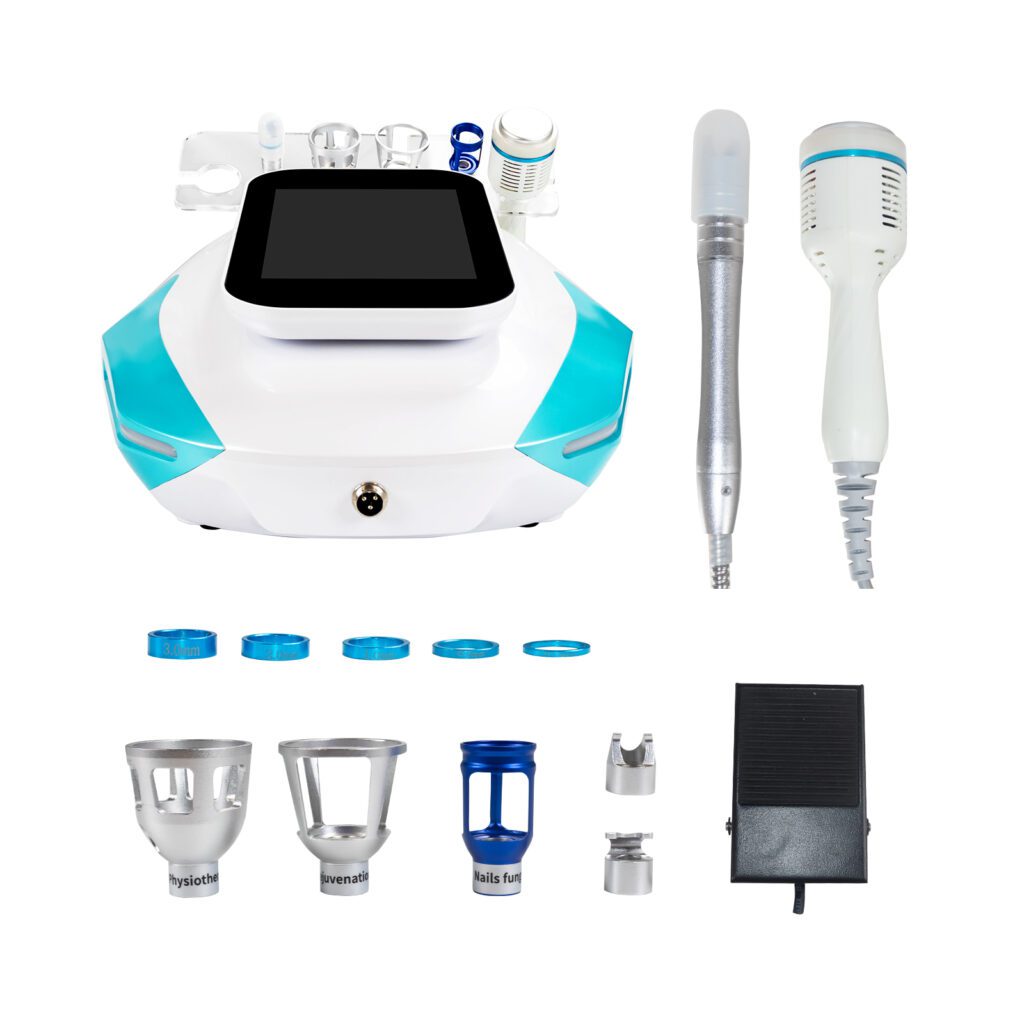
RF technology complements this process by heating the dermis and stimulating collagen fibers. This heat promotes skin tightening and improves elasticity, making the skin appear firmer and smoother after treatment. Many modern devices also integrate vacuum therapy, EMS, or LED technologies to create multifunction treatment platforms that appeal to clinics looking to maximize revenue per client.
The Role of Radio Frequency in Body Contouring
RF technology has become a critical feature because body contouring is no longer only about fat reduction. Clients increasingly expect complete aesthetic improvement, including smoother skin texture and tighter contours. Reports from the aesthetic device industry show rising demand for hybrid technologies that combine multiple treatment modalities into one machine.
This shift explains why wholesalers focusing only on basic cavitation machines are losing ground to suppliers offering advanced multifunction systems. Clinics want equipment that helps them upsell treatments and differentiate themselves from competitors. A machine capable of cavitation, RF, vacuum therapy, and EMS can generate far more profit than a single-function unit.
Why RF Cavitation Machines Are in High Demand
The beauty industry has experienced a major transformation during the past decade. Consumers are spending more on wellness, self-care, and appearance-enhancing procedures than ever before. Non-surgical treatments dominate this movement because they are more accessible, less intimidating, and usually more affordable than surgery.
The global fat cavitation market was valued at hundreds of millions of dollars in recent years and is expected to continue growing rapidly through 2030. The combination of social media influence, increasing disposable income, and growing awareness of aesthetic treatments has created a thriving environment for RF cavitation wholesalers.
Beauty clinics also love these devices because they provide recurring revenue. A client rarely books just one session. Most body contouring programs require multiple appointments, which means consistent income for clinics. That recurring treatment structure motivates salon owners and distributors to invest heavily in quality equipment.
Growth of Non-Invasive Beauty Treatments
Consumers today prefer treatments with minimal downtime. Nobody wants weeks of recovery if they can achieve noticeable improvement through gradual, comfortable sessions. This trend has fueled the growth of med spas and wellness clinics across North America, Europe, the Middle East, and Asia.
Industry analysts note that portable and handheld RF devices are among the fastest-growing segments in the aesthetic technology market. Smaller clinics and startup beauty businesses appreciate affordable multifunction systems that deliver professional results without requiring massive investment.
Why Clinics Prefer Multifunction Devices
Imagine owning a restaurant that serves only one dish while your competitor offers a full buffet. That’s essentially the difference between single-function and multifunction aesthetic machines. Clinics prefer devices that can perform multiple treatments because they increase operational efficiency and improve return on investment.
Modern RF cavitation systems frequently combine:
| Technology | Purpose |
|---|---|
| Ultrasonic Cavitation | Fat reduction |
| RF Skin Tightening | Collagen stimulation |
| Vacuum Therapy | Lymphatic drainage |
| EMS | Muscle stimulation |
| LED Therapy | Skin rejuvenation |
Multifunctionality allows clinics to create premium treatment packages, which increases profitability and customer satisfaction at the same time.
What Does an RF Cavitation Wholesaler Do?
An RF cavitation wholesaler acts as the bridge between manufacturers and businesses purchasing aesthetic equipment. These wholesalers may operate factories themselves or work as trading companies that source products from multiple manufacturers.
The role of a wholesaler goes far beyond simply selling machines. Reliable wholesalers provide training, technical support, marketing materials, shipping coordination, certification assistance, and after-sales service. In many ways, a wholesaler becomes a long-term business partner rather than just a supplier.
A poor wholesaler can damage your reputation overnight. Imagine receiving machines with unstable energy output, broken handles, or no user manuals. Your clients lose trust, your technicians become frustrated, and refund requests start piling up. That’s why choosing the right supplier is arguably the most important decision in the entire purchasing process.
Manufacturing vs Trading Companies
One of the biggest questions buyers face is whether to work directly with factories or through trading companies. Manufacturers usually offer lower pricing because there are fewer middlemen involved. They also provide better customization opportunities and more control over product development.
Trading companies, however, can offer flexibility. They often source multiple product categories from different factories, which allows buyers to purchase a wider range of aesthetic equipment through one supplier relationship.
Here’s a quick comparison:
| Supplier Type | Advantages | Disadvantages |
|---|---|---|
| Manufacturer | Lower cost, better customization | Higher MOQ |
| Trading Company | More product variety | Potentially higher pricing |
OEM and ODM Services Explained
Many wholesalers now offer OEM and ODM services. OEM allows buyers to add their own logo and branding to existing products, while ODM involves customized product development.
Private label branding is becoming extremely popular because clinics want to build unique brand identity. Instead of using generic equipment names, businesses can market machines under their own premium labels, creating stronger customer recognition and perceived exclusivity.
Key Features Buyers Look for in RF Cavitation Machines
Not all RF cavitation devices are created equal. Some machines look attractive in photos but perform poorly in real-world clinical settings. Smart buyers focus on performance, safety, durability, and support rather than price alone.
One of the first things experienced buyers check is energy stability. Cheap devices often produce inconsistent energy output, leading to unreliable treatment results. Clients notice this quickly. Consistency matters because repeat customers depend on visible outcomes.
Another critical factor is handle quality. Since treatment handles are used repeatedly throughout the day, they must withstand heavy usage without overheating or malfunctioning. Premium wholesalers invest in stronger internal components, cooling systems, and better manufacturing standards.
Popular Technologies Combined With RF Cavitation
The most in-demand systems in 2026 often include multiple technologies in one platform. Market research indicates that hybrid devices are one of the strongest trends driving growth in the body contouring industry.
Popular additions include:
- 5D or 6D laser lipo
- Vacuum suction therapy
- EMS body sculpting
- Cryotherapy
- RF facial lifting
- Skin rejuvenation modes
These additions help clinics expand treatment menus and increase profitability without purchasing separate machines.
Safety Certifications and Compliance
Safety certifications are not optional anymore. Buyers increasingly demand machines that comply with international regulations such as:
- CE Certification
- FDA Registration
- RoHS Compliance
- ISO Manufacturing Standards
A wholesaler unwilling to provide certification documents should raise immediate red flags. Professional clinics need compliant equipment to protect both clients and their business reputation.
How to Choose the Best RF Cavitation Wholesaler
Finding a trustworthy wholesaler is like choosing a business partner for a long journey. You need reliability, transparency, and strong communication from day one. Price matters, but long-term support matters even more.
Many buyers make the mistake of selecting suppliers purely based on the cheapest quotation. That strategy often backfires because hidden problems appear later through defective products, delayed shipments, or missing spare parts.
Evaluating Factory Experience
Experience matters enormously in the beauty equipment industry. Factories with years of specialization usually have stronger quality control systems and better engineering expertise. They also understand international compliance requirements more thoroughly.
Ask suppliers questions such as:
- How many years have they produced aesthetic equipment?
- Which countries do they export to?
- Can they provide client references?
- Do they offer product training?
Experienced suppliers are usually transparent and confident when answering these questions.
Checking Product Quality
Never rely solely on product photos. Request videos, live demonstrations, or sample orders whenever possible. Examine screen responsiveness, handle quality, interface design, and packaging standards.
A reputable wholesaler should also provide testing reports and warranty policies. Strong after-sales support is essential because aesthetic machines require maintenance and occasional replacement parts.
Understanding Shipping and Logistics
Shipping delays can destroy business plans, especially for distributors preparing inventory launches. Good wholesalers have efficient logistics systems and experience handling customs documentation for different regions.
Some suppliers offer DDP shipping, which simplifies import processes significantly for buyers unfamiliar with international logistics.
Customer Support and Training
Training support is often overlooked, but it can determine how successfully clinics use the equipment. Wholesalers that provide treatment protocols, operation videos, and marketing materials create far more value for clients.
Interestingly, online communities and forums frequently discuss confusion around certification and treatment protocols for RF cavitation businesses. This highlights why strong supplier education and support remain essential.
Comparing Chinese and European RF Cavitation Suppliers
China dominates the global aesthetic equipment manufacturing industry because of its massive production capacity and competitive pricing. Many of the world’s beauty equipment brands manufacture components or complete devices in Chinese factories.
European suppliers, on the other hand, often position themselves as premium brands focused on innovation, clinical validation, and luxury aesthetics.
Pricing Differences
Chinese suppliers typically offer much lower pricing due to economies of scale and lower manufacturing costs. This affordability allows startups and smaller clinics to enter the market more easily.
European machines often cost significantly more, but some buyers justify the premium because of brand reputation and advanced engineering.
| Region | Average Pricing | Typical Buyer |
|---|---|---|
| China | Budget to mid-range | Startups & distributors |
| Europe | Premium pricing | Luxury clinics |
Technology and Innovation
Chinese factories are improving rapidly in innovation and design quality. Many now produce sophisticated multifunction platforms that compete strongly against Western brands.
At the same time, premium European manufacturers often focus heavily on clinical studies and proprietary technology development. Buyers must decide whether affordability or brand prestige aligns better with their business strategy.
Private Label Opportunities in the RF Cavitation Industry
Private labeling has become one of the biggest opportunities in the aesthetic equipment business. Instead of reselling generic machines, distributors can create unique brand identities and command higher pricing.
This strategy works especially well in competitive markets where branding influences consumer trust. Clinics often prefer equipment with polished branding because it enhances their professional image during client consultations.
Wholesalers offering OEM services usually provide:
- Custom logos
- Branded interfaces
- Packaging design
- User manuals
- Marketing materials
A strong private label strategy can transform a small distributor into a recognizable beauty technology brand within just a few years.
Common Mistakes When Buying RF Cavitation Machines Wholesale
One of the biggest mistakes buyers make is focusing only on low prices. Cheap machines often lead to expensive problems later through repairs, poor treatment results, and unhappy customers.
Another common issue is ignoring certification requirements. Some countries have strict regulations regarding aesthetic devices, and importing non-compliant equipment can create legal and financial headaches.
Buyers also underestimate the importance of after-sales service. Even excellent machines occasionally require technical support or spare parts. A wholesaler disappearing after payment is a nightmare scenario no business wants to experience.
Some clinics also fail to research treatment safety thoroughly. Reports discussing RF-related complications emphasize the importance of proper training and responsible device usage. Professional education and controlled energy settings remain critical for safe operation.
Profit Potential for Distributors and Beauty Clinics
RF cavitation remains highly profitable because treatment margins are strong. A clinic may recover the cost of a machine after only a few dozen sessions, depending on pricing and location.
Many businesses bundle cavitation with complementary services such as lymphatic drainage massage, skin tightening, or EMS sculpting programs. This bundling strategy increases average client spending and improves customer retention.
Distributors also benefit from recurring business because clinics regularly purchase consumables, spare parts, and upgraded systems. Once a wholesaler establishes trust with clients, repeat orders often continue for years.
The continued expansion of non-invasive aesthetic treatments suggests that demand for RF cavitation systems will remain strong throughout the coming decade.
Future Trends in RF Cavitation Technology
The future of RF cavitation technology looks incredibly dynamic. Hybrid platforms combining multiple treatment methods are becoming the new standard. AI-assisted parameter control, portable devices, and smarter safety systems are also gaining momentum.
Consumers increasingly want personalized treatments tailored to their body type, skin condition, and aesthetic goals. Manufacturers responding to this demand with intelligent software and customizable treatment modes will likely dominate the market.
Another major trend involves home-use devices. While professional-grade machines still lead the industry, compact consumer-focused systems are expanding rapidly. This growth creates additional opportunities for wholesalers targeting e-commerce and retail distribution channels.
Sustainability may also become a stronger purchasing factor. Clinics and distributors are starting to evaluate packaging waste, energy efficiency, and equipment lifespan more carefully than before.
Conclusion
The RF cavitation industry is evolving at lightning speed, fueled by growing demand for non-invasive aesthetic treatments and multifunction beauty technologies. Choosing the right RF cavitation wholesaler is not just about getting the cheapest machine. It’s about securing product quality, technical support, safety compliance, and long-term business growth.
Reliable wholesalers help clinics and distributors build profitable brands by supplying durable equipment, proper training, and dependable after-sales service. As the market continues expanding globally, businesses that prioritize quality partnerships and smart branding strategies will have the greatest opportunity to succeed.
Whether you’re launching a beauty equipment business, opening a med spa, or scaling distribution operations internationally, investing time into supplier research today can save enormous costs and stress tomorrow.
FAQs
FAQ 1: What is the difference between RF cavitation and laser lipo?
RF cavitation uses ultrasound waves and radio frequency energy to reduce fat and tighten skin, while laser lipo uses laser technology to target fat cells. Many modern machines combine both technologies for enhanced results.
FAQ 2: Are RF cavitation machines profitable for clinics?
Yes. Many clinics recover their investment quickly because treatments are sold in multiple-session packages with strong profit margins.
FAQ 3: What certifications should an RF cavitation wholesaler provide?
The most common certifications include CE, FDA registration, RoHS compliance, and ISO manufacturing standards.
FAQ 4: Can wholesalers provide private label branding?
Absolutely. Many wholesalers offer OEM and ODM services including logos, packaging, custom interfaces, and branded manuals.
FAQ 5: Which country manufactures the most RF cavitation machines?
China currently dominates global manufacturing due to competitive pricing, large-scale production capabilities, and extensive OEM services.