









Condividi soluzioni ottimizzate, conoscenze professionali sulle valvole e novità del settore
Inserisci i termini o le parole chiave pertinenti che desideri consultare e gli articoli pertinenti appariranno nei risultati di ricerca. Se non trovi la risposta che cerchi, non esitare a contattarci e saremo lieti di aiutarti. In alternativa, puoi inviare un'e-mail direttamente a beauty@shefmon.com
Apparecchiature medico-estetiche anti-invecchiamento: funzionano davvero?
- Shefmon
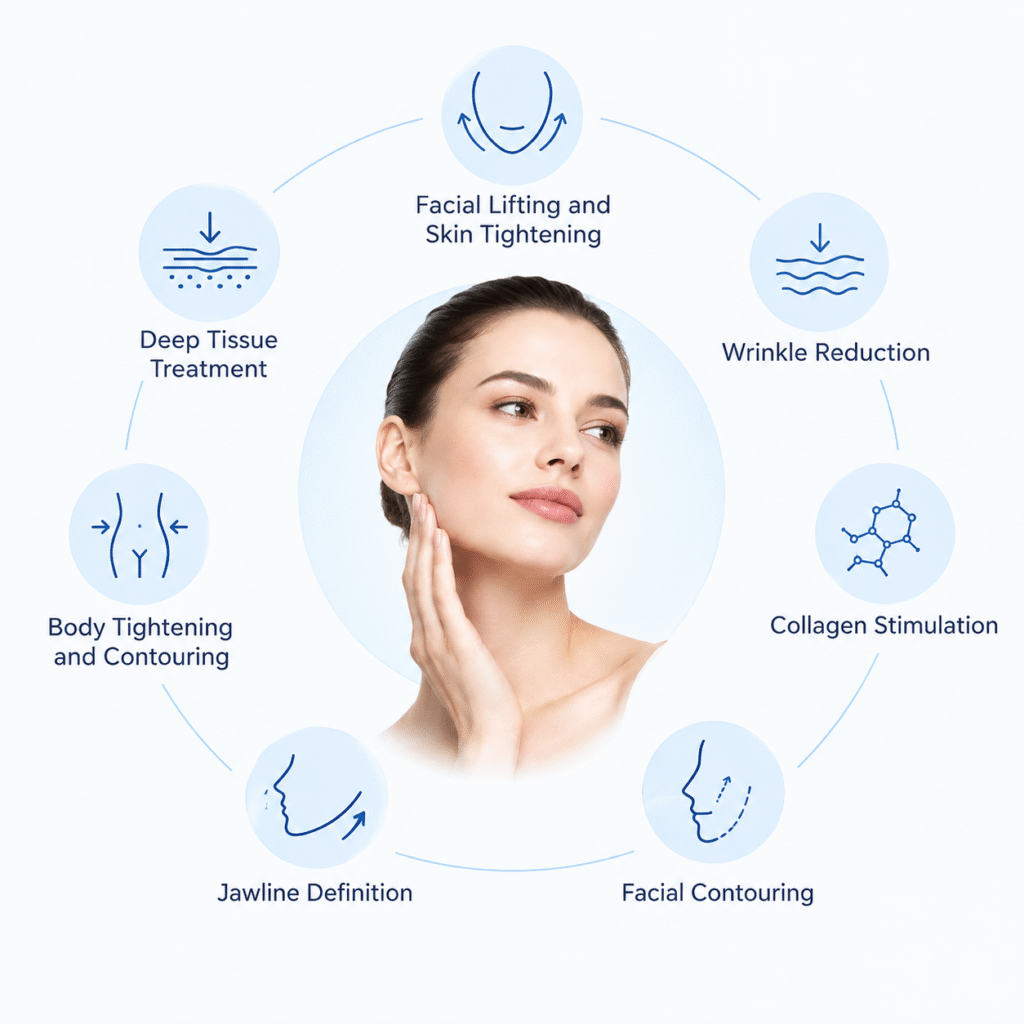
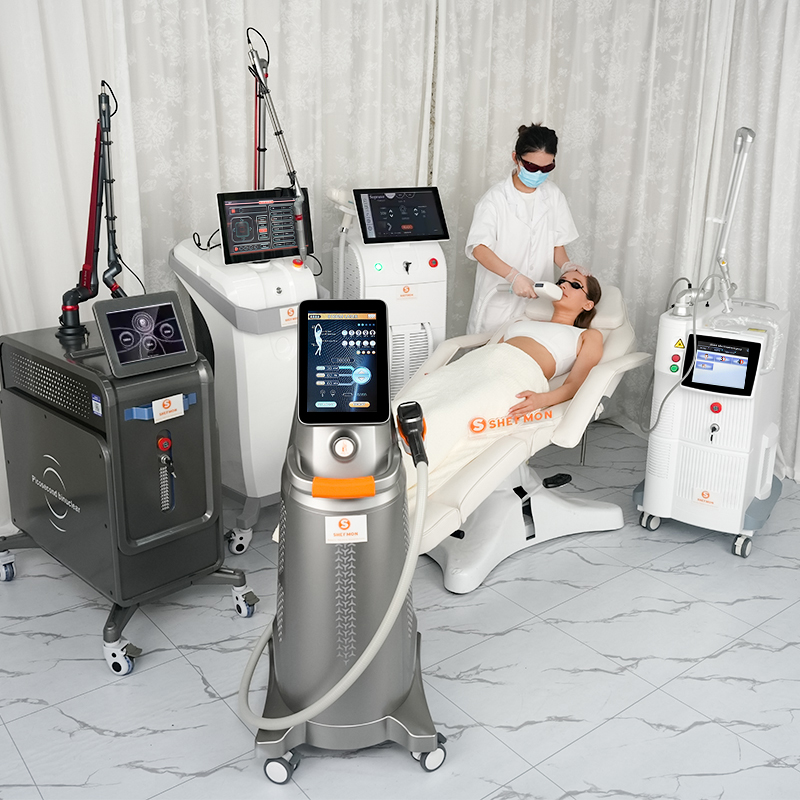
I trattamenti anti-invecchiamento si sono evoluti significativamente nell'ultimo decennio, passando da procedure chirurgiche invasive a tecnologie mediche estetiche avanzate basate sull'energia. Oggi, macchine come i dispositivi a radiofrequenza (RF), sistemi laser, I dispositivi per il lifting a ultrasuoni e le piattaforme per il microneedling sono ampiamente utilizzati nelle cliniche dermatologiche per ridurre le rughe, rassodare la pelle e restituire un aspetto giovane. Ma la domanda chiave rimane: funzionano davvero e quanto sono efficaci rispetto alla chirurgia estetica tradizionale? Questo articolo esplora la scienza alla base di queste apparecchiature, la loro efficacia nella pratica clinica e cosa i pazienti possono realisticamente aspettarsi dai trattamenti anti-età.
1. Comprendere il funzionamento dei dispositivi estetici anti-età
1.1 La scienza dell'invecchiamento cutaneo
L'invecchiamento cutaneo è determinato principalmente da due fattori: l'invecchiamento intrinseco e i danni estrinseci. L'invecchiamento intrinseco è un processo biologico naturale in cui la produzione di collagene ed elastina rallenta nel tempo. L'invecchiamento estrinseco, invece, è causato da influenze esterne come l'esposizione ai raggi UV, l'inquinamento e le abitudini di vita.
Con l'indebolimento delle fibre di collagene, la pelle inizia a cedere, le rughe sottili si accentuano e l'elasticità diminuisce. I dispositivi estetici anti-età mirano a invertire o rallentare questi processi stimolando i meccanismi di riparazione naturali della pelle.
1.2 Tecnologie chiave alla base dei dispositivi anti-invecchiamento
Le moderne apparecchiature per trattamenti estetici si basano sull'erogazione controllata di energia agli strati più profondi della pelle:
- Energia a radiofrequenza (RF) Riscalda il derma per stimolare la contrazione del collagene e la formazione di nuovo collagene.
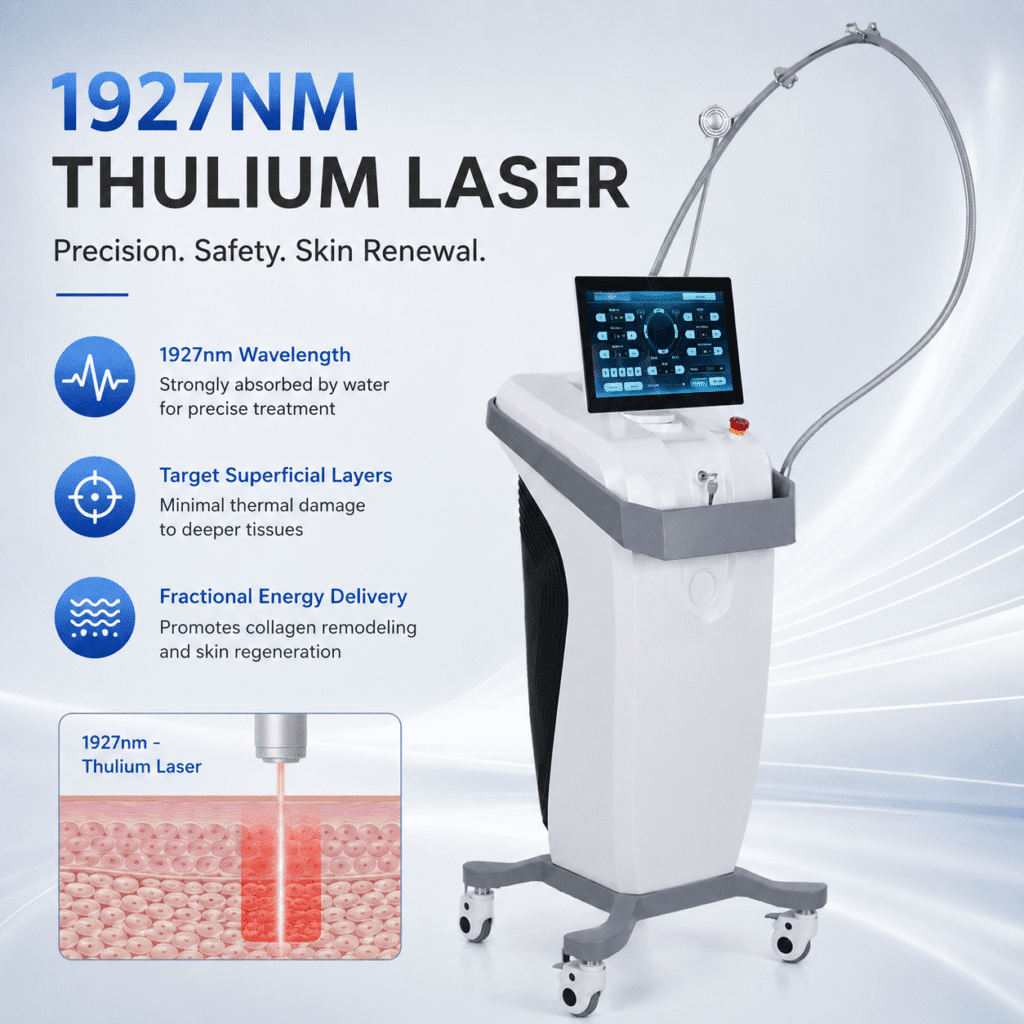
- Tecnologia laser Rinnova la superficie cutanea e agisce sui tessuti danneggiati per favorirne la rigenerazione.
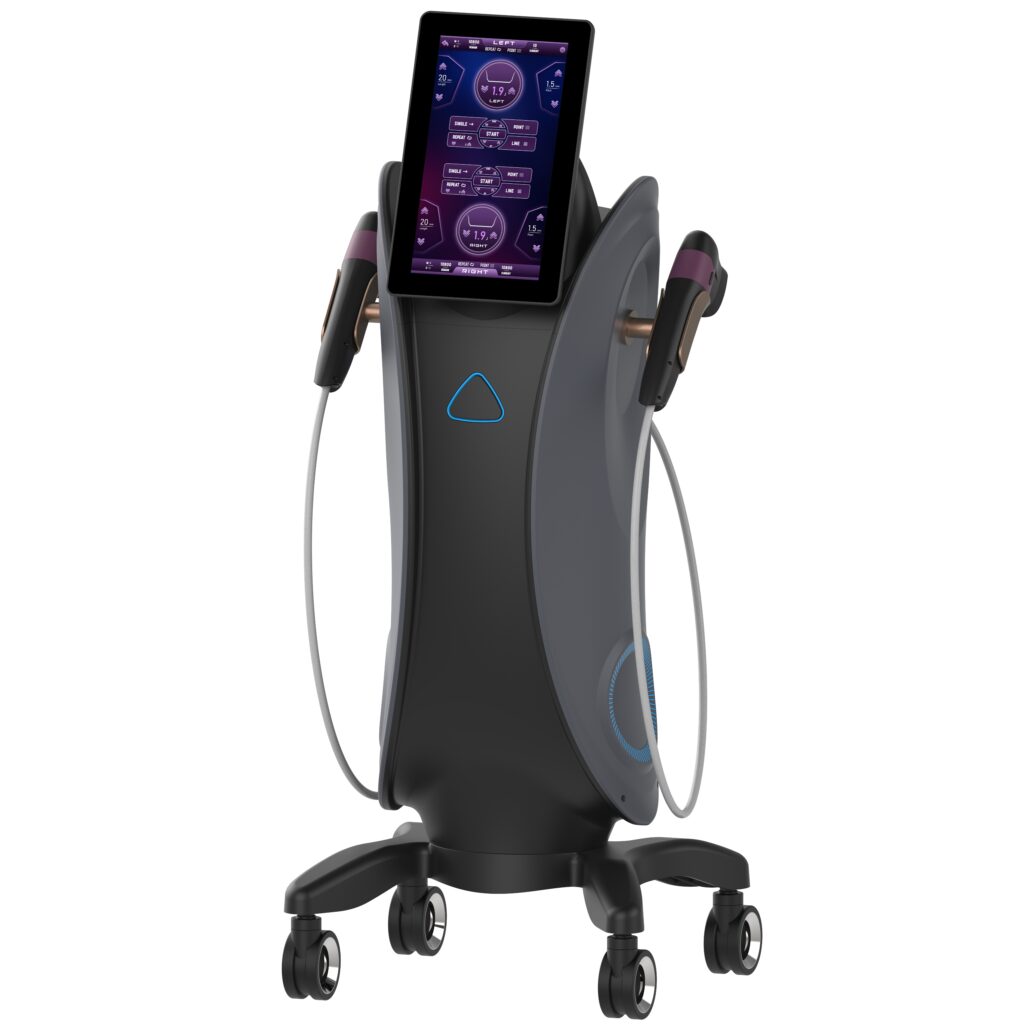
- Ultrasuoni focalizzati ad alta intensità (HIFU) fornisce energia in profondità nello strato SMAS per effetti di sollevamento
- Microneedling con radiofrequenza o sieri crea microlesioni che innescano risposte di guarigione e rimodellamento del collagene
Queste tecnologie funzionano senza tagliare o rimuovere ampie porzioni di pelle, il che le rende un'alternativa interessante alla chirurgia.
2. I principali dispositivi anti-invecchiamento e i loro effetti
2.1 Rassodamento cutaneo a radiofrequenza (RF)
I dispositivi a radiofrequenza sono tra gli strumenti più comunemente utilizzati per i trattamenti anti-età non chirurgici. Il loro funzionamento si basa sull'erogazione di calore controllato nel derma, che provoca un'immediata contrazione del collagene seguita da un rimodellamento del collagene a lungo termine.
Questo trattamento porta a una pelle più soda e tonica nel tempo, soprattutto in zone come la mandibola, le guance e il collo. Molti pazienti scelgono la radiofrequenza perché è indolore o minimamente fastidiosa e richiede tempi di recupero ridotti.
2.2 Sistemi di ringiovanimento laser
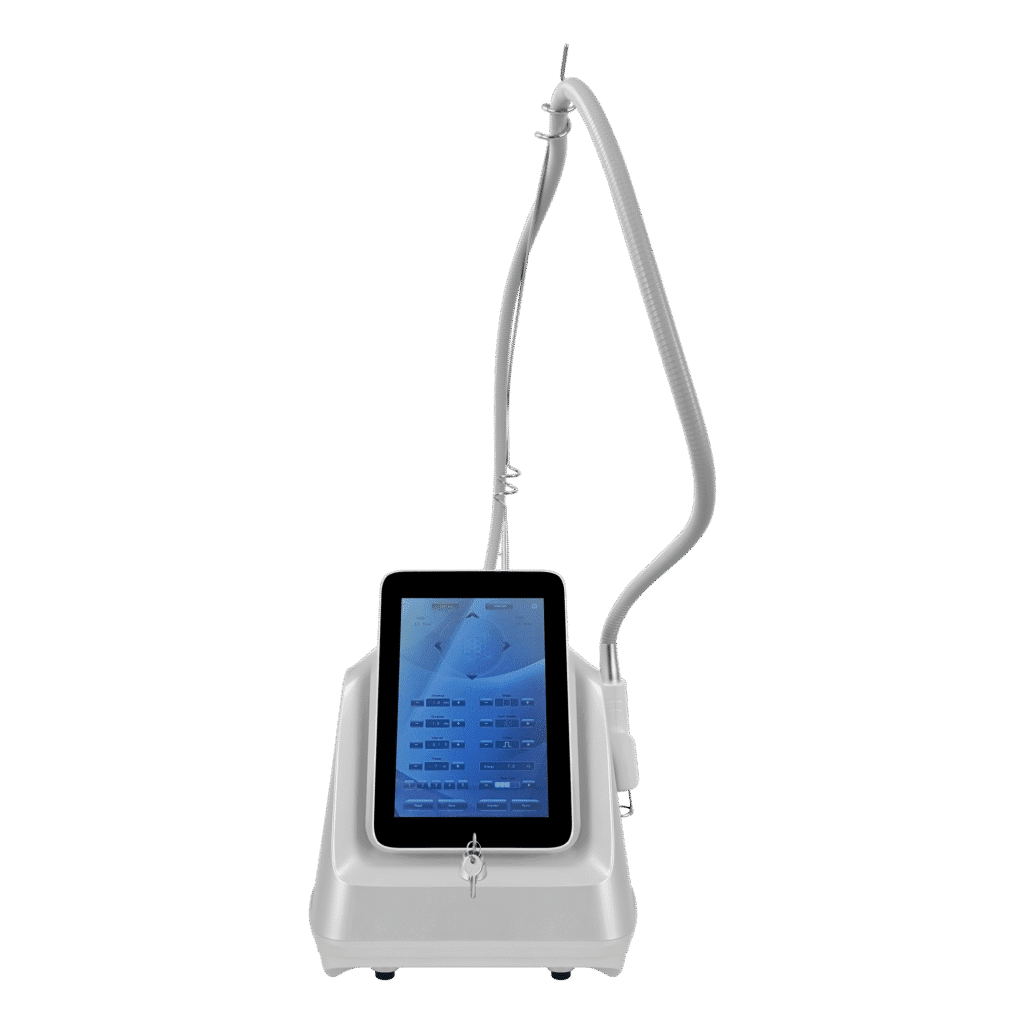
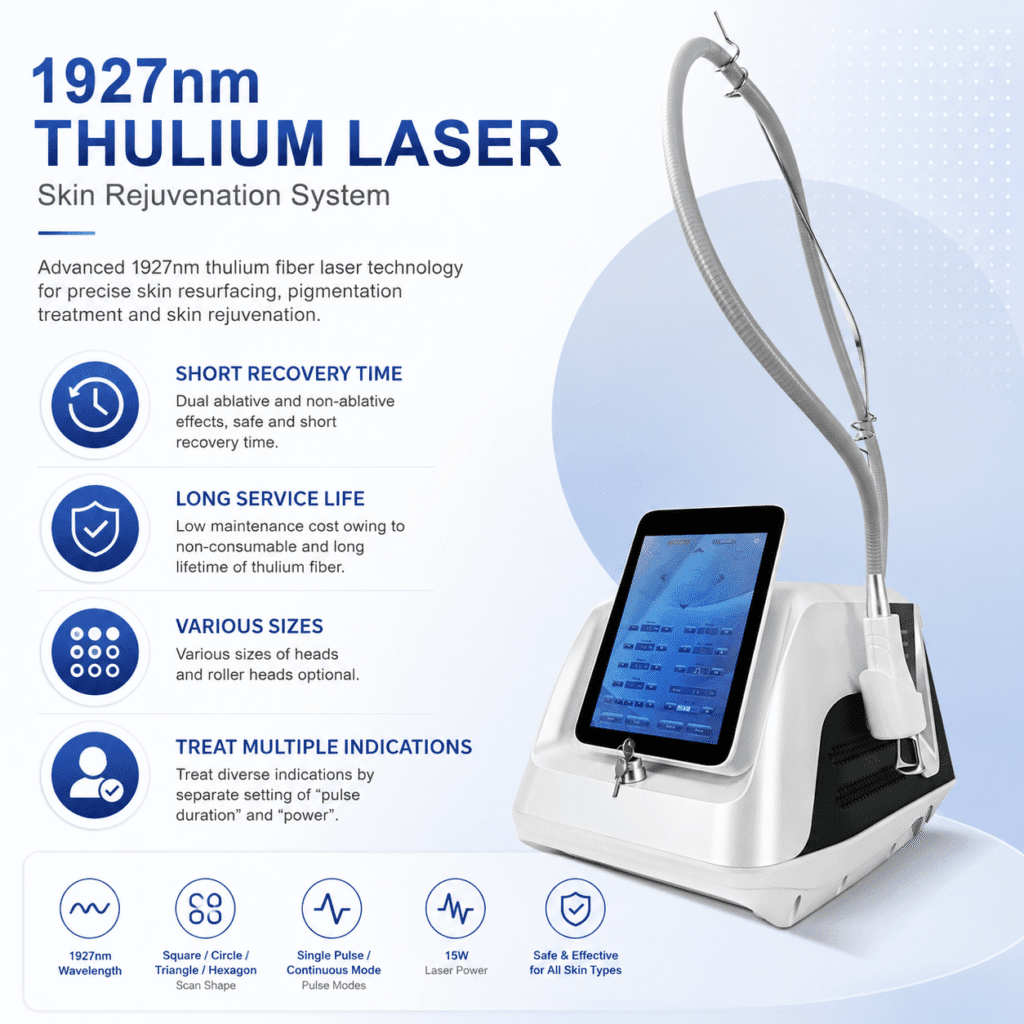
I trattamenti laser utilizzano energia luminosa concentrata per agire su diversi strati della pelle. I laser ablativi rimuovono gli strati di pelle danneggiati, mentre i laser non ablativi riscaldano i tessuti sottostanti senza danneggiare la superficie.
I sistemi laser frazionati sono particolarmente apprezzati perché trattano solo una piccola porzione di pelle alla volta, lasciando intatti i tessuti circostanti per una guarigione più rapida. Questo migliora le rughe sottili, i danni solari e la texture generale della pelle.
2.3 Ultrasuoni focalizzati ad alta intensità (HIFU)
La tecnologia HIFU è progettata per raggiungere gli strati strutturali più profondi della pelle, incluso lo strato SMAS, che viene preso di mira anche durante i lifting chirurgici. Erogando energia ultrasonica a profondità precise, la tecnologia HIFU stimola un effetto tensore e lifting senza incisioni.
I pazienti spesso notano un graduale sollevamento delle guance, una maggiore definizione del contorno mandibolare e un miglioramento della tonicità della pelle nel corso di diversi mesi.
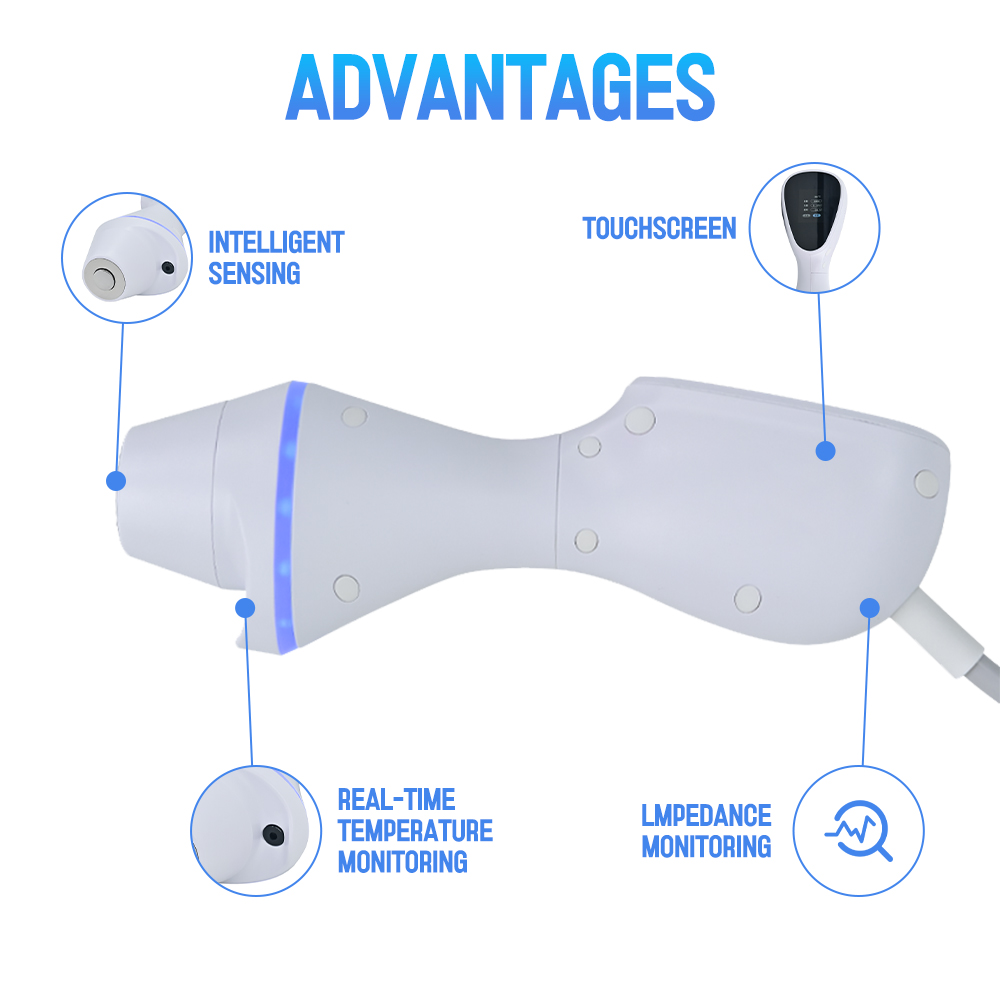
2.4 Microneedling a radiofrequenza
Microneedling RF Combina due tecnologie: aghi sottilissimi che creano microlesioni ed energia a radiofrequenza che riscalda gli strati più profondi della pelle. Questa doppia azione stimola la produzione di collagene ed elastina in modo più efficace rispetto al solo microneedling.
È particolarmente efficace per il trattamento di rughe, cicatrici da acne e lassità cutanea generale.

macchina per microneedling a radiofrequenza frazionata
3. Queste macchine funzionano davvero?
3.1 Evidenze e risultati clinici
Numerosi studi clinici e pratiche dermatologiche confermano che i dispositivi estetici a base di energia producono miglioramenti misurabili in termini di tonicità, texture e riduzione delle rughe della pelle. Tuttavia, i risultati variano a seconda dell'età del singolo individuo, delle condizioni della pelle e della regolarità del trattamento.
La maggior parte dei dispositivi agisce gradualmente, il che significa che i miglioramenti si manifestano nel corso di settimane o mesi, man mano che si forma nuovo collagene.
3.2 Aspettative realistiche
Sebbene queste macchine siano efficaci, non replicano i risultati spettacolari dei lifting chirurgici. Sono invece più adatte per:
- Lassità cutanea da lieve a moderata
- Primi segni dell'invecchiamento
- Mantenimento di una pelle giovane
- Pazienti in cerca di soluzioni non invasive
Un rilassamento cutaneo grave o rughe profonde potrebbero comunque richiedere un intervento chirurgico per ottenere risultati ottimali.
3.3 La coerenza del trattamento è importante
Uno dei fattori più importanti per ottenere risultati visibili è la costanza. La maggior parte dei trattamenti richiede più sedute, in genere a distanza di alcune settimane l'una dall'altra. Potrebbero inoltre essere necessarie sedute di mantenimento una o due volte l'anno per preservare i risultati.
4. Vantaggi delle apparecchiature medico-estetiche anti-invecchiamento
4.1 Approccio non invasivo o minimamente invasivo
A differenza della chirurgia, questi trattamenti non richiedono incisioni, punti di sutura o anestesia generale. Ciò riduce significativamente i rischi e i tempi di recupero.
4.2 Tempi di inattività minimi
La maggior parte dei pazienti può riprendere le normali attività immediatamente o entro un giorno. Potrebbe verificarsi un lieve arrossamento o gonfiore, che tuttavia si risolve generalmente in breve tempo.
4.3 Risultati dall'aspetto naturale
Poiché questi apparecchi stimolano la naturale produzione di collagene da parte del corpo, i risultati appaiono graduali e naturali, anziché improvvisi o artificiali.
4.4 Trattamenti personalizzabili
I tecnici possono regolare i livelli di energia, la profondità e le aree di trattamento in base alle specifiche condizioni della pelle e agli obiettivi di ciascun paziente.
5. Limitazioni e considerazioni
5.1 Non è una soluzione una tantum
I dispositivi anti-età non offrono soluzioni definitive. Sono necessari trattamenti di mantenimento per preservare i risultati nel tempo, poiché l'invecchiamento è un processo naturale.
5.2 Risultati variabili
I risultati dipendono da fattori quali età, qualità della pelle, abitudini di vita e tipo di dispositivo utilizzato. Non tutti i pazienti reagiranno allo stesso modo.
5.3 È richiesto un intervento professionale
Questi macchine estetiche Deve essere utilizzato da personale qualificato. Un uso scorretto può causare ustioni, risultati non uniformi o trattamenti inefficaci.
5.4 Fattore di costo
Sebbene meno costoso di un intervento chirurgico, più sedute possono comunque risultare dispendiose nel tempo, soprattutto con tecnologie all'avanguardia.
Conclusione
Le apparecchiature per la medicina estetica anti-età sono indubbiamente efficaci, ma non sono soluzioni miracolose. Funzionano al meglio se inserite in una strategia di cura della pelle a lungo termine, piuttosto che come soluzione immediata. Per chi desidera miglioramenti discreti e naturali senza ricorrere alla chirurgia, queste tecnologie rappresentano un'opzione di grande valore. Se utilizzate correttamente e con costanza, le tecnologie a radiofrequenza, laser, HIFU e microneedling possono migliorare significativamente la texture, la tonicità e l'aspetto generale della pelle, donandole un aspetto più giovane. Tuttavia, è fondamentale gestire le aspettative: i risultati sono graduali, cumulativi e richiedono un mantenimento costante. In conclusione, le apparecchiature per la medicina estetica anti-età funzionano, ma il loro successo dipende dalla scelta della tecnologia più adatta, da un trattamento professionale e dal mantenimento di aspettative realistiche sui risultati ottenibili con i moderni trattamenti non invasivi per la cura della pelle.