Introduzione alle tecnologie avanzate di ringiovanimento cutaneo
Perché i trattamenti estetici non invasivi stanno diventando sempre più popolari
Entrando oggi in qualsiasi clinica dermatologica o centro benessere medico, noterete qualcosa di interessante: i pazienti scelgono sempre più spesso procedure cosmetiche non invasive al posto dei tradizionali trattamenti chirurgici. Il motivo è semplice: le persone desiderano risultati efficaci senza i lunghi tempi di recupero, i rischi chirurgici o il notevole disagio associati alle vecchie procedure estetiche. Nell'ultimo decennio, la tecnologia laser si è affermata come uno degli strumenti più potenti per il ringiovanimento cutaneo, offrendo miglioramenti visibili su rughe, cicatrici da acne, pigmentazione e texture della pelle senza incidere la cute.
I trattamenti di resurfacing laser agiscono stimolando i naturali meccanismi di guarigione del corpo. Invece di rimuovere manualmente la pelle danneggiata tramite interventi chirurgici o peeling chimici, i laser provocano microlesioni controllate che incoraggiano la rigenerazione cutanea. Questo processo stimola la produzione di collagene, elastina e cellule cutanee sane. Il risultato è una pelle più liscia, tonica e dall'aspetto più giovane. Molti dermatologi considerano ormai la laserterapia il trattamento di riferimento per la pelle invecchiata, in quanto coniuga sicurezza, efficacia e praticità.
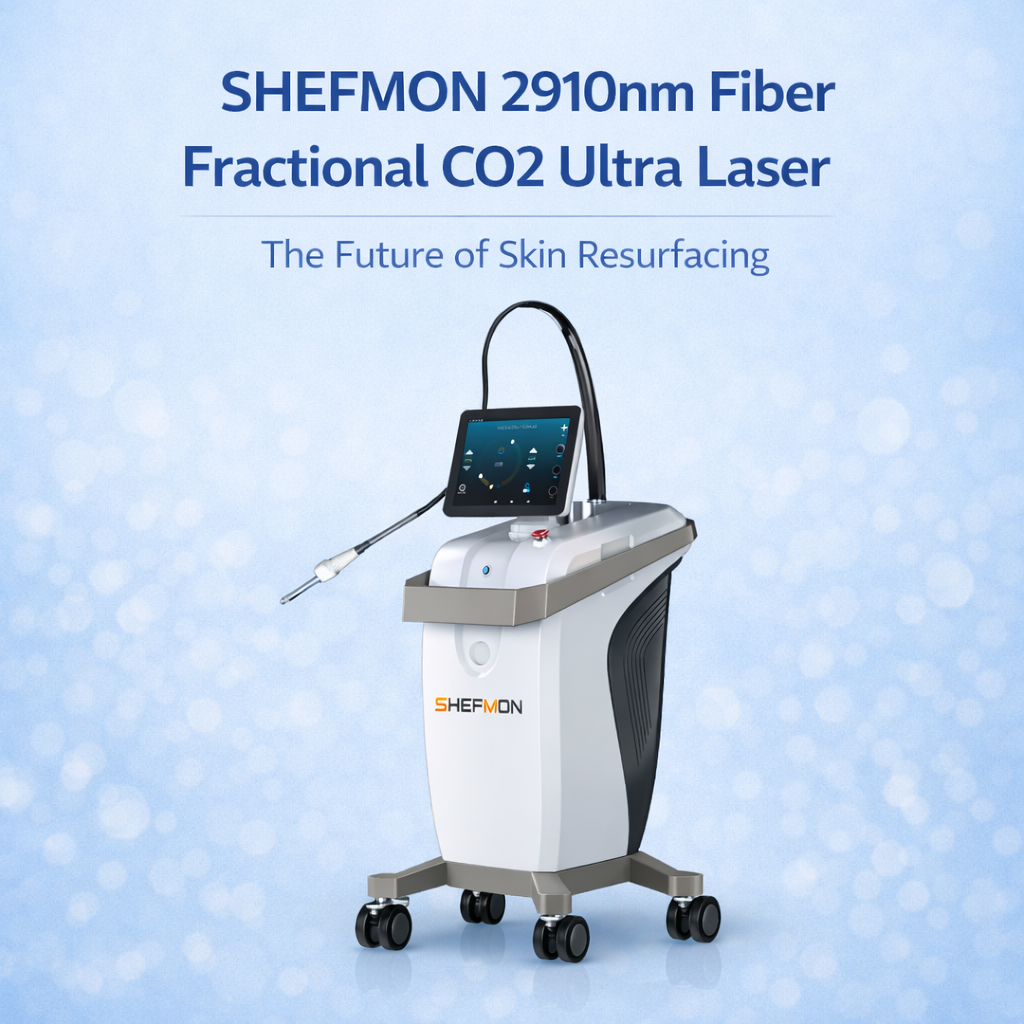
Tra le nuove tecnologie che stanno facendo scalpore nel settore estetico c'è la Laser a CO2 frazionato a fibra da 2910 nmA differenza dei tradizionali laser a CO2 che possono causare tempi di inattività più lunghi e maggiori danni termici, questa lunghezza d'onda avanzata offre un approccio di trattamento più preciso e controllato. Dispositivi come il Laser CO2 frazionato in fibra SHEFMON 2910nm Ultra Unendo la tecnologia laser frazionata alla fibra ottica, creiamo una soluzione moderna per le cliniche che cercano sistemi di ringiovanimento cutaneo efficaci ma al contempo delicati per il paziente.
L'ascesa dei sistemi laser frazionati a fibra
I sistemi laser tradizionali si basavano spesso su tubi a gas o componenti ottici ingombranti, che a volte causavano un'erogazione di energia instabile o problemi di manutenzione. La tecnologia laser a fibra ha rivoluzionato il settore, utilizzando fibre ottiche per trasmettere l'energia laser in modo più efficiente e preciso. Questa soluzione migliora la qualità del fascio, ne aumenta la stabilità e riduce la perdita di energia durante il trattamento.
I sistemi laser frazionati a fibra consentono inoltre ai medici di creare migliaia di zone di trattamento microscopiche all'interno della pelle. Invece di danneggiare ampie aree, il laser agisce solo su piccole colonne di tessuto, lasciando intatta la pelle circostante. Questo approccio "frazionato" riduce drasticamente i tempi di recupero, stimolando al contempo un potente rimodellamento del collagene in profondità.
Oggi le cliniche estetiche investono sempre più nei laser frazionati a fibra perché offrono un eccellente equilibrio tra efficacia clinica e comfort del pazienteAd esempio, una tipica seduta di trattamento con un laser a fibra da 2910 nm può durare anche solo 20 minuti, pur garantendo risultati di ringiovanimento cutaneo visibili.
Questo passaggio a sistemi laser più intelligenti e precisi ha aperto la strada a una nuova generazione di dispositivi progettati per dermatologi, cliniche estetiche e distributori di apparecchiature per la bellezza. Un esempio lampante in questa categoria è la piattaforma laser CO2 frazionata a fibra SHEFMON, che rappresenta un approccio moderno alla tecnologia di resurfacing laser.
Cos'è il laser frazionato a CO2 a fibra SHEFMON da 2910 nm?
Panoramica della tecnologia
IL Laser CO2 frazionato in fibra SHEFMON 2910nm Ultra È un dispositivo medico estetico avanzato progettato per il ringiovanimento cutaneo professionale, i trattamenti anti-età e la riduzione delle cicatrici. Utilizza una specifica lunghezza d'onda di 2910 nm combinata con l'erogazione laser frazionata per trattare simultaneamente più strati della pelle, dall'epidermide al derma medio.
A differenza dei laser a CO2 convenzionali, che in genere operano a una lunghezza d'onda di circa 10.600 nm, questa nuova lunghezza d'onda si concentra con maggiore precisione sulle molecole d'acqua presenti nella pelle. Poiché la pelle umana contiene un'elevata percentuale di acqua, l'energia laser può essere assorbita in modo efficiente, consentendo un trattamento mirato senza eccessiva diffusione di calore.
Durante il trattamento, il dispositivo emette impulsi brevi e concentrati di energia laser che rimuovono le cellule epidermiche danneggiate rilasciando al contempo energia termica controllata nel derma. Questo meccanismo a doppia azione non solo rinnova la pelle, ma stimola anche la produzione naturale di collagene, portando a miglioramenti a lungo termine in termini di compattezza ed elasticità.
Pensate al processo come alla ristrutturazione di una casa, non alla sua demolizione. Il laser rimuove gli strati esterni danneggiati, rinforzando al contempo la struttura portante sottostante. Nel tempo, la pelle si rigenera, diventando più forte, liscia e luminosa.
Componenti chiave del sistema
Le prestazioni di un dispositivo laser dipendono in larga misura dai suoi componenti interni e dalla sua progettazione ingegneristica. Il sistema SHEFMON integra diverse funzionalità avanzate che migliorano sia l'efficienza del trattamento che i risultati clinici. Tra queste, l'erogazione di precisione del laser a fibra, i sistemi di scansione intelligenti e i parametri energetici regolabili.
Il sistema di erogazione a fibra ottica garantisce un'emissione laser stabile e una distribuzione uniforme del fascio su tutta l'area di trattamento. Ciò consente ai medici di ottenere risultati costanti su diversi tipi di pelle e zone di trattamento. Inoltre, il sistema permette di regolare l'energia dell'impulso, le modalità di scansione e la densità di trattamento, offrendo ai clinici la flessibilità di personalizzare i trattamenti in base alle esigenze individuali di ciascun paziente.
Molte cliniche moderne apprezzano anche l'intuitiva interfaccia touchscreen e i sistemi di raffreddamento integrati, che migliorano il comfort del paziente durante il trattamento. La tecnologia di raffreddamento contribuisce a ridurre il calore superficiale, consentendo al contempo all'energia laser di penetrare negli strati più profondi dove avviene il rimodellamento del collagene.
Insieme, questi componenti creano una piattaforma laser che è sia potente e adattabile, il che lo rende adatto a una vasta gamma di applicazioni dermatologiche ed estetiche.
Comprensione della lunghezza d'onda di 2910 nm
Perché questa lunghezza d'onda agisce efficacemente sulla pelle
In dermatologia laser, la lunghezza d'onda determina la profondità di penetrazione del laser nella pelle e le strutture biologiche con cui interagisce. La lunghezza d'onda di 2910 nm è particolarmente efficace perché agisce sulle molecole d'acqua, il componente principale del tessuto cutaneo umano.
Quando l'energia laser a questa lunghezza d'onda raggiunge la pelle, viene assorbita quasi immediatamente dall'acqua presente nell'epidermide e nel derma. Questo assorbimento permette al laser di vaporizzare le cellule cutanee danneggiate, fornendo al contempo una stimolazione termica agli strati più profondi. Il processo favorisce la naturale risposta di guarigione del corpo, stimolando una maggiore produzione di collagene, elastina e acido ialuronico.
Osservazioni cliniche hanno dimostrato che i trattamenti con laser a fibra da 2910 nm possono migliorare significativamente le cicatrici da acne e la texture della pelle con effetti collaterali minimi. In un'analisi sui trattamenti delle cicatrici, sono stati osservati miglioramenti in diverse tipologie di cicatrici, incluse le cicatrici atrofiche da acne e le cicatrici traumatiche. I pazienti hanno manifestato solo effetti collaterali lievi e temporanei, come arrossamento e gonfiore, che in genere si risolvono entro pochi giorni.
Questo equilibrio controllato tra precisione ed efficacia è ciò che rende la lunghezza d'onda di 2910 nm particolarmente interessante per le procedure di ringiovanimento cutaneo.
Differenze tra laser a 2910 nm e laser CO2 tradizionali
I laser CO2 tradizionali sono utilizzati da decenni in dermatologia. Sono molto efficaci per il resurfacing profondo, ma spesso comportano tempi di recupero significativi e arrossamento post-trattamento. Poiché provocano un danno termico maggiore, i periodi di recupero possono durare settimane o addirittura mesi nei casi più gravi.
Il laser a fibra da 2910 nm, d'altro canto, offre un approccio più delicato. Il suo profilo di assorbimento energetico consente un'ablazione più precisa con minori danni termici circostanti. Ciò significa che i pazienti possono ottenere risultati di miglioramento cutaneo simili con tempi di recupero significativamente più brevi.
La tabella seguente evidenzia le principali differenze tra queste due tecnologie.
| Caratteristica | Laser frazionato a fibra da 2910 nm | Laser CO2 tradizionale |
|---|---|---|
| lunghezza d'onda | 2910 nm | 10.600 nm |
| Consegna della costruzione | fibra ottica | Tubo del gas |
| danni termici | Inferiore | Più alto |
| Tempo di inattività | 3–5 giorni | 7-14 giorni o più |
| Precisione del trattamento | Alto | Moderare |
Questi vantaggi rendono i laser frazionati a fibra sempre più popolari tra le cliniche dermatologiche che cercano sistemi di trattamento avanzati ma al contempo ben tollerati dai pazienti.
Come funziona la tecnologia laser CO2 frazionata in fibra
Spiegazione delle zone microtermiche frazionarie
Per comprendere la tecnologia laser frazionata, immaginate di arieggiare un prato. Quando si praticano piccoli fori nel terreno, l'erba circostante rimane intatta mentre le radici si rigenerano più forti. I laser frazionati utilizzano un principio simile.
Invece di trattare l'intera superficie cutanea, il laser crea migliaia di colonne di trattamento microscopiche note come zone microtermicheOgni colonna stimola la produzione di collagene e il rinnovamento cellulare della pelle, mentre il tessuto circostante, non stimolato, accelera la guarigione.
Questo approccio frazionario offre diversi vantaggi:
Tempi di guarigione più rapidi
Minor rischio di complicazioni
Riduzione del disagio per il paziente
Rigenerazione cutanea costante
Poiché la pelle non trattata funge da serbatoio naturale di guarigione, i pazienti sperimentano un recupero più rapido rispetto ai trattamenti di resurfacing tradizionali.
Doppia azione: rinnovamento cutaneo e rimodellamento del collagene
La tecnologia alla base del laser frazionato a CO2 a fibra SHEFMON offre due potenti effetti in un'unica seduta di trattamento.
Innanzitutto, il laser rimuove con precisione le cellule superficiali danneggiate tramite ablazione controllata. Questo processo elimina la pelle spenta, la grana irregolare e le cicatrici superficiali. Il risultato è un incarnato più liscio e luminoso.
In secondo luogo, l'energia termica raggiunge gli strati più profondi del derma, dove stimola i fibroblasti a produrre nuove fibre di collagene ed elastina. Questo processo, noto come neocollagenesi, rassoda gradualmente la pelle e ne migliora l'elasticità.
Nelle settimane e nei mesi successivi, i pazienti notano spesso un miglioramento progressivo della qualità della pelle. Le rughe sottili si attenuano, le cicatrici da acne diventano meno visibili e l'incarnato risulta più uniforme.
Questa combinazione di Ringiovanimento istantaneo e a lungo termine Questo è uno dei motivi per cui i trattamenti laser frazionati rimangono tra le procedure estetiche più richieste al mondo.
Vantaggi del laser CO2 frazionato a fibra SHEFMON da 2910 nm
Ripristino più rapido e tempi di inattività minimi.
Una delle maggiori preoccupazioni per i pazienti che prendono in considerazione i trattamenti laser è il tempo di recupero. Nessuno vuole rimanere chiuso in casa per settimane in attesa che rossore e gonfiore scompaiano. È qui che la tecnologia frazionata a fibra da 2910 nm dà il meglio di sé.
Poiché il laser crea zone microtermiche anziché rimuovere ampie porzioni di pelle, i tempi di recupero sono significativamente più brevi. Molti pazienti avvertono solo un lieve rossore e gonfiore per due o cinque giorni prima di poter riprendere le normali attività. Questa rapida guarigione rende il trattamento particolarmente interessante per i professionisti impegnati che desiderano risultati efficaci senza interrompere la propria routine quotidiana.
Precisione, sicurezza e risultati costanti
Nei trattamenti estetici, la precisione è fondamentale. Una quantità di energia insufficiente produce risultati minimi, mentre un'energia eccessiva aumenta il rischio di complicazioni. I sistemi laser frazionati a fibra ottica offrono un'erogazione di energia estremamente stabile, garantendo che ogni impulso di trattamento rilasci la quantità di energia desiderata.
Questa uniformità aiuta i professionisti a ottenere risultati prevedibili su diversi tipi di pelle e aree di trattamento. Riduce inoltre il rischio di effetti collaterali indesiderati come iperpigmentazione o cicatrici.
Per le cliniche, questi vantaggi si traducono in maggiore soddisfazione dei pazienti e migliori risultati del trattamento.che, in definitiva, portano a una crescita aziendale più solida.
Applicazioni terapeutiche e usi clinici
Trattamento delle cicatrici da acne
Le cicatrici da acne possono essere incredibilmente difficili da trattare perché comportano danni strutturali al di sotto della superficie cutanea. La tecnologia laser frazionata agisce su questi strati più profondi, stimolando la produzione di collagene che riempie gradualmente il tessuto cicatriziale depresso.
Nel corso di una serie di trattamenti, i pazienti notano spesso una pelle più liscia e una riduzione della profondità delle cicatrici.
Riduzione delle rughe e rassodamento della pelle
Con l'avanzare dell'età, la produzione di collagene rallenta, causando rughe e rilassamento cutaneo. I trattamenti laser frazionati stimolano l'attività dei fibroblasti, incoraggiando il corpo a produrre nuove fibre di collagene che rassodano e rinforzano la pelle.
Ciò rende la tecnologia particolarmente efficace per il trattamento delle rughe sottili intorno agli occhi, alla bocca e alla fronte.
Miglioramento della pigmentazione e della consistenza
Discromie cutanee, danni solari e pori dilatati sono problematiche comuni che il resurfacing laser frazionato può risolvere. Rimuovendo le cellule cutanee danneggiate e stimolando la crescita di nuove cellule, il trattamento contribuisce a ripristinare un incarnato più liscio e luminoso.
Perché cliniche e distributori scelgono le apparecchiature estetiche SHEFMON
Opzioni di personalizzazione OEM e ODM
Un vantaggio importante del lavorare con SHEFMON è la forte attenzione dell'azienda su Personalizzazione OEM e ODMCliniche, distributori e proprietari di marchi possono personalizzare il design delle macchine, il marchio e le interfacce software per adattarli alla propria identità aziendale.
Le opzioni di personalizzazione possono includere:
Logo e branding personalizzati
linguaggio di interfaccia e progettazione del software
Colore e design dell'involucro della macchina
Preimpostazioni dei parametri di trattamento
Questa flessibilità consente ai partner di lanciare sul mercato apparecchiature estetiche con il proprio marchio, senza dover sviluppare la tecnologia da zero.
Produzione e controllo qualità a livello globale
SHEFMON si è affermata come produttore affidabile di apparecchiature per la bellezza, forte di anni di esperienza nel settore. Lo stabilimento produttivo e il team di ricerca e sviluppo dell'azienda si concentrano sulla creazione di dispositivi estetici innovativi che soddisfino gli standard globali di sicurezza e prestazioni.
Grazie alla forte attenzione al controllo qualità, ai test sui prodotti e alla distribuzione internazionale, le apparecchiature SHEFMON sono utilizzate in cliniche e centri estetici in molti paesi.
Conclusione
IL Laser CO2 frazionato in fibra SHEFMON 2910nm Ultra Rappresenta un significativo progresso nella moderna tecnologia di ringiovanimento cutaneo. Combinando l'erogazione laser frazionata con la precisione della fibra ottica, il sistema offre una soluzione efficace ma al contempo delicata per il paziente, per il trattamento di rughe, cicatrici, iperpigmentazione e invecchiamento cutaneo in generale.
Rispetto ai tradizionali laser a CO2, la lunghezza d'onda di 2910 nm eroga un'energia più controllata con minori danni termici, il che si traduce in tempi di recupero più brevi e un maggiore comfort per il paziente. La capacità di questa tecnologia di stimolare il rimodellamento del collagene e al contempo di rigenerare la pelle la rende uno degli strumenti più versatili oggi disponibili in medicina estetica.
Per cliniche dermatologiche, centri estetici medici e distributori alla ricerca di un sistema laser ad alte prestazioni con opzioni di personalizzazione, la piattaforma SHEFMON offre una combinazione vincente di innovazione, affidabilità e potenziale commerciale.
Domande frequenti
1. Il trattamento con laser CO2 frazionato a fibra da 2910 nm è doloroso?
La maggior parte dei pazienti riferisce solo una lieve sensazione di calore o formicolio durante la procedura. Prima del trattamento vengono comunemente applicate creme anestetiche topiche per garantire il massimo comfort.
2. Quante sedute sono necessarie per vedere i risultati?
Alcuni miglioramenti possono essere visibili già dopo una sola seduta, ma per ottenere risultati ottimali sono generalmente necessarie da due a tre sedute, a seconda del problema cutaneo da trattare.
3. Quanto tempo ci vuole per riprendersi dopo l'intervento?
Il recupero richiede in genere dai tre ai cinque giorni, durante i quali i pazienti potrebbero avvertire un lieve arrossamento o gonfiore prima che la pelle inizi a guarire e rigenerarsi.
4. Quali problemi della pelle può trattare questo laser?
Questo trattamento è comunemente utilizzato per cicatrici da acne, rughe, pori dilatati, colorito non uniforme, iperpigmentazione e per il ringiovanimento generale della pelle.
5. Il trattamento è adatto a tutti i tipi di pelle?
Con le giuste impostazioni dei parametri e un'esecuzione professionale, il trattamento può essere adattato a diversi tipi e tonalità di pelle.