








I macchinari per cavitazione sono diventati un pilastro dei trattamenti non invasivi per il rimodellamento del corpo, offrendo agli utenti un'alternativa efficace agli approcci chirurgici per ridurre i depositi di grasso localizzati. Sebbene il principio di base della cavitazione rimanga immutato – l'utilizzo di onde ultrasoniche per rompere le membrane delle cellule adipose – la frequenza di queste onde può influenzare notevolmente la profondità, l'efficacia e il comfort del trattamentoDue frequenze comunemente discusse nel settore sono 80 kHz (80 K) E 40 kHz (40 K) dispositivi. Comprendere come queste frequenze influiscono sui risultati della riduzione del grasso può aiutare i professionisti a scegliere l'attrezzatura giusta e a definire con maggiore precisione le aspettative dei clienti.
1. Le basi della cavitazione ultrasonica
1.1 Cosa fa realmente la cavitazione ultrasonica
Le macchine per la cavitazione ultrasonica generano onde sonore a frequenze specifiche che creano bolle microscopiche nel fluido intercellulare che circonda le cellule adipose. Queste bolle si formano e collassano rapidamente in un processo noto come cavitazione acustica, applicando uno stress meccanico agli adipociti (cellule adipose). Quando questo stress diventa eccessivo, le fragili membrane delle cellule adipose si rompono, rilasciando il loro contenuto lipidico. Il corpo quindi elabora ed elimina naturalmente questi lipidi attraverso il sistema linfatico e circolatorio.
Questo meccanismo è uno dei motivi principali per cui la cavitazione è considerata un opzione di riduzione del grasso non chirurgica — agisce sul tessuto adiposo senza incisioni né anestesia.
1.2 Frequenze comuni: 40K vs 80K
I dispositivi di cavitazione operano in genere tra 20 KHz e 80 KHz. L'estremità inferiore (20 KHz-40 KHz) è spesso associata a una penetrazione più profonda e a effetti meccanici più intensi, mentre l'estremità superiore (60 KHz-80 KHz) viene talvolta pubblicizzata come un'azione più fluida e uniforme. Entrambe le frequenze hanno valide applicazioni cliniche e le loro differenze diventano più evidenti quando esaminiamo come interagiscono con i tessuti corporei e gli obiettivi del trattamento.
2. Come la frequenza influenza la riduzione del grasso
2.1 Profondità di penetrazione e interazione con i tessuti
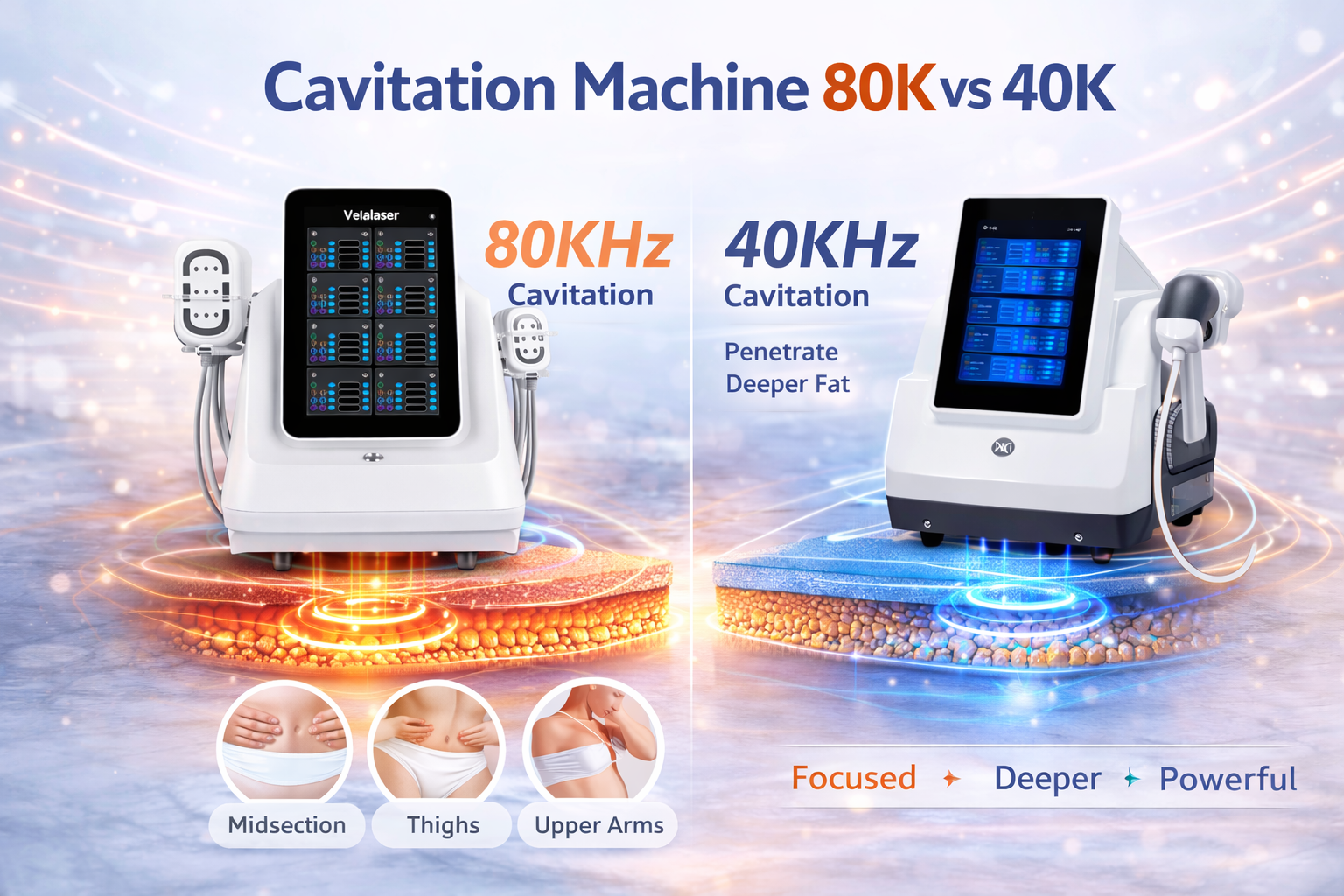
La frequenza dell'onda ultrasonica determina la profondità con cui penetra nei tessuti. In generale, le frequenze più basse penetrano più profondamente, consentendo agli effetti della cavitazione di raggiungere strati più profondi del grasso sottocutaneo. Ciò rende dispositivi come Macchine per cavitazione 40K adatte a depositi di grasso più grandi o più densi, come quelli che si trovano sull'addome e sulle cosce.
Al contrario, La frequenza 80K offre un apporto energetico più mirato agli strati di grasso superficiali, che può essere utile per rifinire i contorni e trattare aree più piccole o delicate. Questa distinzione significa che i dispositivi 80K possono essere più preciso, mentre i dispositivi 40K potrebbero essere più forte nelle zone adipose più profonde.
2.2 Formazione e collasso delle bolle
A frequenze più basse (come 40K), l'ampiezza delle onde ultrasoniche è maggiore, creando bolle di cavitazione più grandi che esercitano uno stress meccanico significativo sulle cellule adipose. Questo rende più energica la rottura delle membrane degli adipociti. Frequenze più alte (come 80K) creano bolle più piccole che possono collassare più frequentemente, ma con una forza individuale inferiore.
Nonostante le dimensioni più piccole delle bolle, l'aumento della frequenza spesso si traduce in una distribuzione più fluida dell'energia, che secondo alcuni professionisti riduce il disagio durante il trattamento e può fornire un contorno più delicato per alcune zone del corpo.
3. Comfort del trattamento ed esperienza dell'utente
3.1 Sensazioni del paziente durante il trattamento
I pazienti sottoposti a trattamenti di cavitazione possono avvertire sensazioni come calore, formicolio o leggere vibrazioni nella zona trattata. I dispositivi che operano a una frequenza di 80K tendono a fornire un sensazione più uniforme e possono risultare più confortevoli per le zone sensibili come braccia o fianchi. Al contrario, i dispositivi 40K possono produrre vibrazioni più forti nei tessuti più profondi, che alcuni clienti percepiscono come più intense.
3.2 Idoneità per le regioni sensibili
Per le aree in cui lo strato di grasso è sottile o in prossimità di strutture sensibili, un macchinario a cavitazione da 80K può essere la scelta migliore grazie alla sua azione più delicata e alla sua erogazione più precisa. La distribuzione equilibrata dell'energia aiuta a ridurre al minimo il disagio, promuovendo comunque un'efficace disgregazione del grasso.
4. Confronto dei risultati clinici
4.1 Riduzione del volume e contouring
Entrambe le tecnologie di cavitazione 40K e 80K possono produrre riduzioni misurabili della circonferenza e miglioramenti visibili del contorno corporeo. La scelta ottimale spesso dipende da obiettivi del trattamento e area specifica trattataPer depositi più estesi e profondi, una macchina da 40K può ottenere una significativa disgregazione dei tessuti in modo più efficiente. Per un contouring più raffinato e una levigatura superficiale, la frequenza da 80K può essere altamente efficace.
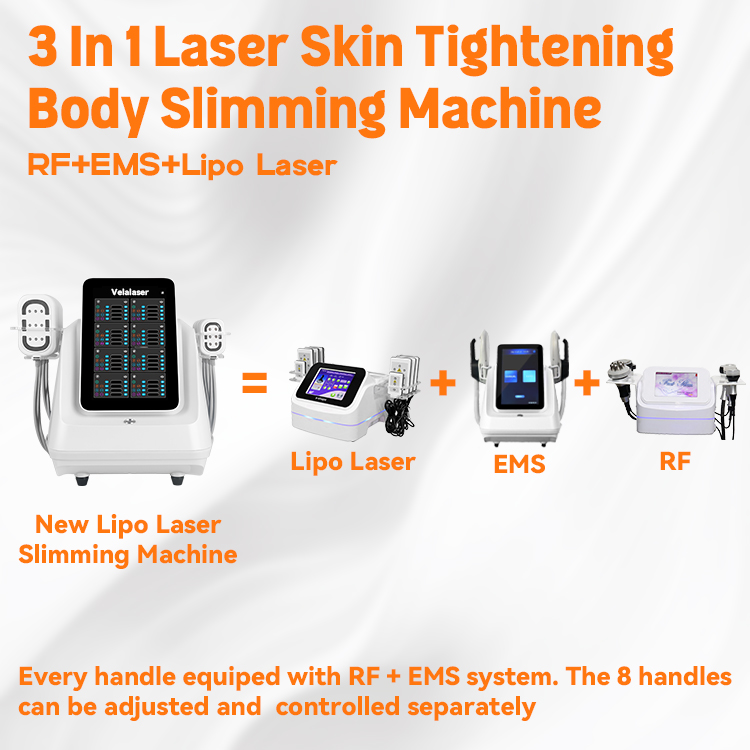
I dispositivi che combinano la cavitazione con altre modalità, come la radiofrequenza (RF) e l'EMS (EMS), possono migliorare ulteriormente i risultati, agendo sia sulla disgregazione del grasso che sul rassodamento della pelle. Un esempio di un sistema così versatile è il Super Lipolaser 3 in 1 + RF + stimolatore muscolare EMS, che favorisce contemporaneamente la riduzione del grasso, la stimolazione muscolare e la tonicità della pelle.
https://shefmon.com/product/3-in-1-super-lipolaser-rf-ems-muscle-stimulator/
4.2 Rassodamento e consistenza della pelle
La cavitazione a bassa frequenza si concentra maggiormente sulla disgregazione delle cellule adipose e meno sul rassodamento della pelle. Al contrario, i sistemi ad alta frequenza o combinati spesso integrano energie aggiuntive (come la radiofrequenza) che promuovono il rimodellamento del collagene. L'energia a radiofrequenza induce una stimolazione termica nel derma, che supporta elasticità della pelle migliorata e contorni più tonici dopo i trattamenti di riduzione del grasso. Un buon esempio di questa tecnologia di supporto è la Macchina di sollevamento RF monopolare verticale Tecar 448K, che fornisce radiofrequenza mirata per rassodare la pelle e rinnovare il derma.
https://shefmon.com/product/448k-tecar-vertical-monopolar-rf-lifting-machine/
5. Protocolli di trattamento e considerazioni del medico
5.1 Personalizzazione in base alle esigenze del cliente
I protocolli ideali per la terapia di cavitazione sono personalizzato in base alla composizione corporea del cliente, all'area da trattare e ai risultati desiderati. I professionisti esperti spesso valutano lo spessore del grasso, le condizioni della pelle e lo stile di vita prima di raccomandare una frequenza specifica o un approccio combinato. Un protocollo personalizzato garantisce comfort ed efficacia.
5.2 Combinazione di modalità per risultati ottimali
L'utilizzo della cavitazione in combinazione con altre energie, come la RF per il rassodamento e l'EMS per l'attivazione muscolare, fornisce un approccio multidimensionale al body shapingCiò non solo aiuta a ridurre il grasso, ma favorisce anche la tonicità dei tessuti e il miglioramento del tono muscolare.

Conclusione
La scelta tra un Macchina per cavitazione 80K e 40K Dovrebbe essere basata su una comprensione approfondita di come la frequenza influenzi i risultati della riduzione del grasso, l'interazione con i tessuti e il comfort del cliente. Mentre i dispositivi da 40K offrono una penetrazione più profonda ed effetti meccanici più intensi, adatti a depositi di grasso più grandi e densi, le macchine da 80K offrono una distribuzione dell'energia più precisa e confortevole, ideale per un contouring più definito e per le aree sensibili. La combinazione della cavitazione con tecnologie di supporto come RF ed EMS può migliorare ulteriormente i risultati, offrendo a cliniche e professionisti una potente suite di opzioni per il rimodellamento del corpo non invasivo. Entrambe le tecnologie hanno il loro posto nell'estetica professionale e la scelta giusta spesso dipende dagli obiettivi di trattamento individuali e dal giudizio clinico.