









Facial, hair-removal, and body departments can operate under one brand without becoming three isolated businesses. Clients should be able to enter through one reception system, explain their goals once, reach the correct specialist, understand the next step, and return for follow-up without receiving conflicting messages.
Connection does not mean using several devices in the same appointment or turning every client into a cross-sale. Each department still needs its own suitability decision, authorized operators, room controls, device records, aftercare, and escalation route. The connection happens through shared intake, clear referrals, coordinated booking, consistent service language, and reliable handoffs.
This guide shows how selected SHEFMON beauty devices can support the three service families and how an aesthetic center can link them into one understandable client journey.
Executive Summary
- Give facial, hair-removal, and body departments separate purposes before connecting their client journeys.
- Use one client identity and general intake, followed by a technology-specific assessment in the receiving department.
- A0648 can anchor facial maintenance, while A0272-F can form a separate facial-technology pathway.
- A0423 can support a controlled hair-reduction department with area-specific consultation, records, and follow-up.
- B0155 can support selected multifunction body-care services, while A0241 belongs in a separate muscle-focused body pathway.
- Create referral triggers based on a client’s stated goal, not on a sales target or an operator’s desire to add another device.
- Use booking statuses that show where the client is in each department: enquiry, consultation due, approved, declined, service booked, follow-up due, or closed.
- Share reception, client identity, reminders, approved brand language, central inventory oversight, maintenance reporting, and management review.
- Keep device-specific suitability, settings, accessories, treatment records, aftercare, and unexpected-response management within the responsible department.
- Multi-department packages can provide access or credits, but each service still requires its own assessment and does not establish same-day combination, order, settings, or outcome.
1. Connect the Client Journey, Not the Treatment Protocols
The center needs two layers:
| Shared center layer | Separate department layer |
|---|---|
| One reception identity, contact record, privacy process, booking account, reminders, and complaint route | Department-specific consultation, suitability decision, consent where applicable, operator authorization, settings, and aftercare |
| One public brand and navigation system | Accurate facial, hair, and body service descriptions |
| Central purchasing, device register, maintenance reporting, and support contacts | Approved model configuration, handles, tips, applicators, contact materials, cleaning, and service records |
| General staff onboarding and incident-reporting process | Technology-specific competency, supervision, stop criteria, and escalation |
| Center-wide management dashboard | Department quality, capacity, follow-up, faults, and client outcomes within the center’s lawful scope |
This structure gives clients one coordinated business while preserving the decisions that cannot be safely standardized across different technologies.
2. Define the Role of Each Department
Before building referrals, write one sentence that explains what each department does.
| Department | Primary client-facing role | Representative SHEFMON direction | Do not blur it into… |
|---|---|---|---|
| Facial maintenance | Cleansing, exfoliation, extraction, and hydration-oriented ongoing care | A0648 hydro microdermabrasion | Hair reduction, generic “lifting,” or advanced procedures |
| Facial technology | Consultation-led facial tone and technology services | A0272-F facial EMS/RF | Routine cleansing and hydration |
| Hair reduction | Professionally controlled, area-based hair-reduction pathway | A0423 diode laser | A quick facial or body add-on |
| Multifunction body care | Selected mechanical and device-based body-care services | B0155 Desktop Endos Velapro | Muscle stimulation or one generic slimming promise |
| Muscle-focused body services | A separate muscle-stimulation category | A0241 EMS/RF platform | Mechanical body care or exercise-equivalent claims |
The center does not need every model. It needs enough differentiated categories to serve documented demand without creating duplicate menu entries.
3. Create One Front Door for All Three Departments
Every enquiry can begin with the same general intake. Reception can record:
- the client’s contact details and communication preference;
- the goal in the client’s own words;
- whether the goal concerns the face, unwanted hair, or a body area;
- whether the client expects maintenance, a specialist consultation, or information about a procedure;
- preferred location, room, day, or operator where relevant;
- existing appointments within the center;
- general information that the business can lawfully collect at this stage;
- the department selected for the next step.
The shared intake should not decide that a technology is suitable. Its job is to identify the correct destination and apply the appropriate booking gate.
4. Follow Shared Intake with a Department Assessment
The receiving department expands the record according to its technology and service.
Facial department
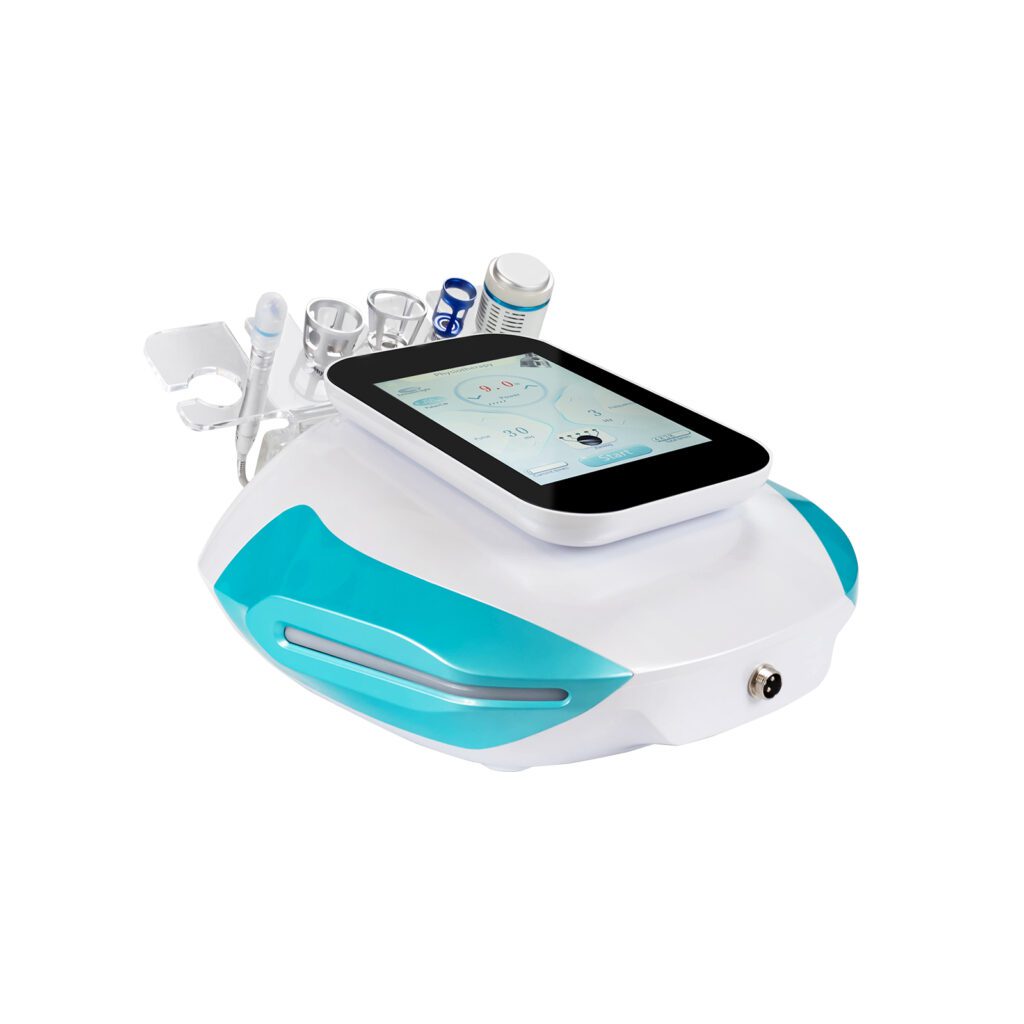
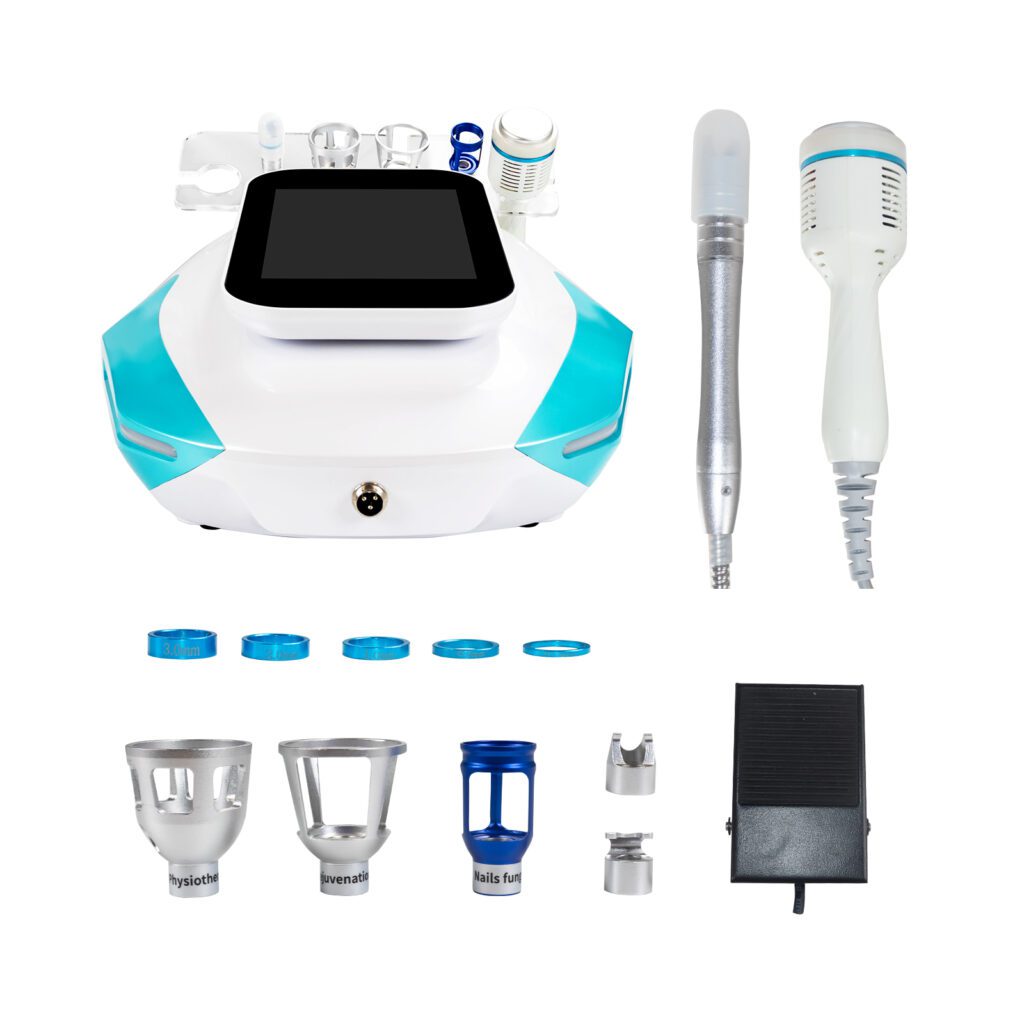
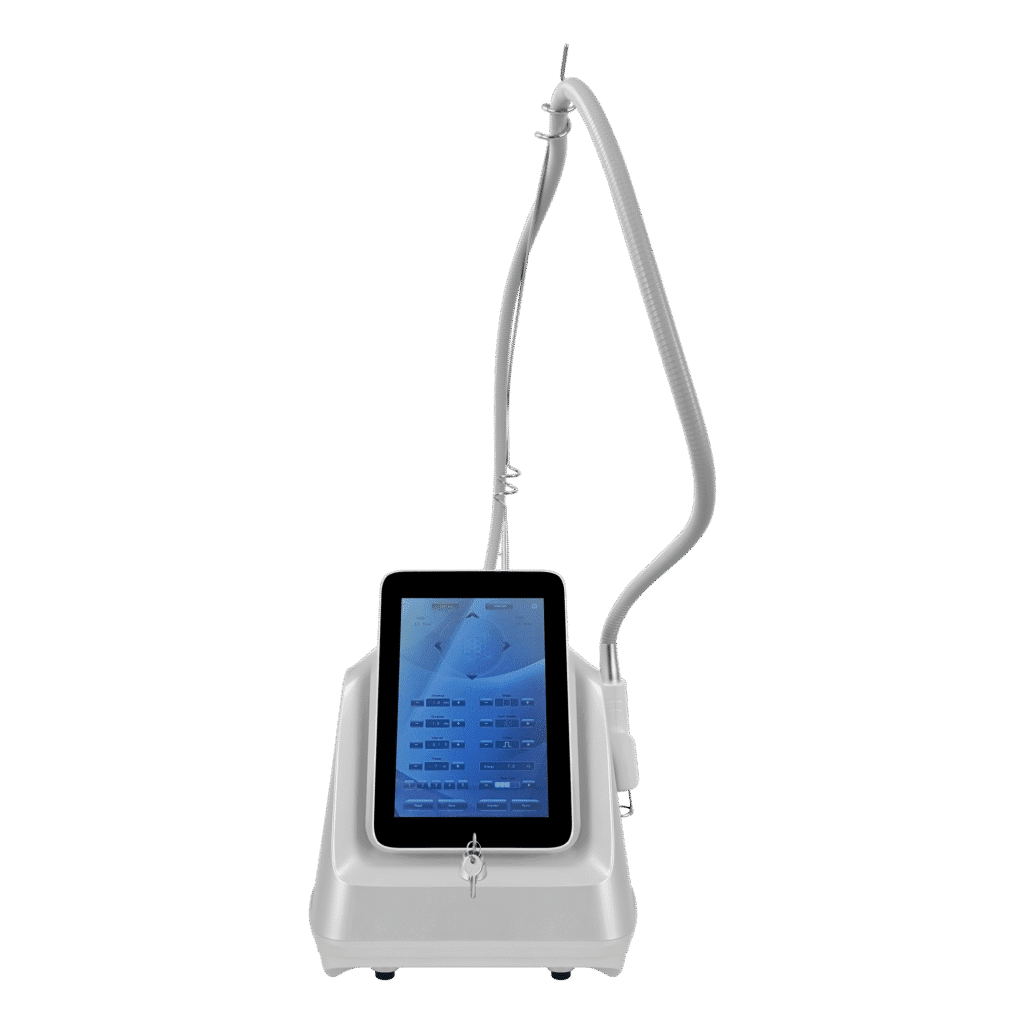
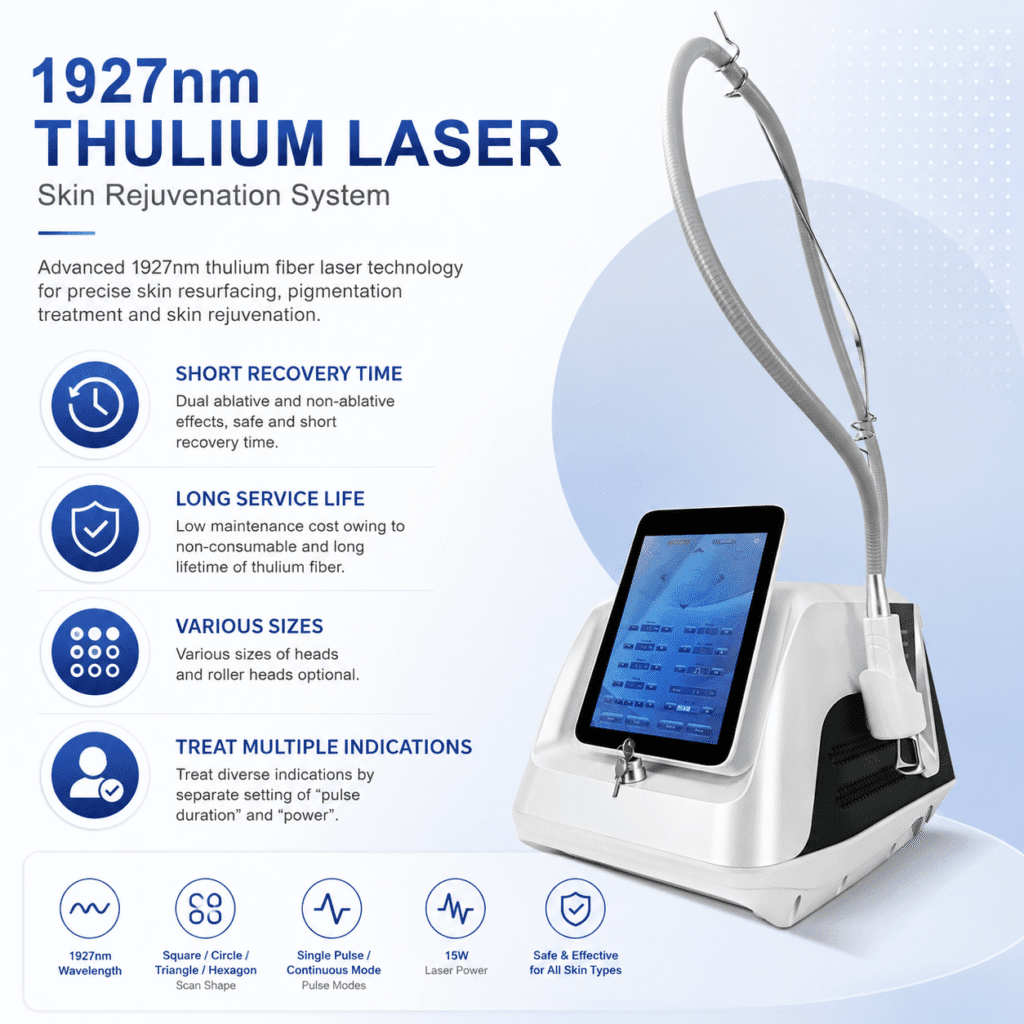
The facial team clarifies whether the client wants maintenance care or a separate technology category. The A0648 page describes a nine-function hydradermabrasion platform centered on cleansing, exfoliation, extraction, and hydration. The A0272-F page describes facial electrical stimulation combined with RF. These services need different screening, accessories, placement, records, and explanations.
Hair-removal department
The hair team confirms the area, exact device configuration, operator scope, room controls, protective eyewear, settings process, cooling and water-system checks, aftercare, and follow-up. The current A0423 listing presents 755, 810, and 1064 nm configurations, an optional 940 nm option, several spot sizes, and multiple cooling elements. The quotation and delivery documents should identify the supplied arrangement.
Body department
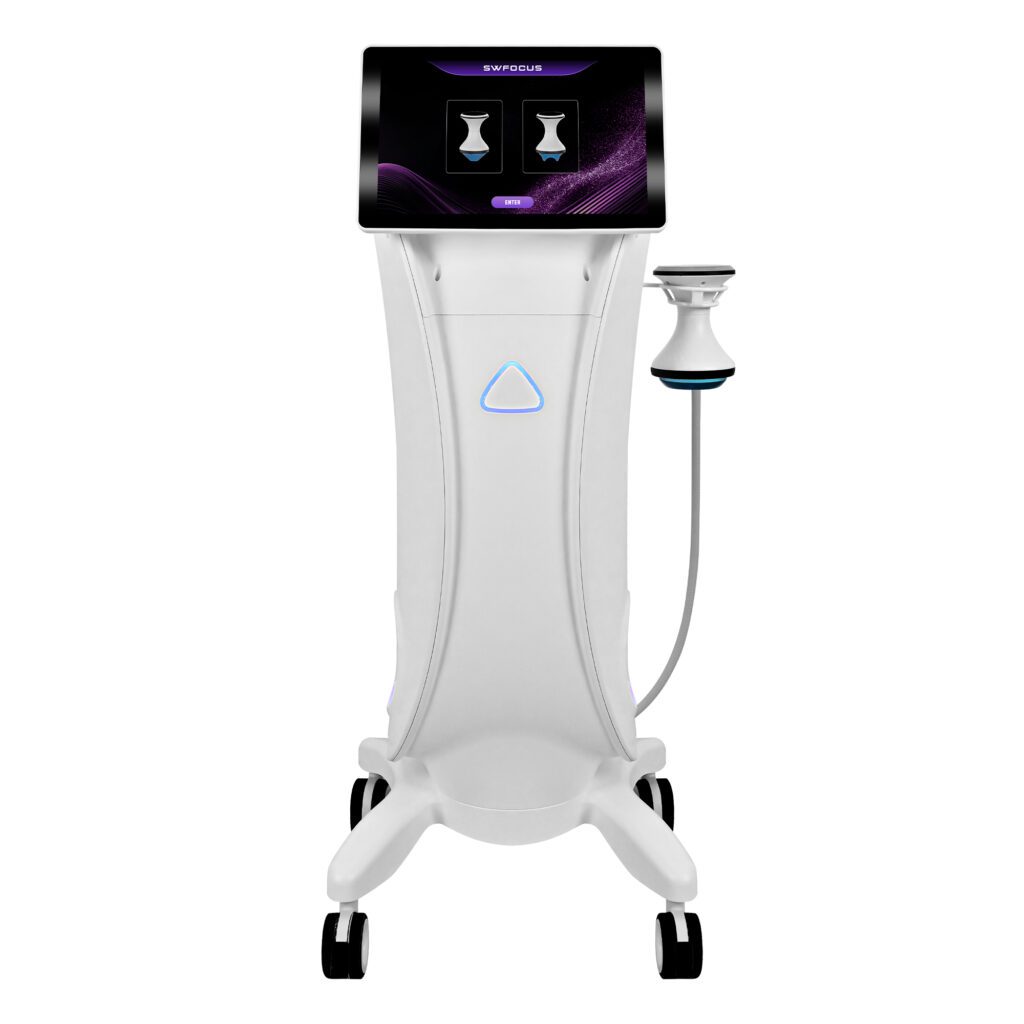
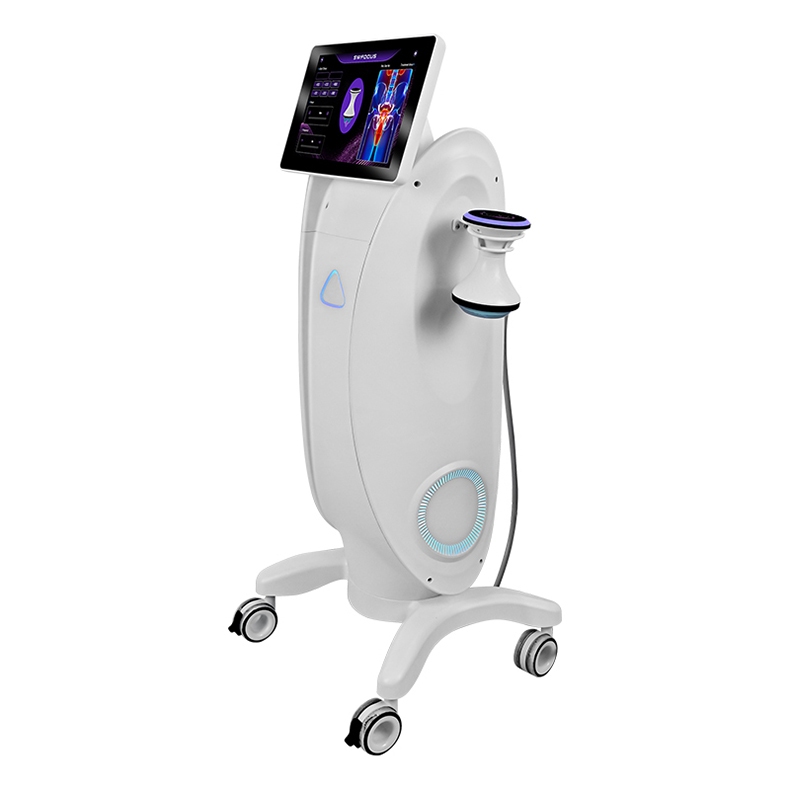
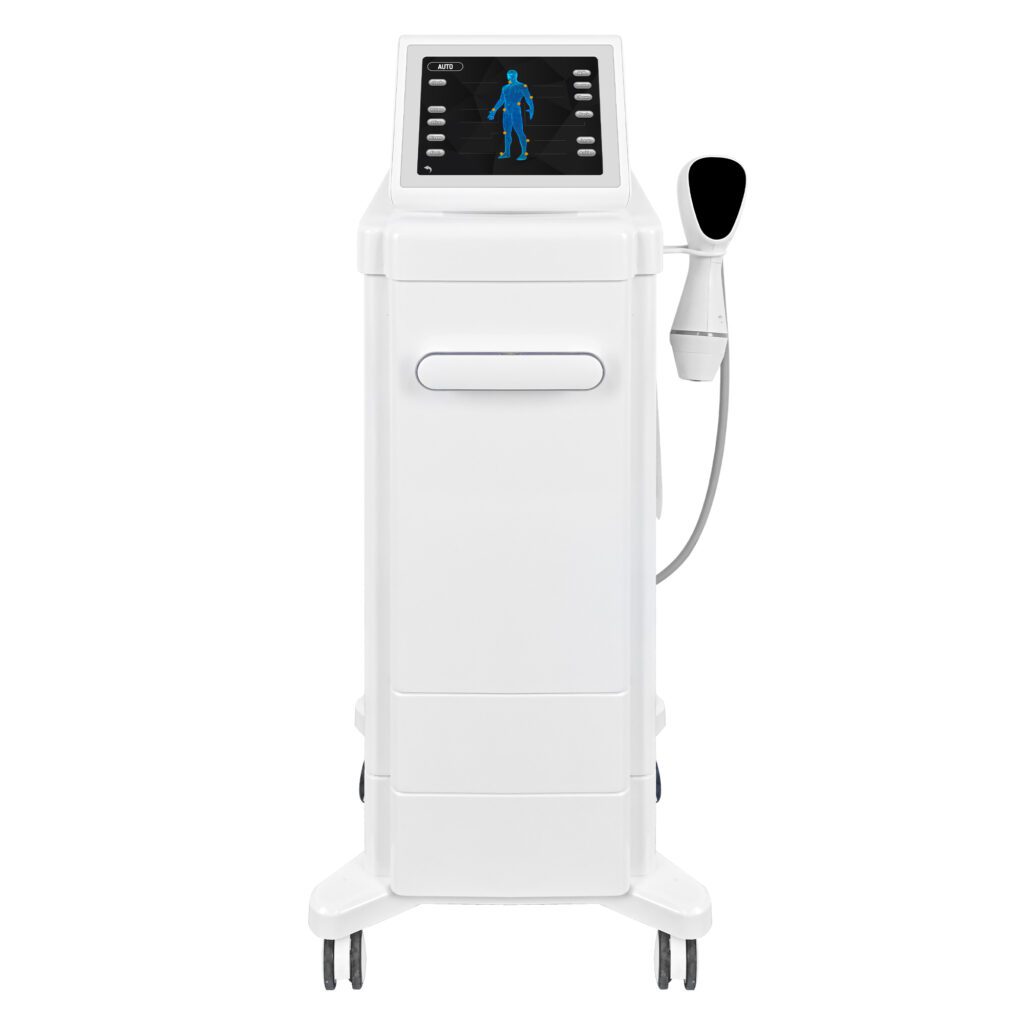
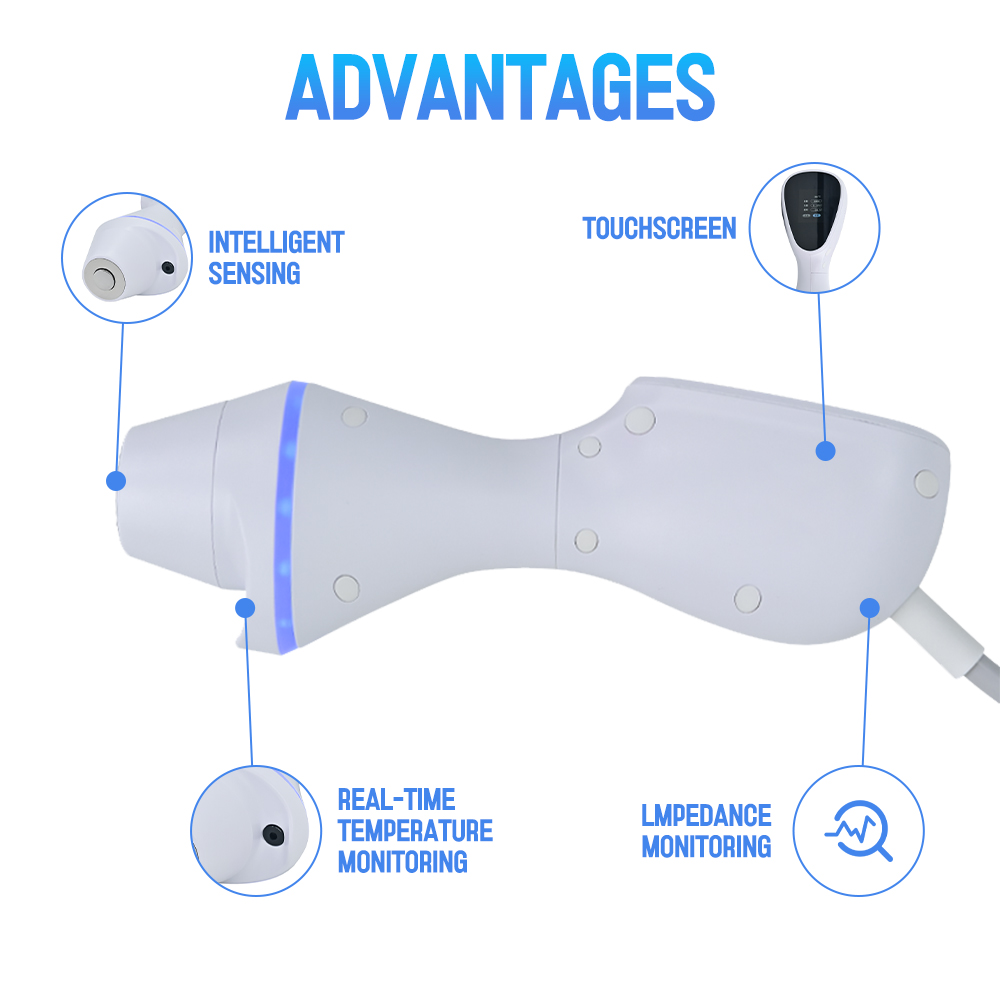
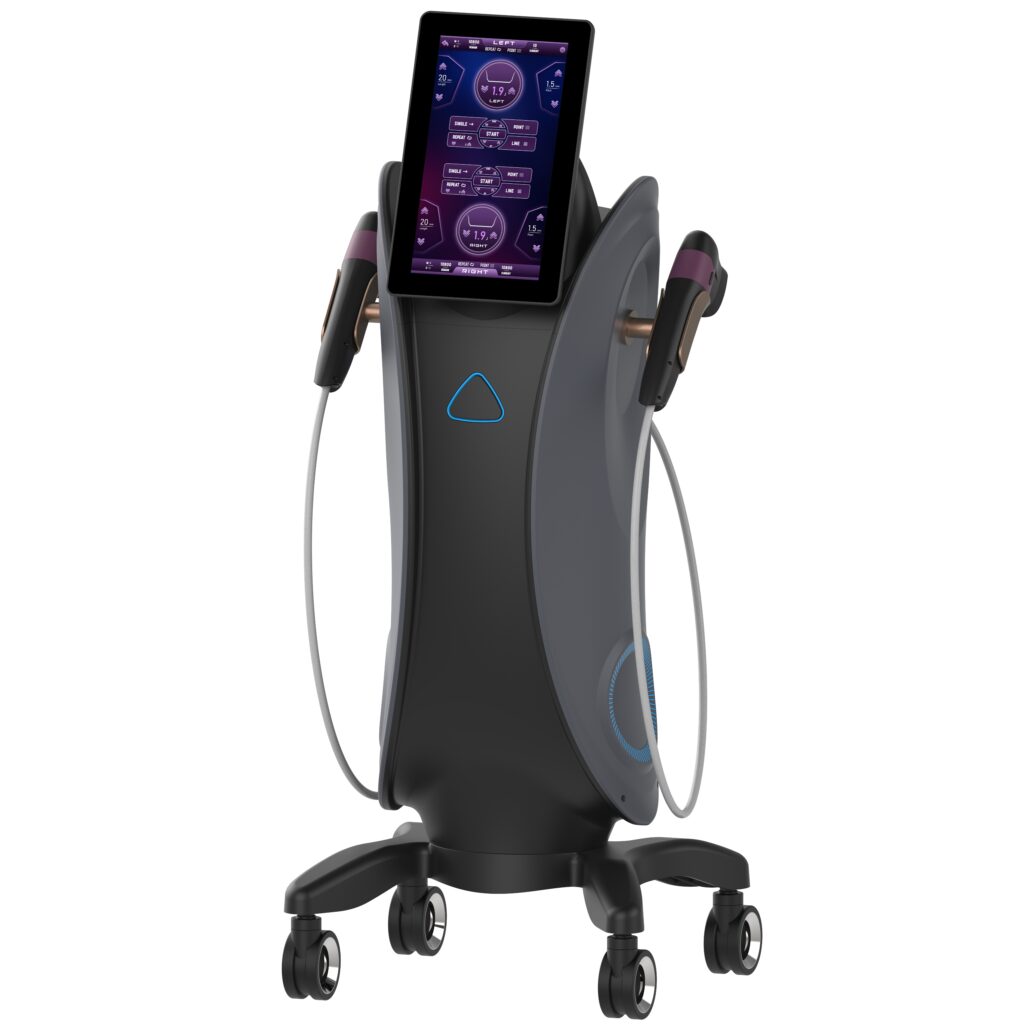
The body team decides which body category matches the goal. The B0155 page lists body and smaller rollers, rotating handles, RF-related functions, light, and 80K cavitation. The A0241 page presents electromagnetic muscle stimulation with RF. They should not share one suitability form or one vague “slimming” description.
5. Build a Goal-Based Routing Matrix
Reception needs a routing guide simple enough to use consistently.
| Client statement | First destination | Reception action | Department action |
|---|---|---|---|
| “I want a regular cleansing or hydration facial.” | Facial maintenance | Book the approved entry route | Assess for the A0648 service family and explain maintenance options |
| “I am interested in a facial technology for tone or contour.” | Facial technology | Book a technology consultation | Assess whether the A0272-F category fits the goal and operator scope |
| “I want information about reducing hair on this area.” | Hair reduction | Book an area-specific consultation | Complete the A0423 pathway and confirm the exact service decision |
| “I want mechanical or multifunction body care.” | Body care | Book a body consultation | Select only a documented B0155 service when appropriate |
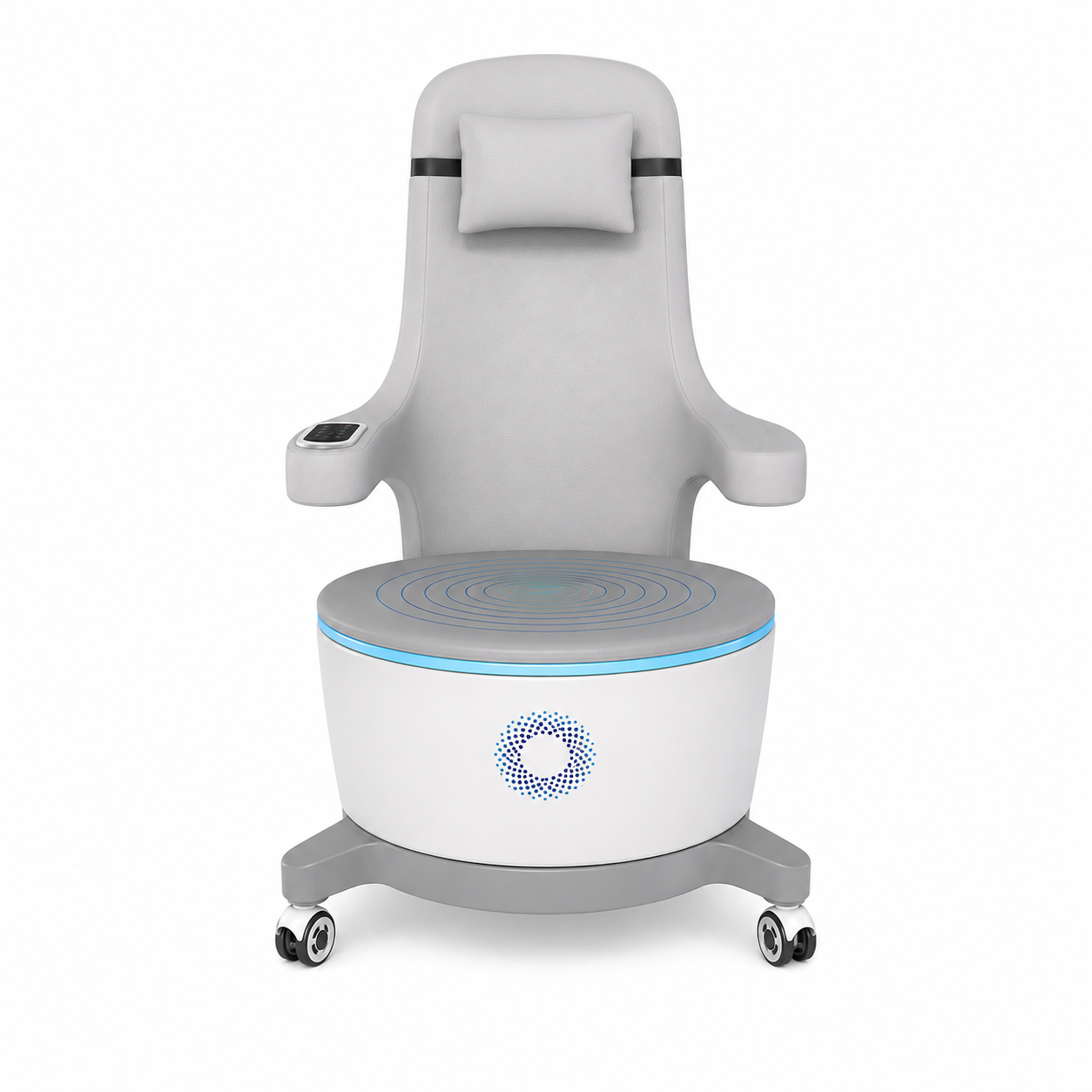
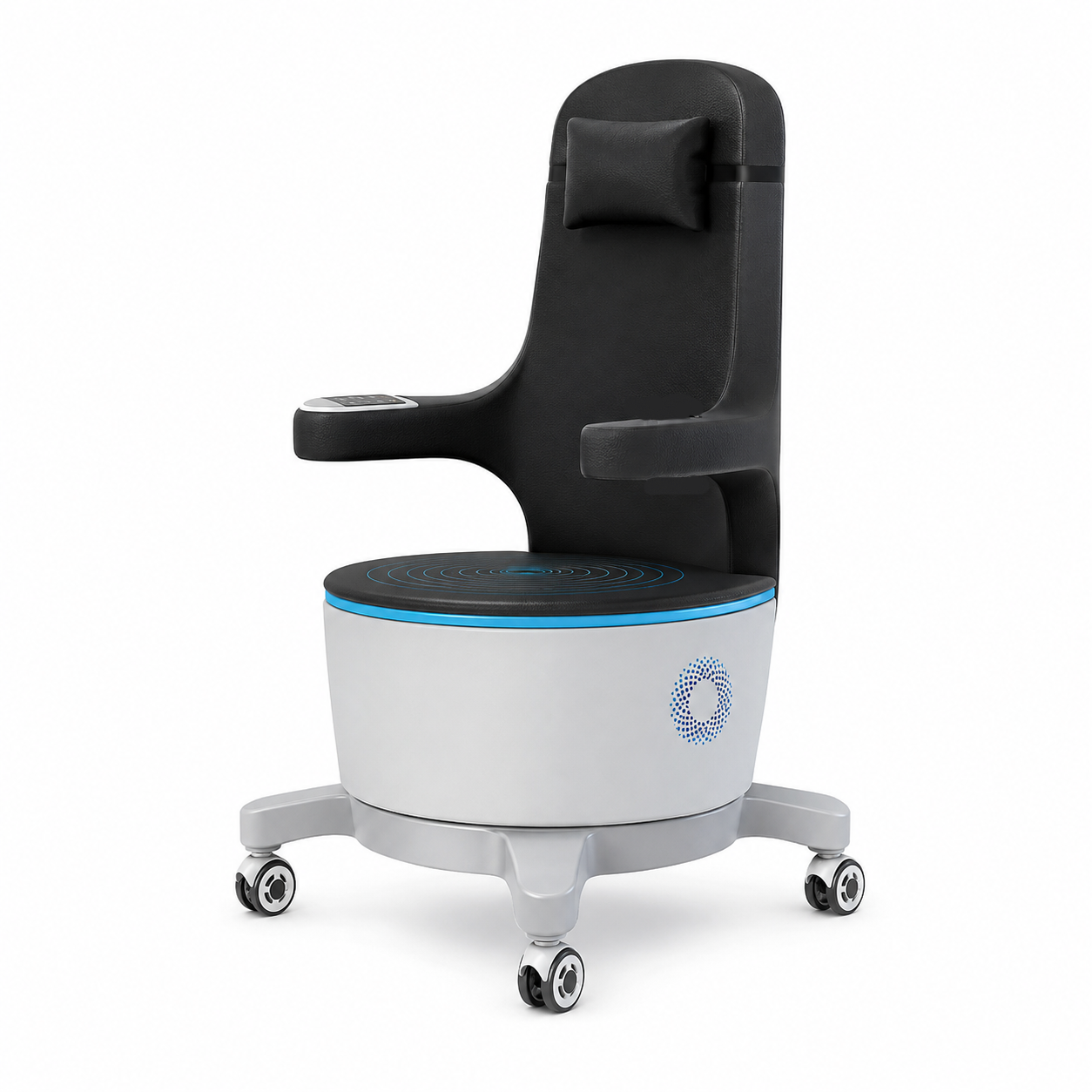
| “I am asking about a muscle-focused body service.” | Muscle services | Book the muscle-service assessment | Use the A0241-specific screening, placement, records, and review process |
| “I have several goals and do not know where to start.” | Consultation hub | Book a general goal-mapping appointment | Route each goal separately; do not prescribe an automatic bundle |
The matrix should use client language. Reception does not need to diagnose a concern or compare energy levels.
6. Use One Client Record with Separate Department Modules
A connected center should not create three unrelated client identities. Use one main record with controlled department sections.
The shared record can contain:
- verified identity and contact information;
- privacy and communication preferences;
- appointment and payment history according to applicable rules;
- general notes available to authorized staff;
- department referrals and their status;
- complaints, incidents, and escalations routed under the center’s policy.
Each department module can then record:
- the client’s technology-specific goal and assessment;
- the responsible operator and approver where applicable;
- device model and exact configuration;
- area, handle, tip, applicator, or component as relevant;
- settings and service date where required;
- response, aftercare, follow-up, and any unexpected event;
- the reason for continuation, modification, referral, decline, or closure.
Access should follow staff roles. A shared system does not mean every employee can view or edit every field.
7. Give Every Referral a Reason and an Owner
A referral should answer four questions:
- What goal did the client raise?
- Why is another department more relevant?
- Who owns the next contact?
- What is the current status?
Use a short handoff note instead of telling the client to “ask the body team.” For example:
Client raised a separate muscle-focused goal during a facial review. No body-service recommendation was made. Referred to the muscle department for an independent consultation. Body coordinator owns follow-up within the approved contact process.
This record prevents the receiving operator from assuming the first department already approved a service.
8. Set Referral Triggers Without Automatic Upselling
Appropriate referral triggers include:
- the client introduces a new facial, hair, or body goal;
- the current department determines that the goal belongs elsewhere;
- a course or maintenance plan reaches its planned review point;
- an operator identifies a need for a different level of professional assessment;
- the client asks about another service category;
- the center needs to redirect an unsuitable or declined request to an appropriate consultation, where such referral is justified.
Avoid referrals triggered only by an empty schedule, a sales quota, or a rule that every appointment must produce a cross-sale. A referral is successful when it sends the client to the right assessment, including when the receiving department decides not to provide a service.
9. Standardize the Handoff Conversation
Staff can use a simple structure:
- acknowledge the client’s stated goal;
- explain why it belongs to another department;
- clarify that the next step is an assessment, not approval;
- ask whether the client wants the receiving team to contact them or schedule a consultation;
- record the referral and responsible owner.
Example:
“Your question is about unwanted hair rather than facial maintenance. Our hair-reduction team uses a separate assessment and controlled service process. I can arrange that consultation, and the authorized operator will decide whether the category is appropriate for the area you described.”
This is more accurate than promising a result or recommending a device from the reception desk.
10. Use Booking Statuses That Work Across Departments
Create a common status vocabulary:
| Status | Meaning | Next owner |
|---|---|---|
| New enquiry | Goal recorded but no destination confirmed | Reception or consultation coordinator |
| Routed | Correct department selected | Receiving department |
| Consultation due | Assessment is required before service booking | Authorized consultant or operator |
| Approved for offered service | Department has completed its decision under its process | Booking team within approved scope |
| Declined or deferred | Service is not proceeding now | Department documents reason and appropriate next step |
| Service booked | Appointment and room are reserved | Department operator |
| Follow-up due | Review, maintenance, or progress contact is required | Responsible department |
| Referral pending | Another goal awaits a separate department assessment | Named receiving owner |
| Closed | No further action is currently planned | Department or client-services team |
Statuses should be department-specific when one client has several goals. A client can be “follow-up due” in facial maintenance and “consultation due” in hair reduction at the same time.
11. Coordinate Calendars Without Merging Service Decisions
The scheduling system should display:
- the correct department and service family;
- whether consultation or approval is required;
- authorized operators for the selected device;
- suitable room and equipment availability;
- preparation, service, documentation, cleaning, and reset time;
- required follow-up interval or review point established by the department;
- any unresolved referral, fault, maintenance block, or stock restriction.
Convenient scheduling does not justify placing two department services into the same visit. Same-day suitability, order, areas, settings, and professional requirements must be determined separately.
12. Build One Website Navigation with Three Clear Paths
The website can present one “Beauty Device Services” hub with three primary choices:
- Facial Services: cleansing and hydration-oriented maintenance, plus clearly separated facial technology where offered;
- Hair-Reduction Services: consultation-led, area-based professional services;
- Body Services: selected multifunction body care and a separate muscle-focused category.
Each department page should explain:
- the type of goal it addresses;
- the consultation or booking route;
- representative technology and model;
- who the service is designed to be assessed by;
- what the client should expect before and after the appointment;
- how to contact the correct team;
- that individual suitability and results vary.
Use links between departments only when they help clients navigate a different goal. Do not fill every page with unrelated device promotions.
13. Keep the Service Menu Connected but Distinct
| Menu family | Example public entries | Connected next step |
|---|---|---|
| Facial maintenance | Essential Cleansing Facial; Hydration-Focused Facial; Maintenance Review | Separate facial-technology consultation only when the client requests or needs that category assessed |
| Facial technology | Facial Technology Consultation; approved A0272-F service; Technology Review | Return to maintenance according to a separate plan, not as an automatic add-on |
| Hair reduction | Hair-Reduction Consultation; precisely defined area services; Progress Review | Referral to another department only for a separately stated goal |
| Multifunction body care | Body Care Consultation; selected B0155 service; Body Care Review | Separate muscle consultation if the goal is muscle-focused |
| Muscle services | Muscle Service Consultation; approved A0241 session; Program Review | Return to general body care only after a separate decision |
This menu structure allows cross-navigation while preventing one department from claiming another department’s role.
14. Design Memberships Around Access and Eligibility
A center-wide membership can connect departments through benefits such as consultation access, account credits, reminders, or eligible maintenance services. Its terms should explain:
- which departments and services accept credits;
- which services require a new or updated assessment;
- whether credits can be transferred between departments;
- expiration, cancellations, pauses, and refunds under the business’s policy and local rules;
- what happens when a service is no longer appropriate or available;
- whether advanced or specialist categories are excluded;
- that membership does not guarantee suitability, availability, or results.
Do not make clients use facial, hair, and body services merely to “complete” a membership. The center can connect accounts without forcing treatment consumption.
15. Create Commercial Packages Without Inventing Combination Protocols
Commercial packages can describe access to departments:
| Package idea | What it can include | Required safeguard |
|---|---|---|
| Three-Department Consultation Pass | One goal-mapping appointment plus separate facial, hair, or body consultations as needed | Every department makes its own suitability decision |
| Facial and Hair Account Credit | Credit usable for eligible services in either department | Consultation, reassessment, expiry, and eligible-service rules remain clear |
| Facial and Body Maintenance Membership | Selected maintenance categories and scheduled reviews | No automatic device pairing or same-day promise |
| Multi-Service Center Gift Credit | Monetary credit across approved menu items | Recipient must complete the relevant booking and assessment route |
A commercial package is not a clinical or technical treatment plan. It cannot establish device order, timing, settings, areas, or predicted results.
16. Connect Follow-Up Without Sharing Generic Advice
The center can standardize when follow-up tasks are created, how reminders are sent, and who closes them. The content remains department-specific.
Facial follow-up may review maintenance experience and the next appropriate service decision. Hair-reduction follow-up may review the treated area, documentation, aftercare, and next department-approved step. Body follow-up may review the selected modality, area, response, and continued suitability.
If a follow-up reveals a new goal, create a referral. Do not change the record silently or let one operator give instructions for a device they are not authorized to manage.
17. Coordinate Rooms and Staff at the Daily Huddle
A short daily coordination process can confirm:
- which departments are open and which operators are authorized;
- room and device assignments;
- consultations, first visits, reviews, and follow-ups;
- clients moving between departments for separate appointments;
- device faults, maintenance blocks, or missing components;
- stock restrictions affecting bookings;
- privacy, accessibility, or communication needs recorded appropriately;
- named ownership of pending referrals and escalations.
The huddle should not discuss more client information than authorized staff need for the operational task.
18. Centralize Inventory Oversight but Separate Device Stock
Management can use one purchasing and stock system while maintaining device-specific controls. Track:
- model and approved configuration;
- tips, handles, applicators, filters, heads, and other components;
- compatible solutions and contact materials;
- protective eyewear and protective items where applicable;
- single-use items and lot information where relevant;
- cleaning and maintenance supplies;
- reorder levels, lead times, issued department, and storage location;
- damaged, expired, returned, or quarantined stock.
Do not move a component or contact product between departments because it appears similar. Use only the item verified for the delivered device and service process.
19. Use One Device Register with Department Ownership
The center-wide register should identify:
- model, serial number, configuration, voltage, and physical location;
- responsible department and manager;
- authorized operators;
- acceptance and installation information;
- current manual and training version;
- pre-use checks, cleaning, preventive maintenance, and service schedule;
- faults, downtime, repairs, parts, and technical-support history;
- approved service cards linked to the model;
- open restrictions that should block booking.
Department ownership prevents a shared asset from becoming an unowned asset.
20. Train Reception on Boundaries, Not Device Parameters
Reception training should cover:
- how to identify the client’s main goal;
- the difference between facial maintenance, facial technology, hair reduction, multifunction body care, and muscle services;
- which booking gate applies;
- which statements require referral to an authorized operator;
- how to explain a consultation without implying approval;
- how to record a referral and assign ownership;
- how to respond when the requested service is unavailable, under maintenance, or outside the center’s current menu;
- how to avoid promises about suitability, comfort, timing, number of sessions, or results.
Device parameters and individual decisions belong to the trained and authorized department team.
21. Measure Whether the Departments Are Truly Connected
| Measure | What it reveals |
|---|---|
| Correct first routing | Whether reception understands department roles |
| Referral acceptance and completion | Whether handoffs have owners and clients understand the next step |
| Referral decline after assessment | Whether the process respects independent suitability decisions |
| Time from referral to first contact | Whether clients are being lost between teams |
| Duplicate or conflicting records | Whether the shared record structure works |
| Follow-up completion | Whether departments retain ownership after the appointment |
| Cross-department complaints | Whether messages, memberships, pricing, and expectations are aligned |
| Device downtime and booking impact | Whether technical issues are visible across the center |
| Repeat demand by department | Whether capacity and future device choices match actual interest |
Do not evaluate the system only by cross-sales. Accurate routing, documented declines, completed follow-up, and fewer conflicts are equally important indicators.
22. Choose a Connection Model for the Center
Model A: Lean three-department center
- Facial maintenance with A0648;
- hair reduction with A0423;
- one body direction using B0155 or A0241.
Use one reception team, one client identity, a simple routing matrix, separate department assessments, and a weekly referral review.
Model B: Facial-led growth center
- A0648 facial maintenance;
- A0272-F facial technology;
- A0423 hair reduction;
- B0155 multifunction body care.
Separate the two facial paths clearly, then connect all four through shared client navigation and referral ownership.
Model C: Established multi-service center
- facial maintenance and facial technology;
- controlled hair reduction;
- multifunction body care and a distinct muscle pathway;
- centralized records, inventory oversight, device register, marketing approval, management dashboard, and formal handoff auditing.
Add complexity only when staff, rooms, demand, and operating controls can support it.
23. How Distributors Can Present a Connected Center Solution
Distributors can help buyers by presenting department modules and the links between them. For each proposed model, provide:
- its department role and client goal;
- exact standard and optional configuration;
- room, power, storage, cleaning, and turnover needs;
- operator, assessment, documentation, and aftercare expectations;
- consumables, components, wear parts, maintenance, and support;
- sample referral points to adjacent departments without recommending automatic treatment combinations.
A center-level proposal can also include a routing map, room and device list, staff-authorization outline, inventory groups, staged purchase plan, and information the buyer must verify locally.
24. Connection Problems to Avoid
- One generic consultation form for every technology.
- One client having several unlinked profiles.
- Reception promising suitability or results.
- Referrals without a reason, owner, status, or follow-up date.
- A quota that turns every appointment into an upselling event.
- A generic “slimming” department that mixes B0155 and A0241 roles.
- Hair reduction presented as a quick add-on to facial appointments.
- Membership credits that bypass assessment or reassessment.
- Packages presented as same-day combination protocols.
- Components, contact products, or cleaning processes mixed across devices.
- Department staff changing another team’s settings, records, or aftercare.
- Marketing pages that use the same claims for facial, hair, and body services.
- Management counting cross-sales while ignoring declines, complaints, lost referrals, and incomplete follow-up.
25. Connected-Center Checklist
Before launching the shared client journey, confirm that:
- each department has a distinct purpose and representative device category;
- one general intake leads to separate department assessments;
- the routing matrix uses client goals rather than device jargon;
- every referral has a reason, receiving owner, status, and follow-up task;
- booking gates prevent unapproved services from being scheduled;
- one client record contains controlled department modules;
- staff access follows roles and authorization;
- service-menu navigation connects departments without blurring them;
- memberships and credits preserve assessment requirements;
- commercial packages do not prescribe treatment combinations;
- rooms, devices, operators, and reset time are coordinated;
- inventory is centralized at management level but separated by model and department;
- the device register shows ownership, faults, maintenance, and booking restrictions;
- reception uses approved explanations and escalation routes;
- department-specific aftercare and follow-up remain with the responsible team;
- management reviews routing quality, referral completion, declines, complaints, downtime, and capacity.
Frequently Asked Questions
1. Should facial, hair-removal, and body departments use one consultation form?
They can share a general intake, but each department needs questions and decisions suited to its technology, operator scope, service area, components, records, aftercare, and local requirements.
2. Which SHEFMON devices can represent the three departments?
A0648 can anchor facial maintenance, A0423 can support hair reduction, and B0155 can support selected multifunction body care. A0272-F can add a separate facial-technology path, while A0241 can add a distinct muscle-focused body category.
3. How should reception route a client with several goals?
Record each goal separately, identify the best first consultation, and create additional department referrals as needed. Do not convert several goals into an automatic multi-device package.
4. Can one operator work across all three departments?
Only when that person has the required training, verified competency, authorization, professional scope, and supervision for each exact device and service. Access should be granted model by model and task by task.
5. What information should follow a client to another department?
Send the stated goal, referral reason, relevant authorized information, current status, receiving owner, and requested next step. The receiving department should conduct its own assessment rather than relying on an implied approval.
6. Can facial, hair, and body services be sold in one membership?
Yes, when the terms define eligible services, credits, consultations, reassessment, expiry, cancellations, transfers, and the process used when a service is not appropriate. Membership does not guarantee treatment eligibility.
7. Does a referral mean the client should receive another service?
No. It means another department should assess a separate goal. A valid outcome may be an approved service, a deferred decision, a different route, or no service.
8. Can clients book two departments on the same day?
Scheduling convenience does not determine suitability. Each department must assess the service, and qualified staff must decide whether timing, order, areas, device instructions, and local requirements allow the appointments.
9. Which metric best shows whether departments are connected?
Use a balanced set: correct first routing, referral ownership, time to contact, completed assessments, documented declines, follow-up completion, conflicting records, complaints, downtime, and capacity. Cross-sales alone can hide poor decisions.
10. What should a center send SHEFMON for a connected-device plan?
Send current devices and departments, client demand, rooms, staff qualifications, country, service goals, preferred configurations, consumable and support needs, booking workflow, and staged purchasing plan.
Conclusion
Facial, hair-removal, and body departments work as one aesthetic center when clients move through a shared front door and receive separate, responsible decisions from each specialist team. A0648 can anchor facial maintenance, A0272-F can add facial technology, A0423 can support hair reduction, B0155 can establish multifunction body care, and A0241 can create a distinct muscle-focused path.
Use one client identity, a goal-based routing matrix, controlled department modules, named referral owners, coordinated calendars, and consistent public navigation. Keep suitability, settings, components, aftercare, and escalation with the team that owns the technology. This connects the business without turning different devices into one generic treatment plan.
Explore the current SHEFMON beauty device range or contact SHEFMON with your proposed facial, hair, and body departments, room plan, staff profile, and service goals.