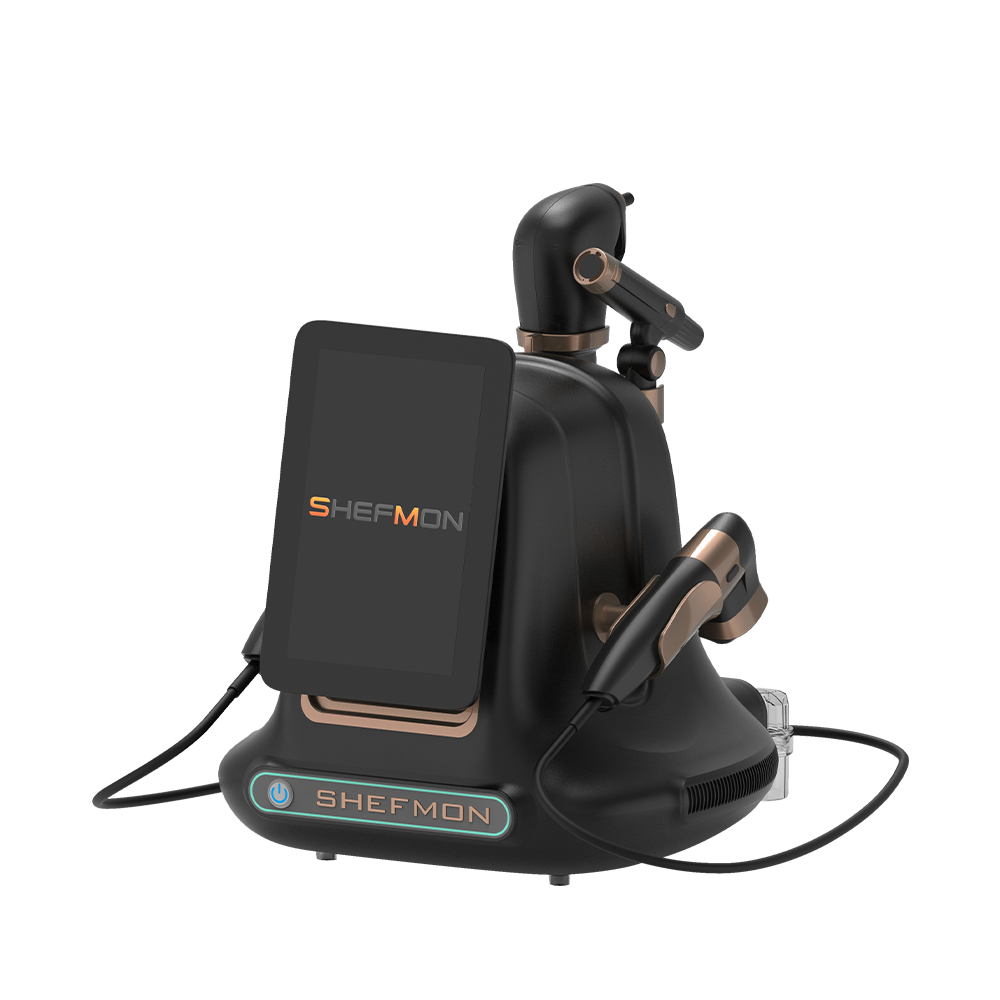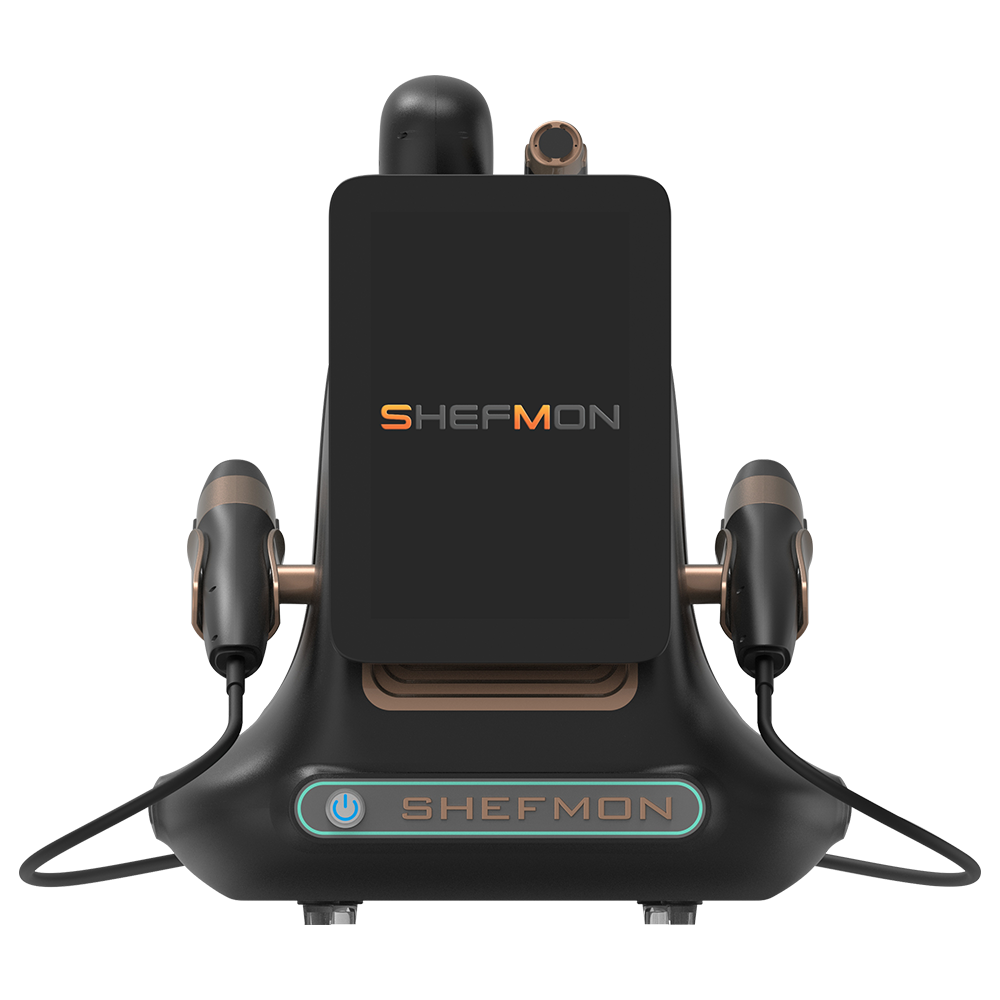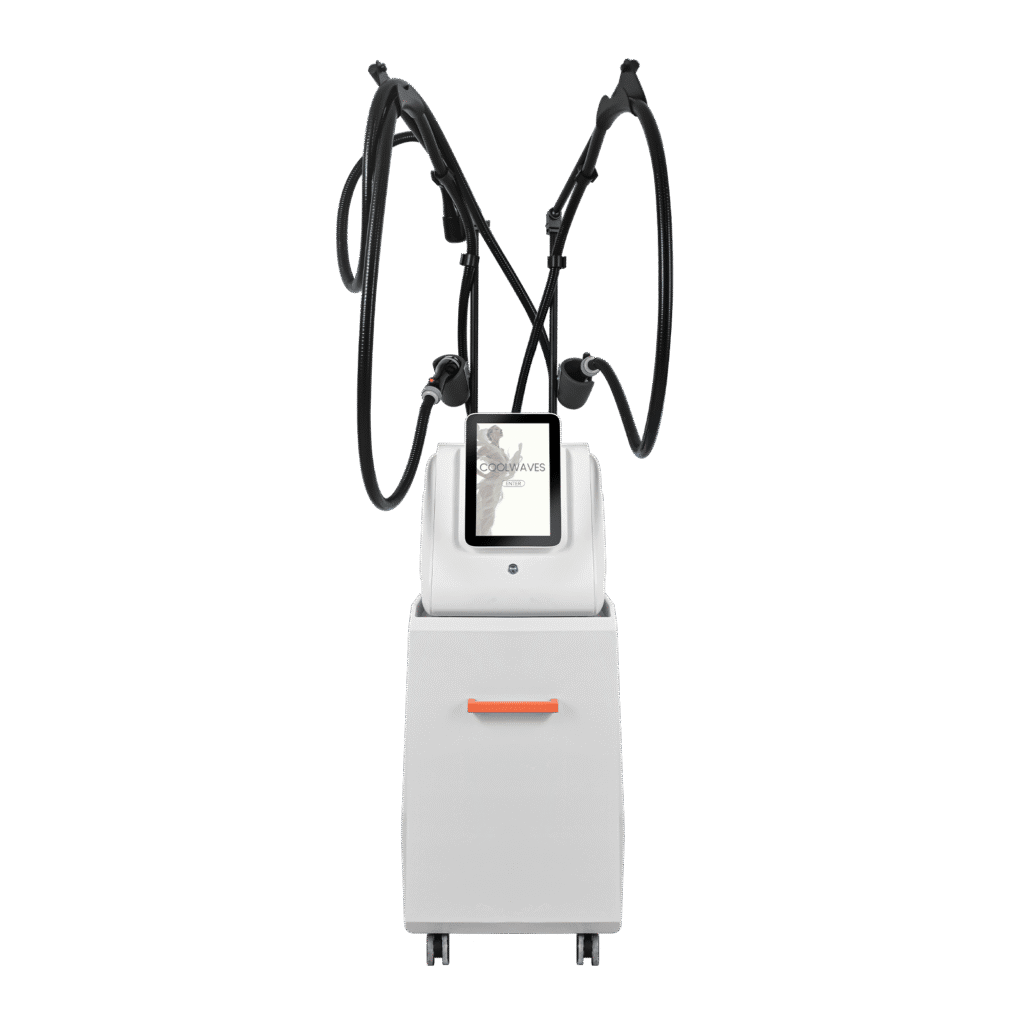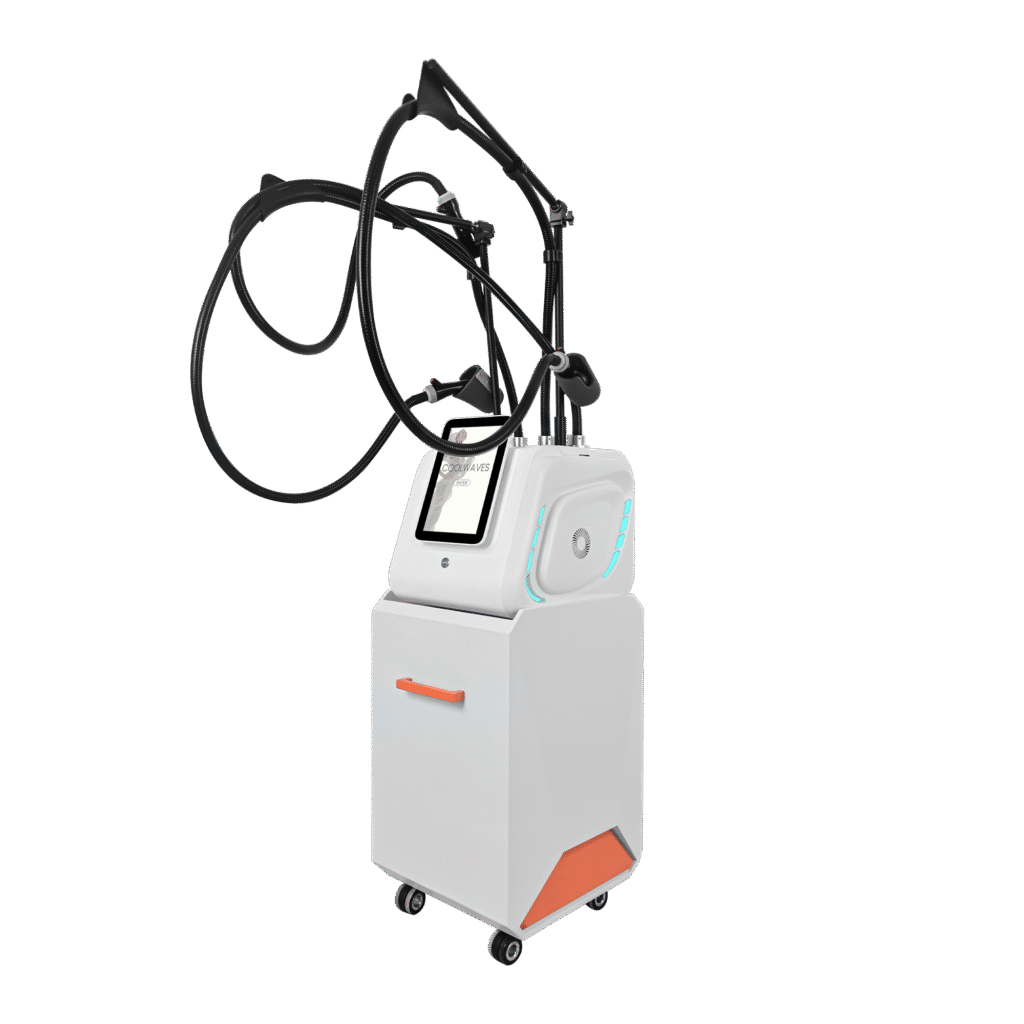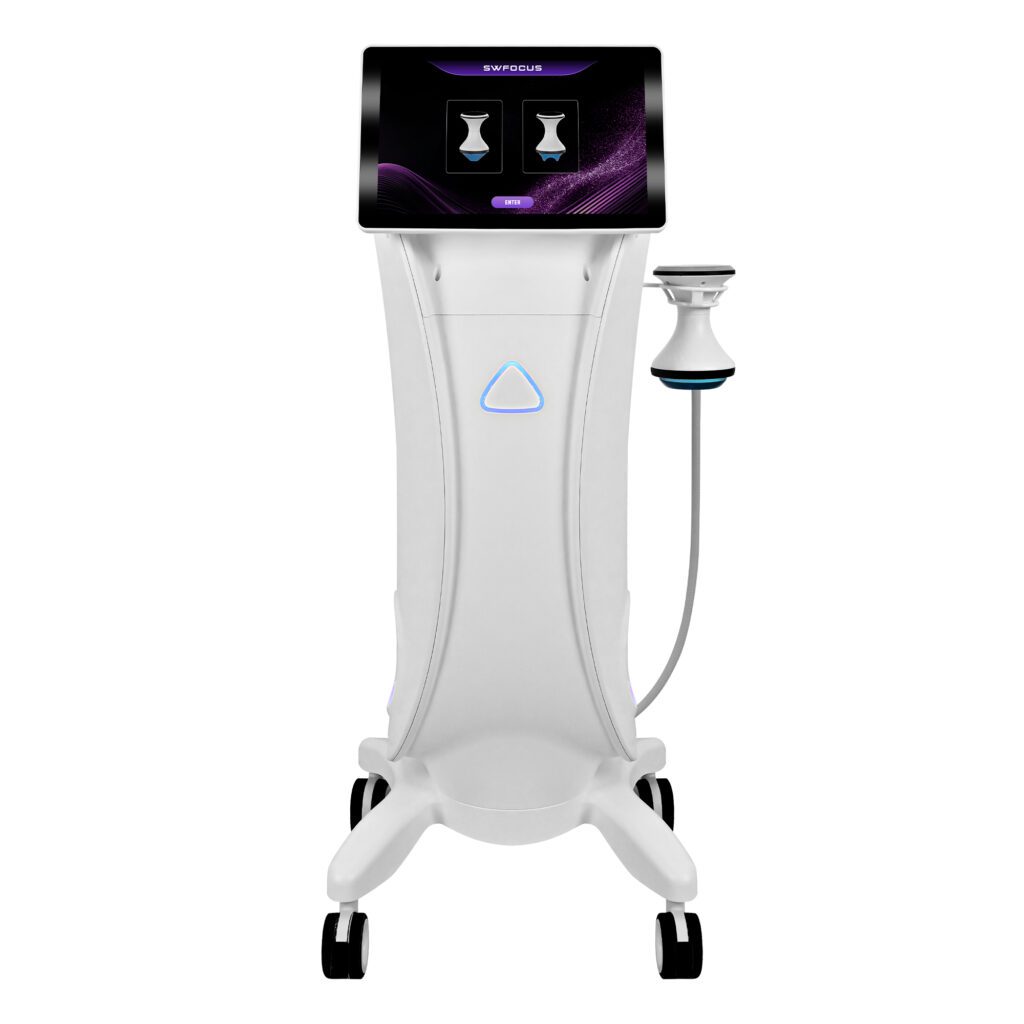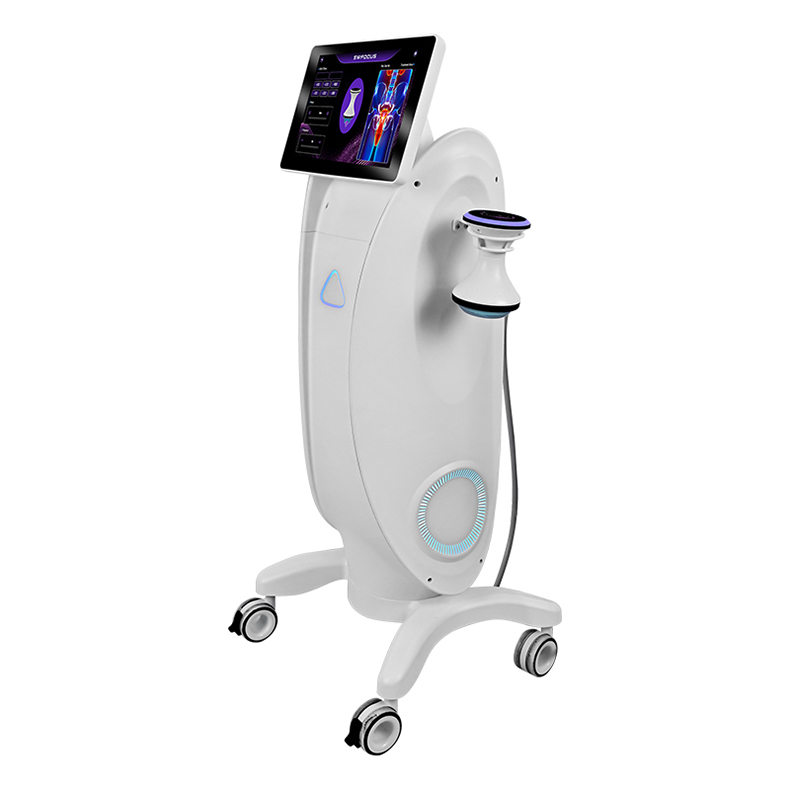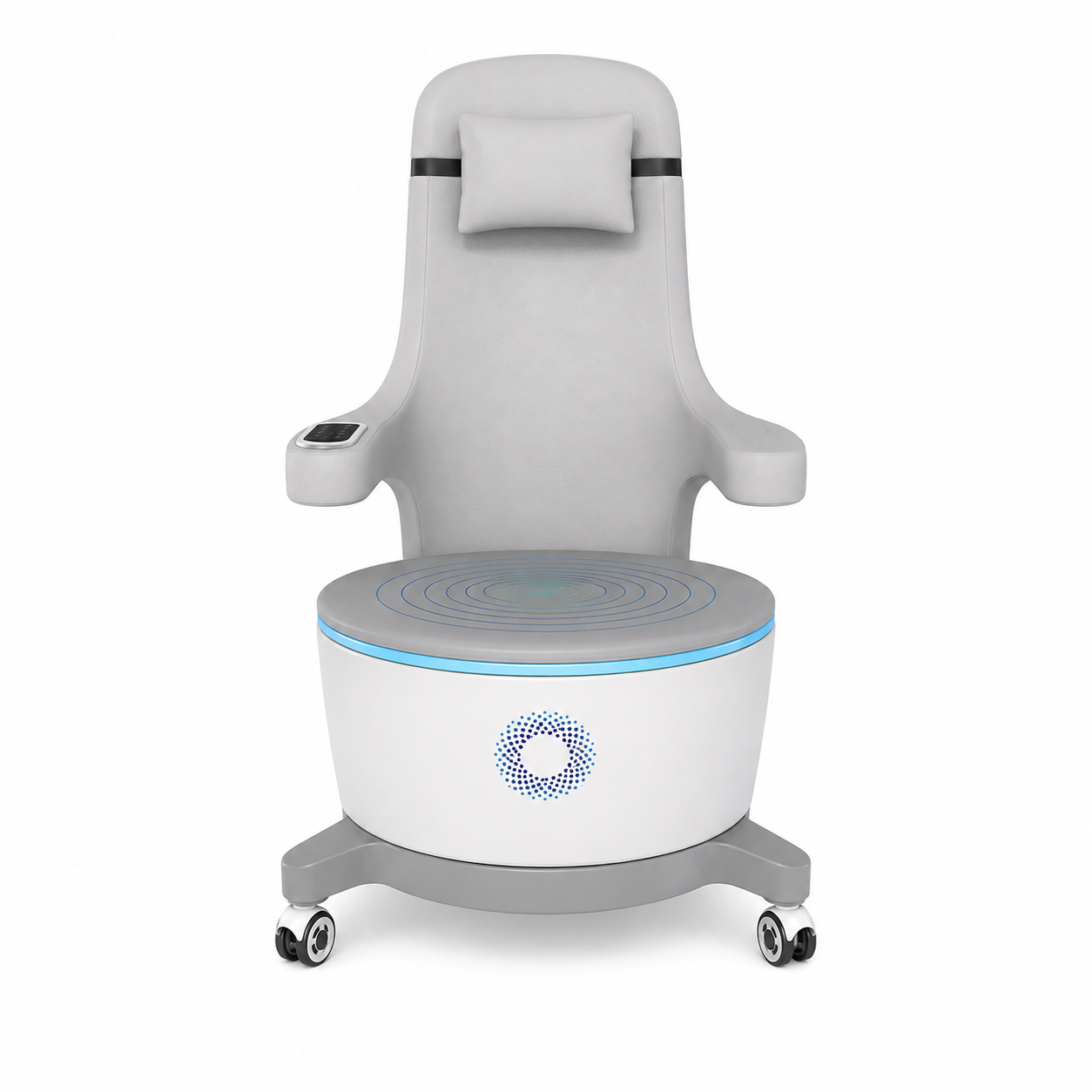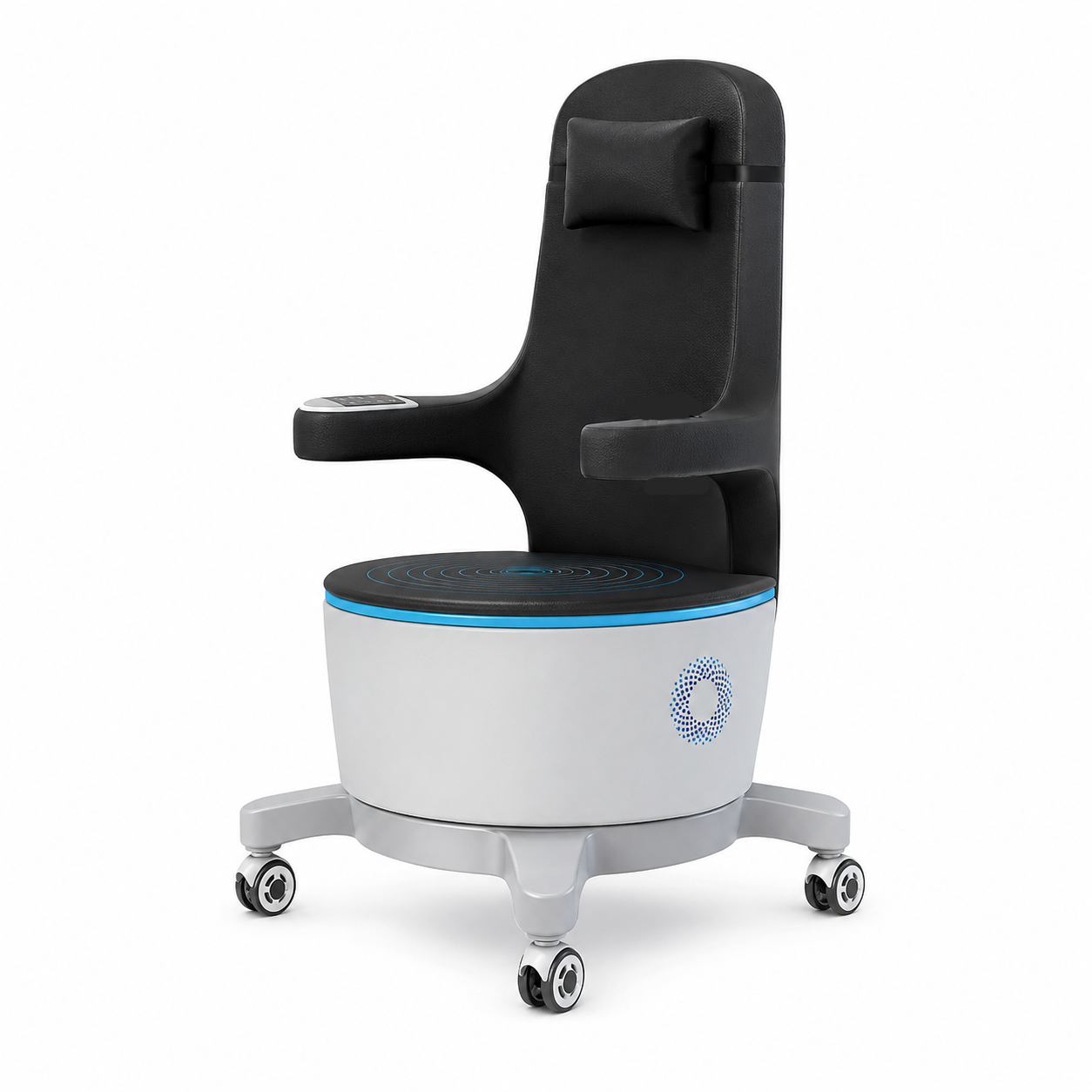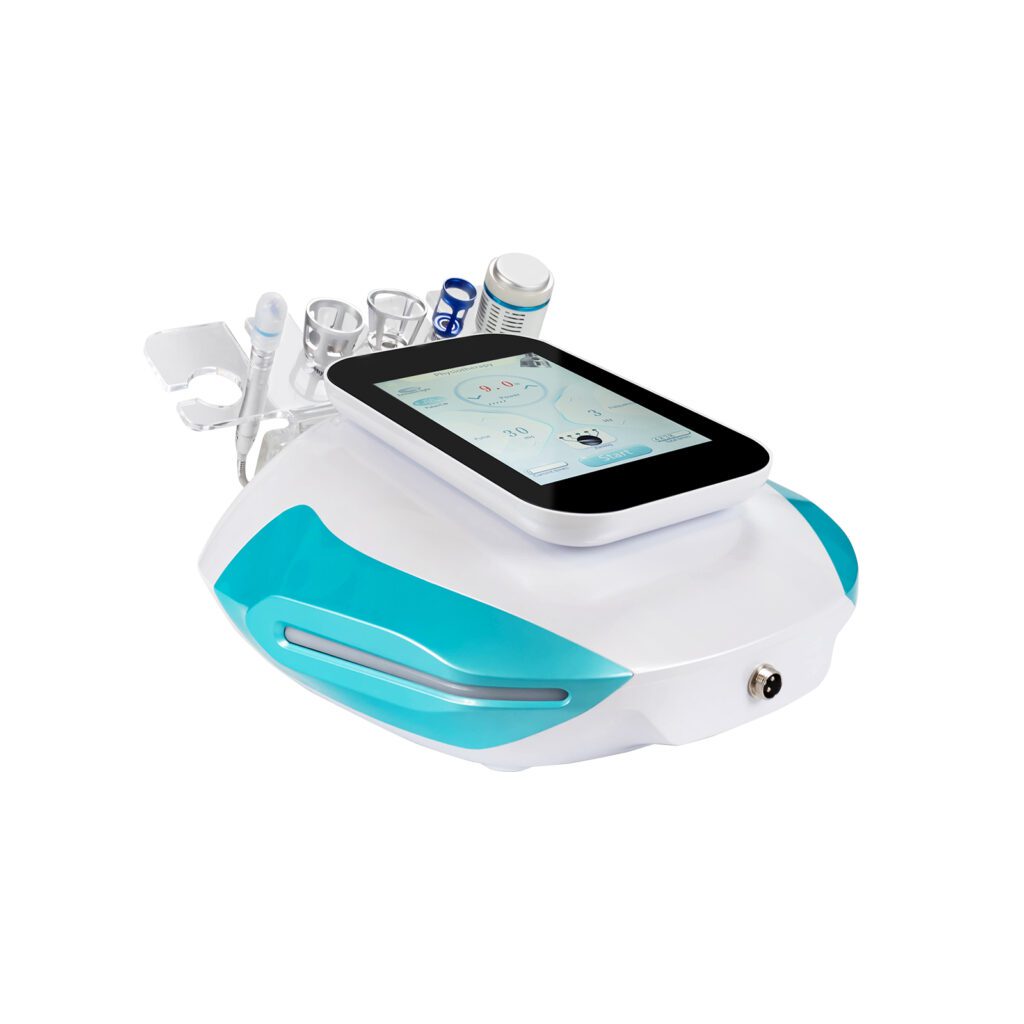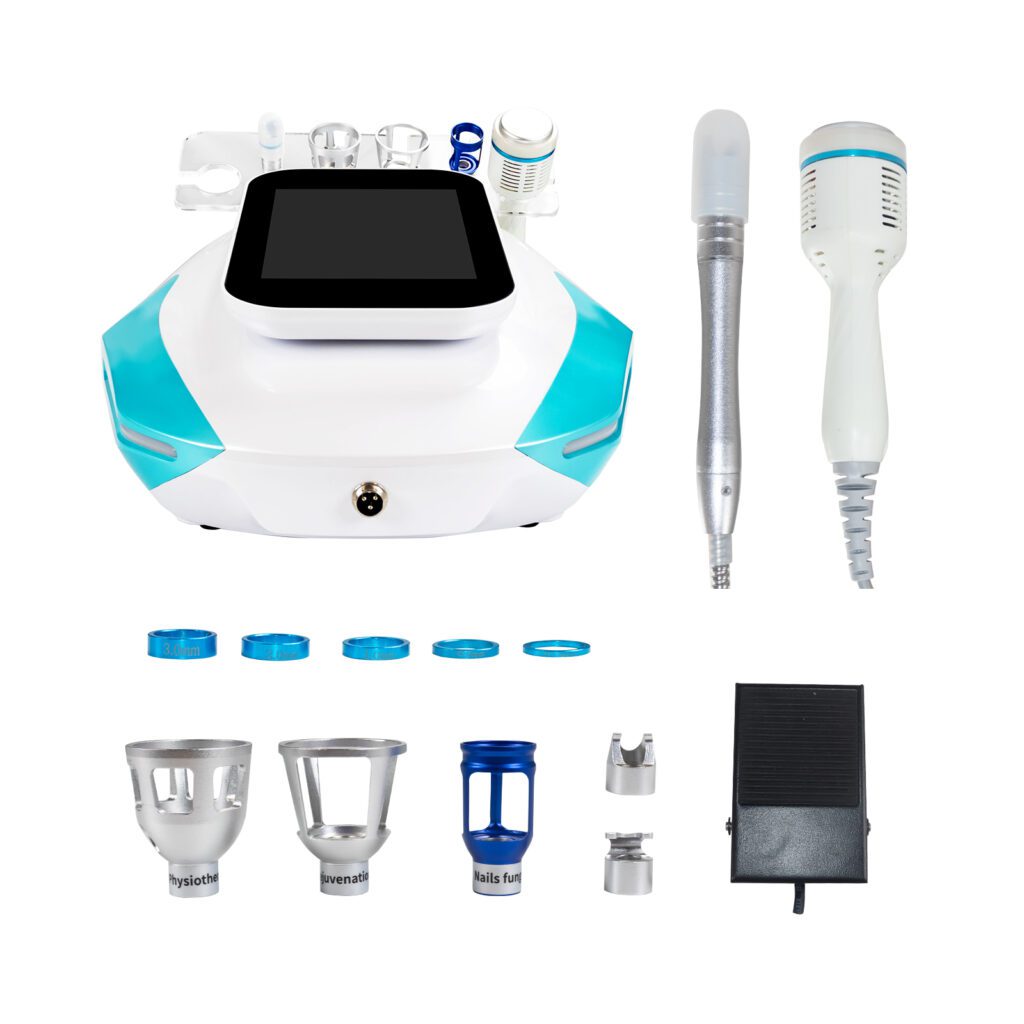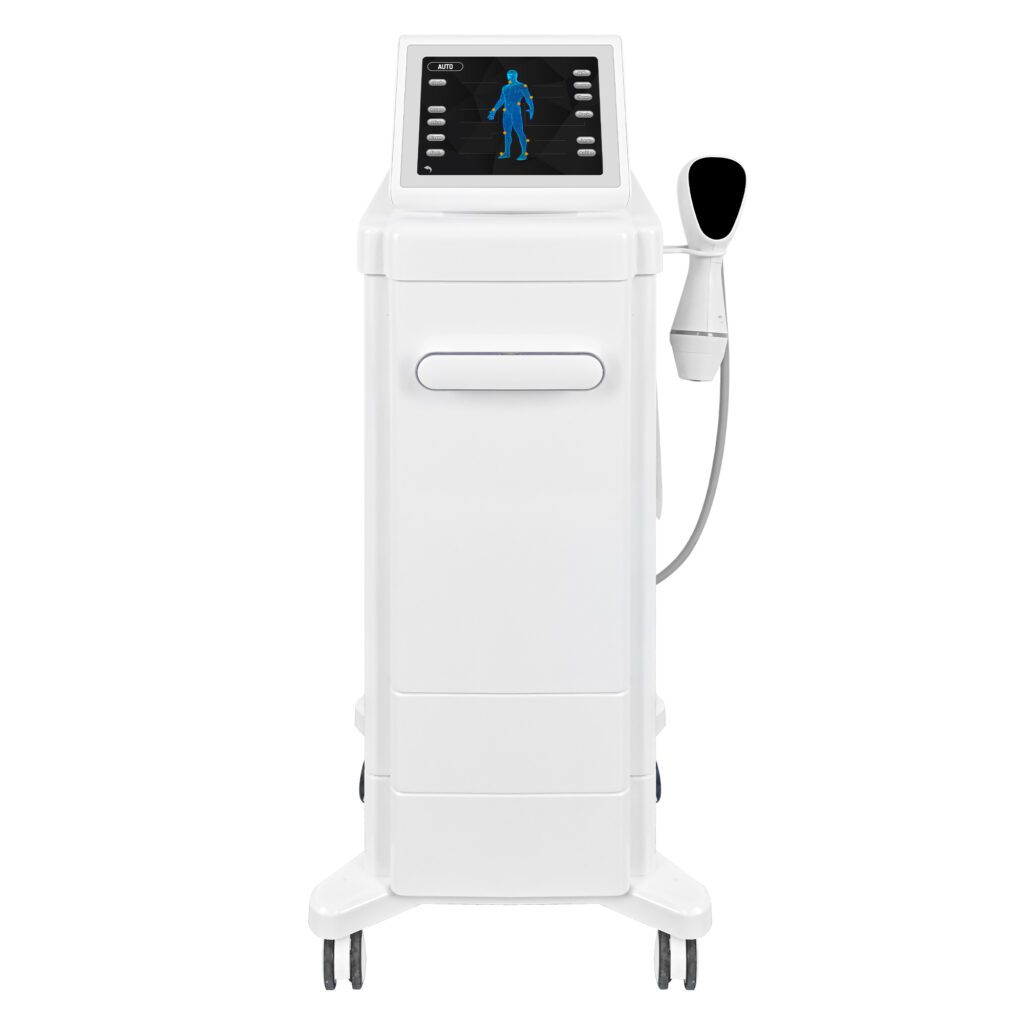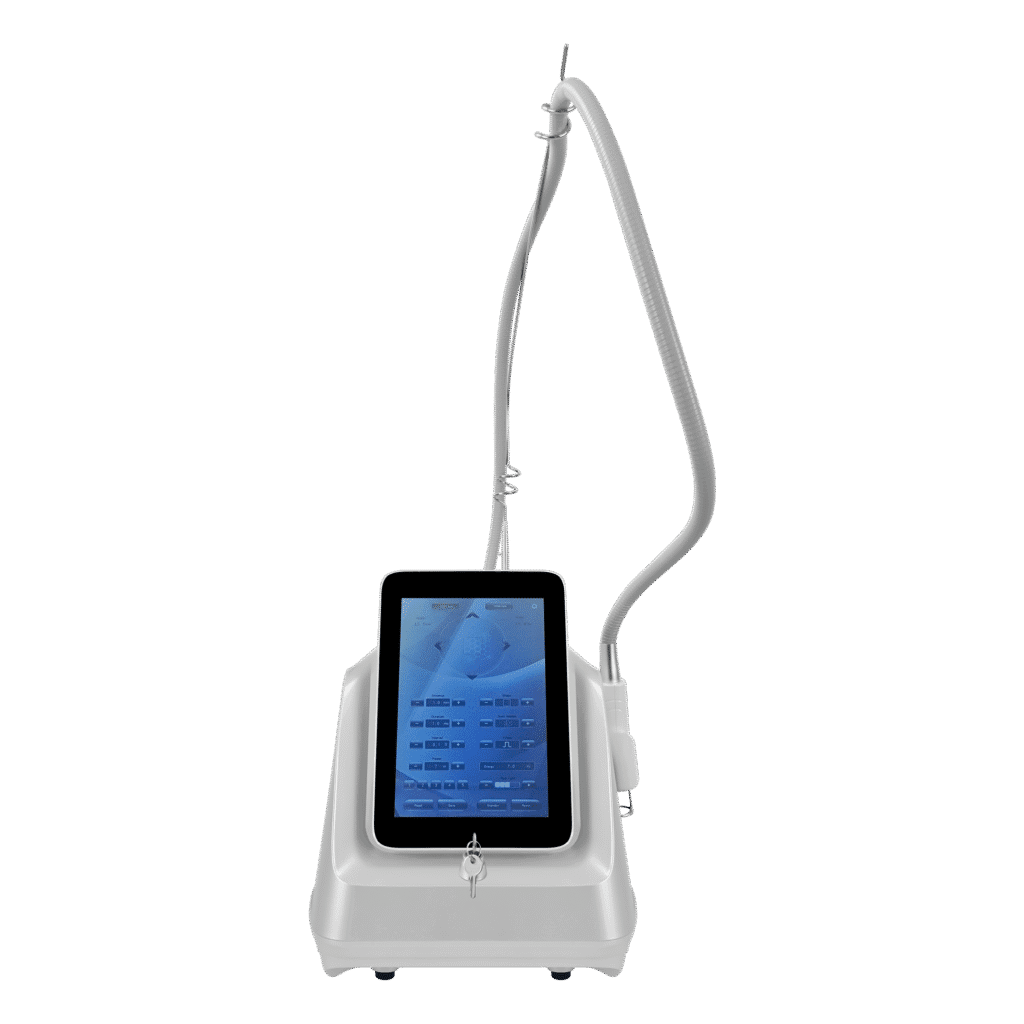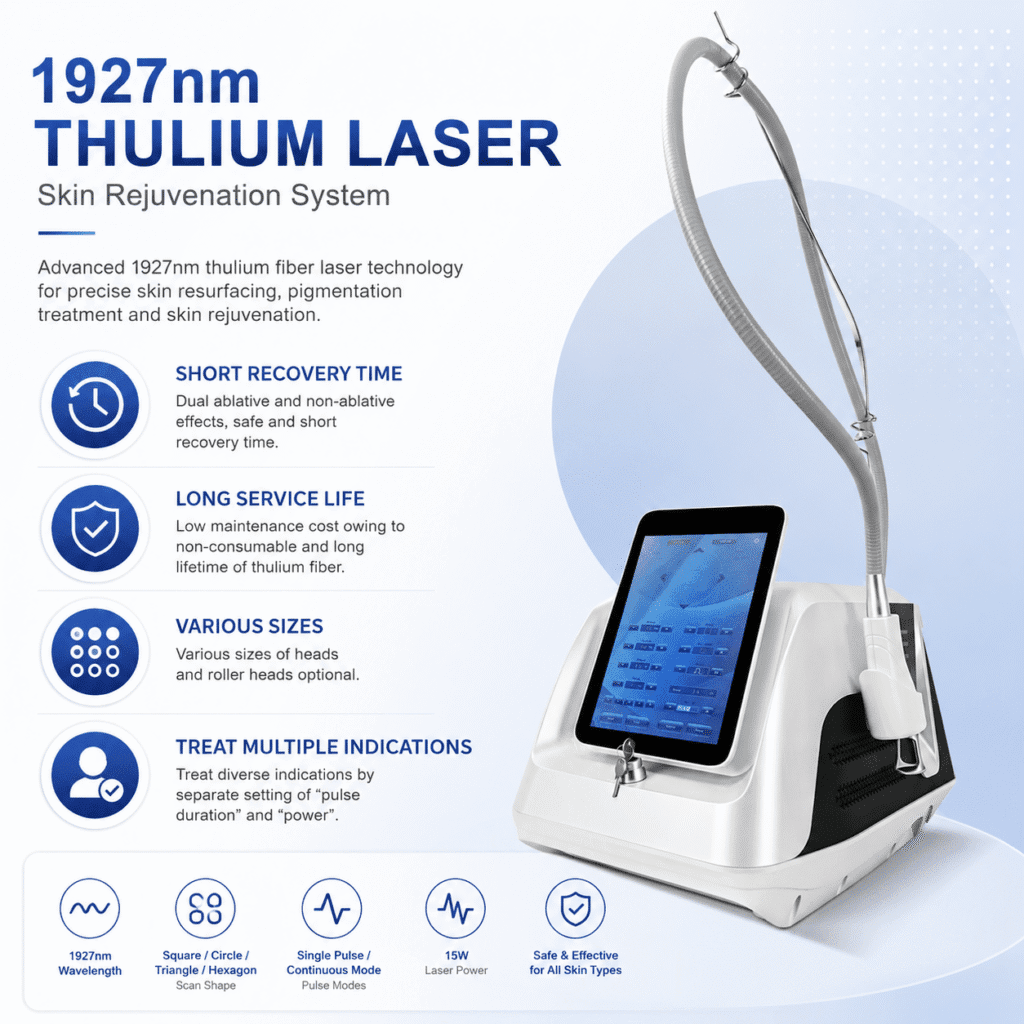
EMRF treatment uses monopolar radiofrequency (RF) technology to heat the skin and stimulate collagen reorganization and regeneration. It is designed to improve skin condition, enhance firmness and elasticity, and address visible signs of aging. By delivering controlled RF energy to targeted tissue, this technology supports collagen remodeling and is used in professional aesthetic treatments for facial and body skin rejuvenation. Understanding how EMRF works, its potential applications, and its differences from other RF technologies helps beauty equipment buyers evaluate its role in professional treatment services.
1. What Is EMRF Treatment?
EMRF is an aesthetic treatment based on monopolar radiofrequency technology. It uses RF energy to generate heat within the skin, stimulating collagen reorganization and regeneration.
Collagen is a structural protein that helps maintain skin firmness, elasticity, and support. As people age, collagen production and organization gradually change, contributing to wrinkles, reduced elasticity, and skin laxity.
EMRF treatment aims to address these visible changes through controlled thermal stimulation. By supporting collagen remodeling, it can help improve the appearance of skin firmness, elasticity, and overall skin condition.
In professional aesthetic equipment, EMRF is commonly positioned for skin tightening and rejuvenation treatments. Its applications depend on the machine’s electrode design, energy settings, and treatment protocols.
2. How Does Monopolar RF Technology Work?
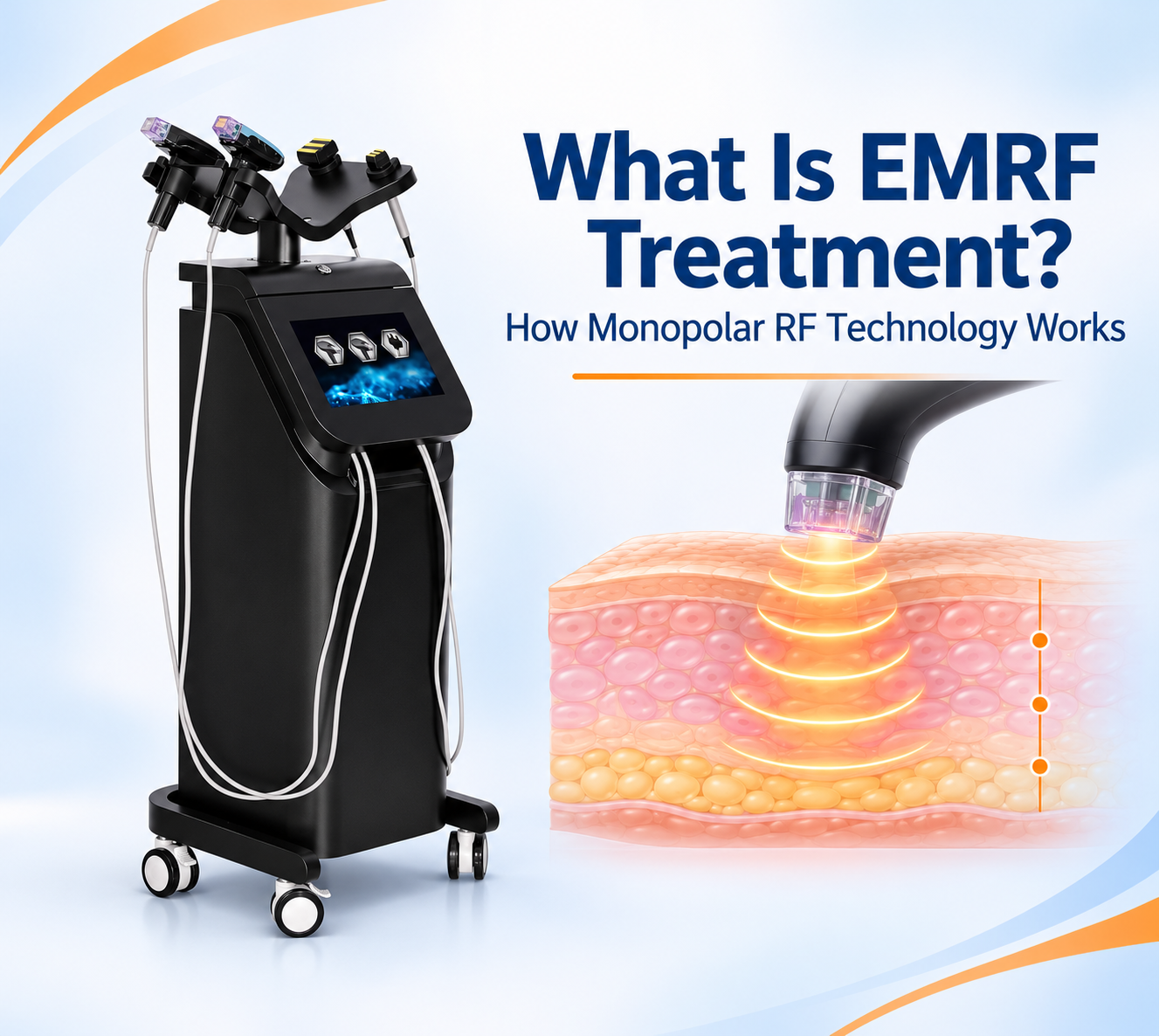
Monopolar RF technology uses high-frequency electrical energy to generate heat within biological tissue. The heating effect is the primary mechanism behind its collagen-related applications.
2.1 RF Energy Delivery
A typical monopolar RF configuration uses an active treatment electrode and a separate return electrode to complete the electrical circuit. When RF energy passes through the tissue, electrical resistance generates heat.
The distribution of this energy depends on several factors, including electrode size, contact quality, RF output, treatment duration, and tissue properties.
Different electrode designs can be used for different treatment areas. For example, larger electrodes can cover broader areas, while smaller electrodes allow more focused application.
2.2 Collagen Contraction and Remodeling
Collagen fibers contribute to the skin’s structural strength and elasticity. When exposed to controlled RF heating, existing collagen fibers can undergo thermal contraction, contributing to an initial tightening effect.
RF-induced thermal stimulation can also activate fibroblasts, the cells responsible for producing collagen and other components of the extracellular matrix.
This process supports collagen reorganization and new collagen production over time. As remodeling develops, the treatment may help improve skin firmness, elasticity, and the appearance of wrinkles.
The initial thermal response and longer-term collagen remodeling occur over different time scales. Therefore, skin changes should be evaluated according to the treatment protocol and individual response.
3. What Are the Main Applications of EMRF Treatment?
Monopolar RF technology is used in professional aesthetic treatments focused on skin firmness and rejuvenation.
3.1 Skin Tightening and Firmness
Reduced collagen support is one factor associated with skin laxity. By generating controlled heat and supporting collagen remodeling, EMRF treatment aims to improve the appearance of loose skin and enhance skin firmness.
3.2 Wrinkle Improvement
Changes in collagen structure and elasticity contribute to the formation of fine lines and wrinkles. RF-induced thermal stimulation can support collagen remodeling, helping improve the appearance of aging skin and fine lines.
3.3 Facial Rejuvenation
Facial RF treatments commonly focus on areas where changes in firmness and elasticity are visible. Depending on the applicator design and treatment protocol, professional treatments may target areas such as the cheeks, jawline, and lower face.
The goal is to support a firmer-looking appearance and improve overall skin condition.
3.4 Body Skin Firmness
Monopolar RF technology can also be incorporated into body-focused aesthetic treatments. Larger treatment electrodes are useful for covering broader areas, such as the abdomen, arms, and thighs.
These treatments are generally designed to improve the appearance of skin laxity and support a smoother, firmer-looking skin surface.
4. EMRF vs. RF Microneedling: What Is the Difference?
Both EMRF and RF microneedling use radiofrequency energy, but they have different treatment configurations and energy delivery methods.
| Fonctionnalité | EMRF | Microneedling RF |
|---|---|---|
| Technologie principale | RF monopolaire | RF combined with microneedles |
| Distribution d'énergie | Through a monopolar RF treatment electrode | Through RF-emitting needle electrodes |
| Needle configuration | Depends on the specific applicator design | Uses different needle configurations |
| Main treatment focus | Skin firmness, elasticity, and rejuvenation | Skin texture, acne scars, and visible pores |
| Réglage de la profondeur | Depends on electrode design and RF parameters | Adjustable needle penetration depth, depending on the machine |
The two technologies can be combined in a multifunctional aesthetic machine to provide different treatment options.
EMRF focuses on monopolar RF energy delivery and collagen remodeling, while RF microneedling combines mechanical needle penetration with RF energy to target selected tissue depths.
For equipment buyers, it is important to evaluate these functions separately because their applicators, treatment parameters, and operating procedures are not interchangeable.
5. What Should Buyers Look for in a Professional EMRF Machine?
For distributors, importers, and beauty salon owners, evaluating the technical configuration is essential when selecting professional RF equipment.
- Electrode design: Different electrode sizes, such as large, medium, and small, can provide flexibility for facial and body treatment areas.
- RF energy adjustment: Adjustable output settings allow practitioners to select appropriate parameters according to the treatment area and protocol.
- Stable energy delivery: Consistent electrode contact and well-designed energy controls help support uniform treatment application.
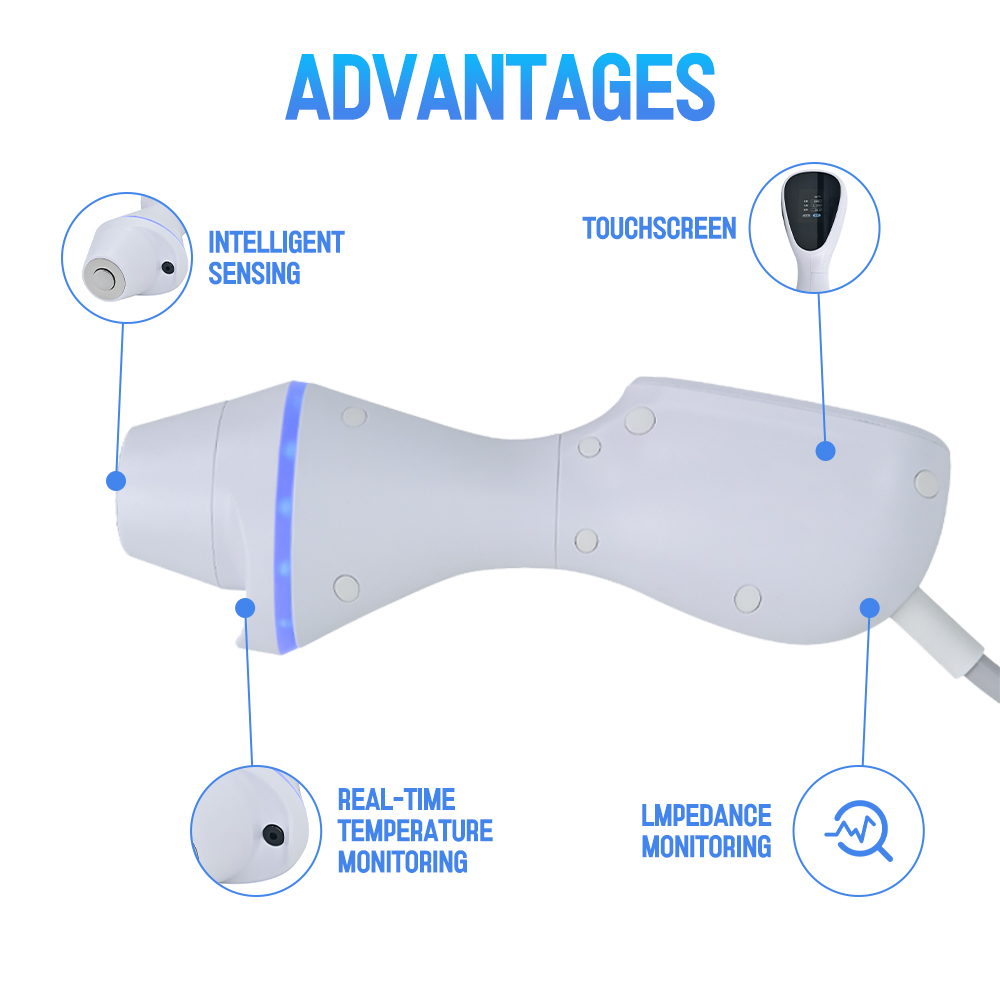
- Temperature management: Appropriate thermal monitoring and protection features are important for controlled RF treatments.
- Handpiece ergonomics: Comfortable handles and convenient controls can improve handling during professional treatment sessions.
- Touchscreen interface: A clear interface makes parameter selection and operation more convenient.
- Safety and quality standards: Buyers should review electrical safety features, applicable certifications, manufacturer documentation, and operator training requirements.
It is also useful to compare RF frequency, output power, electrode configuration, and available treatment modes. These technical specifications provide a clearer basis for evaluating equipment than general marketing descriptions alone.
6. Is EMRF the Same as Other RF Skin Treatments?
Not all RF treatments use the same energy delivery configuration.
Monopolar RF uses an active treatment electrode and a return electrode to complete the electrical circuit. Bipolar RF uses two electrodes in the treatment applicator, with current passing between them. Fractional RF microneedling uses needle electrodes to deliver RF energy into selected skin layers.
Although all three approaches use radiofrequency energy to generate heat, their electrode structures, energy distribution, and treatment applications differ.
Understanding these distinctions helps professional buyers compare RF equipment more accurately and identify the technology that best fits their intended treatment services.
Conclusion
EMRF treatment uses monopolar radiofrequency technology to generate controlled heat within the skin, supporting collagen contraction, reorganization, and regeneration. It is designed to improve skin firmness, elasticity, and the appearance of visible aging.
For professional beauty equipment buyers, key considerations include electrode design, RF energy adjustment, treatment coverage, temperature management, and safety features. Understanding how monopolar RF differs from bipolar RF and Micro-aiguilletage RF also helps buyers evaluate multifunctional machines and their treatment capabilities more effectively.