








The price of a laser hair removal machine can look almost random. One listing sits below US$3,000, another professional diode system is offered at five figures, and a locally supported clinical platform can cost more than a new car. Yet many of these machines appear to promise the same thing: multiple wavelengths, strong cooling and fast hair reduction.
That is why a useful price comparison cannot stop at the purchase figure. A salon is not really buying a collection of wavelength labels. It is buying bookable treatment hours: the ability to move from an underarm appointment to a full-leg session, keep the handpiece comfortable, maintain a steady working pace and bring the client back for the next visit.
For clinics, salons and distributors comparing the laser hair removal machine price in 2027, the real question is therefore simple: how much dependable treatment capacity does the machine create for the money?
The 2027 Price Picture, Without the Brand Theatre
Public prices remain broad because the market mixes consumer-style IPL units, factory-direct diode machines, professional multi-wavelength systems and premium clinical platforms with local distribution. They are not interchangeable products.
| Equipment level | Broad public market reference |
|---|---|
| Professional IPL platform | About US$1,000–US$8,000 |
| Entry-level diode laser machine | About US$2,500–US$4,500 |
| Professional multi-wavelength diode system | About US$4,500–US$12,000 |
| Higher-output diode configuration | About US$9,000–US$15,000 |
| Premium locally supported clinical platform | About US$30,000–US$100,000+ |
These are broad 2027 market references, not SHEFMON quotations. Configuration, handpiece specification, destination, training, local approval route and service package all affect the final figure.
The table is useful for orientation, but it does not tell you which machine is good value. A US$3,000 machine that becomes uncomfortable during a busy afternoon may be more expensive in practice than a US$7,000 system that completes larger areas smoothly. Equally, a premium price does not automatically create better treatment economics if the clinic never uses the extra capacity or pays for a distribution structure it does not need.
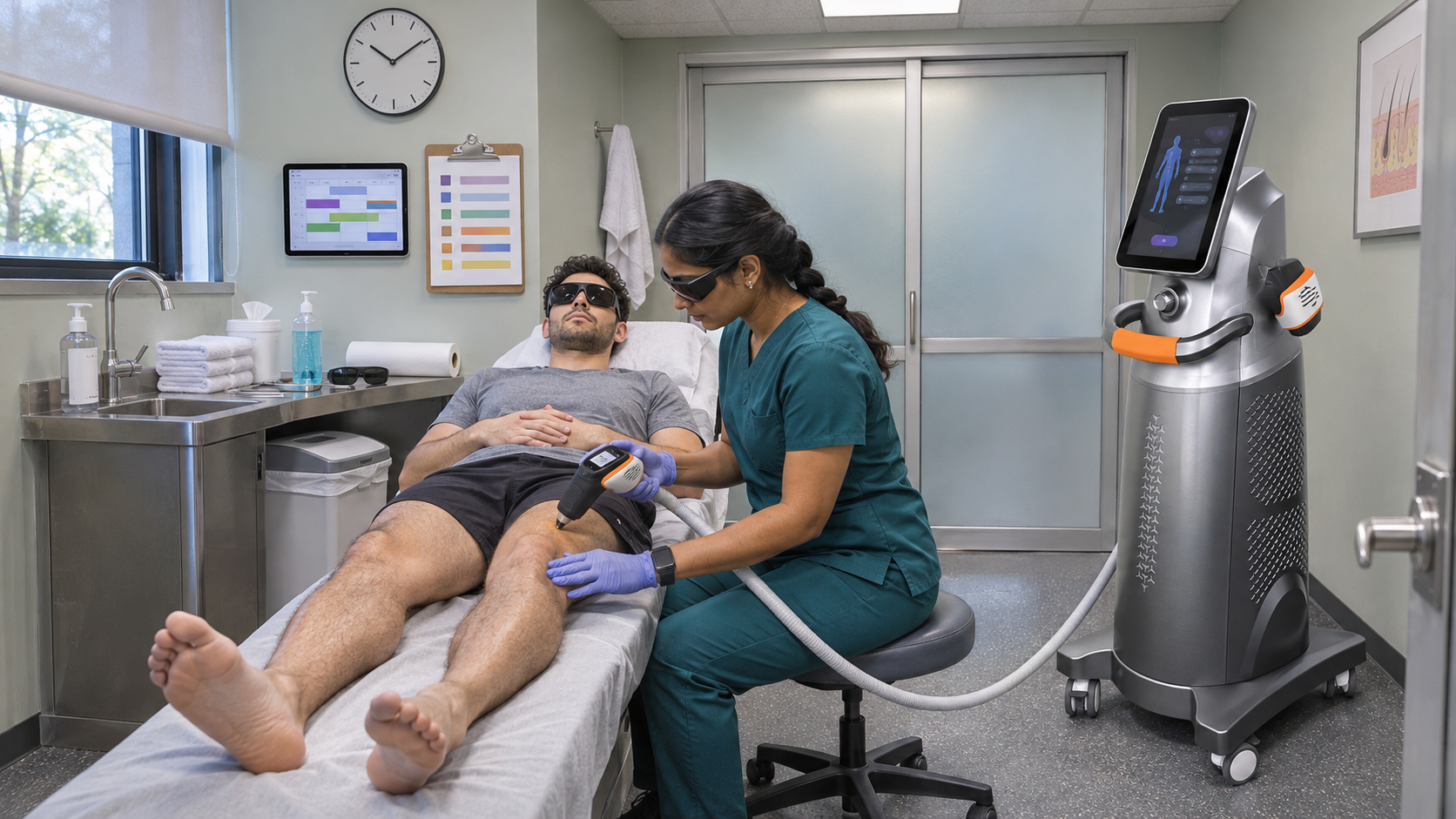
A Price Tag Becomes Meaningful Only When It Meets the Appointment Book
Imagine two salons buying machines with almost identical descriptions. Both advertise 755/810/1064nm coverage, a large touchscreen and contact cooling. The first salon mainly books underarms, upper lips and bikini lines. The second sells full legs, backs and full-body packages all day.
The first business may be perfectly well served by a compact professional system. The second will feel every weakness in sustained output, spot coverage, cooling recovery and handpiece reliability. Their best purchases can be different even when their service menus use the same words.
This is the part of laser pricing that online comparisons often miss. A machine earns its place through the rhythm of a working day:
- how quickly the operator can cover a large area without rushing;
- how consistently the system behaves after several appointments;
- how well the contact surface remains comfortable in repeated use;
- how often the handpiece or machine is unavailable;
- how confidently the salon can sell and retain a course of sessions.
The cheapest purchase is not always the lowest cost per treatment. The most expensive system is not automatically the most profitable one. Value sits between those two extremes.
Wavelength Count Is Not a Price Multiplier
The familiar numbers—755nm, 810nm and 1064nm—describe different optical regions used in professional hair-reduction platforms. Some systems also list 940nm as part of the available configuration. They matter, but the number of wavelengths on a brochure should not be used as a shortcut for quality.
A multi-wavelength handpiece may deliver a combined spectrum rather than behave like several independently selectable single-wavelength lasers. That is not inherently a disadvantage; it is simply a different engineering approach. The commercial value comes from how the complete system performs, not from counting numbers in the product name.
Published research also gives a more sober picture than advertising. A systematic review indexed by PubMed found long-term hair-reduction evidence across diode and other light-based technologies, while also noting substantial variation by body site and a limited number of eligible long-term trials. In other words, no wavelength label can promise the same outcome for every client and every area.
For a salon, the practical advantage of a professional multi-wavelength diode platform is service breadth. It gives trained operators a platform for a more varied client base and treatment menu. It does not remove the need for client assessment, appropriate settings or realistic course planning.
What Actually Changes the Treatment Hour
Four specifications have more commercial meaning together than they do separately: spot size, repetition frequency, delivered energy and cooling.
Spot size changes the amount of work in every pass
A larger spot covers more skin with each pulse or movement. That becomes noticeable on legs, backs, chests and full-body bookings, where small differences in coverage accumulate across hundreds of passes. A larger window can shorten the operator’s physical workload and make appointment timing easier to predict.
SHEFMON lists 15 × 15mm, 15 × 20mm and 15 × 30mm spot options for both A0423 and A0426. The 15 × 30mm option has twice the surface area of a 15 × 15mm spot. It does not automatically cut a treatment time in half—overlap, technique, selected parameters and anatomy still matter—but it explains why spot choice deserves more attention than a decorative screen.
Repetition rate only helps when the system can sustain it
Both SHEFMON models list a 1–10Hz repetition range. A high maximum number looks attractive, but the meaningful question is whether output and contact cooling remain stable in the working mode used by the clinic. A headline figure that is available only under limited conditions has less business value than a moderate, repeatable working pace.
Handpiece wattage is not the same as clinical output
The A0423 and A0426 pages list 600W and 1200W handpiece configurations. A 1200W label should not be read as “twice the result.” Electrical or module ratings, optical delivery, pulse structure, spot size and treatment parameters are related but not identical. Higher capacity can support faster professional workflows, especially for large areas, but it still has to be matched with cooling and controlled delivery.
Cooling decides whether speed survives contact with a real client
On paper, a salon can calculate coverage from spot size and hertz. In the room, the client feels the contact surface. If cooling cannot keep pace, the operator slows down and the theoretical advantage disappears.
The SHEFMON product pages list semiconductor refrigeration, water circulation and TEC cooling, with a published probe-temperature range of -15°C to 5°C. These are manufacturer-listed specifications, not a promise that the skin itself will reach those temperatures. What matters commercially is stable contact comfort during the appointment and predictable recovery between bookings.
A0423 and A0426: Similar Engine, Different Place in the Room
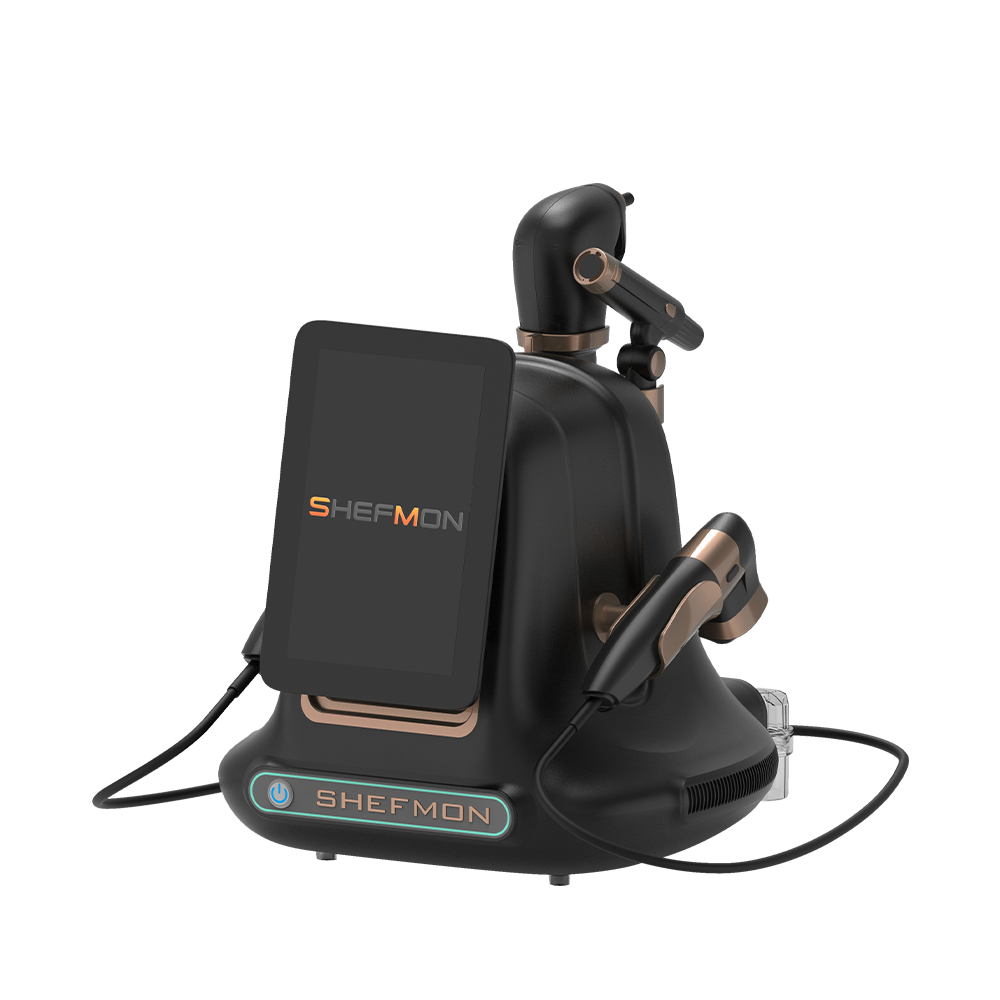
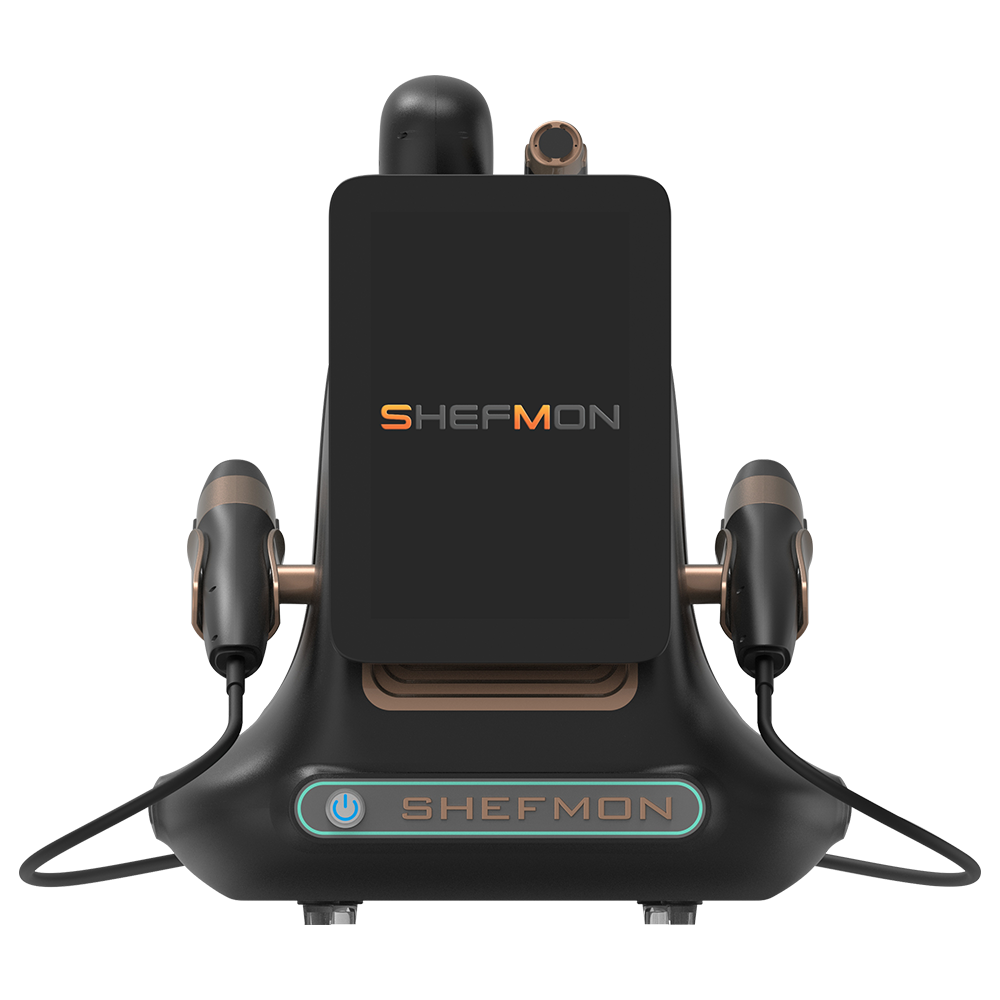
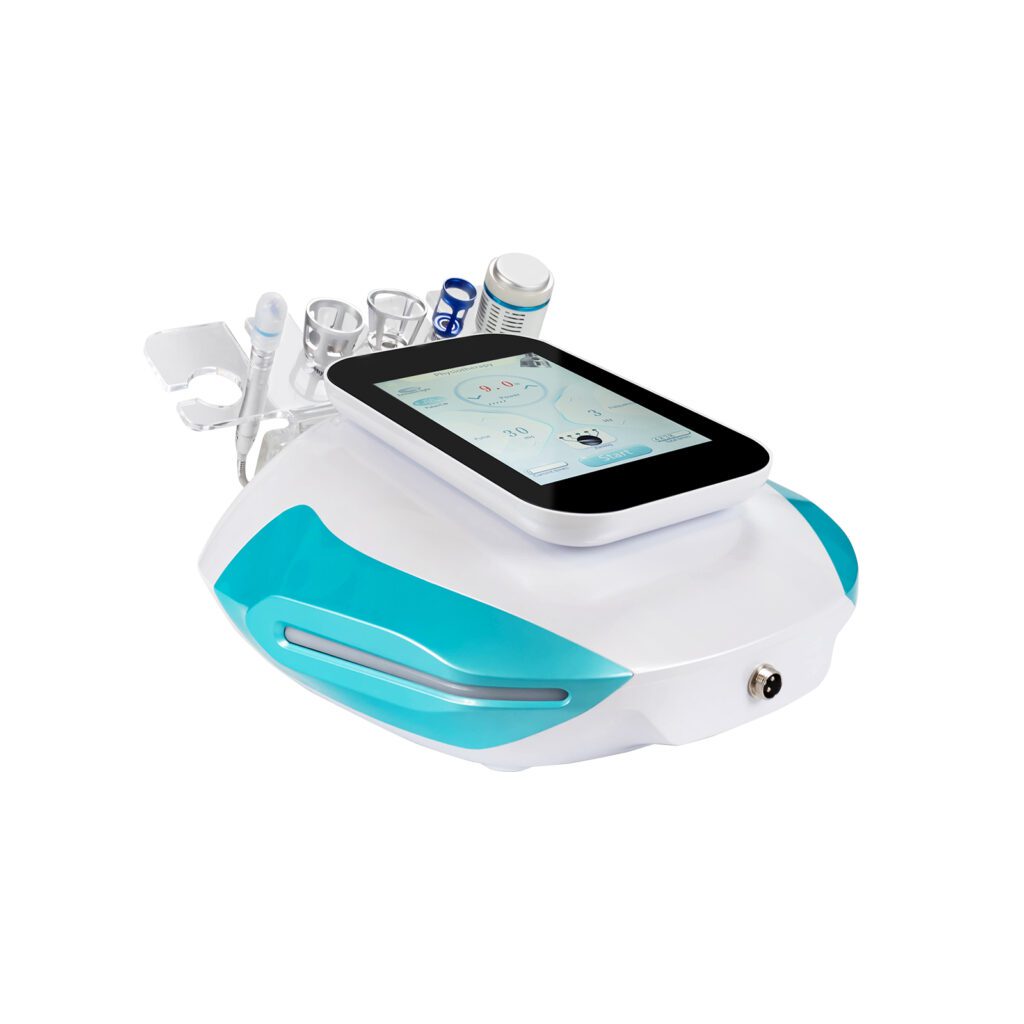
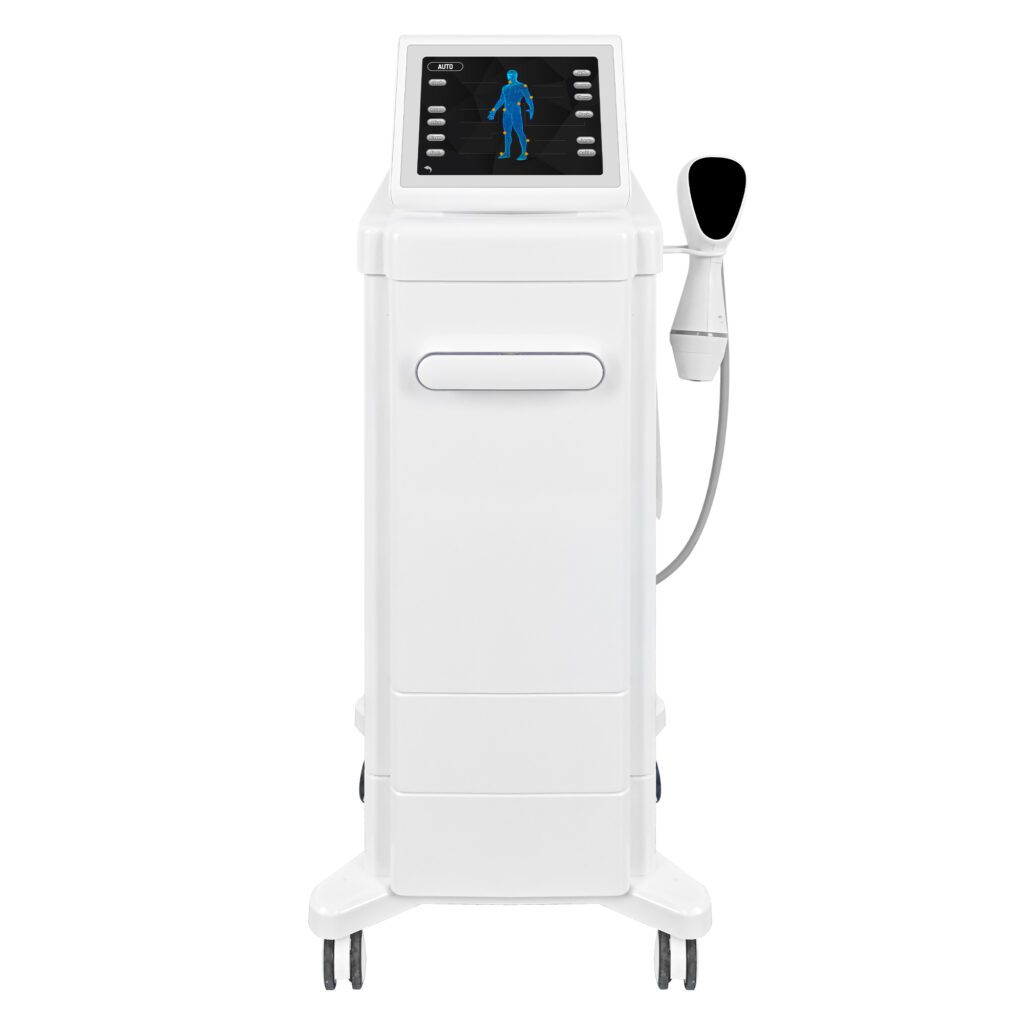
SHEFMON’s hair removal range currently presents two professional diode systems: the compact Appareil d'épilation laser diode A0423 and the vertical Appareil d'épilation laser diode A0426.
Their published core specifications overlap: 600W or 1200W handpiece options, 1–10Hz repetition frequency, three spot-size choices, a 12.1-inch touchscreen and multi-stage cooling. The honest distinction is not that one has a secret extra wavelength. It is the way each machine fits the business.
| Modèle SHEFMON | Where it makes commercial sense |
|---|---|
| A0423 compact diode laser | Multi-service salons, smaller rooms, first laser service launches, mobile demonstrations and distributors serving space-conscious buyers. Published package: 63 × 47 × 61cm; gross weight: 34.5kg. |
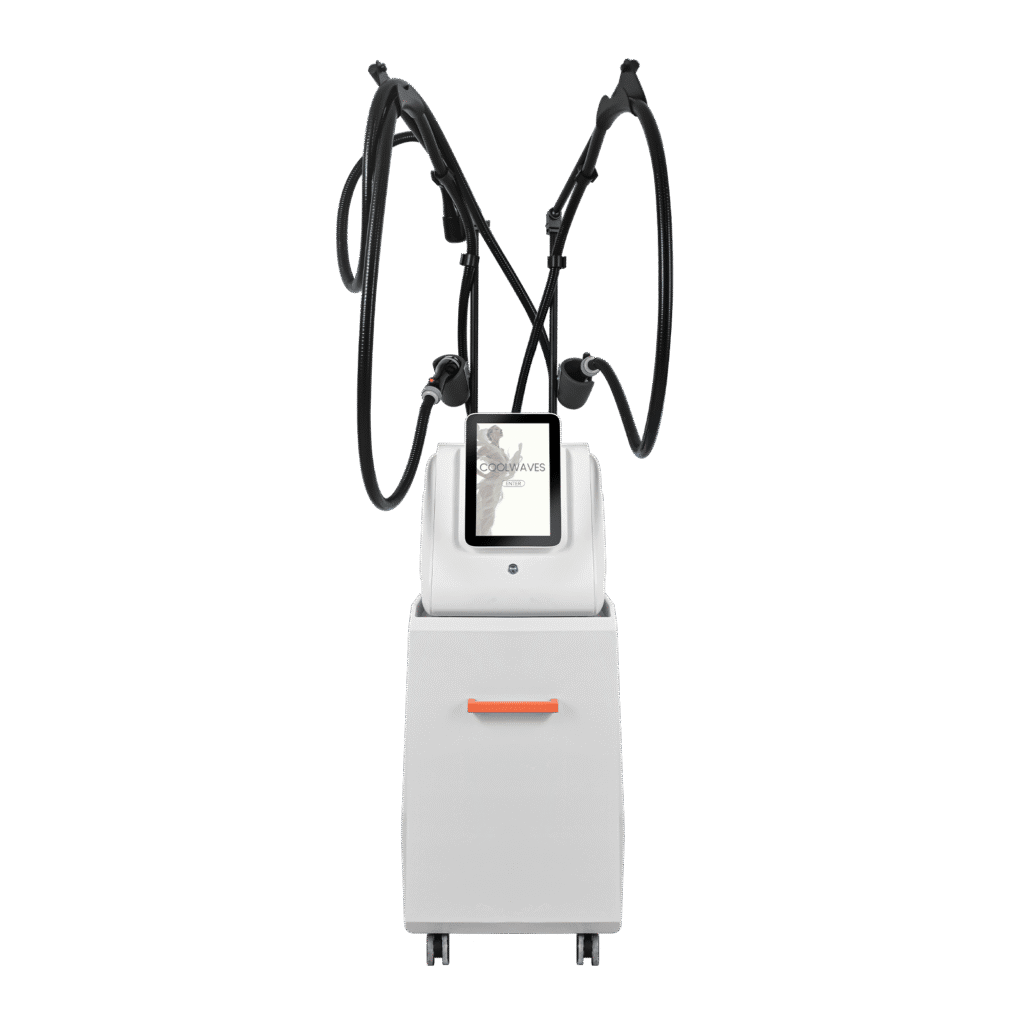
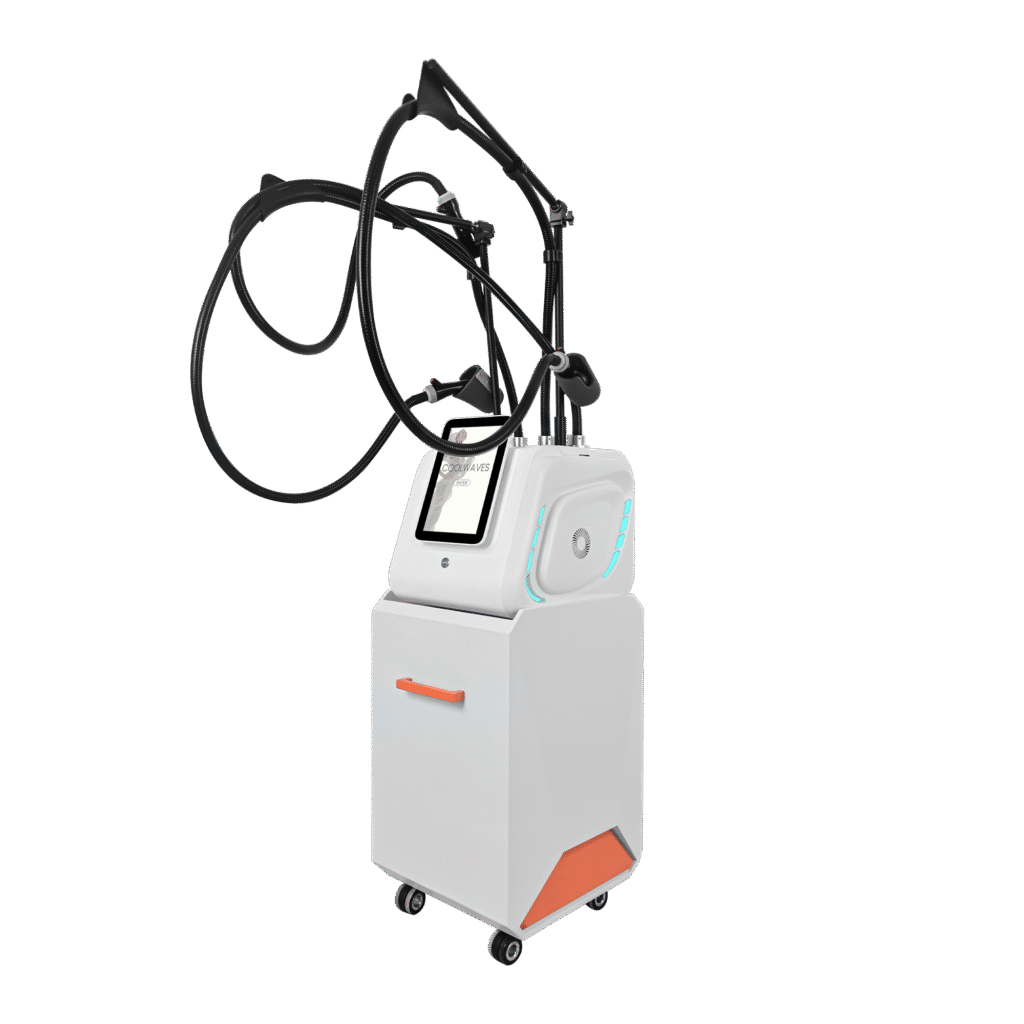
| A0426 vertical diode laser | Dedicated hair-removal rooms, established clinics, higher-volume service menus and showrooms where a floor-standing format supports a stronger clinical presentation. Published package: 67 × 54 × 141cm; gross weight: 59.2kg. |
For a salon that already has facial, body and skin services competing for space, A0423 can be the more rational investment. It brings the same broad diode-laser direction into a smaller physical format. For a business building hair removal as a central department, A0426 gives the room a permanent, purpose-built presence.
Neither choice should be framed as “basic versus professional.” Both are professional configurations. The difference is whether the machine needs to fit around an existing menu or become part of the visual identity of a dedicated laser room.
The Handpiece Is Where the Long-Term Price Lives
The console is the part clients see, but the handpiece carries much of the operating cost. A low machine price can lose its appeal quickly if the handpiece has a short or poorly defined service life, if replacement requires long downtime, or if the advertised shot count does not match its warranty terms.
SHEFMON lists a 20-million-shot service-life claim for A0423 and A0426. That figure should be treated as a manufacturer-stated design claim, not as an unconditional guarantee that every handpiece will deliver exactly 20 million clinically useful pulses. Working parameters, maintenance, cooling condition and the definition of a “shot” all influence real use.
For business planning, the more useful equation is:
Handpiece cost per completed treatment = total handpiece ownership cost ÷ the number of appointments actually completed before replacement or major service.
This is where a machine with a higher initial price can become cheaper over several years. It is also where a low-priced machine can still be a smart buy—provided the salon’s appointment volume is modest and replacement support is straightforward.
Downtime belongs in the same calculation. Losing a busy Saturday is not merely a technical inconvenience; it can mean rescheduled clients, refunds, staff time and weaker confidence in prepaid packages. A professional price comparison should therefore include continuity, not just consumables.
What Results Can a Salon Responsibly Sell?
Laser hair removal is better described as a course of long-term hair reduction than as instant, universal permanent removal. Hair grows in cycles, and response varies with hair color, hair thickness, body area, skin tone, hormonal factors and the treatment plan.
Le American Academy of Dermatology explains that laser hair removal normally requires a series of treatments and that outcomes depend heavily on professional experience. It also notes that lighter hair colors do not respond in the same way because the laser cannot target them effectively.
That distinction is commercially important. A clinic that sells an honest course builds a better long-term client relationship than one advertising a guaranteed result after a fixed number of visits. The machine supports the service, but it cannot make every follicle, body area and client biology behave identically.
A strong salon offer might be built around underarms, bikini line, legs, back, chest or multi-area packages. The treatment price can reflect appointment time, area size and course structure without promising an identical outcome to every client. This is how technical capability becomes a believable service rather than a dramatic claim.
Price Per Treatment: A More Useful Calculation
Suppose a configured professional diode system costs US$7,500 before freight and local costs. If the clinic completes 1,500 paid appointments over three years, the initial machine cost represents US$5 per appointment. At 3,000 appointments, it becomes US$2.50.
That simple example is not a revenue forecast. It excludes staff, rent, marketing, electricity, maintenance, financing, taxes and downtime. Its purpose is to show why a machine should be judged against realistic utilization.
| Business pattern | What matters most in the price decision |
|---|---|
| 5–10 small-area appointments per week | Compact footprint, sensible entry cost and flexibility across a mixed salon menu |
| 15–30 mixed-area appointments per week | Consistent cooling, comfortable handpiece design and predictable turnaround |
| Regular legs, back or full-body bookings | Larger spot option, sustained working pace and handpiece economics |
| Dedicated high-volume hair-removal room | Uptime, fast support, spare-part continuity and a configuration built for repeated daily use |
Price per treatment falls only when the machine is actually booked. Buying far more capacity than the salon can sell ties up cash. Buying too little capacity can create slow appointments just as demand begins to grow. The right machine leaves enough room for the business to expand without forcing the owner to pay for an imaginary future.
Compact or Floor-Standing? The Client Notices More Than Owners Expect
Machine format does not change the basic science of diode hair reduction, but it does change the room.
A compact console makes sense when the treatment bed, trolley and other devices already occupy most of the space. It can also be easier for a distributor to demonstrate or for a multi-room salon to position flexibly. This is the natural role of A0423.
A floor-standing system makes the service feel permanent. It can support cable management, room flow and a more dedicated clinical presentation. When hair removal is a signature service rather than an add-on, that visual confidence matters. This is where A0426 fits.
The client rarely asks for the carton dimensions, but clients notice a cramped room, an awkward operator and equipment that appears temporary. A machine can therefore earn part of its value before the first pulse—through the way it helps the service feel organized.
Safety and Compliance Are Part of the Commercial Product
Laser equipment can cause burns, blistering, infection, pigment changes or scarring when used incorrectly. The AAD specifically warns that experience and skin knowledge matter, particularly across different skin tones. Appropriate client assessment, eye protection, training, documented protocols and compliance with local professional-use rules are not optional extras.
The presence of several wavelengths does not make one setting safe for everyone. Nor does strong contact cooling replace parameter selection. Clinics should use the model-specific manual, training and local regulatory requirements that apply to the delivered configuration.
This also affects marketing. Claims such as “pain-free,” “permanent for everyone” or “safe for every skin type at any setting” are difficult to defend and unnecessary. Clients are more likely to trust a salon that explains course-based reduction, individual variation and professional supervision clearly.
So, What Should a Professional Laser Hair Removal Machine Cost?
For many independent salons and clinics, the realistic center of the market is not the cheapest marketplace device and not a six-figure locally distributed platform. It is a properly configured professional diode system in the mid-four-figure to low-five-figure range.
Within that range, price differences should correspond to something the business can use: handpiece configuration, sustained operating capacity, spot options, cooling architecture, physical format, support and customization. A screen animation or an extra marketing label should not carry the same weight.
SHEFMON does not publish a fixed A0423 or A0426 price because the delivered configuration and destination change the quotation. That is reasonable, but the quote should still be easy to understand. The machine model, handpiece option, spot size, included accessories, warranty terms and shipping basis should describe one coherent product—not a low headline price that becomes a different machine by checkout.
The Better Purchase Is the One That Fits Monday Morning
The best laser hair removal machine is not the one that wins a specification contest. It is the one that still makes sense when the salon opens on Monday: it fits the room, the operator can work comfortably, the appointment length matches the menu, and the business can afford to keep it booked and supported.
A0423 is the practical choice when professional diode hair removal needs to coexist with other services in a compact room. A0426 suits a clinic or salon that wants a dedicated floor-standing system and expects hair removal to hold a more prominent place in the business. Both can be configured around the same broad wavelength, spot-size and handpiece options, so the decision can remain grounded in actual use.
Explorez le courant SHEFMON hair removal machines ou contacter SHEFMON for an A0423 or A0426 quotation matched to the intended service volume, room format and destination market.