










Résumé exécutif
Après un soin esthétique, il est important de maintenir la zone traitée propre, douce, hydratée, protégée et surveillée. Les soins post-traitement précis dépendent du type d'appareil, de l'intensité du traitement, de l'état de la peau, de la zone traitée, des produits utilisés et du protocole du salon. Les soins post-traitement d'un soin hydrofacial diffèrent de ceux des traitements par radiofréquence (RF), électrostimulation (EMS), épilation laser, lumière pulsée intense (IPL), remodelage corporel, ultrasons focalisés de haute intensité (HIFU) ou luminothérapie LED.
Les règles de suivi post-opératoire les plus pratiques sont :
- Suivez les instructions de soins écrites du salon.
- Simplifiez vos soins de la peau pendant les 24 à 72 premières heures, le cas échéant.
- Évitez les exfoliations agressives, les acides forts, les rétinoïdes, les gommages abrasifs et les produits irritants, sauf avis contraire d'un professionnel qualifié.
- Utilisez un nettoyant doux et une crème hydratante adaptée.
- Protégez votre peau du soleil, surtout après des traitements à la lumière, au laser, exfoliants ou liés à la sensibilité cutanée.
- Évitez la chaleur, le sauna, le hammam, les bains chauds, les exercices physiques intenses ou la transpiration excessive lorsque le protocole de traitement le recommande.
- Ne pas gratter, frotter ni masser vigoureusement la zone traitée.
- Évitez d'utiliser de nouveaux produits de soin immédiatement après le traitement si votre peau est sensible.
- Respectez scrupuleusement les consignes de protection oculaire et solaire pour les projets utilisant la lumière ou le laser.
- Soyez attentif à toute rougeur inhabituelle, gonflement, brûlure, ampoules, éruption cutanée, signes d'infection, douleur intense ou gêne persistante.
- En cas de réaction anormale, veuillez contacter le salon ou un professionnel de santé qualifié.
Pour les salons de beauté, les soins post-traitement ne sont pas qu'un simple détail. Ils influencent la satisfaction client, la sécurité, la fidélisation, la prévention des réclamations et la réputation de l'établissement. Le personnel doit expliquer les soins post-traitement avant le départ du client, lui remettre une petite carte ou un message, et effectuer un suivi dans les 24 à 72 heures pour les prestations plus délicates.
Le principe clé est :
Les soins post-opératoires doivent être adaptés au traitement et non pas suivre une procédure générique standardisée.
1. Pourquoi les soins post-opératoires sont importants
Les soins esthétiques peuvent inclure le nettoyage, l'aspiration, la chaleur, la lumière, le froid, la pression, le courant, les ultrasons, les vibrations, l'exfoliation ou l'utilisation de produits actifs. Même avec un soin doux, la peau ou la zone traitée peut être temporairement plus sensible après le soin.
De bons soins post-opératoires sont utiles :
- Réduire l'irritation
- Améliorer le confort
- Protéger la barrière cutanée
- Réduire l'anxiété des clients
- Prévenir les plaintes inutiles
- Améliorer les réservations répétées
- Soutenir la continuité des soins
- Aider le personnel à suivre les réponses des clients
- Améliorer la confiance dans le salon
Un suivi post-traitement insuffisant peut donner l'impression d'un échec après une bonne séance. Un client peut incriminer l'appareil alors que le problème venait en réalité d'une exposition au soleil, de soins cutanés agressifs, de grattage, de chaleur ou d'un malentendu après la consultation.
2. La réponse courte
Que doivent faire les clients après un soin esthétique avec un appareil ?
Ils devraient :
- Maintenez la zone traitée propre et délicate.
- Hydratez comme indiqué.
- Évitez les soins cutanés agressifs et actifs pendant une courte période si le protocole l'exige.
- Évitez l'exposition au soleil et utilisez une protection solaire lorsque cela est approprié.
- Évitez la chaleur, le sauna, le hammam, les bains chauds et les exercices physiques intenses après certains traitements.
- Évitez de frotter, de gratter, de pincer ou de masser de façon agressive.
- Suivez les instructions relatives aux produits et aux soins après-vente fournies par le salon.
- Surveillez toute réaction anormale.
- N'assistez à la prochaine séance que si la zone traitée a bien cicatrisé.
En cas de doute, le client doit se renseigner auprès du salon avant d'utiliser des produits puissants ou de réserver un autre soin.
3. Le suivi après-vente commence avant même le départ du client.
Les soins post-intervention devraient être expliqués à la fin de la prestation, et non pas seulement envoyés ultérieurement.
L'esthéticienne devrait expliquer :
- Quelle réaction est normale ?
- Quelle réaction n'est pas normale ?
- Quels produits utiliser
- Quels produits éviter
- La nécessité d'une protection solaire
- Faut-il éviter la chaleur ou la transpiration ?
- Quand le maquillage peut être appliqué là où c'est nécessaire
- Quand le client peut-il revenir pour la prochaine session ?
- Qui contacter en cas de malaise
Le salon devrait également remettre une fiche ou un message écrit contenant les instructions à suivre après un soin. Les clients oublient souvent les consignes orales après un traitement, surtout s'il comporte plusieurs étapes.
4. Simplifiez vos soins de la peau
Après de nombreux traitements esthétiques du visage, une routine simple est préférable le premier jour ou les premiers jours, selon le traitement.
Une routine simple peut comprendre :
- nettoyant doux
- Hydratant adapté
- Crème solaire pendant la journée, le cas échéant.
- Éviter les nouveaux produits inutiles
- Éviter les exfoliations fortes
N’appliquez pas de nombreux nouveaux produits immédiatement après le traitement. En cas de réaction cutanée, il devient difficile de déterminer si cette réaction est due à l’appareil, au sérum, au masque, à un acide, à un rétinoïde, au parfum ou à un autre produit.
Pour les personnes à la peau sensible, la simplicité est généralement gage de sécurité.
5. Évitez les exfoliations fortes et les actifs agressifs.
Après des interventions sur des équipements, les clients doivent généralement éviter les exfoliations agressives pendant une courte période, surtout si le traitement a impliqué l'aspiration, la chaleur, la lumière, l'exfoliation ou une sensibilité cutanée.
Produits à éviter lorsque le protocole le recommande :
- gommages résistants
- Acides AHA
- Acides BHA
- Produits de peeling
- Rétinoïdes
- Peroxyde de benzoyle là où irrite
- Produits éclaircissants puissants
- Produits à forte teneur en alcool
- Produits fortement parfumés
- huiles essentielles
- Appareils exfoliants à domicile
Le temps d'attente exact dépend du soin et de l'état du client. Le salon doit fournir des indications spécifiques à chaque catégorie de soin.
6. Hydrater et soutenir le confort
Après l'utilisation d'équipements, de nombreux clients ressentent des tiraillements, une sécheresse, une sensation de chaleur ou une légère sensibilité. Une hydratation adaptée peut contribuer à leur confort.
Suggestions générales :
- Utilisez une crème hydratante douce que la cliente tolère déjà.
- Évitez de tester plusieurs nouveaux produits immédiatement après le traitement.
- Utilisez les produits apaisants recommandés par le salon, le cas échéant.
- N’appliquez pas de produits actifs puissants sur une zone réactive.
- Signalez au salon si la crème hydratante provoque des picotements ou des brûlures.
L'hydratation est particulièrement importante après le nettoyage, l'exfoliation, les traitements axés sur l'hydratation, la radiofréquence et les soins liés à la barrière cutanée.
7. La protection solaire est importante
La protection solaire est importante après de nombreux traitements du visage et à base de lumière, notamment le laser, la lumière pulsée intense (IPL), l'épilation, les gommages ou les traitements qui rendent la peau plus sensible.
Les clients doivent suivre les instructions spécifiques du fournisseur concernant :
- Éviter l'exposition directe au soleil
- Éviter le bronzage
- Éviter le bronzage sans soleil lorsque cela est nécessaire
- Utiliser un écran solaire à large spectre lorsque cela est approprié
- Le port de chapeaux ou de vêtements de protection
- Réappliquer de la crème solaire lorsqu'on est à l'extérieur
L'exposition au soleil peut accentuer les irritations, les rougeurs, le risque de pigmentation ou l'inconfort après certains traitements. Les salons de beauté doivent clairement communiquer les consignes de protection solaire avant le départ du client.
8. Évitez la chaleur et la transpiration excessive lorsque c'est nécessaire.
Après certains travaux d'équipement, les clients peuvent avoir besoin d'éviter la chaleur ou la transpiration excessive pendant une courte période.
Cela peut inclure :
- Sauna
- Hammam
- Bain chaud
- Yoga chaud
- Exercice intense
- transpiration abondante
- Eau très chaude sur la zone traitée
- Massage fort
Cela est particulièrement pertinent lorsque la peau est rouge, chaude, a récemment subi un traitement avec des appareils à base de chaleur, des appareils à base de lumière, une épilation ou des protocoles susceptibles d'entraîner une sensibilité cutanée.
La durée exacte dépend du type de prestation. Le salon devrait fournir des instructions écrites.
9. Ne pas gratter, frotter ni gratter
Les clients doivent éviter de gratter, de frotter ou de toucher la zone traitée.
Cela a son importance s'il y a :
- Rougeur
- Sécheresse
- Pellicules légers
- bosses temporaires
- Chute de cheveux après l'épilation
- Sensibilité
- Étroitesse
- Démangeaison
Gratter ou frotter peut aggraver l'irritation et laisser des marques. En cas de démangeaisons, de brûlures ou d'inconfort inhabituel, il est conseillé de contacter le salon ou un professionnel de santé qualifié plutôt que de recourir à l'automédication.
10. Réactions normales versus signes d'alerte
De légères réactions temporaires peuvent être normales selon le projet :
- Légère rougeur
- Douce chaleur
- Étroitesse temporaire
- Légère sécheresse
- légère sensibilité
- Légers picotements
- gonflement temporaire dans certains traitements
- Légère tendresse
Les signes avant-coureurs peuvent inclure :
- Douleur intense
- Ampoules
- Brûlures
- gonflement important
- Rougeur croissante
- Signes de pus ou d'infection
- Éruption cutanée qui se propage
- Démangeaisons intenses
- Brûlures persistantes
- plaies ouvertes
- Vertiges ou symptômes systémiques
- Des symptômes qui s'aggravent au lieu de s'améliorer
Si des signes avant-coureurs apparaissent, le client doit contacter le salon et consulter un médecin.
11. Soins post-séance après analyse de la peau
Les analyseurs de peau ne nécessitent généralement pas de soins particuliers car ce sont principalement des outils de consultation.
Toutefois, les clients devraient :
- Demandez comment le rapport sera utilisé.
- Évitez de considérer ce rapport comme un diagnostic médical.
- Conservez la même routine de soins de la peau, sauf avis contraire.
- Suivez le plan de traitement uniquement après vérification de son adéquation.
Si l'analyseur de peau est utilisé en complément d'un traitement par appareil, suivez les instructions de suivi post-traitement.
12. Soins post-traitement pour les soins du visage à l'eau et les traitements à petites bulles
Après un soin du visage hydro, un traitement à l'oxygène de l'eau ou un soin à petites bulles, les clients peuvent ressentir une sensation de peau plus propre, plus douce ou légèrement sensible.
Suggestions de suivi :
- Utilisez un nettoyage doux.
- Hydratez comme indiqué.
- Utilisez de la crème solaire pendant la journée, le cas échéant.
- Évitez les gommages agressifs et les acides forts pendant une courte période.
- Évitez d'utiliser trop de nouveaux produits immédiatement.
- Évitez de toucher vos pores ou de presser votre peau.
- Signalez au salon toute rougeur, sensation de brûlure ou irritation.
Pour les clients à la peau sensible, le salon peut recommander une routine plus douce et un suivi dans les 24 à 72 heures.
13. Soins post-thérapie par LED
La lumière LED est souvent douce, mais les soins post-utilisation restent importants lorsqu'elle est associée à d'autres étapes de la routine faciale.
Suggestions de suivi :
- Continuez les soins doux pour la peau.
- Utilisez une crème hydratante si votre peau est sèche.
- Utilisez une protection solaire pendant la journée, le cas échéant.
- Évitez d'appliquer plusieurs couches de produits actifs immédiatement après le traitement.
- Suivez le programme de traitement si la LED fait partie d'un programme de soutien contre l'acné, de soins apaisants ou de soutien à la récupération.
Si la LED a été utilisée après une exfoliation, un traitement laser ou un traitement plus intensif, suivez les instructions de suivi de ce dernier.
14. Soins post-traitement par radiofréquence
Les traitements par radiofréquence utilisent la chaleur et peuvent provoquer une sensation de chaleur ou des rougeurs temporaires.
Suggestions de suivi :
- Évitez les bains chauds, le sauna, le hammam et la transpiration excessive pendant la période recommandée par le salon.
- Utilisez une crème hydratante douce.
- Évitez les gommages agressifs et les produits actifs puissants pendant une courte période si cela vous est conseillé.
- Utilisez une protection solaire pendant la journée.
- Ne massez pas vigoureusement la zone traitée, sauf indication contraire.
- Surveillez l'apparition de rougeurs, de brûlures, de cloques ou d'inconfort persistants.
Le client ne doit pas juger la radiofréquence à l'aune de la chaleur ressentie. Une chaleur plus intense n'est pas toujours synonyme de meilleure qualité et peut accroître les risques.
15. Soins post-traitement par électrostimulation musculaire (EMS) et microcourants
Les traitements par électrostimulation musculaire (EMS) et microcourants peuvent provoquer chez certains clients de légers picotements, des tensions ou une sensation de fatigue musculaire.
Suggestions de suivi :
- Maintenez la zone propre.
- Utilisez des soins doux pour la peau.
- Hydratez si nécessaire.
- Évitez les actifs puissants si votre peau est sensible.
- Signalez au salon toute douleur inhabituelle, sensation de brûlure ou gêne prolongée.
- Respectez l'intervalle recommandé entre les séances plutôt que de les répéter trop fréquemment.
Si le client a réagi au gel ou au produit conducteur, le salon doit le consigner et adapter la séance suivante.
16. Soins post-traitement par ultrasons et perfusion
Les services d'échographie et de perfusion sont souvent associés à l'utilisation de gels, de sérums et de masques. La tolérance au produit est importante.
Suggestions de suivi :
- Simplifiez vos soins de la peau.
- Évitez d'ajouter immédiatement de nouveaux produits actifs.
- Utilisez une crème hydratante et un écran solaire là où c'est nécessaire.
- Surveillez l'apparition de picotements, de démangeaisons, de rougeurs ou d'éruptions cutanées.
- Signalez au salon si un produit utilisé pendant la prestation vous a causé une gêne.
Si le client a la peau sensible, évitez de changer plusieurs produits à la fois après le traitement.
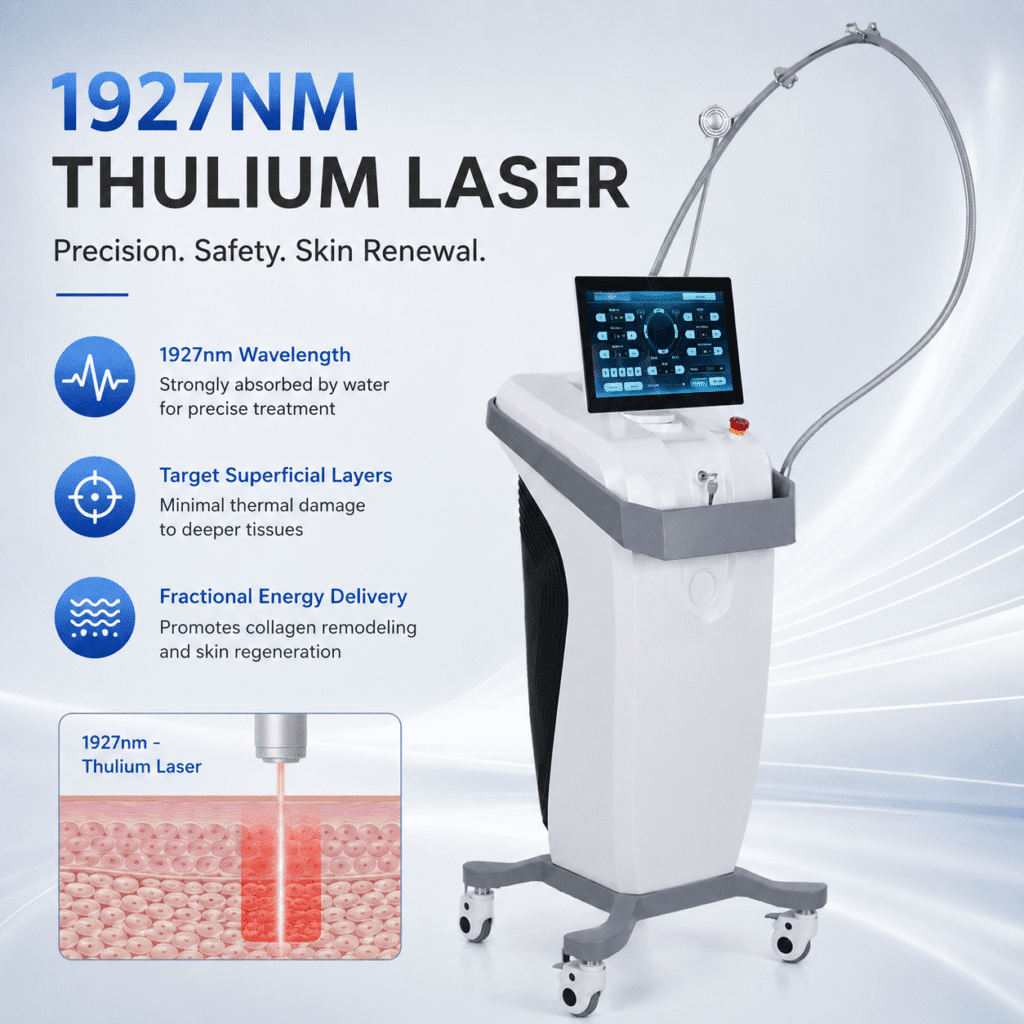
17. Soins post-épilation laser, IPL et épilation à la lumière pulsée
L'épilation laser, la lumière pulsée intense (IPL) et les traitements similaires nécessitent des soins post-traitement plus spécifiques.
Les clients doivent suivre les instructions écrites du fournisseur. Les points communs peuvent inclure :
- Évitez l'exposition au soleil et le bronzage comme indiqué.
- Utilisez de la crème solaire et des vêtements protecteurs lorsque cela est nécessaire.
- Évitez les bains chauds, le sauna, le hammam et la transpiration excessive pendant une courte période si cela vous est conseillé.
- Évitez de gratter, d'arracher ou d'épiler à la cire les poils traités.
- Ne vous épilez pas à la pince ou à la cire entre les séances si le praticien vous le déconseille.
- Le rasage peut être autorisé selon le protocole.
- Utilisez une crème hydratante douce ou un produit de soin après-shampoing si recommandé.
- Surveillez l'apparition de brûlures, d'ampoules, d'un gonflement important ou de signes d'infection.
- Assister aux séances selon l'intervalle recommandé.
Une chute de cheveux progressive peut survenir après le traitement. Il est normal que les cheveux ne disparaissent pas complètement après une seule séance.
18. Soins post-traitement de remodelage corporel
Les soins post-opératoires en matière de remodelage corporel dépendent fortement de la technologie utilisée.
Les appareils peuvent inclure :
- Corps RF
- Vide
- Cavitation
- Cryolipolyse
- Corps des services médicaux d'urgence
- Vibration
- Autres systèmes de gestion corporelle
Les soins post-opératoires généraux peuvent comprendre :
- Suivez les instructions du fournisseur concernant la consommation d'eau, l'activité physique et les soins de la zone traitée.
- Évitez la chaleur ou les efforts physiques intenses si le protocole de traitement l'exige.
- Ne pas masser vigoureusement sauf indication contraire.
- Surveillez l'apparition d'ecchymoses, de douleurs intenses, d'ampoules, d'engourdissements, de brûlures ou d'un gonflement inhabituel.
- N’enregistrez les mensurations corporelles ou ne prenez des photos qu’avec une méthode cohérente et avec l’autorisation du patient.
- Sachez que les projets de transformation corporelle nécessitent souvent plusieurs séances et que les résultats varient.
Évitez les attentes de perte de poids ou d'amincissement garanties.
19. Soins post-traitement pour les projets HIFU et de haute intensité
Les projets utilisant les ultrasons focalisés de haute intensité (HIFU) et les techniques plus intensives nécessitent un encadrement professionnel plus poussé.
Les clients doivent recevoir des instructions écrites du fournisseur, notamment :
- Quelles réactions temporaires peuvent survenir ?
- Quels symptômes nécessitent une attention particulière ?
- Quels produits éviter
- Faut-il éviter la chaleur, l'exercice ou les massages ?
- Quand revenir pour révision
- Qui contacter après le traitement
- Qu’une supervision médicale ou des conseils d’un professionnel agréé soient nécessaires
Si un prestataire ne peut pas expliquer clairement les soins post-opératoires, les clients doivent être prudents.
20. Soins après-traitement pour les peaux sensibles
Les personnes à la peau sensible ont besoin de soins après-shampoing plus simples et plus attentifs.
Suggestions :
- Utilisez uniquement un nettoyant doux.
- Utilisez une crème hydratante que la cliente tolère déjà.
- Évitez les produits fortement parfumés.
- Évitez les acides, les rétinoïdes et les gommages, sauf avis contraire.
- Évitez la chaleur, le soleil et la transpiration excessive si votre peau est rouge.
- Ne testez pas immédiatement les nouveaux produits.
- Assurer un suivi dans les 24 à 72 heures.
- Contactez le salon en cas de brûlures, de démangeaisons, de gonflement ou d'éruptions cutanées.
Ne promettez pas l'absence de réaction. Surveillez plutôt la situation et intervenez rapidement.
21. Soins post-traitement pour les clients sujets à l'acné
Les personnes sujettes à l'acné peuvent être tentées de gratter, de presser ou de surtraiter leurs boutons après une prestation en salon.
Suggestions de suivi :
- Évitez de presser ou de pincer.
- Adoptez des soins de la peau doux.
- N’utilisez pas trop de produits anti-acné immédiatement après l’entretien de votre appareil.
- Utilisez les produits recommandés par un professionnel qualifié ou selon le protocole du salon.
- Signalez au salon si l'irritation s'aggrave.
- Suivez le programme de traitement prévu si vous utilisez la technologie LED, le nettoyage ou les soins de la peau.
Évitez les affirmations selon lesquelles un appareil de beauté guérit l'acné.
22. Maquillage après le traitement
La possibilité pour les clientes de se maquiller immédiatement dépend du traitement.
Pour les prestations douces, un maquillage léger peut être autorisé après un court laps de temps si la peau est apaisée et si le protocole du salon le permet.
Pour les traitements plus intensifs, en cas d'irritation cutanée, d'exfoliation, de traitement laser, IPL ou de sensibilité, il peut être conseillé aux clients d'éviter le maquillage pendant une période prolongée.
Les clients doivent demander au salon :
- Puis-je me maquiller aujourd'hui ?
- Quel type de maquillage dois-je éviter ?
- Quand pourrai-je reprendre mes activités habituelles ?
- Que faire si le maquillage me pique ?
Si la peau est rouge, brûlante, qui pèle ou est irritée, le maquillage peut aggraver l'inconfort.
23. Appareils à domicile après les traitements en salon
Les clients doivent faire preuve de prudence avec les appareils de beauté à domicile après des soins réalisés en salon.
Évitez d'utiliser des appareils domestiques supplémentaires immédiatement après le traitement, sauf si le salon ou un professionnel qualifié vous y autorise.
Cela comprend :
- Accueil RF
- IPL à domicile
- brosse nettoyante pour le visage
- Dispositif à microcourant
- appareil exfoliant
- Rouleau dermique
- Masque LED puissant
L'utilisation combinée de plusieurs appareils sans conseils peut accroître l'irritation et rendre les réactions plus difficiles à comprendre.
24. Ce que les clients devraient demander avant de partir
Les clients devraient demander :
- Quelle réaction est normale aujourd'hui ?
- Quelle réaction n'est pas normale ?
- Quels produits dois-je utiliser ce soir ?
- Quels produits dois-je éviter ?
- Dois-je utiliser de la crème solaire ou éviter le soleil ?
- Puis-je faire de l'exercice aujourd'hui ?
- Puis-je prendre un bain chaud ou utiliser un sauna ?
- Puis-je me maquiller ?
- Quand dois-je réserver la prochaine séance ?
- Qui dois-je contacter si je ressens un malaise ?
Si le salon ne peut pas répondre à ces questions, il se peut qu'il ne dispose pas d'un système de suivi complet.
25. Ce que les salons devraient fournir après le traitement
Un salon professionnel devrait proposer :
- Explication verbale des soins de suivi
- Carte ou message de suivi écrit
- Instructions d'utilisation du produit
- Rappel de protection solaire
- Liste des panneaux d'avertissement
- Prochaine suggestion de rendez-vous
- Méthode de contact
- Programme de suivi
- Dossier de traitement
- Nom du personnel
Pour les projets à forte valeur ajoutée ou à risque élevé, cela devrait être la norme.
26. Suivi après les traitements avec appareils esthétiques
Le suivi renforce la confiance des clients.
Délai de suivi suggéré :
- Le jour même pour les projets sensibles ou à forte intensité
- 24 à 72 heures après la plupart des premiers traitements par équipement
- Avant la prochaine session prévue
- Cours intermédiaire pour les forfaits de cours
- Bilan de fin de formation
Message de suivi :
“ Bonjour, ce message fait suite à votre traitement. Comment vous sentez-vous au niveau de la zone traitée aujourd'hui ? Ressentez-vous des rougeurs, des brûlures, des démangeaisons, un gonflement ou une gêne ? Si tout est normal, nous pouvons maintenir la prochaine séance comme prévu. Si vous ressentez quoi que ce soit d'inhabituel, veuillez nous en informer avant d'utiliser des produits puissants ou de prendre un autre rendez-vous. ”
Le suivi doit être axé sur le service, et non uniquement sur les ventes.
27. Que faire si le client présente des rougeurs ou une gêne ?
En cas de rougeur ou d'inconfort, vérifiez d'abord si ces réactions sont légères et prévues pour le traitement.
Le client devrait :
- Cessez d'utiliser des produits puissants.
- Évitez la chaleur et le soleil si votre peau est réactive.
- Évitez de frotter ou de gratter.
- N'utilisez que des soins délicats, le cas échéant.
- Contactez le salon pour obtenir des conseils.
- Consultez un médecin si les symptômes sont graves, s'aggravent ou sont inhabituels.
Le salon devrait :
- Demandez quand les symptômes ont commencé.
- Demandez au client quels produits il a utilisés après le traitement.
- Examiner les dossiers de traitement.
- Vérifiez les paramètres et les produits utilisés.
- Documentez la réaction.
- Recommander des soins médicaux si nécessaire.
- Reportez le prochain traitement jusqu'à résolution du problème.
Ne négligez pas le malaise des clients.
28. Que se passe-t-il si le client ne constate aucun résultat immédiat ?
La communication relative aux soins de suivi doit inclure la gestion des attentes.
Certains projets peuvent sembler gratifiants immédiatement, mais beaucoup sont liés à des cours.
Expliquer:
- Une séance peut être principalement consacrée aux soins initiaux ou à un essai.
- Certains résultats se développent au fil du temps.
- Les résultats varient.
- Des séances répétées peuvent être recommandées.
- Les soins à domicile et la protection solaire peuvent influencer l'expérience.
- Le salon évaluera les progrès tout au long de la formation.
Nous ne promettons pas de résultats garantis ou permanents.
29. Modèle de carte de suivi post-soins par catégorie
Un salon peut utiliser ce modèle :
- Nom du projet :
- Date:
- Zone de traitement :
- Réactions normales :
- Produits à utiliser :
- Produits à éviter :
- Activités à éviter :
- Protection solaire :
- Conseils maquillage :
- Guide d'utilisation des appareils domestiques :
- Signes avant-coureurs :
- Date de suivi :
- Date de la prochaine session :
- Contact du personnel :
Ce modèle aide le personnel à standardiser les instructions.
30. Erreurs courantes en matière de soins post-opératoires
Les clients doivent éviter :
- Utiliser des acides forts ou des rétinoïdes trop tôt
- Frotter la zone traitée
- S'exposer au soleil ou bronzer après un traitement à base de lumière
- Aller au sauna ou au bain chaud alors qu'il est déconseillé de le faire
- Gratter ou gratter
- Application de nombreux nouveaux produits
- Utiliser immédiatement les appareils domestiques
- Ignorer les brûlures ou les ampoules
- Suivi manquant
- Attendre des résultats permanents après une seule séance
Les salons doivent éviter :
- Fournir la même carte de suivi pour chaque appareil
- Ne pas expliquer les panneaux d'avertissement
- Les détails du traitement ne sont pas consignés.
- Je ne donne pas suite
- Des résultats trop prometteurs
- Ignorer le malaise des clients
- Fournir des instructions de produit peu claires
31. Un plan de suivi pratique de 24 à 72 heures
Pour de nombreux projets courants d'équipement facial, un plan simple peut être :
Premières 24 heures :
- Adoptez des soins de la peau doux.
- Évitez les exfoliations agressives.
- Évitez les substances actives puissantes si cela vous est conseillé.
- Utilisez une crème hydratante et une protection solaire lorsque cela est nécessaire.
- Évitez la chaleur et la transpiration si votre peau est rouge ou si le protocole l'exige.
- Ne pas gratter ni frotter.
24 à 72 heures :
- Continuez les soins doux si la peau est sensible.
- Reprenez progressivement vos produits habituels si votre peau est apaisée et si le protocole le permet.
- Contactez le salon en cas d'inconfort.
- Confirmez le prochain rendez-vous si le projet est lié à un cours.
Pour les traitements au laser, IPL, HIFU, de remodelage corporel ou les projets à plus haute intensité, suivez les instructions spécifiques du fournisseur plutôt que ce plan générique.
32. Réponse pratique finale
Après un soin esthétique réalisé avec un appareil, les clients doivent prendre soin de la zone traitée avec douceur, éviter les irritations, la protéger du soleil si nécessaire, utiliser une crème hydratante adaptée, éviter les produits actifs puissants et les exfoliations agressives pendant la période recommandée, et suivre les instructions spécifiques à l'appareil utilisées dans le salon.
Ils doivent également surveiller toute réaction anormale, comme des rougeurs importantes, des brûlures, des cloques, un gonflement, une éruption cutanée, des signes d'infection ou une douleur persistante. Le cas échéant, ils doivent contacter le salon et consulter un médecin si nécessaire.
Le salon doit fournir des instructions écrites de suivi, assurer un suivi après le traitement et adapter la séance suivante en fonction de la réaction du client.
Conclusion
L'entretien des appareils de beauté fait partie intégrante du traitement, ce n'est pas une option supplémentaire.
Des soins post-salon de qualité assurent le confort du client, réduisent les irritations inutiles, préservent la confiance et encouragent les visites répétées. Ils permettent également au salon de valoriser son professionnalisme et de limiter les réclamations.
Les meilleurs soins post-traitement dépendent de l'appareil et du client. Hydratation douce, radiofréquence, LED, électrostimulation musculaire, épilation laser, remodelage corporel, ultrasons focalisés de haute intensité (HIFU) et protocoles pour peaux sensibles nécessitent tous des instructions différentes.
Les clients doivent maintenir la zone traitée propre, douce, hydratée, protégée et surveillée. Les salons doivent fournir des instructions claires, éviter les promesses exagérées, consigner les détails du traitement et assurer un suivi si nécessaire.
FAQ
Que doivent faire les clients après un traitement avec des appareils de beauté ?
Les clients doivent maintenir la zone traitée propre, utiliser des soins de la peau doux, hydrater leur peau comme indiqué, éviter les exfoliations agressives ou les produits actifs puissants pendant la durée recommandée, se protéger du soleil si nécessaire et surveiller toute réaction anormale.
Les clientes peuvent-elles se maquiller après un soin esthétique réalisé avec des appareils ?
Cela dépend du traitement et de la réaction de la peau. Les soins doux permettent généralement de se maquiller plus rapidement, tandis que les traitements plus intensifs, les rougeurs, les irritations, le laser, la lumière pulsée intense (IPL) ou l'exfoliation peuvent nécessiter d'éviter le maquillage pendant une période plus longue.
Les clients peuvent-ils faire de l'exercice après un soin esthétique ?
Cela dépend du traitement. Après certains traitements à base de chaleur, de lumière pulsée, d'épilation ou pour peaux sensibles, il peut être nécessaire d'éviter les efforts physiques intenses et la transpiration excessive pendant une courte période.
Les clients doivent-ils utiliser de la crème solaire après le traitement ?
Il est important de se protéger du soleil après de nombreux soins du visage, traitements à la lumière, au laser, exfoliants ou destinés aux peaux sensibles. Les clients doivent suivre les instructions écrites du salon.
Quels produits les clients doivent-ils éviter après le traitement de leurs équipements ?
Selon le traitement, les clients devront peut-être éviter pendant une courte période les acides forts, les rétinoïdes, les gommages, les produits exfoliants, les produits fortement parfumés, les huiles essentielles et les nouveaux produits actifs.
Quelles sont les réactions anormales après un traitement avec des appareils esthétiques ?
Toute douleur intense, brûlure, ampoules, gonflement important, éruption cutanée qui s'étend, signes d'infection, sensation de brûlure persistante, plaies ouvertes ou aggravation des symptômes doit être signalée et peut nécessiter des soins médicaux.
Les salons doivent-ils assurer un suivi après les traitements des équipements ?
Oui. Un suivi dans les 24 à 72 heures est utile pour les nouveaux clients, les personnes à la peau sensible et les traitements plus intensifs. Cela renforce la confiance et permet de détecter les problèmes précocement.