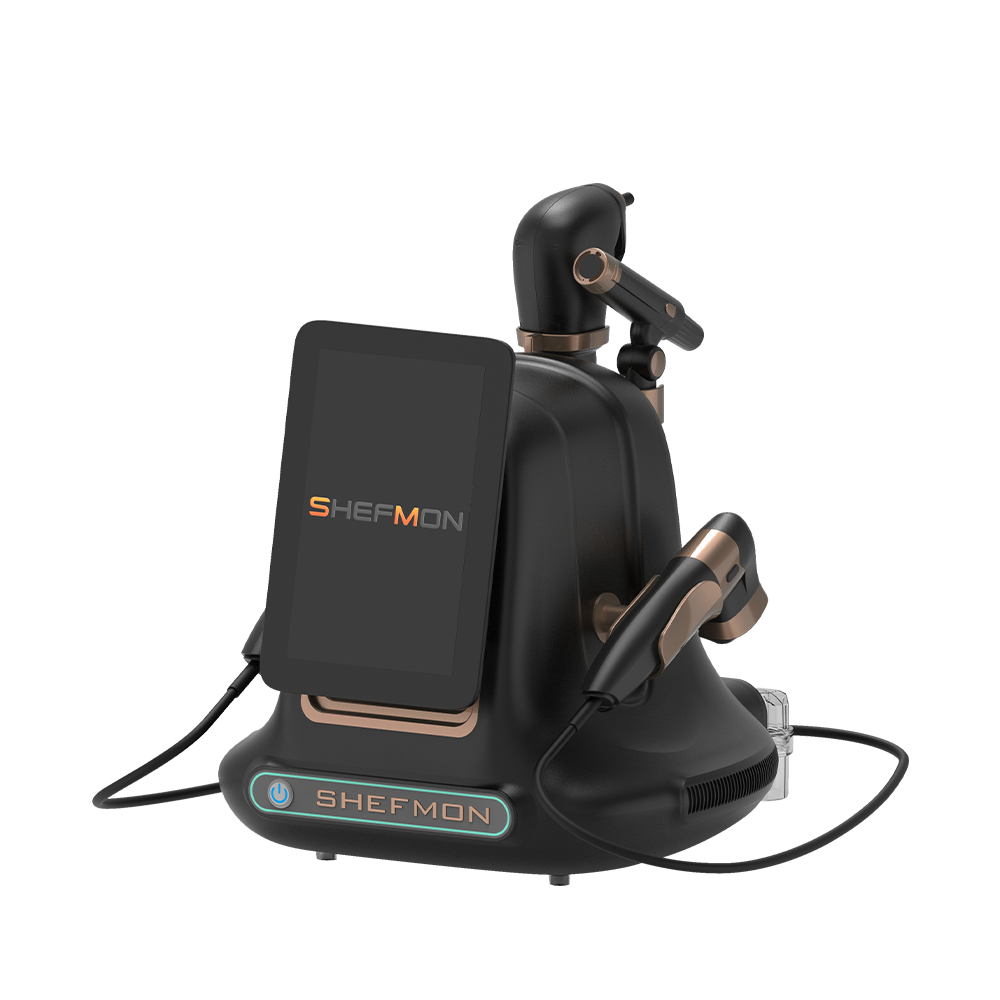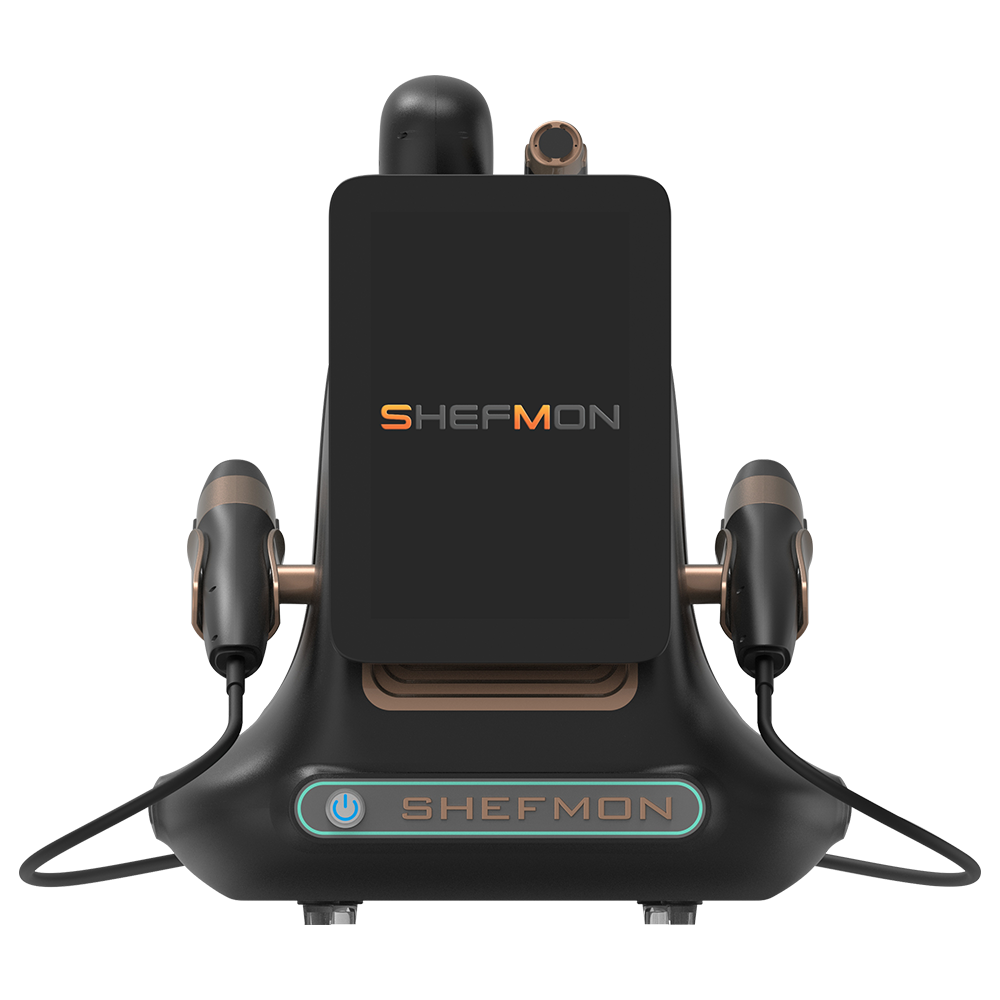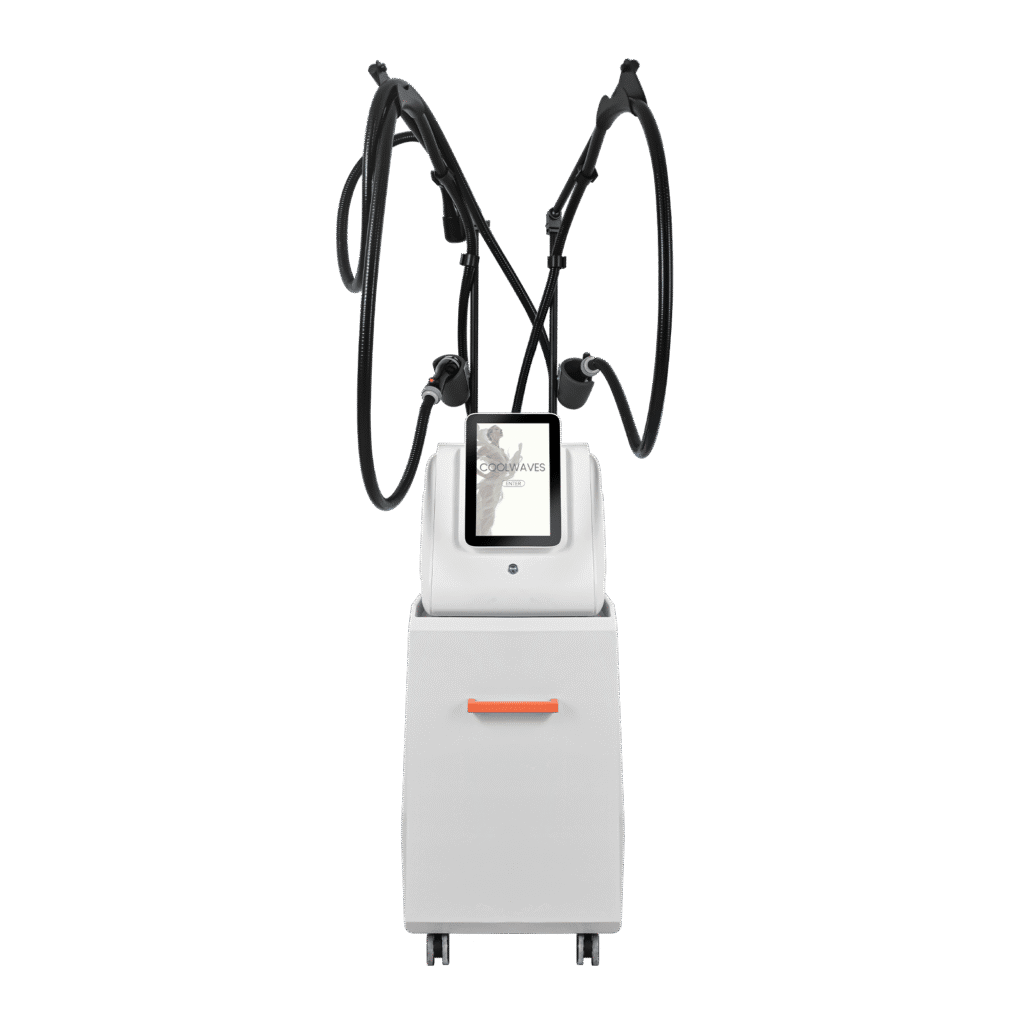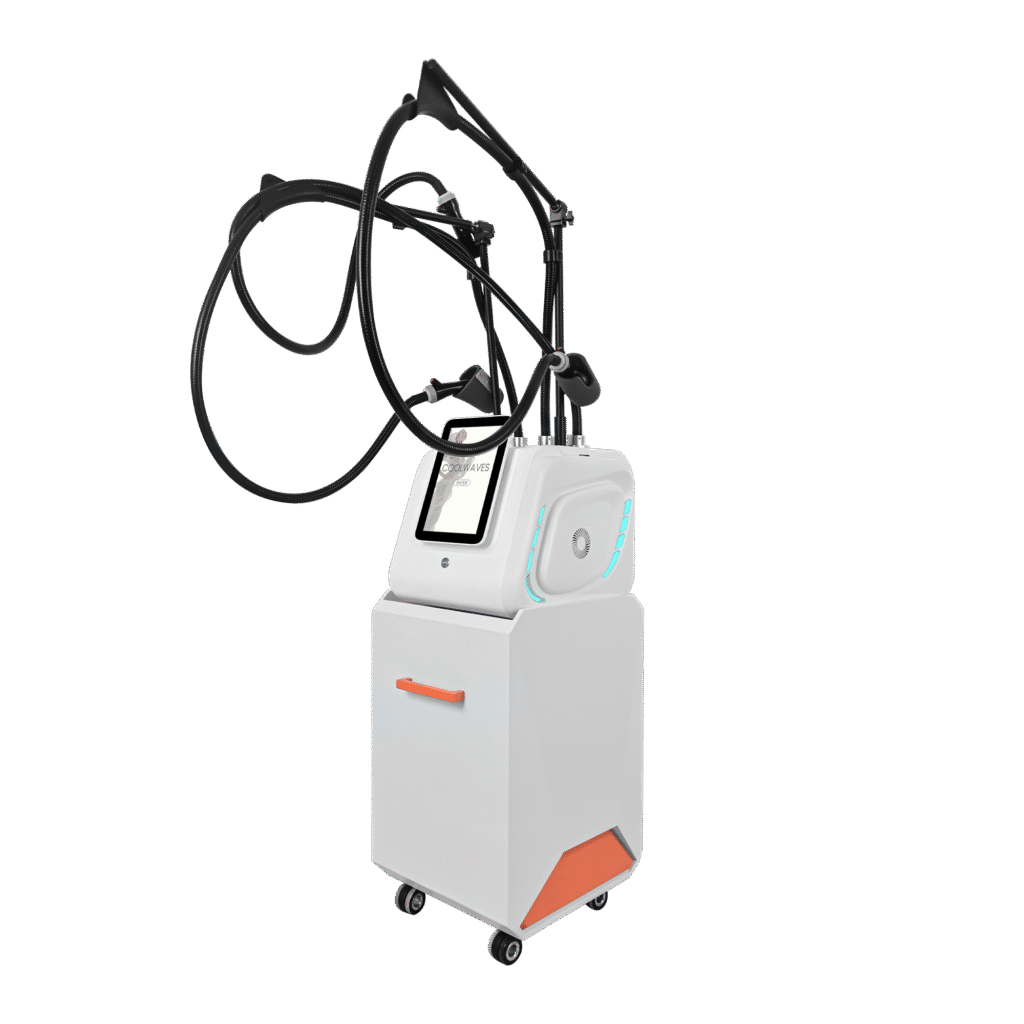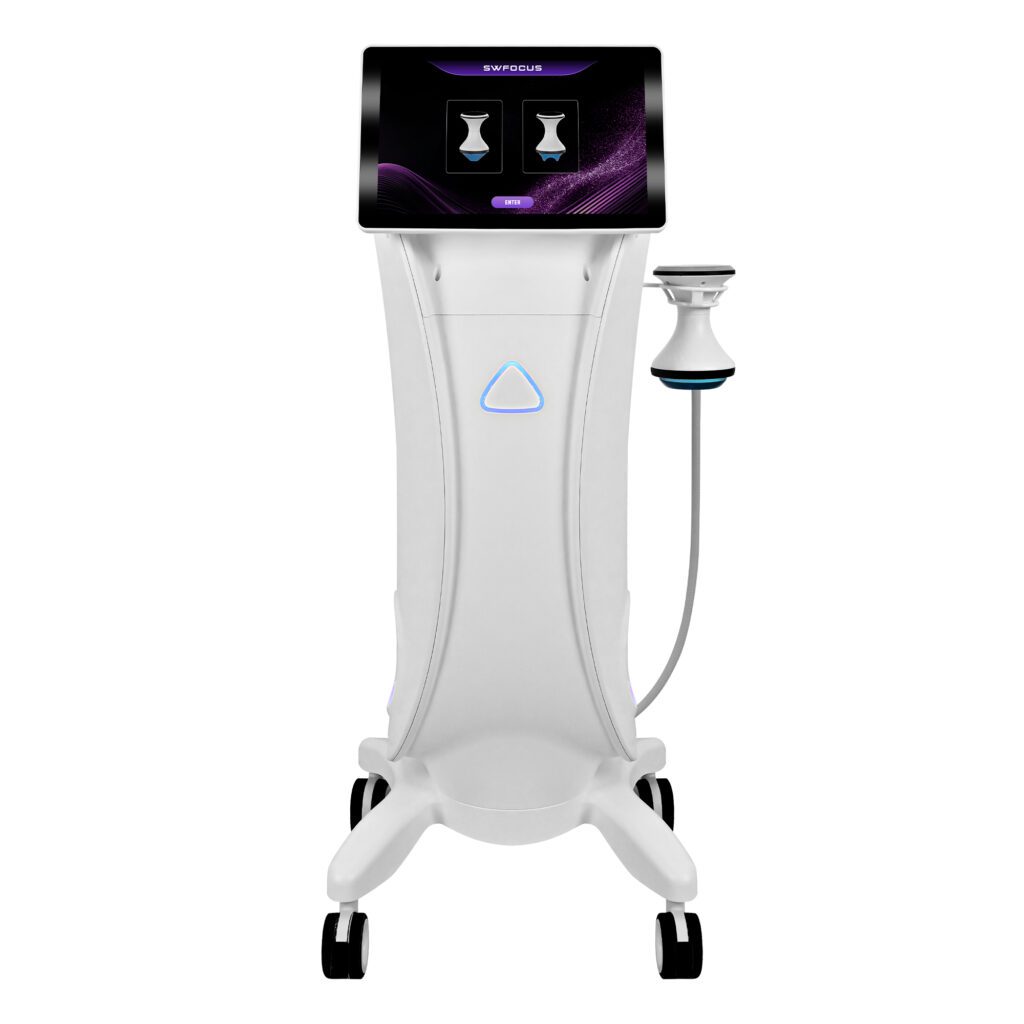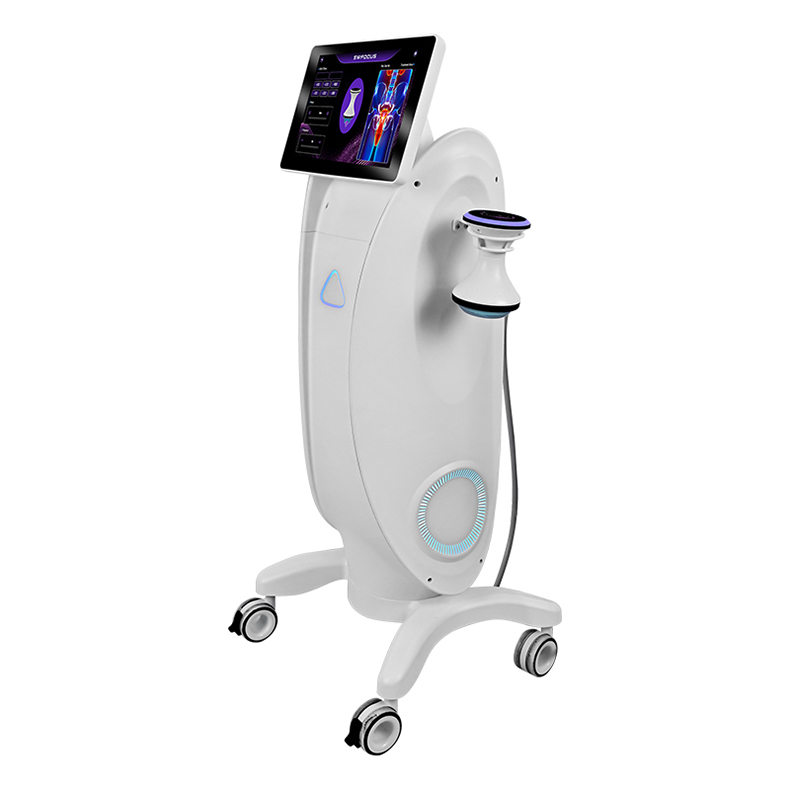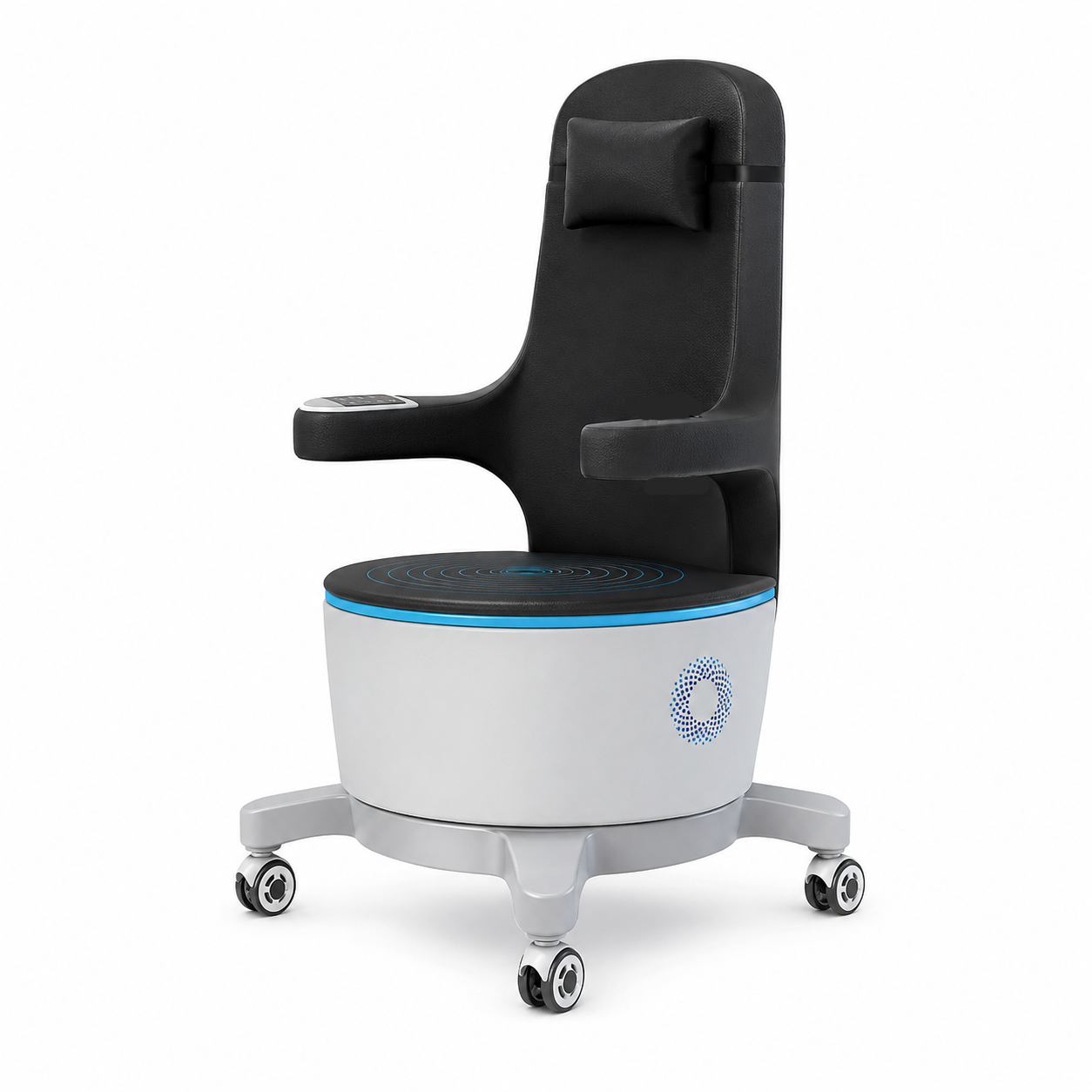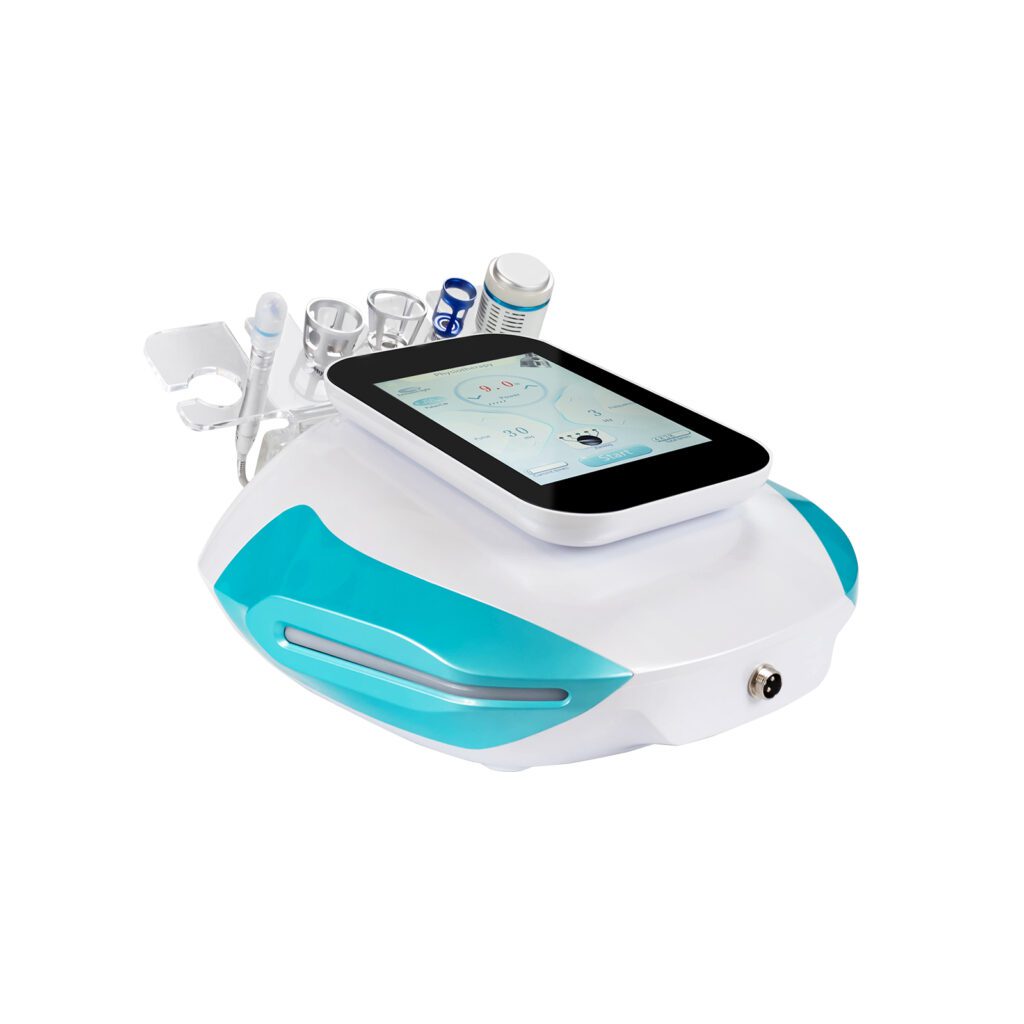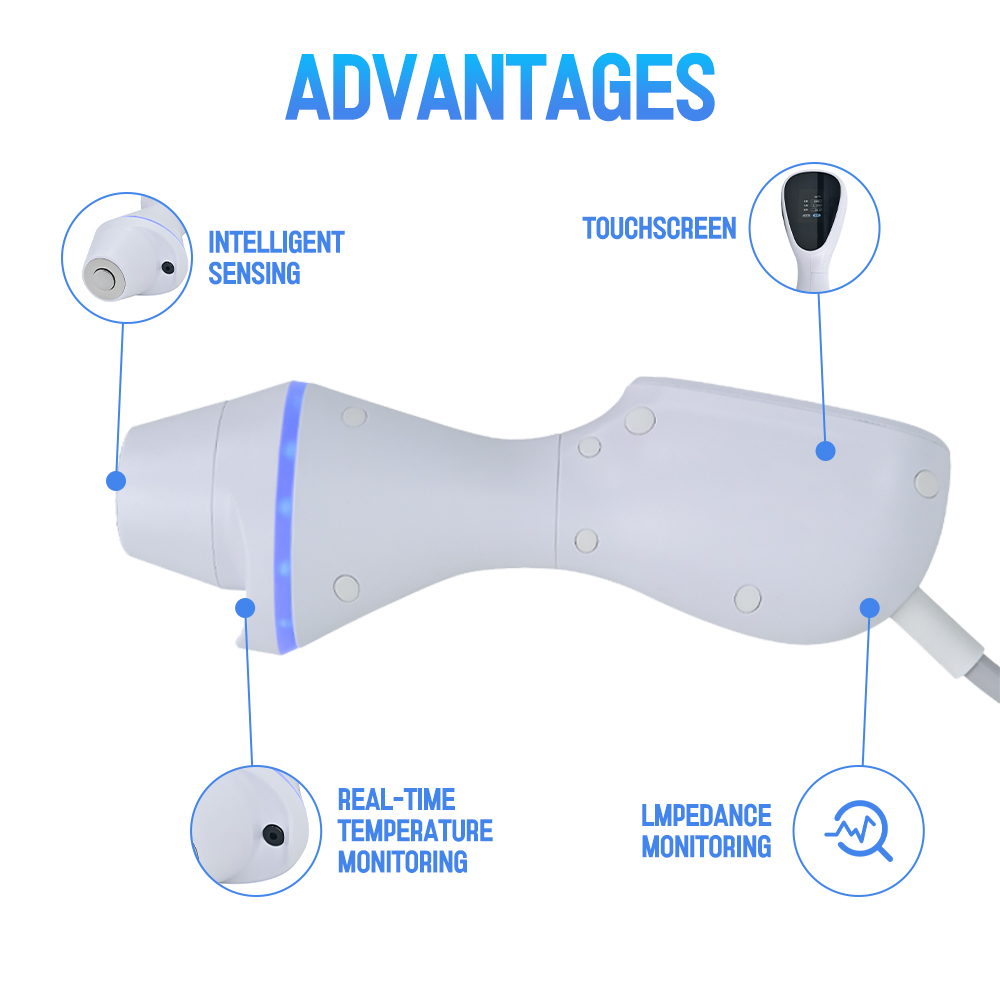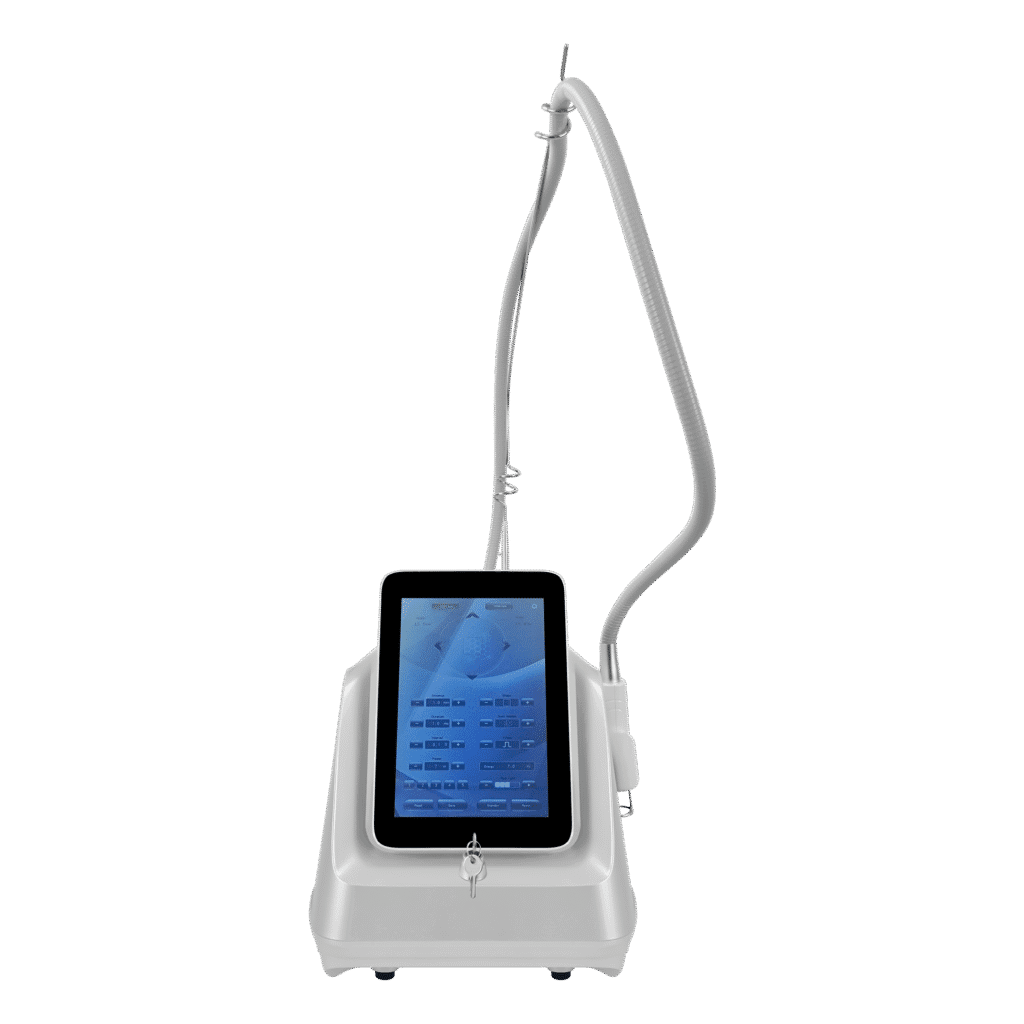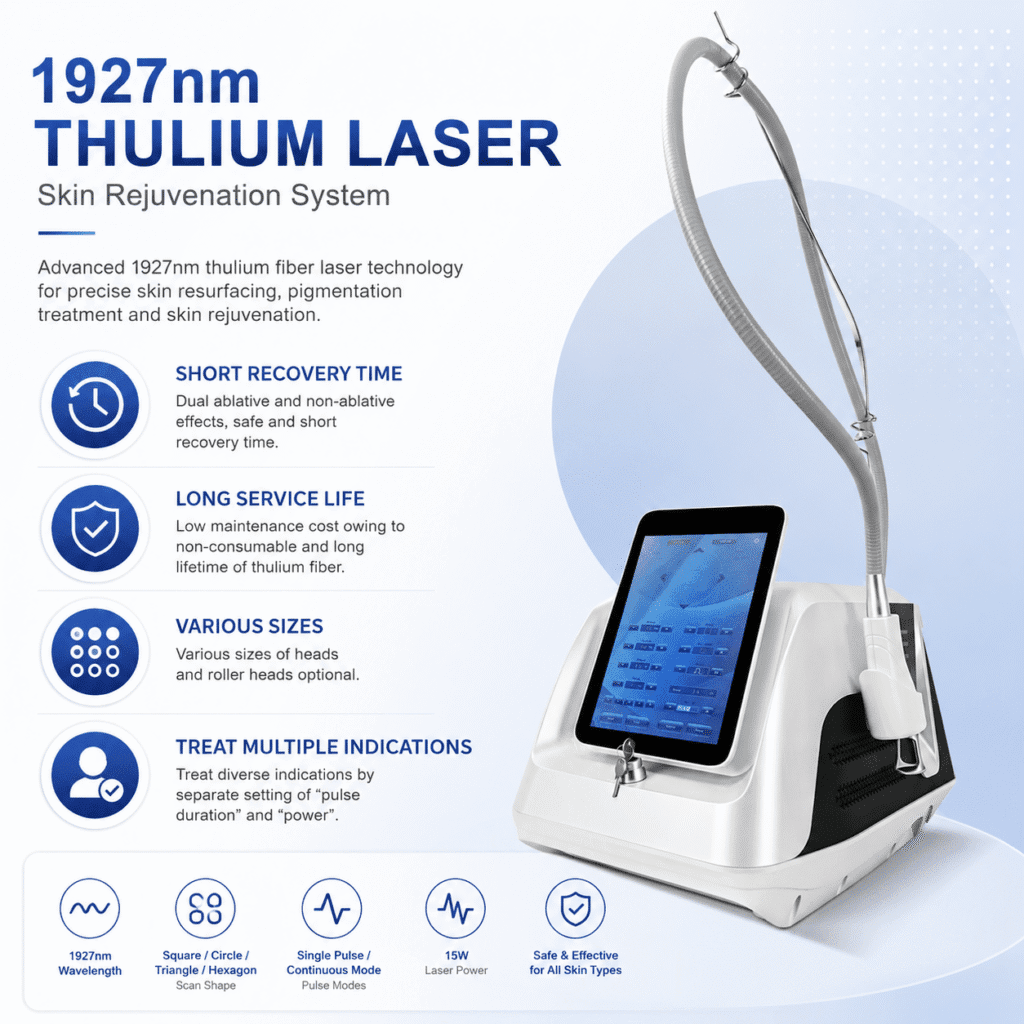

A beauty device does not perform through the console alone. The operator interacts with a handpiece, treatment head, applicator, tip, cartridge, needle module, bottle, filter, pad, cable, or fluid path. If these items do not match the console hardware, software, parameters, workflow, and production configuration, a technically capable machine can become difficult to operate, test, supply, or support.
Factories therefore need to validate each reusable component and consumable as part of the complete product system. Validation should cover identity, compatibility, interfaces, performance, limits, durability or use life, software behavior, cleaning or replacement workflow, packaging, traceability, production checks, and documentation. The depth of evidence depends on the technology, intended use, component type, reuse status, and destination market.
This guide explains a structured approach from early requirements through engineering tests, design verification, pilot production, and post-release change control. SHEFMON models are used as public category examples, not as claims about confidential test methods, validation results, or internal development records.
Résumé exécutif
Factories can validate beauty device handles, applicators, and consumables by following ten principles:
- Classify the item before planning tests. A powered reusable handpiece, replaceable cartridge, single-use tip, bottle, filter, and passive accessory do not require identical evidence.
- Define intended function and configuration. Every item needs an identifier, compatible console, hardware and software range, operating limits, reuse status, and market applicability.
- Validate the interface as well as the item. Mechanical fit, electrical connection, communication, cooling, vacuum, fluid, optical, RF, ultrasound, or other relevant interfaces must work together.
- Use a controlled compatibility matrix. Physical connection alone does not prove that a component is supported.
- Test representative and challenging conditions. Evaluate applicable parameter extremes, repeated use, production variation, handling, storage, and failure conditions rather than one ideal demonstration.
- Separate reusable-component durability from consumable use limits. The factory needs evidence for connection cycles, cables, seals, housings, recognition, replacement, and defined single-use or limited-use behavior as applicable.
- Control software and parameter mapping. The device should load only the modes, ranges, counters, or warnings approved for the identified item.
- Include production and supplier controls. Released specifications, incoming checks, assembly tests, final configuration confirmation, lot or serial traceability, and change approval protect ongoing compatibility.
- Align packaging, labels, manuals, and ordering data. The buyer must be able to select, receive, store, use, replace, and reorder the correct item.
- Revalidate when a relevant change occurs. Materials, suppliers, connectors, dimensions, software, parameters, packaging, sterilization or cleaning process where applicable, and intended use can all affect prior evidence.
The goal is a released product family in which the console and every approved connected or consumed item can be identified, tested, supplied, and supported as one controlled configuration.
1. Treat the Component as Part of the Product System
A handle or consumable may look like a separate SKU, but its behavior depends on the console. The system can include:
- mechanical connection and retention;
- electrical power and grounding;
- data communication and recognition;
- cooling or thermal transfer;
- vacuum, pressure, airflow, or liquid delivery;
- optical, RF, ultrasound, or mechanical output;
- software modes and parameter limits;
- counters, prompts, alarms, or lockouts;
- operator grip, placement, and movement;
- cleaning, replacement, storage, and disposal steps;
- production calibration or pairing where applicable; and
- packaging, labeling, ordering, training, and service records.
Validation should therefore use the approved console, hardware, software, and configuration rather than evaluate the item in isolation.
2. Classify Handles, Applicators, and Consumables
| Item class | Typical examples | Main validation emphasis |
|---|---|---|
| Powered reusable handpiece | Laser, RF, ultrasound, vacuum roller, motorized or cooled handle | Output, power, cooling, communication, durability, cable, service, repeated cleaning |
| Passive reusable applicator | Metal probe, massage head, holder-mounted tool | Dimensions, surface, mechanical integrity, cleaning, wear, storage |
| Replaceable treatment cartridge | Focused-ultrasound cartridge or other identified module | Recognition, compatibility, parameter mapping, output, count or life logic, packaging |
| Single-use or limited-use treatment item | Tip, needle module, pad, membrane, disposable cap | Identity, fit, material, packaging, defined use limit, traceability, replacement workflow |
| Fluid-path component | Bottle, tube, filter, seal, connector, waste container | Flow, vacuum, leakage, chemical and material suitability, cleaning or replacement |
| Supporting accessory | Footswitch, eyewear, cable, power cord, stand, tray | Interface, function, region, storage, labeling, package completeness |
The factory should use precise terminology. “Accessory” is too broad when one item controls energy delivery and another only stores a cable.
3. Establish the Intended Function
Start with the task the item must perform within the released product. Record:
- intended device category and service role;
- intended professional user;
- part of the body or workflow addressed, where applicable;
- required function and output relationship;
- approved console models and versions;
- expected operating conditions;
- reusable, limited-use, or single-use status;
- cleaning, replacement, or disposal pathway as applicable;
- destination markets and professional conditions; and
- explicit exclusions.
The intended function determines which risks, interfaces, performance criteria, and lifecycle evidence matter. Copying a test plan from another handle because the connector looks similar can leave important differences untested.
4. Give Every Item a Controlled Identity
The identifier should distinguish items that are not interchangeable. Control may include:
- commercial name;
- internal part number;
- revision;
- supplier item and revision;
- connector or interface type;
- applicable console and software version;
- size, depth, spot, wavelength, frequency, tip, or other category-specific characteristic;
- reusable or consumable status;
- regional or customer-specific applicability;
- package quantity;
- lot, batch, serial, or date code where appropriate; and
- current lifecycle status.
If two items require different software, parameters, instructions, or production tests, they should not share an ambiguous identity.
5. Build a Validation Chain
| Scène | Question principale | Typical output |
|---|---|---|
| Requirement definition | What must the item do, with which console and under what limits? | Approved item and interface requirements |
| Feasibility evaluation | Can the proposed concept and interface achieve the intended function? | Bench evidence, risks, selected direction |
| Engineering development | Do mechanical, electrical, software, thermal, fluid, and user elements integrate? | Controlled prototypes and issue records |
| Design verification | Does the design meet approved requirements? | Test and inspection results with traceability |
| Workflow validation | Can intended users handle, connect, select, clean, replace, and store it as planned? | Representative-use findings and decisions |
| Production validation | Can suppliers and the factory reproduce, inspect, assemble, identify, and test it? | Pilot evidence and released controls |
| Post-release control | Do complaints, service, supplier changes, and revisions affect the evidence? | Monitoring, corrective action, and revalidation decisions |
Each stage should preserve the configuration and evidence needed by the next.
6. Write Item-Level Requirements
Requirements should cover what matters for the specific component. Possible areas include:
- dimensions and tolerances;
- materials and surface finish;
- connector position, keying, retention, and insertion force;
- electrical characteristics and signals;
- communication protocol and identification;
- energy, vacuum, pressure, flow, speed, frequency, or temperature behavior as relevant;
- allowable parameter range;
- cable, tube, and strain-relief requirements;
- housing strength and environmental limits;
- use, connection, or treatment-cycle life;
- cleaning, storage, replacement, or disposal instructions;
- packaging protection and identification;
- production inspection and test; and
- compatibility and configuration rules.
Every critical requirement should have an acceptance criterion and verification method.
7. Create a Compatibility Matrix
A compatibility matrix prevents an item from being sold based on visual similarity or an informal test.
| Matrix field | What to record |
|---|---|
| Console | Model and hardware revision |
| Logiciel | Minimum, maximum, or exact approved build |
| Handle or consumable | Part number, revision, and package identity |
| Interface | Connector, communication, cooling, vacuum, fluid, or mounting type |
| Approved modes | Functions and operating states available with the item |
| Parameter boundaries | Units, ranges, defaults, and protected limits |
| Regional applicability | Voltage, language, labels, instructions, or market restrictions |
| Verification status | Evidence reference and approved configuration |
| Commercial status | Standard, optional, replacement, consumable, custom, or obsolete |
| Service relationship | Replacement, pairing, calibration, or upgrade rules |
The matrix should be controlled alongside product data, quotations, manuals, service records, and ordering systems.
8. Define the Interface before Detailed Testing
An interface-control record can describe:
- mating dimensions and tolerances;
- locating, locking, and release features;
- connector pin assignment;
- voltage, current, signal, and communication limits;
- fluid, vacuum, pressure, cooling, or airflow path;
- thermal boundary;
- optical or energy path where relevant;
- item detection and identification;
- permitted connection and disconnection states;
- expected fault response;
- cable, hose, and tube routing; and
- revision ownership on both sides.
Changes to either the console or the item should trigger an interface-impact review.
9. Select Representative Samples
Validation samples should represent the design and production sources being approved. The plan may need to consider:
- multiple production lots;
- tolerance extremes;
- different approved suppliers or manufacturing lines;
- hardware and software versions;
- smallest, largest, highest-load, or otherwise challenging variant;
- reusable items at new and aged conditions;
- consumables at relevant storage stages;
- packaging and transport exposure; and
- preconditioned items where the requirement calls for it.
Sample selection and quantities should be justified by the risk, variation, test purpose, and qualified review rather than copied from an unrelated product.
10. Control the Test Article and Test Setup
Before testing, record:
- console model, serial, hardware, and software;
- handle, applicator, cartridge, tip, or consumable identity;
- supplier, lot, batch, or serial information;
- assembly and conditioning history;
- calibration or pairing status where applicable;
- related accessories and fluids;
- test equipment and status;
- ambient and starting conditions;
- parameter settings and operating sequence;
- prior use or testing; and
- deviations from the approved method.
Results without configuration identity cannot reliably support compatibility or release.
11. Validate Mechanical Fit and Retention
Mechanical validation can examine:
- mating dimensions and tolerance stack;
- correct orientation and mistake prevention;
- insertion, locking, release, and removal;
- retention during operation, movement, and storage;
- holder or tray fit;
- cable, tubing, and connector clearance;
- sealing surfaces and compression;
- fasteners and adjustment features;
- repeated connection cycles;
- wear, deformation, cracking, or loosening; and
- fit after relevant cleaning or environmental exposure.
The item should not only fit an ideal engineering unit. It must work across the approved production variation of both mating sides.
12. Validate Electrical and Signal Interfaces
For powered or communicating handles, review:
- pin assignment and keying;
- normal and peak voltage or current;
- connector contact and retention;
- grounding or protective connection where applicable;
- signal integrity and communication timing;
- identification data;
- connection and disconnection behavior;
- response to partial, incorrect, or interrupted connection;
- cable continuity and strain relief;
- temperature at connectors and conductors;
- relevant fault detection; and
- production checks that confirm correct wiring.
Test planning and operation should involve appropriately qualified personnel wherever electrical or other hazards apply.
13. Validate Recognition and Software Mapping
The console should respond correctly to the item that is physically connected or selected. Check:
- unique or family identification;
- approved hardware and software compatibility;
- displayed item name and image where used;
- enabled modes;
- units, ranges, defaults, and maximum limits;
- item-specific counters or reminders;
- warnings for unsupported or expired items where designed;
- behavior after removal, reconnection, or replacement;
- error and recovery paths;
- language consistency; and
- service diagnostic visibility.
Also attempt unsupported combinations under controlled test conditions. The system should not silently load parameters intended for another applicator.
14. Validate Functional Performance
Performance tests should link the item to measurable product requirements. Depending on category, they may address:
- output magnitude and stability;
- spot, area, depth, frequency, speed, or movement;
- vacuum, pressure, or flow;
- temperature and cooling behavior;
- mechanical force, rotation, vibration, or suction;
- delivery uniformity;
- response across parameter settings;
- warm-up and recovery;
- repeatability within and between samples; and
- behavior under the defined operating profile.
The method should specify equipment, geometry, fixtures, conditions, sample identity, units, tolerances, and acceptance limits. Marketing adjectives cannot replace measurable criteria.
15. Validate Thermal and Cooling Interfaces
Handles can generate heat, transfer cooling, or depend on a console cooling loop. Evaluate as applicable:
- coolant or airflow connection;
- flow and blockage response;
- contact and internal temperatures;
- warm-up, steady-state, and recovery behavior;
- repeated-use temperature accumulation;
- sensor location and accuracy;
- warning, derating, and shutdown behavior;
- condensation and leakage;
- hose insulation, flexibility, and routing;
- pump or fan interaction with other subsystems; and
- condition after relevant life cycling.
The operating profile should represent the intended configuration and environment. A brief cold-start test cannot establish repeated-use behavior.
16. Validate Vacuum, Pressure, and Fluid Components
For hydro facial, vacuum roller, spray, suction, or other fluid-related systems, check:
- bottle, tube, filter, valve, seal, connector, and tip identity;
- material and fluid compatibility for the intended use;
- vacuum, pressure, and flow across approved settings;
- leakage during operation, storage, movement, and connection;
- priming, drainage, air entry, foaming, or blockage behavior;
- supply and waste separation;
- tube retention, routing, and pinch resistance;
- fluid proximity to electrical parts;
- cleaning or replacement sequence;
- disposal and waste-container handling where applicable; and
- production leak and functional-test methods.
The consumable and fluid used during validation should be identified because viscosity or material differences can change system behavior.
17. Validate Energy-Delivery Applicators
Energy-based handpieces and applicators require technology-specific evaluation by qualified teams. The plan may need to address:
- approved output type and configuration;
- console-to-handle power or signal transfer;
- applicator geometry and treatment area;
- parameter mapping and protected limits;
- output consistency across samples and settings;
- contact, coupling, cooling, or movement requirements as relevant;
- sensor and feedback behavior;
- cable or hose influence;
- fault conditions and interruption; and
- appropriate technical, safety, and market evidence.
The factory should validate the actual console, handpiece, software, and consumable combination intended for release.
18. Validate Ergonomics and Operator Workflow
Performance can be acceptable while the item is difficult to use. Representative workflow review can include:
- selection and identification;
- connection and setup;
- grip, weight, balance, and reach;
- cable or hose drag;
- visibility of the treatment area;
- changing tips, cartridges, or settings;
- placement in the holder;
- movement around the console and client;
- cleaning or disposal after use;
- storage between appointments;
- replacement and reordering; and
- ability to recognize damage or incorrect assembly.
Record the user profile, task, environment, training, and observation. Informal preference alone is not a complete validation method.
19. Define Cleaning, Disinfection, and Reprocessing Scope
The factory should identify which surfaces or components contact the operator, client, fluids, or the environment and define the intended cleaning or reprocessing pathway as applicable.
The validation plan may need to examine:
- approved agents, methods, contact conditions, and frequency;
- material and label resistance;
- joints, crevices, seals, and inaccessible areas;
- disassembly and reassembly;
- drying and storage;
- effect on electrical, optical, mechanical, or fluid interfaces;
- repeated-process impact;
- instructions and warnings; and
- distinction between reusable and single-use elements.
Requirements tied to intended use, infection control, or market rules should receive qualified review. The article does not prescribe a universal cleaning or sterilization method.
20. Validate Single-Use and Limited-Use Consumables
For a disposable or limited-use item, define:
- permitted use count or duration;
- connection and removal method;
- identity and compatibility;
- packaging unit and quantity;
- protection before use;
- any required condition indicator or label;
- software count, warning, or lockout logic where applicable;
- behavior at the end of the permitted use;
- disposal information;
- lot or batch traceability; and
- response to an opened, damaged, incorrect, or previously used item.
The item and software should use consistent terminology so operators do not confuse replacement guidance.
21. Validate Cartridge and Tip Recognition
Where the system identifies a cartridge, tip, or module, test:
- correct identification across approved variants;
- unreadable, damaged, missing, or duplicate identification where relevant;
- connection before and after startup;
- replacement during the permitted workflow;
- remaining-use or life display where provided;
- counter persistence after interruption;
- console behavior at the defined limit;
- compatibility after software update;
- service replacement or reset authority; and
- production programming and verification.
Recognition is a system function involving the physical item, electronics or identifier, software, database, and user interface.
22. Validate Reusable-Handpiece Durability
A reusable handle may require life testing for:
- connection and disconnection cycles;
- cable flexing and strain relief;
- hose or tube movement;
- button and control operation;
- connector wear and contact integrity;
- housing, seams, grips, and fasteners;
- holder insertion and removal;
- sealing performance;
- output or functional drift;
- repeated cleaning or maintenance;
- drops, impacts, or transport conditions where included in requirements; and
- post-life inspection and functional verification.
Test conditions, cycle count, rate, maintenance, and acceptance criteria should match the intended claim or engineering requirement.
23. Validate Failure and Misuse Conditions
Risk-based testing can consider reasonably foreseeable conditions such as:
- wrong item or unsupported revision;
- incomplete connection;
- damaged cable, seal, tip, or cartridge;
- blocked airflow, tube, filter, or fluid path;
- empty or full bottle condition;
- sensor or communication interruption;
- removal at the wrong time;
- repeated connection attempts;
- incorrect orientation;
- use beyond the defined item life; and
- software mismatch.
Expected response may include prevention, warning, safe interruption, limited function, or service escalation depending on the approved design. Specific controls require qualified engineering and risk review.
24. Validate Storage and Environmental Conditions
The item may experience factory storage, distributor inventory, shipping, treatment-room conditions, and periods between uses. Evaluate applicable effects of:
- temperature and humidity;
- dust or contamination;
- light exposure;
- bending or compression;
- bottle or seal orientation;
- cable and hose storage;
- packaging opening;
- time after opening where relevant;
- aging or shelf life where claimed; and
- transition from storage to operation.
Environmental claims should be supported by an approved plan and evidence appropriate to the item and destination market.
25. Validate Packaging and Transport Protection
Packaging should protect the correct item and help users identify it. Review:
- package material and structure;
- protection of connectors, treatment surfaces, cables, tubes, and seals;
- prevention of movement or crushing;
- package quantity;
- model, part, variant, lot, and date information as applicable;
- compatibility statement;
- informations relatives au stockage et à la gestion ;
- evidence of opening where required by the product definition;
- inclusion in the machine package versus separate shipment;
- distributor and salon storage; and
- unpacking without damaging the item.
Transport evaluation should use the actual packaged configuration and inspect both visible and functional condition afterward.
26. Review Materials with Qualified Specialists
Material selection can affect strength, wear, heat, fluids, cleaning, skin contact, labels, seals, packaging, and environmental resistance. Record:
- material and grade;
- supplier and manufacturing process;
- colorant, coating, adhesive, lubricant, or additive where relevant;
- surface finish;
- contact type and duration as applicable;
- chemical and cleaning exposure;
- temperature and mechanical load;
- aging and storage conditions; and
- evidence required for the intended product and market.
Do not infer material suitability from appearance or a supplier’s generic statement. Use appropriately qualified review and testing for the actual item and use context.
27. Validate Labels and Instructions
The item, package, software, manual, configuration guide, and quotation should agree on:
- name and part number;
- compatible device models and versions;
- function and limitations;
- reusable, limited-use, or single-use status;
- connection and setup;
- allowed parameters or software modes;
- cleaning, storage, replacement, and disposal as applicable;
- warnings and inspection before use;
- package quantity;
- lot, serial, date, or revision identification; and
- reorder and support route.
Translations should be controlled from approved source text and reviewed for the intended market.
28. Plan Worst-Case and Boundary Testing
Worst case should be selected from engineering analysis, risk, and product variation rather than assumed to mean highest setting only. Challenging cases may include:
- maximum load or duty cycle;
- smallest or largest treatment head;
- longest cable or tubing path;
- minimum cooling or flow condition within specification;
- tight or loose tolerance combination;
- new versus aged reusable handle;
- consumable near its allowed storage limit;
- lowest or highest approved environmental condition;
- software or console version boundary; and
- configuration with the greatest subsystem interaction.
Document why the selected case represents or bounds other approved variants.
29. Build Requirement-to-Test Traceability
Traceability should connect:
- Intended function and source.
- Item and interface requirement.
- Risk control where applicable.
- Test or inspection method.
- Sample and configuration.
- Acceptance result.
- Production control.
- Released console and item combination.
If one test supports several items, state the technical rationale. If a revision changes the design, traceability shows which evidence requires review or repetition.
30. Define Production Inspection and Functional Tests
Design validation establishes the product design; production controls help ensure released items continue to match it. Depending on the component, factory checks may include:
- part, revision, lot, or serial confirmation;
- critical dimensions and appearance;
- connector and pin inspection;
- cable, tube, seal, and strain-relief checks;
- electrical continuity or communication;
- recognition by the approved console;
- output, cooling, vacuum, flow, motion, or other functional checks;
- leakage or pressure check;
- software, count, or identifier programming;
- package and label confirmation; and
- final configuration completeness.
Methods, fixtures, limits, equipment status, operator steps, and records should be controlled.
31. Qualify Supplier and Process Capability
The supplier should be able to reproduce the characteristics supported by validation. Review:
- controlled drawings and specifications;
- material and subcomponent sources;
- manufacturing process and critical steps;
- tooling, fixtures, and software where relevant;
- inspection and test methods;
- process variation and sample evidence;
- lot identification and traceability;
- nonconformance control;
- packaging and storage;
- change-notification obligations; and
- alternate-source approval.
Approval of one sample does not authorize uncontrolled changes to the ongoing product.
32. Control Changes and Revalidation
| Change trigger | Questions for impact review |
|---|---|
| Material or supplier | Does fit, wear, heat, cleaning, contact, fluid, storage, or packaging evidence change? |
| Dimension or tooling | Are mating fit, sealing, retention, output geometry, and production inspection affected? |
| Connector, cable, tube, or seal | Do electrical, communication, cooling, vacuum, fluid, durability, or service tests need repetition? |
| Console hardware | Does the item still receive the correct power, signal, control, and physical interface? |
| Software or parameter map | Are recognition, modes, ranges, counters, warnings, and compatibility affected? |
| Manufacturing process | Does the validated sample still represent production variation? |
| Packaging or storage claim | Are protection, identity, aging, and transport evidence still applicable? |
| Intended use or market | Are additional professional, safety, documentation, or market requirements introduced? |
The change record should identify affected inventory, installed units, service parts, documents, and effective revision.
33. Handle Nonconforming Items and Test Failures
When a component fails, record:
- exact item, console, software, and configuration;
- supplier, lot, serial, or batch;
- test method and conditions;
- observed result and expected limit;
- previous use or conditioning;
- containment of related samples or inventory;
- investigation and confirmed cause when available;
- correction and affected records;
- retest and regression plan; and
- disposition authority.
Do not simply replace the sample and repeat until one passes. The team needs to understand whether the failure reflects variation, damage, method, design, supplier process, or system interaction.
34. Link Validation to Ordering and Replenishment
Compatibility evidence loses value if buyers cannot order the validated item accurately. Product data should identify:
- device model and revision relationship;
- item code and name;
- standard, optional, replacement, or consumable status;
- package quantity;
- compatible software or handle family where relevant;
- regional availability;
- replacement interval or use limitation when defined;
- storage information;
- supersession and obsolete-item rules; and
- approved substitutes, if any.
Distributor catalogs, quotations, websites, packing lists, training material, and service systems should use the same data source.
35. Use Post-Release Evidence
After release, monitor relevant information from:
- inspection à réception ;
- production failures and rework;
- final-test results;
- distributor questions;
- operator feedback;
- service replacements;
- complaints and returned items;
- consumable reorder problems;
- compatibility errors;
- supplier changes; and
- software updates.
Patterns may justify corrective action, specification clarification, new production controls, updated instructions, supplier improvement, or revalidation. Post-release evidence should not remain disconnected from the design record.
36. A0648 Example: Tips, Bottles, Tubing, and Vacuum Interfaces
Public information for the SHEFMON A0648 hydro microdermabrasion system describes a nine-function facial platform covering cleansing, exfoliation, extraction, hydration, and supporting functions.
For a new system in this category, validation could examine:
- tip and handle identity;
- bottle, cap, tubing, filter, valve, and seal compatibility;
- vacuum and flow under defined settings;
- leakage, priming, drainage, and blockage behavior;
- material interaction with approved fluids;
- separation from electrical parts;
- cleaning and replacement sequence;
- package contents and starter items; and
- production leak, vacuum, flow, and configuration checks.
These are illustrative areas, not claims about undisclosed A0648 validation results.
37. A0426 Example: Handpiece, Spot Size, and Cooling Configuration
The public SHEFMON A0426 diode laser hair-removal system page identifies wavelength and spot-size choices together with cooling, touchscreen, and language information.
For development of a new system in this category, validation may need to distinguish:
- approved wavelength and handpiece combination;
- spot-size identity and physical interface;
- software recognition and parameter mapping;
- power and cooling interaction;
- connector, cable, hose, and strain relief;
- thermal behavior under the defined operating profile;
- handpiece replacement and revision control;
- regional software and documentation; and
- verification and production-test configuration.
The exact released combination should be tested and ordered explicitly rather than inferred from a list of available choices.
38. A0152 Example: Needle Tips and RF Microneedling Configuration
Le SHEFMON A0152 RF microneedling system is publicly presented with multiple needle-tip and configuration details.
For a new product in this category, the validation plan could address:
- tip identifier and needle configuration;
- mechanical connection and retention;
- console recognition or selection;
- software mapping and parameter boundaries;
- package identity and quantity;
- single-use or replacement status defined for the product;
- traceability and instructions;
- damaged, incorrect, or previously opened-item handling;
- production inspection; and
- qualified review of intended use, materials, packaging, and destination-market requirements.
The example does not establish a use limit or validation result for A0152 beyond information published on the product page.
39. A0204 Example: Cartridge Compatibility and Lifecycle Control
Le SHEFMON A0204 9D/7D focused HIFU system illustrates a category in which treatment cartridges and applicator configurations can shape software, parameter, ordering, and replacement controls.
For development of a new system in this category, review areas may include:
- cartridge and applicator identity;
- console and software compatibility;
- mechanical and electrical interface;
- recognition and parameter mapping;
- output verification for each approved configuration;
- use or lifecycle logic where designed;
- replacement and service workflow;
- packaging, storage, and traceability;
- training and ordering data; and
- response to unsupported or damaged cartridges.
Specific technical values and use limits must come from the approved product record and qualified validation, not from this general example.
40. Handles, Applicators, and Consumables Validation Checklist
- Every item has a unique name, part number, revision, and lifecycle status.
- Intended function, professional user, operating conditions, and exclusions are defined.
- Reusable, limited-use, single-use, replacement, and accessory classifications are clear.
- Compatible console hardware, software, modes, parameters, and regions are listed.
- Mechanical, electrical, communication, thermal, vacuum, fluid, and energy interfaces are defined as applicable.
- Representative samples and challenging conditions are justified.
- Test articles, lots, software, prior use, conditioning, and deviations are recorded.
- Mechanical fit, retention, connection cycles, cable, tubing, seals, and holders are evaluated.
- Recognition, parameter mapping, warnings, counters, and unsupported combinations are tested where relevant.
- Functional performance has measurable criteria and traceable evidence.
- Repeated use, cleaning, replacement, storage, packaging, and transport are addressed as applicable.
- Material, professional, safety, and market questions receive qualified review.
- Production inspection and functional tests protect critical characteristics.
- Suppliers and processes are controlled against released specifications.
- Packaging, labels, manuals, catalogs, quotations, and reorder data agree.
- Failures and nonconformities are investigated rather than replaced without analysis.
- Change triggers and revalidation decisions are documented.
- Post-release production, service, complaint, and compatibility evidence feeds back into control.
FAQ
1. Why must factories validate a handle together with the console?
The handle may depend on console power, software, cooling, communication, parameter mapping, alarms, and production configuration. Testing it alone cannot establish system compatibility.
2. Does physical connection prove compatibility?
No. A connector can fit while voltage, signals, software, output limits, cooling, fluid paths, documentation, or production tests remain incompatible. Approved compatibility needs defined evidence.
3. What is the difference between a reusable applicator and a consumable?
A reusable applicator is intended for repeated use under defined maintenance and cleaning conditions. A consumable is replaced according to its defined single-use, limited-use, quantity, condition, or lifecycle rule. The product record should classify each item explicitly.
4. How should factories validate optional handles?
Validate each approved handle with the compatible console hardware, software, configuration, parameters, packaging, and documentation. Also assess the effect on power, cooling, workflow, production testing, training, and service.
5. When is a compatibility matrix necessary?
It is especially useful when a portfolio contains several console revisions, software builds, handles, cartridges, tips, regional variants, or replacement items. The matrix prevents ambiguous ordering and unsupported combinations.
6. How are consumable use limits validated?
The factory should define the intended limit, relevant performance and failure criteria, sample conditions, software behavior, packaging and storage assumptions, and qualified evidence. The method depends on the item and cannot be generalized from another consumable.
7. Do cleaning instructions need validation?
Instructions should be supported for the actual material, construction, interface, frequency, and intended use. Qualified review is needed wherever reprocessing, client contact, infection control, or market requirements apply.
8. What changes can trigger revalidation?
Material, supplier, tooling, dimensions, connector, cable, seal, software, parameter mapping, manufacturing process, packaging, storage claim, console hardware, intended use, or destination market can affect existing evidence.
9. What information should distributors receive about consumables?
They need the item code, compatible devices and versions, package quantity, status, use or replacement rule where defined, storage and ordering information, supersession status, and any regional limitation.
10. How can a buyer confirm compatible SHEFMON handles or consumables?
Provide the exact machine model, hardware or purchase information, software version where available, destination market, current handle or consumable identifier, and intended replacement. Then contacter SHEFMON to confirm the appropriate configuration or component.
Conclusion
Handles, applicators, and consumables are active parts of a beauty device product system. Their validation must connect physical fit, power, communication, software, performance, cooling, fluid behavior, workflow, lifecycle, packaging, production, and ordering data. The evidence should always identify the console and item configuration it supports.
Strong validation also continues after the first release. Supplier variation, software updates, component revisions, production failures, service returns, and buyer questions can reveal a need for clarification, corrective action, or revalidation. Controlled compatibility records keep those decisions connected to the products already built and the items buyers order next.
Explorez Gamme d'appareils de beauté SHEFMON, examinez son Capacités OEM/ODM, ou contacter SHEFMON to discuss compatible device configurations, handles, applicators, and consumable requirements.