









Partagez des solutions optimisées, des connaissances professionnelles en matière de vannes et des actualités du secteur
Veuillez saisir les termes ou mots-clés pertinents que vous souhaitez consulter ; les articles pertinents apparaîtront dans les résultats de recherche. Si vous ne trouvez pas la réponse à votre question, n'hésitez pas à nous contacter ; nous serons ravis de vous aider. Vous pouvez également nous envoyer un e-mail directement à beauty@shefmon.com.
How Does XERF Structural Skin Tightening Work?
- Sheffield
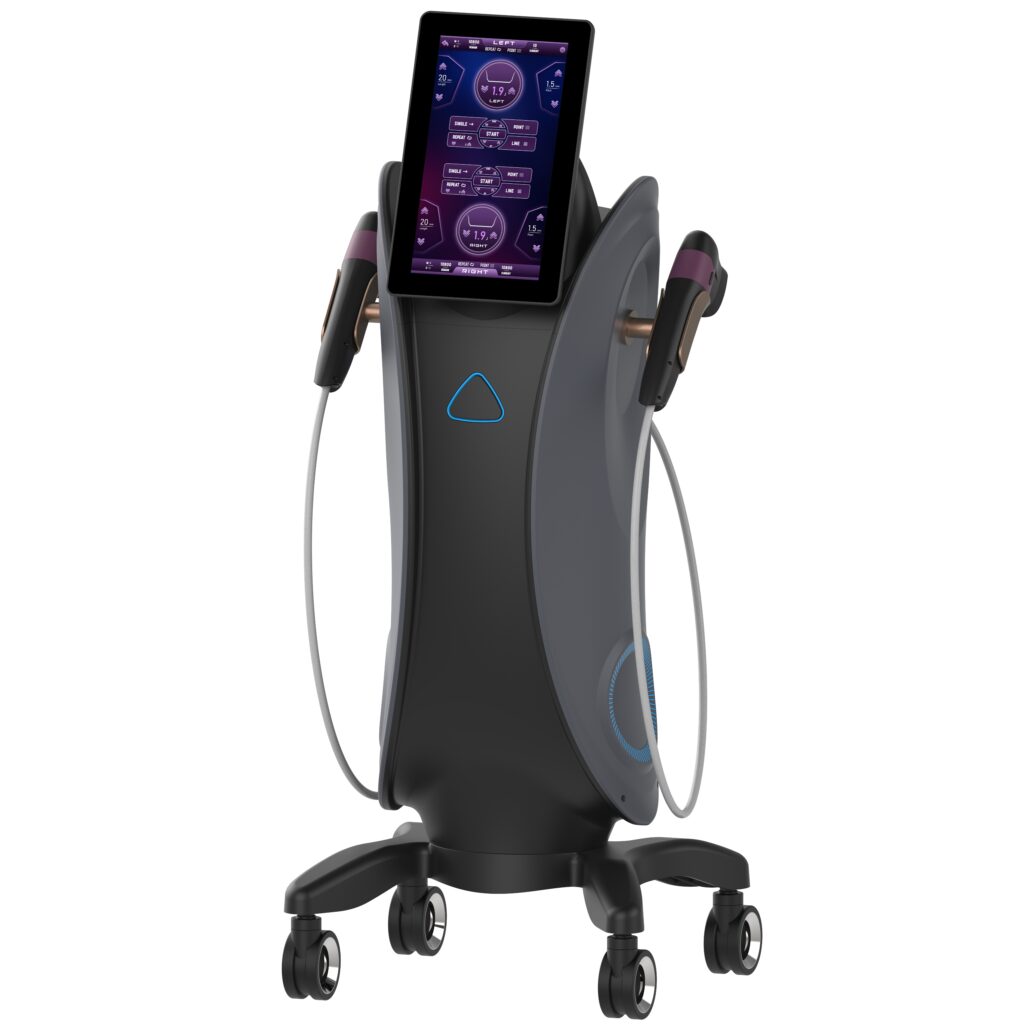
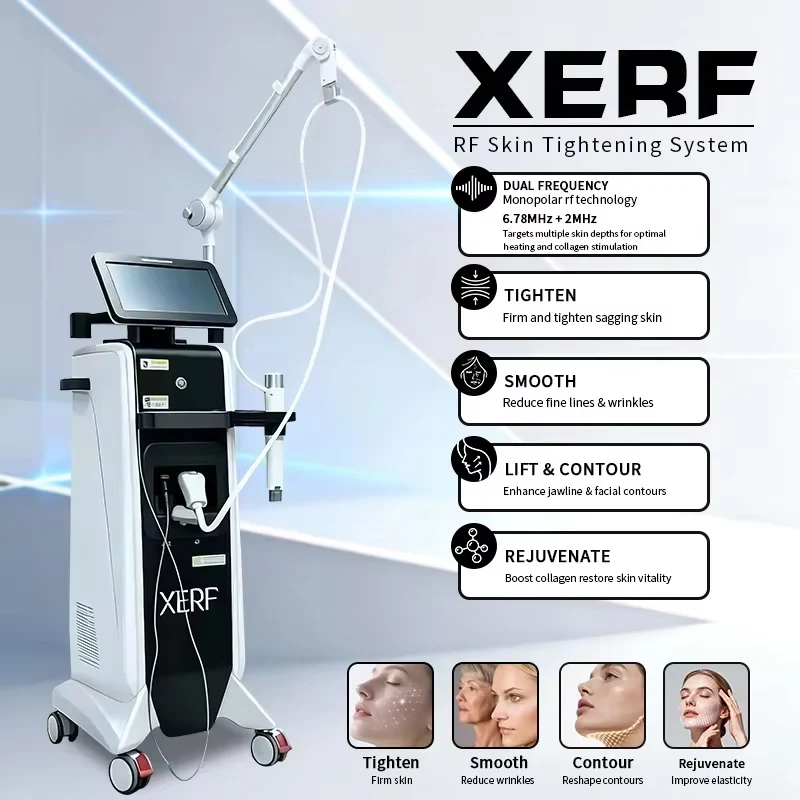
XERF Structural Skin Tightening combines dual-frequency monopolar RF, multi-depth energy delivery, WaveFit™ pulse technology, integrated cooling, and temperature monitoring. Instead of treating skin tightening as a simple surface-heating process, the technology is designed to deliver controlled RF energy at different tissue levels and adjust the treatment according to the treatment area and individual skin profile. This combination is the foundation of the XERF Structural Skin Tightening concept.
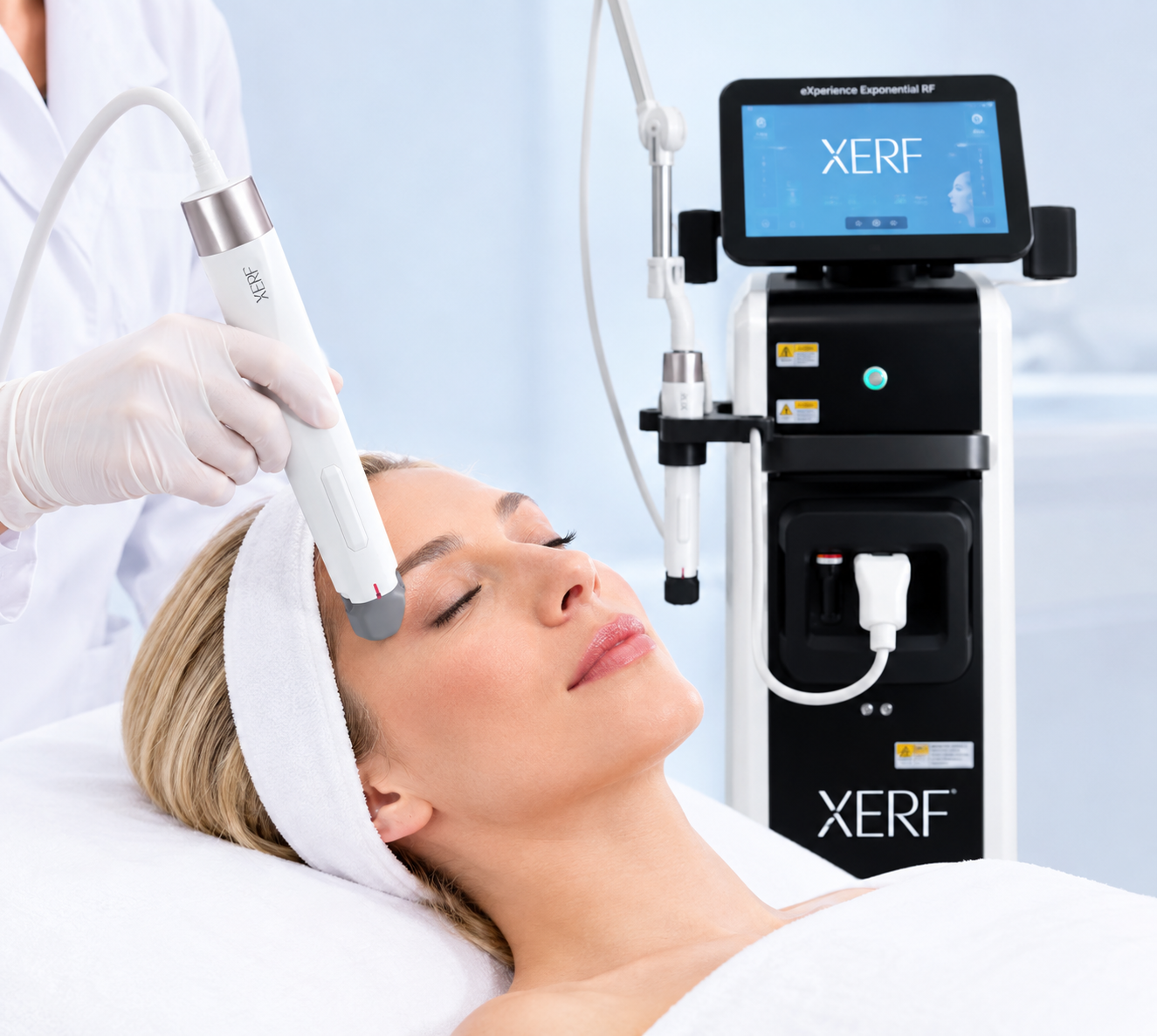
1. What Is XERF Structural Skin Tightening?
XERF is a non-invasive monopolar radiofrequency system that uses Fréquences RF de 6,78 MHz et 2 MHz. Its structural skin tightening approach is based on producing controlled thermal effects within different tissue layers.
When RF energy passes through tissue, electrical energy is converted into heat. The resulting thermal response can cause immediate changes in collagen structure and can also stimulate longer-term tissue remodeling.
Unlike a conventional single-frequency RF approach, XERF uses two frequencies as part of a multi-depth treatment strategy. Research on dual-frequency RF has demonstrated changes in collagen and fascial structures in experimental models, while recent clinical studies have reported improvements in facial laxity and skin quality.
2. Comment fonctionne la radiofréquence à double fréquence ?
2.1 The Role of 6.78 MHz RF
Le 6.78 MHz frequency is associated with more localized RF heating, particularly around the dermis and fibrous tissue structures.
Experimental research comparing 6.78 MHz and 2 MHz RF found that 6.78 MHz produced more localized thermal effects around fibrous septa, while the 2 MHz frequency produced a broader thermal distribution in deeper tissue under the tested conditions.
This makes 6.78 MHz an important component of XERF’s superficial and middle-depth treatment concept.
2.2 The Role of 2 MHz RF
Le 2 MHz component is associated with broader and deeper thermal distribution. In experimental modeling and histological studies, 2 MHz produced deeper thermal effects than 6.78 MHz under the specific conditions tested.
However, it would be too simplistic to say that a lower RF frequency always penetrates deeper. Actual RF energy distribution also depends on electrode geometry, tissue properties, energy level, pulse duration, and other system parameters.
In XERF, the two frequencies are combined to expand the available treatment range rather than relying on frequency alone to determine depth.
3. How Does XERF Deliver RF Energy at Different Depths?
One of the defining concepts of XERF Structural Skin Tightening is multi-depth RF treatment.
3.1 Shallow, Middle and Deep Settings
XERF fournit three depth settings and ten intensity levels, allowing treatment parameters to be adjusted according to the individual’s skin profile and treatment area.
Different facial areas have different anatomical structures and tissue thicknesses. For example, the energy approach used for the cheek may not be identical to the approach used around the jawline, forehead, or neck.
Recent clinical research on XERF has used shallow, middle, and deep treatment settings according to the target condition and facial anatomical zone.
This depth-based approach allows RF treatment to be customized instead of applying one fixed energy pattern across the entire face.
3.2 What Happens in Deep Dual-Frequency Mode?
In the deep treatment mode described in recent research, 6.78 MHz and 2 MHz RF are delivered sequentially within a single treatment pulse. This allows the system to combine the thermal characteristics associated with both frequencies.
Experimental research has shown that this type of dual-frequency delivery can create thermal effects across broader tissue layers, including the dermosubcutaneous junction.
This is an important distinction: XERF’s dual-frequency concept is not simply performing two separate RF treatments. The frequencies can be incorporated into a controlled energy-delivery sequence.
4. How Does WaveFit™ Pulse Technology Control RF Energy?
Frequency is only one factor that determines the effect of RF treatment. How the energy is delivered over time is also important.
XERF uses WaveFit™ pulse technology, which employs a variable RF pulse train made up of sub-pulses with adjusted energy and timing. These parameters can change according to the selected depth and intensity.
The purpose is to control the accumulation and distribution of thermal energy rather than simply delivering RF continuously at a fixed output.
This makes WaveFit an important part of the overall XERF system. The frequency influences the RF energy characteristics, while pulse structure helps control how that energy is delivered to tissue.
5. How Do Cooling and Temperature Control Work?
5.1 Integrated Cryogen Delivery
RF skin tightening requires controlled heating, but excessive surface heating can increase discomfort and unwanted thermal effects.
XERF intègre Advanced Integrated Cryogen Delivery (ICD) to cool the treatment surface during RF delivery. The system provides adjustable cooling levels to help manage superficial temperature while RF energy produces the intended thermal effect within tissue.
The purpose of cooling is therefore not to cancel the RF heating effect. Instead, it helps create a balance between internal thermal treatment and surface temperature management.
5.2 Real-Time Temperature Monitoring
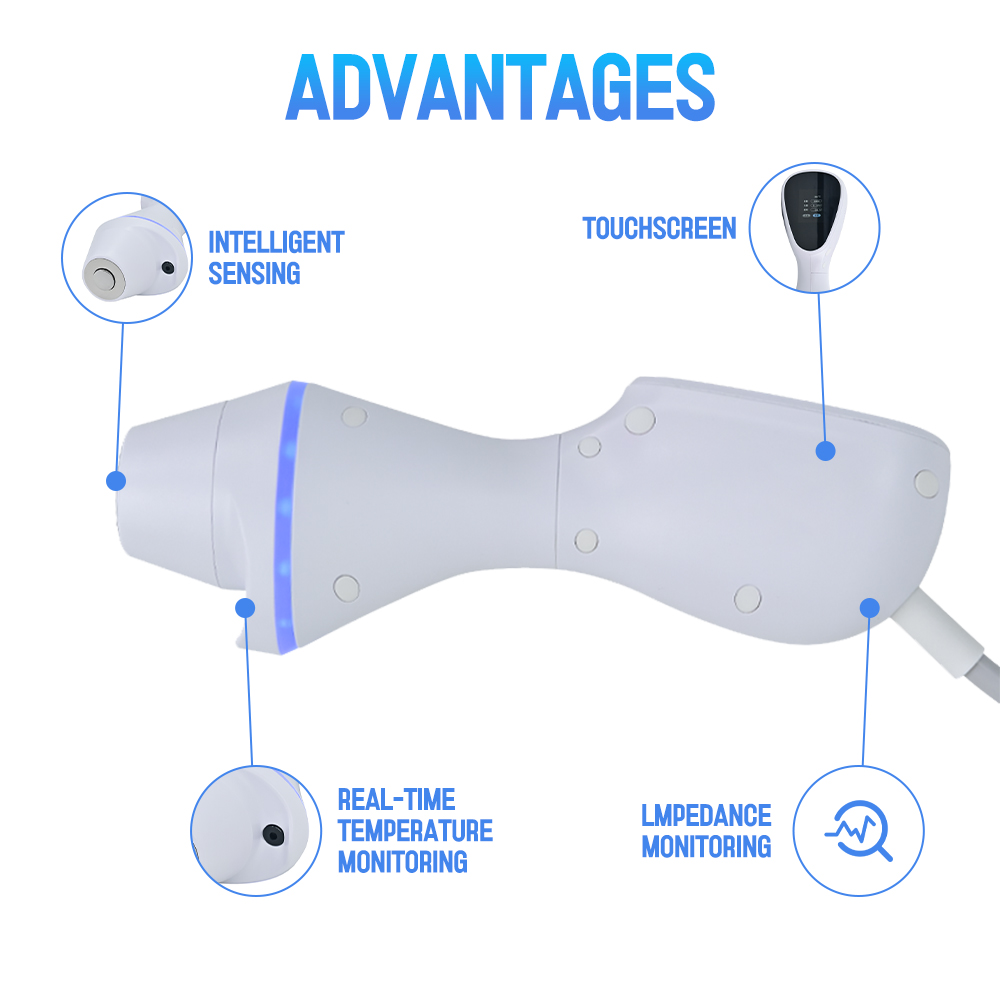
XERF also provides real-time monitoring of the treatment-tip surface temperature.
In a recent clinical study, RF delivery was automatically terminated when the monitored surface temperature exceeded 43°C. The threshold was not reached during the treatments reported in that study.
This distinction is important because the surface temperature monitored by the applicator is not the same as the temperature reached deeper within the tissue. XERF’s treatment concept depends on controlled internal heating while managing the temperature at the skin surface.
6. How Does RF Heating Support Structural Skin Tightening?
The thermal response to RF energy can cause collagen contraction and structural changes, followed by longer-term remodeling.
A 2024 histological study using a porcine model found thickening and shortening of collagen bundles following dual-frequency 6.78 + 2 MHz RF treatment. The study also observed changes in superficial and deeper fascial layers.
More recent experimental work found collagen and elastin remodeling across the dermis and fibrous septa following dual-frequency RF treatment.
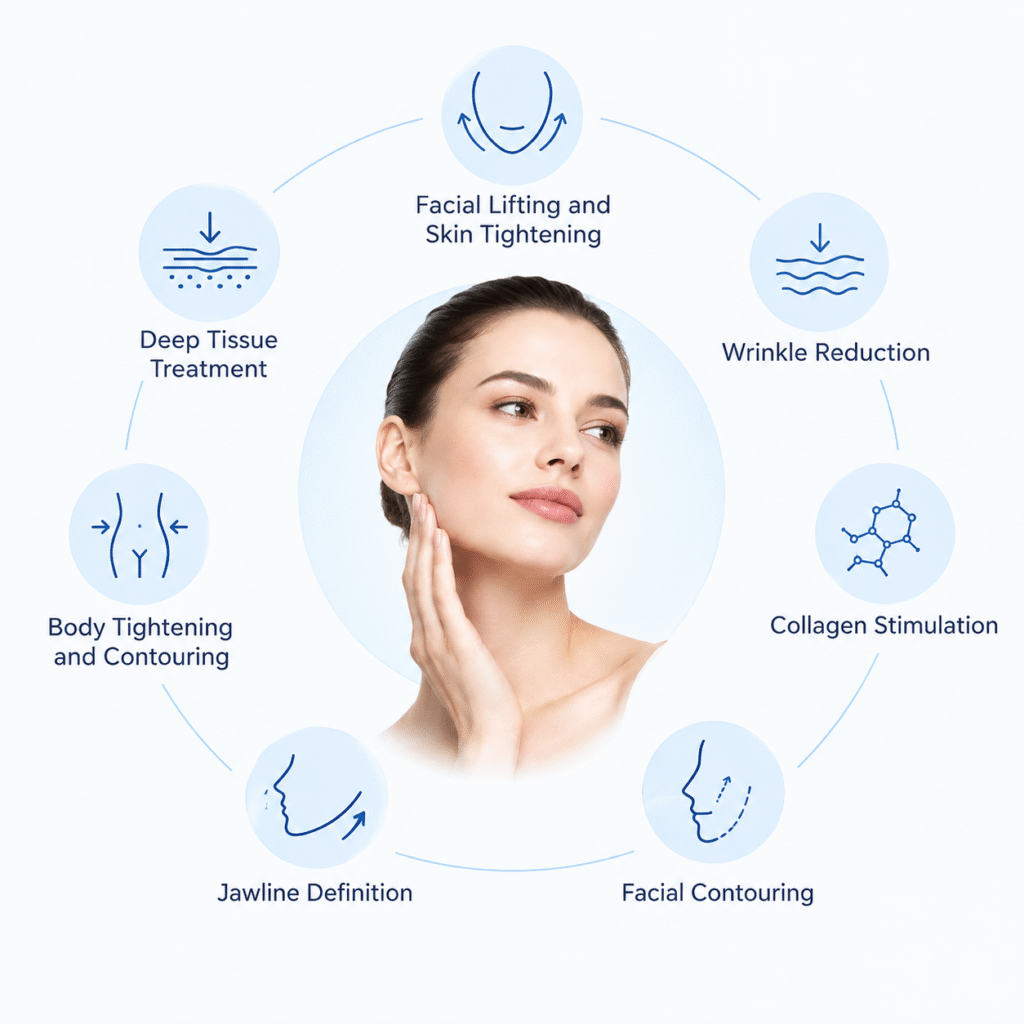
Clinical research has also reported improvements in facial laxity, skin texture, and other skin-quality measurements following XERF treatment. However, current clinical evidence is still developing, and larger controlled studies are needed to establish long-term outcomes and direct comparisons with other RF technologies.
Therefore, the term Structural Skin Tightening is best understood as a combination of controlled thermal energy, collagen response, and subsequent tissue remodeling rather than simply heating the skin surface.
7. Why Does XERF Combine These Technologies?
The different components of XERF work together:
- 6.78 MHz + 2 MHz RF: provides two different RF energy characteristics
- Three depth settings: allows treatment to be adapted to different tissue levels
- Ten intensity levels: provides flexibility in energy selection
- WaveFit™: controls RF pulse delivery and timing
- ICD cooling: helps manage surface temperature
- Temperature monitoring: provides real-time feedback during treatment
- Impedance feedback: helps analyze the skin during energy delivery
This integrated approach is what differentiates the XERF concept from evaluating an RF machine based only on its frequency or power rating.
8. What Does XERF Structural Skin Tightening Mean for RF Equipment Buyers?
For distributors and professional beauty equipment buyers, XERF provides a useful example of how modern RF systems can combine several technical elements into one platform.
Lors de la comparaison Machines de raffermissement cutané RF, it is worth looking beyond specifications such as wattage. Important factors include RF frequency, energy distribution, treatment depth, pulse control, applicator design, cooling, temperature monitoring, and parameter adjustment.
A system with multiple control mechanisms can provide more flexibility for different treatment areas and operating protocols, provided that those features are supported by appropriate technical design and treatment guidance.
Conclusion
XERF Structural Skin Tightening works through a combination of dual-frequency monopolar RF, multi-depth energy delivery, WaveFit™ pulse control, integrated cooling, and temperature monitoring. The 6.78 MHz and 2 MHz frequencies provide different thermal characteristics, while depth and intensity settings allow the treatment approach to be adapted to different areas.
The overall concept is not simply to deliver more RF energy. It is to control where the energy is delivered, how it is delivered, and how the treatment surface is managed. This combination of energy, depth, pulse, cooling, and temperature control is central to understanding how XERF approaches structural skin tightening.