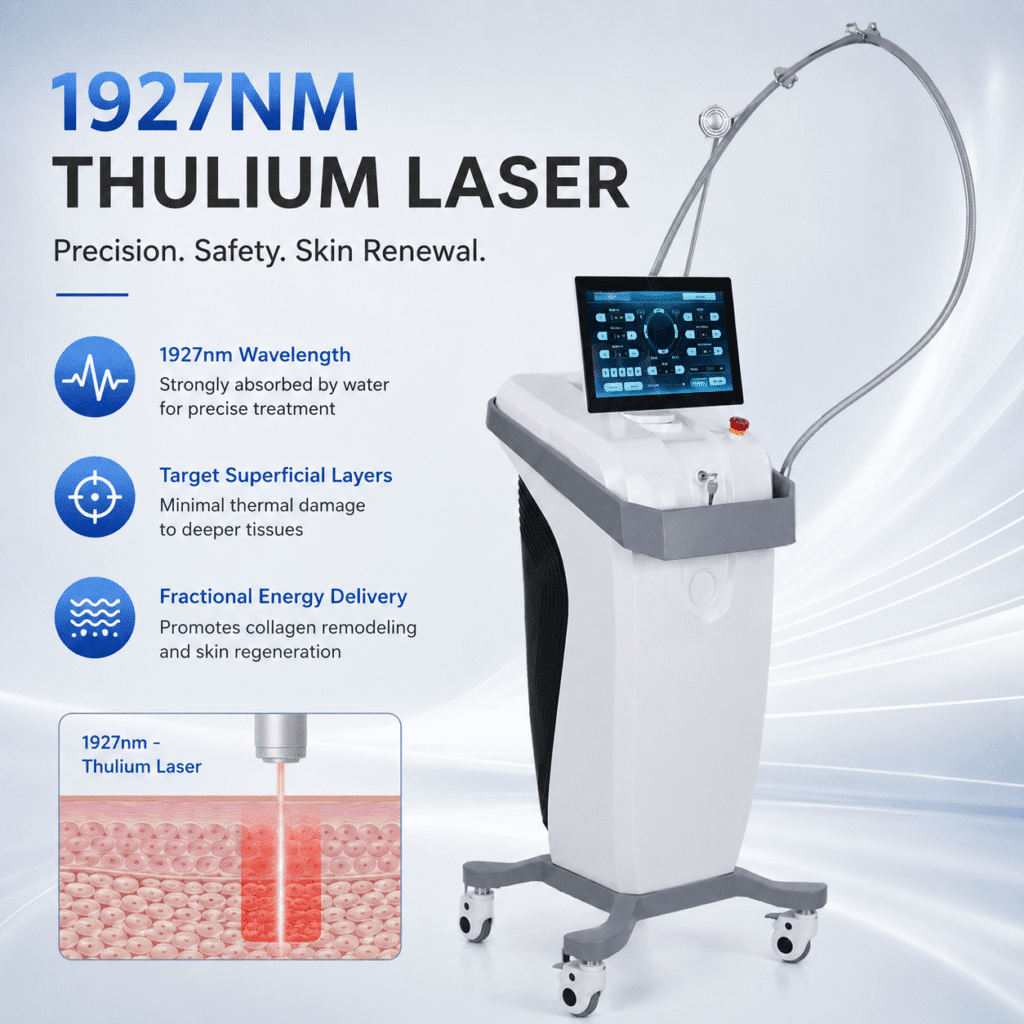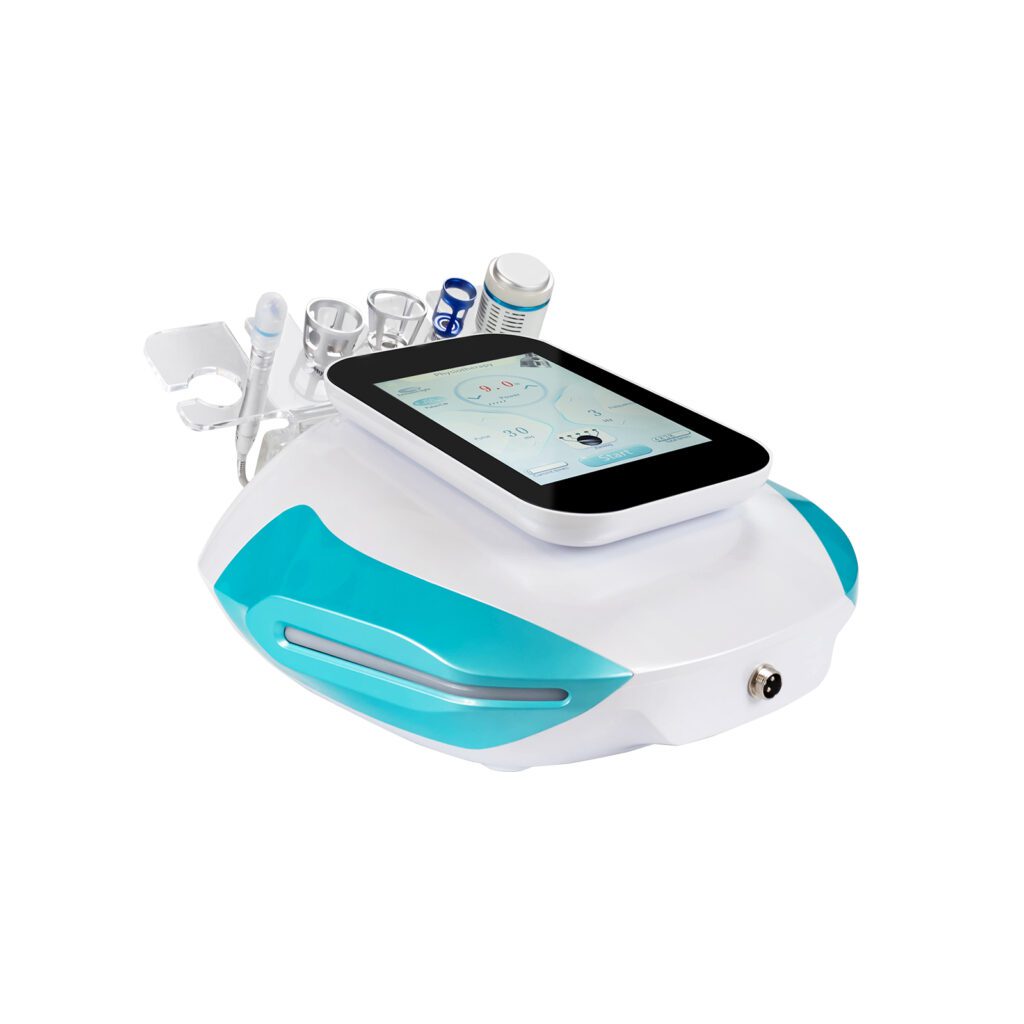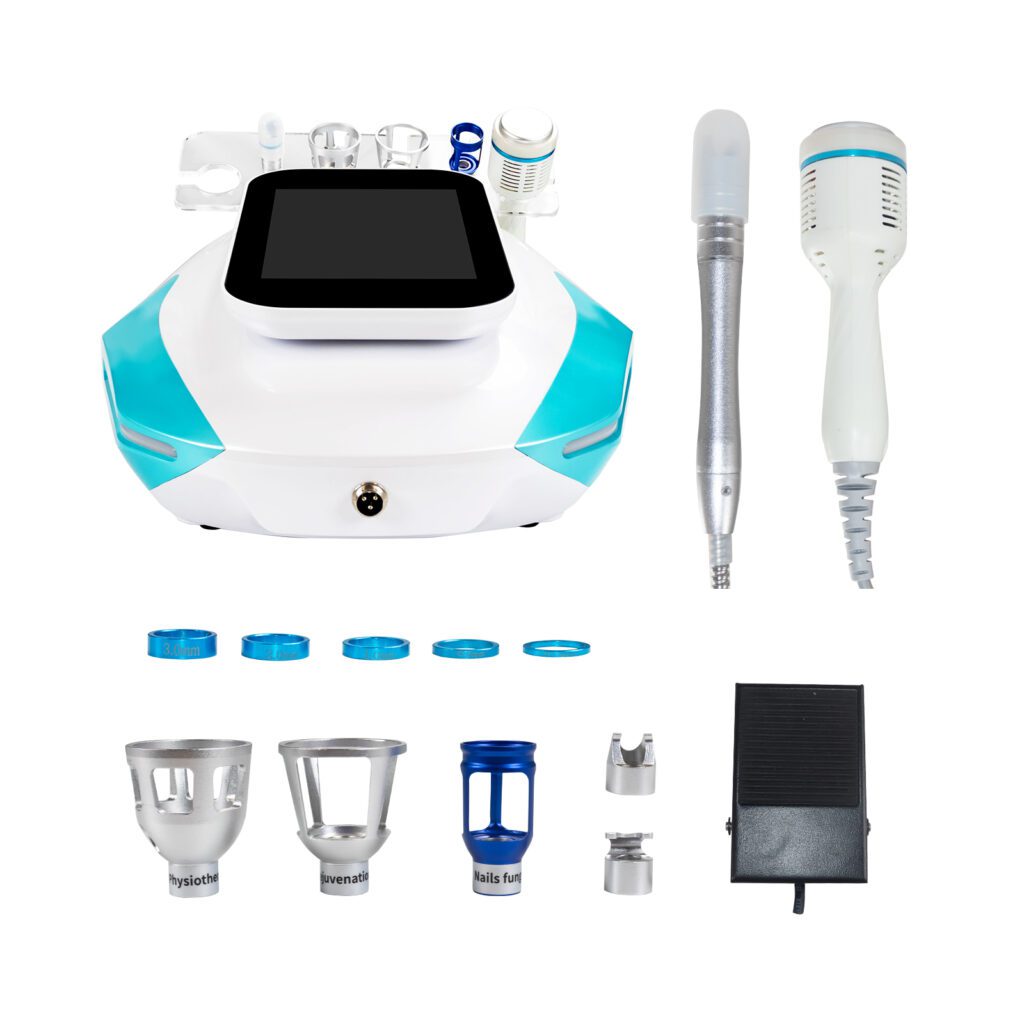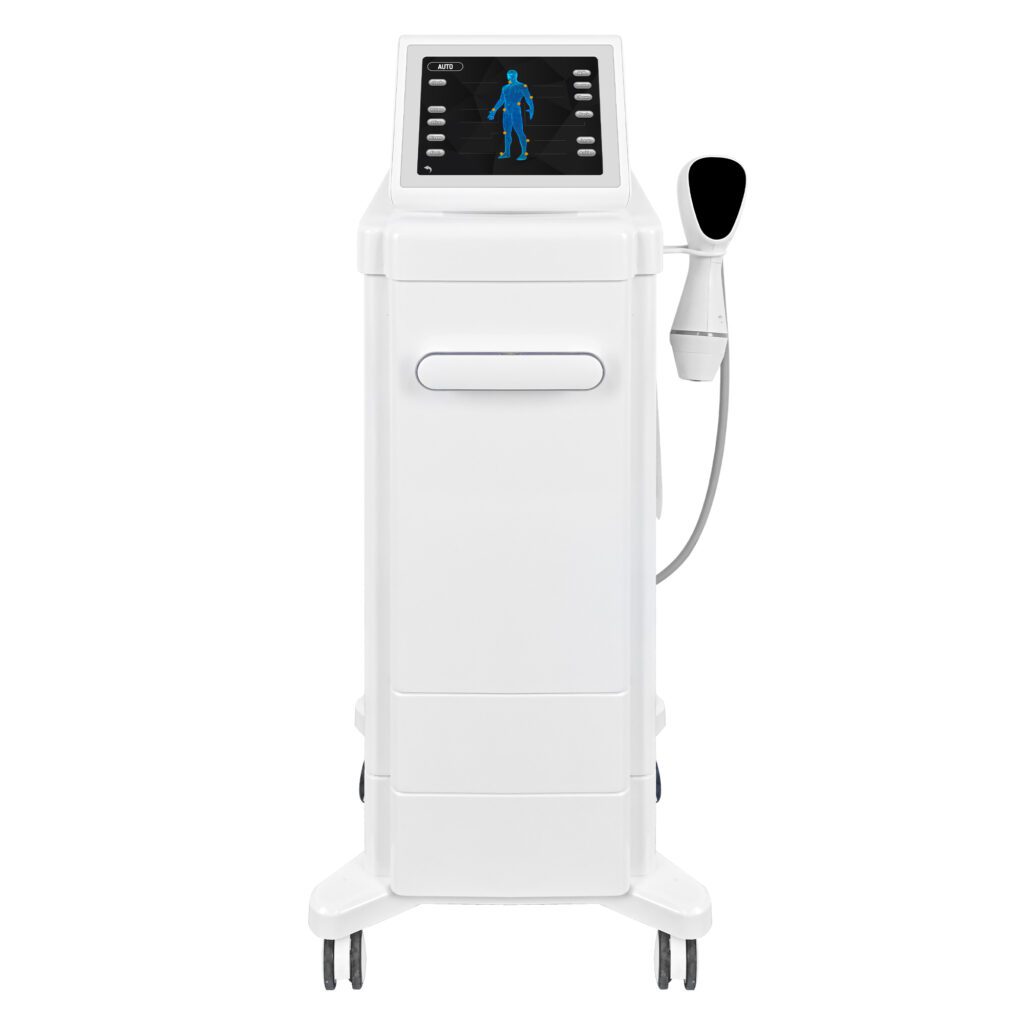
Introduction
Le marché des équipements de beauté devient de plus en plus concurrentiel.
De nombreuses machines se ressemblent. De nombreux fournisseurs mettent en avant les mêmes fonctionnalités. De nombreux acheteurs comparent rapidement les prix en ligne. Pour les fabricants d'équipements esthétiques, miser uniquement sur un prix bas, des photos de produits ou une longue liste de fonctionnalités est de moins en moins efficace.
La question clé est :
Comment un fabricant d'équipements de beauté peut-il se forger de véritables avantages concurrentiels différenciés ?
La solution ne consiste pas seulement à créer un nouveau design d'interface ou à ajouter des fonctions.
La véritable différenciation provient du système de valeurs global qui sous-tend la machine :
- qualité stable
- technologie fiable
- positionnement clair du produit
- documentation professionnelle
- formation pratique
- support après-vente
- des pièces de rechange
- Flexibilité OEM/ODM
- sensibilisation à la conformité
- solutions de service adaptées au marché
- soutien solide des distributeurs
- planification à long terme du cycle de vie des produits
Pour les distributeurs et les acheteurs de salons de coiffure, la machine elle-même ne représente qu'une partie de la décision.
Ils demandent également :
- Ce fabricant peut-il approvisionner mon marché local ?
- Les machines sont-elles stables après l'expédition ?
- Puis-je obtenir rapidement des pièces de rechange ?
- Des manuels et des vidéos de formation sont-ils disponibles ?
- Puis-je créer ma propre marque ?
- Le produit est-il conforme aux exigences documentaires locales ?
- Le fournisseur peut-il m'aider à expliquer ses services de manière responsable ?
- Ce modèle sera-t-il toujours pris en charge après le lancement du prochain nouveau produit ?
Les fabricants qui répondent bien à ces questions peuvent se démarquer même sur un marché saturé.
1. Passer de la concurrence par les prix à la concurrence par la valeur
Un prix bas peut attirer des demandes de renseignements, mais il crée rarement une différenciation à long terme.
Il y aura presque toujours un autre fournisseur prêt à proposer un prix inférieur.
Si un fabricant ne mise que sur les prix pour être compétitif, il risque de se retrouver confronté à :
- marges plus faibles
- contrôle de qualité plus faible
- budget après-vente limité
- choix de composants instables
- difficulté à soutenir les distributeurs
- risque élevé de plaintes
- faible confiance envers la marque
Le rapport coût-performance est important, mais il ne se résume pas au prix le plus bas.
Une position plus forte du fabricant est :
Prix d'usine raisonnable, qualité stable, formation, pièces détachées et assistance à long terme.
Cela donne aux distributeurs des arguments de vente plus convaincants.
Au lieu de se contenter de dire “ notre machine est moins chère ”, ils peuvent dire :
- la machine a des performances stables
- des pièces de rechange sont disponibles
- Les supports de formation sont prêts.
- La procédure de garantie est claire.
- Le positionnement du produit est pratique
- Les forfaits de services sont plus faciles à vendre
- Un support OEM/ODM est disponible.
C'est la concurrence par les valeurs.
2. Se différencier par une qualité stable
La stabilité de la qualité est l'un des atouts concurrentiels les plus importants pour les fabricants d'équipements de beauté.
De nombreux acheteurs ont vu des machines qui paraissent bien en photo mais qui tombent en panne lors d'une utilisation quotidienne.
Les problèmes courants incluent :
- production d'énergie instable
- refroidissement faible
- pompes bruyantes
- systèmes d'eau qui fuient
- durée de vie courte de la pièce à main
- mauvaise qualité du câble
- défaillance de l'écran
- erreurs logicielles
- applicateurs cassés
- connecteurs lâches
- emballage insuffisant lors de l'expédition
Lorsque ces problèmes surviennent, les distributeurs perdent la confiance de leurs clients locaux.
Les fabricants peuvent se différencier en améliorant :
- sélection des composants
- inspection des matières premières
- normes d'assemblage
- tests de vieillissement
- test de la pièce à main
- essais du système de refroidissement
- contrôles de stabilité de la sortie
- protection de l'emballage
- suivi des numéros de série
- Inspection finale avant expédition
Le contrôle qualité n'est peut-être pas aussi visible qu'un nouveau design, mais c'est ce qui fidélise les clients.
Pour les distributeurs, une machine fiable est plus facile à vendre qu'une machine dotée d'une fiche technique attrayante mais présentant un risque de panne élevé.
3. Privilégiez les technologies de base plutôt que l'empilement aléatoire de fonctions.
De nombreux fournisseurs d'équipements de beauté tentent de se différencier en ajoutant davantage de fonctions.
Mais plus de fonctionnalités ne signifie pas toujours plus de valeur.
Une machine 12 en 1 n'est pas automatiquement meilleure qu'une machine 4 en 1 spécialisée.
Une intégration utile doit comporter une logique de service.
Voici quelques exemples :
- Soin du visage Hydra avec spray d'oxygène, LED et RF
- Cavitation par radiofréquence, aspiration et électrostimulation musculaire pour les soins du corps
- gestion corporelle par cryolipolyse et radiofréquence
- laser à diode avec options de longueur d'onde appropriées
- Soins de la peau par radiofréquence et contrôle intelligent de la température
- Analyse de la peau par IA et planification des soins du visage
On parle de faible différenciation lorsque des fonctions sans rapport entre elles sont ajoutées uniquement pour allonger visuellement la page produit.
Les fabricants devraient se demander :
- À quel canal de distribution cet appareil est-il destiné ?
- Quels services les salons proposeront-ils réellement ?
- Les fonctions sont-elles liées ?
- Le personnel peut-il apprendre le processus de travail ?
- Les poignées sont-elles résistantes ?
- La machine est-elle facile à entretenir ?
- Chaque fonction prend-elle en charge un véritable package ?
Les meilleurs fabricants ne se contentent pas d'ajouter des fonctions.
Ils conçoivent des systèmes de produits autour de véritables services de salon.
4. Créer un positionnement produit clair
Un fabricant proposant trop de modèles similaires risque de semer la confusion chez les distributeurs.
Un positionnement clair aide les acheteurs à choisir plus rapidement.
Au lieu de proposer des dizaines de machines aux différences floues, les fabricants devraient définir des niveaux de produits :
- modèle de base pour petits salons
- Modèle professionnel de milieu de gamme pour les salons en pleine croissance
- Modèle haute performance pour les studios à forte activité
- Modèle haut de gamme pour les spas médicaux ou les cliniques
- Modèle OEM/ODM pour les distributeurs de marques locales
Chaque niveau de produit doit avoir un profil d'acheteur clair.
Par exemple:
- Machine de démarrage Hydra Facial : pour les nouveaux salons et cabines de soins du visage
- Laser diode professionnel : pour les studios laser et les spas médicaux
- Plateforme de cavitation RF compacte : pour les petits salons de soins corporels
- Système de microneedling RF avancé : pour les centres de soins de la peau formés
- Système de cryolipolyse corporelle : pour les centres d’amincissement et de remodelage corporel
Lorsque le positionnement du produit est clair, les distributeurs peuvent vendre en toute confiance.
Un positionnement clair constitue un avantage concurrentiel car il réduit la confusion chez l'acheteur.
5. Concevoir des gammes de produits autour de scénarios de service
Les fabricants peuvent se différencier en organisant leurs produits autour de scénarios commerciaux réels plutôt qu'en se basant uniquement sur des noms de technologies.
Les principaux scénarios de service comprennent :
- premier achat d'équipement pour un nouveau salon
- modernisation du centre de soins de la peau
- aménagement d'un studio d'épilation laser
- construction de forfaits pour centres de remodelage corporel
- ensemble d'équipement pour centre de récupération post-partum
- carte des soins anti-âge du centre médico-esthétique
- agrandissement du studio de bien-être et de récupération
- Ensemble d'équipement pour école de formation en esthétique
- lancement de marque locale OEM/ODM
Chaque scénario nécessite un ensemble de produits différent.
Par exemple, un centre de soins de la peau peut avoir besoin de :
- analyseur de peau IA
- Machine Hydra Facial
- thérapie par LED
- appareil facial RF
- support produit au détail
- modèles de forfaits de traitement
Un centre de remodelage corporel peut avoir besoin de :
- cryolipolyse
- cavitation RF
- Sculpture corporelle EMS
- appareil de soin corporel à rouleau
- flux de travail de consultation et de mesure
Un distributeur débutant peut avoir besoin de :
- 2-3 appareils de démarrage
- vidéos de formation
- kit de pièces de rechange
- documents de catalogue
- personnalisation de la marque locale
Les fabricants qui vendent des solutions de scénarios sont plus utiles que ceux qui se contentent d'envoyer des listes de prix.
6. Renforcer la personnalisation OEM/ODM
Le support OEM/ODM représente une opportunité de différenciation majeure pour les fabricants d'équipements de beauté.
De nombreux distributeurs souhaitent développer des marques locales plutôt que de vendre des modèles génériques d'usine.
Les services OEM/ODM utiles comprennent :
- Personnalisation du logo
- personnalisation des couleurs
- langage d'interface utilisateur
- conception d'emballage
- personnalisation manuelle
- options de tension et de prise locales
- dénomination des modèles de marque privée
- assistance catalogue distributeur
- ensembles d'accessoires
- options de langage logiciel
- image de marque du matériel de formation
Le support OEM/ODM avancé peut inclure :
- planification de la gamme de produits
- positionnement sur le marché local
- suggestions de configuration des fonctionnalités
- examen de conformité des emballages
- planification des pièces de rechange après-vente
- cohérence visuelle de la marque
- aide à la rédaction marketing
Les fabricants qui aident les distributeurs à développer des marques locales peuvent créer des relations plus étroites et obtenir des commandes répétées plus importantes.
La différenciation OEM/ODM ne se limite pas à apposer un logo sur une machine.
Cela aide les distributeurs à mettre en place un système de produits locaux commercialisables.
7. Fournir des supports de formation de qualité
La formation fait désormais partie intégrante du produit.
Les acheteurs de matériel de beauté recherchent des machines que le personnel peut utiliser en toute confiance.
Les fabricants peuvent se différencier en proposant :
- manuels d'utilisation
- guides de démarrage rapide
- vidéos sur le déroulement du traitement
- vidéos de maintenance
- vidéos de dépannage
- orientation des paramètres
- rappels de contre-indications
- scripts de consultation client
- langage de revendication sûr
- exemples de conception d'emballage
- sessions de formation en ligne
Les supports de formation sont particulièrement importants pour :
- laser à diode
- IPL
- RF
- HIFU
- Micro-aiguilletage RF
- cryolipolyse
- Sculpture corporelle EMS
- Laser CO2
- laser picoseconde
- Équipement de récupération et d'ondes de choc
Lorsque les distributeurs disposent d'un contenu de formation de qualité, ils peuvent mieux soutenir les salons locaux.
Cela rend le fabricant plus précieux.
De nombreuses usines peuvent construire des machines.
De moins en moins d'usines sont en mesure d'aider les acheteurs à utiliser correctement les machines.
C'est un véritable avantage concurrentiel.
8. Faites du service après-vente un élément de différenciation clé
Le service après-vente peut décider si les distributeurs continuent à travailler avec un fabricant.
Les préoccupations courantes des distributeurs incluent :
- Puis-je obtenir rapidement des pièces de rechange ?
- Des pièces à main sont-elles disponibles ?
- Votre ingénieur peut-il intervenir en cas de problème ?
- Fournissez-vous des vidéos de réparation ?
- Les codes d'erreur sont-ils expliqués clairement ?
- Est-il possible de résoudre les problèmes logiciels à distance ?
- Qu’est-ce qui est couvert par la garantie ?
- Comment gérez-vous les pièces défectueuses ?
- Les pièces détachées seront-elles toujours disponibles après la mise à jour du modèle ?
Les fabricants peuvent se différencier en mettant en place un système après-vente clair :
- liste des pièces de rechange
- politique de garantie
- processus de réponse technique
- bibliothèque vidéo de réparation
- base de données sur les problèmes courants
- canal d'assistance technique
- dépannage à distance
- processus d'expédition des pièces de rechange
- formation au service après-vente des distributeurs
- programme de maintenance
Le support après-vente n'est pas seulement un coût.
C'est un avantage commercial.
Les distributeurs privilégient les fabricants qui les aident à préserver leurs relations avec la clientèle locale.
9. Élaborer une stratégie relative aux pièces de rechange et aux consommables
Les pièces de rechange sont souvent négligées, mais elles sont essentielles.
Un fabricant disposant d'un service de pièces détachées fiable peut se démarquer des fournisseurs à bas prix.
Les pièces de rechange importantes peuvent inclure :
- pièces à main
- applicateurs
- filtres
- câbles
- écrans
- alimentations
- pompes
- vannes
- conseils
- cartouches
- lampes
- électrodes
- têtes de traitement
- accessoires de protection
Les fabricants doivent fournir :
- codes de pièces
- photos de parties
- liste de compatibilité
- instructions de remplacement
- Liste des stocks des distributeurs recommandés
- délai de livraison normal
- politique de garantie et de remplacement payant
Cela aide les distributeurs à préparer le service local.
Elle génère également des revenus à long terme grâce aux consommables et aux pièces de rechange.
Une machine sans plan de pièces de rechange est risquée.
Une machine dont la disponibilité des pièces détachées est clairement établie est plus facile à vendre.
10. La compétitivité passe par la conformité et la documentation
À mesure que les équipements de beauté deviennent plus sophistiqués, la documentation devient plus importante.
Les documents requis peuvent varier d'un pays à l'autre en fonction du type de produit et des allégations.
Les fabricants peuvent se différencier en préparant une meilleure documentation, par exemple :
- manuels d'utilisation
- étiquettes
- caractéristiques
- Informations sur la sécurité électrique
- Rapports EMC le cas échéant
- Documents relatifs au marquage CE, le cas échéant.
- Informations relatives à la FDA, le cas échéant.
- Informations sur le système de qualité ISO
- avertissements relatifs aux risques
- contre-indications
- déclaration d'utilisation prévue
- instructions d'entretien
- informations sur le logiciel
Cela ne signifie pas que toutes les machines ont le même statut réglementaire.
Mais les fabricants doivent savoir quels documents sont disponibles et ce qu'ils signifient.
Les distributeurs ont besoin de documents pour importer, vendre et assurer le support des produits.
Les fabricants dont la documentation est insuffisante risquent de perdre des acheteurs sérieux, même si le prix est bas.
La sensibilisation aux exigences de conformité peut instaurer la confiance sur les marchés haut de gamme et réglementés.
11. Aider les distributeurs à utiliser des allégations de vente plus sûres
Les fabricants de matériel de beauté créent souvent le premier argumentaire de vente.
Si le fabricant utilise des affirmations exagérées, les distributeurs peuvent les répéter.
Les déclarations risquées comprennent :
- perte de graisse garantie
- élimination permanente des rides
- aucun risque
- Cela convient à tout le monde
- remplace la chirurgie
- transformation en une seule séance
- aucune douleur pour tous les clients
- guérit les maladies de la peau
Les fabricants peuvent se différencier en fournissant des instructions plus sûres concernant les allégations.
Une meilleure formulation comprend :
- propose des menus de services de remodelage corporel
- favorise une peau d'apparence plus ferme
- soutient les programmes de traitement de réduction capillaire
- prend en charge les forfaits de soins de la peau
- Convient à une clientèle sélectionnée après consultation
- Les résultats varient en fonction de l'état du patient et du plan de traitement.
- Une formation opérationnelle est requise.
- Les réglementations locales doivent être respectées.
Ce type de soutien aide les distributeurs à vendre de manière responsable.
Cela permet également de réduire les plaintes des clients et les risques publicitaires.
Un fabricant qui aide les distributeurs à protéger leur réputation prend de la valeur.
12. Se différencier par le design industriel et l'expérience utilisateur
L'apparence compte toujours.
Les salons de beauté recherchent des machines à l'allure professionnelle dans la cabine de soins.
Mais la différenciation du design ne doit pas être uniquement cosmétique.
Un bon design industriel améliore :
- poignée de rangement
- organisation de câbles
- mobilité des machines
- lisibilité de l'écran
- flux de travail de nettoyage
- ergonomie de la pièce à main
- aspect de la salle de soins
- confort de l'opérateur
- confiance des clients
- accès pour la maintenance
L'interface logicielle a également son importance.
Une interface claire peut réduire la difficulté de la formation et les erreurs des opérateurs.
Les fonctionnalités utiles de l'interface comprennent :
- menus clairs
- options de langue locale
- préréglages de traitement
- rappels d'entretien
- Explication du code d'erreur
- nombre de tirs ou suivi de la durée de vie de la poignée
- réglage simple des paramètres
- avertissements de sécurité
Les fabricants qui allient esthétique et praticité peuvent se démarquer des produits contrefaits.
13. Utilisez les fonctionnalités intelligentes et numériques avec précaution
Les appareils de beauté intelligents gagnent en popularité, mais les fabricants doivent éviter une numérisation vide de sens.
Les fonctionnalités numériques doivent résoudre de vrais problèmes.
Les fonctionnalités intelligentes utiles peuvent inclure :
- Analyse de la peau par IA
- dossiers clients
- suivi avant et après
- préréglages de traitement
- mémoire des paramètres
- diagnostic à distance
- mises à jour logicielles
- rappels d'entretien
- comptes d'utilisateurs
- routines d'utilisation à domicile guidées par une application
Les fonctionnalités intelligentes de base ne sont que décoratives.
Les fabricants devraient se demander :
- Cette fonctionnalité facilite-t-elle la consultation ?
- Cela réduit-il la difficulté de l'opération ?
- Permet-il la vente de forfaits ?
- Cela améliore-t-il le service après-vente ?
- Est-ce que cela protège l'équipement ?
- Cela aide-t-il les distributeurs à mieux accompagner leurs clients ?
La différenciation intelligente n'a de valeur que lorsqu'elle améliore l'activité ou le fonctionnement de l'entreprise.
N’ajoutez pas de fonctionnalités d’IA ou d’application uniquement à des fins marketing si le logiciel est instable ou non pris en charge.
14. Se différencier grâce à une expertise de niche
Les fabricants n'ont pas besoin de desservir toutes les catégories de manière égale.
L'expertise de niche peut être plus puissante.
Les niches possibles comprennent :
- spécialiste de l'épilation au laser diode
- fournisseur d'équipements de soins du visage et de gestion de la peau Hydra
- fabricant d'équipements de remodelage corporel
- fournisseur d'appareils de soins post-partum et de bien-être féminin
- Fabricant de plateformes RF et anti-âge
- usine de fabrication d'appareils de beauté à usage domestique OEM/ODM
- fournisseur d'équipements de récupération et de traitement des ondes de choc
- fournisseur de kits de démarrage pour salon
Le positionnement sur un créneau spécifique est utile car les acheteurs se souviennent des spécialistes.
Un fabricant spécialisé dans le remodelage corporel peut acquérir des connaissances plus approfondies en matière de cryolipolyse, de radiofréquence, d'électrostimulation musculaire, de vide et de conception d'emballages.
Un fabricant spécialisé dans les soins de la peau peut combiner l'analyse cutanée par IA, le soin HydraFacial, la technologie LED, la radiofréquence et le soutien à la vente de produits de soins de la peau.
La spécialisation rend le développement produit, le marketing et la formation plus cohérents.
15. Soutenir les distributeurs avec du contenu et du matériel marketing
Les distributeurs ont besoin de contenu.
De nombreuses usines ne fournissent que des photos de leurs produits et des spécifications de base.
Les fabricants peuvent se différencier en offrant aux distributeurs un meilleur soutien marketing :
- brochures de produits
- tableaux comparatifs
- Exemples de menus de traitement
- Exemples de retour sur investissement
- FAQ
- courtes vidéos
- démonstrations de fonctionnement
- images des médias sociaux
- Sujets d'articles de site web
- langage de revendication sûr
- conseils d'utilisation avant et après
- matériel d'exposition
- catalogues localisables
Cela permet aux distributeurs de vendre plus rapidement et de manière plus professionnelle.
Un contenu de qualité réduit la charge de travail du distributeur.
Cela permet également de rendre la communication de la marque plus cohérente.
Pour les clients OEM/ODM, le support marketing peut être personnalisé avec la marque du distributeur.
16. Améliorer la fiabilité de la chaîne d'approvisionnement et des livraisons
La fiabilité des livraisons fait partie de la compétitivité.
Les distributeurs se soucient de :
- délai de production
- disponibilité des stocks
- emballage d'expédition
- complétude des accessoires
- approvisionnement en pièces détachées
- continuité du modèle
- communication sur les commandes
- homogénéité de la qualité entre les lots
Un fabricant qui livre à temps et communique clairement est plus précieux qu'un fournisseur dont les livraisons sont irrégulières.
Les améliorations importantes comprennent :
- délai clair
- inspection avant expédition
- photos d'emballage
- liste des accessoires
- enregistrements de numéros de série
- emballage d'exportation
- préparation des pièces de rechange
- production de modèles stables
- communication transparente
Sur les marchés étrangers, les dommages liés au transport et les accessoires manquants peuvent engendrer de sérieux problèmes.
Une livraison fiable réduit les risques pour le distributeur.
17. Offrir un support tout au long du cycle de vie du produit
Les fabricants lancent souvent rapidement de nouveaux modèles.
Mais les distributeurs s'inquiètent du sort des modèles plus anciens.
Ils demandent :
- Les pièces détachées seront-elles toujours disponibles ?
- Les anciennes pièces à main peuvent-elles être remplacées ?
- Le logiciel est-il toujours pris en charge ?
- Les accessoires resteront-ils compatibles ?
- Ce modèle sera-t-il abandonné subitement ?
- Existe-t-il une possibilité de mise à niveau ?
Les fabricants peuvent se différencier en proposant un support tout au long du cycle de vie de leurs produits.
Cela peut inclure :
- calendrier de support des pièces
- avis de mise à niveau du modèle
- accessoires compatibles
- plan de mise à jour logicielle
- options de montée en gamme
- conseils sur les stocks des distributeurs
- plateformes de base stables
Cela aide les distributeurs à planifier leurs stocks et leur service après-vente.
Un soutien à long terme permet d'instaurer la confiance.
18. Établir un modèle de partenariat solide avec les distributeurs
Les meilleurs fabricants ne considèrent pas les distributeurs uniquement comme des acheteurs.
Ils les considèrent comme des partenaires commerciaux.
Un modèle de soutien aux distributeurs performant peut inclure :
- formation produit
- discussion territoriale
- supports de vente
- assistance pour les machines de démonstration
- planification des pièces de rechange
- Marque OEM/ODM
- formation au service technique
- collecte des commentaires du marché
- aperçus des nouveaux produits
- réunions de soutien en ligne
- ressources de contenu partagées
Les distributeurs qui se sentent soutenus sont plus susceptibles de se concentrer sur les produits du fabricant.
Ceci est particulièrement important sur les marchés concurrentiels où les distributeurs ont le choix entre de nombreux fournisseurs.
La différenciation des fabricants ne se limite pas à la différenciation des produits.
Il s'agit d'une différenciation relationnelle.
19. Utiliser les retours du marché pour améliorer les produits
Les fabricants reçoivent souvent des retours d'information du marché par l'intermédiaire des distributeurs.
Ces commentaires sont précieux.
Cela peut inclure :
- quelles poignées échouent le plus souvent
- quelles fonctions les salons utilisent-ils réellement ?
- Quels forfaits de services se vendent bien ?
- Quel langage d'écran est nécessaire ?
- Quels accessoires manquent ?
- quelles affirmations sèment la confusion
- quels modèles sont trop chers
- quels marchés ont besoin de versions compactes
- Quelles pièces devraient être plus faciles à remplacer ?
Les fabricants qui recueillent les commentaires et y répondent peuvent s'améliorer plus rapidement.
Cela crée un cycle :
1. Le distributeur vend le produit.
2. Le salon utilise ce produit.
3. Les commentaires sont renvoyés au fabricant.
4. Le fabricant améliore la conception, la formation ou le support.
5. Le distributeur vend avec plus d'assurance.
Cette boucle de rétroaction constitue un puissant avantage concurrentiel.
20. Évitez les erreurs de différenciation courantes
Les fabricants doivent éviter plusieurs erreurs courantes.
Erreur n° 1 : Ne miser que sur les prix les plus bas.
Un prix bas sans assistance nuit à la confiance à long terme.
Erreur n° 2 : Copier de trop près ses concurrents
Les machines qui copient les produits facilitent la comparaison des prix et affaiblissent l'identité de la marque.
Erreur n° 3 : Ajouter trop de fonctions faibles
L'empilement de fonctions sans logique de service engendre des problèmes après-vente et de formation.
Erreur n°4 : Ignorer la documentation
Les distributeurs sérieux ont besoin de manuels, de certificats, d'étiquettes et d'informations de sécurité.
Erreur n° 5 : Oublier les pièces de rechange
L'absence de pièces de rechange signifie l'absence de confiance dans le service après-vente à long terme.
Erreur n° 6 : Promettre des résultats de traitement excessifs
Les affirmations exagérées peuvent susciter un intérêt à court terme, mais comportent un risque à long terme.
Erreur n° 7 : Lancer de nouveaux modèles trop rapidement
Trop de changements de modèles peuvent inquiéter les distributeurs quant aux pièces détachées et au support technique.
Conclusion
Les fabricants d'équipements de beauté peuvent se forger des avantages concurrentiels différenciés en allant au-delà des prix bas et des changements superficiels de produits.
La véritable différenciation provient du système complet qui sous-tend l'appareil :
- qualité stable
- technologie de base fiable
- positionnement clair du produit
- gammes de produits basées sur des scénarios
- Personnalisation OEM/ODM
- matériel de formation
- support après-vente
- des pièces de rechange
- documentation de conformité
- allégations de vente plus sûres
- dessin industriel
- fonctionnalités numériques utiles
- expertise de niche
- soutien marketing
- fiabilité de la chaîne d'approvisionnement
- planification du cycle de vie des produits
- partenariat de distributeur
Sur un marché saturé, de nombreuses machines peuvent se ressembler.
Mais les fabricants ne sont pas vraiment tous identiques.
Les fabricants qui tireront leur épingle du jeu seront ceux qui aideront les distributeurs et les salons à réduire les risques, à vendre leurs services de manière plus professionnelle et à bâtir une activité pérenne.
La différenciation ne se limite pas à l'apparence de la machine.
C'est tout ce qui rend la machine plus facile à vendre, plus facile à utiliser et plus facile à entretenir.
FAQ
1. Comment les fabricants d'équipements de beauté peuvent-ils se différencier ?
Les fabricants peuvent se différencier grâce à une qualité stable, une technologie fiable, un positionnement produit, un support OEM/ODM, une formation, un service après-vente, des pièces détachées, une documentation de conformité et un soutien aux distributeurs.
2. Un prix bas est-il une bonne stratégie de différenciation ?
Un prix bas peut attirer l'attention, mais il est facile à copier. Une différenciation durable repose sur la qualité, le service, l'assistance et la confiance.
3. Pourquoi le service après-vente est-il important pour les fabricants ?
Le service après-vente aide les distributeurs à fidéliser leur clientèle locale. Un soutien efficace favorise la fidélisation et le renouvellement des commandes.
4. Comment les programmes OEM/ODM peuvent-ils aider les fabricants à être compétitifs ?
Les services OEM/ODM aident les distributeurs à développer des marques locales grâce au logo, à l'emballage, à la langue, à la configuration des produits et à la personnalisation spécifique au marché.
5. Les fabricants devraient-ils ajouter davantage de fonctionnalités pour se démarquer ?
Uniquement si les fonctions prennent en charge une véritable logique de service. Un empilement aléatoire de fonctions peut engendrer de la confusion et des problèmes après-vente.
6. Pourquoi la documentation constitue-t-elle un avantage concurrentiel ?
Les distributeurs ont besoin de manuels, d'étiquettes, de certificats, d'informations de sécurité et de documents relatifs à la conformité pour vendre sur les marchés professionnels et réglementés.
7. Comment les fabricants peuvent-ils mieux soutenir les distributeurs ?
Ils peuvent fournir des vidéos de formation, du matériel marketing, des pièces détachées, une assistance technique, des informations sur les procédures de garantie, des options OEM/ODM et des conseils sur les forfaits de services.
8. Quel rôle joue la numérisation dans la différenciation ?
Des fonctionnalités numériques utiles telles que l'analyse de la peau, les dossiers clients, les diagnostics à distance, les préréglages et les rappels d'entretien peuvent améliorer le fonctionnement du salon et le service après-vente.
9. La spécialisation de niche est-elle utile aux fabricants ?
Oui. Se spécialiser dans l'épilation, les soins de la peau, le remodelage corporel, l'anti-âge, le bien-être ou la fabrication OEM/ODM peut rendre le fabricant plus mémorable et crédible.
10. Quelle est la plus grosse erreur que commettent les fabricants ?
La plus grande erreur est de croire que la différenciation se résume à un prix plus bas, un nouveau design ou davantage de fonctionnalités. La véritable différenciation repose sur la qualité du produit, le support client et l'adéquation au marché.