









Partagez des solutions optimisées, des connaissances professionnelles en matière de vannes et des actualités du secteur
Veuillez saisir les termes ou mots-clés pertinents que vous souhaitez consulter ; les articles pertinents apparaîtront dans les résultats de recherche. Si vous ne trouvez pas la réponse à votre question, n'hésitez pas à nous contacter ; nous serons ravis de vous aider. Vous pouvez également nous envoyer un e-mail directement à beauty@shefmon.com.
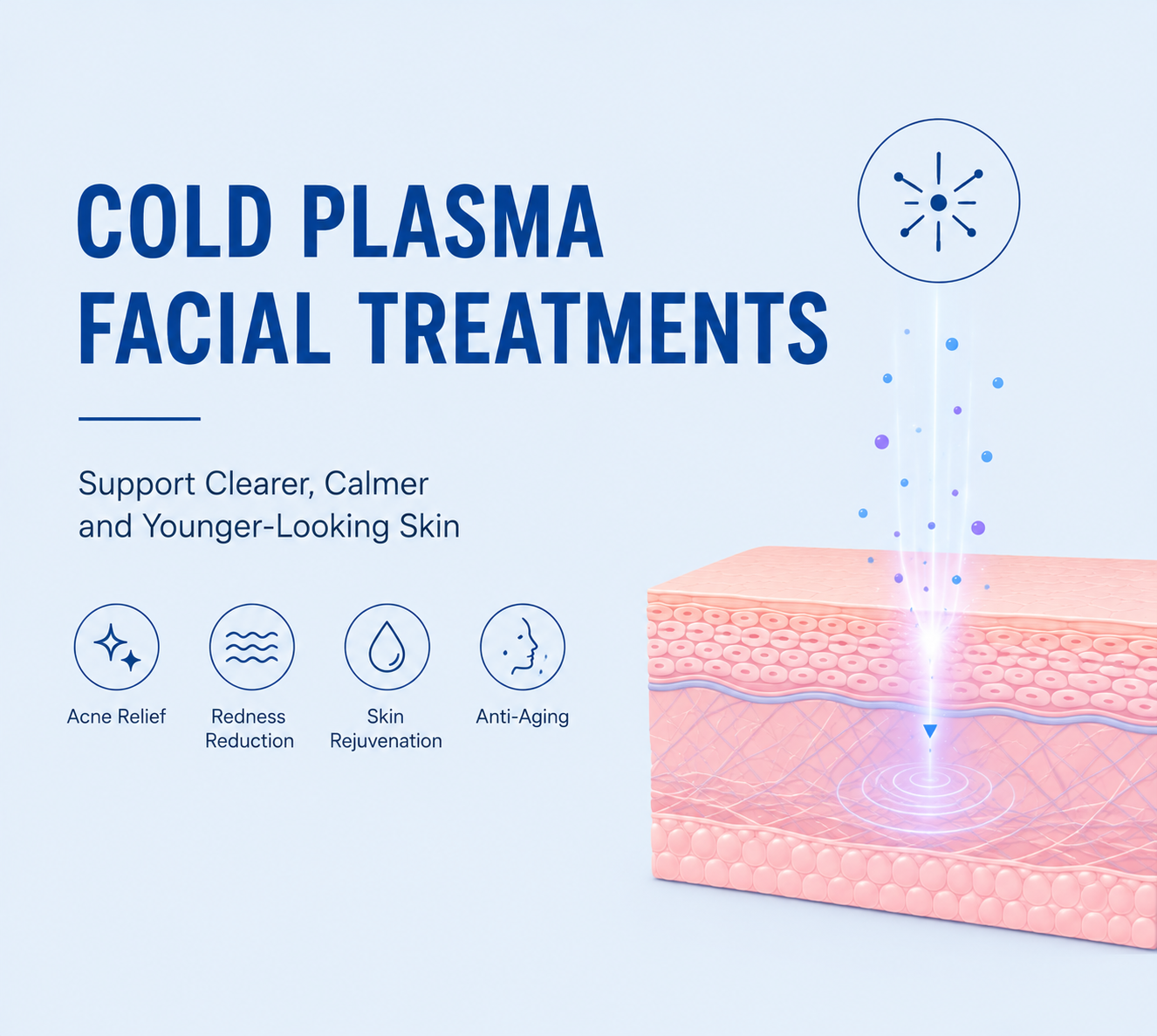
Explication des traitements faciaux au plasma froid : le plasma de fusion peut-il vraiment aider à lutter contre l’acné, les rougeurs et le vieillissement cutané ?
- Sheffield
technologie faciale au plasma froid Le traitement par plasma froid est devenu l'une des tendances les plus en vogue en matière de rajeunissement cutané non invasif, notamment auprès des cliniques recherchant des alternatives aux traitements de resurfaçage agressifs. Alors que les lasers et appareils de radiofréquence traditionnels utilisent principalement la chaleur pour stimuler la peau, les systèmes de plasma de fusion combinent les technologies du plasma froid et du plasma thermique afin de cibler de multiples problèmes cutanés avec un traumatisme cutané minimal. Face à la demande croissante de traitements améliorant l'acné, l'inflammation, le grain de peau et les premiers signes de vieillissement sans convalescence significative, la thérapie par plasma froid est de plus en plus explorée comme solution esthétique multifonctionnelle.
1. Pourquoi les traitements cutanés traditionnels ne fonctionnent pas pour tous les types de peau
De nombreux traitements esthétiques classiques privilégient l'exfoliation ou le traitement thermique. Bien que ces méthodes puissent améliorer les rides et le grain de peau, elles ne sont pas toujours adaptées aux personnes présentant les caractéristiques suivantes :
- Peau sensible
- Acné active
- Rosacée
- Inflammation cutanée
- Barrières cutanées altérées
- Problèmes de pigmentation post-inflammatoires
Les traitements de resurfaçage agressifs peuvent parfois accentuer les rougeurs ou les irritations, notamment chez les peaux réactives. C’est pourquoi les cliniques ont commencé à adopter des technologies conçues pour stimuler la régénération tout en minimisant les dommages causés par la chaleur excessive.
Les traitements au plasma froid suscitent un intérêt croissant car ils visent à favoriser simultanément la réparation cutanée, l'activité antibactérienne et la stimulation du collagène.
2. Qu'est-ce que la technologie du plasma de fusion ?
La technologie du plasma de fusion fonctionne en ionisant des gaz conducteurs tels que l'argon ou l'hélium grâce à un champ énergétique à haute fréquence. Ce processus crée un plasma, un état hautement activé contenant des ions, des électrons, des particules neutres et des photons.
Contrairement aux traitements thermiques traditionnels qui reposent uniquement sur la chaleur, les systèmes de plasma de fusion peuvent générer à la fois un plasma froid et des effets de plasma thermique contrôlés, selon le mode de traitement.
Cette approche combinée permet aux praticiens de traiter différents problèmes cutanés avec plus de souplesse.
Les traitements au plasma froid sont généralement associés à :
- Effets antibactériens
- régénération cutanée
- Stimulation du collagène
- Soutien anti-inflammatoire
- Amélioration de la barrière cutanée
- Absorption améliorée du produit
L'énergie du plasma interagissant avec la peau différemment des lasers traditionnels, de nombreuses cliniques utilisent ces traitements pour les clients recherchant des approches de rajeunissement plus douces.
3. Comment le plasma froid peut aider à lutter contre l'acné et les inflammations cutanées
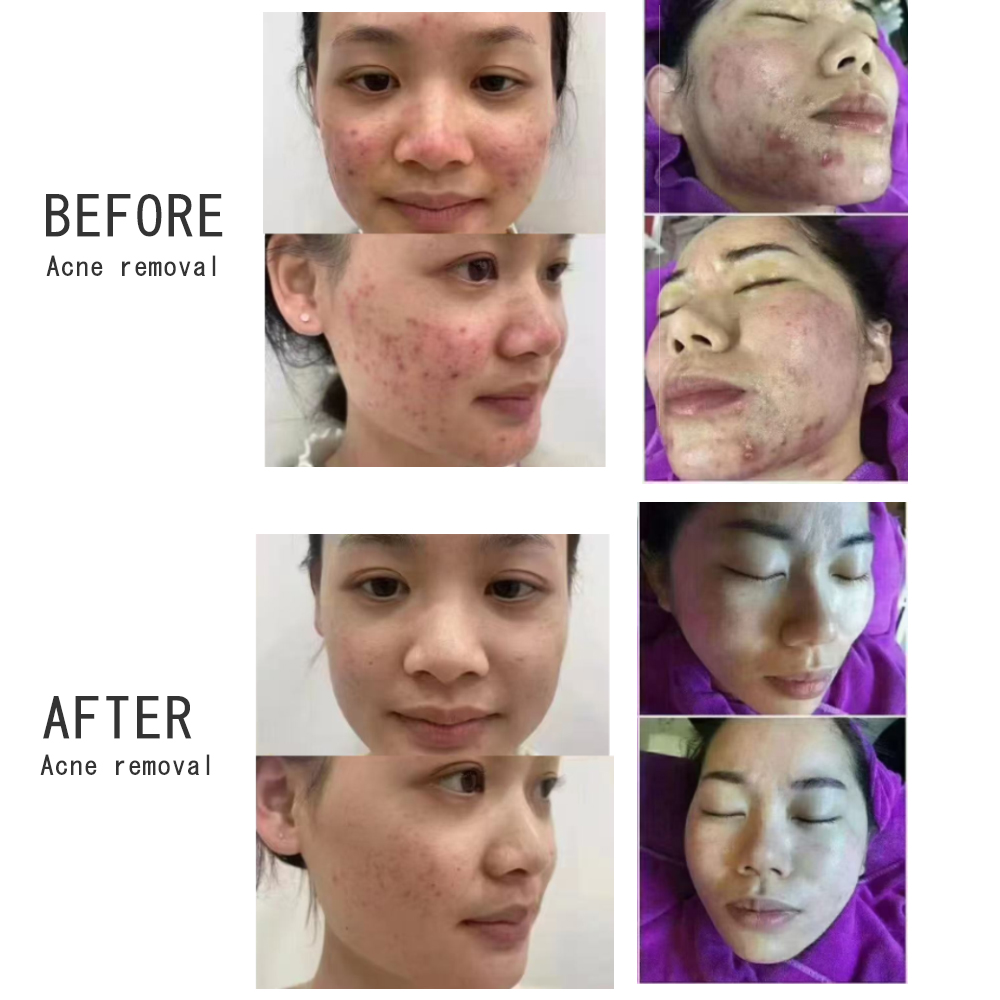
L'une des principales raisons de la popularité croissante des traitements au plasma froid réside dans leur rôle potentiel dans les protocoles de soins de la peau axés sur l'acné.
3.1 Activité antibactérienne
Le plasma contient des particules très actives susceptibles de perturber les membranes cellulaires bactériennes. Ce mécanisme est souvent évoqué dans les traitements ciblant les bactéries responsables de l'acné à la surface de la peau.
En contribuant à réduire l'activité bactérienne, les traitements par plasma peuvent favoriser :
- Moins de poussées inflammatoires
- Réduction des irritations liées à l'acné
- environnement cutané plus propre
- Amélioration de la récupération cutanée
Contrairement aux méthodes d'exfoliation agressives qui peuvent irriter davantage la peau enflammée, les traitements au plasma sont souvent intégrés à des protocoles de gestion de l'acné plus doux.
3.2 Soutien anti-inflammatoire
L'inflammation joue un rôle majeur dans l'acné, la rosacée et certaines formes de dermatite. L'énergie plasmatique pourrait contribuer à apaiser les réactions inflammatoires tout en favorisant la régénération cutanée.
C’est l’une des raisons pour lesquelles la technologie de fusion plasma est de plus en plus utilisée par les clients qui souffrent de :
- Rougeur persistante
- Peau réactive
- Inflammation post-acnéique
- Peau sensible sujette aux imperfections
L’objectif n’est pas simplement d’assécher la peau, mais de favoriser un environnement cutané globalement plus sain.
4. Pourquoi les traitements au plasma sont-ils utilisés pour le rajeunissement de la peau ?
Bien que la technologie plasma soit fréquemment associée aux soins de l'acné, elle est également largement évoquée dans le domaine des traitements anti-âge.
4.1 Stimulation du collagène et de l'élastine
L'énergie plasmatique peut stimuler l'activité des fibroblastes cutanés. Ces cellules sont responsables de la production de collagène et d'élastine, qui contribuent au maintien de la fermeté et de l'élasticité de la peau.
Avec l'âge, la production de collagène diminue et la peau se modifie progressivement :
- Lignes fines
- Rides
- Perte d'élasticité
- texture irrégulière
- Fermeté réduite
En stimulant le remodelage du collagène, les traitements au plasma peuvent contribuer à améliorer la qualité de la peau au fil du temps sans nécessiter de resurfaçage très agressif.
4.2 Renouvellement cutané et amélioration de la texture
Certains traitements au plasma créent des zones de micro-exfoliation contrôlée dans les couches superficielles de la peau. Ce procédé peut contribuer à accélérer le renouvellement cellulaire et à améliorer la texture générale de la peau.
Ces traitements sont couramment utilisés pour :
- peau terne
- Texture rugueuse
- Cicatrices d'acné légères
- Pores dilatés
- Teint irrégulier
Comme la technologie plasma peut être adaptée aux objectifs du traitement, les cliniques combinent souvent des protocoles axés sur le rajeunissement et la réparation au sein d'un même plan de traitement.
5. Pourquoi la technologie plasma s'étend au-delà des soins du visage
Les systèmes plasma modernes comprennent désormais plusieurs poignées de traitement conçues pour différentes applications allant au-delà des soins du visage classiques.
5.1 Soutien du cuir chevelu et des cheveux
Certains applicateurs de plasma sont conçus pour améliorer l'état du cuir chevelu en favorisant la circulation sanguine et en réduisant l'activité inflammatoire.
Ces traitements peuvent être utilisés pour des problèmes tels que :
- dermatite séborrhéique
- Irritation du cuir chevelu
- folliculite
- Mauvais environnement du cuir chevelu
Un cuir chevelu plus sain peut favoriser des conditions propices à une croissance capillaire plus saine.
5.2 Remodelage des cicatrices et des cicatrices d'acné
La stimulation des micro-lésions assistée par plasma est également explorée pour les traitements de remodelage des cicatrices.
L'énergie plasma contrôlée peut aider :
- Assouplir les tissus cicatriciels
- Améliorer la flexibilité
- Stimuler la restructuration du collagène
- Favoriser la régénération cutanée
C’est l’une des raisons pour lesquelles les systèmes à plasma sont de plus en plus souvent associés au microneedling ou aux traitements photoélectriques dans les protocoles de traitement des cicatrices d’acné.
6. Pourquoi la thérapie combinée devient-elle plus populaire ?
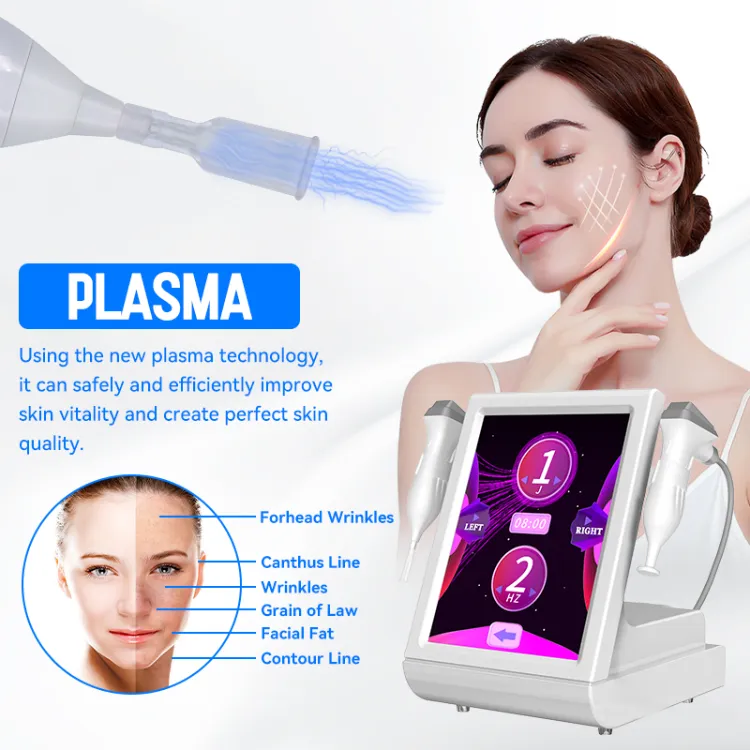
Les cliniques esthétiques modernes s'appuient rarement sur une seule technologie. Au contraire, de nombreux praticiens associent les traitements au plasma à des produits de soin de la peau ou à d'autres procédures énergétiques.
6.1 Absorption du plasma et des soins de la peau
Certains modes de plasma peuvent augmenter temporairement la perméabilité de la peau, aidant ainsi les principes actifs à pénétrer plus efficacement.
Les cliniques associent souvent les traitements par plasma à :
- Sérums hydratants
- Produits éclaircissants
- Soins de la peau ciblés contre l'acné
- Produits de réparation et de soutien des barrières
Cette approche combinée peut améliorer les résultats globaux du traitement.
6.2 Traitements plasma et photoélectriques
La thérapie par plasma est également de plus en plus souvent associée à des technologies telles que les lasers ou la lumière pulsée intense (IPL) pour un rajeunissement cutané plus complet.
Par exemple:
- Les dispositifs ciblant les pigments peuvent traiter la décoloration.
- Les traitements au plasma peuvent favoriser la régénération et la guérison par la suite.
Cette stratégie de traitement par étapes reflète la tendance croissante vers des protocoles esthétiques personnalisés et multifonctionnels.
Conclusion
La technologie du plasma à fusion froide prend une importance croissante dans les traitements esthétiques modernes car elle combine rajeunissement de la peau, Ce système unique combine action antibactérienne, stimulation du collagène et propriétés anti-inflammatoires. Contrairement aux techniques de resurfaçage traditionnelles et agressives, les traitements à base de plasma sont conçus pour favoriser la régénération cutanée tout en minimisant les dommages thermiques excessifs et le temps de convalescence. Face à la recherche constante de traitements plus polyvalents et respectueux de la peau, les systèmes de fusion plasma s'imposent comme une solution flexible pour la prise en charge de l'acné, les soins des peaux sensibles, les traitements anti-âge et l'amélioration globale de la qualité de la peau.
FAQ
Quelle est la différence entre le traitement au plasma froid et les traitements thermiques traditionnels ?
Les traitements au plasma froid utilisent des particules de gaz ionisées pour stimuler la peau et favoriser la régénération, avec une chaleur de surface moindre comparée à de nombreux appareils thermiques traditionnels.
Les traitements faciaux au plasma peuvent-ils aider à lutter contre l'acné ?
La technologie plasma est couramment utilisée dans les traitements contre l'acné en raison de ses propriétés antibactériennes et anti-inflammatoires.
La thérapie par plasma stimule-t-elle la production de collagène ?
Oui. L'énergie du plasma peut contribuer à activer les fibroblastes, qui interviennent dans la production de collagène et d'élastine.
Les traitements au plasma conviennent-ils aux peaux sensibles ?
De nombreuses cliniques utilisent la technologie plasma pour les peaux sensibles ou réactives, car les traitements peuvent souvent être adaptés pour minimiser l'irritation.
Les traitements au plasma peuvent-ils améliorer les cicatrices d'acné ?
Les traitements de remodelage cutané assistés par plasma sont couramment utilisés pour favoriser la régénération du collagène et améliorer l'apparence des cicatrices d'acné légères et des irrégularités de texture.