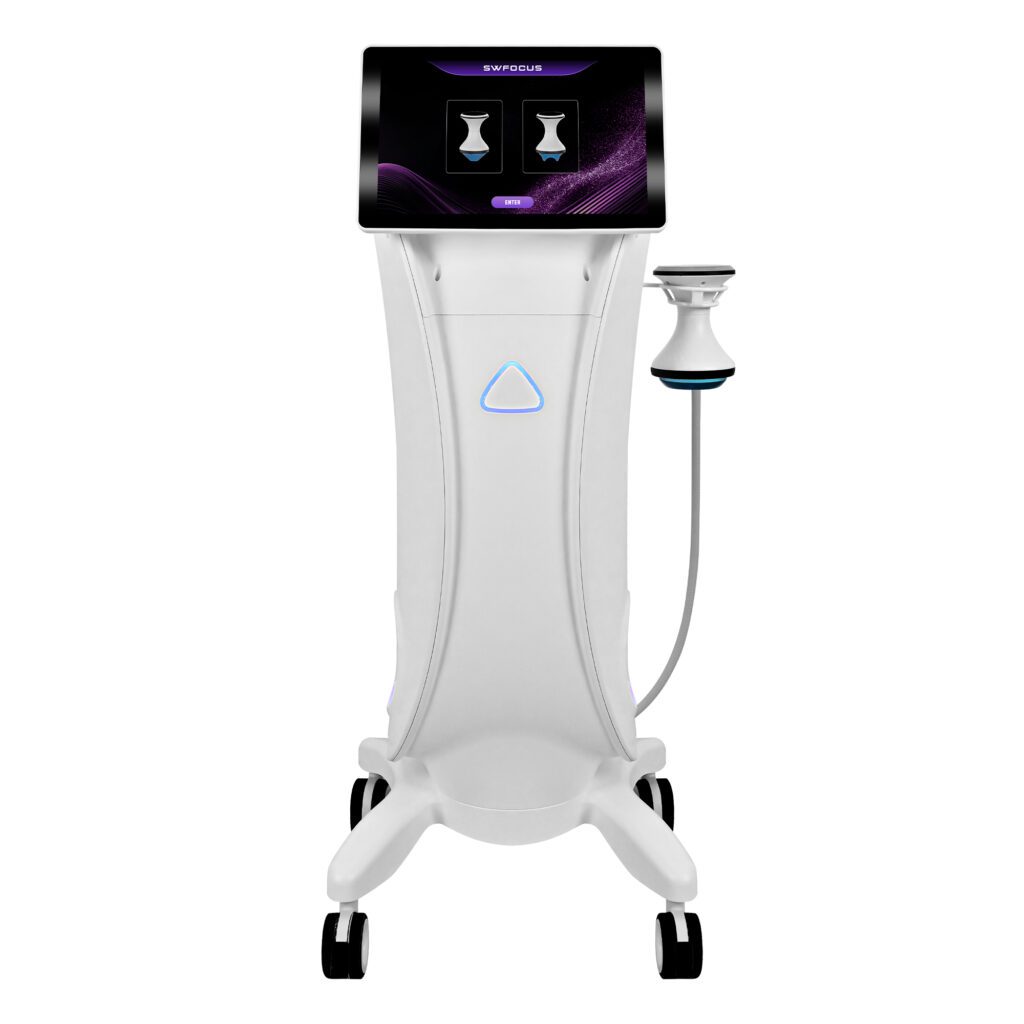
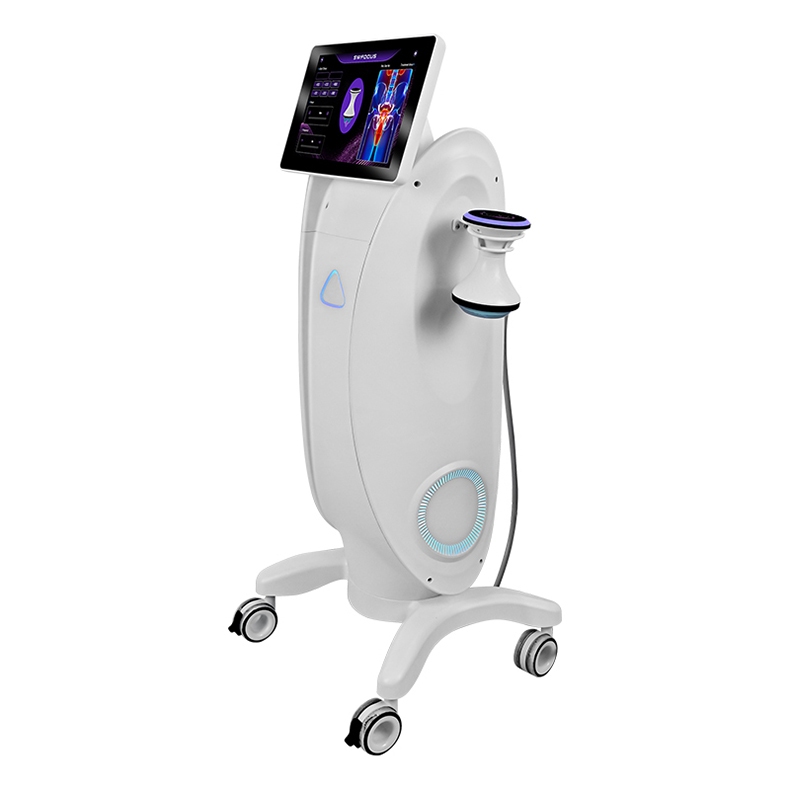
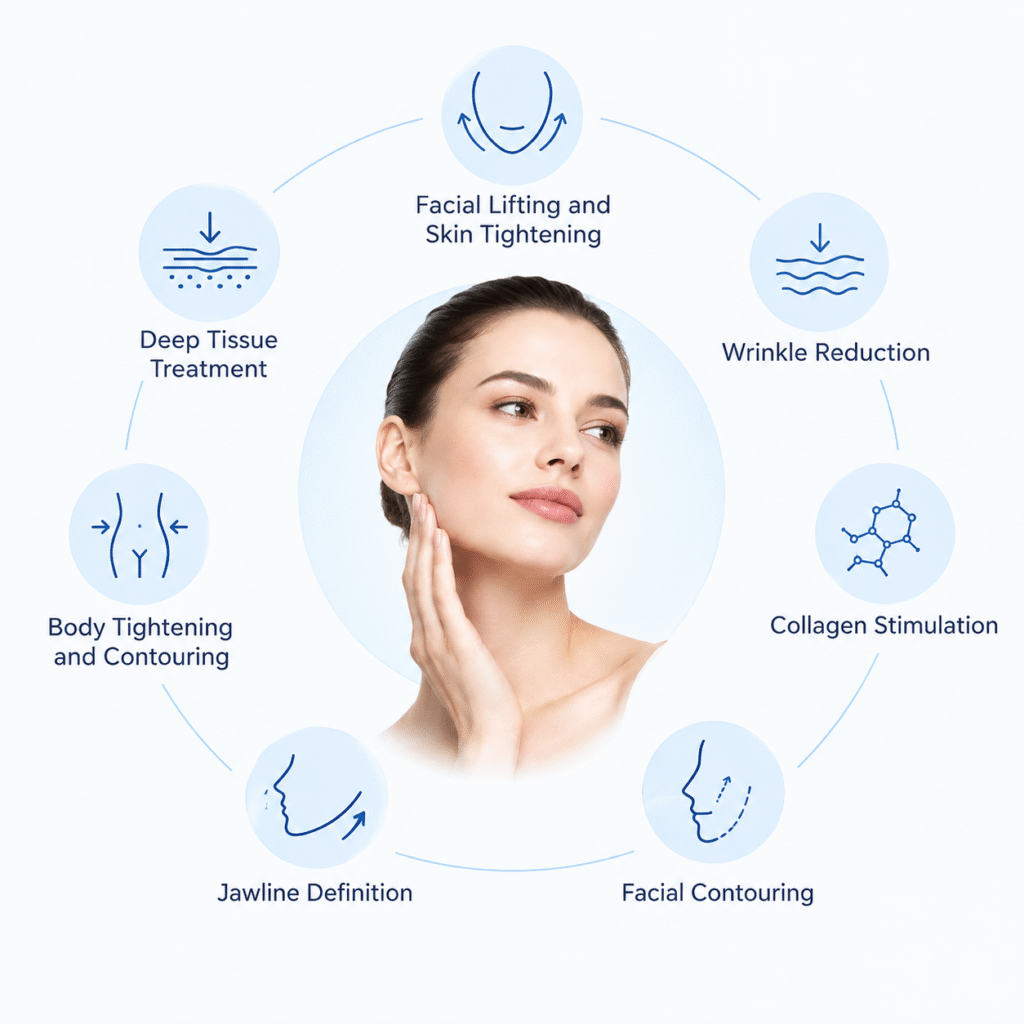
Les traitements de lifting non chirurgicaux continuent de dominer le secteur de la médecine esthétique, car de plus en plus de clients recherchent un raffermissement et un remodelage visibles de la peau sans chirurgie ni longue convalescence. Parmi ces technologies, les ultrasons focalisés de haute intensité (HIFU) restent l'une des options les plus reconnues pour le lifting du visage et le remodelage corporel. Cependant, de nouveaux systèmes tels que… HIFU 7D et 9D Face à l'arrivée sur le marché de ces nouvelles générations de systèmes HIFU, beaucoup s'interrogent sur leurs véritables apports. S'agit-il simplement d'améliorations marketing, ou bien d'améliorations significatives en termes de précision, de confort et de résultats ? Comprendre le fonctionnement des systèmes HIFU multi-lignes modernes permet de mieux appréhender la popularité croissante de ces nouvelles technologies dans les cliniques du monde entier.
1. Pourquoi les premiers traitements HIFU semblaient parfois lents ou inconfortables
Les systèmes HIFU traditionnels concentrent l'énergie ultrasonore sur des couches tissulaires spécifiques afin de stimuler la contraction du collagène et le raffermissement de la peau. Bien qu'efficaces pour de nombreux patients, les systèmes de première génération présentaient souvent des limitations, telles que :
- Durée de traitement plus longue
- niveaux d'inconfort plus élevés
- Flexibilité de traitement limitée
- Zones de traitement plus petites
- Performances de remodelage corporel moins efficaces
Les anciens systèmes délivrant moins de points de traitement à chaque impulsion, les procédures pouvaient s'avérer longues, notamment pour les grandes zones comme l'abdomen ou les cuisses.
De plus, une répartition inégale de l'énergie réduisait parfois le confort du traitement tout en limitant l'efficacité globale du soulèvement.
Face à la recherche de solutions plus rapides et plus personnalisées par les cliniques esthétiques, les fabricants ont développé des technologies HIFU multi-lignes conçues pour améliorer la vitesse et la précision du traitement.
2. Qu'est-ce qui différencie le HIFU 9D des systèmes HIFU précédents ?
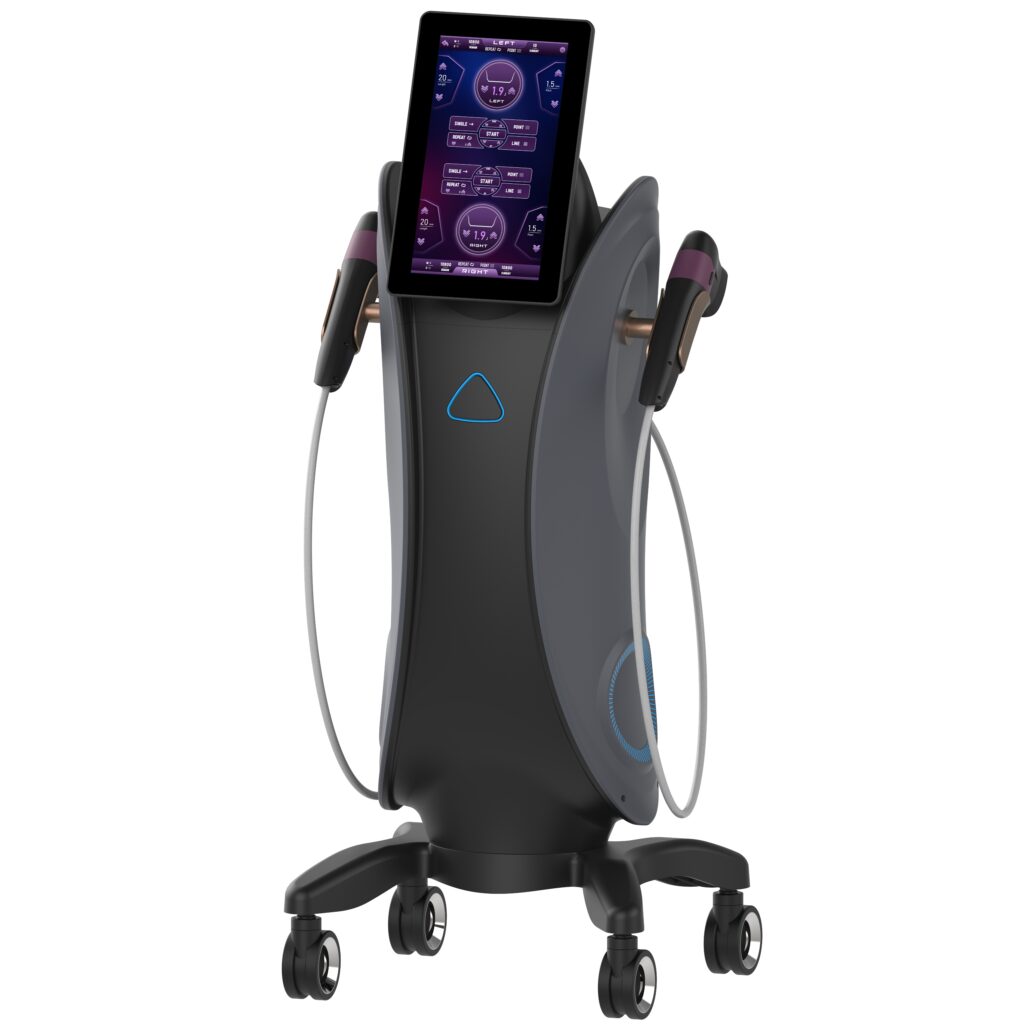
L'une des principales différences avec les systèmes HIFU 9D de nouvelle génération réside dans l'utilisation d'une diffusion d'énergie multi-lignes. Au lieu de créer un nombre restreint de points de traitement isolés, les systèmes modernes peuvent générer simultanément de multiples lignes et points thermiques.
Cette couverture de traitement plus étendue et plus efficace peut contribuer à soutenir :
- Procédures plus rapides
- Répartition plus uniforme de l'énergie
- Amélioration de la régularité des levées
- Une plus grande efficacité du traitement
- Un meilleur confort pour le patient
Les systèmes modernes sont également conçus avec des cartouches de profondeurs multiples, permettant ainsi aux praticiens de cibler plusieurs couches anatomiques au cours d'une même séance.
Ces couches comprennent généralement :
- Épiderme
- Derme
- couche SMAS
- couches de graisse sous-cutanée
Cette approche multi-niveaux permet de traiter simultanément le relâchement cutané et les problèmes de graisse localisée.
3. Pourquoi la profondeur de traitement est importante dans les procédures HIFU
Les différentes couches tissulaires contribuent de diverses manières au vieillissement et aux modifications du contour du visage. L'une des raisons pour lesquelles les systèmes HIFU de nouvelle génération sont considérés comme plus polyvalents est leur capacité à cibler différentes profondeurs en fonction des objectifs du traitement.
3.1 Raffermissement superficiel de la peau
Les cartouches moins profondes sont généralement utilisées pour améliorer les problèmes de surface tels que :
- Lignes fines
- texture de la peau
- Rides légères
- Aspect des pores
- Relâchement cutané précoce
Ces profondeurs de traitement stimulent principalement le remodelage du collagène dans les couches supérieures du derme.
3.2 Levage de la couche SMAS
La couche SMAS joue un rôle majeur dans le soutien structurel du visage. Avec l'âge, la diminution du collagène et de l'élasticité entraîne souvent un affaissement du bas du visage et de la mâchoire.
Les cartouches HIFU de profondeur moyenne sont couramment utilisées pour :
- resserrement de la mâchoire
- lifting des joues
- Raffermissement du cou
- Définition du contour du visage
L'énergie des ultrasons focalisés crée des zones de coagulation thermique sous la peau, ce qui peut déclencher une contraction tissulaire progressive et une régénération du collagène au fil du temps.
3.3 Traitements de réduction de la graisse corporelle et de remodelage corporel
Les cartouches HIFU plus profondes sont de plus en plus utilisées pour les procédures de remodelage corporel non invasives.
Ces applications peuvent cibler :
- poches de graisse abdominales
- Zones du double menton
- Bras
- Cuisses
- Zones des hanches
- bas-ventre
L'objectif est de favoriser une amélioration progressive du contour tout en minimisant les perturbations des tissus environnants.

4. Pourquoi les plateformes HIFU multi-manipulateurs deviennent-elles plus populaires ?
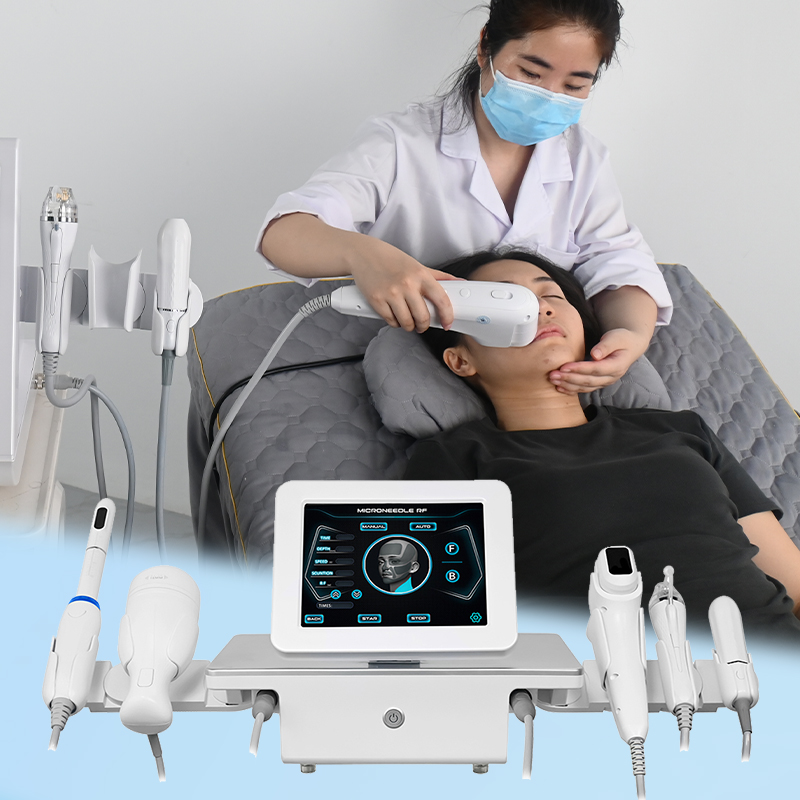
Les cliniques esthétiques modernes privilégient de plus en plus les systèmes HIFU multifonctionnels car ils permettent aux praticiens de combiner différentes modalités de traitement au sein d'une même plateforme.
Les systèmes plus récents peuvent inclure des technologies optionnelles telles que :
- HIFU vaginal
- HIFU Vmax
- Lipo HIFU
- Micro-aiguille RF
Cette conception multifonctionnelle permet aux cliniques d'élargir leurs applications de traitement sans avoir besoin de plusieurs appareils autonomes.
4.1 Applications vaginales HIFU
Les traitements par ultrasons vaginaux sont conçus pour stimuler le remodelage du collagène au sein des structures tissulaires internes.
Ces traitements sont souvent évoqués pour des problèmes liés à :
- Laxité tissulaire
- Soutien post-partum
- Soins de bien-être intimes
4.2 Traitements combinés par radiofréquence à micro-aiguilles
La radiofréquence à micro-aiguilles est fréquemment associée aux ultrasons focalisés de haute intensité (HIFU) car ces technologies ciblent des profondeurs cutanées et des objectifs de traitement différents.
Alors que la HIFU agit plus profondément sous la peau, la radiofréquence à micro-aiguilles cible généralement :
- texture de surface
- Cicatrices d'acné
- Pores dilatés
- ridules
Cette approche par étapes reflète la tendance croissante vers des protocoles de traitement combinés en médecine esthétique moderne.
5. Pourquoi les résultats des ultrasons focalisés de haute intensité (HIFU) continuent-ils de s'améliorer au fil du temps ?
Contrairement aux injections de comblement ou aux interventions chirurgicales de lifting, la technique HIFU agit en stimulant les processus de régénération naturels du corps plutôt qu'en créant des changements de volume immédiats.
Après le traitement, les zones de coagulation thermique déclenchent un remodelage du collagène qui se développe progressivement sur plusieurs semaines et mois.
De nombreux patients remarquent :
- Resserrement précoce peu après le traitement
- Amélioration continue sur 2 à 3 mois
- Amélioration progressive du contour
- Une peau plus ferme au fil du temps
La régénération du collagène étant progressive, les résultats finaux paraissent souvent plus naturels que les changements cosmétiques abrupts.
Pour de nombreux patients, cette amélioration progressive est considérée comme l'un des principaux avantages des technologies de lifting par ultrasons non invasives.
6. Pourquoi la technologie HIFU s'étend au-delà du rajeunissement du visage
Bien que le lifting facial reste l'une des applications les plus courantes de la technologie HIFU, de nouveaux systèmes sont de plus en plus utilisés pour le remodelage corporel et la gestion localisée des graisses.
Les clients recherchent aujourd'hui souvent des traitements qui ciblent :
- Relâchement cutané léger
- poches de graisse tenaces
- Définition de la mâchoire
- vieillissement du cou
- Préoccupations liées au contour du corps après une perte de poids
Les systèmes HIFU multi-profondeurs permettent aux praticiens de personnaliser les protocoles de traitement en fonction de la qualité de la peau et des objectifs de remodelage corporel.
Cette flexibilité a rendu les plateformes HIFU avancées de plus en plus attrayantes pour les cliniques recherchant une plus grande polyvalence de traitement.
Conclusion
L'évolution du traditionnel Systèmes HIFU L'avènement des technologies 7D et 9D modernes témoigne de la demande croissante de traitements esthétiques non invasifs plus rapides, plus précis et plus personnalisables. Combinant ultrasons multivoies, différentes profondeurs de traitement et des applications multifonctionnelles optionnelles, les nouveaux systèmes HIFU sont conçus pour optimiser l'efficacité des traitements tout en répondant aux préoccupations liées au raffermissement cutané et au remodelage corporel. Face à la recherche constante d'alternatives non chirurgicales offrant des résultats naturels et une convalescence minimale, les technologies HIFU avancées s'imposent comme un élément de plus en plus important des stratégies de traitement esthétique modernes.
FAQ
Quelle est la différence entre le HIFU traditionnel et le HIFU 9D ?
La technologie HIFU 9D utilise une distribution d'énergie multi-lignes et une couverture de traitement plus large pour améliorer la vitesse et l'efficacité du traitement par rapport aux systèmes précédents.
La thérapie HIFU peut-elle réduire la graisse et raffermir la peau ?
Oui. Les cartouches plus profondes sont couramment utilisées pour les traitements de remodelage corporel localisé et de réduction de la graisse.
Pourquoi les différentes profondeurs de cartouche sont-elles importantes ?
Les différentes couches de tissus nécessitent des profondeurs de traitement différentes pour atteindre efficacement les objectifs de raffermissement de la peau, de stimulation du collagène et de remodelage corporel.
Combien de temps durent les effets des ultrasons focalisés de haute intensité (HIFU) ?
De nombreux patients constatent une amélioration progressive sur plusieurs mois, et les résultats peuvent durer de un à trois ans selon l'état de la peau et l'entretien.
La technologie HIFU est-elle utilisée uniquement pour le lifting du visage ?
Non. Les systèmes modernes sont également largement utilisés pour le remodelage corporel de zones telles que l'abdomen, les cuisses, les bras et le double menton.