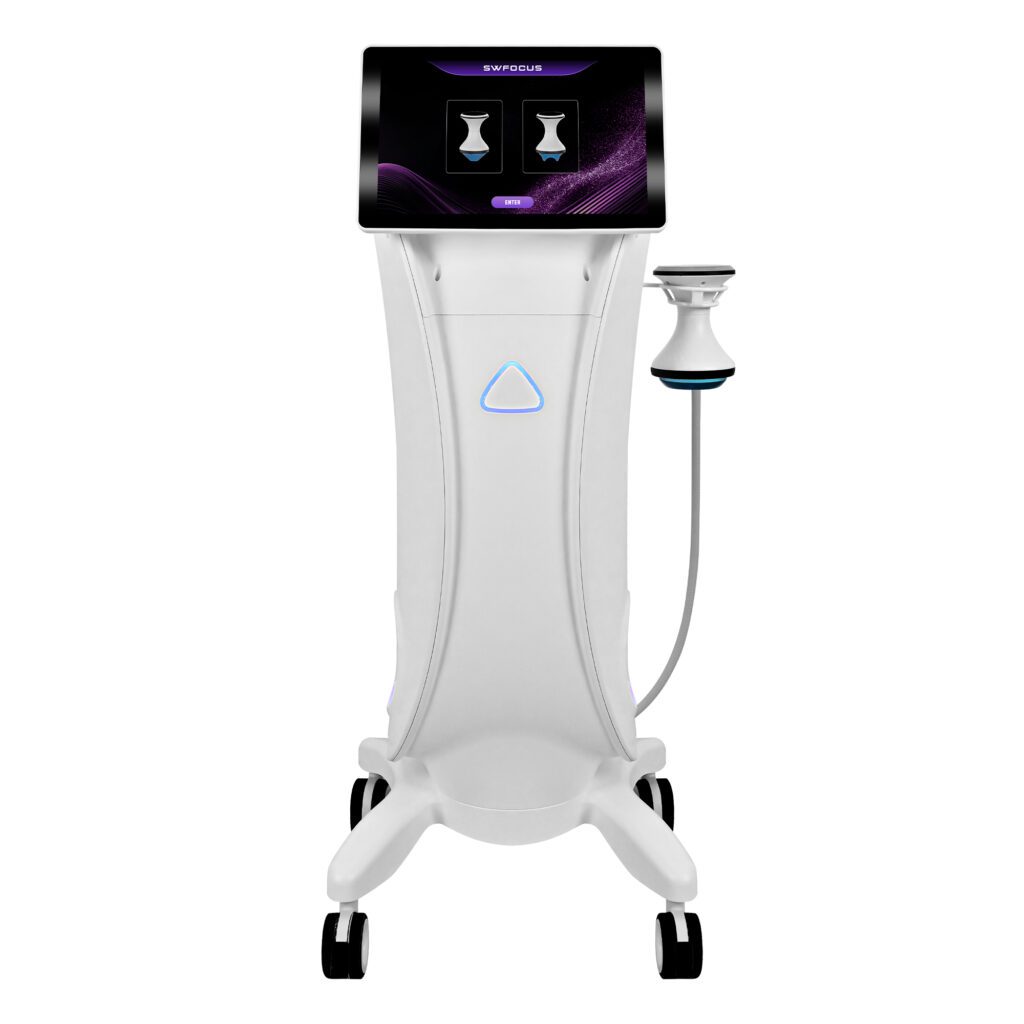
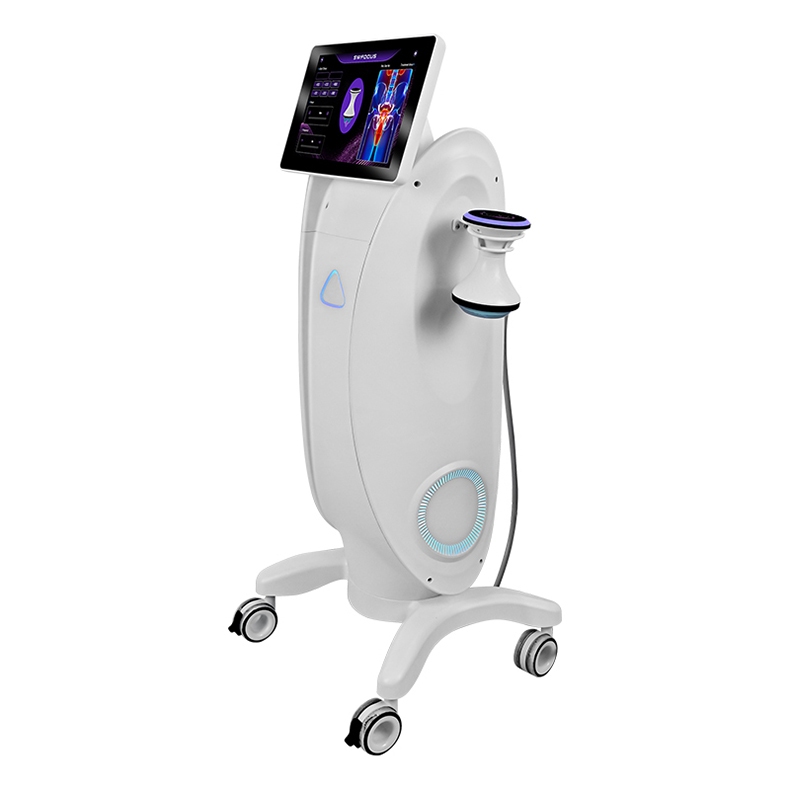
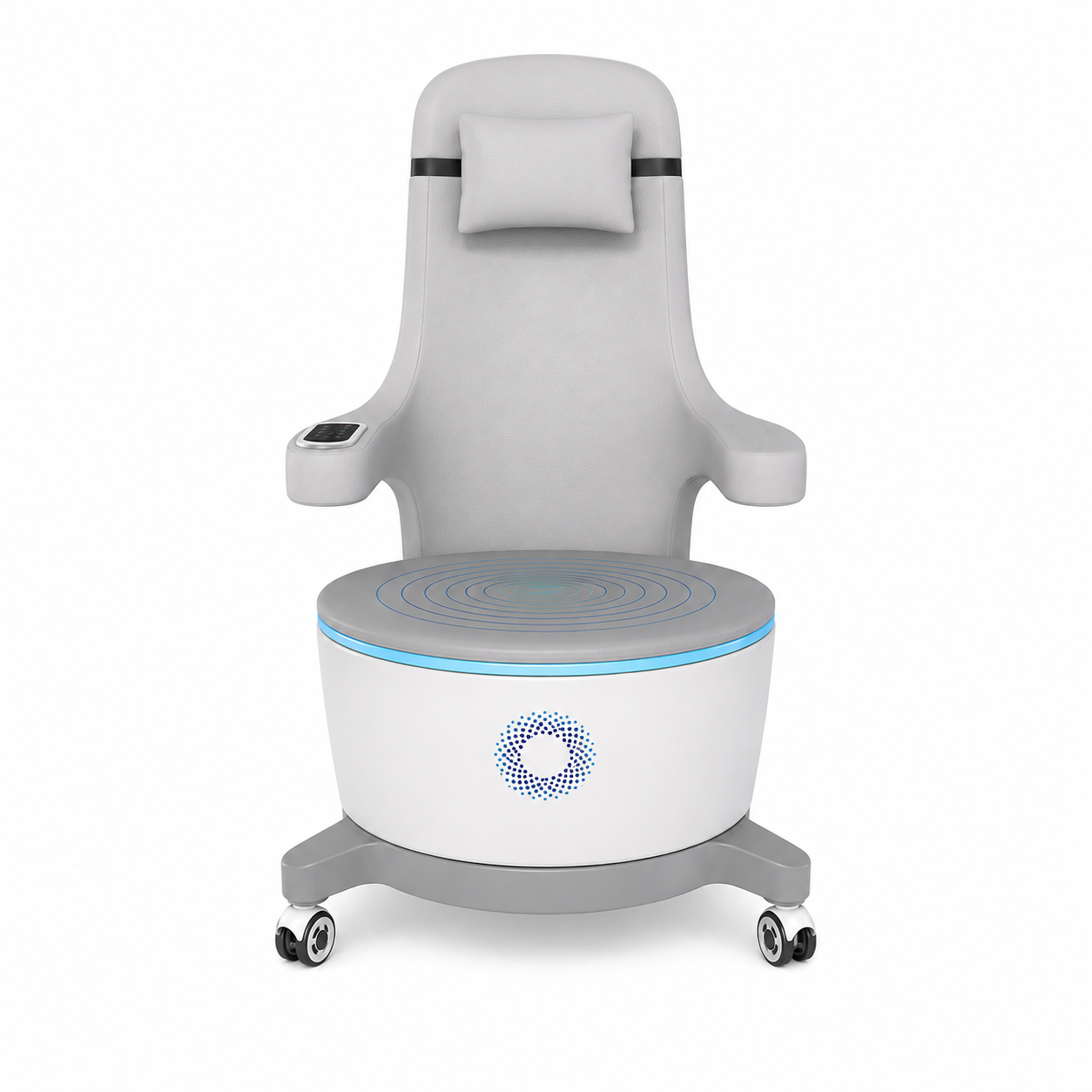
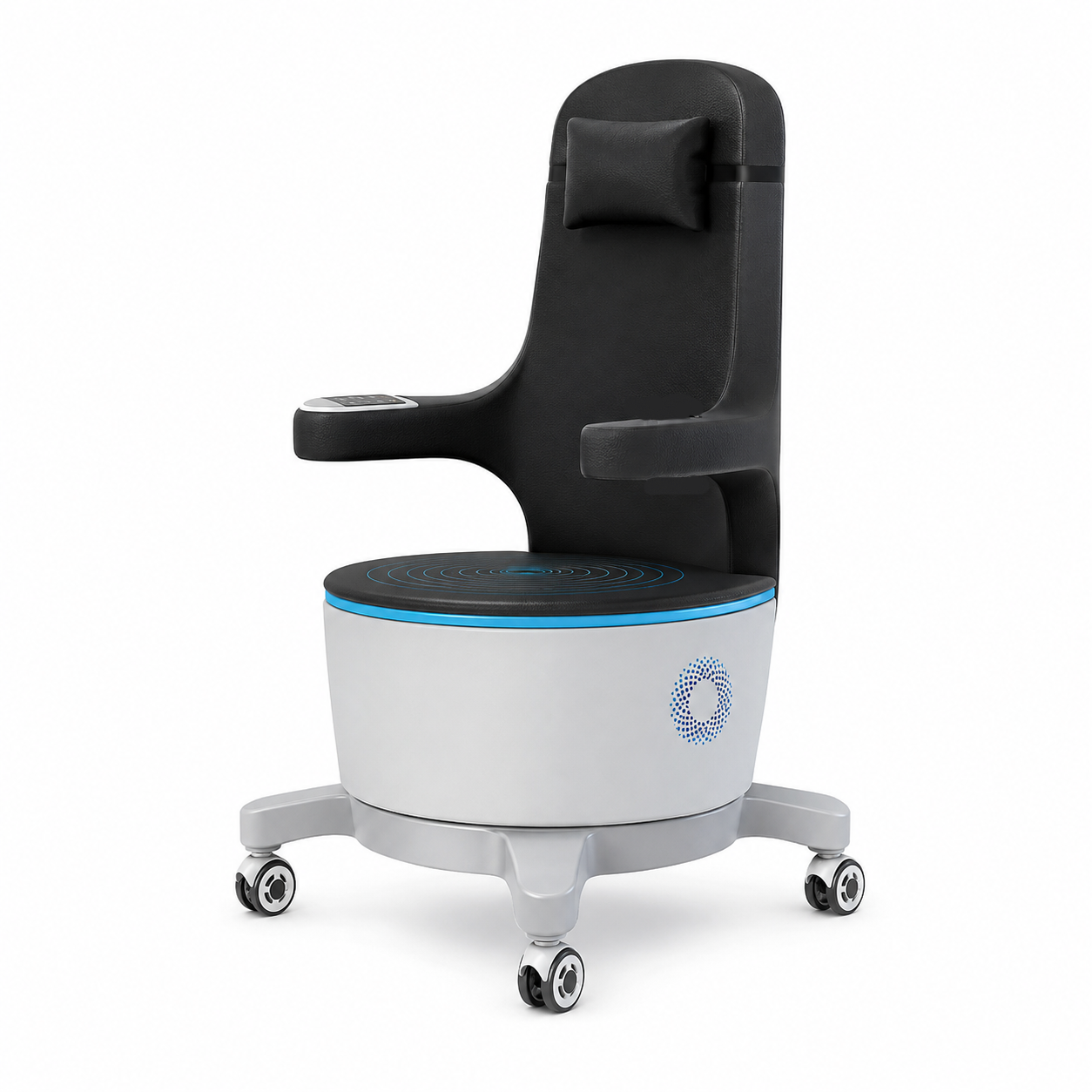
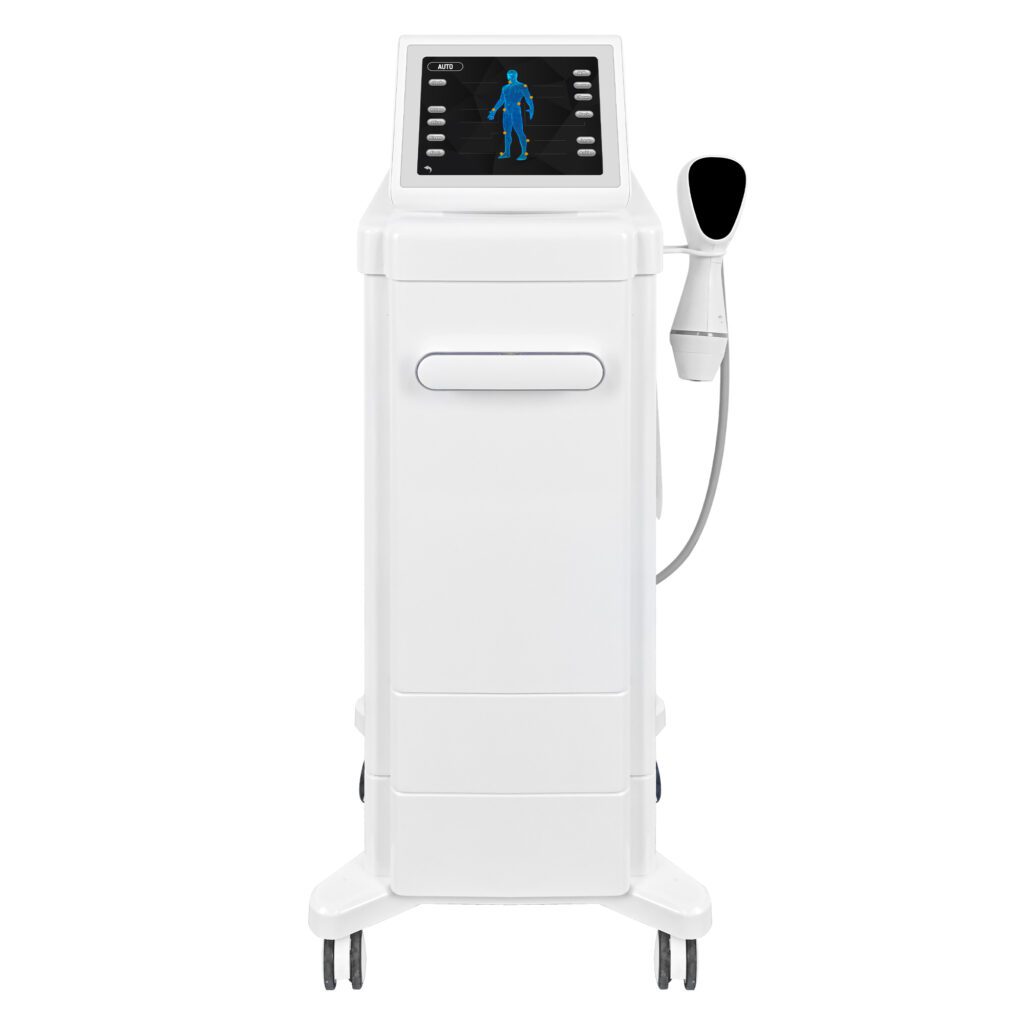
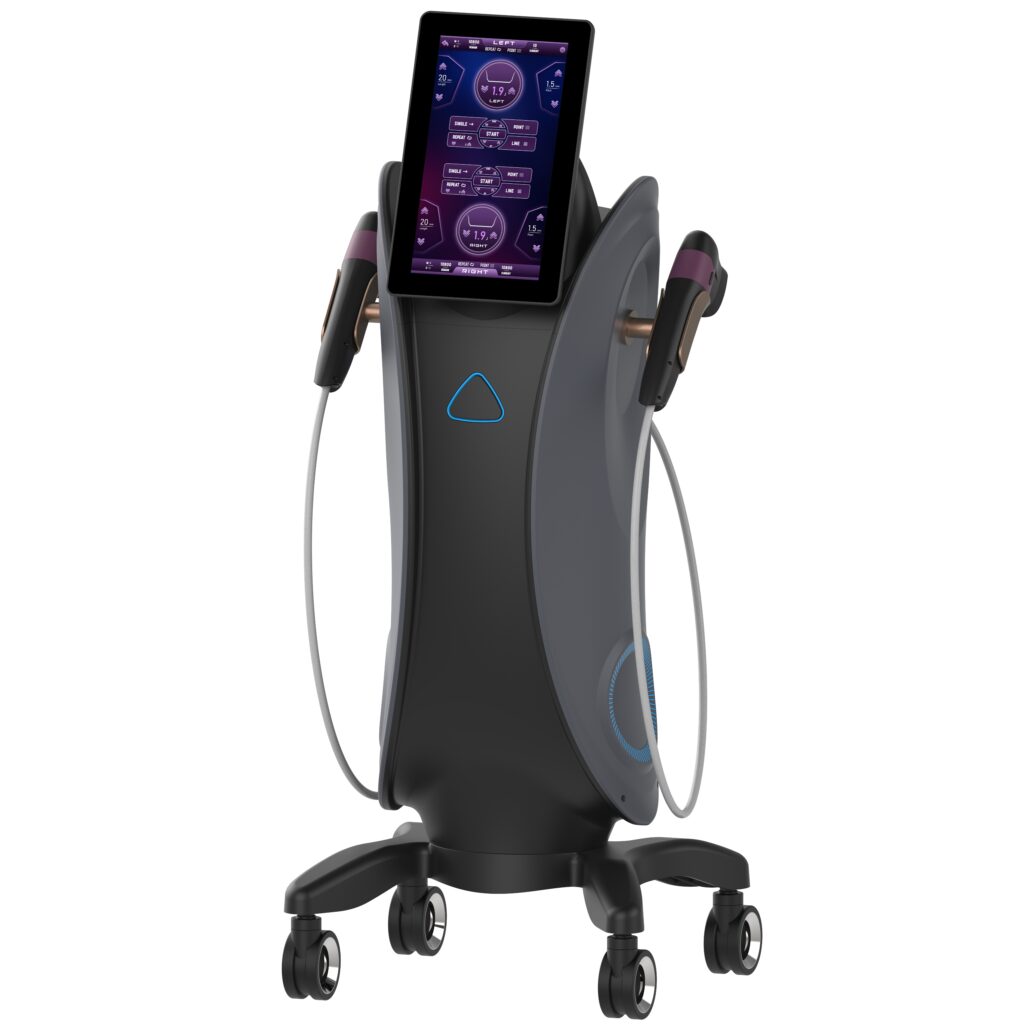
La terapia magnética se ha convertido en una herramienta cada vez más importante en el manejo moderno del dolor y la rehabilitación física. A medida que los proveedores de atención médica y las clínicas de fisioterapia continúan buscando soluciones no invasivas y sin medicamentos para afecciones musculoesqueléticas, la tecnología de campos magnéticos pulsados ha ganado gran atención por su capacidad para apoyar la recuperación de los tejidos, reducir el dolor y mejorar la movilidad general. Los sistemas avanzados como la alta intensidad dispositivos de magnetoterapia Actualmente se utilizan ampliamente en medicina deportiva, centros de rehabilitación y clínicas de bienestar debido a su capacidad para estimular procesos biológicos profundos sin cirugía ni molestias.
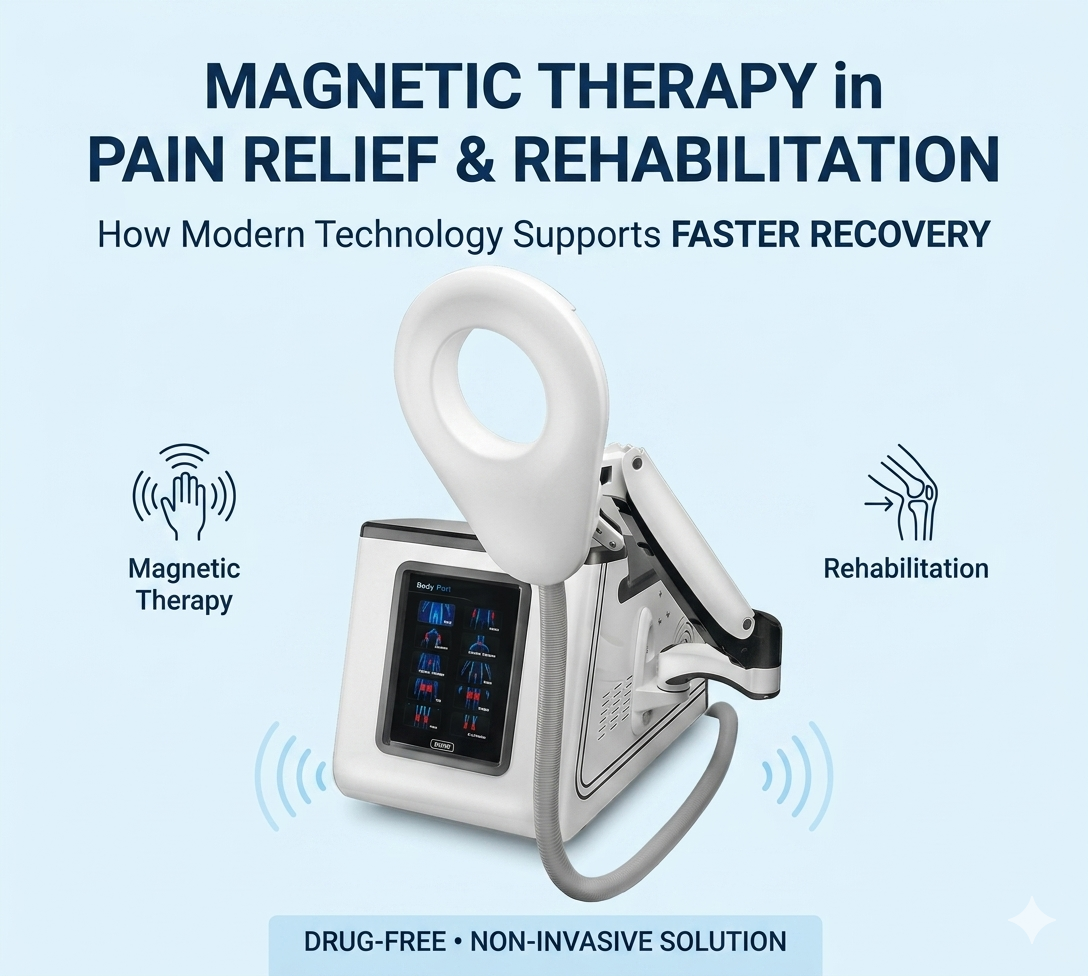
1. Comprensión de la tecnología de terapia magnética
1.1 ¿Qué es la terapia de campos magnéticos pulsados?
La terapia de campos magnéticos pulsados (PMST, por sus siglas en inglés) utiliza campos electromagnéticos para estimular los tejidos biológicos a nivel celular. Estos pulsos magnéticos penetran profundamente en los músculos, las articulaciones y los tejidos conectivos, influyendo en la actividad eléctrica dentro de las células.
Al exponerse a un campo magnético, las células experimentan un mejor intercambio iónico y un aumento del potencial de membrana. Este proceso mejora el metabolismo celular y favorece los mecanismos naturales de reparación del organismo.
1.2 Cómo interactúa con el cuerpo
A diferencia de los tratamientos superficiales como las cremas o la termoterapia, la magnetoterapia actúa a un nivel fisiológico más profundo. No requiere contacto físico ni medicamentos. En cambio, influye en el entorno bioeléctrico del cuerpo, que desempeña un papel fundamental en la regeneración de los tejidos, el control de la inflamación y la señalización del dolor.
2. Cómo la terapia magnética ayuda a aliviar el dolor
2.1 Reducción de la sensibilidad nerviosa y las señales de dolor
Uno de los principales beneficios de la terapia magnética es su capacidad para reducir la percepción del dolor. Los pulsos electromagnéticos ayudan a regular la actividad nerviosa, disminuyendo la transmisión de señales de dolor al cerebro. Esto produce una reducción natural del malestar sin necesidad de analgésicos.
2.2 Relajación muscular y reducción de la tensión
La tensión muscular es una causa común de dolor en afecciones como distensiones de espalda, rigidez de cuello y lesiones deportivas. La terapia magnética ayuda a relajar las fibras musculares profundas, reduciendo los espasmos y mejorando el bienestar general.
2.3 Disminución de la inflamación
La inflamación es un factor importante tanto en el dolor agudo como en el crónico. La exposición a campos magnéticos ayuda a mejorar la microcirculación y favorece la respuesta antiinflamatoria natural del cuerpo, lo que reduce la hinchazón en las zonas afectadas.
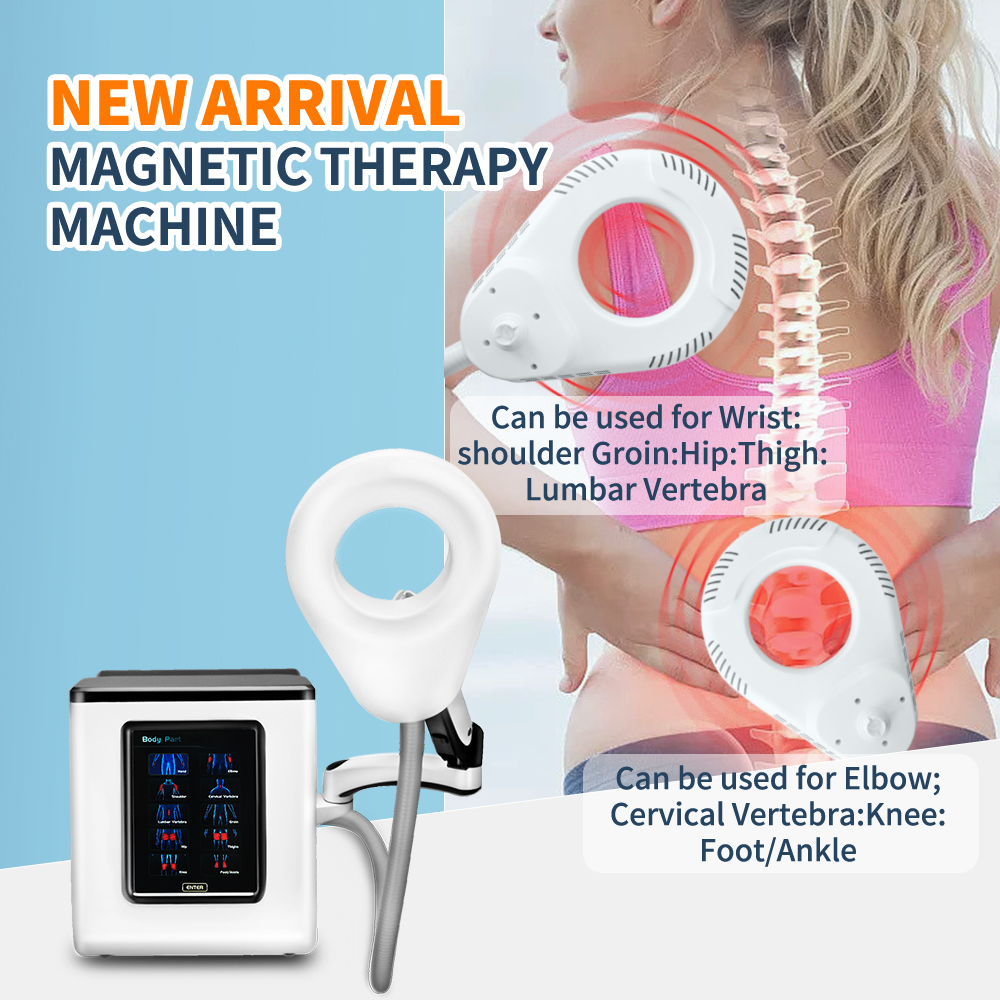
3. Papel en la rehabilitación y recuperación
3.1 Mejora de la circulación sanguínea
Una mejor circulación sanguínea es esencial para la curación de los tejidos. La terapia magnética estimula la circulación superficial y profunda, asegurando que el oxígeno y los nutrientes lleguen a los tejidos dañados de manera más eficiente. Al mismo tiempo, se eliminan con mayor eficacia los productos de desecho metabólicos.
3.2 Aceleración de la regeneración tisular
A nivel celular, la estimulación magnética aumenta la actividad metabólica, lo que favorece una reparación y regeneración celular más rápidas. Esto resulta especialmente beneficioso para lesiones de tejidos blandos, daños en ligamentos y la recuperación postoperatoria.
3.3 Apoyo a la recuperación articular y de la movilidad
Los pacientes que se recuperan de lesiones articulares o afecciones degenerativas suelen experimentar rigidez y movilidad reducida. La terapia magnética ayuda a mejorar la flexibilidad al disminuir la tensión en los tejidos y potenciar la función articular con el tiempo.
4. Aplicaciones en entornos clínicos y deportivos
4.1 Rehabilitación de lesiones deportivas
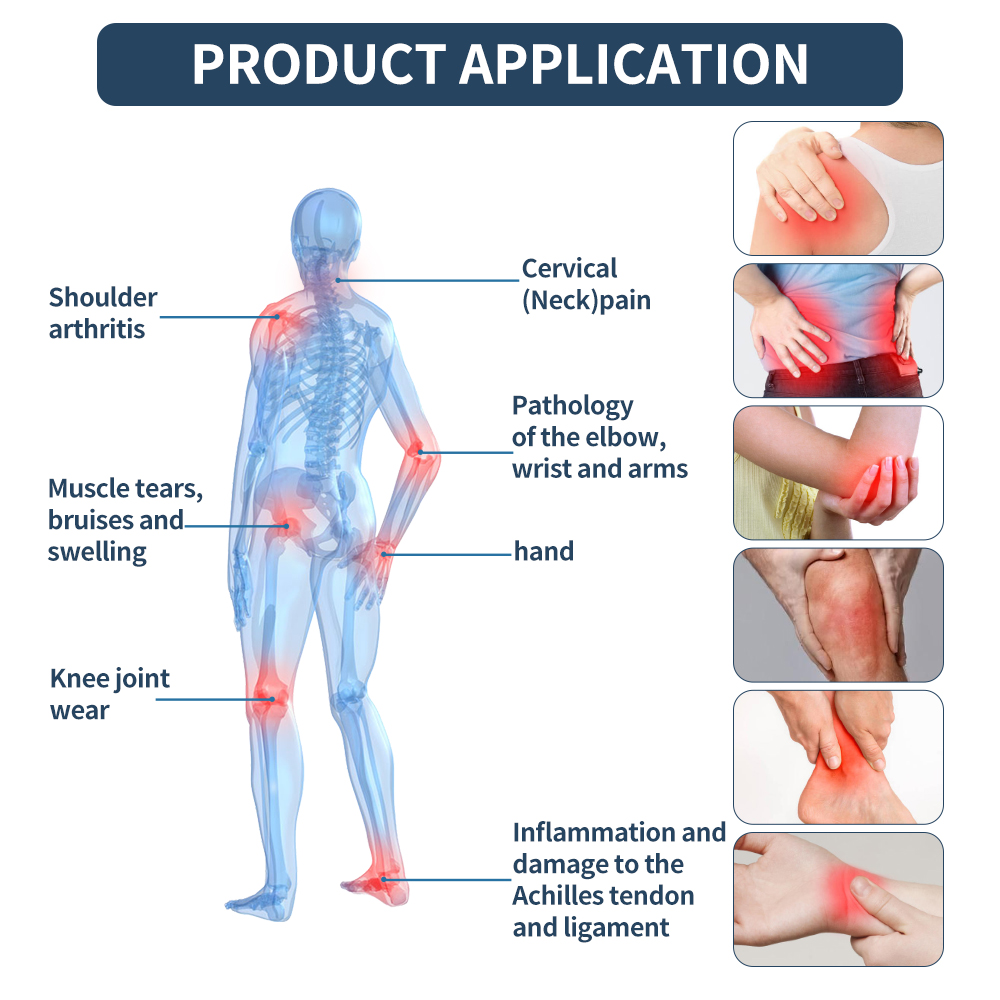
Los atletas suelen utilizar la terapia magnética como parte de su proceso de recuperación. Es eficaz para tratar distensiones musculares, lesiones de ligamentos, inflamación de tendones y lesiones por sobreesfuerzo. Su naturaleza no invasiva permite que los atletas se recuperen sin someter su cuerpo a un estrés adicional.
4.2 Manejo del dolor crónico
Para las personas que sufren de dolor crónico, como dolor lumbar, artritis o dolor de cuello, la magnetoterapia ofrece una opción de tratamiento de apoyo a largo plazo. Puede integrarse en programas de rehabilitación más amplios para un alivio duradero.
4.3 Recuperación postoperatoria
Tras una cirugía, el cuerpo necesita una mejor circulación y una inflamación controlada para sanar correctamente. La terapia magnética ayuda a favorecer estos procesos, promoviendo una recuperación más rápida y reduciendo las molestias postoperatorias.
4.4 Afecciones neuromusculares
La estimulación magnética también se utiliza para ayudar a pacientes con trastornos neuromusculares, mejorando la comunicación nerviosa y la respuesta muscular, lo que contribuye a un mejor movimiento funcional.
5. Experiencia y seguridad del tratamiento
5.1 Procedimiento no invasivo y cómodo
La terapia magnética es completamente no invasiva y no requiere agujas, medicamentos ni penetración directa en la piel. Los pacientes suelen experimentar suaves pulsaciones o leves contracciones musculares durante el tratamiento.
5.2 No se requiere tiempo de inactividad
Una de las principales ventajas de esta terapia es que los pacientes pueden retomar sus actividades normales inmediatamente después del tratamiento. No requiere periodo de recuperación, lo que la hace idónea tanto para aplicaciones clínicas como de bienestar.
5.3 Adecuado para sesiones repetidas
La terapia magnética suele administrarse en varias sesiones a lo largo del tiempo. Dado que no es invasiva y se tolera bien, puede integrarse de forma segura en programas de rehabilitación a largo plazo.
6. ¿Por qué la terapia magnética está ganando popularidad?
6.1 Demanda de soluciones para el dolor sin medicamentos
Los pacientes y las clínicas buscan cada vez más alternativas al tratamiento farmacológico del dolor. La terapia magnética ofrece un enfoque natural que evita la dependencia de los fármacos.
6.2 Versatilidad en diversos campos médicos
Desde la medicina deportiva hasta la fisioterapia y la atención postoperatoria, la terapia magnética puede aplicarse a una amplia gama de afecciones. Esta versatilidad la convierte en una herramienta valiosa en los entornos sanitarios modernos.
6.3 Complementario a otros tratamientos
La terapia magnética puede combinarse con otros métodos de rehabilitación, como la fisioterapia, el masaje o la terapia con ejercicios. Este enfoque integral mejora los resultados generales del tratamiento.
Conclusión
Terapia magnética Se ha consolidado como una solución eficaz y no invasiva para el alivio del dolor y la rehabilitación. Al actuar a nivel celular, ayuda a mejorar la circulación, reducir la inflamación y acelerar la reparación de los tejidos. Su capacidad para favorecer la recuperación sin medicamentos ni cirugía la convierte en una opción atractiva tanto para pacientes como para profesionales sanitarios. Con el avance de la tecnología, la terapia de campos magnéticos se está convirtiendo en un componente esencial de las estrategias de rehabilitación modernas, ofreciendo un apoyo seguro, eficaz y duradero para una amplia gama de afecciones musculoesqueléticas.