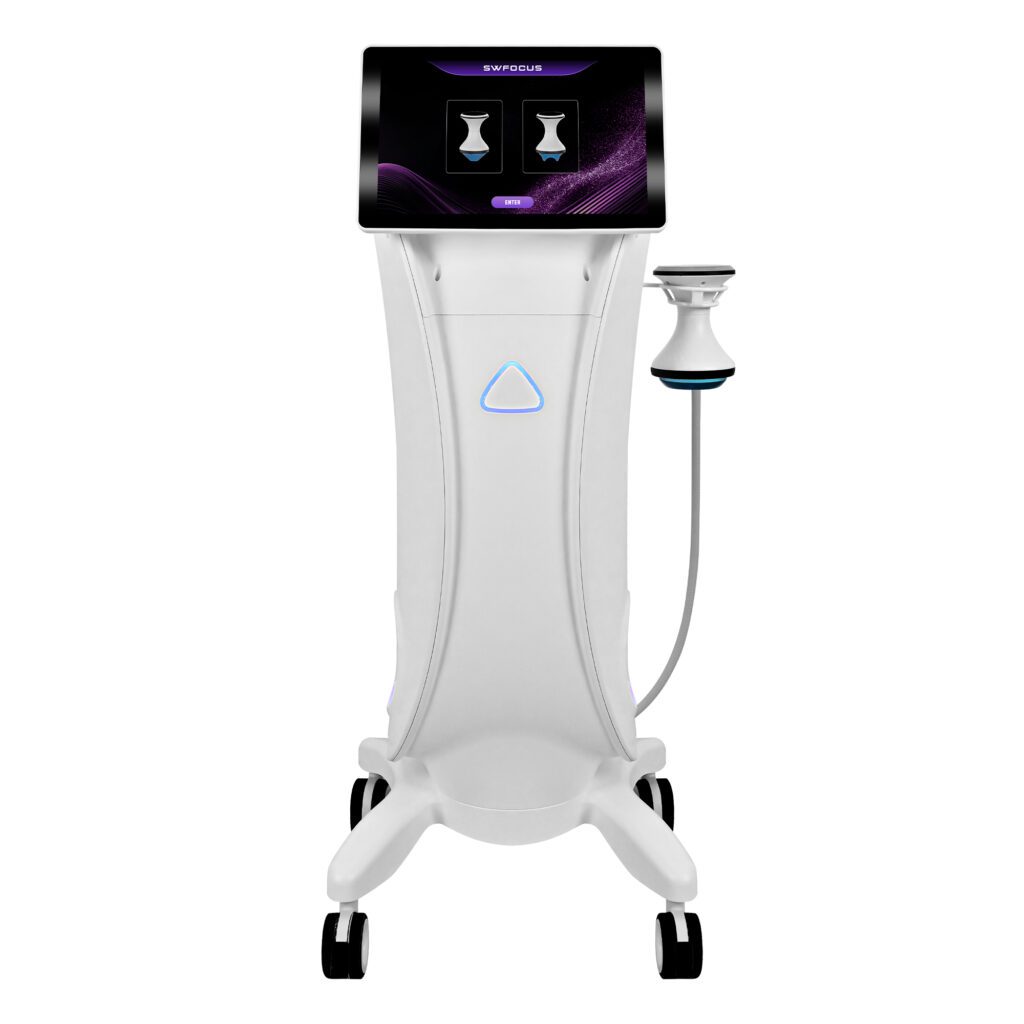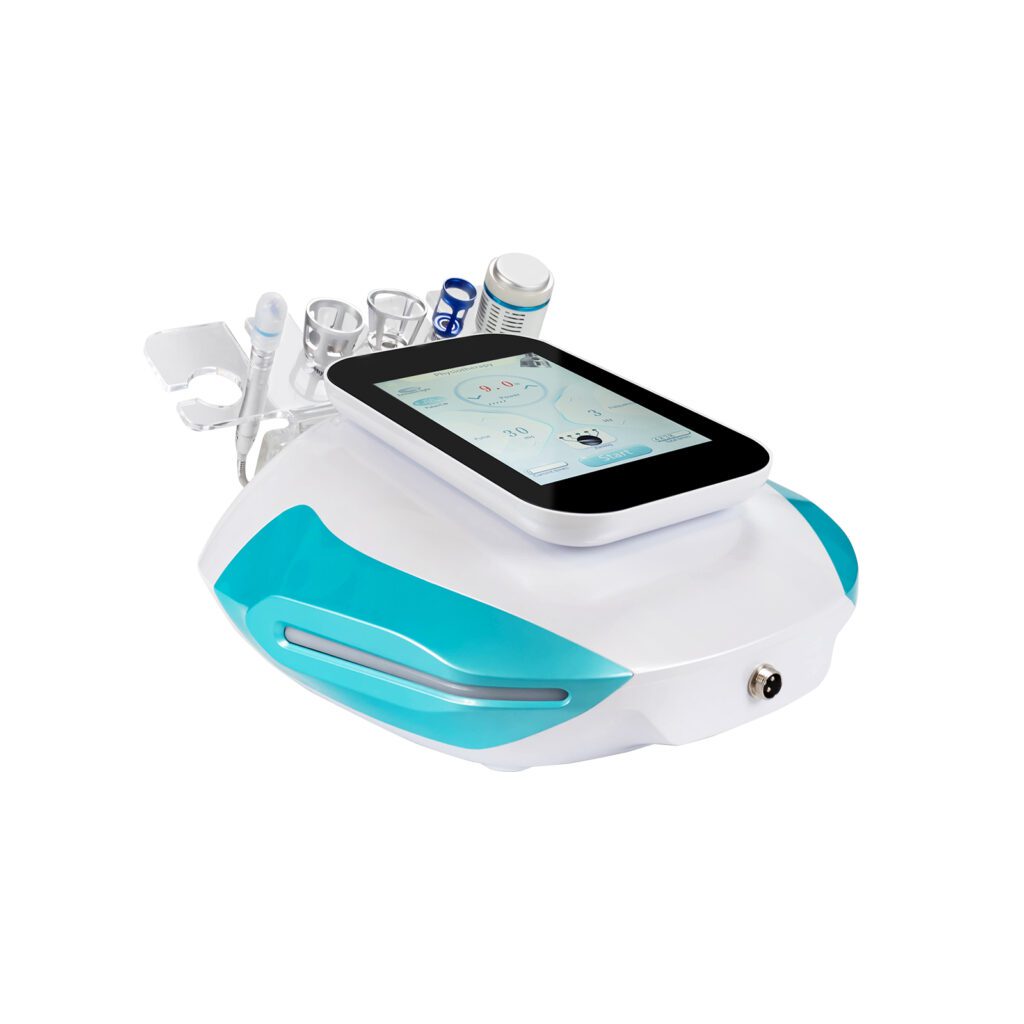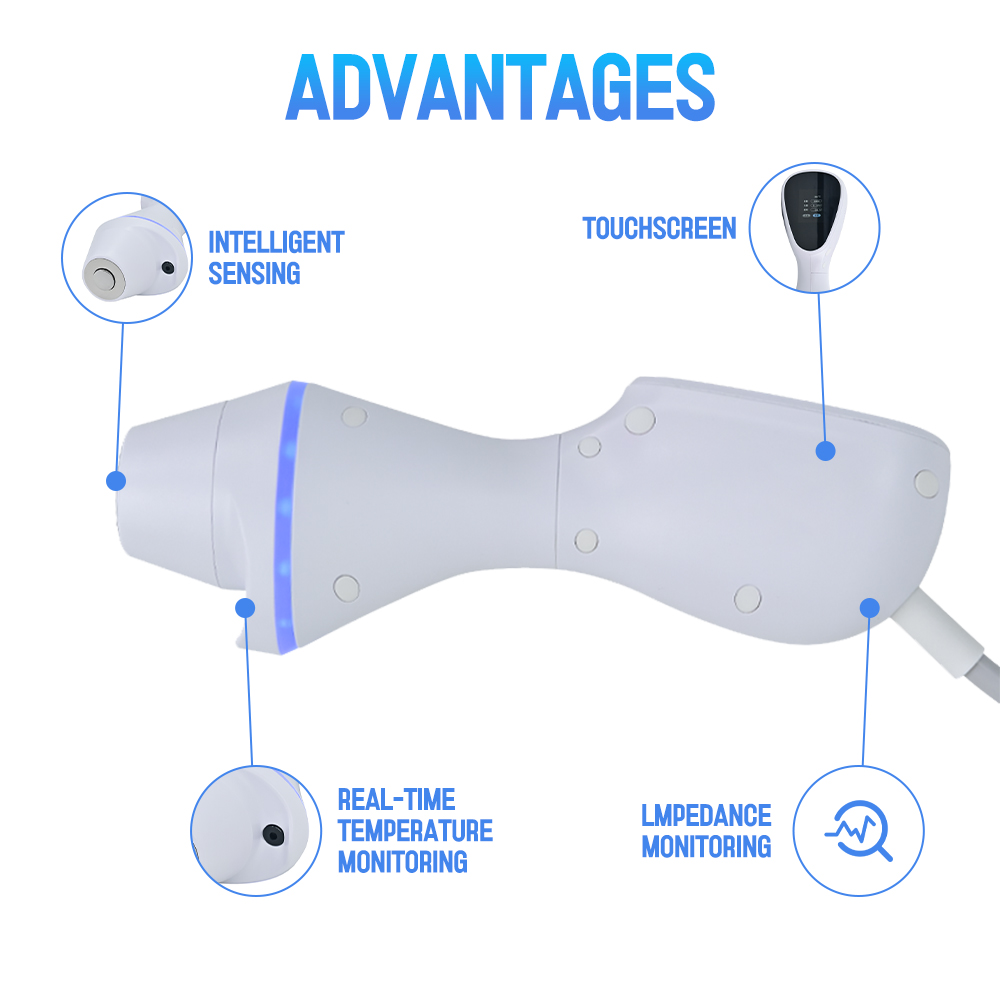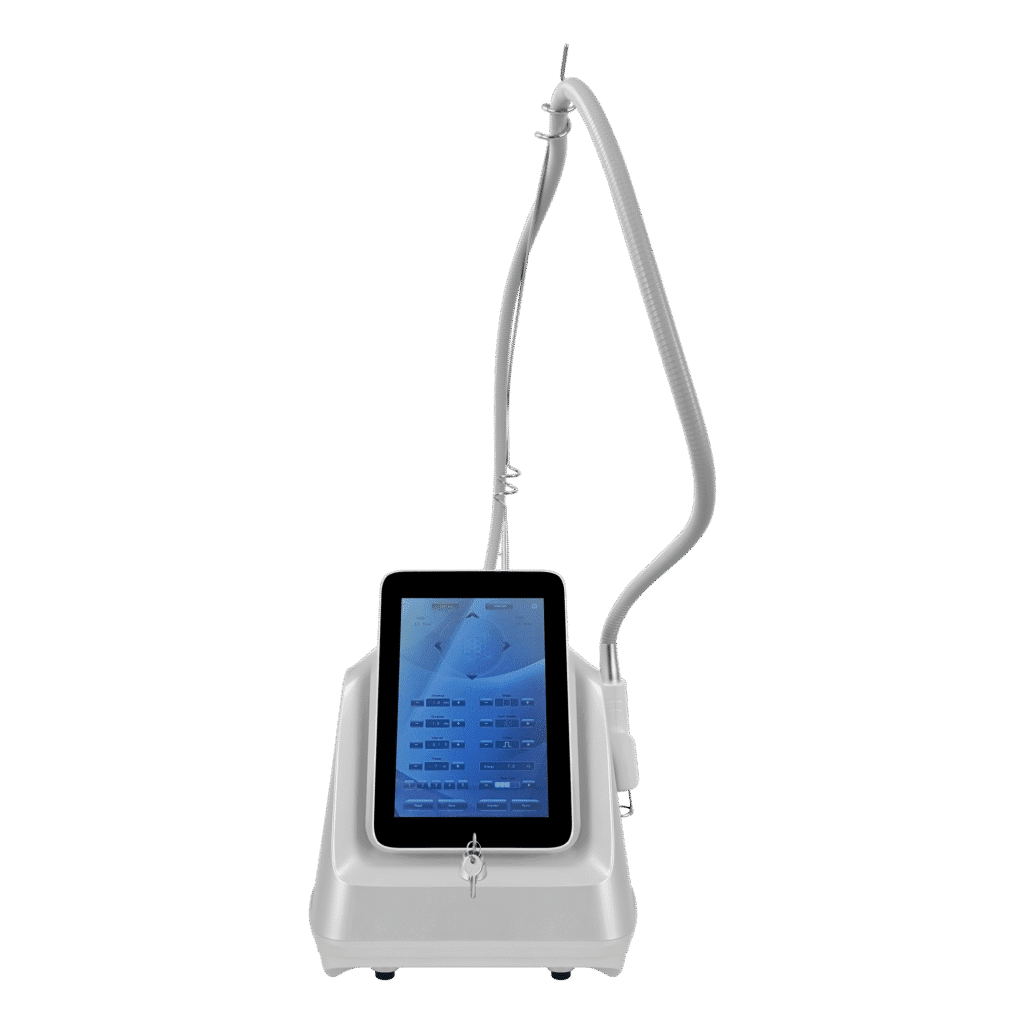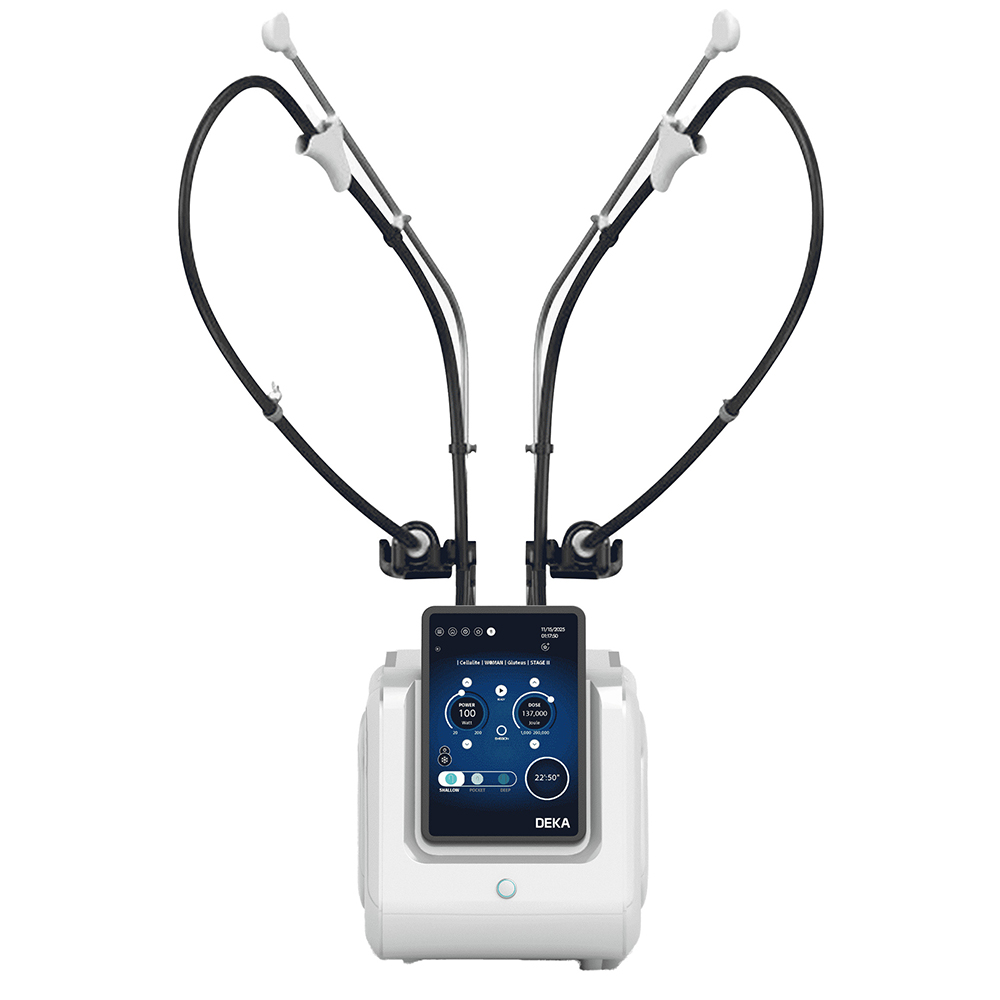











A beauty-device product page can be technically detailed and still leave the buyer unsure about the actual configuration. The title may identify one model while the specification table includes several possible options. Gallery images may show handles that are not standard. A function list may mix installed modules, compatible additions, and replacement items. When those elements disagree, distributors and aesthetic businesses cannot compare products or request an accurate quotation.
A configuration-accuracy audit checks whether every part of the page describes the same product identity and clearly separates fixed facts from selectable options. This guide provides a repeatable audit method for SHEFMON facial, laser hair-removal, HIFU, RF-microneedling, and body-care pages, including evidence rules, severity levels, model examples, and a pre-publication checklist.
Resumen ejecutivo
- Identify whether the page represents a parent model, one saleable configuration, or a product family before checking details.
- Compare the H1, model number, URL, metadata, gallery, specification table, included items, option language, and CTA.
- Mark every value as fixed, selectable, market-dependent, commercial, or unverified.
- Separate standard components from optional, special-order, consumable, replacement, and incompatible items.
- Confirm that images and captions do not imply that optional handles or applicators are included.
- Check component compatibility against the exact model and configuration revision.
- Treat voltage, plug, language, documents, and professional setting as explicit market fields.
- Prioritize errors that could change what the buyer orders or receives.
- Correct the controlled product record first, then republish all affected pages and sales documents.
- Re-audit pages after a model, configuration, component, market, or source change.
1. What a Configuration-Accuracy Audit Checks
A product-page audit asks whether a reasonable buyer can determine:
- the exact model being described;
- the device category and primary service role;
- whether the page represents one configuration or several choices;
- which functions are installed;
- which handles, applicators, cartridges, or heads are included;
- which components are optional;
- which requests need confirmation;
- which consumables must be reordered;
- which market or electrical version applies;
- which facts are current and approved;
- what information must be confirmed before quotation.
The audit is not a copywriting review alone. Grammar and layout matter, but the priority is whether the page can lead to the correct product selection and supply definition.
2. Decide What the Page Represents
Before checking individual specifications, assign the page one content type.
| Page type | What it should describe | Main configuration risk |
|---|---|---|
| Parent-model page | Shared identity, category, technology, and approved range of choices | Readers may assume every listed choice is included |
| Configuration page | One defined, saleable combination | The included package may be incomplete or inconsistent |
| Product-family page | Several related models and their differences | Models may be merged or compared with inconsistent fields |
| Component page | One handle, applicator, cartridge, head, or consumable | Compatibility may be too broad or missing |
| Bundle page | A commercial package containing active device or component configurations | Child product facts may be duplicated and become outdated |
Many accuracy problems begin because the page type is unclear. A parent-model page can list approved options, but it should not look like one package containing them all. A configuration page must resolve the choices and state what the buyer receives.
3. Establish an Approved Audit Baseline
Do not use another public page as the only source of truth. Assemble the current approved evidence for the page being reviewed.
The baseline can include:
- official model identification;
- current product page and source URL;
- approved configuration sheet;
- current specification table;
- included-items or packing list;
- component compatibility matrix;
- consumable and replacement list;
- approved market profiles;
- current manuals or labeling records;
- approved product images and captions;
- change history and effective date;
- written confirmation for unresolved model-specific choices.
Give each source an owner and date. When two sources disagree, record the conflict and pause the affected claim or option instead of selecting whichever value is easier to publish.
4. Capture a Page Snapshot Before Editing
Save enough information to reproduce what the buyer saw:
- page URL;
- page title and H1;
- publication and audit date;
- model number shown;
- screenshots of key sections;
- gallery image filenames or asset IDs;
- specification table;
- included and optional component lists;
- downloadable files;
- structured data or product feed values;
- CTA and inquiry-form fields;
- language and market version;
- page owner.
A snapshot supports change review and helps determine whether errors also appear in cached PDFs, distributor catalogs, social posts, or quotations.
5. Audit the Product Identity First
Check the elements that tell buyers what the product is.
URL and page title
The URL slug and SEO title should not identify a different model or technology. A legacy slug can remain when redirects or SEO continuity require it, but the visible page must be unambiguous.
H1 and model number
The H1, product code, and model field should match. Avoid joining two different models with a slash unless the page is explicitly a comparison or family page.
Category and service role
The assigned category should match the device’s main buyer-selection role. Broad tags can support discovery, but they should not replace one clear primary category.
Form factor and visual identity
The hero image and gallery should show the correct chassis and control interface for the model. If one page includes images from more than one configuration, label them.
An identity mismatch is usually a high-priority error because every later comparison and quotation depends on the correct model.
6. Audit Every Gallery Image and Caption
Images create strong inclusion expectations. Review each image against the approved configuration.
Preguntar:
- Does the console match the named model?
- Are the displayed handles compatible with that version?
- Are all pictured components included in the named package?
- If an item is optional, does the caption say so?
- Does a lifestyle image show equipment not sold with the device?
- Are cartridge, tip, or needle counts visually misleading?
- Does the plug, cable, label, or interface represent only one market version?
- Does the packaging image match the active configuration?
- Are diagrams tied to the correct handle or applicator?
Create an asset-to-configuration relationship so the same image is not reused automatically across incompatible pages. When one approved image illustrates multiple packages, add a visible statement that supplied contents depend on the selected configuration.
7. Audit the Specification Table Field by Field
For every row, identify the value type.
| Value type | Significado | Page treatment |
|---|---|---|
| Fixed | Same for every unit represented by the page | Display one approved value |
| Selectable | Buyer or distributor chooses from approved values | Label as an option and explain how it affects the configuration |
| Conditional | Depends on another handle, module, or component | Show the dependency beside the value |
| Market-dependent | Changes by electrical, language, document, or destination profile | State the relevant market rule or require confirmation |
| Commercial | Price, stock, lead time, promotion, or freight | Date it and keep it outside permanent technical specifications |
| Unverified | Source is missing, conflicting, or outdated | Remove from publication or mark for confirmation before use |
Check units, ranges, punctuation, and labels. A slash-separated string can hide several different option types. Convert it into structured choices when the buyer must select one value.
8. Distinguish Range Claims from One Configured Value
A parent-model page may describe the approved range of a product platform. A quotation-ready configuration must resolve the applicable values.
For example, if a page lists several handle powers, wavelength profiles, or spot sizes, determine whether:
- the buyer chooses one;
- one handle supports several values;
- the values belong to different handles;
- the values belong to different model revisions;
- every combination is approved;
- one value is standard and another optional;
- a selection affects price, packing, or compatibility.
Do not turn a range of possible specifications into one “maximum configuration” description. The page should help the buyer understand the choice and direct the exact selection into the inquiry or quotation workflow.
9. Audit Standard, Optional, and Special-Order Components
Every component shown or named should have a status for the page’s configuration.
Estándar
Automatically included at a defined quantity. It belongs in the included-items section.
Opcional
Compatible and approved for routine selection, but not included by default. It belongs in a clearly labeled options section.
Special Order
Requires case-specific technical, supply, or market confirmation. It should not appear as a normal selectable option.
Also identify consumables, replacements, service parts, incompatible items, and retired items. Do not use “accessories” as a catch-all label.
The audit should flag a component when its status is missing, appears differently in two sections, or conflicts with the current included-items schedule.
10. Audit Component Compatibility
A product page should not imply compatibility based only on appearance or a generic technology name. Check each handle, applicator, cartridge, head, or consumable against:
- exact parent model;
- device configuration;
- hardware or component revision when relevant;
- required companion parts;
- mutually exclusive choices;
- supported quantity;
- market conditions;
- active or retired status;
- verification source and date.
If a component is mentioned without a confirmed relationship, remove it from routine options or route it to a configuration review. A generic statement such as “compatible with all models” needs especially strong evidence.
11. Audit Included Quantities and Units
Names alone do not define a package. Check the quantity and unit of measure for:
- handles and applicators;
- cartridges and treatment heads;
- cables, tubing, containers, and connectors;
- tips and disposable items;
- opening consumables;
- protective accessories;
- manuals and documents;
- packaging units.
Use clear units such as piece, pair, box, pack, or set. If a set contains several items, define its contents. An included-items list that says “needle heads: 4” should explain whether that means four individual heads, four types, or four packs.
12. Audit Consumable and Replacement Information
Buyers need to understand what must be reordered and what can be replaced later.
Check whether the page:
- separates opening consumables from durable components;
- identifies compatible reorder items;
- states pack size or order unit;
- avoids implying unlimited use;
- distinguishes an optional extra from a replacement item;
- maps replacements to the correct device version;
- avoids publishing service-only parts as ordinary accessories;
- gives a route for compatibility confirmation.
The public page does not need every internal service detail. It does need enough structure to keep buyers from ordering an item based only on a similar name.
13. Audit Market and Electrical Information
Configuration accuracy includes the destination profile. Review:
- voltage and frequency;
- plug and power cable;
- interface language;
- manual and labeling language;
- destination-specific documents;
- packaging or markings;
- approved product claims;
- suitable professional setting;
- any local review or registration condition.
If several electrical values are shown, state whether they are automatic, selectable, or different product versions. Do not allow the shipping address alone to determine the final electrical configuration after the quotation has been approved.
Distributors and buyers should verify the requirements that apply in the destination market and to the intended professional use.
14. Audit the CTA and Inquiry Form
A product page may explain options correctly but lose that accuracy at the CTA. The inquiry form should carry the information needed to prepare the right offer.
Useful fields include:
- model number, populated from the page;
- intended business type;
- service goals;
- requested configuration or option;
- destination country or region;
- voltage, frequency, and plug;
- preferred language;
- opening consumables;
- requested quantity;
- timing;
- free-text clarification.
The confirmation email should repeat the model and selections. Avoid a generic “Request a Quote” form that sends only the page URL and buyer email when the page contains important configuration choices.
15. Audit A0423 and A0426 as Distinct Laser Pages
The current SHEFMON pages for the Láser de diodo A0423 y A0426 diode laser list choices involving wavelength arrangement, handle power, and spot size. An audit should determine how each choice works on each model page.
Check that:
- A0423 and A0426 retain separate model identities;
- title, H1, specification table, and images point to the same model;
- wavelength values are presented as fixed or selectable correctly;
- handle-power choices are tied to approved handles;
- spot sizes are linked to the correct configuration;
- cooling and electrical information are not copied from another model without verification;
- the CTA captures the choices needed for quotation;
- optional or alternative handles are not presented as standard inclusions.
Overlapping page values do not justify merging the models or assuming their components are interchangeable.
16. Audit A0648 Beyond the “9-in-1” Headline
El A0648 hydro microdermabrasion page positions the model as a 9-in-1 facial platform. The audit should connect that headline to a precise configuration.
Verify:
- the nine functions are named consistently;
- every named function matches a supplied or installed tool;
- gallery images show the correct handpieces;
- tips, solution containers, tubes, and accessories are identified;
- standard and optional items are separated;
- opening consumables have quantities;
- replacement or reorder information maps to the correct version;
- the page explains the intended facial-service role without unsupported outcome claims.
A function count is useful only when the page also explains the tools and package behind it.
17. Audit A0204 with a Handle and Cartridge Matrix
El A0204 focused HIFU page presents multiple functions and distinguishes standard and optional elements. Use a matrix during the audit.
| Audit field | Pregunta |
|---|---|
| Module or handle | Is it installed, included, optional, or subject to confirmation? |
| Cartridge | Which handle supports it? |
| Depth or size | Is the value tied to the correct cartridge? |
| Cantidad | How many are included in the named package? |
| Estado | Standard, Optional, Special Order, Replacement, or Retired? |
| Image | Does the image show the same component? |
| CTA | Can the buyer communicate the selected set? |
| Source | When and how was the relationship verified? |
Flag a page that shows every cartridge in one undifferentiated list. The buyer needs to know which set belongs to the displayed configuration.
18. Audit A0152 for Handle and Needle Accuracy
El A0152 RF-microneedling page lists handle arrangements and multiple needle-head types. Review both the equipment configuration and replenishment path.
Confirmar:
- the handle arrangement represented by the page;
- whether another arrangement is an option or a separate configuration;
- needle-head types and compatible handles;
- initial included quantities;
- reorder pack units;
- voltage version;
- image and specification consistency;
- any professional-setting wording that needs local review;
- the inquiry form’s ability to capture the selected configuration.
A future consumable order should be traceable to the installed device version. The product page should not encourage buyers to choose needle heads only by a broad product name.
19. Audit B0155 by Handle Set and Package Role
El B0155 body-care page describes different handles for body and smaller-area applications. The audit should determine whether the page represents one fixed package or a platform with selectable handle sets.
Controlar:
- which handles are standard;
- which are approved options;
- whether handle dimensions and functions align across text and tables;
- whether gallery images include nonstandard handles;
- whether package names map to defined contents;
- whether replacement handles have clear compatibility paths;
- whether the page distinguishes body-focused and broader service-menu roles.
If the distributor sells more than one B0155 package, give each configuration its own included-items schedule and revision date.
20. Assign Severity to Every Finding
Use severity to prioritize correction.
| Severity | Definición | Ejemplos | Release action |
|---|---|---|---|
| Critical | Can cause an unsafe, incompatible, prohibited, or materially wrong order | Wrong model, incompatible component, incorrect electrical version | Unpublish or block quotation immediately |
| Alto | Can materially change what the buyer expects or receives | Optional handle shown as standard, missing cartridge set, conflicting configuration | Correct before new inquiries are quoted |
| Medio | Reduces comparison or quotation clarity | Missing quantity, unclear option label, incomplete CTA field | Schedule prompt correction |
| Bajo | Editorial issue with limited configuration impact | Inconsistent capitalization or minor layout problem | Correct during normal page maintenance |
Severity should reflect buyer and fulfillment impact, not only how visible the problem is.
21. Use a Page Accuracy Scorecard
Score each section as Pass, Needs Correction, Confirmation Required, or Not Applicable.
Recommended sections:
- page identity;
- category and service role;
- hero image and gallery;
- fixed specifications;
- selectable specifications;
- included components;
- optional and special-order components;
- compatibility;
- quantities and units;
- consumables and replacements;
- market and electrical profile;
- claims and professional-setting language;
- CTA and inquiry data capture;
- source evidence and review date;
- consistency with catalog and quotation records.
Do not reduce the result to one percentage without keeping the individual findings. A page with one critical mismatch should not pass because many minor fields are correct.
22. Correct the Source Before Correcting the Page
Use this sequence:
- Confirm the finding against current evidence.
- Correct or approve the controlled product and configuration record.
- Identify every affected page, catalog, PDF, comparison table, bundle, and quotation template.
- Update text, tables, images, captions, downloadable files, metadata, and structured data.
- Test the inquiry form and confirmation email.
- Obtain technical and editorial approval.
- Publish the page with an effective date or revision reference.
- Verify the live result on desktop and mobile.
- Record the correction and close the finding.
Editing the web page first can leave the master record and sales tools wrong. The next automated update may restore the old error.
23. Re-Audit Trigger Events
Do not wait only for an annual review. Trigger an audit when:
- a model or configuration launches;
- a handle, applicator, cartridge, or needle option changes;
- an included quantity changes;
- a component becomes optional, special order, replacement only, or retired;
- a market or electrical profile changes;
- a new product image or PDF is uploaded;
- a quotation error reveals a page ambiguity;
- buyers repeatedly ask the same configuration question;
- source documents conflict;
- a bundle changes one of its child products;
- a page is translated or adapted for another market.
High-traffic and high-option pages deserve more frequent review than simple fixed-configuration pages.
24. Assign Audit Ownership
| Role | Main audit responsibility |
|---|---|
| Product manager | Model identity, category, buyer role, and page scope |
| Technical reviewer | Specifications, component status, compatibility, and dependencies |
| Content editor | Page hierarchy, labels, tables, captions, and clarity |
| Sales operations | Catalog and quotation consistency, CTA fields, and active status |
| Inventory or purchasing | Current component references and availability fields |
| Local compliance reviewer | Market wording, documents, claims, and professional setting |
| Web manager | Publishing, redirects, structured data, form behavior, and live-page QA |
One owner should coordinate closure, but the page should not be declared accurate on editorial review alone.
25. Product-Page Audit Checklist
- URL, title, H1, and model number identify the same product.
- Page type is defined: parent model, configuration, family, component, or bundle.
- Primary category and service role are clear.
- Hero and gallery images match the model and configuration.
- Optional items in images are labeled.
- Every specification is fixed, selectable, conditional, market-dependent, commercial, or unverified.
- Standard, Optional, and Special Order components are separated.
- Compatibility relationships are confirmed.
- Included quantities and units are explicit.
- Consumables, replacements, and service parts are distinguished.
- Voltage, frequency, plug, language, and destination profile are clear.
- CTA fields capture configuration choices.
- Current evidence and review dates are recorded.
- Critical and high findings are resolved before release.
- Live desktop and mobile pages have been checked after publication.
Preguntas frecuentes
1. What is a beauty-device product-page configuration audit?
It is a structured review of whether the page’s identity, specifications, images, components, market details, and inquiry path describe the same model or saleable configuration accurately.
2. Should a product page represent one configuration or a whole model range?
Either can work, but the page type must be explicit. A model-range page should label selectable values and avoid implying that all options are included. A configuration page should resolve the choices and list the exact package.
3. What is the most serious product-page error?
A wrong model, incompatible component, or incorrect electrical configuration is usually critical because it can lead directly to the wrong order. Optional items shown as standard are also high-priority findings.
4. How should optional handles appear in images?
Use a caption or nearby component list that identifies them as optional. The page should not rely on a distant disclaimer to correct a hero image that appears to show the standard package.
5. How should A0423 and A0426 pages be audited?
Keep the model identities separate and check wavelength, handle power, spot size, cooling, electrical information, images, and CTA selections against each page’s approved options. Do not infer cross-model handle compatibility.
6. How should the A0204 cartridge list be checked?
Map every cartridge to its handle, depth or size, status, included quantity, compatible configuration, image, and verification source. Separate the standard set from approved options and unresolved requests.
7. What should be checked on an A0152 consumables section?
Confirm needle-head types, compatible handle arrangement, opening quantities, reorder units, device revision, and voltage profile. Reorders should link back to the installed configuration.
8. Is a product image enough to prove that a component is included?
No. Inclusion should come from an approved configuration or packing record. Images must be mapped and captioned according to that record.
9. How often should beauty-device product pages be audited?
Set a regular schedule based on page risk and traffic, then add event-driven audits after configuration, component, market, image, document, or translation changes and after any quotation error linked to page ambiguity.
10. When should SHEFMON be contacted during an audit?
Contact SHEFMON when current approved records do not resolve a model option, included component, compatibility relationship, market version, replacement, or conflicting specification. Send the exact URL, model, disputed field, intended market, and supporting evidence through the SHEFMON contact page.
Conclusión
Configuration accuracy depends on agreement across the entire product page. The model identity, images, specification table, component statuses, quantities, market profile, and inquiry form must all describe the same product scope. Auditors should prioritize findings that could change what a buyer selects, orders, or receives.
Build the audit around approved product records, record evidence and severity, correct the source before republishing the page, and trigger a new review whenever a configuration changes. Explore the SHEFMON beauty-device range y Contacta con SHEFMON when a page contains configuration details that cannot be confirmed from current approved information.