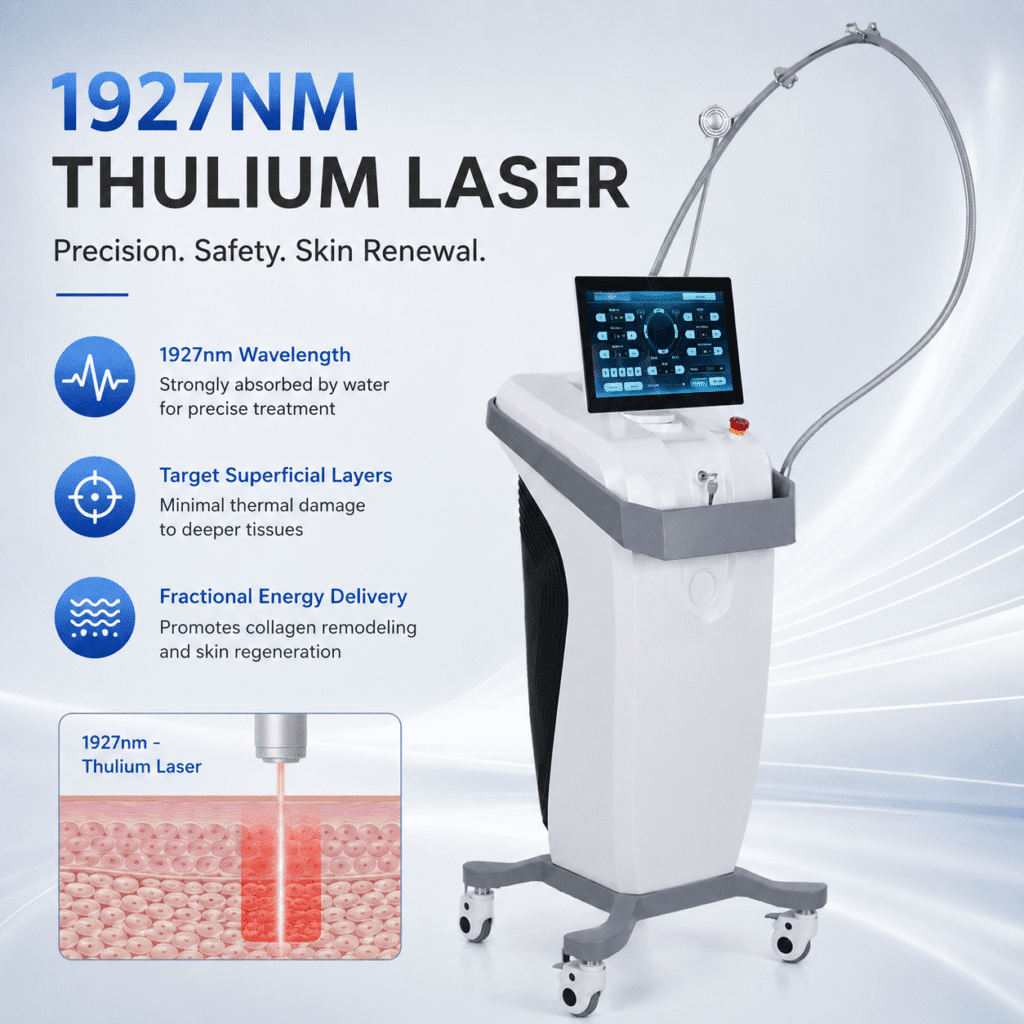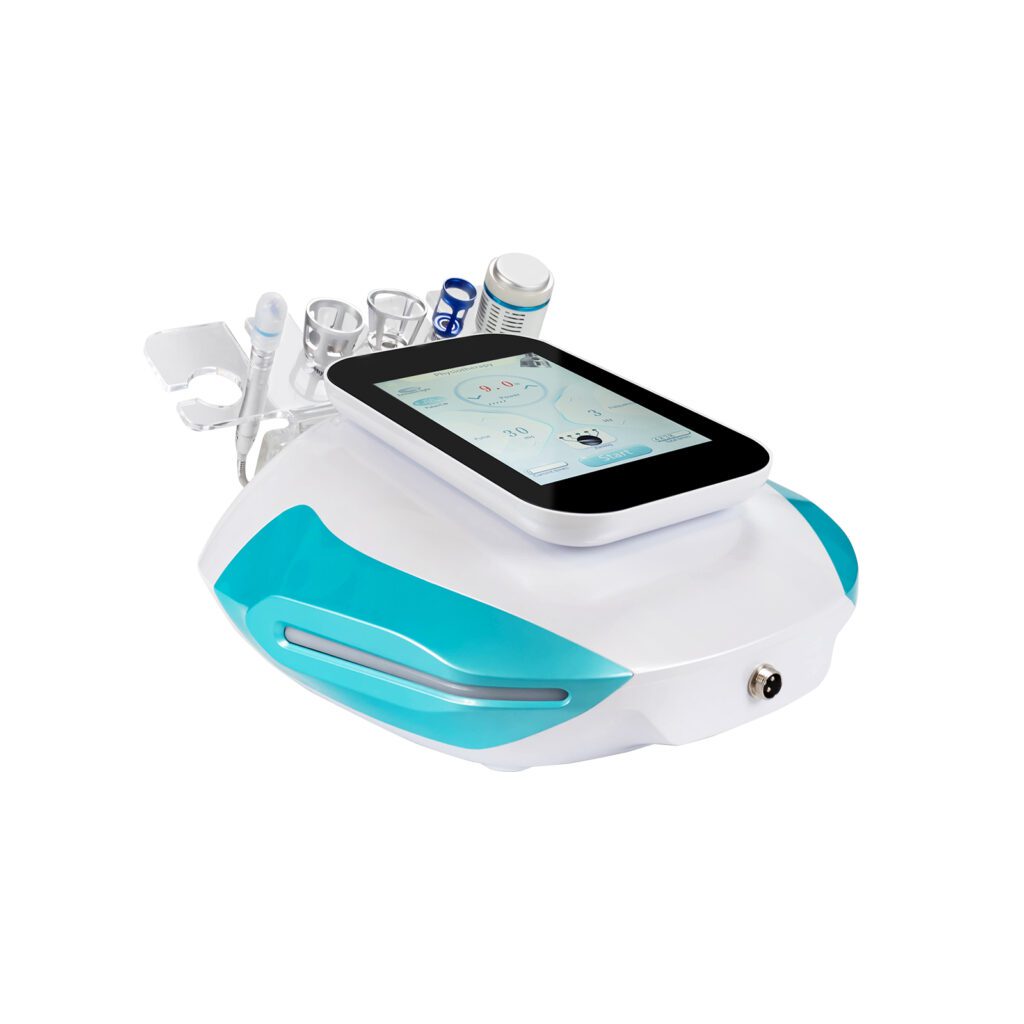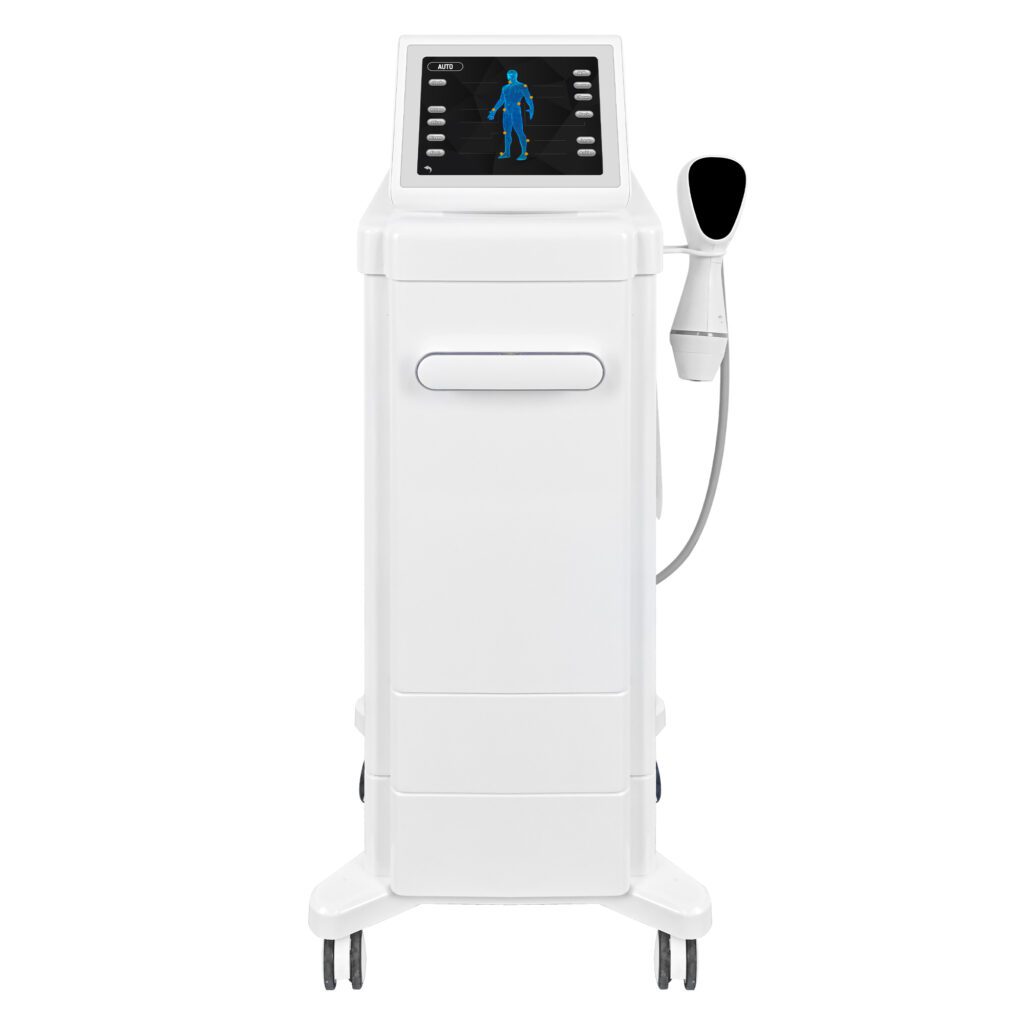










Introducción
La compra de una máquina de belleza no finaliza cuando se entrega el aparato.
Para salones de belleza, clínicas y distribuidores, la verdadera prueba comienza una vez que el dispositivo empieza a funcionar a diario.
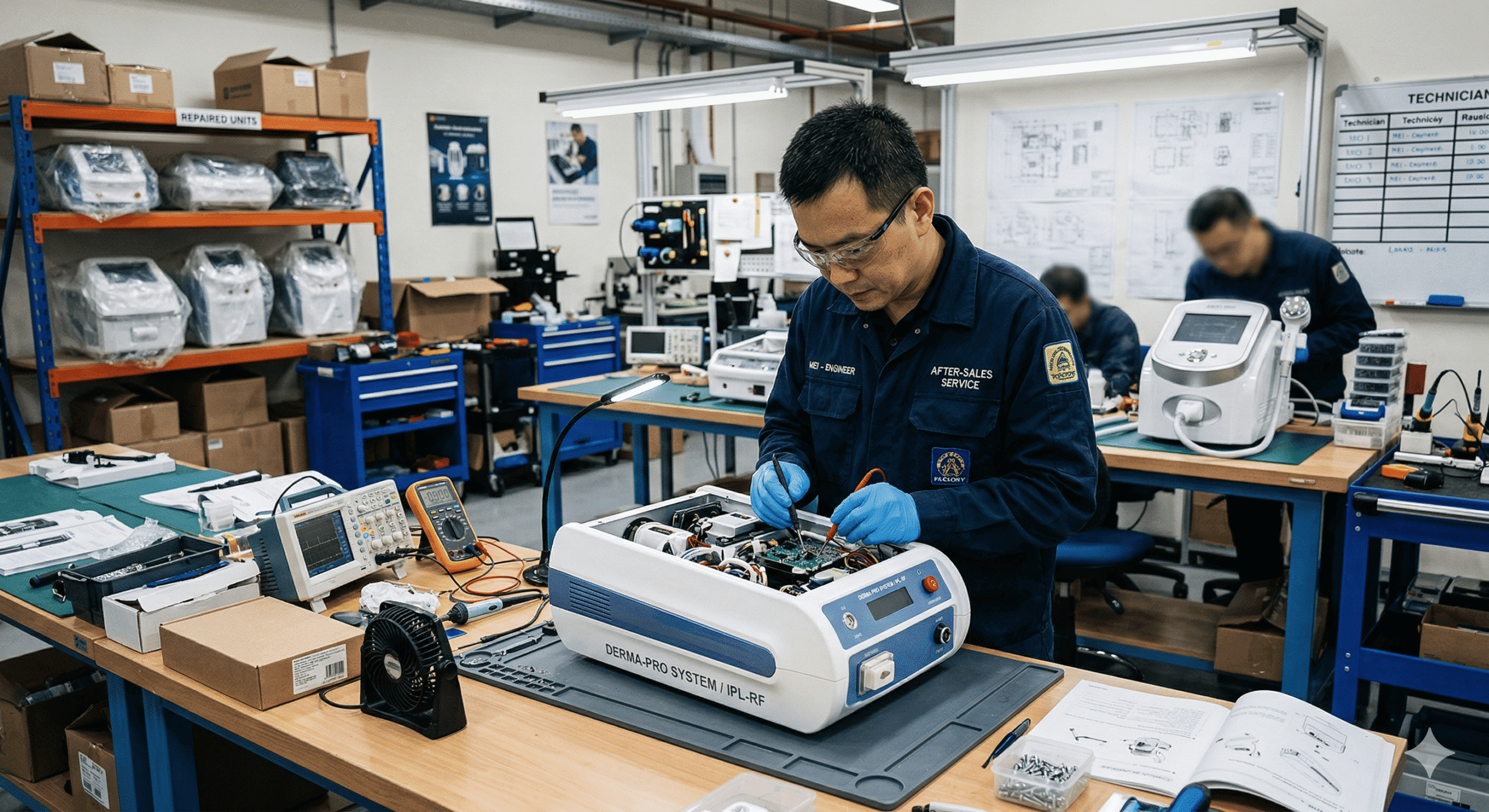
Si una manija deja de funcionar, la pantalla muestra un error, el sistema de refrigeración necesita revisión o hay que reemplazar una pieza, el comprador necesita algo más que un mensaje de ventas amable. El comprador necesita un proceso claro de garantía y asistencia técnica.
Por ello, la garantía, la reparación y el servicio de atención al cliente posventa son temas importantes en la categoría de Soporte y Logística.
El comprador debe entender:
- qué cubre la garantía
- ¿Cuánto dura el período de garantía?
- si los accesorios tienen diferente cobertura
- cómo se diagnostican los problemas técnicos
- ¿Qué sucede después de que expira la garantía?
- si la solución de problemas remota está disponible
- si se pueden suministrar piezas de repuesto
- cómo los compradores internacionales reciben apoyo
Enlaces recomendados de SHEFMON:
- Sistema de soporte posventa de SHEFMON
- Categoría de Soporte y Logística de SHEFMON
- Máquinas de belleza SHEFMON
1. Los términos de la garantía deben estar claros antes del pago.
Antes de adquirir cualquier equipo de belleza profesional, los compradores deben confirmar por escrito los términos de la garantía.
Una explicación útil de la garantía debe incluir:
- período de garantía de la máquina principal
- período de garantía del accesorio
- ¿Qué se considera un problema de garantía?
- ¿Qué queda excluido de la garantía?
- si el costo de envío está incluido
- ya sea que las piezas se reparen o se reemplacen
- ¿Qué pruebas se necesitan para una reclamación?
- quién realiza la reparación
- cuánto tiempo suele tardar el diagnóstico
La información de servicio posventa publicada por SHEFMON indica que todas las máquinas incluyen una garantía de 1 año para el equipo principal y una garantía de 3 meses para los accesorios.
Para los compradores, este es un punto de partida práctico.
Sin embargo, el comprador debe confirmar la garantía para el modelo y pedido exactos, ya que los accesorios, consumibles, asas opcionales y configuraciones personalizadas pueden tener condiciones diferentes.
2. El equipo principal y los accesorios deben evaluarse por separado.
Un error común es suponer que todos los artículos del paquete tienen la misma garantía.
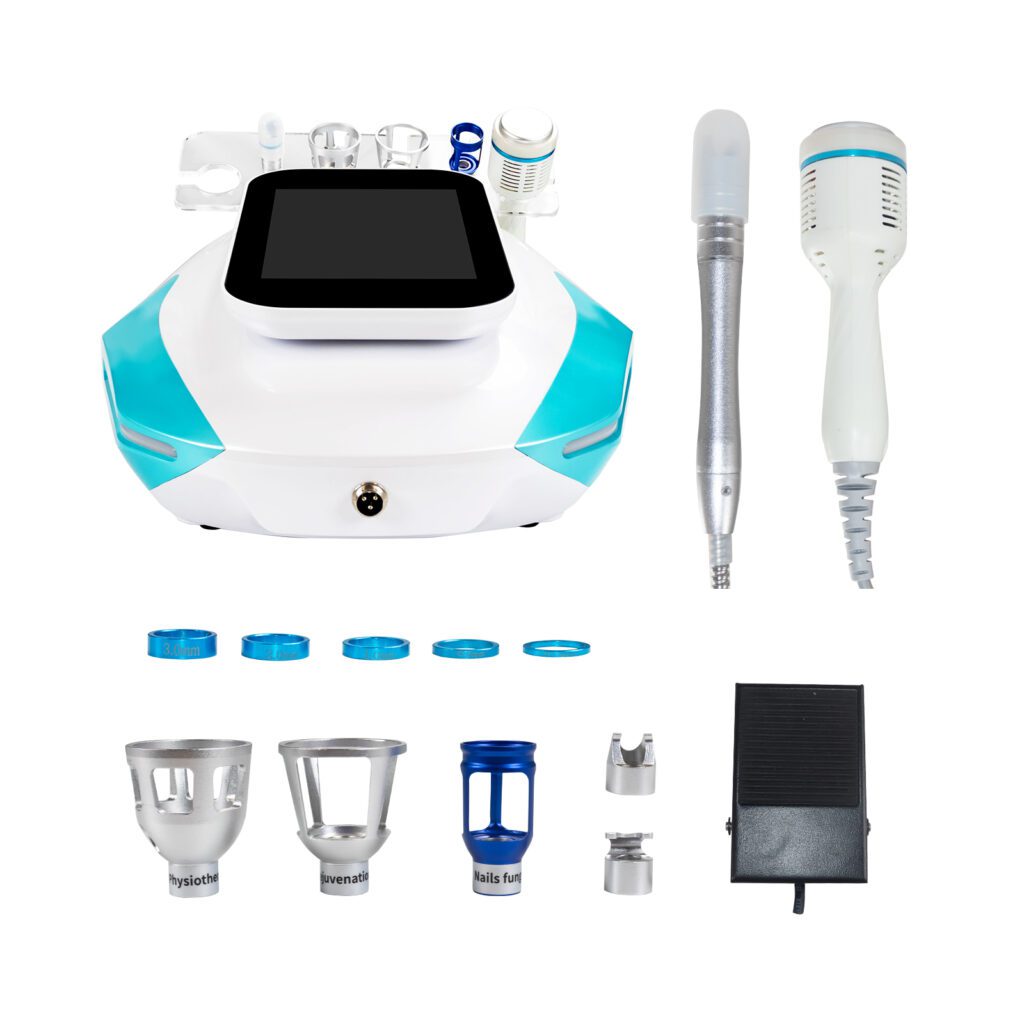
Las máquinas de belleza profesionales suelen incluir:
- unidad principal
- piezas de mano
- aplicadores
- cables
- botellas
- filtros
- consejos de tratamiento
- interruptores de pie
- accesorios de refrigeración
- membranas o consumibles
- asas opcionales
La unidad principal y los accesorios pueden presentar diferentes patrones de fallo, ciclos de sustitución y periodos de garantía.
Por ejemplo, una máquina láser de diodo, una máquina HydraFacial, un dispositivo EMSlim, un sistema de criolipólisis y un dispositivo HIFU tienen estructuras de accesorios diferentes.
Los compradores deben solicitar una lista de garantía específica para cada modelo.
Preguntas útiles:
- ¿Qué elementos se consideran equipo principal?
- ¿Qué artículos se consideran accesorios?
- ¿Qué artículos son consumibles?
- ¿Qué artículos no están cubiertos por la garantía?
- ¿Están cubiertos los daños accidentales?
- ¿Qué ocurre si una manija falla durante el período de garantía?
- ¿Están cubiertos los gastos de envío de las piezas de repuesto?
Esto evita disputas posteriores.
3. El diagnóstico remoto debe ser el primer paso.
No todos los problemas de una máquina requieren una reparación física.
Algunos problemas pueden ser causados por:
- configuración incorrecta
- Conexión de accesorio incorrecta
- Nivel de agua o problema con el filtro
- configuración del software
- Desajuste de la fuente de alimentación
- tubería bloqueada
- conector suelto
- error de secuencia de operación
El sistema de soporte de SHEFMON incluye diagnósticos remotos, orientación para reparaciones y recomendaciones de reemplazo tanto después del período de garantía como durante el soporte.
Para los compradores internacionales, el diagnóstico remoto es especialmente importante porque puede reducir el tiempo de inactividad y evitar envíos innecesarios.
Un buen proceso de diagnóstico remoto debería recopilar:
- número de modelo
- número de serie
- información del pedido
- descripción clara de la falla
- fotos de la máquina
- vídeos que muestran el problema
- capturas de pantalla de códigos de error
- fotos de conexión de accesorios
- Información sobre potencia y voltaje
- historial de uso o transporte reciente
Cuanto mejores sean las pruebas aportadas por el comprador, más rápido podrá el equipo técnico identificar el problema.
4. El soporte para reparaciones debe tener un camino claro.
Tras el diagnóstico, el proveedor debe orientar al comprador hacia la solución de reparación adecuada.
Entre las posibles soluciones se incluyen:
- corrección del operador
- restablecimiento de parámetros
- reconexión de accesorios
- limpieza o mantenimiento
- reemplazo de una pieza pequeña
- Sustitución de una pieza de mano o aplicador
- Reparación realizada por un técnico local
- Reparación de fábrica
- envío de una pieza de repuesto para su instalación
El comprador debe preguntar qué reparaciones se pueden realizar localmente y qué reparaciones deben ser realizadas por el proveedor o un técnico autorizado.
Esto es importante porque las reparaciones no autorizadas pueden afectar la seguridad, la calibración, la garantía y el soporte técnico futuro.
Las directrices de mantenimiento de la Organización Mundial de la Salud dividen el mantenimiento en inspección, mantenimiento preventivo y mantenimiento correctivo. Para los equipos de belleza comerciales, esta distinción resulta útil:
- La inspección comprueba si la máquina funciona correctamente.
- El mantenimiento preventivo reduce el riesgo de fallos futuros.
- La reparación correctiva restaura la máquina después de una falla.
Un sistema de posventa serio debería respaldar las tres ideas.
5. La red de reparaciones en el extranjero puede reducir el tiempo de inactividad.
Los compradores internacionales suelen preocuparse por el tiempo de reparación.
Si cada pequeño problema requiere enviar una máquina grande de vuelta a China, el tiempo de inactividad puede resultar costoso.
La página de servicio posventa de SHEFMON indica que los almacenes y puntos de servicio en el extranjero están ubicados en Estados Unidos y el sudeste asiático para brindar una respuesta más rápida y soluciones de reparación locales cuando sea necesario.
Para los distribuidores y los grandes compradores, este es un punto de venta importante.
Puede ser útil para:
- Acceso más rápido a las piezas
- coordinación de reparaciones locales
- reducción de la presión sobre el transporte marítimo internacional
- Menor tiempo de inactividad para los clientes clave
- Mayor confianza para los salones de belleza en el extranjero.
Los compradores deben confirmar si su país, modelo y tipo de carcasa exactos cuentan con soporte local.
La mejor pregunta no es solo:
“¿Cuentan con apoyo internacional?”
La pregunta más pertinente es:
“Para este modelo y este país, ¿qué opciones de reparación existen si falla la unidad principal, el asa o algún accesorio?”
6. La asistencia post-garantía es importante para los compradores a largo plazo.
La garantía solo cubre el primer período de soporte.
Un salón de belleza puede usar una máquina durante varios años. Un distribuidor puede brindar soporte a cientos de máquinas instaladas en el mercado local.
Por eso, el soporte post-garantía es fundamental.
Según la información de servicio posventa de SHEFMON, los equipos técnicos continúan brindando diagnósticos remotos, orientación para reparaciones y recomendaciones de reemplazo después de que expire la garantía.
Para los distribuidores, esto es importante porque la confianza del cliente a largo plazo depende del apoyo que se brinde más allá del primer año.
El soporte posterior a la garantía debe incluir:
- piezas de repuesto pagadas
- Asesoramiento de reparación de pago
- diagnóstico técnico
- confirmación de compatibilidad de accesorios
- recomendaciones de manijas de repuesto
- asesoramiento sobre modelos descontinuados
- consejos de mantenimiento
- Sugerencias de mejora cuando la reparación no es económica
El distribuidor debe explicar claramente a los clientes de los salones de belleza el servicio de asistencia posterior a la garantía, para que no esperen reemplazos gratuitos ilimitados para siempre.
7. Qué deben preparar los compradores para una reclamación de garantía.
Para agilizar la asistencia en garantía, los compradores deben mantener registros organizados.
Los discos recomendados incluyen:
- número de factura o pedido
- modelo de máquina
- número de serie
- fecha de compra
- fecha de entrega
- fecha de instalación
- fecha de capacitación del personal
- fotos de la llegada del paquete
- fotos antes del primer uso
- registro de mantenimiento
- historial de informes de fallas
- videos de cualquier tema
Cuando se produce un problema, el comprador debe informar:
- ¿Qué pasó?
- ¿Cuándo ocurrió?
- ¿Qué modo o función se estaba utilizando?
- ¿Apareció algún mensaje de error?
- ¿La máquina sufrió transporte, impacto, agua, sobrecalentamiento o alimentación eléctrica inestable?
- ¿Se ha sustituido algún accesorio recientemente?
- ¿Se puede repetir el problema?
Esto ayuda al proveedor a distinguir entre fallas de la máquina, problemas con los accesorios, problemas de funcionamiento y problemas ambientales.
8. Lista de verificación del distribuidor antes de importar
Los distribuidores deberían preguntar:
- ¿Cuál es el período de garantía de la máquina principal?
- ¿Cuál es el período de garantía de los accesorios?
- ¿Qué artículos son consumibles?
- ¿Qué pruebas se requieren para una reclamación de garantía?
- ¿Quién paga el flete de las piezas de repuesto?
- ¿Qué tipo de soporte de diagnóstico remoto está disponible?
- ¿Se puede proporcionar orientación para la reparación mediante vídeo?
- ¿Hay puntos de servicio locales disponibles en mi región?
- ¿Qué piezas deberían almacenarse localmente?
- ¿Hay disponibles manijas y accesorios de repuesto después de la garantía?
- ¿Cuál es el proceso de reparación después de que expire la garantía?
- ¿Qué ocurre si se deja de fabricar un modelo?
Las respuestas ayudan a los distribuidores a comparar proveedores más allá de las fotos de los productos y el precio inicial.
Respuesta final
Los compradores deben evaluar la garantía y el servicio de reparación de las máquinas de belleza antes de realizar un pedido.
Un buen sistema de posventa debe incluir términos de garantía claros, cobertura independiente para accesorios, diagnóstico remoto, orientación para reparaciones, recomendaciones de reemplazo, suministro de repuestos y soporte técnico posterior al período de garantía.
Para los compradores de SHEFMON, la información de soporte publicada incluye una garantía de 1 año para el equipo principal, una garantía de 3 meses para los accesorios, diagnóstico remoto, guía de reparación, recomendaciones de reemplazo y puntos de servicio en el extranjero en los Estados Unidos y el sudeste asiático.
El mejor mensaje de compra es:
No compre solo una máquina de belleza. Confirme la garantía, el servicio de reparación y la asistencia posventa a largo plazo que garantizan la utilidad de la máquina después de la entrega.
Preguntas frecuentes
1. ¿Cuál es la garantía básica de SHEFMON?
La página de servicio posventa publicada por SHEFMON indica que las máquinas incluyen una garantía de 1 año para el equipo principal y de 3 meses para los accesorios. Los compradores deben confirmar las condiciones exactas para su modelo y pedido.
2. ¿Los accesorios están cubiertos de la misma manera que la máquina principal?
No siempre. Los accesorios suelen tener diferentes periodos de garantía y normas de sustitución. Solicite la lista de garantía específica para su modelo.
3. ¿Qué deben hacer los compradores cuando una máquina tiene un problema?
Recopile el número de modelo, el número de serie, fotos, vídeos, mensajes de error y detalles de funcionamiento, y luego póngase en contacto con el soporte técnico para obtener un diagnóstico remoto.
4. ¿Se puede solucionar cualquier problema de forma remota?
No. Algunos problemas se pueden solucionar mediante asistencia remota, mientras que otros pueden requerir piezas de repuesto, reparación local o reparación en fábrica.
5. ¿Por qué es importante el soporte post-garantía?
Las máquinas pueden utilizarse durante años después de que finalice la garantía. Los diagnósticos posteriores a la garantía, la orientación sobre reparaciones y las recomendaciones de piezas ayudan a proteger el valor del equipo a largo plazo.
6. ¿Deberían los distribuidores mantener repuestos en stock localmente?
Sí, para accesorios de alta rotación y artículos esenciales. Un stock de seguridad local puede reducir el tiempo de inactividad del salón.
7. ¿Qué deben confirmar los compradores antes de realizar el pago?
Confirme el período de garantía, la cobertura de los accesorios, el proceso de reparación, la responsabilidad del flete, la disponibilidad de repuestos y el soporte post-garantía.
Fuentes utilizadas
- Sistema de soporte posventa de SHEFMON: https://shefmon.com/complete-after-sales-support-system-for-aesthetic-equipment-training-warranty-and-global-service-network/
- Categoría de Soporte y Logística de SHEFMON: https://shefmon.com/category/business-center/support-logistics/
- Categoría de máquinas de belleza SHEFMON: https://shefmon.com/beauty-machines/
- Descripción general del programa de mantenimiento de equipos médicos de la OMS: https://www.who.int/publications/i/item/9789241501538