








Comparta soluciones optimizadas, conocimiento profesional sobre válvulas y novedades de la industria.
Introduce los términos o palabras clave que necesitas consultar y los artículos relevantes aparecerán en los resultados de búsqueda. Si no encuentras la respuesta que buscas, no dudes en contactarnos y estaremos encantados de ayudarte. También puedes enviar un correo electrónico directamente a beauty@shefmon.com.
¿Cómo pueden los operadores reducir los riesgos del tratamiento de microagujas por radiofrecuencia?
- Shefmon
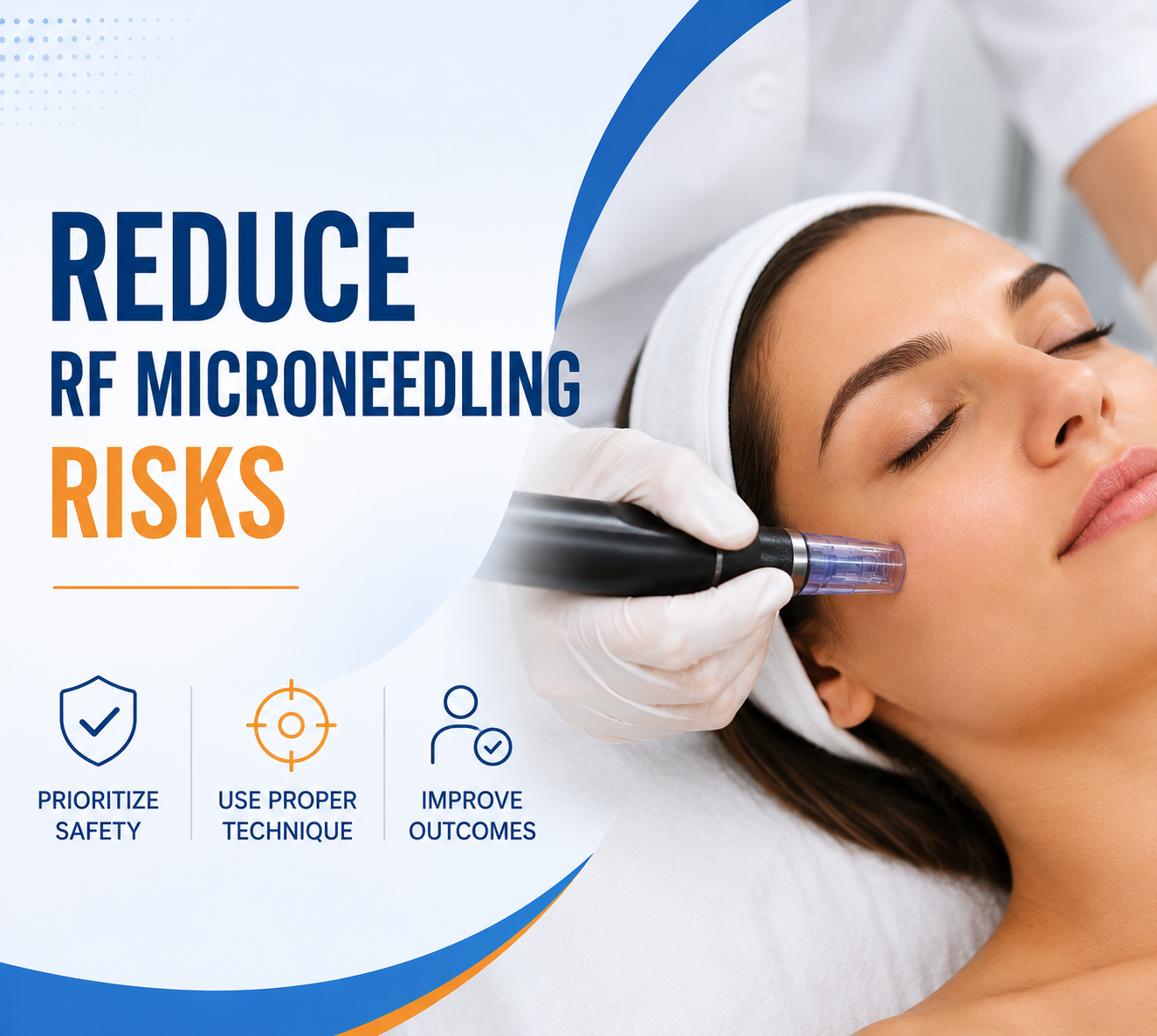
La microaguja de radiofrecuencia (RF) se ha convertido en uno de los tratamientos estéticos más populares para el rejuvenecimiento de la piel, la reducción de cicatrices, la mejora de arrugas y el estiramiento cutáneo. Al combinar la penetración controlada de las microagujas con la energía de radiofrecuencia (RF), el tratamiento estimula la remodelación del colágeno en múltiples profundidades tisulares, minimizando el daño a la superficie de la piel. Sin embargo, como cualquier procedimiento basado en energía, la microaguja de RF conlleva riesgos potenciales si la selección del paciente, los parámetros del tratamiento o el funcionamiento del dispositivo no se gestionan adecuadamente. Pueden producirse complicaciones como quemaduras, eritema prolongado, hiperpigmentación postinflamatoria, infección y resultados desiguales si se ignoran los protocolos de seguridad. Por lo tanto, los profesionales deben comprender cómo optimizar los ajustes del tratamiento, seleccionar los aplicadores adecuados y seguir procedimientos basados en la evidencia para maximizar los resultados y minimizar los riesgos.
1. Realizar una evaluación exhaustiva del paciente.
1.1 Evaluar el tipo de piel y el historial médico.
El primer paso para reducir los riesgos de la microaguja por radiofrecuencia es comprender el estado de la piel del paciente y sus antecedentes médicos.
Los operadores deben evaluar:
- tipo de piel Fitzpatrick
- infecciones cutáneas activas
- Antecedentes de cicatrices queloides o hipertróficas
- Trastornos autoinmunes
- Uso de isotretinoína
- estado de embarazo
- Procedimientos cosméticos recientes
- Tendencia a la hiperpigmentación
Los pacientes con infecciones de acné activas, heridas abiertas o afecciones cutáneas no controladas podrían no ser candidatos adecuados hasta que se resuelvan estos problemas.
1.2 Identificar los objetivos del tratamiento
Las distintas preocupaciones requieren diferentes profundidades de tratamiento y ajustes de energía. Por ejemplo:
- Las líneas finas a menudo requieren un tratamiento superficial.
- Las cicatrices del acné pueden necesitar una penetración más profunda.
- La flacidez de la piel en el cuerpo a menudo requiere una administración de radiofrecuencia más profunda.
- Las zonas sensibles alrededor de los ojos requieren ajustes conservadores.
Un plan de tratamiento personalizado ayuda a evitar el sobretratamiento y los traumatismos tisulares innecesarios.
2. Elija la configuración de aguja adecuada.
2.1 Adapte las puntas de las agujas a las zonas de tratamiento.
Las plataformas modernas de microagujas por radiofrecuencia ofrecen múltiples configuraciones de agujas para mejorar la precisión del tratamiento.
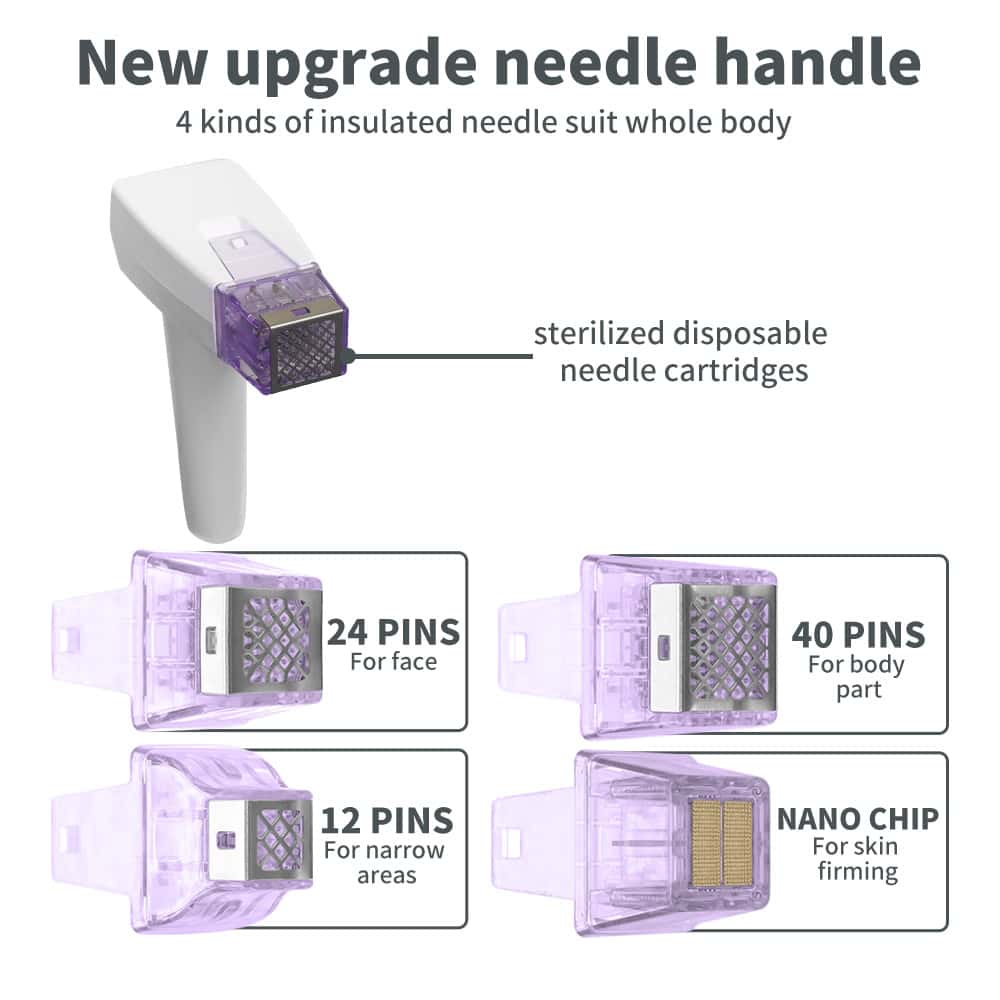
Por ejemplo, el Máquina de radiofrecuencia MNRF de profundidad 8 Proporciona cuatro cabezales de tratamiento intercambiables:
- Punta de 12 pines para tratamientos faciales específicos
- Punta de 24 pines para procedimientos de rejuvenecimiento
- Punta de 40 pines para áreas corporales más grandes
- Punta de nanoaguja para aplicaciones en pieles sensibles
Seleccionar la punta correcta garantiza una transmisión de energía eficiente, minimizando al mismo tiempo las lesiones innecesarias en los tejidos circundantes.
2.2 Uso de nanoagujas para pieles delicadas
Los pacientes con piel sensible, tejidos finos o que se someten por primera vez a microagujas de radiofrecuencia pueden beneficiarse de los tratamientos con nanoagujas. Estos tratamientos mejoran la textura de la piel con un menor tiempo de recuperación y un menor riesgo de irritación en comparación con la penetración más profunda de las agujas.
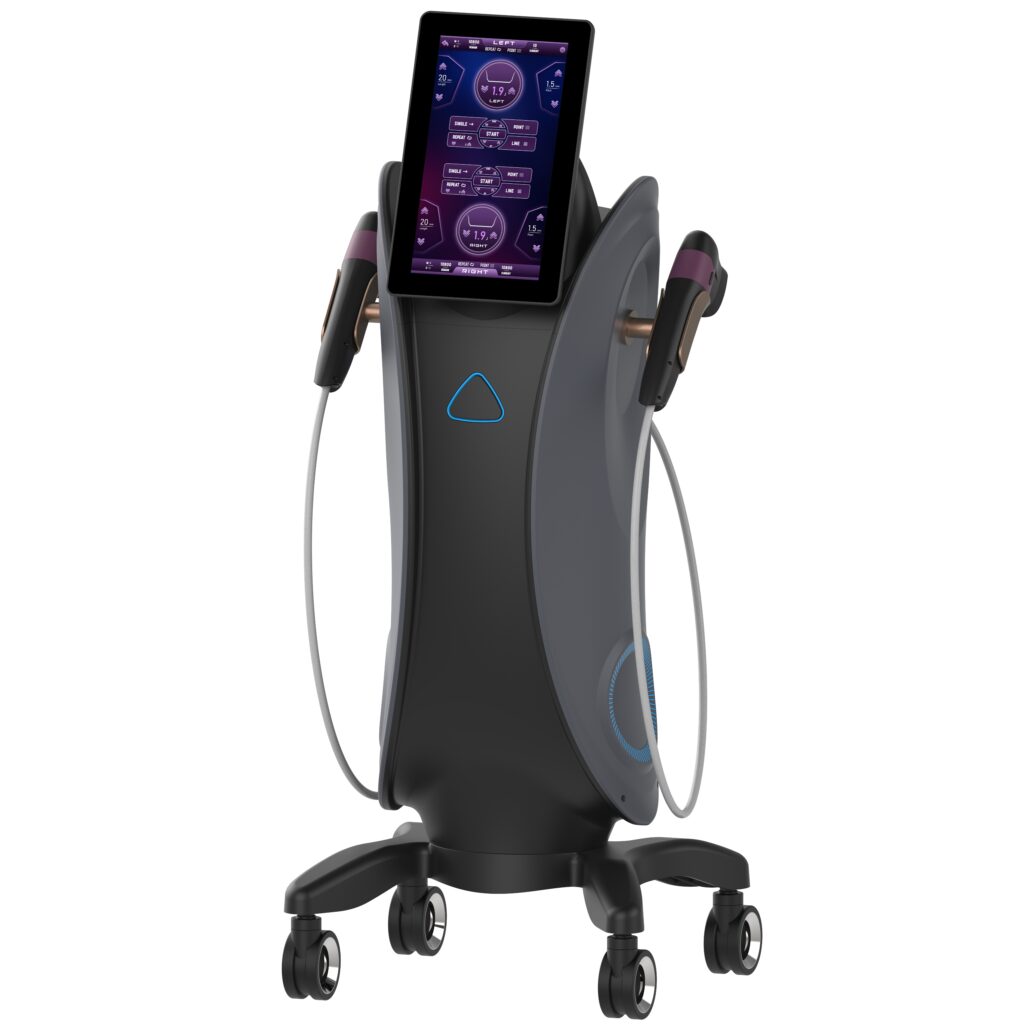
Máquina de microagujas de radiofrecuencia fraccionada A0157
3. Controlar con precisión la profundidad del tratamiento
3.1 Evitar la penetración excesiva
Uno de los factores de seguridad más importantes en la microaguja por radiofrecuencia es la profundidad del tratamiento.
Una mayor penetración no siempre es mejor. Una profundidad excesiva puede aumentar:
- Dolor
- Hinchazón
- Moretones
- Irritación nerviosa
- Recuperación prolongada
Los operadores deben elegir la profundidad mínima necesaria para lograr el resultado clínico deseado.
3.2 Utilizar el control de profundidad computarizado
Sistemas avanzados como el A0157 MNRF Profundidad 8 Microneedling RF Incorpora un sistema de ajuste computarizado de la profundidad de tratamiento, desde 1 mm hasta 7 mm, junto con un perfil térmico adicional de 1 mm.
Este nivel de precisión permite a los profesionales adaptar los tratamientos según:
- Grosor facial
- zonas de tratamiento corporal
- Gravedad de la cicatriz
- Sensibilidad de la piel
Un control preciso de la profundidad reduce la probabilidad de un tratamiento excesivo y favorece resultados más consistentes.
4. Optimizar la configuración de energía de radiofrecuencia
4.1 Comience con cautela
Un error común entre los operadores inexpertos es utilizar ajustes de energía de radiofrecuencia excesivamente altos.
Si bien los dispositivos potentes pueden generar una remodelación tisular significativa, un tratamiento demasiado agresivo puede aumentar el riesgo de:
- quemaduras térmicas
- Inflamación excesiva
- Hiperpigmentación
- Cicatrización retardada
Generalmente, es más seguro comenzar con una configuración conservadora y ajustarla gradualmente en función de la respuesta del paciente.
4.2 Comprender las capacidades del dispositivo
El sistema MNRF Depth 8 ofrece hasta 300 W de potencia de radiofrecuencia y puede alcanzar profundidades de tejido de hasta 8 mm (7 mm de penetración más 1 mm de perfil térmico).
Debido a que una entrega térmica tan profunda puede crear importantes efectos de remodelación, los operadores deben comprender plenamente la relación entre:
- Profundidad de la aguja
- Energía de RF
- Duración del pulso
- Grosor del tejido
Es fundamental contar con la formación adecuada antes de utilizar protocolos de tratamiento más complejos.
5. Reducir las quemaduras mediante tecnología avanzada.
5.1 Utilice diseños de agujas aisladas
El aislamiento de la aguja desempeña un papel fundamental en la seguridad del tratamiento.
El A0157 MNRF Profundidad 8 Incorpora un diseño aislado con una punta conductora de 0,5 mm. Esta configuración concentra la energía de radiofrecuencia en la profundidad deseada, en lugar de a lo largo de todo el vástago de la aguja.
Los beneficios incluyen:
- Deposición de energía más precisa
- Reducción del daño epidérmico
- Menor riesgo de quemaduras
- Mayor comodidad para el paciente
5.2 Aprovechar la segmentación de profundidad secuencial
Los sistemas de radiofrecuencia avanzados pueden suministrar energía a múltiples niveles tisulares durante una sola inserción.
El MNRF Depth 8 está diseñado para alcanzar el tejido a tres profundidades distintas en intervalos rápidos de milisegundos. Este enfoque ayuda a:
- Mejorar la uniformidad del tratamiento
- Reducir el tiempo del procedimiento
- Minimizar el traumatismo tisular repetido
- Disminuir la probabilidad de error del operador
Una distribución de energía más controlada suele traducirse en resultados más seguros y predecibles.

6. Mantener protocolos estrictos de control de infecciones.
6.1 Siga los procedimientos de esterilización adecuados.
Dado que las microagujas penetran la barrera cutánea, la prevención de infecciones es fundamental.
Los operadores deben:
- Utilice cartuchos de agujas estériles desechables.
- Use guantes durante todo el tratamiento.
- Desinfecte a fondo las áreas de tratamiento.
- Siga las instrucciones de mantenimiento del fabricante.
- Deseche las agujas usadas de forma adecuada.
El incumplimiento de las normas de higiene puede provocar contaminación bacteriana y complicaciones posteriores al tratamiento.
6.2 Componentes del dispositivo de monitorización
La inspección periódica de las piezas de mano, los conectores y las puntas de las agujas ayuda a garantizar un rendimiento fiable.
Los dispositivos equipados con dos piezas de mano, como el MNRF Depth 8, requieren revisiones de mantenimiento rutinarias para verificar la correcta administración de energía y la uniformidad del tratamiento.
7. Proporcione instrucciones completas para el cuidado posterior.
7.1 Educar a los pacientes sobre la recuperación
Muchas complicaciones se producen porque los pacientes no siguen las recomendaciones posteriores al tratamiento.
Los operadores deben aconsejar a los pacientes que:
- Evite la exposición directa al sol.
- Utilice protector solar de amplio espectro
- Mantén la piel hidratada.
- Evite los productos agresivos para el cuidado de la piel.
- Evite rascarse o tocarse las zonas tratadas.
Una guía clara para el cuidado posterior ayuda a reducir la inflamación y favorece una curación óptima.
7.2 Programar evaluaciones de seguimiento
Las visitas de seguimiento permiten a los profesionales:
- Supervisar el progreso de la curación
- Identificar complicaciones tempranas
- Ajustar los ajustes de tratamiento futuros
- Documentar los resultados del tratamiento
Las evaluaciones periódicas contribuyen tanto a la seguridad del paciente como a su satisfacción a largo plazo.
8. Invierta en la formación continua de los operadores.
8.1 Manténgase al día sobre los protocolos clínicos.
La tecnología de microagujas por radiofrecuencia continúa evolucionando rápidamente. Los operadores deben participar regularmente en:
- Programas de capacitación del fabricante
- Talleres clínicos
- Cursos de formación continua
- Revisiones de investigación revisadas por pares
La formación continua mejora la calidad del tratamiento y reduce los errores evitables.
8.2 Adquirir experiencia en diferentes áreas de tratamiento
La microaguja por radiofrecuencia puede abordar numerosas preocupaciones, entre ellas:
- cicatrices de acné
- Estrías
- Poros dilatados
- Arrugas
- daños solares
- laxitud de la mandíbula
- grasa submentoniana
- Textura desigual de la piel
Cada indicación requiere estrategias de tratamiento diferentes. La experiencia ayuda a los profesionales a seleccionar los parámetros más seguros y eficaces para cada paciente.
Conclusión
Reducción tratamiento de microagujas de radiofrecuencia La gestión de riesgos exige un enfoque integral que va más allá del simple manejo del dispositivo. Los resultados seguros y eficaces dependen de una evaluación minuciosa del paciente, una selección precisa de la profundidad, ajustes de energía adecuados, protocolos estrictos de control de infecciones y una atención postratamiento exhaustiva. Plataformas avanzadas como el A0157 MNRF Depth 8 Microneedling RF ofrecen valiosas ventajas de seguridad, incluyendo control computarizado de la profundidad, agujas con punta conductora aislada, múltiples configuraciones de agujas, piezas de mano duales y administración de radiofrecuencia fraccionada profunda de hasta 8 mm. Estas características permiten a los profesionales personalizar los tratamientos según las necesidades de cada paciente, mejorando la consistencia y reduciendo el trauma tisular innecesario. Combinada con la formación adecuada y la experiencia clínica, la tecnología moderna de microagujas por radiofrecuencia puede ofrecer resultados de rejuvenecimiento impresionantes manteniendo un alto estándar de seguridad para el paciente.