









Resumen ejecutivo
Los distribuidores de equipos de belleza pueden evitar adquirir máquinas de baja calidad considerando la compra como un proceso de verificación, no solo como una negociación de precios. El riesgo no se limita a si la máquina enciende o no. Los equipos de belleza de baja calidad pueden provocar tratamientos inestables, altas tasas de reparación, quejas de clientes, presión para obtener reembolsos, problemas regulatorios, daños a la marca y pérdidas de liquidez.
La forma más fiable de reducir el riesgo es comprobar el fabricante, la documentación del producto, el rendimiento de las muestras, el proceso de control de calidad, la consistencia del lote, la capacidad de servicio posventa, el suministro de piezas de repuesto, los términos de la garantía y las afirmaciones de marketing antes de realizar un pedido grande.
Los distribuidores no deben juzgar un dispositivo de belleza únicamente por su apariencia, las imágenes del catálogo, los videos de fábrica o las promesas de venta. Un proceso de compra profesional debe incluir la revisión de documentos, la confirmación mediante video, las pruebas de muestras, las pruebas de escenarios de uso, los términos del contrato, la inspección previa al envío y la confirmación de la responsabilidad posventa.
Para categorías de alta energía o reguladas, como láser, luz pulsada intensa (IPL), radiofrecuencia potente (RF), ultrasonido focalizado, remodelación corporal, rejuvenecimiento de la piel, eliminación de tatuajes y algunos analizadores de piel con IA, el distribuidor debe extremar las precauciones. Estos productos pueden estar sujetos a normas de seguridad eléctrica, normativas sobre productos emisores de radiación, normativas sobre dispositivos médicos, requisitos de importación locales, privacidad de datos y restricciones en las afirmaciones publicitarias.
El principio fundamental es simple: un producto solo merece la pena distribuirlo cuando se puede vender, entregar, usar, reparar, explicar y recibir soporte técnico de forma repetida.
1. Por qué los equipos de belleza de baja calidad representan un grave riesgo para el distribuidor.
Para un distribuidor, una máquina defectuosa no es solo un problema del producto. Se convierte en un problema del canal de distribución.
Cuando un salón compra una máquina a un distribuidor, no culpa primero a la fábrica, sino al distribuidor. Si el aparato presenta un rendimiento inestable, una experiencia de tratamiento deficiente, errores de software, sobrecalentamiento, fallos frecuentes en la pieza de mano, instrucciones de funcionamiento poco claras o un servicio de reparación lento, el distribuidor se convierte en el primer objetivo de las quejas.
Los equipos de belleza de baja calidad pueden generar varias pérdidas:
- Reembolso directo o costo de reemplazo
- Costo de flete para devoluciones y reparaciones
- Tiempo dedicado a gestionar quejas
- Pérdida de confianza por parte de los dueños de salones de belleza
- Mala reputación en el mercado local.
- Inventario que se vuelve difícil de revender
- Carga de trabajo posventa que reduce las ganancias
- Riesgo regulatorio o publicitario si las afirmaciones son exageradas.
Por eso, los distribuidores nunca deben considerar el precio bajo como el criterio principal. Una máquina barata puede resultar cara si genera problemas de servicio recurrentes.
2. ¿Qué se considera equipo de belleza de baja calidad?
Que un dispositivo sea de baja calidad no siempre significa que tenga un aspecto descuidado. Algunos dispositivos de baja calidad parecen bien acabados por fuera, pero fallan en cuanto a rendimiento, seguridad, software, documentación o servicio.
Algunos indicios comunes de equipos de belleza de baja calidad incluyen:
- Salida de energía inestable
- Sensación de tratamiento débil o inconsistente
- Refrigeración deficiente o sobrecalentamiento
- Piezas de mano que fallan después de un uso breve.
- Retraso, bloqueo o errores de idioma en la pantalla táctil
- Manual de usuario poco claro
- No hay informe de prueba específico del modelo.
- Sin seguimiento de número de serie
- Certificados falsos o no relacionados
- No hay lista de repuestos
- No hay proceso de reparación
- Embalaje deficiente
- Sin apoyo para la formación
- Afirmaciones exageradas sobre el tratamiento
- No hay responsabilidad de garantía clara
- Calidad de lote diferente a la de la muestra
Para los distribuidores, la calidad va más allá del aspecto de fábrica. Significa que todo el sistema que hay detrás de la máquina es fiable.
3. Comience con la verificación del fabricante.
Antes de hablar de precios, el distribuidor debe verificar si el proveedor es un fabricante real, una empresa comercial, un pequeño taller de ensamblaje o un revendedor que utiliza fotos de otra fábrica.
Esto no significa que las empresas comerciales sean siempre malas. Algunas tienen una sólida capacidad de abastecimiento, inspección y servicio. Pero los distribuidores deben saber con quién están tratando.
La verificación básica del fabricante debe incluir:
- Nombre legal de la empresa
- Licencia comercial o registro de empresa
- Dirección de la fábrica
- Experiencia exportadora
- Categorías de productos principales
- Años en funcionamiento
- Capacidad de producción o ensamblaje
- equipo de control de calidad
- Equipo de posventa
- Casos de distribuidores existentes
- Capacidad para proporcionar documentos específicos del modelo
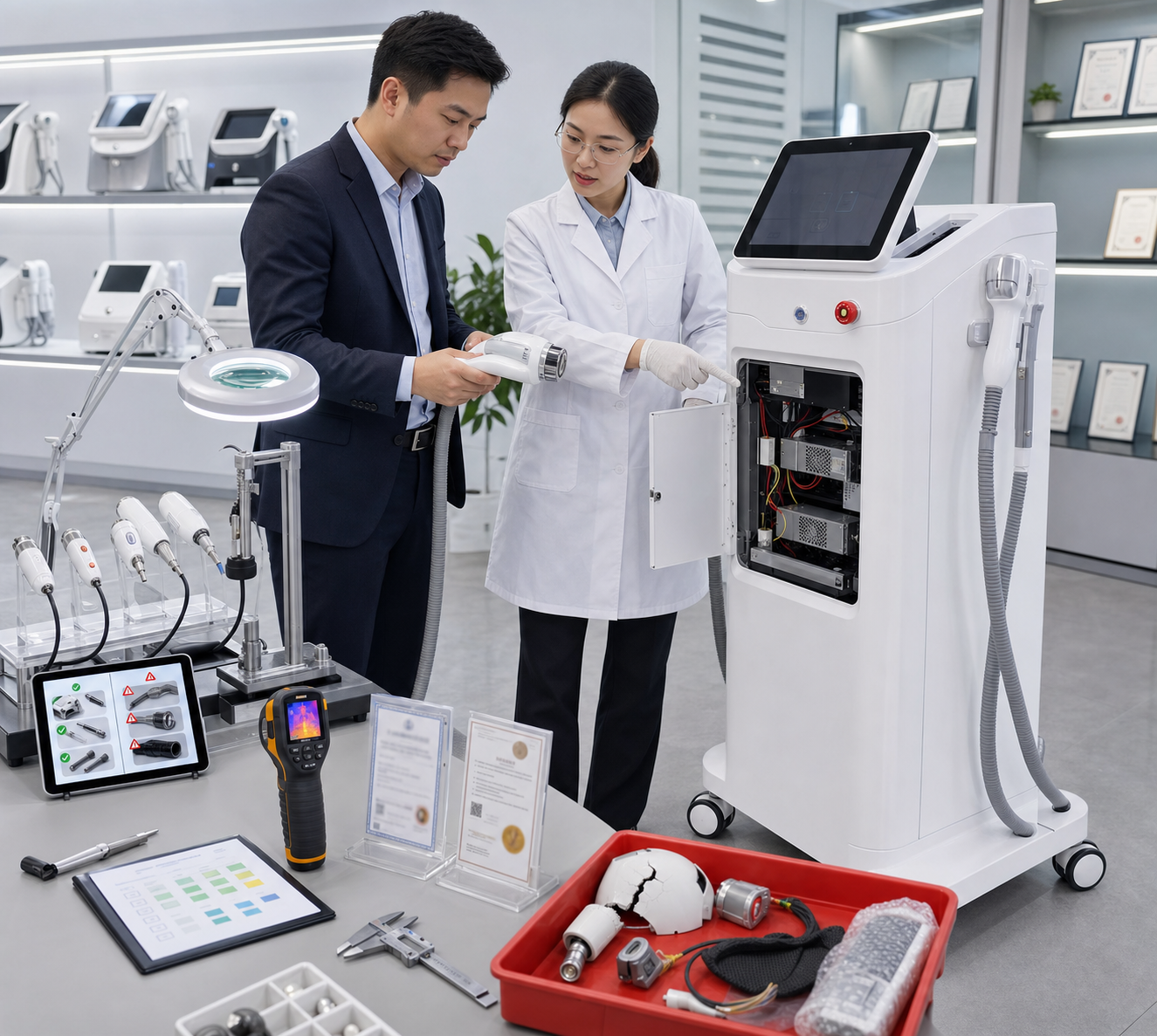
Si no es posible una visita presencial, solicite una videollamada en directo a la fábrica. Durante la videollamada, pida ver la zona de producción, el almacén, la zona de pruebas, la zona de embalaje, la sala de muestras, las etiquetas de números de serie, los estantes de repuestos y la zona de reparaciones posventa.
Si el proveedor solo muestra productos de exposición y se niega a mostrar los procesos de control de calidad o de reparación, el distribuidor debe ser cauteloso.
4. No confíe en los certificados sin comprobarlos.
Los certificados solo son útiles cuando son auténticos, relevantes, vigentes y específicos del modelo. Muchos distribuidores cometen el error de preguntar: "¿Tienen la certificación CE o FDA?" y aceptan cualquier PDF que les envíe el proveedor.
Una pregunta mejor sería:
“¿Qué modelo exacto cubre este certificado, quién lo emitió, a qué norma hace referencia, cuál es la fecha y se puede verificar?”
Los distribuidores deben comprobar:
- Si el número de modelo del producto coincide con el certificado.
- Si el nombre de la empresa coincide con el del proveedor o fabricante.
- Si el organismo emisor es real
- Si el certificado ha caducado
- Si el certificado cubre el mercado objetivo
- Ya sea que el certificado cubra seguridad, compatibilidad electromagnética, rendimiento o solo un alcance limitado.
- Ya sea un certificado, un informe de prueba, una declaración, un registro, una inclusión en una lista o una aprobación de comercialización.
Los distintos documentos tienen significados diferentes. Un número de registro no equivale a una aprobación reglamentaria. Una declaración CE no equivale a un expediente técnico completo. Un informe de prueba para un modelo no cubre automáticamente otro modelo. Una declaración en un catálogo no sustituye la evidencia de conformidad.
Para el mercado estadounidense, el registro o la inclusión de un dispositivo en la lista de la FDA no deben anunciarse como aprobación de la FDA. La FDA aclara que el registro, la asignación de un número de registro o la inclusión de un dispositivo en la lista no implican la aprobación de la FDA para una instalación o sus productos. Esto es importante porque muchos proveedores de baja calidad abusan del lenguaje normativo para hacer que sus productos parezcan más seguros o más oficiales de lo que realmente son.
5. Comprenda el riesgo regulatorio del producto antes de comprarlo.
Algunos aparatos de belleza son relativamente sencillos desde el punto de vista normativo. Otros pueden estar sujetos a las normas sobre dispositivos médicos, productos emisores de radiación, seguridad eléctrica, importación, privacidad de datos o declaraciones publicitarias, dependiendo del país de destino, la tecnología, el uso previsto y las afirmaciones que se hagan.
Las categorías de mayor riesgo pueden incluir:
- Dispositivos de depilación láser
- Dispositivos IPL
- Sistemas de RF potentes
- Sistemas de ultrasonido focalizado
- Máquinas de rejuvenecimiento de la piel
- Láseres para la eliminación de tatuajes
- Sistemas de contorno corporal
- Sistemas tipo criolipólisis
- Sistemas LED de alta potencia
- Analizadores de piel con IA que almacenan datos de clientes
- Dispositivos promocionados con afirmaciones sobre tratamientos, enfermedades o afecciones médicas.
En el caso de las importaciones a Estados Unidos, la FDA verifica o hace cumplir los requisitos aplicables a los dispositivos médicos importados o que se ofrecen para su importación al país. Los fabricantes extranjeros de dispositivos médicos pueden tener que cumplir con requisitos tales como el registro del establecimiento, la inclusión del dispositivo en la lista, el sistema de gestión de calidad, la presentación de la solicitud previa a la comercialización (cuando corresponda), el etiquetado y la presentación de informes sobre dispositivos médicos.
En la UE, algunos dispositivos sin un propósito médico previsto pueden estar sujetos al Anexo XVI del Reglamento de Dispositivos Médicos (MDR) si su función y perfil de riesgo son similares a los de los dispositivos médicos. Esto incluye ciertos productos estéticos.
El distribuidor no necesita ser abogado, pero debe saber cuándo un producto requiere una revisión más exhaustiva. Si un dispositivo hace afirmaciones contundentes, consume mucha energía, afecta la estructura corporal o entra en un canal regulado, las simples promesas del proveedor no son suficientes.
6. Compruebe si la fábrica cuenta con un sistema de gestión de calidad.
Un sistema de gestión de calidad es el proceso que ayuda a un fabricante a mantener bajo control el diseño, la producción, la inspección, las quejas, las reparaciones y las acciones correctivas.
En el ámbito de los dispositivos médicos, la norma ISO 13485 es ampliamente reconocida como estándar de sistema de gestión de calidad para las organizaciones dedicadas al diseño y la fabricación de dichos dispositivos. El Reglamento de Sistemas de Gestión de Calidad de la FDA entró en vigor el 2 de febrero de 2026 y es relevante para los fabricantes de dispositivos médicos terminados destinados a la distribución comercial en Estados Unidos.
Para los distribuidores, la cuestión práctica no es solo si la fábrica tiene un certificado, sino si realmente trabaja siguiendo un proceso de calidad reproducible.
Pídele al proveedor que te explique:
- Inspección de material entrante
- Control de componentes clave
- Inspección de producción
- Prueba de envejecimiento
- Prueba de estabilidad de salida
- Prueba de seguridad eléctrica
- Inspección final
- Inspección de embalaje
- Seguimiento de números de serie
- Gestión de quejas
- Gestión de registros de reparaciones
- Proceso de acción correctiva
Si el proveedor no puede explicar estos procesos con claridad, el distribuidor no debería realizar un pedido grande.
7. Solicite la documentación del producto específica del modelo.
Un fabricante serio debería poder proporcionar la documentación del modelo exacto del producto. Los documentos genéricos no son suficientes.
Entre los documentos útiles se incluyen:
- Hoja de especificaciones del producto
- Manual de usuario
- Protocolo de tratamiento o guía de operaciones
- Material de capacitación
- Lista de embalaje
- Términos de garantía
- Lista de piezas de repuesto
- Guía de mantenimiento
- Información eléctrica
- Diseño de la etiqueta
- Certificado o informe de prueba
- Información sobre la versión del software
- Reglas de numeración de serie
- Fotos y vídeos de los productos
- Guía de afirmaciones de marketing
Para productos regulados o de mayor riesgo, es posible que se requiera documentación adicional según el mercado objetivo. Esta documentación puede incluir expedientes técnicos, declaraciones, información de registro, información de listado, documentos de importación, expedientes de gestión de riesgos, informes de pruebas, documentación clínica o de apoyo al rendimiento, y revisión del etiquetado.
El distribuidor no debe esperar a recibir el pago para solicitar la documentación. La calidad de los documentos forma parte de la calidad del producto.
8. Compare la muestra con el estándar de producción en masa.
Muchos distribuidores reciben una buena muestra, pero en el pedido a granel les llegan productos de menor calidad. Esto ocurre cuando la muestra se selecciona cuidadosamente, pero la producción en masa carece de un control constante.
Para evitar esto, el distribuidor debería definir la muestra como el estándar aprobado.
El contrato de compraventa debe dejar constancia de lo siguiente:
- Nombre exacto del modelo
- Configuración
- Cantidad de piezas de mano
- Versión del software
- Lenguaje de pantalla
- Voltaje y enchufe
- Requisitos de logotipo o marca privada
- Accesorios
- Embalaje
- Lenguaje manual
- Nombres de los modos de tratamiento
- Rango de salida
- Período de garantía
- Soporte de repuestos
- Fotos o vídeos de muestra aprobados
De ser posible, conserve una muestra aprobada en la oficina del distribuidor y otra en la fábrica. En las inspecciones de lotes futuras, compare los nuevos productos con la muestra aprobada.
9. Elabore un proceso de prueba de muestra.
Nunca hagas un pedido grande solo después de ver un video de ventas. Probar una muestra es una de las maneras más importantes de evitar equipos de baja calidad.
La muestra de prueba debe incluir:
- Inspección del desempaquetado
- Verificación de etiquetas y número de serie
- Comprobación de accesorios
- Prueba de encendido
- Prueba de pantalla y software
- Verificación de la precisión del idioma
- Prueba de botones y controles
- Prueba de conexión de la pieza de mano
- Prueba de funcionamiento continuo
- Observación del calor y el ruido
- Prueba del modo de tratamiento
- Prueba de enfriamiento o control de temperatura
- Revisión de limpieza y mantenimiento
- Revisión del manual y la capacitación
- Comprobación de la durabilidad del embalaje
- Comentarios de los clientes que participaron en la prueba.
Para máquinas de uso profesional en salones de belleza, pruebe el dispositivo en un entorno de servicio real. Una máquina que funciona durante cinco minutos en una sala de exposición puede fallar durante una jornada completa de uso en un salón.
10. Prueba la experiencia de tratamiento, no solo el funcionamiento de la máquina.
Un aparato de belleza puede funcionar técnicamente, pero aun así ser difícil de vender si la experiencia del usuario es deficiente.
Los distribuidores deben evaluar:
- Si la sensación del tratamiento coincide con la función declarada
- Si el personal del salón puede comprender el funcionamiento rápidamente
- Si el dispositivo admite un paquete de proyecto claro
- Si el proceso de tratamiento es cómodo
- Si los clientes pueden percibir un valor de servicio razonable.
- Si el dispositivo genera resultados visibles o explicables
- Si la máquina se ajusta a los niveles de precios locales
- Si el tiempo de operación se ajusta al flujo de trabajo del salón
La máquina debe ayudar a los salones a generar ingresos. Un producto difícil de explicar, incómodo de usar o complicado de integrar en los servicios generará presión de venta, incluso si el hardware funciona correctamente.
11. Cuidado con la trampa de los precios bajos.
El precio bajo resulta atractivo, sobre todo para los nuevos distribuidores. Pero en el sector de los equipos de belleza, la opción más barata suele ocultar costes adicionales en otros aspectos.
Entre los posibles costes ocultos se incluyen:
- Menor vida útil de los componentes
- Piezas de mano débiles
- Sistema de refrigeración deficiente
- Fuente de alimentación de bajo costo
- No hay una prueba de envejecimiento real
- Alta tasa de reparación
- No hay existencias de repuestos.
- Embalaje deficiente
- Lenta respuesta posventa
- No hay manual en el idioma local.
- Sin material publicitario
- Sin entrenamiento
- Responsabilidad deficiente de la garantía
Un distribuidor debe calcular el costo total del negocio, no solo el precio de compra. Si dos máquinas difieren en 100 USD, pero la más barata genera devoluciones frecuentes, no es la más económica.
12. Verificar los componentes principales siempre que sea posible.
Algunas categorías de equipos de belleza dependen en gran medida de componentes clave. El distribuidor no siempre necesita una lista completa de materiales, pero sí debe comprender qué componentes afectan el rendimiento y la tasa de fallos.
Los ejemplos incluyen:
- Generador de RF
- Fuente láser
- Lámpara IPL
- Sistema de refrigeración
- Fuente de alimentación
- Bomba
- Válvula solenoide
- Módulo de pantalla
- Cable de la pieza de mano
- Consejos de tratamiento
- Sensor de la cámara
- perlas de lámpara LED
- Batería
- Placa de software
Pregunte qué componentes son de fabricación propia, cuáles se compran y cuáles son reemplazables. Para máquinas de alto valor, solicite las marcas de los componentes o, al menos, información sobre su calidad, si el fabricante puede facilitarla.
Si un proveedor no puede explicar la diferencia entre su máquina y las copias más baratas, puede resultar difícil defender el producto en el mercado.
13. Verifique la consistencia del lote antes del envío.
La inconsistencia entre lotes es uno de los mayores riesgos de calidad para los distribuidores. Incluso si la primera muestra es buena, los productos posteriores pueden variar en rendimiento, color, empaque, software, accesorios o funcionamiento de la pieza de mano.
Antes de cada envío, los distribuidores deben solicitar:
- Fotos de producción
- Lista de números de serie
- Informe de inspección final
- Fotos de embalaje
- Etiquetas de cartón
- Lista de accesorios
- Confirmación de la versión del software
- Confirmación de voltaje y enchufe
- Vídeo de operación aleatoria
- Resultado de la prueba por lotes, cuando corresponda.
Para pedidos grandes, utilice la inspección previa al envío. Esta puede ser realizada por el propio equipo del distribuidor, un inspector local de confianza, una empresa de inspección externa o mediante un proceso de inspección por vídeo acordado con la fábrica.
La inspección no debe limitarse a comprobar la cantidad de cajas. Debe confirmar la configuración, el aspecto, la función, la etiqueta, los accesorios, el embalaje y el rendimiento básico del producto.
14. Utilice una lista de verificación clara para la inspección de entrada.
Cuando lleguen los productos, el distribuidor deberá inspeccionarlos antes de revenderlos a los salones de belleza.
Una lista de verificación para la inspección de entrada puede incluir:
- Daños en la caja
- Modelo de producto
- Número de serie
- Color y logotipo
- Lenguaje de pantalla
- Cable de alimentación
- Tipo de enchufe
- Accesorios
- Manual
- Tarjeta de garantía
- Estado de la pieza de mano
- Pantalla táctil
- Sonido de inicio o código de error
- Prueba de funcionamiento básico
- Prueba de enfriamiento
- Prueba de bomba o flujo de aire
- Nivel de ruido
- Nivel de calor
- Integridad del embalaje
Si se detectan defectos, tome fotos y videos de inmediato. Anote los números de serie e informe del problema al fabricante por escrito. Esto servirá como prueba para el reemplazo, la compensación, las piezas de repuesto o las medidas correctivas.
15. Preste especial atención a las piezas de mano.
En muchos aparatos de belleza, la unidad principal no es la parte más frágil. Las piezas de mano, los cables, los conectores, las lámparas, los filtros, las bombas y los cabezales de tratamiento suelen ser los componentes que generan la mayoría de los problemas de servicio posventa.
Antes de elegir una máquina, pregúntese:
- ¿Las piezas de mano están cubiertas por la garantía?
- ¿Cuál es la vida útil esperada de la pieza de mano?
- ¿Hay consumibles disponibles?
- ¿Se pueden reemplazar las piezas de mano localmente?
- ¿Cuál es el precio de las piezas de mano de repuesto?
- ¿Los cables están reforzados?
- ¿Los conectores se dañan con facilidad?
- ¿Cómo se deben limpiar las piezas de mano?
- ¿Existen límites de uso o de cantidad de disparos?
- ¿El distribuidor dispone de repuestos?
Una máquina con piezas de mano baratas puede convertirse rápidamente en una carga para el servicio técnico.
16. Evaluar la calidad del embalaje
Un embalaje deficiente puede convertir una máquina en buen estado en una máquina dañada. El envío transfronterizo, la manipulación en almacenes y la entrega local generan riesgos de impacto.
Se debe revisar el embalaje de los productos de belleza para comprobar lo siguiente:
- Caja exterior resistente
- Embalaje de espuma protectora o moldeado
- Separación interna para accesorios
- Protección contra la humedad donde sea necesario
- Etiquetas de fragilidad cuando sea útil
- Etiquetas correctas de modelo y cantidad
- Marca de orientación clara
- Embalaje estándar de exportación para envíos internacionales
- Protección para pantallas y piezas de mano
Si el dispositivo es pesado, frágil o de alto valor, solicite al proveedor una prueba de caída o una opción de embalaje más resistente. Ahorrar una pequeña cantidad en el embalaje puede generar costosos problemas posventa.
17. Confirme el voltaje, el enchufe y la compatibilidad eléctrica local.
La incompatibilidad eléctrica es un error común al comprar un dispositivo. Un aparato que funciona en el mercado nacional de la fábrica puede no estar listo para otra región.
Los distribuidores deben confirmar:
- Tensión nominal
- Frecuencia
- Tipo de enchufe
- Estándar de cable de alimentación
- Requisitos del adaptador
- Tipo de fusible
- Toma de tierra
- Etiquetas de seguridad eléctrica
- Advertencias del manual de usuario local
Para los mercados internacionales, no dé por sentado que la fábrica preparará automáticamente el enchufe y el voltaje correctos. Incluya estos detalles en la orden de compra.
18. Revise el manual de usuario y los materiales de capacitación.
Un producto de baja calidad suele tener un manual deficiente. Este manual puede ser una copia, estar mal traducido, no coincidir con la máquina real o carecer de instrucciones de seguridad.
Un manual profesional debería explicar:
- Descripción general del producto
- Escenarios de uso adecuados
- Contraindicaciones cuando corresponda
- Pasos operativos
- Orientación de parámetros
- Limpieza y mantenimiento
- Reemplazo de consumibles
- Información de advertencia
- Solución de problemas
- Códigos de error
- Condiciones de almacenamiento
- Contacto de garantía
Los materiales de capacitación también son importantes. Los distribuidores necesitan materiales para capacitar a los salones, y los salones necesitan materiales para capacitar a su personal. Si el fabricante no puede proporcionar una capacitación útil, el distribuidor debe invertir tiempo adicional en crearla.
19. Controlar la publicidad y las afirmaciones sobre tratamientos.
Los proveedores de baja calidad suelen recurrir a afirmaciones exageradas para vender máquinas rápidamente. Pueden prometer resultados permanentes, efectos de tratamiento médico, pérdida de grasa instantánea, eliminación de cicatrices, cura del acné, tratamiento de enfermedades de la piel o resultados antienvejecimiento garantizados sin aportar pruebas.
Esto genera riesgos para distribuidores y salones de belleza. En muchos mercados, las afirmaciones sobre salud, adelgazamiento, antienvejecimiento y tratamientos pueden requerir una justificación sólida. La guía de cumplimiento de la FTC para productos de salud enfatiza que las empresas necesitan un respaldo adecuado para sus afirmaciones relacionadas con la salud.
Los distribuidores deben establecer un proceso de control de reclamaciones:
- Pregunte al fabricante qué afirmaciones están respaldadas.
- Eliminar afirmaciones médicas o de tratamiento sin fundamento
- Evite el lenguaje que garantice resultados
- Utilice materiales realistas de antes y después solo cuando estén debidamente respaldados.
- Capacita a los vendedores para que no exageren.
- Adaptar los textos de marketing a las normativas locales.
- Conserve pruebas de sus afirmaciones sobre el rendimiento.
Los buenos productos se pueden vender destacando sus claros beneficios. Los productos mediocres a menudo necesitan promesas exageradas.
20. Lista de verificación de categoría: Equipos de belleza RF
En el caso de los equipos de belleza por radiofrecuencia, el control de calidad debe centrarse en la estabilidad de la salida, la gestión del calor, la comodidad de contacto, la durabilidad de la pieza de mano y la seguridad del tratamiento.
Controlar:
- Rango de salida y precisión de control
- Lógica del modo de tratamiento
- Monitoreo de temperatura
- Refrigeración o disipación de calor
- calidad de contacto de la pieza de mano
- Fuerza del cable
- Estabilidad de trabajo continua
- Comodidad de la piel durante el uso de prueba
- Advertencias y contraindicaciones del manual
- Afirmaciones respaldadas
Tenga cuidado cuando los proveedores prometan un efecto lifting espectacular, una reafirmación médica o resultados antienvejecimiento permanentes sin las pruebas adecuadas.
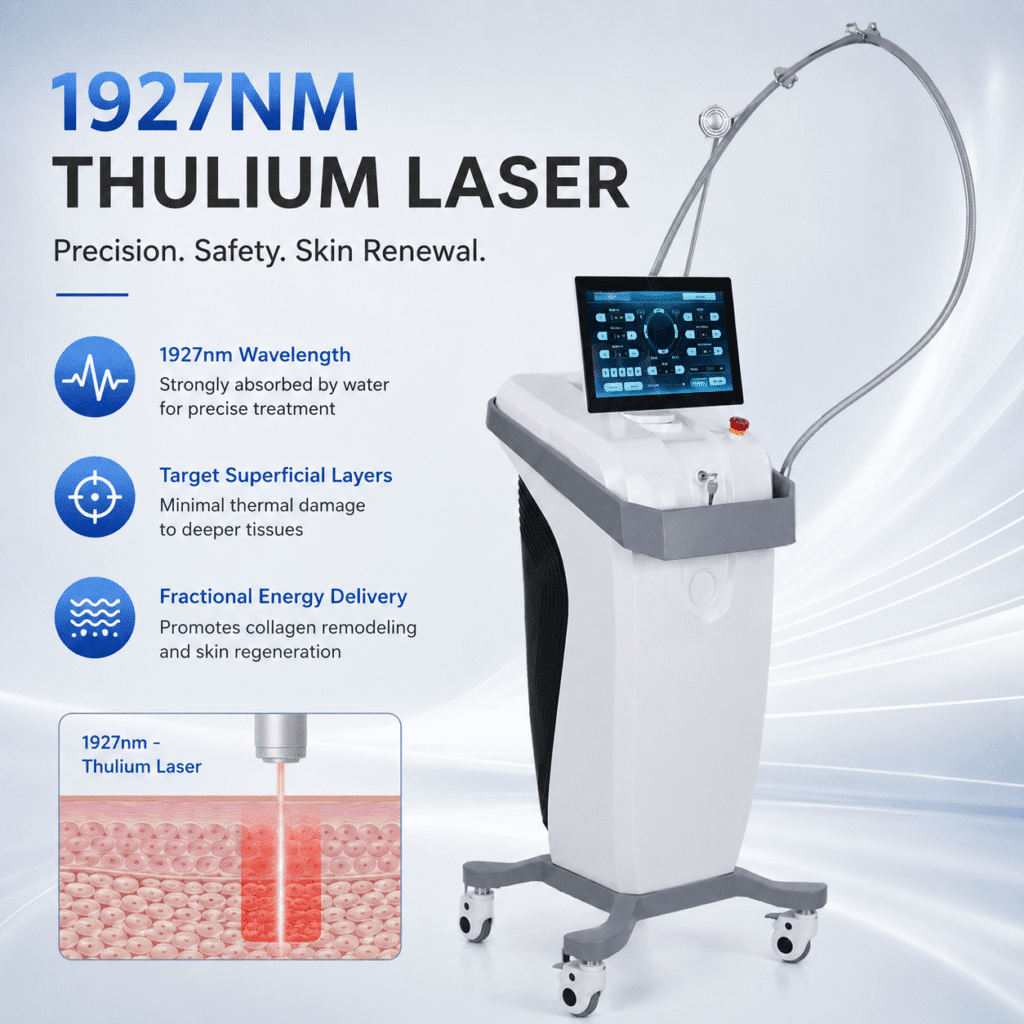
21. Lista de verificación de categorías: Dispositivos láser e IPL
Los dispositivos láser e IPL requieren mayor precaución, ya que la potencia de salida, la refrigeración, la protección ocular, la calidad de la lámpara y los requisitos reglamentarios pueden afectar a la seguridad y al acceso al mercado.
Controlar:
- Estabilidad de la producción de energía
- Rendimiento del sistema de refrigeración
- Conteo de disparos y vida útil de la lámpara
- consistencia del tamaño de la mancha
- Llave de seguridad o parada de emergencia, según corresponda.
- Gafas protectoras
- Calidad del filtro
- Temperatura de la pieza de mano
- Guía según el tipo de piel
- Documentos regulatorios para el mercado objetivo
- Requisitos de capacitación
No compre máquinas láser o IPL solo porque el precio sea bajo. Un control de energía deficiente o una refrigeración débil pueden generar graves problemas de servicio posventa y riesgos para la seguridad.
22. Lista de verificación de categorías: Máquinas de hidromasaje facial y de burbujas pequeñas
Los dispositivos de hidromasaje facial y los aparatos de burbujas pequeñas suelen ser más fáciles de vender, pero las versiones de baja calidad aún pueden generar problemas.
Controlar:
- Fuerza de succión de la bomba
- Estabilidad del flujo de agua
- Calidad de la botella
- Fuga en el conector
- Material de tubería
- Nivel de ruido
- Ajuste de la punta
- Comodidad de limpieza
- Sello de botella de desecho
- Durabilidad de la pieza de mano
- Suministro de consumibles
Dado que estas máquinas se utilizan con frecuencia en salones de belleza, la durabilidad y la facilidad de limpieza son más importantes que su apariencia elegante.
23. Lista de verificación de categorías: Dispositivos de terapia de luz LED
En el caso de los dispositivos de fototerapia LED, los distribuidores deben comprobar la información sobre la longitud de onda, la calidad de las perlas de la lámpara, la gestión del calor, la protección ocular, la distancia de tratamiento y las afirmaciones respaldadas.
Controlar:
- Longitud de onda declarada
- consistencia de las perlas de la lámpara
- Estabilidad de la energía
- Nivel de calor
- Función de temporizador
- protección ocular
- Protocolo de tratamiento
- Etiquetado del producto
- Manual de usuario
- Afirmaciones de marketing
Tenga cuidado con los proveedores que hacen afirmaciones sobre tratamientos médicos sin pruebas.
24. Lista de verificación de categorías: Dispositivos EMS y de microcorriente
Los dispositivos EMS y de microcorriente son sensibles a la comodidad del usuario y a la consistencia de la salida.
Controlar:
- Control del nivel de salida
- Opciones de modo de pulso
- Comodidad para la piel
- Calidad del electrodo
- Compatibilidad con gel conductor
- Durabilidad del cable
- Instrucciones de uso
- Contraindicaciones
- Seguridad de la batería si es recargable
Si la sensación es demasiado débil, a los salones les puede resultar difícil vender el producto. Si es demasiado intensa o inestable, los clientes pueden rechazar el tratamiento.
25. Lista de verificación de categoría: Analizadores de piel con IA
Los analizadores de piel con inteligencia artificial deben evaluarse tanto como equipos de belleza como herramientas digitales.
Controlar:
- Claridad de la cámara
- consistencia de la iluminación
- Velocidad de análisis
- Calidad del informe
- Estabilidad del software
- localización de idiomas
- Almacenamiento de datos de clientes
- Sistema de cuentas
- Términos del servicio en la nube
- Política de actualización
- Aviso de privacidad
- Flujo de trabajo de ventas del salón
Si se almacenan imágenes o datos personales de los clientes, el distribuidor debe confirmar la privacidad, la ubicación de los datos, el acceso a la cuenta y las opciones de eliminación para el mercado objetivo.
26. Confirme la capacidad de servicio posventa antes de realizar pedidos grandes.
El servicio posventa es uno de los mejores indicadores de la calidad de un proveedor. Un fabricante sólido sabe que las máquinas pueden necesitar repuestos, asistencia técnica, soporte de software y capacitación con el tiempo.
Antes de comprar, pregunte:
- ¿Quién se encarga del soporte de primer nivel?
- ¿Qué problemas se pueden resolver de forma remota?
- ¿Qué piezas están incluidas en la garantía?
- ¿Qué partes están excluidas?
- ¿Con qué rapidez responde la fábrica?
- ¿Hay repuestos en stock?
- ¿Puede el distribuidor comprar repuestos por adelantado?
- ¿Hay vídeos de reparación disponibles?
- ¿Hay algún contacto técnico?
- ¿Cuál es la política de reemplazo para las unidades que llegan defectuosas?
Si el proveedor solo dice "no se preocupe" pero no puede explicar el proceso, el distribuidor sí debería preocuparse.
27. Elaborar un plan de repuestos
Los distribuidores no deben esperar a que una máquina falle antes de pensar en repuestos. Para cualquier producto que se venda repetidamente, es fundamental crear un plan básico de repuestos.
Entre las piezas de repuesto útiles se incluyen:
- Piezas de mano
- Cables
- Módulos de alimentación
- Fusibles
- Pantallas
- Zapatillas
- Tubería
- Conectores
- Filtros
- Consejos de tratamiento
- Lámparas
- gafas protectoras
- Consumibles
Para los modelos más vendidos, tener repuestos disponibles localmente puede reducir el tiempo de reparación y aumentar la confianza en los salones de belleza. Un distribuidor con un servicio rápido tiene una posición de mercado más sólida que uno que debe esperar semanas por cada pieza.
28. Incluir los requisitos de calidad en el contrato de compra.
Muchos problemas de calidad surgen porque la orden de compra solo indica el nombre del modelo, la cantidad y el precio. Eso no es suficiente.
Un mejor contrato de compraventa debería incluir:
- Modelo y configuración del producto
- Estándar de muestra aprobado
- Lista de accesorios
- Voltaje y enchufe
- Requisitos de logotipo y embalaje
- Lenguaje manual
- Lista de certificados y documentos
- estándar de inspección de calidad
- Proceso de manejo de defectos
- Período de garantía
- Responsabilidad de las piezas de repuesto
- Política de llegada en estado muerto
- Tiempo de respuesta de reparación
- Términos de reemplazo
- El tiempo de entrega
- Derecho de inspección previa al envío
- Plazo para tramitar reclamaciones
Unas cláusulas contractuales claras facilitan la resolución de problemas cuando surgen incidencias de calidad.
29. Utilice pedidos de lotes pequeños antes de aumentar la producción.
En el caso de un fabricante nuevo o una nueva categoría de producto, los distribuidores deben evitar hacer pedidos excesivos demasiado pronto.
Un proceso más seguro es:
- Primer pedido de muestra
- Pruebas internas
- Prueba limitada en salón
- Pedido de lote pequeño
- Observación posterior a la venta
- Recopilación de comentarios de los clientes
- Segundo lote con condiciones mejoradas
- Pedidos mayores solo después de obtener resultados estables.
Este proceso puede parecer más lento, pero protege el flujo de caja. Es mejor perder una pequeña oportunidad que llenar el almacén con máquinas que no se pueden vender ni reparar.
30. Solicita comentarios a tus clientes actuales.
Si el fabricante afirma tener una sólida red de distribuidores, tanto nacionales como internacionales, solicite pruebas. Estas pueden incluir referencias de distribuidores, comentarios de salones de belleza, fotos de proyectos, registros de capacitación o casos de pedidos repetidos.
Haz preguntas prácticas:
- ¿Cuánto tiempo llevan los clientes utilizando la máquina?
- ¿Cuál es la tasa de reparación?
- ¿Qué piezas fallan con mayor frecuencia?
- ¿Los salones de belleza hacen pedidos adicionales?
- ¿Responde la fábrica con rapidez?
- ¿Son útiles los materiales de marketing?
- ¿Son fáciles de explicar los resultados?
- ¿El producto se vende únicamente por su bajo precio?
La información real del mercado es más valiosa que el lenguaje de los folletos.
31. Esté atento a las señales de alerta de los proveedores.
Los distribuidores deben tener cuidado cuando vean estas señales de advertencia:
- El precio está muy por debajo del promedio del mercado sin ninguna explicación.
- El proveedor se niega a realizar pruebas de muestras.
- Los certificados no coinciden con el modelo del producto.
- El proveedor afirma que todos los documentos son universales.
- El proveedor no puede proporcionar el manual de usuario.
- El proveedor evita la inspección por vídeo.
- Las fotos de los productos están copiadas de otras marcas.
- La dirección de la fábrica no está clara.
- Los términos de la garantía son vagos.
- No hay repuestos disponibles
- El proveedor realiza un pedido grande de inmediato.
- El vendedor exagera los resultados del tratamiento.
- El proveedor no puede explicar el proceso de control de calidad.
- El mismo producto aparece bajo muchos nombres sin un fabricante claro.
- Las reseñas en línea mencionan fallos o un soporte deficiente.
Una sola señal de alerta no necesariamente arruinará un trato. Varias señales de alerta juntas deberían detener la compra.
32. Evaluar la calidad de la comunicación del fabricante.
La calidad de la comunicación suele ser un indicador de la calidad del servicio. Un proveedor fiable responde con claridad, proporciona la documentación con rapidez, confirma los detalles por escrito y explica las limitaciones con honestidad.
Un proveedor riesgoso a menudo:
- Cambia las respuestas con frecuencia
- Evita las preguntas técnicas
- Envía documentos no relacionados
- Promesas excesivas resultados
- Realiza el pago antes de que se confirmen los detalles.
- No ofrece términos de garantía por escrito.
- Responde rápidamente antes del pago y lentamente después del pago.
Los distribuidores deben evaluar la comunicación antes del pago, porque después del pago el comportamiento del proveedor suele ser más revelador, no mejor.
33. No compres productos que no puedas explicar.
Un distribuidor debería poder explicar el producto a los salones de belleza con claridad:
- ¿Qué problema resuelve?
- ¿Para qué tipo de clientes es adecuado?
- ¿Qué tipo de proyectos puede ofrecer el salón?
- ¿Cuál es el proceso de tratamiento?
- ¿Qué resultados pueden reclamarse de forma responsable?
- ¿Qué contraindicaciones o precauciones existen?
- ¿Con qué frecuencia se realiza el tratamiento?
- ¿Qué consumibles se necesitan?
- ¿Qué precio puede cobrar el salón?
- ¿Con qué rapidez puede el salón recuperar la inversión?
Si el distribuidor no puede explicar estos puntos, es posible que el producto no esté listo para su distribución, incluso si la calidad de la máquina es aceptable.
34. Separar un “producto de moda” de un “buen producto”.”
Algunos aparatos de belleza se popularizan rápidamente gracias a las redes sociales, vídeos cortos, la promoción por influencers o las agresivas campañas de marketing de los fabricantes. Un producto de moda no siempre es un buen producto.
Antes de comprar un dispositivo de moda, pregúntese:
- ¿La demanda es estable o temporal?
- ¿Los salones de belleza ya lo están pidiendo?
- ¿Existen muchos proveedores similares?
- ¿Es fácil copiar la tecnología?
- ¿Ya está bajando el precio?
- ¿Se están volviendo riesgosas las reclamaciones?
- ¿El servicio de atención al cliente posventa es maduro?
- ¿Puede el producto generar ingresos recurrentes para el salón de belleza?
Los distribuidores deben evitar seguir todas las tendencias. Los mejores productos no siempre son los más novedosos. Son aquellos que los salones pueden vender, utilizar y mantener con confianza.
35. Crea un cuadro de mando de calidad.
Un sistema de puntuación ayuda a los distribuidores a comparar proveedores de forma objetiva.
Áreas de puntuación sugeridas:
- Antecedentes del fabricante
- Función del producto
- Experiencia de tratamiento
- Integridad del documento
- Credibilidad del certificado
- Riesgo regulatorio
- Resultado de la prueba de muestra
- Calidad de los componentes
- Consistencia del lote
- Embalaje
- apoyo a la formación
- Apoyo de marketing
- Piezas de repuesto
- Términos de garantía
- Calidad de la comunicación
- Competitividad de precios
- demanda del mercado local
Asigna una puntuación del 1 al 5 a cada área. Un proveedor con un precio ligeramente superior, pero con mejor calidad, documentación, servicio y garantía, puede ser una mejor opción comercial que la opción más barata.
36. Utilice la inspección de terceros para pedidos importantes.
Para pedidos grandes, productos personalizados, máquinas de marca propia o categorías de alto riesgo, la inspección por parte de terceros puede reducir la incertidumbre.
La inspección puede incluir:
- Verificación de cantidad
- Control de apariencia
- Comprobación de accesorios
- Verificación de etiquetas
- Prueba de funcionamiento
- Verificación del embalaje
- Operación de muestreo aleatorio
- Observaciones básicas de seguridad
- Reportaje fotográfico y en vídeo.
La inspección no es una garantía absoluta, pero ayuda a detectar problemas evidentes antes del envío. Además, anima al proveedor a prestar más atención al pedido.
37. Controlar la calidad de los fabricantes de equipos originales (OEM) y de las marcas privadas.
Las marcas blancas pueden ayudar a los distribuidores a fortalecer su marca, pero también pueden ocultar la responsabilidad sobre la calidad. Si el logotipo del distribuidor aparece en la máquina, los clientes lo percibirán como el propietario de la marca.
Para la cooperación OEM o ODM, confirme:
- ¿Quién es el propietario del diseño?
- ¿Qué modelo se utiliza como base?
- Si los componentes se pueden cambiar
- Si el software se puede personalizar
- Si el manual y las etiquetas son precisos
- Si los certificados siguen siendo válidos después de los cambios
- Si el embalaje protege el producto
- Si hay repuestos disponibles
- Si la fábrica puede mantener la misma calidad en todos los lotes.
No permita que la fábrica cambie componentes después de la aprobación de la muestra sin confirmación por escrito.
38. Compare varios proveedores antes de elegir.
Los distribuidores deben comparar al menos tres proveedores para cualquier categoría de producto importante. No compare solo el precio. Compare el paquete completo.
Algunos puntos de comparación útiles son:
- Configuración del producto
- Actuación
- Explicación del componente
- Documentos
- Certificados
- Garantía
- Piezas de repuesto
- Capacitación
- Apoyo de marketing
- Cantidad mínima de pedido
- Plazo de entrega
- Embalaje
- Comunicación
- Experiencia exportadora
- Casos existentes
- Capacidad para resolver problemas
El objetivo no es encontrar al proveedor más barato, sino al que ofrezca el mejor equilibrio entre calidad, precio, soporte y adecuación al mercado.
39. Flujo de trabajo práctico de compras para distribuidores
Un flujo de trabajo de compras fiable puede tener este aspecto:
1. Defina la categoría de producto objetivo y la demanda local de salones de belleza.
2. Seleccione proveedores preseleccionados de múltiples canales.
3. Verificar la identidad de la empresa y la capacidad de la fábrica.
4. Solicitar documentos específicos del modelo.
5. Verifique los certificados y las declaraciones reglamentarias.
6. Compare las especificaciones, el precio, la garantía y el servicio.
7. Realizar una demostración del producto en vídeo en directo.
8. Solicita una muestra.
9. Analizar la muestra internamente.
10. Pruebe el producto con usuarios seleccionados del salón.
11. Recopilar datos de rendimiento y comentarios.
12. Negociar las condiciones de compra y los estándares de calidad.
13. Realice un pedido de lote pequeño.
14. Realizar una inspección previa al envío.
15. Inspeccione los productos después de su llegada.
16. Realizar un seguimiento de la tasa de fallos y los comentarios de los clientes.
17. Aumentar la escala solo después de que el producto demuestre ser estable.
Este proceso ayuda a los distribuidores a transformar las compras basadas en el juego en una gestión de riesgos controlada.
40. Lista de verificación final antes de pagar a un proveedor
Antes de realizar el pago, confirme:
- La identidad del proveedor es clara.
- El modelo del producto está confirmado.
- La muestra ha sido analizada.
- Los documentos coinciden con el modelo.
- El significado del certificado se entiende.
- Se ha revisado el riesgo regulatorio.
- Los términos de la garantía están por escrito.
- Hay repuestos disponibles.
- Se confirma el apoyo para la formación.
- Las afirmaciones de marketing son realistas.
- El voltaje y el enchufe son correctos.
- El embalaje es adecuado.
- Se han acordado los derechos de inspección.
- Se establecen por escrito los términos para el manejo de defectos.
- El plazo de entrega es realista.
- Se aceptan las condiciones de pago.
Si faltan varios artículos, retrase el pedido o elija otro proveedor.
Conclusión
Los distribuidores pueden evitar equipos de belleza de baja calidad mediante un proceso riguroso de selección e inspección. La clave está en no dejarse llevar por precios bajos, fotos atractivas, promesas de venta o certificados genéricos.
Un producto de belleza fiable debe tener un rendimiento estable, documentación clara, certificados fiables, formación práctica, un embalaje resistente, repuestos disponibles, condiciones de garantía por escrito y un fabricante que pueda solucionar los problemas después del envío.
Para los nuevos distribuidores, la estrategia más segura consiste en probar muestras, comenzar con lotes pequeños, inspeccionar los envíos, hacer un seguimiento de los comentarios y aumentar la producción gradualmente. Para los distribuidores con experiencia, el objetivo es construir un sistema de proveedores que proteja la reputación de la marca y reduzca la presión en el servicio posventa.
En el sector de los equipos de belleza, el mejor producto no es simplemente la máquina con el menor coste de compra. Es la máquina que los salones pueden usar con confianza, que los clientes aceptan y que los distribuidores pueden mantener de forma rentable a lo largo del tiempo.
Preguntas frecuentes
¿Cómo pueden los distribuidores identificar rápidamente los equipos de belleza de baja calidad?
Pueden verificar si el proveedor ofrece documentación específica del modelo, certificados fiables, condiciones de garantía claras, repuestos, asistencia técnica, pruebas de muestras e inspección de lotes. La documentación imprecisa, los precios extremadamente bajos, las afirmaciones exageradas y las condiciones de posventa poco claras son señales de alerta importantes.
¿Deberían los distribuidores comprar siempre los equipos de belleza más baratos?
No. La máquina más barata puede generar un costo total más elevado debido a reparaciones, devoluciones, quejas de clientes, mala experiencia de usuario y bajo valor de reventa. Los distribuidores deben comparar el costo total del negocio, no solo el precio unitario.
¿Es necesario realizar un pedido de muestra antes de comprar equipos de belleza al por mayor?
Sí. Un pedido de muestra ayuda a los distribuidores a probar el funcionamiento real, la experiencia de uso, el embalaje, la calidad del manual, el software, los accesorios y la respuesta posventa antes de comprometerse con un pedido mayor.
¿Qué documentos deben solicitar los distribuidores a los fabricantes de equipos de belleza?
Entre los documentos útiles se incluyen las especificaciones del producto, el manual de usuario, los términos de la garantía, la lista de repuestos, el material de capacitación, la lista de empaque, el certificado o informe de prueba, la información de la etiqueta, la versión del software y los documentos de cumplimiento específicos del modelo, cuando sea necesario.
¿Cómo pueden los distribuidores evitar los certificados falsos?
Deben verificar que el certificado coincida con el modelo exacto, el nombre de la empresa, el organismo emisor, la fecha, la norma y el mercado objetivo. Asimismo, deben determinar si el documento es un registro, una inclusión en una lista, un informe de prueba, una declaración o una aprobación.
¿Por qué es importante el servicio postventa a la hora de elegir equipos de belleza?
El servicio posventa determina si el distribuidor puede gestionar reparaciones, repuestos, problemas de software, quejas de clientes y casos de garantía. Un producto con un servicio posventa deficiente puede dañar la reputación del distribuidor, incluso si la venta inicial es sencilla.
¿Cuál es la estrategia de compra más segura para los nuevos distribuidores?
Los nuevos distribuidores deben comenzar con categorías de menor riesgo, probar muestras, realizar pedidos de lotes pequeños, recopilar comentarios de los salones de belleza, confirmar las piezas de repuesto y ampliar la producción solo después de que el producto muestre un rendimiento estable y tasas de reparación aceptables.