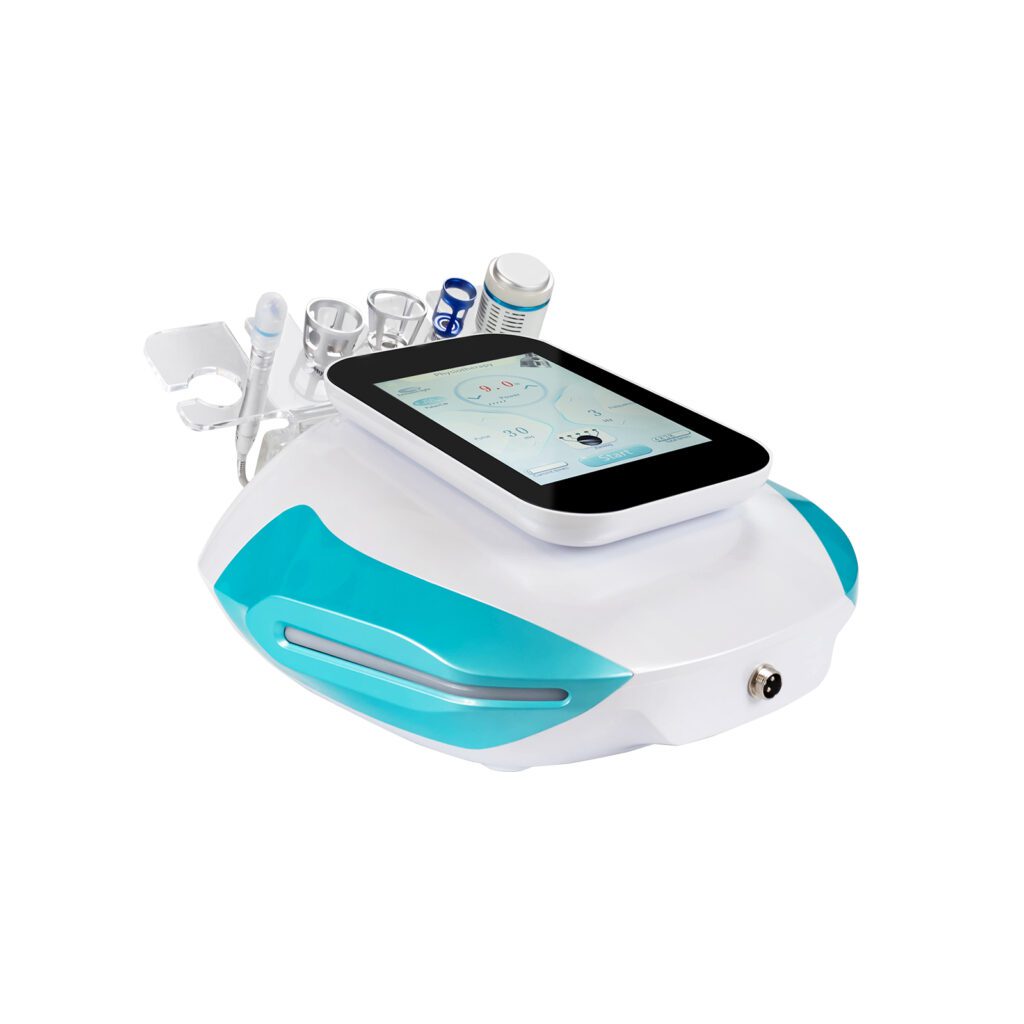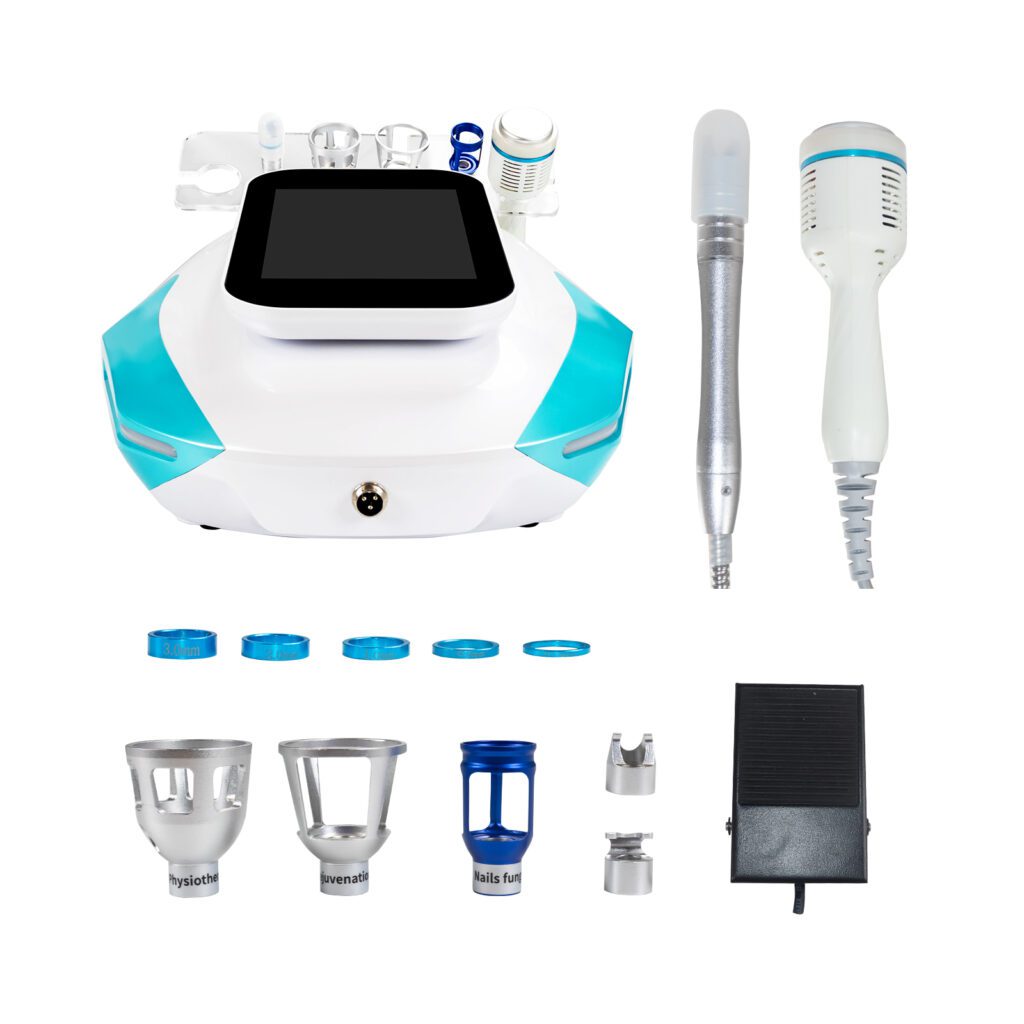
Regional beauty device sales teams need more than a list of open opportunities. A useful pipeline review shows which service categories buyers are considering, which models and configurations remain unresolved, what evidence supports the expected decision date, and which regional resources are needed to move the project forward.
Without a consistent review method, meetings become status recitals. Old opportunities remain open, quotations use different assumptions, demonstration requests compete without priorities, and regional totals hide whether demand concerns facial, hair-removal, body, or advanced devices. The team leaves with updated numbers but no clearer decisions.
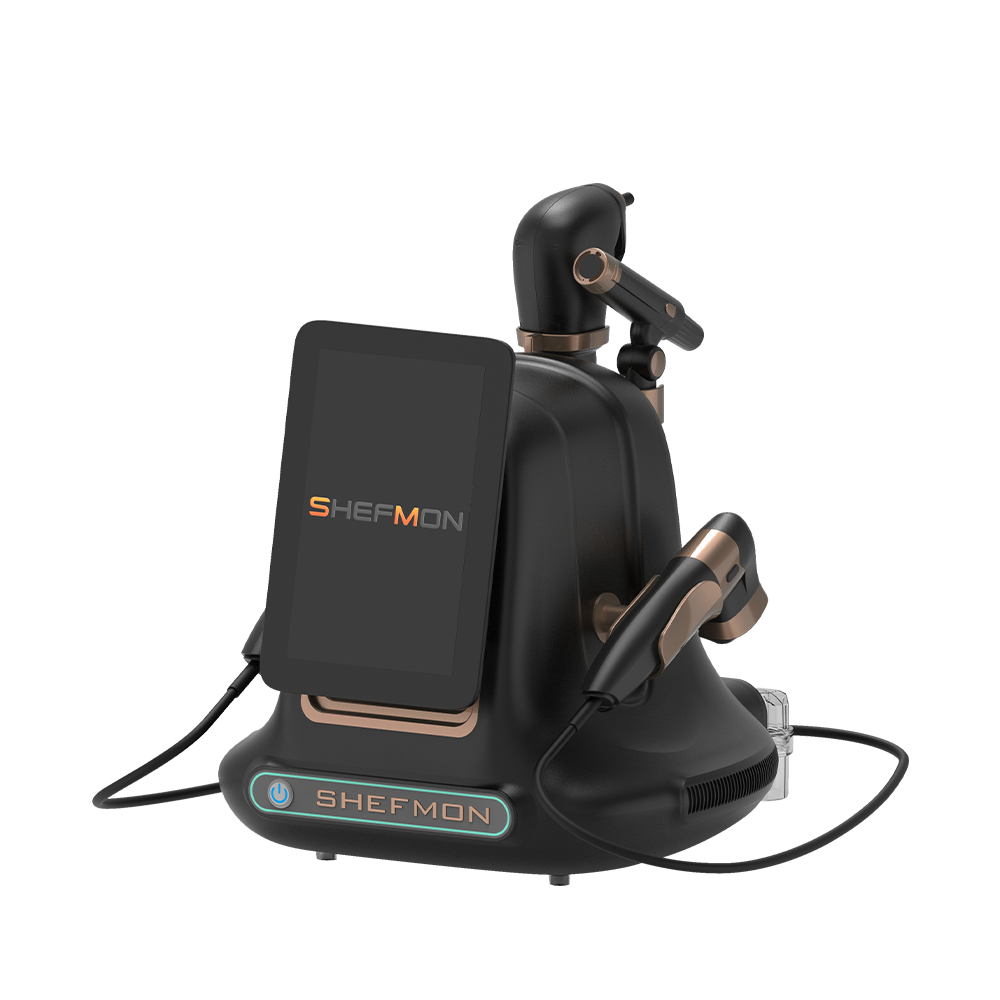
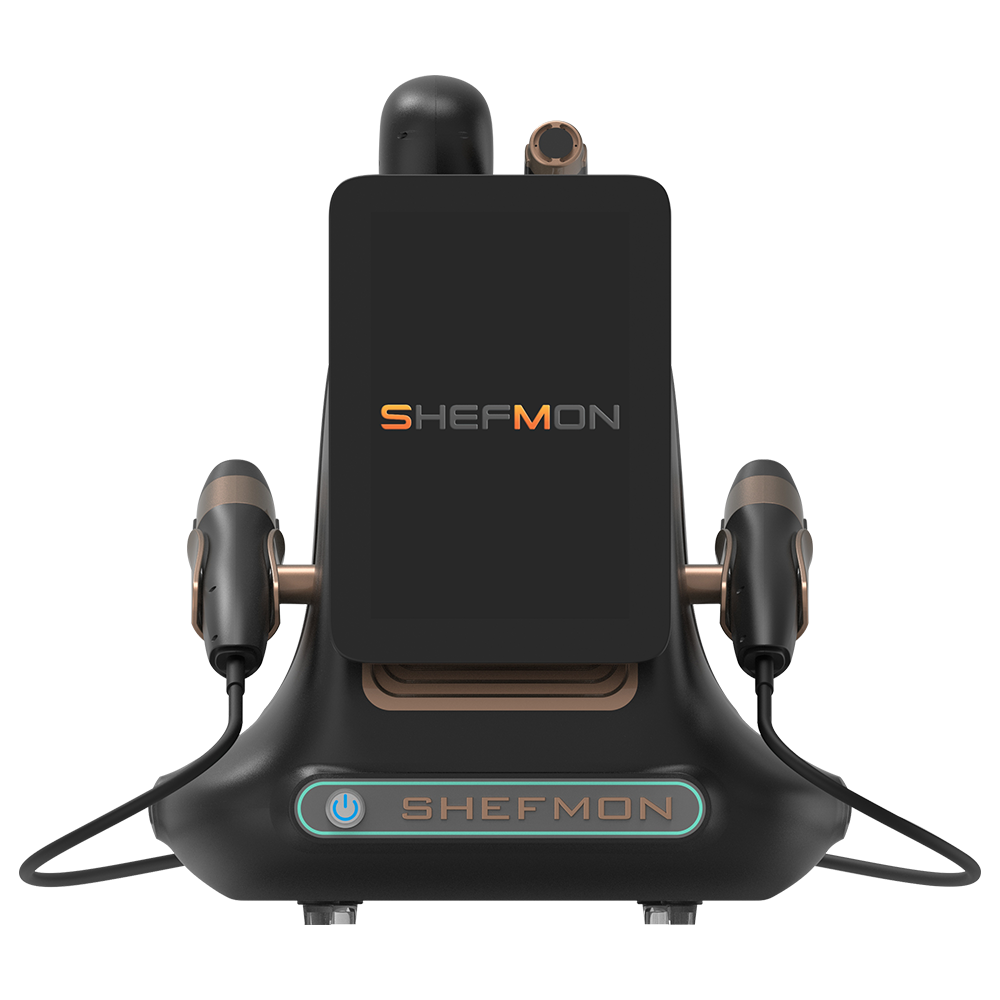
This guide explains how regional distributor teams can review opportunities across the Catálogo de dispositivos de belleza de SHEFMON. It covers the meeting scope, pre-read, opportunity questions, category and configuration views, regional escalation, action ownership, and follow-up metrics.
Resumen ejecutivo
A disciplined regional beauty device pipeline review should:
- Use a fixed data cutoff. Distribute a pre-read showing the same opportunity, stage, category, model, configuration, value, and timing data for every region.
- Review decisions rather than activity lists. Each opportunity should have a buyer need, current evidence, unresolved issue, next milestone, owner, and date.
- Track stage and configuration separately. A late commercial stage can still contain an incomplete wavelength, handle, cartridge, tip, or market version.
- Keep device categories visible. Facial, hair-removal, body, and advanced-device projects require different readiness and support questions.
- Challenge close dates with buyer milestones. A target date needs a decision meeting, demo, room completion, staff milestone, technical approval, or other buyer event.
- Use regional overlays without changing product facts. Local requirements, language, demonstrations, support, and market maturity can vary while product identities remain controlled.
- Assign actions during the meeting. Every blocker should leave with one owner, due date, expected evidence, and escalation route.
- Feed results into forecasting and planning. Review changes in units, category, configuration, timing, demo demand, training, components, and support capacity.
The meeting should improve the quality of the pipeline and the decisions around it, not simply increase the reported total.
1. Define the Purpose of the Review
A regional pipeline review should answer:
- Which buyer projects are genuinely active?
- Which categories and models are under consideration?
- What evidence supports the current stage?
- Is the proposed configuration complete enough for the stage?
- What must happen next on the buyer side?
- Which issue needs product, technical, commercial, demo, training, or support help?
- Which opportunities should advance, remain, move to nurture, defer, or close?
- What category, unit, configuration, and timing changes affect the regional forecast?
Publish these purposes so attendees prepare decisions rather than presentation slides.
2. Separate Pipeline Review from Forecast Review
The two activities are related but not identical.
| Revisar | Primary question | Main output |
|---|---|---|
| Opportunity pipeline review | What evidence and action will move or correctly classify each buyer project? | Updated stage, milestone, configuration, owner, and next action |
| Category pipeline review | What patterns appear across facial, hair, body, and advanced projects? | Category priorities, resource needs, and risks |
| Forecast review | What units, value, configuration, and timing are likely within the planning horizon? | Committed, base, and upside views |
| Accuracy review | How did earlier forecasts compare with actual outcomes? | Calibration and process changes |
A regional meeting can cover all four, but each section needs a clear purpose and denominator.
3. Choose the Review Cadence
Use a layered schedule:
- weekly regional review: active opportunities, near-term milestones, demos, quotes, blockers, and date changes;
- monthly category review: pipeline mix, aging, conversion, configuration gaps, and regional support demand;
- quarterly leadership review: forecast accuracy, assortment implications, demo allocation, stock policy, and strategic gaps; and
- ad hoc escalation: urgent technical, configuration, buyer, or service issue that cannot wait for the regular meeting.
Avoid reviewing every early inquiry every week. Use filters so the meeting focuses on opportunities needing a decision or action.
4. Define Which Opportunities Enter the Meeting
Include opportunities that meet one or more conditions:
- buyer project is qualified and active;
- milestone is due before the next review;
- expected decision falls within the forecast horizon;
- model or configuration changed;
- demonstration or technical review is required;
- quotation is being prepared or revised;
- opportunity has exceeded the expected stage duration;
- close date slipped;
- multi-location or multi-category project needs coordination;
- regional support or availability is a blocker; or
- owner requests an escalation decision.
Early education leads can remain in a separate nurture view until an active buyer decision appears.
5. Freeze a Pre-Read Data Cutoff
Set a cutoff before the meeting and distribute the same report to all attendees. The pre-read should contain:
- Oportunidad e identidad del comprador;
- region and owner;
- buyer type and number of sites;
- business trigger and intended service;
- primary category and model shortlist;
- configuration-completeness status;
- stage and days in stage;
- requested and forecast units;
- current controlled value basis;
- expected decision period;
- last buyer evidence;
- next milestone and date;
- demo, quote, technical, training, and support status;
- open questions and exceptions; and
- changes since the prior review.
Late edits should remain visible as changes rather than replacing the frozen pre-read without explanation.
6. Use a Common Opportunity Record
| Field group | Campos obligatorios | Review purpose |
|---|---|---|
| Comprador | Organization, type, region, sites, stakeholders | Confirms context and decision roles |
| Need | Service goal, current equipment, menu gap, business trigger | Tests category relevance |
| Producto | Category, model, alternatives, configuration status | Shows what is being evaluated |
| Preparación | Room, utilities, staff, professional setting, local requirements | Reveals operating dependencies |
| Comercial | Quantity, quote version, value basis, decision process | Shows offer maturity |
| Momento | Stage, expected period, milestone, days in stage | Tests forecast credibility |
| Enablement | Demo, training, technical, consumable, component, support needs | Identifies regional resources |
| Acción | Owner, due date, expected evidence, escalation | Makes follow-up accountable |
Use controlled fields for reporting and short notes for nuance. Do not place the entire project history in one free-text status field.
7. Review Buyer Need Before Product Status
Begin each opportunity with the buyer’s business and service objective:
- opening a new location;
- adding the first device-led service;
- expanding from facial into hair or body;
- replacing unsupported or aging equipment;
- adding capacity;
- standardizing several sites;
- building a premium or maintenance menu; or
- expanding a reseller assortment.
Then test whether the proposed category still solves that need. A model can remain in the CRM after the buyer’s service plan has changed.
8. Review Stage Evidence
Every stage should require observable evidence. Examples include:
- qualified buyer need;
- confirmed category;
- model shortlist;
- reviewed configuration;
- completed demonstration or validation;
- approved quotation;
- buyer decision meeting;
- accepted order; or
- documented closure or deferral.
Do not advance an opportunity because the salesperson feels positive. Do not leave it at a late stage when the buyer has no current decision process.
9. Review Configuration Completeness Separately
A commercial stage and a product configuration answer different questions. Track configuration from category-only interest to an approved offer.
Review whether the record includes:
- modelo exacto;
- console format;
- handles or applicators;
- wavelengths or spot sizes;
- cartridge depths;
- tip or needle formats;
- accessories;
- consumibles de apertura;
- electrical and market version;
- compatibility status; and
- standard, optional, or special-review classification.
A quotation-stage opportunity with unknown major components should be flagged rather than treated as fully mature.
10. Challenge the Next Buyer Milestone
A valid next milestone contains:
- the buyer event;
- responsible buyer stakeholder;
- date;
- required preparation;
- expected output; and
- effect on stage or configuration.
Examples include a demonstration, technical review, room inspection, staff decision, budget meeting, configuration approval, or final purchase meeting.
“Follow up next week” is an internal activity. It is not evidence of buyer progress.
11. Review Changes Since the Last Meeting
Focus attention on material movement:
- new opportunity;
- buyer need changed;
- category added or removed;
- model substituted;
- configuration advanced or regressed;
- quantity changed;
- quote issued or revised;
- demo completed;
- expected date moved;
- probability or scenario changed;
- new blocker appeared;
- order confirmed;
- opportunity lost, deferred, or disqualified; or
- record corrected.
A stable total can hide major movement between facial, hair-removal, and body categories. Use a change bridge rather than reviewing only the new total.
12. Review Aging and Stalled Opportunities
Define expected time ranges by stage and category. Flag records with:
- no meaningful buyer activity;
- overdue milestone;
- repeated close-date changes;
- expired quotation;
- unresolved configuration question;
- demonstration completed without a next decision;
- room or staff condition not progressing;
- duplicate records; or
- owner update missing.
The meeting should choose an action: obtain evidence, reset the stage, defer with a trigger, move to nurture, close, or escalate.
13. Use Category-Level Views
After opportunity decisions, roll up the pipeline by:
- facial foundation;
- advanced facial or skin;
- hair removal;
- multifunction body care;
- other body subcategories;
- replacement components and consumables; and
- multi-device packages.
Show opportunity count, units, configuration readiness, stage, expected period, buyer type, region, demo need, quote status, and support requirements. Avoid using one blended “beauty equipment” total for operational planning.
14. Review A0648 Facial Opportunities
El Sistema de hidromicrodermoabrasión 9 en 1 A0648 is relevant to salons and beauty studios planning cleansing, exfoliation, extraction, and hydration-oriented services through a vertical multifunction system.
For A0648 opportunities, review:
- first device or facial-menu expansion;
- intended menu role;
- overlap with existing equipment;
- room and storage;
- functions and accessories;
- tips, liquids, bottles, and opening supplies;
- operator training;
- planned launch; and
- whether quantity represents one site, a pilot, or an approved rollout.
Repeated salon opportunities with similar accepted packages may support a standard regional facial offer. Configuration variation should remain visible.
15. Review A0426 Hair-Removal Opportunities
El A0426 diode laser hair-removal system lists 755, 810, 940, and 1064 nm options, several spot sizes, and a cooling system.
The regional review should confirm:
- intended hair-removal service;
- wavelength arrangement;
- handpiece and spot size;
- expected utilization;
- Instalación de la sala, sistema eléctrico y sistemas de protección;
- staff capability and training;
- local requirements;
- demo configuration;
- technical support; and
- buyer launch milestone.
If these fields remain open, keep configuration risk visible even when the commercial discussion is advanced.
16. Review B0155 Body-Care Opportunities
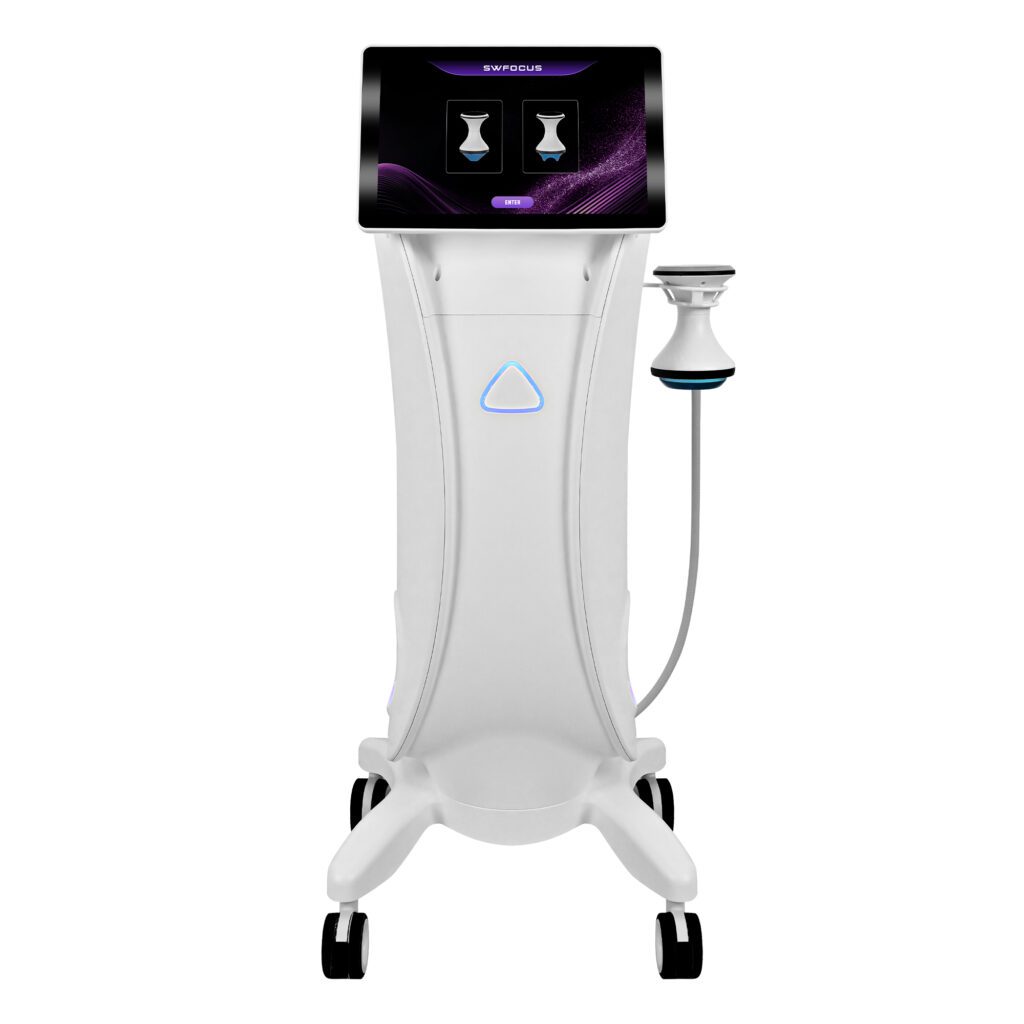
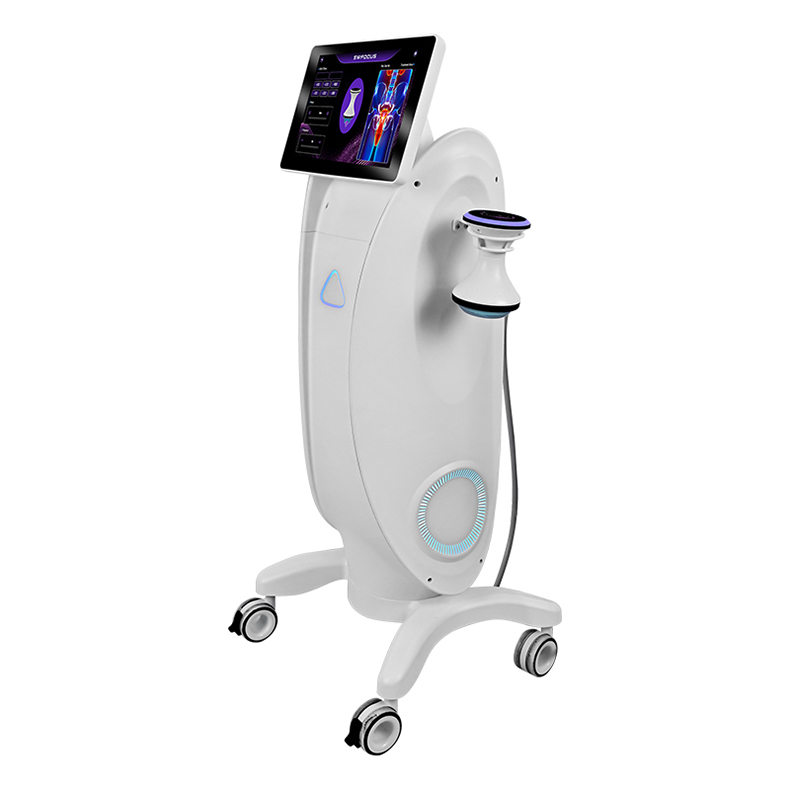
El B0155 Endoscopia de escritorio Velapro lists vacuum roller, RF, rotating massage, and 80K cavitation functions across different handle roles.
Revisar:
- salon, body studio, or multi-service-center context;
- intended service pathways;
- selected handle package;
- overlap with installed body equipment;
- room, storage, cleaning, and changeover flow;
- operator training;
- accessories;
- demo requirements; and
- whether the buyer is comparing another body subcategory.
Do not group every body opportunity under one generic stage without preserving the selected technology and service role.
17. Review A0204 Advanced-Lifting Opportunities
El Sistema HIFU focalizado A0204 9D/7D product page identifies several cartridge depths and optional handles.
Revisar:
- entorno profesional adecuado;
- intended advanced-service pathway;
- handpiece and cartridge selection;
- consumable requirements;
- staff and training readiness;
- consultation and operating process;
- technical review;
- applicable local requirements;
- buyer decision roles; and
- specialist-support needs.
Advanced-device opportunities should not move forward solely because the buyer requested pricing.
18. Review A0152 Advanced-Skin Opportunities
El Sistema de microagujas por radiofrecuencia A0152 page presents 12-pin, 24-pin, 40-pin, and nano tips, a depth profile from 1 to 7 mm with an additional heat profile, and optional handle arrangements.
Confirmar:
- facial or body application;
- appropriate professional environment;
- staff competency;
- handle and tip package;
- opening and recurring consumables;
- infection-control and disposal workflow;
- consultation, records, and aftercare process;
- local review;
- training; and
- technical support.
Separate product interest from an active, operationally suitable project.
19. Review Multi-Category Packages
Use one parent opportunity with separate category lines. For each line, record:
- service role;
- priority or phase;
- modelo y configuración;
- cantidad;
- quote status;
- readiness;
- expected decision; and
- outcome.
A package can produce a facial order while the hair-removal system is deferred and the body device is removed. Preserve these differences for forecasting, category analysis, and follow-up.
20. Review Multi-Location and Reseller Projects
Separate:
- initial pilot;
- approved locations;
- conditional locations;
- potential rollout;
- distributor demo unit;
- confirmed local stock;
- buyer-specific supply-to-order projects; and
- general market ambition.
The review should identify the rollout gate, decision authority, site overlays, and sequence. Do not forecast every location discussed as a committed unit.
21. Compare Regions Fairly
Regional pipeline differences can reflect:
- buyer mix;
- category maturity;
- account history;
- demo access;
- staff and technical capacity;
- idioma;
- local requirements;
- market version;
- service coverage;
- lead source; and
- reporting discipline.
Use common definitions, then show these overlays. A lower total in a new region does not automatically mean weak performance, and a large total with stale opportunities does not mean strength.
22. Coordinate Cross-Region Opportunities
Define rules for opportunities involving several territories:
- one primary owner;
- supporting regional owners;
- buyer headquarters versus site contacts;
- parent and site opportunity structure;
- shared quotation and configuration baseline;
- demo and training ownership;
- value and credit allocation; and
- handoff conditions.
Avoid duplicate forecasts for the same group project. Preserve regional site requirements without creating conflicting product offers.
23. Prioritize Demonstration Resources
Review demo requests using:
- qualified buyer need;
- model and configuration relevance;
- specific validation questions;
- decision-maker attendance;
- expected next milestone;
- regional travel or loan logistics;
- current demo schedule; and
- likely reuse across similar buyer profiles.
A demo should resolve a decision question. It should not be used merely to make an inactive opportunity look busy.
24. Review Quotation Readiness
Before a quote is issued or revised, confirm:
- buyer and purchasing entity;
- categoría y función del servicio;
- modelo;
- quantity and site allocation;
- configuration completeness;
- standard, optional, and excluded items;
- currency and value basis;
- training and support scope;
- delivery destination;
- open assumptions or exceptions; and
- expected decision date.
If essential information is unknown, assign a discovery or technical action instead of creating another uncontrolled quote.
25. Escalate by Issue Type
| Issue | Primary owner | Required meeting output |
|---|---|---|
| Buyer need or stakeholder unclear | Regional sales owner | Discovery question and buyer meeting |
| Category or model fit unclear | propietario del producto | Approved shortlist or hold decision |
| Compatibility or configuration unresolved | Responsable técnico | Written answer, approved package, or exception route |
| Demo resource conflict | Coordinador de la demostración | Priority, unit, date, and expected decision output |
| Training or support gap | Training or support lead | Coverage plan, limitation, or readiness condition |
| Quote or value inconsistency | Propietario comercial | Corrected controlled version |
| Regional or local requirement unresolved | Regional manager with relevant specialist | Review owner and evidence required |
| Stale or duplicate record | CRM or data owner | Correct state, owner, and audit trail |
Escalation should produce a decision or defined evidence request, not another open-ended discussion.
26. Create an Action Register
Every action should include:
- opportunity;
- issue;
- dueño;
- due date;
- expected evidence or deliverable;
- dependency;
- escalation date; and
- completion status.
Carry open actions into the next pre-read. Do not rely on meeting notes that are disconnected from the opportunity record.
27. Update the Forecast After the Review
Record changes in:
- category;
- modelo;
- configuration completeness;
- units;
- value;
- expected period;
- probability or scenario;
- quote version;
- demo status;
- blocker; and
- outcome.
Preserve the previous snapshot so forecast accuracy can be measured later. An unchanged total does not mean the forecast remained stable if opportunities moved between categories or periods.
28. Build the Regional Dashboard
| Dashboard view | Measures |
|---|---|
| Active pipeline | Opportunity count, category, units, value, stage, and expected period |
| Configuración | Category-only, model selected, reviewed, and quote-approved status |
| Momento | Days in stage, milestone due, slipped date, and overdue action |
| Enablement | Demo, technical, training, consumable, and support needs |
| Change | New, advanced, reduced, expanded, slipped, won, lost, deferred, and corrected |
| Región | Buyer mix, category mix, maturity, coverage, and data quality |
| Riesgo | Stale records, unknown configuration, unsupported local need, and concentration |
| Exactitud | Prior forecast versus actual units, timing, model, and configuration |
Allow leaders to move from summary measures to the evidence for each opportunity.
29. Measure Review Quality
Pista:
- pre-read completion rate;
- opportunities with a buyer milestone;
- overdue-action rate;
- stage changes supported by evidence;
- configuration-completeness improvement;
- close-date slippage;
- stale-opportunity reduction;
- quote correction rate;
- demo-to-next-step rate;
- unknown-field resolution;
- forecast accuracy by region and category; and
- action completion by due date.
Meeting attendance and duration do not prove review quality. Measure whether decisions and records improve.
30. Use a Practical Meeting Agenda
For a 60-minute regional review, a possible agenda is:
- five minutes for data quality and prior actions;
- ten minutes for near-term decisions and orders;
- twenty-five minutes for changed, blocked, or aging opportunities;
- ten minutes for category, configuration, and regional patterns;
- five minutes for demo, training, technical, and support capacity; and
- five minutes to confirm forecast changes, owners, and escalations.
Adjust the time to pipeline size. Review by exception rather than reading every unchanged record.
31. Avoid Common Pipeline Review Errors
- Reviewing activity instead of buyer evidence.
- Allowing different stage definitions across regions.
- Treating a model name as a complete configuration.
- Keeping opportunities open because the total would fall.
- Moving close dates without a new buyer milestone.
- Forecasting every possible rollout location.
- Grouping all body opportunities together.
- Treating advanced-device price requests as quote-ready projects.
- Scheduling demos without a validation question or next step.
- Leaving technical and support blockers without owners.
- Editing historical forecast snapshots after outcomes are known.
- Ending the meeting without an action register.
32. Regional Pipeline Review Checklist
- The pre-read uses a fixed cutoff and common definitions.
- Included opportunities meet published review criteria.
- Buyer need, category, model, stage, and configuration are separate.
- Every expected date is linked to a buyer milestone where possible.
- Changes since the last review are visible.
- A0648, A0426, B0155, A0204, and A0152 use relevant category fields.
- Multi-category and multi-location projects preserve line and site outcomes.
- Demo, quote, training, technical, consumable, and support needs are assigned.
- Every blocker has one owner, due date, and expected evidence.
- Forecast changes and review actions remain traceable after the meeting.
Preguntas frecuentes
1. What is a beauty device sales pipeline review?
It is a structured meeting that tests the evidence, stage, category, model, configuration, timing, risk, and next action for active buyer opportunities and connects the results to regional planning.
2. How often should regional distributor teams review the pipeline?
Review active and near-term opportunities weekly, category patterns monthly, and forecast accuracy and strategic resource decisions quarterly. Escalate urgent issues when they arise.
3. Should every inquiry appear in the pipeline meeting?
No. Early education or nurture leads can remain outside the active review until a qualified buyer decision, milestone, or resource need appears.
4. What makes an opportunity ready to advance stages?
It should meet the published evidence requirement for the next stage, such as a confirmed category, reviewed model shortlist, approved configuration, completed demo, controlled quote, or buyer decision event.
5. Why track configuration completeness separately from stage?
A buyer can be commercially engaged while key wavelengths, handles, cartridges, tips, market versions, or accessories remain unresolved. Separate tracking exposes that risk.
6. What should a regional team review for A0426 opportunities?
Review wavelength, handpiece, spot size, room and electrical readiness, protective setup, staff training, local requirements, demo configuration, technical support, and buyer launch milestone.
7. How should B0155 opportunities be reviewed?
Confirm the buyer type, intended body-service roles, selected handles, equipment overlap, room and cleaning workflow, operator training, accessories, demo questions, and any competing body category.
8. How should multi-location opportunities be forecast?
Separate the pilot, approved locations, conditional sites, and possible rollout. Forecast only the quantity supported by the current decision evidence and preserve the rollout gate.
9. What should happen when an opportunity has no next milestone?
Assign a discovery action to obtain a buyer event, reset the stage, move the record to nurture or deferred status with a trigger, or close it according to evidence.
10. How can SHEFMON support a regional pipeline review?
Regional teams can share relevant model shortlists, configuration questions, buyer segments, quantities, demo requirements, regions, and support needs. Current product information can help close defined product and configuration questions.
Conclusión
Regional beauty device pipeline reviews work when they replace status reporting with evidence, decisions, owners, and dated next steps. The meeting should keep buyer need, category, model, configuration, stage, units, value, timing, and support requirements visible separately.
Review A0648 within facial-menu projects, A0426 as a configured hair-removal system, B0155 by body-service role and handles, and A0204 and A0152 within qualified advanced-service pathways. Preserve regional overlays, multi-site phases, category-line outcomes, and forecast history.
Explora el Catálogo de dispositivos de belleza de SHEFMON, revisar el Resumen del servicio de asistencia posventa de SHEFMON, o Contacta con SHEFMON with your active categories, model shortlists, configuration questions, regional requirements, expected quantities, demonstration needs, and support plan. SHEFMON can provide relevant product information for the next regional review.