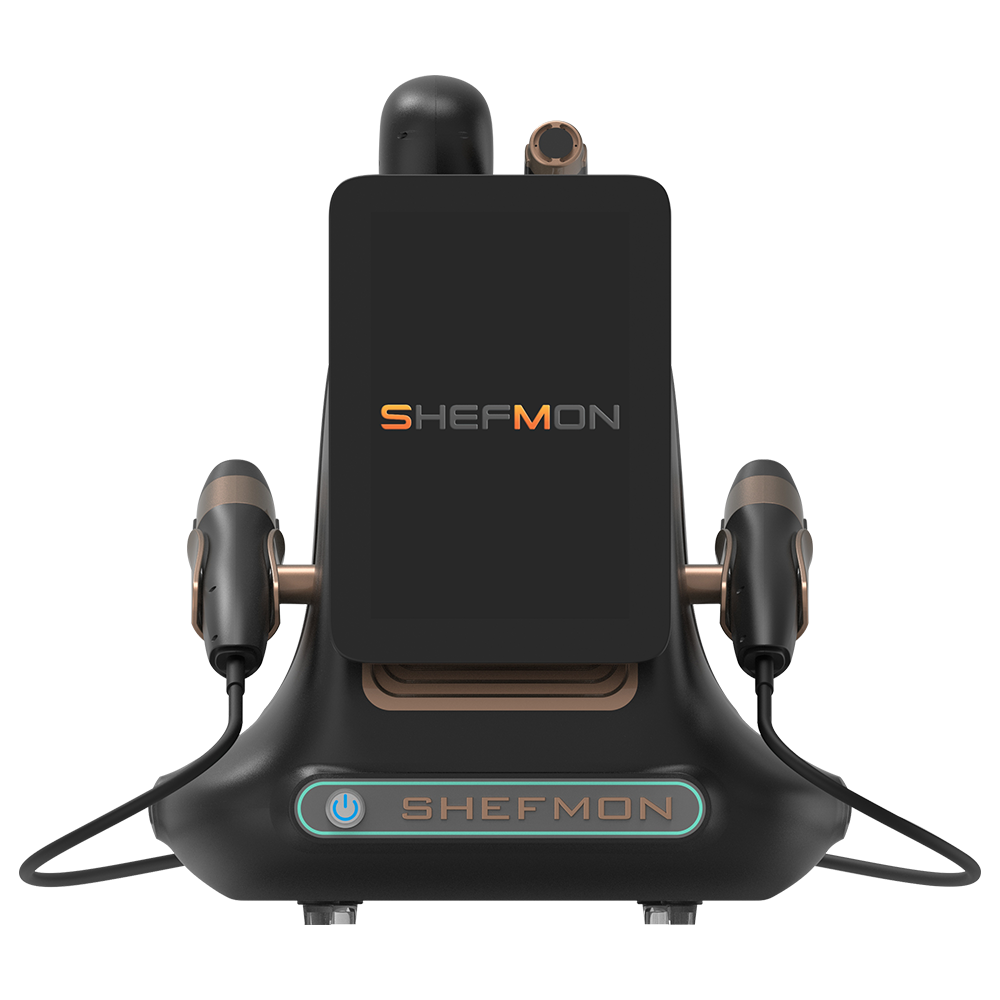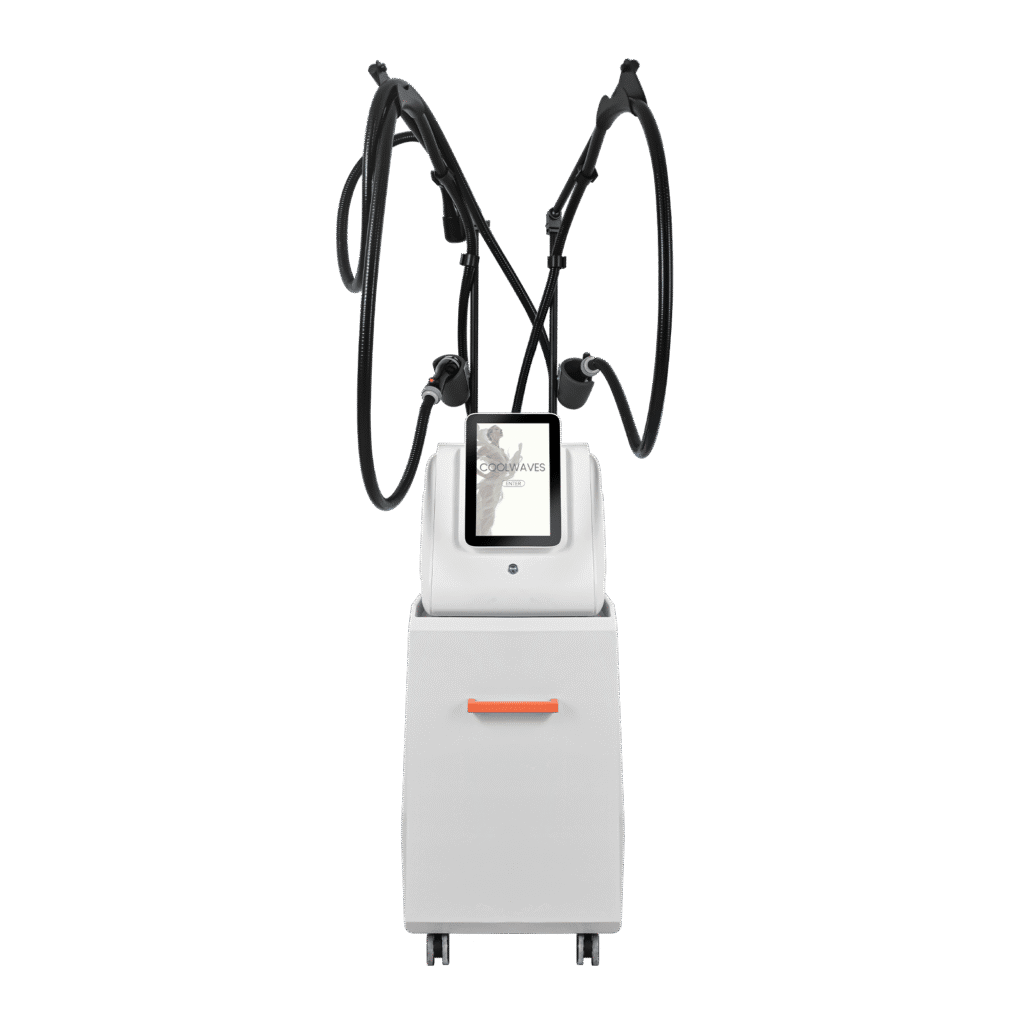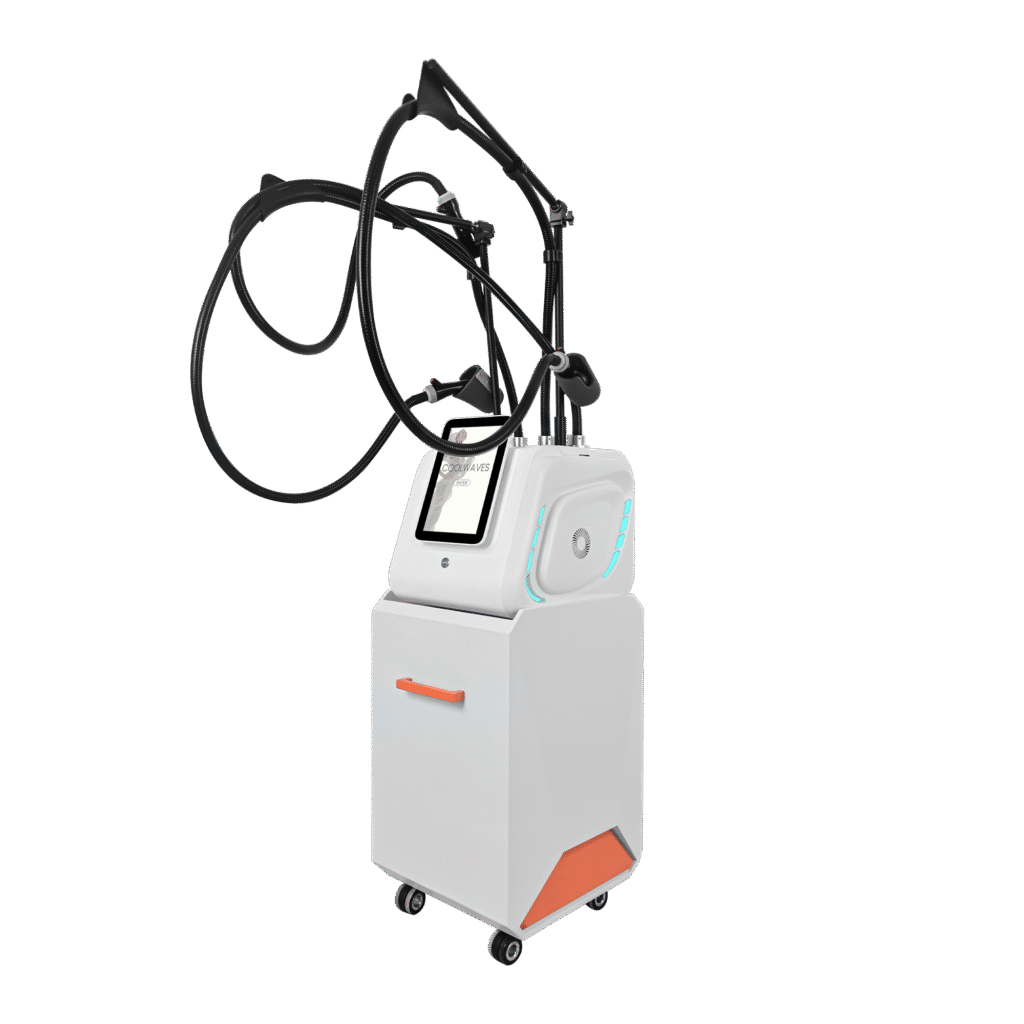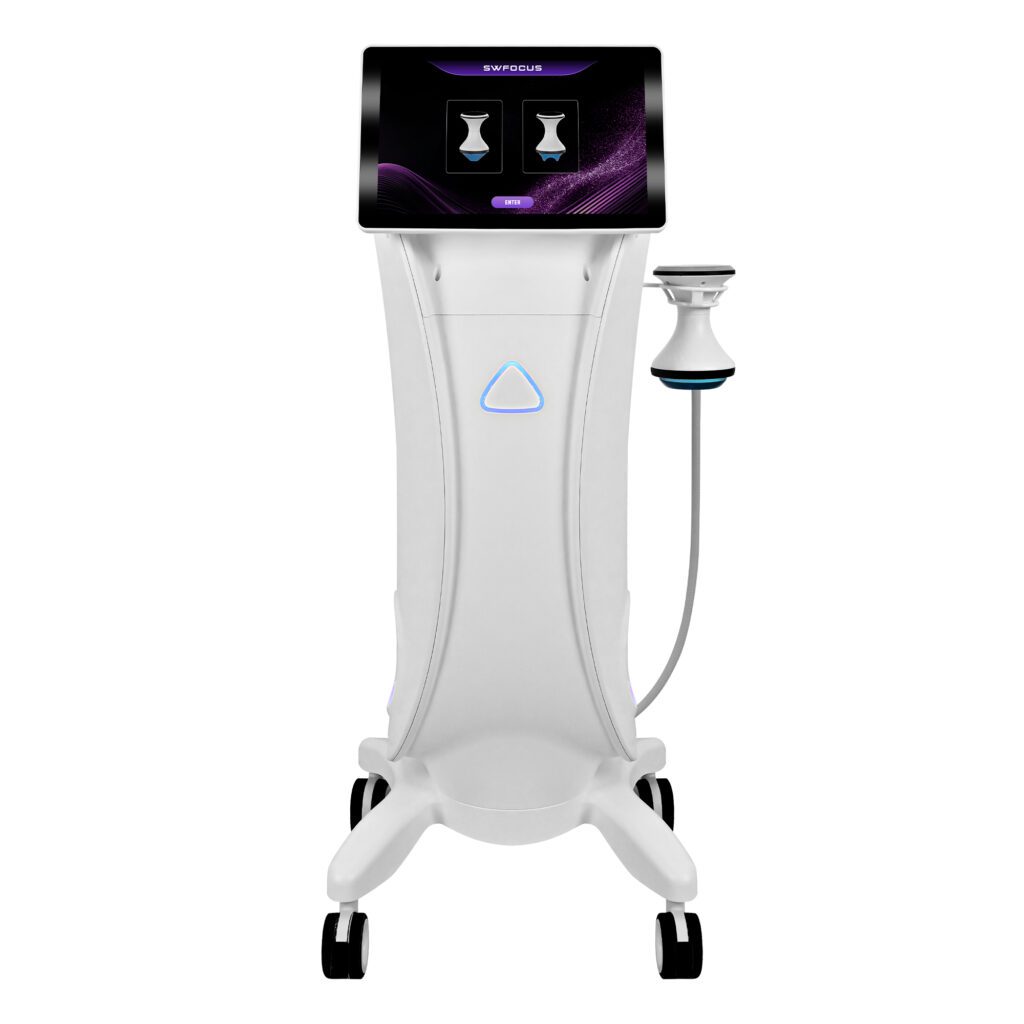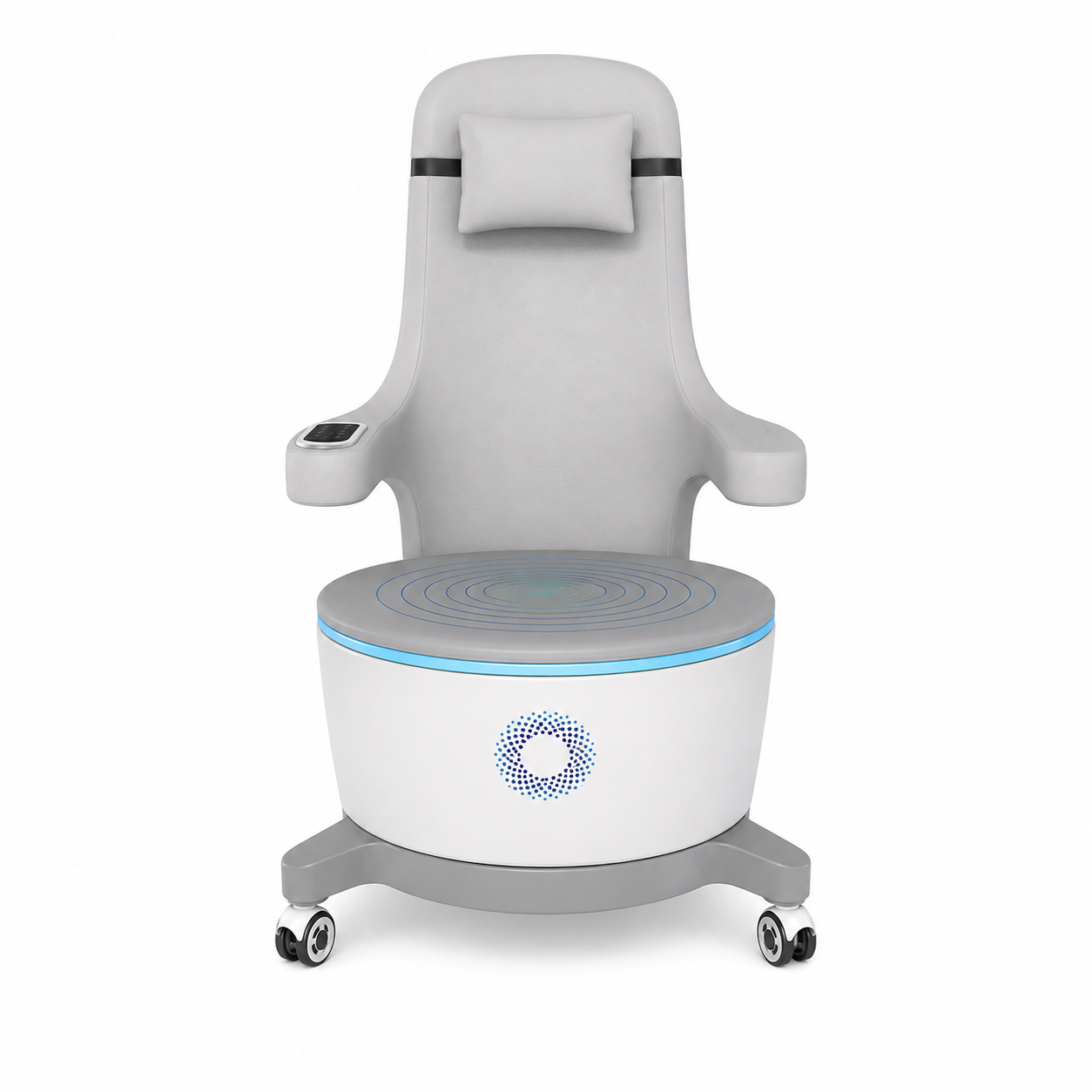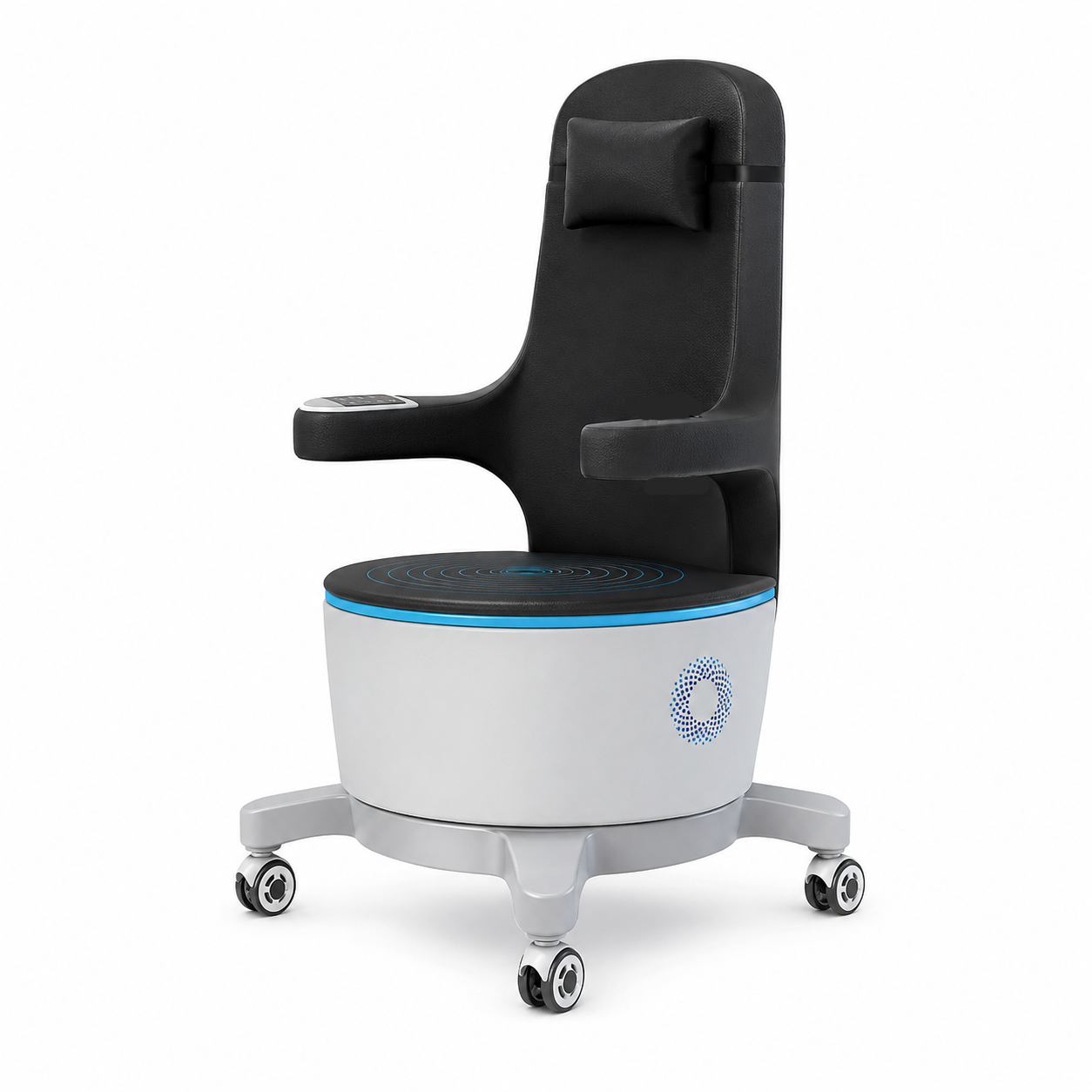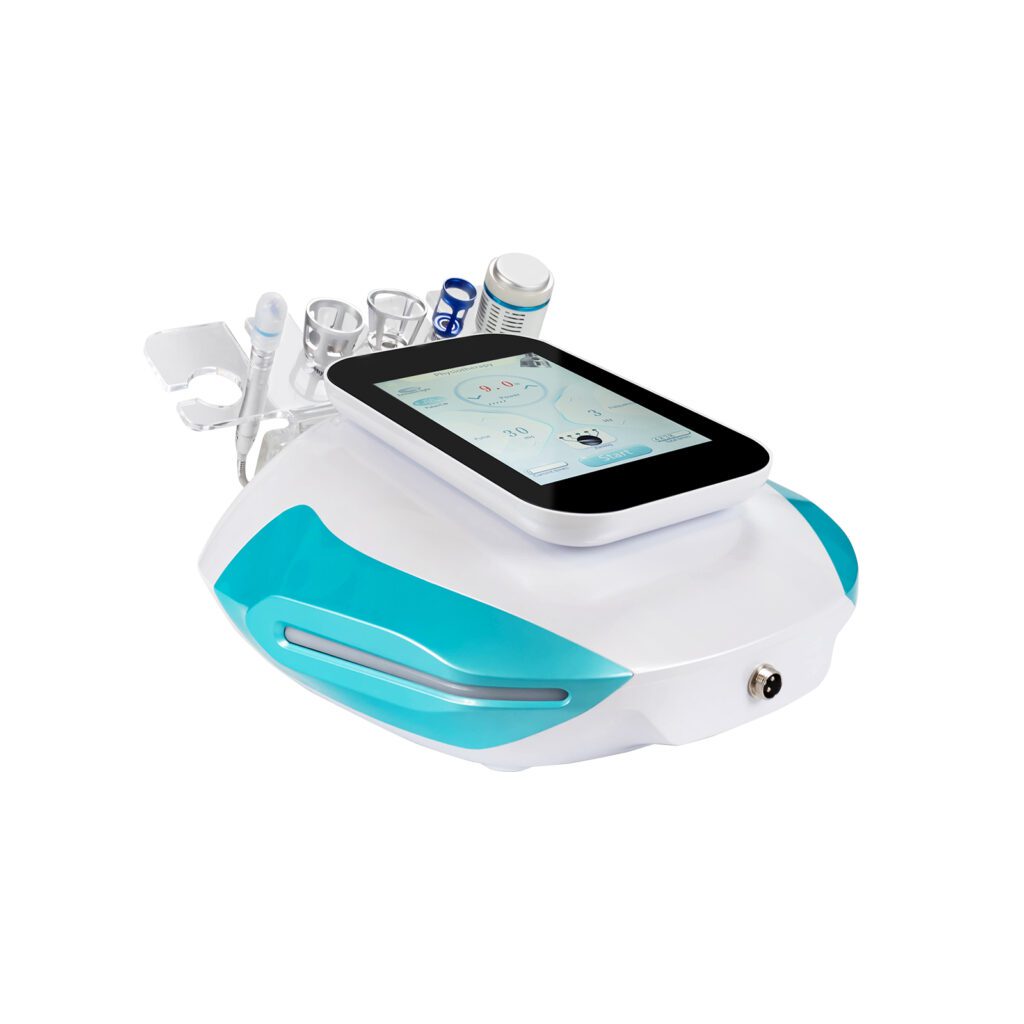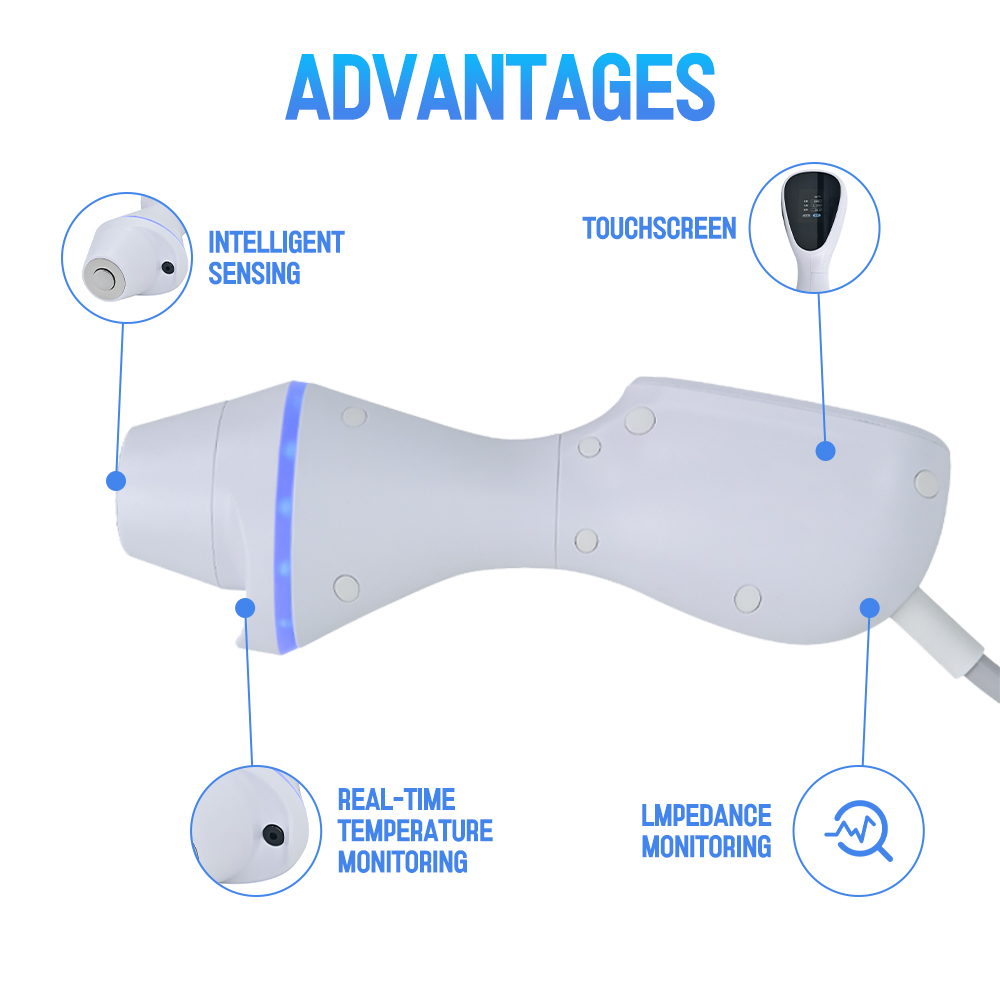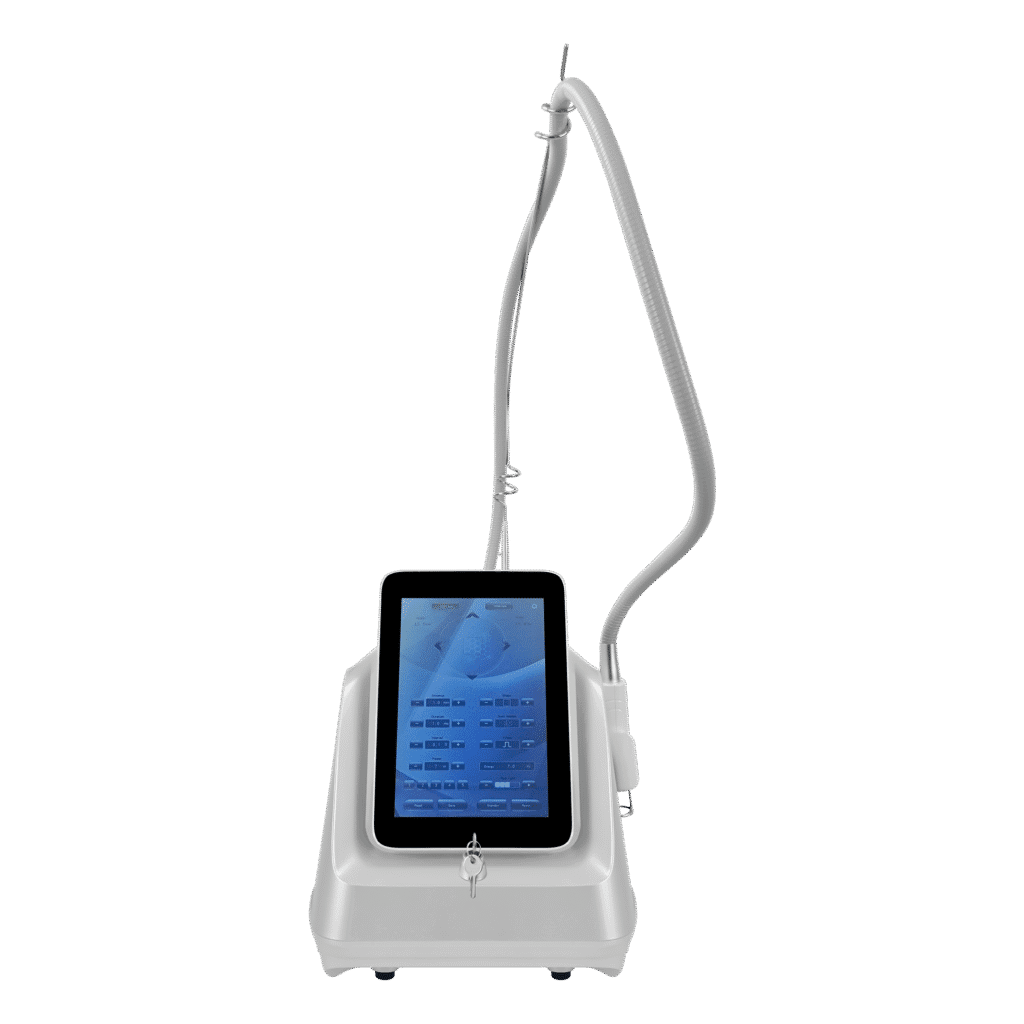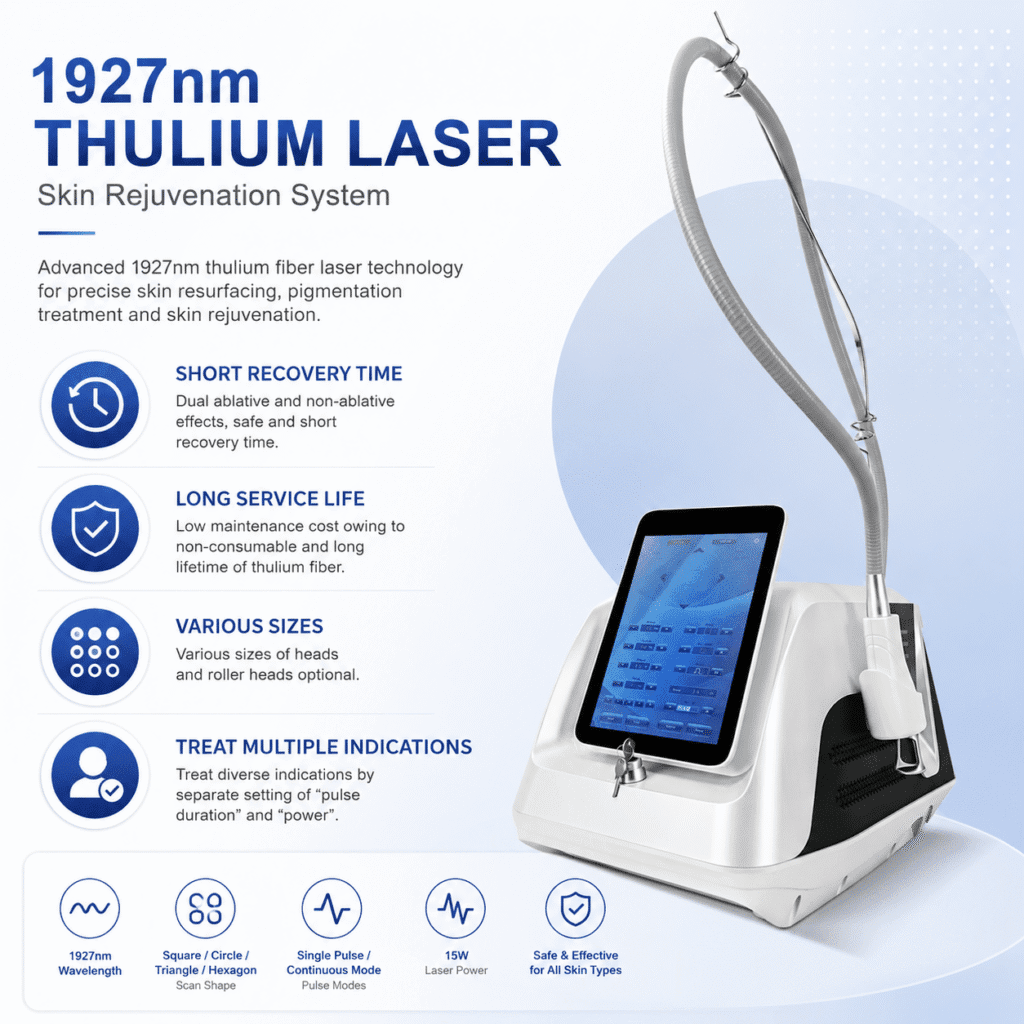

A beauty device can look convincing in a rendering and still be far from ready for production. The enclosure may be difficult to assemble, the screen flow may not match the handle configuration, cooling capacity may be uncertain, service access may be poor, or the production line may have no reliable way to test the finished unit. Design reviews expose these gaps while changes are still manageable.
The purpose of a design review is not to approve attractive styling or report that engineering is busy. It is to compare the current design with controlled requirements, risks, interfaces, manufacturing constraints, and objective evidence. Each review should end with a clear decision about what may advance, what must change, and what evidence is still missing.
This guide explains how beauty device factories can structure reviews from industrial concept through architecture, prototypes, verification, pilot production, and final manufacturing readiness. It also shows what distributors and OEM/ODM buyers can ask for when they need confidence that a proposed model can be built, configured, tested, documented, and supported consistently.
Resumen ejecutivo
A reliable beauty device design-review process should:
- Review the right questions at the right stage. Concept reviews test user fit and product direction; architecture reviews examine interfaces; detailed reviews inspect implementation; production-readiness reviews confirm factory controls.
- Require defined entry evidence. A review should not begin merely because a calendar date has arrived. Drawings, prototypes, requirements, tests, risks, and open issues must be mature enough for the intended decision.
- Use cross-functional reviewers. Product, industrial design, mechanical, electrical, software, quality, production, sourcing, service, documentation, and market specialists see different failure paths.
- Separate findings from opinions. Every concern needs a reference, consequence, owner, priority, due point, and closure evidence.
- Review the complete configured system. The console, screen, handpieces, applicators, accessories, consumables, cables, software, packaging, labels, manuals, and service parts must work as one controlled product.
- Connect reviews to verification. A visual inspection cannot approve performance, and a successful function test cannot prove manufacturing repeatability.
- Keep unresolved risk visible. Conditional approval should state exactly what remains open and which later activity depends on closure.
- Treat production readiness as evidence. Released drawings, controlled bills of materials, qualified suppliers, assembly instructions, test methods, pilot results, and configuration records are more meaningful than a polished prototype.
The result should be a traceable path from approved product intent to a production baseline that the factory can reproduce and the buyer can identify.
1. What Is a Beauty Device Design Review?
A design review is a planned, documented evaluation of the current product design against its approved inputs and the decision required at that stage. It asks whether the design is sufficiently complete, supported, and controlled to proceed.
A useful review answers five questions:
- What version and configuration are being reviewed?
- Which approved requirements and risks apply?
- What evidence shows that the design addresses them?
- Which problems or uncertainties remain?
- What decision and follow-up actions result?
Reviews can occur at several levels. A concept review may compare alternative formats. A subsystem review may focus on cooling, fluid delivery, power, software, or a handpiece. A formal gate review may decide whether the complete design can enter verification or pilot production.
2. A Design Review Is Different from a Progress Meeting
A progress meeting asks whether tasks are on schedule. A design review asks whether the design is acceptable for a defined purpose.
Progress information may support the discussion, but percentage complete does not prove design quality. A housing can be described as 90 percent complete while critical connector access remains unresolved. Software can be reported as finished while the approved configuration has not been tested. A prototype can operate during a demonstration while its internal assembly is unsuitable for production.
The review agenda should therefore follow requirements, interfaces, risks, evidence, and decisions rather than a general department update.
3. Map the Review Sequence before Detailed Design
The project plan should define its major reviews early. The exact sequence depends on product complexity, but the following structure is practical for many professional beauty devices.
| Review stage | Decisión principal | Evidencia típica |
|---|---|---|
| Industrial concept review | Does the proposed form and workflow fit the intended buyer, operator, and product role? | Concept brief, use scenarios, dimensions, renderings, mockups, preliminary risks |
| System architecture review | Can the major subsystems and interfaces satisfy the approved requirements? | Block diagrams, interface definitions, power and thermal estimates, configuration concept |
| Preliminary design review | Is the selected direction feasible enough for detailed development? | Initial CAD, schematics, software flow, component choices, prototype findings |
| Detailed design review | Is the implementation complete and internally consistent? | Released-candidate drawings, BOM, tolerances, code build, interface records, risk updates |
| Verification-readiness review | Are the test articles, methods, criteria, and configurations ready? | Requirements traceability, test plans, calibrated equipment, sample definition |
| Production-readiness review | Can the factory build and test the approved product repeatedly? | Production files, supplier controls, work instructions, fixtures, pilot-build evidence |
| Release review | Are required issues closed and all deliverables approved for the named configuration? | Verification results, pilot actions, approved documentation, release records |
Small projects may combine gates, while complex platforms may add subsystem reviews. Combining meetings should not remove the evidence or decisions each gate requires.
4. Establish the Controlled Design Inputs
Reviewers need a common baseline. Before industrial and engineering work advances, the project should identify:
- intended buyer, professional user, and operating environment;
- product role and target service category;
- approved functional and performance requirements;
- dimensions, mobility, storage, and workflow constraints;
- electrical, thermal, optical, vacuum, fluid, RF, ultrasound, mechanical, or other relevant system needs;
- software, interface, language, and access requirements;
- handpiece, applicator, accessory, and consumable scope;
- market, safety, documentation, and labeling requirements requiring qualified review;
- reliability, maintenance, and service expectations;
- manufacturing, inspection, packaging, and shipping constraints; and
- standard, optional, regional, and customer-specific configurations.
If a requirement is uncertain, it should be recorded as an open item with an owner and decision point. Hidden assumptions prevent an honest review.
5. Define Entry and Exit Criteria for Every Review
Entry criteria state what must exist before the meeting. Exit criteria state what must be true before the design may advance.
For example, an architecture review may require an approved concept, current requirements, subsystem block diagrams, an interface list, preliminary calculations, and an initial risk record. Its exit criteria may require selection of one architecture, ownership of every major interface, resolution of critical feasibility questions, and approved actions for remaining risks.
When entry evidence is missing, the team can hold a working session, but it should not record formal approval. When exit criteria are only partly met, the decision should be conditional and linked to explicit closure evidence.
6. Put the Correct Functions in the Room
Design reviews fail when all reviewers share the same viewpoint. Participants should reflect the decision being made.
- Product management protects intended buyer value, scope, and requirements.
- Industrial design evaluates form, physical interaction, brand expression, cleaning surfaces, and human factors.
- Mechanical engineering reviews structure, tolerances, fastening, movement, connectors, airflow paths, and service access.
- Electrical and systems engineering examines power, boards, sensors, grounding, subsystem interfaces, and fault behavior.
- Software and interface teams review operating logic, parameters, user access, language, diagnostics, and version compatibility.
- Calidad challenges acceptance criteria, risk controls, test coverage, traceability, and release evidence.
- Production engineering evaluates assembly sequence, tools, fixtures, mistake prevention, inspection, and testability.
- Sourcing checks component availability, supplier capability, substitution risk, and lifecycle.
- Service and training review diagnostics, replaceable modules, maintenance, operator tasks, and support material.
- Qualified market specialists assess requirements that depend on destination market, intended use, claims, or professional conditions.
The review chair should be able to control scope and decisions. The design owner presents the evidence but should not be the only person deciding whether it is sufficient.
7. Review Evidence Instead of Presentation Quality
Slides can organize a review, but they are not the product record. Reviewers should be able to inspect the controlled source material behind each conclusion.
Useful evidence can include:
- requirement identifiers and traceability;
- dated drawings and CAD versions;
- schematics and interface-control documents;
- calculations and simulations;
- prototype build records;
- measurements and test results;
- component and supplier data;
- software build identifiers;
- risk analyses and control status;
- photos of assembly or service trials;
- usability observations;
- inspection plans and production instructions; and
- approved deviation or change records.
An impressive demonstration cannot replace a controlled result if the tested unit, software, handpiece, settings, or conditions cannot be identified.
8. Industrial Concept Review: Confirm the Product Direction
The industrial concept review occurs before the project commits to detailed surfaces and internal construction. It should confirm whether the proposed product form supports the business and operator problem.
Review questions may include:
- Does the format suit the intended treatment room and buyer profile?
- Can the operator see and reach the controls from the expected position?
- Is there a realistic place for every standard handpiece, cable, bottle, accessory, and consumable?
- Can the unit move, stop, and remain stable as intended?
- Do cleaning boundaries and exposed surfaces fit the planned workflow?
- Is the screen size and position justified by viewing distance and interaction?
- Does the concept leave credible space for power, cooling, pumps, boards, and wiring?
- Can service personnel reach likely replacement modules?
- Does the concept create an unnecessary resemblance or overlap with another model?
At this stage, physical mockups and spatial studies are often more informative than photorealistic renderings.
9. Prevent Styling from Hiding System Constraints
A concept may promise a thin enclosure, continuous high output, multiple handles, silent operation, extensive storage, easy service, and low shipping volume. These goals compete for space and resources.
The review should expose conflicts among:
- external dimensions and internal clearances;
- airflow and acoustic expectations;
- screen placement and structural support;
- handle storage and cable bend radius;
- water or fluid paths and electronics separation;
- mobility and center of gravity;
- sealed surfaces and service access;
- visual simplicity and the number of connectors; and
- packaging size and protection.
The team can then rank the constraints and revise the concept before styling becomes expensive to change.
10. System Architecture Review: Allocate Every Function
The architecture review divides the product into subsystems and defines how they interact. Depending on the category, the system may include:
- mains input and power conversion;
- control board and embedded software;
- display and user interface;
- cooling loop or airflow system;
- vacuum, pressure, fluid, or drainage path;
- energy-generation module;
- handpieces, applicators, cartridges, or tips;
- sensors, alarms, and interlocks;
- chassis, enclosure, wheels, shelves, and holders;
- data, diagnostic, or service interface; and
- packaging, accessories, and external supporting items.
Each function needs an owner, input, output, operating limit, fault response, and verification path. An unowned interface becomes a late integration problem.
11. Build an Interface Register
Subsystems can work separately and fail when connected. An interface register should identify mechanical, electrical, software, thermal, optical, pneumatic, fluid, and user interfaces.
For each interface, record:
- connected items and configuration;
- connector, mounting, communication, or flow definition;
- allowable limits and tolerances;
- key failure consequences;
- responsible owner on each side;
- verification method; and
- Revisión actual.
This is especially important when consoles accept several handpieces or when regional versions use different power, language, label, or accessory packages.
12. Preliminary Design Review: Test Feasibility before Detail
The preliminary design review examines whether the chosen architecture can become a viable product. Evidence should move beyond assumptions.
Reviewers may expect:
- preliminary mechanical layout and stack-up;
- early schematics and power budget;
- thermal or cooling estimates;
- initial pump, vacuum, flow, or pressure evidence where relevant;
- screen map and operating-state logic;
- proposed handpiece and connector interfaces;
- critical component candidates;
- initial prototype results;
- updated risk controls;
- sourcing and production concerns; and
- a plan for unresolved technical questions.
The desired outcome is confidence in the direction, not proof that every dimension is final.
13. Review the Enclosure as a Production Assembly
The enclosure should be assessed as more than an outer shell. Review:
- material and manufacturing process;
- wall thickness, ribs, bosses, brackets, and fasteners;
- tolerance accumulation and visible gaps;
- internal mounting and wire routing;
- ventilation and filter access;
- resistance to expected movement and handling;
- wheel, base, and center-of-gravity arrangement where applicable;
- screen, bottle, shelf, and handle-holder mounting;
- assembly order and tool clearance;
- cleaning surfaces and inaccessible traps; and
- access for diagnosis and module replacement.
Production and service representatives should try the proposed sequence. CAD access that appears adequate may be impractical with real tools, cables, and hands.
14. Review Power, Thermal, Cooling, Vacuum, and Fluid Systems
Beauty device categories place different demands on internal systems. Reviews should use the relevant calculations and tests rather than one generic checklist.
Questions can include:
- Does the power architecture cover normal, peak, startup, and fault conditions?
- Can cooling performance be maintained under the defined operating profile and environment?
- Are airflow inlets, outlets, filters, and heat sources positioned coherently?
- Are pumps, bottles, valves, tubing, seals, and drainage paths accessible and secured?
- Can leakage or condensation affect electronics or connectors?
- Do vacuum or flow measurements use defined setups and calibrated instruments?
- Are sensors and alarms connected to meaningful failure responses?
- Can production test the important limits without dismantling the machine?
The review should connect every claimed operating condition to a later verification method.
15. Review Handpieces, Applicators, and Consumables as Product Configurations
The handpiece is not an independent accessory if it changes power, software, cooling, storage, training, maintenance, or service requirements.
For every approved item, reviewers should check:
- identifier and revision;
- compatible console hardware and software;
- mechanical and electrical connection;
- operating limits and parameter mapping;
- recognition or selection logic;
- cable or tubing management;
- holder and transport position;
- cleaning, storage, replacement, or disposal information as applicable;
- production inspection and functional test;
- packaging status; and
- standard, optional, regional, or special-order classification.
If a model has several packages, the review should test each released combination rather than an undefined collection of possible parts.
16. Review Software and the User Interface by State
Screens should be reviewed together with device behavior. A useful review follows the product from startup through operation, warnings, maintenance, errors, service access, and shutdown.
Controlar:
- hardware and software compatibility;
- build and language identifiers;
- visible handle or mode selection;
- units, ranges, defaults, and boundary behavior;
- user permissions and protected functions;
- warning and error presentation;
- recovery after interrupted operation;
- sensor and interlock response;
- diagnostic information;
- update and rollback controls where applicable; and
- production loading and confirmation.
A static screen review cannot reveal timing, state-transition, or hardware-response errors. The interface must be exercised on the correct configured product.
17. Detailed Design Review: Confirm Implementation Completeness
The detailed review occurs when the design is mature enough to inspect exact implementation. Reviewers should be able to trace requirements into drawings, schematics, software, components, assemblies, and verification plans.
The review should confirm:
- critical dimensions, tolerances, materials, and finishes;
- released-candidate component identifiers;
- complete connectors, wiring, tubing, and fasteners;
- updated power, thermal, structural, or other analyses;
- software behavior and build compatibility;
- labeling and identification locations;
- assembly and service access;
- risk-control implementation;
- inspection and test points;
- configuration differences; and
- closure of preliminary-review findings.
The goal is a coherent design baseline from which controlled verification articles can be built.
18. Review Drawings, BOMs, and Configurations Together
A drawing may be correct while the bill of materials references an old component. The BOM may be correct while the assembly instruction shows an obsolete routing path. The sales configuration may promise a handpiece that the software build does not support.
Reviewers should compare:
- part and assembly drawings;
- BOM levels and quantities;
- approved supplier and component records;
- software and firmware versions;
- handpiece and accessory matrix;
- regional electrical and language options;
- labels, manuals, and packaging lists;
- production work instructions; and
- service replacement records.
Every released unit should be identifiable by model, hardware, software, configuration, and applicable documentation.
19. Use Prototypes to Answer Defined Questions
One prototype should not be expected to answer every question. Different builds may be created to evaluate appearance, spatial fit, subsystem performance, integration, user workflow, verification, or manufacturing.
Before a build, define:
- the question being tested;
- included and excluded functions;
- part and software versions;
- temporary substitutions or deviations;
- test method and acceptance criteria;
- responsible observer; and
- disposition after the trial.
Afterward, record the result and its limitation. A handmade engineering unit can support a technical conclusion while providing little evidence about production variation or assembly time.
20. Classify and Close Review Findings
Every finding should have a stable identifier and clear disposition.
| Finding class | Significado | Possible disposition |
|---|---|---|
| Critical blocker | The design cannot safely or credibly advance through the intended gate | Correct and re-review before progression |
| Major issue | Requirement, interface, verification, production, or support readiness is incomplete | Assign action and objective closure evidence |
| Minor issue | Limited correction is needed without changing the main design decision | Close through document or design update |
| Pregunta | Evidence or intent is unclear | Clarify source, answer, and record conclusion |
| Recomendación | Improvement is useful but not required for the current approved scope | Accept, defer, or reject with rationale |
| Future item | Valid idea outside the current release | Transfer to controlled backlog or roadmap |
Closure should show what changed and how the reviewer confirmed it. Marking an action complete because a new file was uploaded is insufficient when the underlying issue has not been checked.
21. Control Conditional Approval
Conditional approval can keep a project moving when remaining issues are bounded. It should state:
- the approved scope and version;
- every open condition;
- owner and due point;
- required closure evidence;
- work allowed to continue;
- work prohibited until closure; and
- authority that will confirm completion.
Conditions should not include unresolved issues that could invalidate the architecture or make later work unsafe, unusable, or commercially misleading. If closing the action could change the design basis, the gate has not truly been passed.
22. Conduct a Verification-Readiness Review
Before formal verification begins, confirm that:
- the design baseline is identified;
- requirements and acceptance criteria are approved;
- traceability connects each requirement to a method;
- test articles represent the intended configuration;
- software, handpieces, accessories, and consumables are recorded;
- fixtures and measurement equipment are suitable;
- sample quantities and conditions are justified;
- test personnel have current procedures;
- deviations require approval; and
- results will be stored in controlled records.
Starting verification with moving requirements or unidentified prototypes creates results that cannot support release decisions.
23. Separate Verification from Workflow Validation
Verification asks whether the design meets defined requirements. Workflow validation asks whether the resulting product supports the intended user and business setting under representative conditions.
A device may pass dimensional, electrical, thermal, vacuum, software, and functional tests yet still create poor operator movement, confusing setup, difficult changeover, or impractical storage. Conversely, a successful demonstration does not prove that every technical limit is met.
Both forms of evidence should use the intended configuration and identify the user profile, environment, task, and result. Review by qualified specialists is needed wherever intended use, claims, professional conditions, or destination-market requirements demand it.
24. Production-Readiness Review: Change the Main Question
At production readiness, the question changes from “Can this unit work?” to “Can the factory build and confirm the approved model repeatedly?”
| Área de preparación | Evidence to review |
|---|---|
| Product baseline | Approved drawings, BOM, software, configuration matrix, change status |
| Suministrar | Qualified components, supplier records, incoming criteria, substitution control |
| Assembly | Work sequence, tools, fixtures, torque or process controls, workmanship criteria |
| Inspection and test | In-process checks, functional test, limits, records, equipment control |
| Configuración | Model, voltage, language, handpiece, accessory, label, manual, packaging rules |
| Calidad | Nonconformance path, traceability, release authority, retained evidence |
| Documentación | Approved user, training, service, packaging, and commercial data |
| Apoyo | Spare parts, diagnostics, repair instructions, escalation, version identification |
| Pilot evidence | Build quantity, yield observations, deviations, issues, corrective actions |
A high-quality prototype cannot compensate for missing factory instructions or an uncontrolled configuration.
25. Review Design for Assembly and Inspection
Production engineering should examine whether operators can assemble the design in a clear sequence with accessible tools and repeatable results.
Review points include:
- part orientation and mistake prevention;
- unique versus interchangeable connectors;
- routing for wires, tubes, and cooling lines;
- fastening access and controlled settings;
- protection against pinching, abrasion, leakage, or looseness;
- subassembly test before final enclosure;
- inspection visibility;
- software loading and version confirmation;
- serial and configuration identification; and
- rework boundaries.
If a critical connection cannot be seen or tested after assembly, the design or process needs an alternative control.
26. Review Supplier and Incoming-Control Readiness
A production-ready design depends on parts that suppliers can reproduce. Review:
- approved drawings and purchasing specifications;
- critical characteristics and tolerances;
- supplier capability and sample approval;
- incoming inspection or test method;
- material, finish, and cosmetic standards;
- firmware or programmable-part control;
- lot and version identification;
- storage and shelf conditions where relevant;
- alternate-source or substitution rules; and
- response to supplier changes.
An apparently equivalent component should not enter production without checking its effect on performance, interfaces, verification, documentation, and existing inventory.
27. Review Production Test Coverage
Formal design verification demonstrates the design. Production testing confirms each manufactured unit or lot according to the released control plan.
The review should map known failure modes and critical requirements to practical factory checks. Depending on the category, production tests may cover:
- power-up and electrical functions;
- software and language version;
- screen, buttons, indicators, alarms, and sensors;
- handpiece recognition and output functions;
- cooling, airflow, vacuum, pressure, or flow;
- connectors and cable continuity;
- leakage and fluid routing;
- calibration or parameter confirmation where applicable;
- accessory and package completeness; and
- final appearance and identification.
Test limits, fixtures, equipment status, operator steps, and result records should be controlled.
28. Use the Pilot Build as a Review of the Whole System
A pilot build should use intended production materials, people, methods, tools, software, and records as far as practical. Its purpose is to expose interactions that separate document reviews miss.
Observar:
- component availability and line presentation;
- assembly sequence and bottlenecks;
- fit, routing, and workmanship variation;
- unclear instructions;
- tool and fixture performance;
- test time and false failures;
- defect and rework patterns;
- configuration and labeling mistakes;
- packaging completeness; and
- traceability from incoming parts to released unit.
Pilot findings should be assigned and closed before release. A workaround used by an experienced engineer should not silently become the production method.
29. Connect the Review to Quality-Control Records
The public SHEFMON quality-control page describes material testing, precision-parts assembly, circuit-board aging and power testing, functional aging, and prototype inspection. These process areas illustrate why the design must give production clear characteristics, limits, methods, and records to inspect.
A review should ask:
- Which product characteristics are important at incoming inspection?
- Which connections or settings must be controlled during assembly?
- Which failures can aging or functional testing reveal?
- Which configuration elements need final confirmation?
- What evidence authorizes release?
Quality control becomes more reliable when it is designed into the product and process rather than added after drawings are frozen.
30. Review Packaging, Documentation, Training, and Service Together
Production readiness includes the materials surrounding the machine. The review should confirm that the actual released configuration matches:
- packing list and internal packaging;
- power cord and regional accessories;
- handpieces, tips, bottles, cartridges, or consumables;
- model, serial, voltage, and package labels;
- user manual and setup information;
- cleaning and maintenance guidance;
- training material;
- compatibility table;
- troubleshooting and service information; and
- spare-parts identifiers.
Documentation should use the same model names, terminology, interface labels, parameters, and configuration status as the product.
31. Control Design Changes after Review Approval
Approval establishes a baseline; it does not make later change impossible. A proposed change should identify:
- reason and source;
- affected part, assembly, software, handpiece, document, or process;
- requirements and interfaces affected;
- risk and verification impact;
- supplier and inventory consequences;
- production, service, and installed-base effect;
- required regression testing;
- effective unit, serial range, or date; and
- approval authority.
Review findings, test failures, supplier changes, pilot learning, or buyer-approved customization can all trigger changes. Each must return to the appropriate review level rather than bypassing previous decisions.
32. Adapt Reviews for OEM/ODM Projects
El SHEFMON OEM/ODM page publicly describes areas such as exterior and mechanical design, internal layout, airflow and moisture considerations, handpiece connections, interface and language customization, functions, packaging, manuals, and prototyping. An OEM/ODM design review should define which of these areas differ from the standard platform and which remain controlled by the factory baseline.
The project record should distinguish:
- standard platform elements;
- approved customer-specific requirements;
- cosmetic or branding changes;
- mechanical, electrical, software, or function changes;
- buyer-supplied material and approval duties;
- destination-market review responsibilities;
- prototype and sample approval scope;
- verification affected by customization; and
- ownership of later revisions.
A buyer’s approval of appearance does not release technical, manufacturing, or quality obligations.
33. A0648 Review Example: Fluid, Vacuum, and Facial Workflow
El SHEFMON A0648 hydro microdermabrasion system is publicly presented as a multifunction facial platform associated with cleansing, exfoliation, extraction, hydration, and related functions.
For a new device in this category, staged reviews could examine:
- location and retention of bottles, tips, handles, and accessories;
- tubing path, bend, identification, and service replacement;
- vacuum and fluid behavior under defined conditions;
- separation of liquid paths from electronics;
- screen flow for selecting functions and parameters;
- cleaning and client-changeover tasks;
- leak inspection and functional production tests; and
- packaging completeness for the released handle set.
These are illustrative review questions, not claims about undisclosed A0648 development records.
34. A0426 Review Example: Power, Cooling, and Handpiece Configuration
El SHEFMON A0426 diode laser hair-removal system page lists wavelength choices, multiple spot-size choices, cooling information, a touch screen, and language options.
For a new system in this category, the design-review path could focus on:
- approved wavelength and handpiece configuration;
- power and cooling architecture;
- thermal behavior under the defined operating profile;
- connector, hose, cable, and holder arrangement;
- spot-size and software-parameter mapping;
- language and regional configuration control;
- warning, sensor, and fault-response logic;
- handpiece replacement and service identification; and
- factory tests for the released product version.
Reviewers should evaluate the exact configured unit rather than combine every public option into one assumed specification.
35. B0155 Review Example: Multifunction Integration
El SHEFMON B0155 Endoscopia de escritorio Velapro page presents a multifunction format and lists vacuum roller, RF, rotating massage, and 80K cavitation functions.
A design review for a new multifunction body platform could examine:
- primary product role and approved function package;
- simultaneous and prohibited operating states;
- power allocation and subsystem interaction;
- handpiece identification, connectors, and cable storage;
- interface clarity between modes;
- separate functional acceptance for each subsystem;
- cleaning and changeover workflow;
- training and documentation burden;
- desktop stability and accessory organization; and
- comparison with specialized models in the portfolio.
The example shows why adding functions increases interface and configuration work, even when each individual technology is already understood.
36. What Distributors and Buyers Can Request
Buyers do not need unrestricted access to confidential engineering files to ask useful readiness questions. They can request appropriate evidence such as:
- confirmed model and configuration sheet;
- standard and optional handpiece list;
- hardware, software, language, voltage, and plug identification;
- approved product specifications;
- sample or prototype approval record for a custom project;
- explanation of customization scope;
- packing list and documentation list;
- production inspection and functional-test overview;
- change control for buyer-approved elements; and
- process for reporting issues after delivery.
The appropriate level depends on whether the buyer is selecting a standard model, a regional configuration, or a custom OEM/ODM project.
37. Common Design-Review Failures
Factories should avoid:
- holding reviews without entry criteria;
- approving renderings before internal feasibility is understood;
- reviewing subsystems without their interfaces;
- accepting verbal decisions without records;
- using one prototype for conclusions it was not built to support;
- treating every comment as equally critical;
- closing findings without objective evidence;
- allowing conditional approval to remain open indefinitely;
- testing a different configuration from the one intended for sale;
- releasing drawings while BOMs, software, manuals, or packaging remain inconsistent;
- considering pilot-build workarounds normal production; and
- letting custom changes bypass regression review.
These failures do not always appear during a demonstration. They often emerge later as assembly variation, incorrect quotations, field confusion, service difficulty, or avoidable redesign.
38. Beauty Device Design-Review Checklist
- The reviewed model, version, and configuration are identified.
- The decision required from the review is stated.
- Entry criteria and required evidence are complete.
- Current requirements, risks, and interfaces are available.
- Relevant product, engineering, quality, production, sourcing, service, and market functions participate.
- Industrial design fits internal systems, workflow, cleaning, storage, movement, and service needs.
- Mechanical, electrical, thermal, cooling, vacuum, fluid, software, and handpiece interfaces are defined as applicable.
- Drawings, BOMs, software, configuration data, manuals, and packaging are consistent.
- Prototype identity, deviations, and test limitations are recorded.
- Every finding has a class, owner, due point, and closure evidence.
- Conditional approval states permitted and prohibited follow-on work.
- Verification methods match the requirements and configured product.
- Production assembly, inspection, testing, traceability, and configuration controls are ready.
- Pilot-build issues and workarounds are resolved or formally controlled.
- Supplier and incoming-inspection requirements are approved.
- Documentation, training, packaging, spare parts, and service records match the release.
- Late changes receive impact analysis and appropriate re-review.
- Final release identifies exactly what the factory is authorized to build.
Preguntas frecuentes
1. How many design reviews does a beauty device project need?
The number depends on novelty, complexity, subsystem count, customization, and risk. A practical project normally reviews concept, architecture, detailed implementation, verification readiness, and production readiness. Some gates can be combined when all required evidence and decisions remain explicit.
2. When should the first design review occur?
The first review should occur while several viable product directions still exist. Waiting until detailed CAD is finished makes it harder to correct room fit, workflow, internal space, cooling, storage, and service-access problems.
3. Who should approve an industrial design concept?
Approval should include product and industrial-design ownership plus the engineering, production, quality, and service functions affected by the concept. Qualified market specialists should review any requirements tied to intended use, claims, professional conditions, or destination markets.
4. Can a working prototype pass a design review?
A working prototype can support a review, but operation alone is not enough. The team must know its configuration, deviations, software, components, test conditions, and the specific question it was built to answer.
5. What is the difference between a design review and design verification?
A design review evaluates design maturity, evidence, risks, and readiness to proceed. Design verification uses approved methods to determine whether defined requirements have been met. Verification results are then examined during relevant reviews.
6. When is a beauty device production-ready?
It is production-ready when the approved design and configuration are controlled; suppliers, parts, software, assembly instructions, tools, inspections, tests, documentation, packaging, service material, and release records are ready; and required pilot findings have been closed.
7. Should open issues be allowed at a review gate?
Bounded issues may remain under conditional approval if their consequence, owner, closure evidence, and effect on later work are explicit. Issues that could invalidate the architecture, safety, core function, verification, or production method should block progression.
8. How should optional handpieces be handled in design reviews?
Each released option needs an identifier, compatible hardware and software, interface definition, operating limits, storage and packaging status, inspection method, documentation, and configuration rule. The factory should review actual approved combinations.
9. Do cosmetic OEM changes require technical review?
They can. A housing color, logo, label, screen theme, packaging change, or external panel may affect materials, readability, production instructions, inspection, inventory, or documentation. The review scope should follow the real impact rather than the word cosmetic.
10. How can a buyer discuss a production-ready beauty device project with SHEFMON?
Prepare the target buyer, service category, preferred format, required functions, destination markets, expected configurations, customization needs, documentation languages, and unresolved questions. Then Contacta con SHEFMON to discuss relevant standard models or a controlled OEM/ODM project.
Conclusión
Beauty device design reviews create a series of evidence-based decisions from industrial concept to production release. Early reviews protect product direction and system feasibility. Detailed reviews control implementation and interfaces. Verification-readiness reviews protect the integrity of testing. Production-readiness reviews confirm that suppliers, assembly, inspection, software, configuration, documentation, packaging, and service can support a repeatable released model.
The strongest process does not depend on one final meeting. It makes requirements, versions, findings, actions, evidence, and approvals visible throughout development. That discipline helps factories find problems earlier and gives distributors a clearer basis for evaluating what they are buying.
Explora el Catálogo de dispositivos de belleza de SHEFMON, review its Capacidades OEM/ODM, o Contacta con SHEFMON to discuss a standard configuration or product-development requirement for your market.