









EMS muscle stimulation machines are designed for different treatment areas, from facial muscle conditioning to body sculpting and pelvic floor training. Although these devices share the goal of stimulating muscle activity, their applicators, energy delivery methods, and intended applications can vary considerably. For beauty equipment distributors, salon owners, and wellness business operators, understanding these differences helps identify which machine best matches their target customers and service offerings. The three main application categories include facial EMS machines, body EMS sculpting machines, and electromagnetic pelvic floor chairs.
1. Facial EMS Machines for Facial Muscle Conditioning
Facial EMS machines are designed to stimulate facial muscles as part of non-invasive facial aesthetic treatments. Unlike body-focused equipment, these machines use applicators specifically designed for facial areas such as the cheeks and forehead.
The purpose of facial muscle stimulation is to activate targeted facial muscles through controlled electrical impulses. Depending on the device, treatments may also incorporate other energy technologies to address additional aesthetic concerns.
Common treatment areas include:
- Cheeks and midface
- Forehead
- Areas around the jawline
Facial EMS treatments are generally positioned within facial toning and firming programs. The treatment protocol, applicator placement, and intensity settings depend on the machine’s design and manufacturer’s instructions.
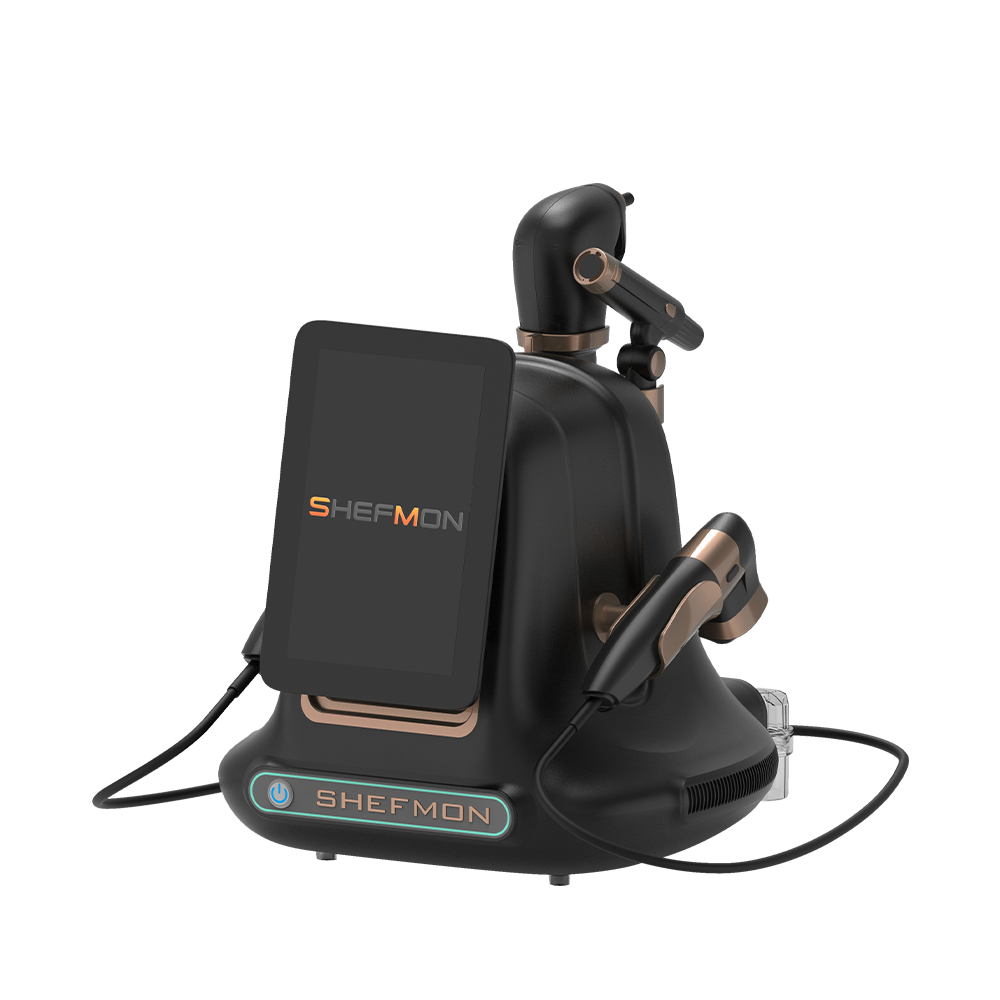
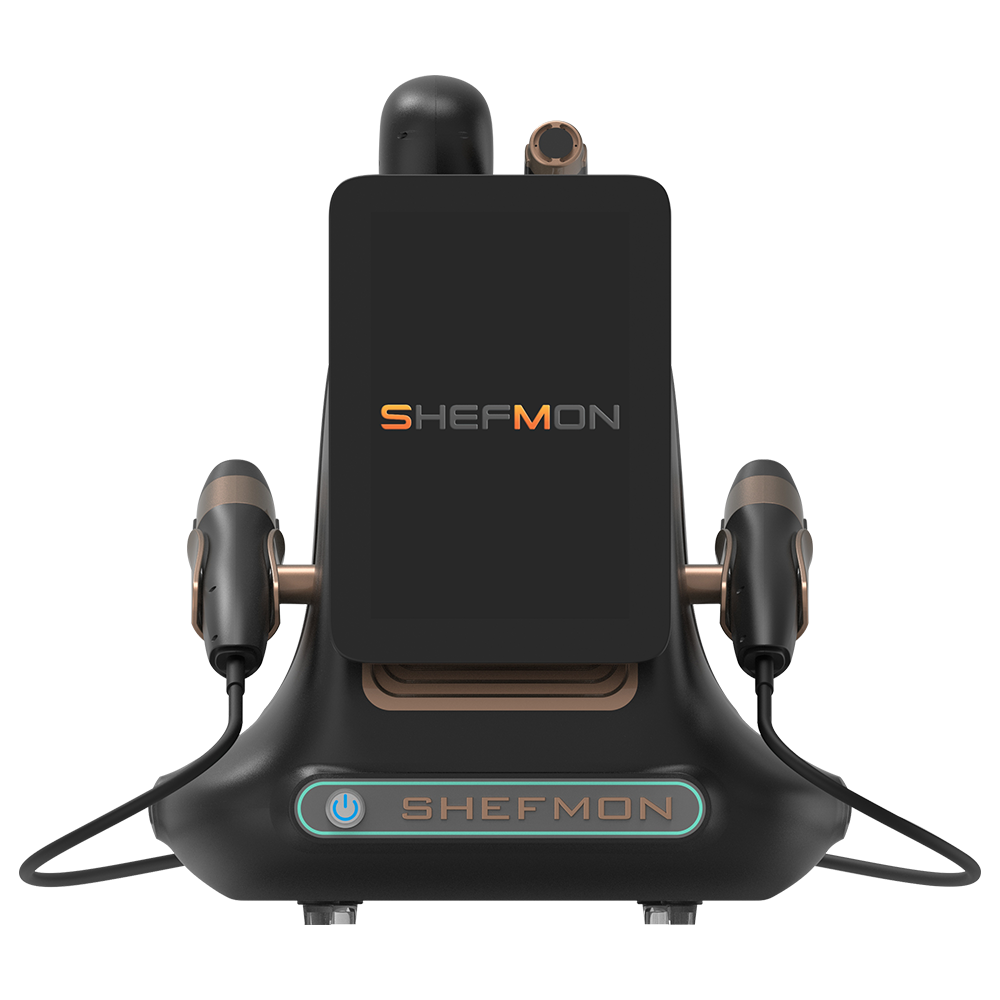
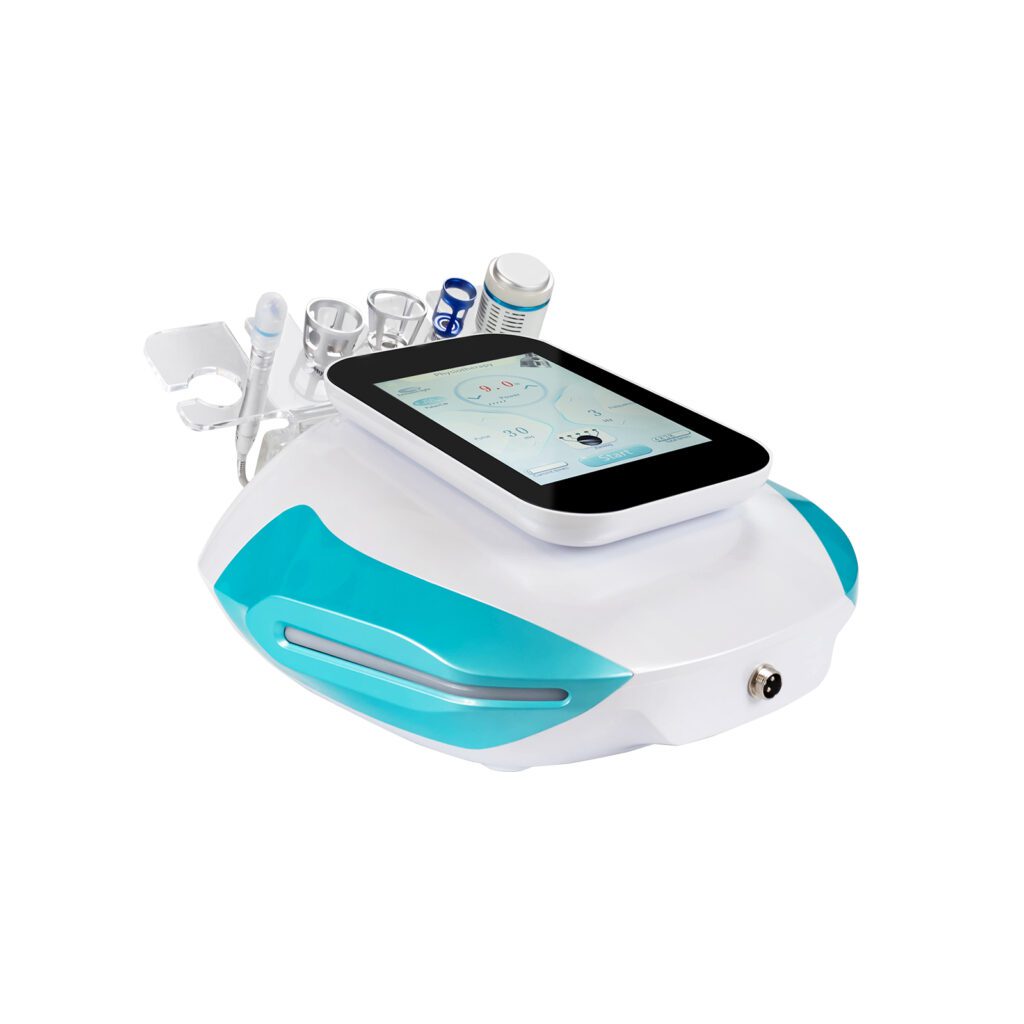
SHEFMON A0272-F Facial EMS Machine
The SHEFMON A0272-F Facial EMS Face Sculpting Machine combines HIFES (High-Intensity Facial Electrical Stimulation) with RF technology. Its design focuses on facial applications, with dedicated applicators for treating targeted facial areas.
The electrical stimulation component is intended to activate facial muscles, while RF delivers energy to the treatment area for complementary aesthetic applications. This makes the machine suitable for beauty businesses looking to expand their facial treatment offerings beyond conventional skincare services.
When evaluating a facial EMS machine, buyers should pay attention to applicator design, treatment area coverage, adjustable intensity, operating modes, and the clarity of the recommended treatment protocol.

2. Body EMS Machines for Muscle Training and Body Sculpting
Body EMS machines are designed for larger muscle groups and are commonly used in non-invasive body sculpting programs. They target areas where customers want to improve muscle definition and support body contouring services.
Unlike facial devices, body-focused machines use larger applicators that can be positioned over different muscle groups. Depending on the model, multiple applicators may allow several treatment areas to be addressed during a session.
Common application areas include:
- Abdomen
- Buttocks
- Thighs
- Arms
- Other suitable large muscle groups
Electromagnetic muscle stimulation is widely used in this equipment category. The machine generates electromagnetic fields that induce muscle contractions, allowing targeted muscles to undergo repeated stimulation during a treatment session.
For beauty businesses, this category is particularly relevant to body sculpting services. However, muscle stimulation and fat reduction are not interchangeable outcomes. Buyers should review the specific technology, product specifications, and supporting evidence rather than assuming that every EMS machine offers identical body contouring capabilities.
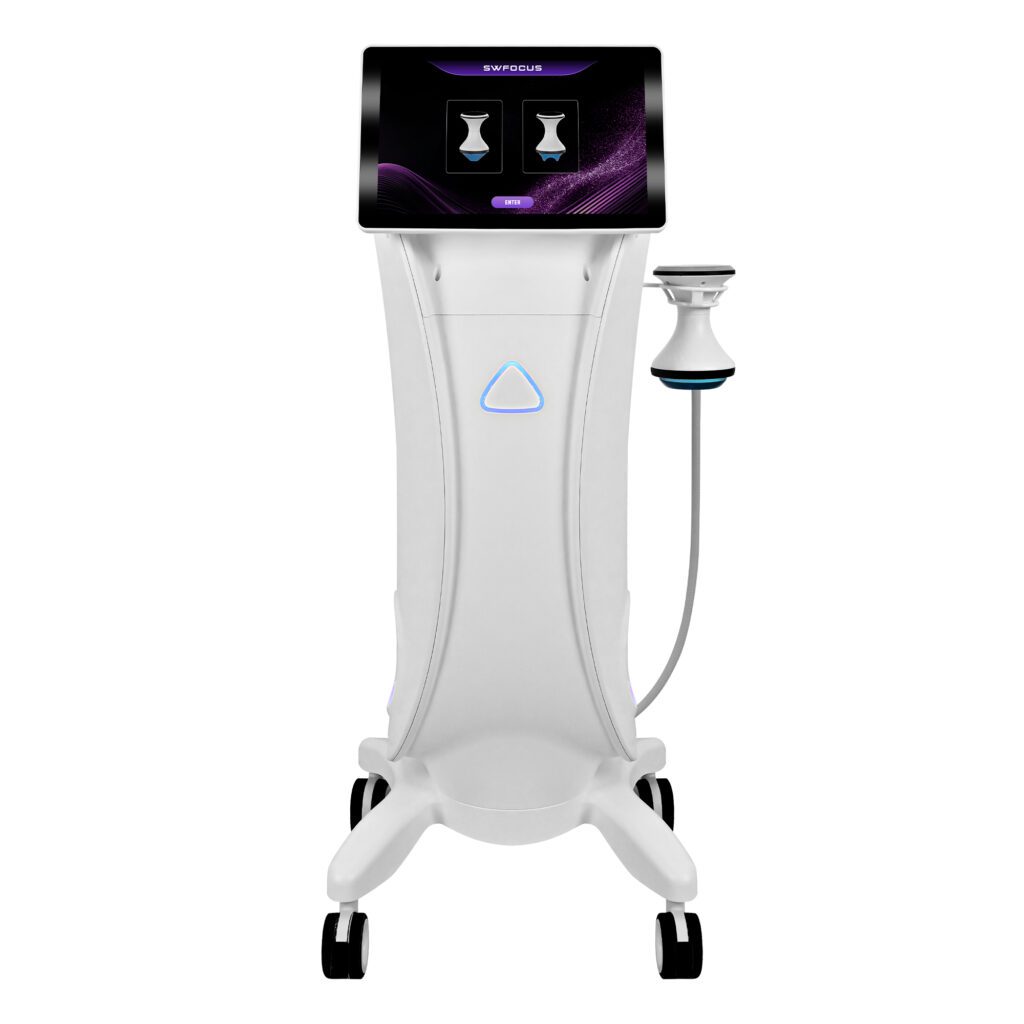
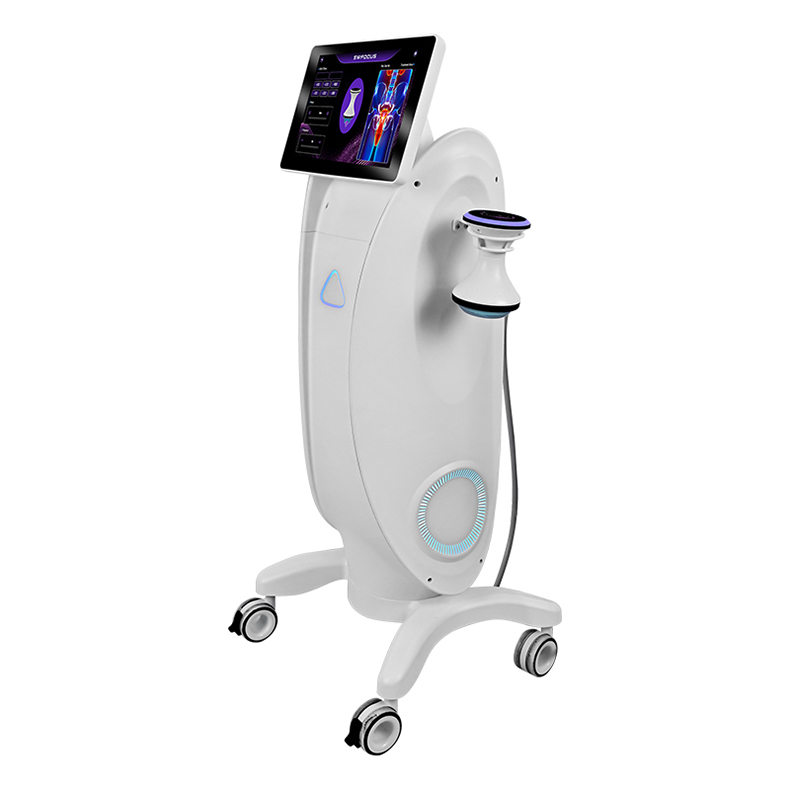
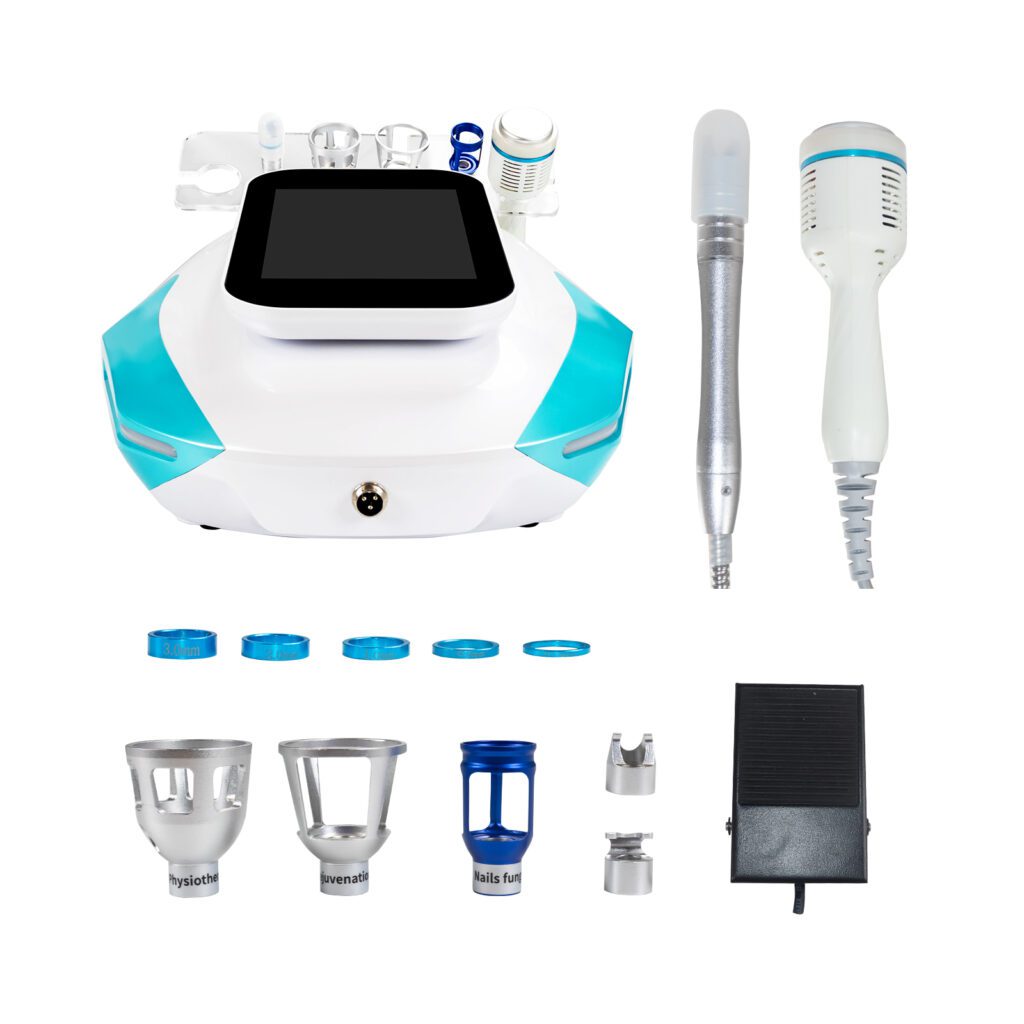
SHEFMON A0272 5-in-1 EMS Body Sculpting Machine
The SHEFMON A0272 5-in-1 EMS Body Sculpting Machine uses HIPEM electromagnetic stimulation technology and combines it with RF. It is designed for body-focused applications, including muscle stimulation and body contouring programs.
The machine supports multiple treatment areas through its applicator configuration. Its touchscreen interface allows operators to adjust treatment settings according to the selected program and the manufacturer’s operating guidelines.
For distributors and salon owners, the A0272 is an example of a multi-applicator body EMS machine. When comparing similar models, important considerations include electromagnetic output specifications, applicator quantity and size, cooling design, adjustable frequency, and the machine’s overall operating stability.

3. EMS Pelvic Floor Chairs for Pelvic and Back Muscle Training
Pelvic floor EMS chairs represent another distinct category of muscle stimulation equipment. Instead of using handheld or body-mounted applicators, these machines feature a dedicated seat that allows users to receive treatment while seated.
This format is designed for pelvic floor muscle stimulation and may also support selected back muscle training programs, depending on the machine’s configuration.
Pelvic floor muscle training is relevant to several wellness and rehabilitation-related service areas. Some businesses incorporate chair-based electromagnetic stimulation into women’s wellness programs, including pelvic floor conditioning. However, commercial aesthetic equipment should not automatically be considered a substitute for medical assessment or clinically supervised rehabilitation.
Potential application areas include:
- Pelvic floor muscle conditioning
- Women’s wellness programs
- Postpartum-related wellness services
- Selected back muscle training programs
Treatment suitability depends on the user’s individual circumstances, the machine’s approved intended use, and its contraindications. Operators should follow the manufacturer’s screening and treatment guidelines.
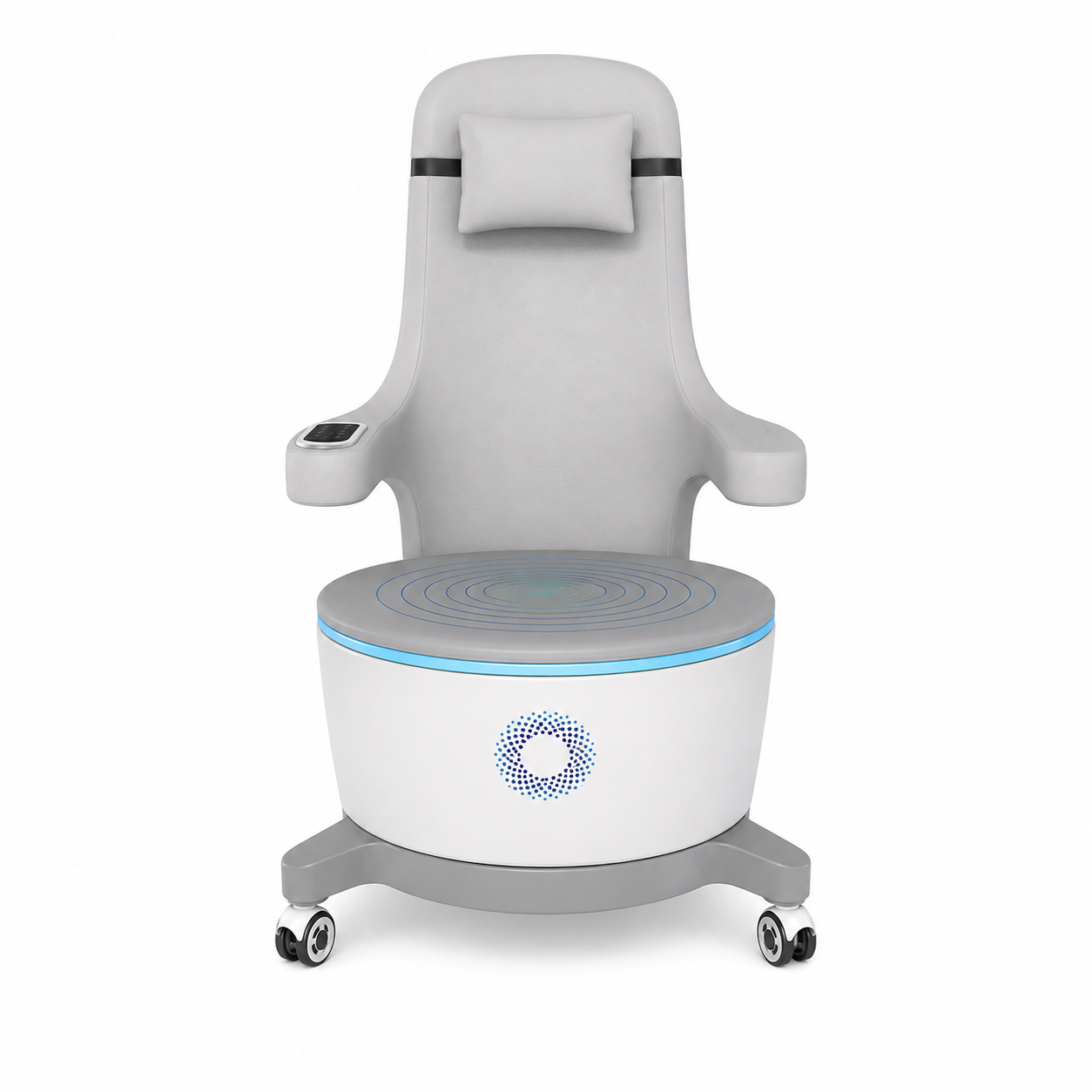
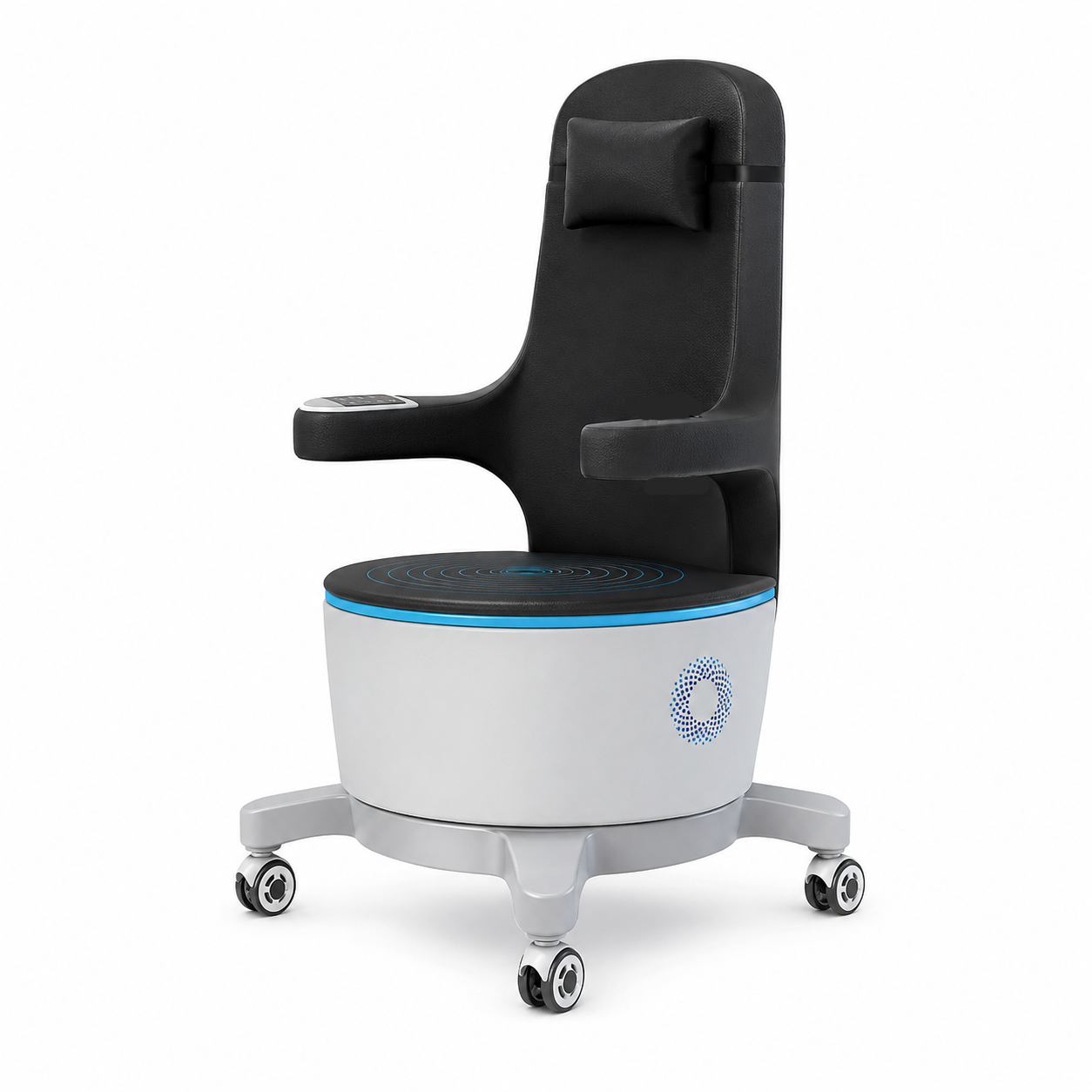
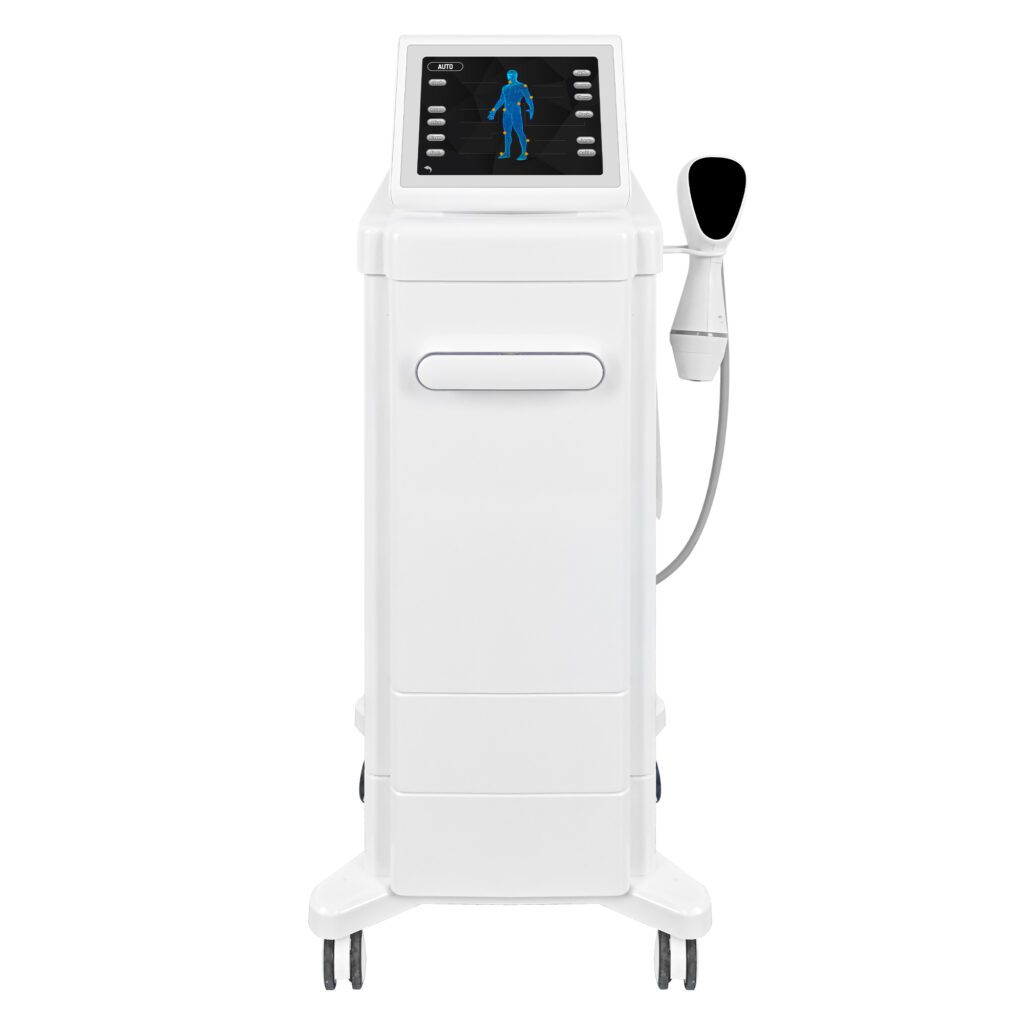
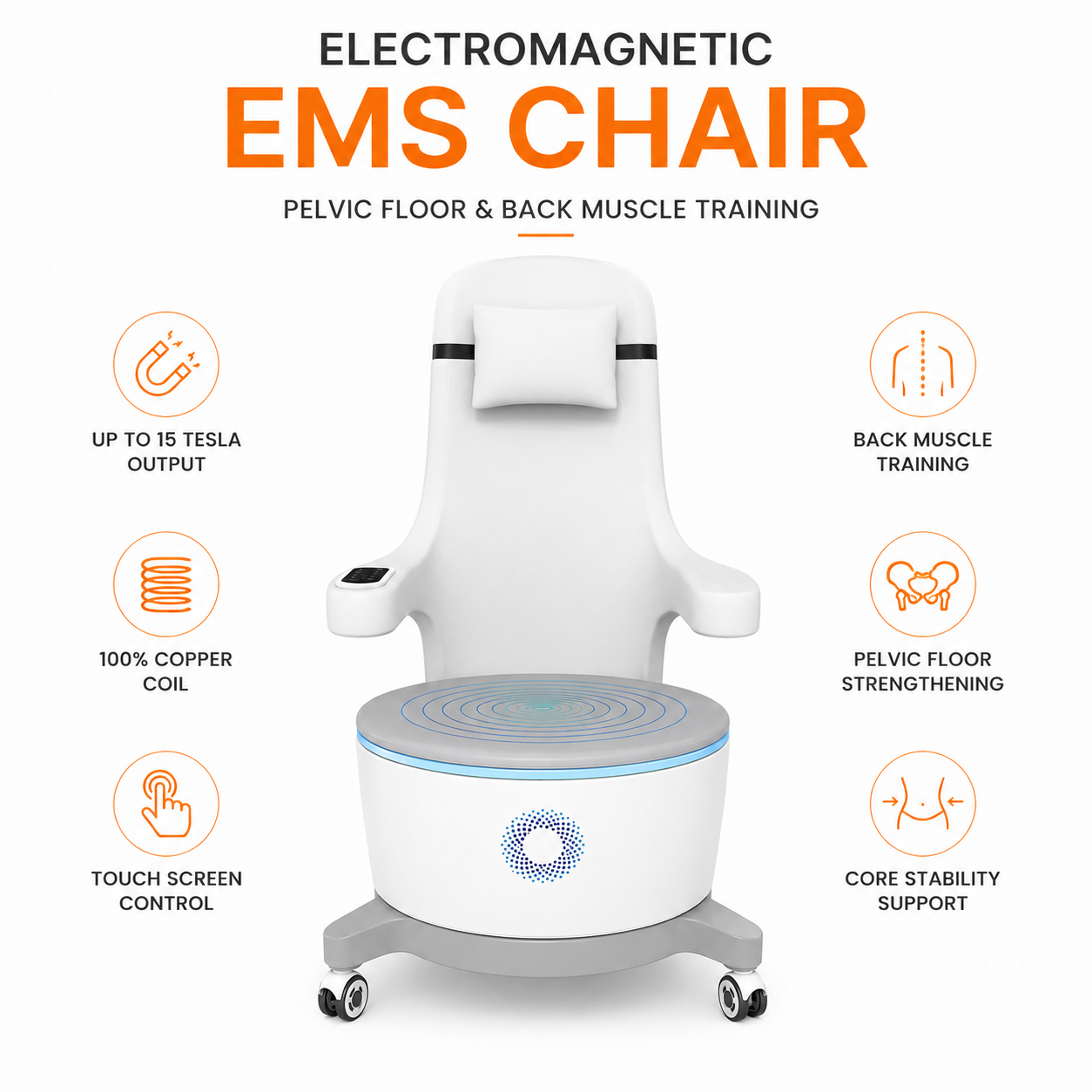
SHEFMON E0437 Electromagnetic EMS Chair
The SHEFMON E0437 Electromagnetic EMS Chair is designed for pelvic floor and back muscle training. It features an electromagnetic stimulation structure, a 100% copper coil, and an ergonomic chair design.
The machine offers an intensity of up to 15 Tesla according to its product specifications. Its seated treatment format makes it different from conventional body EMS machines that use external applicators attached to the abdomen, thighs, or other muscle groups.
For businesses considering this category, buyers should examine the coil configuration, electromagnetic output, intensity adjustment, chair ergonomics, user positioning, and available treatment programs. These details help determine whether the equipment is appropriate for the intended service environment.
4. How to Match an EMS Machine to Your Business
The three categories serve different treatment needs, so the most suitable machine depends on the services a business intends to provide.
| Machine category | Main application | Typical treatment area |
|---|---|---|
| Facial EMS machine | Facial muscle stimulation and aesthetic treatments | Cheeks, forehead |
| Body EMS machine | Muscle stimulation and body sculpting | Abdomen, buttocks, thighs, arms |
| Pelvic floor EMS chair | Pelvic floor and selected back muscle training | Pelvic floor, back |
Before purchasing, buyers should consider four practical factors:
Treatment focus: Start with the main service category. A facial EMS machine is not a replacement for a body sculpting machine, and a pelvic floor chair serves a different purpose from either of them.
Technology and specifications: Check the actual stimulation method, output parameters, applicator design, adjustable settings, and cooling or operating requirements. Do not compare machines based on Tesla values or power ratings alone, as these figures do not necessarily represent equivalent performance.
Treatment protocols: Ask the manufacturer for operating instructions, recommended treatment areas, session parameters, contraindications, and operator training materials. Clear documentation is important for consistent equipment use.
After-sales support: For professional equipment purchases, warranty terms, spare parts availability, technical support, and training resources should also be included in the evaluation.
Conclusion
EMS muscle stimulation machines cover several distinct applications, including facial muscle conditioning, body sculpting, and pelvic floor training. Facial EMS machines focus on smaller facial muscle groups, body EMS machines are designed for larger areas such as the abdomen and thighs, while electromagnetic EMS chairs provide a seated format for pelvic floor and selected back muscle training. Understanding these differences helps beauty equipment buyers choose machines that match their service plans, customer needs, and business positioning.