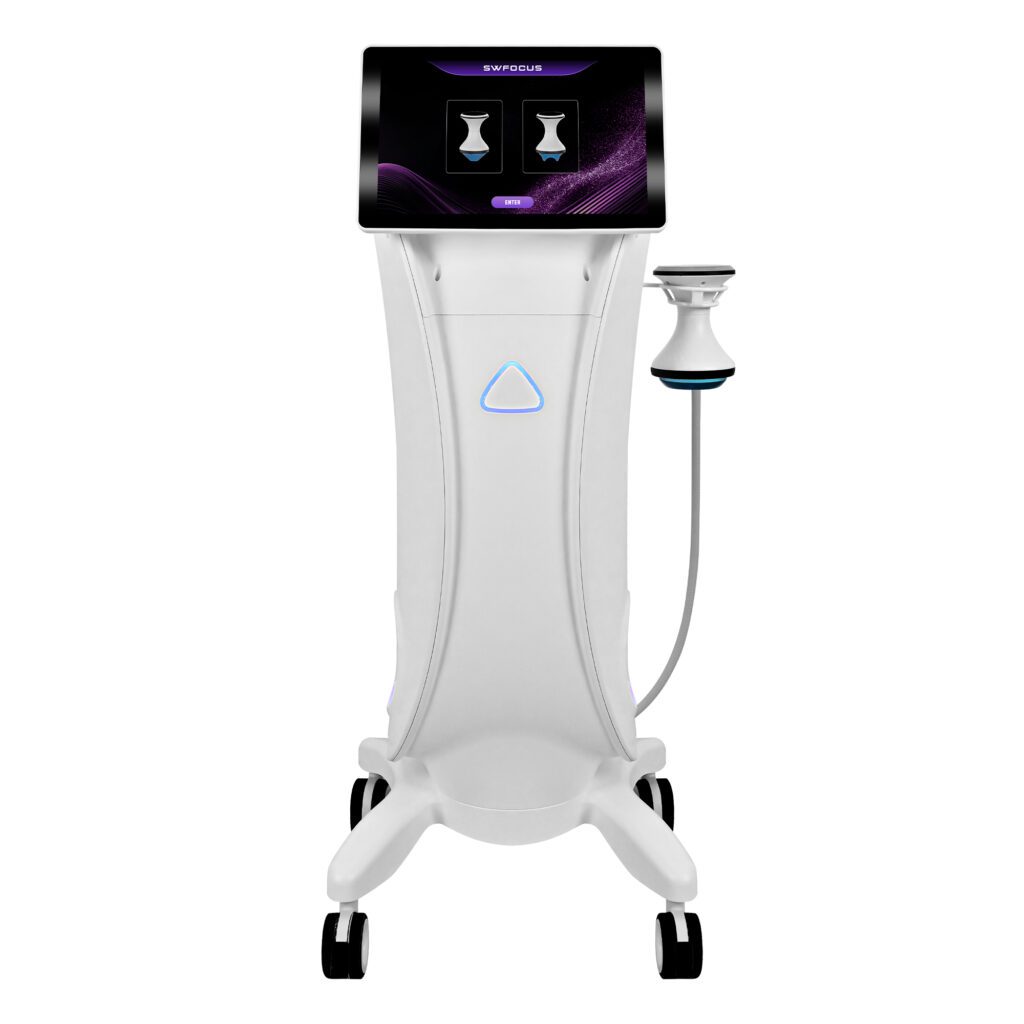
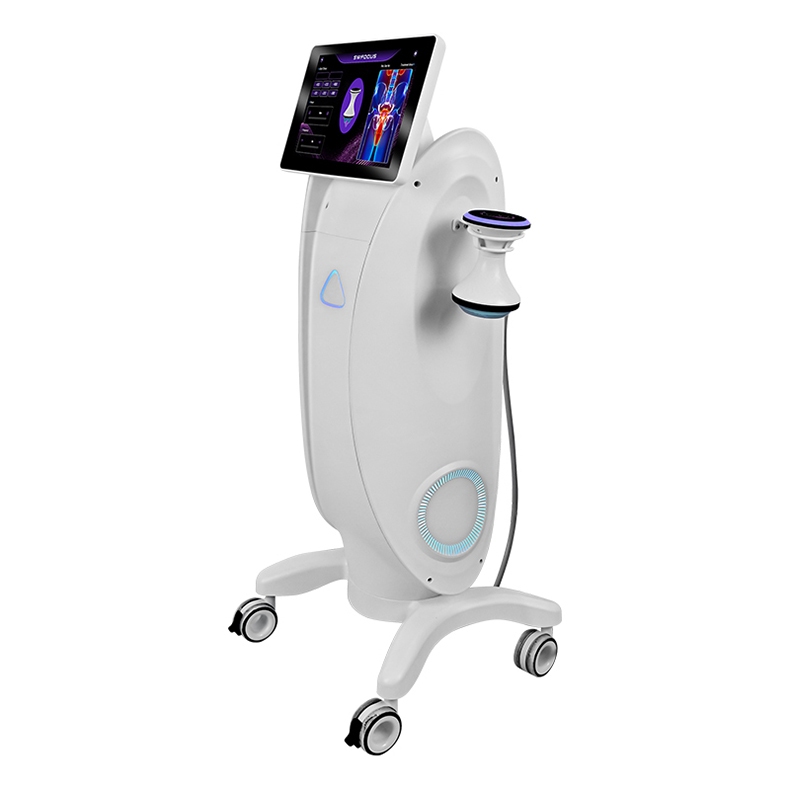
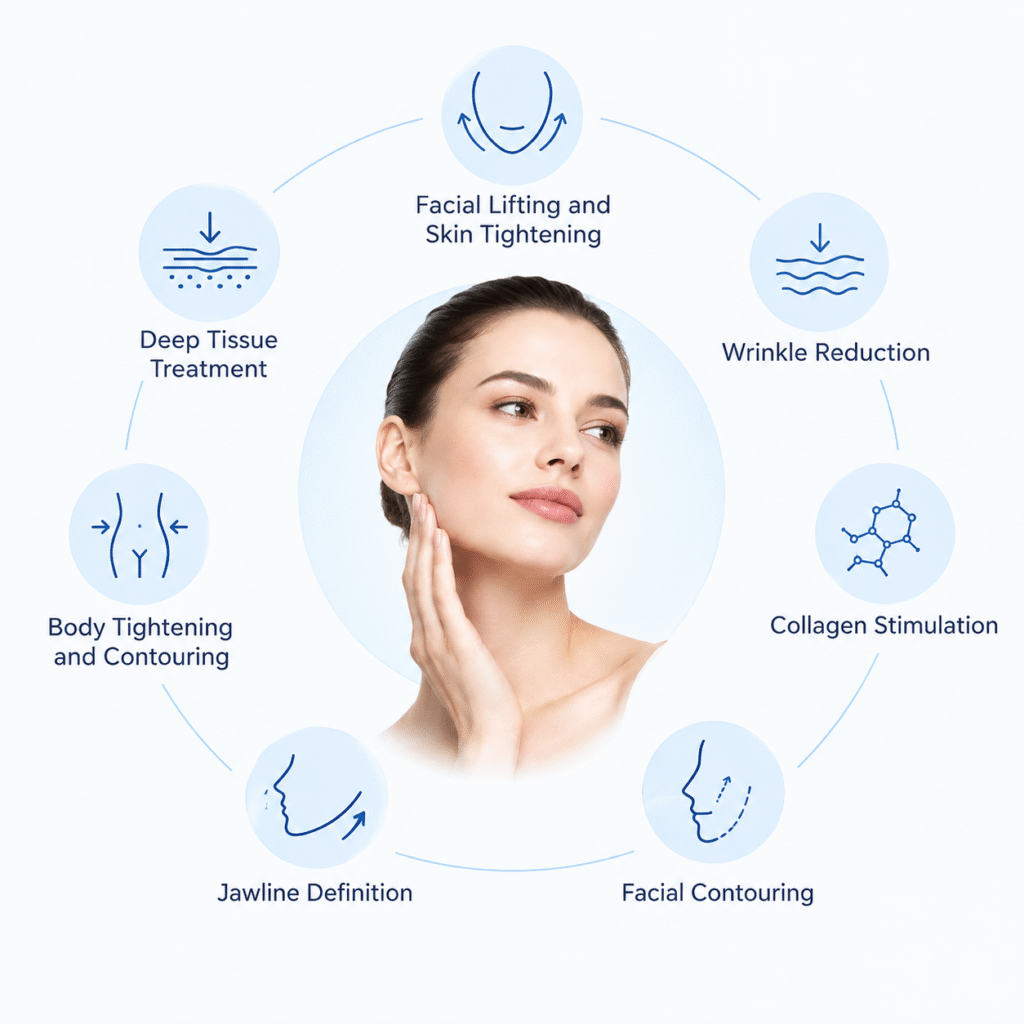
Teilen Sie optimierte Lösungen, professionelles Ventilwissen und Branchenneuigkeiten
Geben Sie die relevanten Begriffe oder Schlüsselwörter ein, die Sie benötigen. Die entsprechenden Artikel werden in den Suchergebnissen angezeigt. Sollten Sie die gewünschte Antwort nicht finden, kontaktieren Sie uns gerne. Wir helfen Ihnen gerne weiter. Oder senden Sie direkt eine E-Mail an beauty@shefmon.com
HIFU-Technologie in medizinisch-ästhetischen Geräten: Nutzen und Risiken
- shefmon
Hochintensiver fokussierter Ultraschall (HIFU) HIFU hat sich zu einer der meistdiskutierten Technologien im Bereich der ästhetischen Medizin entwickelt. Es wird häufig in professionellen Geräten für nicht-invasive Lifting- und Straffungsbehandlungen eingesetzt und bietet eine Alternative zum chirurgischen Facelifting. Wie jede fortschrittliche ästhetische Technologie birgt auch HIFU sowohl erhebliche Vorteile als auch potenzielle Risiken. Kliniken, Behandler und Patienten sollten daher unbedingt verstehen, wie die Technologie funktioniert und was realistischerweise erreicht werden kann, bevor sie sich für diese Behandlungsmethode entscheiden.
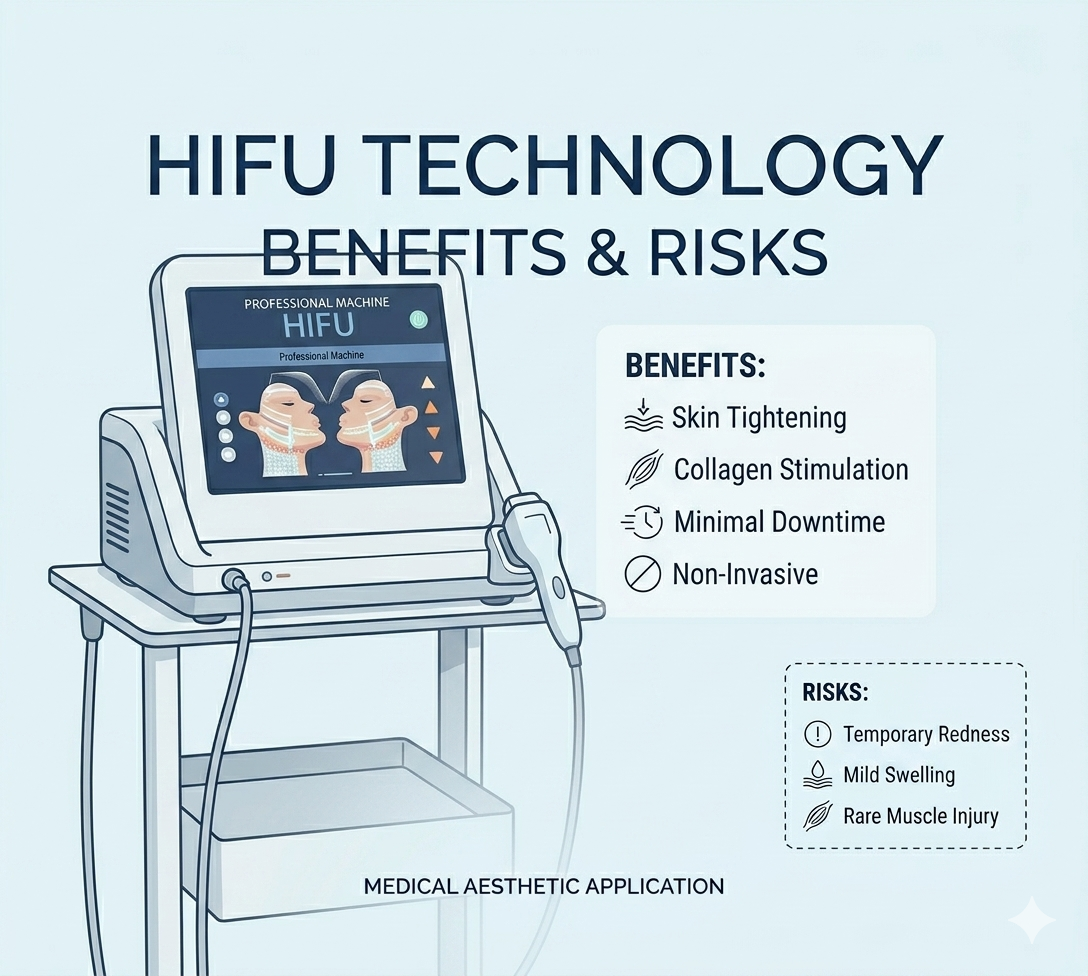
1. Was ist HIFU-Technologie in medizinisch-ästhetischen Geräten?
1.1 Definition und Funktionsprinzip
HIFU (Hochintensiver fokussierter Ultraschall) ist eine nicht-invasive Technologie, die konzentrierte Ultraschallenergie in bestimmte Hautschichten abgibt, typischerweise in die SMAS-Schicht (Superficial Musculoaponeurotic System), die auch bei chirurgischen Facelifts behandelt wird. Die Energie erzeugt thermische Koagulationspunkte unter der Haut, ohne die Oberfläche zu schädigen, und regt so die natürliche Kollagenregeneration und Gewebestraffung an.
1.2 Wie HIFU in der medizinischen Ästhetik eingesetzt wird
In medizinisch-ästhetischen Geräten ist HIFU mit präzisen Tiefenkontrollsystemen und einstellbaren Energieeinstellungen kombiniert. Dadurch können Behandler je nach Behandlungsziel – wie z. B. Gesichtsstraffung, Konturierung der Kieferpartie oder Faltenreduzierung – verschiedene Hautschichten gezielt behandeln. Im Gegensatz zu Geräten für den Heimgebrauch liefern professionelle HIFU-Geräte eine höhere Energieabgabe und eine gleichmäßigere Eindringtiefe und eignen sich daher für klinisch erprobte Ergebnisse.
2. Vorteile der HIFU-Technologie
2.1 Nicht-invasive Hautstraffung und -lifting
Einer der Hauptvorteile der HIFU-Technologie ist ihre Fähigkeit, die Haut ohne Operation zu straffen und zu liften. Durch die Anregung der Kollagenproduktion in tieferen Hautschichten werden Elastizität und Festigkeit schrittweise verbessert. Patienten entscheiden sich häufig für HIFU als Alternative zum Facelifting ohne Operation, da Schnitte, Narkose und lange Erholungsphasen vermieden werden.
2.2 Lang anhaltende Kollagenstimulation
HIFU sorgt nicht nur für einen sofortigen Straffungseffekt, sondern regt auch langfristige biologische Reaktionen an. Nach der Behandlung produziert der Körper über mehrere Wochen bis Monate auf natürliche Weise neues Kollagen. Das bedeutet, dass sich die Ergebnisse kontinuierlich verbessern und je nach Hautzustand und Lebensstil bis zu 12–18 Monate anhalten können.
2.3 Gezielte Präzisionsbehandlung
Moderne Geräte für ästhetische Medizin mit HIFU-Technologie ermöglichen eine präzise Steuerung von Eindringtiefe und Energiezufuhr. Dadurch können gezielt Bereiche wie Stirn, Augenpartie, Wangen, Kinnlinie und Hals behandelt werden. Die Präzision minimiert Schäden am umliegenden Gewebe und verbessert die Gesamteffizienz der Behandlung.
2.4 Minimale Ausfallzeiten
Im Gegensatz zu chirurgischen Eingriffen erfordern HIFU-Behandlungen kaum bis gar keine Ausfallzeit. Patienten können direkt nach der Behandlung ihren normalen Alltag wieder aufnehmen. Dies macht die Behandlung besonders attraktiv für vielbeschäftigte Menschen, die sichtbare Verbesserungen wünschen, ohne ihren Zeitplan zu unterbrechen.
2.5 Erweiterung der klinischen Anwendungen
HIFU beschränkt sich nicht nur auf das Facelifting. Es wird auch zur Körperformung, zur Hautstraffung am Bauch und in einigen fortschrittlichen Systemen sogar zur lokalen Fettreduktion eingesetzt. Diese Vielseitigkeit macht es zu einer wertvollen Technologie für ästhetische Kliniken, die ihr Leistungsangebot erweitern möchten.
3. Risiken und Grenzen der HIFU-Technologie
3.1 Vorübergehende Nebenwirkungen
Obwohl HIFU ein nicht-invasives Verfahren ist, können bei manchen Patienten während oder nach der Behandlung vorübergehende Nebenwirkungen wie Rötungen, Schwellungen, Kribbeln oder leichte Beschwerden auftreten. Diese Effekte sind in der Regel von kurzer Dauer, können aber je nach Hautempfindlichkeit und angewendeter Energiestärke variieren.
3.2 Abhängigkeit vom Bediener und erforderliche Qualifikationen
Die Wirksamkeit und Sicherheit von HIFU-Behandlungen hängen maßgeblich von der Erfahrung des Behandlers ab. Eine falsche Tiefenwahl oder fehlerhafte Energiekalibrierung können zu ungleichmäßigen Ergebnissen oder unnötigen Beschwerden führen. Daher wird empfohlen, HIFU-Behandlungen ausschließlich von geschulten Fachkräften mit zertifizierten Geräten für ästhetische Medizin durchführen zu lassen.
3.3 Nicht für alle Hautzustände geeignet
HIFU ist nicht für jeden geeignet. Personen mit starker Hauterschlaffung, bestimmten Erkrankungen oder sehr dünnen Fettschichten im Gesicht erzielen möglicherweise keine optimalen Ergebnisse. In manchen Fällen sind alternative Behandlungen wie Laserbehandlungen oder ein chirurgisches Lifting besser geeignet.
3.4 Allmähliche und variable Ergebnisse
Viele Patienten bemerken zwar sichtbare Verbesserungen, die Ergebnisse können jedoch je nach Alter, Hautzustand und Kollagenreaktion stark variieren. Im Gegensatz zu einem chirurgischen Facelifting bewirkt HIFU keine sofortigen, dramatischen Veränderungen, was ohne entsprechende Aufklärung zu unrealistischen Erwartungen führen kann.
3.5 Kostenüberlegungen
Professionelle HIFU-Behandlungen mit medizinisch-ästhetischen Geräten können relativ teuer sein, insbesondere in exklusiven Kliniken. Für optimale Ergebnisse sind oft mehrere Sitzungen erforderlich, was die Gesamtkosten für die Patienten erhöht.
4. Klinische Anwendung von HIFU in modernen ästhetischen Geräten
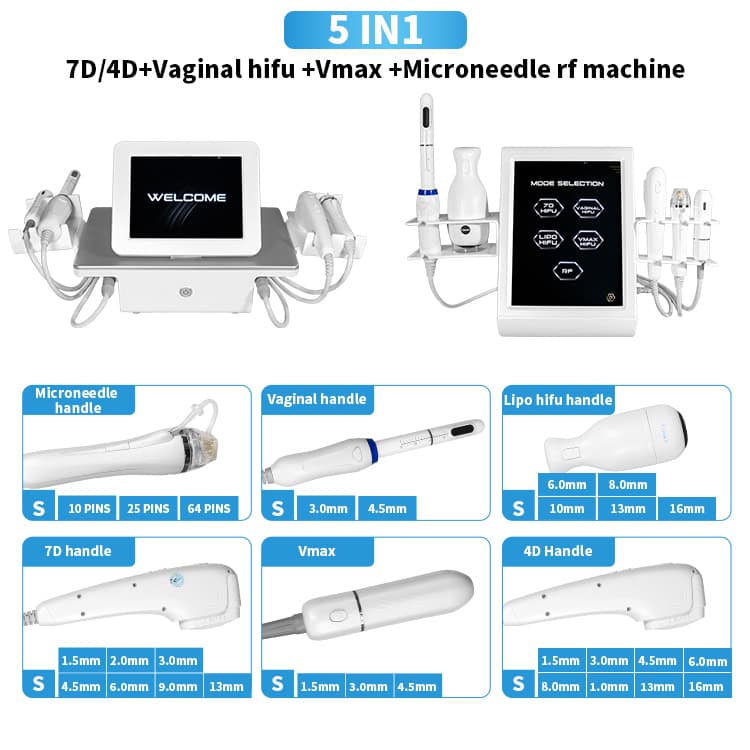
In modernen ästhetischen Kliniken, HIFU wird häufig mit anderen Technologien wie der Radiofrequenztechnologie (RF) kombiniert. Alternativ kann Mikroneedling eingesetzt werden, um die Gesamtergebnisse zu optimieren. So kann beispielsweise Radiofrequenztherapie (RF) zur Verbesserung der Oberflächenstraffung genutzt werden, während hochintensiver fokussierter Ultraschall (HIFU) tiefer liegende Gewebeschichten behandelt. Dieser kombinierte Ansatz ermöglicht es Behandlern, sowohl oberflächliche als auch tiefer liegende Anzeichen der Hautalterung effektiver zu behandeln.
Moderne Geräte für ästhetische Medizin verfügen zudem über Mehrlinien-HIFU-Kartuschen und Echtzeit-Bildgebungssysteme, was Präzision und Sicherheit verbessert. Diese Innovationen erweitern kontinuierlich den Anwendungsbereich von HIFU in der nicht-invasiven ästhetischen Medizin und ermöglichen individuell anpassbare Behandlungen für unterschiedliche Patientenbedürfnisse.

tragbares HIFU-Gerät zur Faltenentfernung im Gesicht
Abschluss
HIFU-Technologie HIFU hat sich aufgrund seiner Fähigkeit, nicht-invasive Lifting-Effekte, langfristige Kollagenstimulation und minimale Ausfallzeiten zu erzielen, zu einem Eckpfeiler moderner ästhetischer Medizingeräte entwickelt. Es bietet eine überzeugende Alternative zu chirurgischen Eingriffen für alle, die eine allmähliche, aber sichtbare Verjüngung von Gesicht und Körper wünschen. Die Wirksamkeit hängt jedoch maßgeblich von der sorgfältigen Patientenauswahl, der fachgerechten Durchführung und realistischen Erwartungen ab. Obwohl HIFU nicht ohne Einschränkungen und Risiken ist, zählt es weiterhin zu den vielversprechendsten Technologien im Bereich der nicht-chirurgischen ästhetischen Behandlungen und schließt die Lücke zwischen traditioneller Hautpflege und invasiver Schönheitschirurgie.