







Zusammenfassung
Viele Hersteller von Kosmetikgeräten bieten regionale Schutzrichtlinien an, jedoch nicht alle im gleichen Umfang. Manche Fabriken bieten lediglich mündliche Unterstützung, andere stellen Autorisierungsschreiben auf Stadt- oder Provinzebene aus, wieder andere gewähren nur begrenzten Kundenschutz, und etablierte Marken bieten unter Umständen formelle Exklusivvertriebsverträge mit Umsatzvorgaben, Preisregeln, Online-Verkaufsbeschränkungen, Gewährleistungsverpflichtungen und Händlermanagementsystemen an.
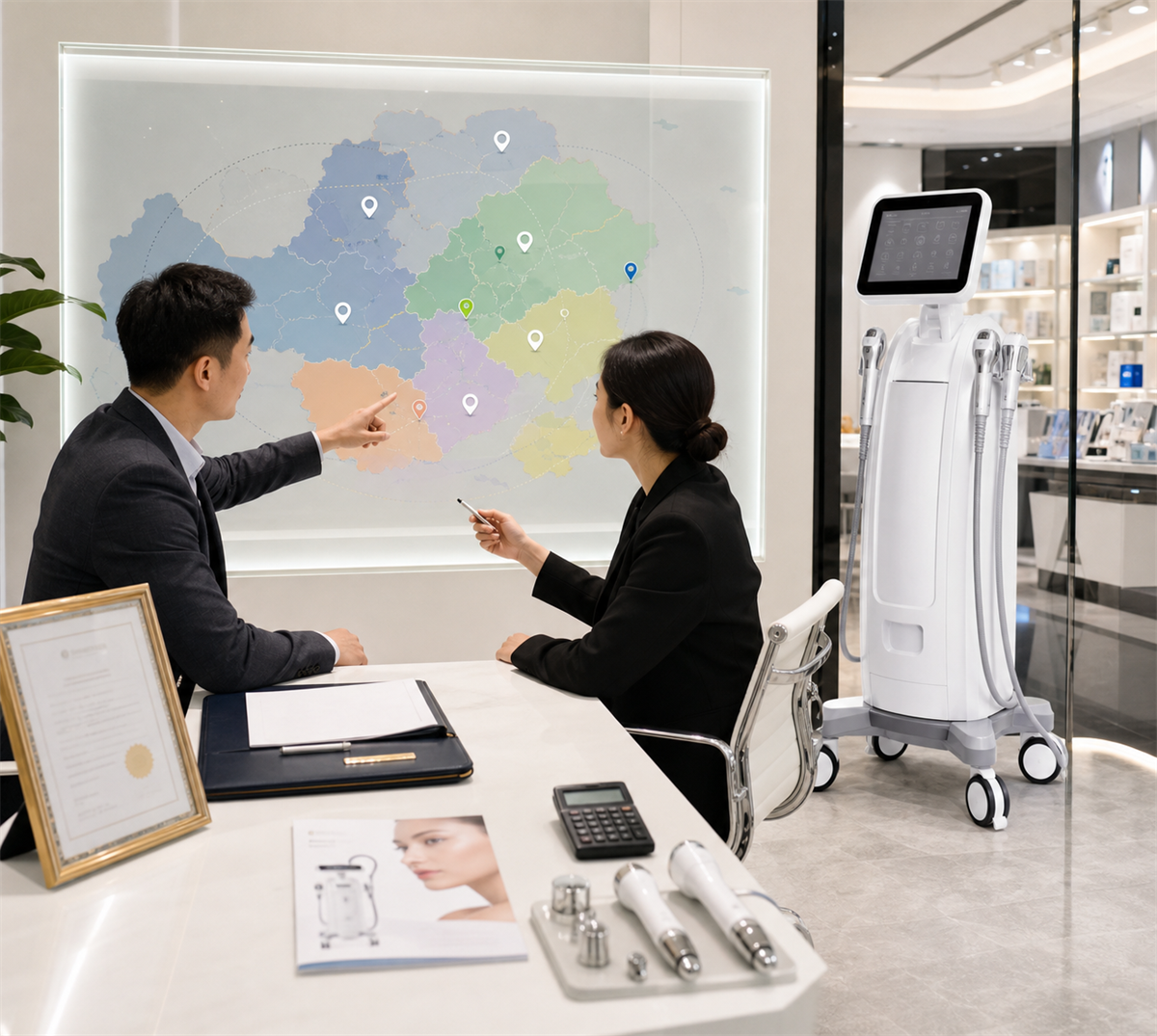
Für Vertriebspartner von Kosmetikgeräten ist regionaler Schutz wichtig, da das Produkt häufig lokale Vorführungen, Salonbesuche, Schulungen, Installationen, Kundendienst, Ersatzteile und langfristige Kundenbeziehungen erfordert. Investiert ein Vertriebspartner in die Entwicklung eines lokalen Marktes, während der Hersteller auch an andere Händler in derselben Region zu einem niedrigeren Preis verkauft, können Gewinn und Kundenvertrauen des Vertriebspartners schnell einbrechen.
Regionaler Schutz wird jedoch nicht automatisch jedem neuen Vertriebspartner gewährt. Hersteller bieten in der Regel nur dann einen umfassenderen Schutz, wenn der Vertriebspartner seine Vertriebsstärke, lokale Salonressourcen, einen Marketingplan, technische Servicekompetenz, einen Warenbestand oder eine Demo-Zusage sowie vereinbarte Umsatzziele vorweisen kann. Ein neuer Vertriebspartner sollte daher zunächst eine Probelizenz beantragen, bevor er eine vollständige Exklusivitätsvereinbarung aushandeln kann.
Die praktische Antwort lautet: Ja, viele Hersteller von Kosmetikgeräten bieten Gebietsschutz an, seriöse Vertriebspartner müssen diesen jedoch schriftlich festhalten. Eine Schutzvereinbarung sollte das Schutzgebiet, die geschützten Produkte, die Kundenrechte, die Regeln für den Online-Verkauf, die Preispolitik, die Kundengewinnung, den Umgang mit Verstößen, die Umsatzziele, die Verlängerungsbedingungen, die Kundendienstpflichten und die Kündigungsbedingungen genau definieren. Mündliche Zusagen reichen nicht aus.
1. Die Kurzantwort
Ja, einige Hersteller von Kosmetikgeräten bieten regionale Schutzrichtlinien an. Der Umfang des Schutzes hängt jedoch vom Hersteller, der Produktkategorie, dem Vertriebspartnerlevel, dem Umsatzvolumen, der Marktreife und der Vertragsstruktur ab.
Gängige Schutzstufen sind:
- Kein formeller Schutz.
- Einfaches Vollmachtsschreiben.
- Kundenregistrierungsschutz.
- Schutzmaßnahmen auf Stadtebene.
- Schutz auf Provinz- oder Staatsebene.
- Regionaler Exklusivvertrieb.
- Exklusive Länderagentur.
- Exklusivvertretung für diese Produktlinie.
- Kanalspezifischer Schutz, z. B. nur Offline-Salonkanal.
Neue Agenten sollten nicht davon ausgehen, dass ein Schutz besteht. Sie sollten klar nachfragen und schriftliche Bedingungen verlangen, bevor sie größere Investitionen in die Marktentwicklung tätigen.
2. Was Regionalschutz bedeutet
Regionaler Schutz bedeutet, dass sich der Hersteller verpflichtet, nicht unbegrenzt viele konkurrierende Vertreter im selben Gebiet zu ernennen oder das lokale Geschäft des autorisierten Vertreters zu unterbieten. Er dient dem Schutz der Investitionen des Vertreters in Vertrieb, Schulung, Werbung und Kundendienst.
Im Vertrieb von Kosmetikgeräten kann der regionale Schutz Folgendes umfassen:
- Gebiet.
- Produktmodelle.
- Kundenkonten.
- Händlernetzwerk.
- Online-Verkäufe.
- Preisuntergrenze oder empfohlene Preispolitik, sofern dies rechtlich zulässig ist.
- Führungsaufgabe.
- Gewährleistungsansprüche.
- Marketingunterstützung.
- Richtlinie für Demomaschinen.
- Ersatzteile.
Regionaler Schutz ist nicht nur eine Frage der Geographie. Es geht auch um die Ordnung der Wasserwege.
3. Warum Vertreter von Kosmetikgeräten Wert auf regionalen Schutz legen
Die Vertretung von Kosmetikgeräten ist kein reines Handelsunternehmen. Vertreter müssen häufig Salons schulen, Geräte vorführen, Personal trainieren, Behandlungspakete zusammenstellen, technische Fragen beantworten und Kundendienst leisten.
Ohne Schutz können verschiedene Probleme auftreten:
- Andere Händler bieten niedrigere Preise an, nachdem der Vertreter den Kunden aufgeklärt hat.
- Der Hersteller verkauft direkt an den Kunden des Agenten.
- Online-Händler werben mit niedrigeren Preisen.
- Regionale Händler konkurrieren miteinander.
- Die Gewährleistungsverantwortung wird unklar.
- Die Salons verlieren das Vertrauen in den Vermittler.
- Der Makler stellt seine Investitionen in Marketing ein.
Regionaler Schutz gibt dem Handelsvertreter das nötige Vertrauen, um den Markt weiterzuentwickeln. Er hilft auch dem Hersteller, einen gesünderen Vertriebskanal aufzubauen.
4. Warum Hersteller möglicherweise Schutz anbieten
Hersteller bieten regionalen Schutz an, wenn sie davon überzeugt sind, dass der Versicherungsschutz langfristig Wert schaffen kann.
Sie bieten möglicherweise Schutz, weil:
- Der Agent verfügt über Kontakte zu lokalen Salons.
- Der Agent kann Schulungen anbieten.
- Der Agent kann den Kundendienst übernehmen.
- Der Makler kann einen Ausstellungsraum errichten.
- Der Agent kann regionale Händler aufbauen.
- Der Agent kann den Markenpreis beibehalten.
- Der Makler kann höherwertige Projekte verkaufen.
- Der Hersteller wünscht sich einen stabilen Vertriebskanal.
Gute Hersteller wissen, dass erfolgreiche Vertriebspartner eine Margensicherung benötigen. Wenn alle Händler nur über den Preis konkurrieren, wird die Marke geschwächt.
5. Warum Hersteller den Schutz verweigern könnten
Hersteller können aus verschiedenen Gründen auf regionalen Schutz verzichten.
Häufige Gründe sind:
- Der Agent hat keine Verkaufsnachweise.
- Der Agent wünscht sich Exklusivität, kann aber keine Zielvorgaben festlegen.
- Das Gebiet ist zu groß.
- Der Hersteller hat bereits Kunden in der Region.
- Das Produkt wird über Online-Kanäle vertrieben.
- Das Werk bevorzugt den Direktvertrieb.
- Das Modell ist minderwertig und stark standardisiert.
- Der Hersteller verfügt über keine Channel-Management-Fähigkeiten.
- Der Vertreter bietet weder Schulungen noch Kundendienstleistungen an.
- Der Hersteller befürchtet, Marktchancen zu verpassen.
Das bedeutet nicht zwangsläufig, dass der Hersteller schlecht ist. Es kann bedeuten, dass der Vertriebspartner noch nicht genügend Wert bewiesen hat, um eine Exklusivität zu verdienen.
6. Exklusiver Vertrieb vs. nicht-exklusiver Vertrieb
Exklusivvertrieb bedeutet, dass ein einzelner Vertriebspartner besondere Rechte in einem definierten Gebiet, einer bestimmten Produktlinie oder einem bestimmten Vertriebskanal besitzt. Nicht-exklusivvertrieb bedeutet, dass der Hersteller mehrere Händler ernennen kann.
Der Exklusivvertrieb ist für den Agenten zwar wertvoller, geht aber in der Regel mit Verpflichtungen einher:
- Umsatzziel.
- Marketinginvestitionen.
- Kauf eines Vorführgeräts.
- Bestandsverpflichtung.
- Schulungsverantwortung.
- Garantieleistung.
- Berichterstattung.
- Händlermanagement.
Nicht-exklusive Vertriebsrechte sind leichter zu erlangen, der Wettbewerb ist jedoch höher. Für neue Vertriebspartner, die Produkte testen und sich nicht langfristig binden möchten, kann dies dennoch eine Option sein.
Der Agent sollte nicht nach Exklusivität fragen, ohne die damit verbundenen Verpflichtungen zu verstehen.
7. Die Gebietsgröße muss realistisch sein.
Ein häufiger Fehler ist die Anfrage nach einem zu großen Gebiet. Ein neuer Vertriebspartner fragt möglicherweise nach einem ganzen Land, aber der Hersteller ist unter Umständen nur bereit, zunächst eine Stadt oder Region zuzuweisen.
Territorium kann definiert werden durch:
- Stadt.
- Provinz oder Bundesstaat.
- Land.
- Wirtschaftszone.
- Händlernetzwerk.
- Kundenliste.
- Online-Kanal.
- Produktkategorie.
Je wertvoller das Gebiet, desto mehr Nachweise muss der Vertreter erbringen. Ein praktischer Ansatz ist es, zunächst ein Testgebiet auszuhandeln und dieses erst nach Erreichen der Umsatzziele zu erweitern.
8. Der Produktumfang muss klar definiert sein.
Der regionale Schutz sollte festlegen, welche Produkte abgedeckt sind. Ein Hersteller kann beispielsweise eine Produktlinie schützen lassen, aber nicht das gesamte Sortiment.
Der Schutz kann sich beispielsweise auf Folgendes erstrecken:
- Nur für HF-Geräte.
- Nur Hautanalysegeräte.
- Ausschließlich Geräte zur Körperformung.
- Eine Modellreihe.
- Eine Markenlinie.
- Professionelle Salongeräte.
- Offline-Salonkanal.
Ist der Produktumfang unklar, kann es später zu Konflikten kommen. Ein anderer Händler verkauft möglicherweise ein ähnliches Modell aus demselben Werk und behauptet, es falle nicht unter die Vereinbarung.
Die Agenten sollten Modellnummern, Produktnamen und Regeln für den Austausch von Modellen schriftlich anfordern.
9. Schutz des Kundeneigentums
Kundenbindung ist oft wichtiger als Vertriebsgebiet. Ein Handelsvertreter für Kosmetikgeräte investiert unter Umständen Wochen in die Kundenakquise. Wenn der Hersteller oder ein anderer Händler später an diesen Kunden verkauft, ist das Vertrauen beschädigt.
Eine Kundenschutzrichtlinie kann Folgendes umfassen:
- Kundenregistrierungssystem.
- Regeln für die Zuteilung von Führungsrollen.
- Schutzdauer ab Erstkontakt.
- Angebotsregistrierung.
- Projektregistrierung.
- Rückkaufsrechte für bestehende Kunden.
- Eigentum an Garantieleistungen.
- Kommissionsregel, wenn ein anderer Vertriebskanal den Deal abschließt.
Die Kundenregistrierung ist besonders nützlich, wenn sich Gebiete überschneiden oder Online-Anfragen häufig vorkommen.
10. Online-Käuferschutz ist schwierig, aber notwendig
Der Online-Handel erschwert den regionalen Schutz. Ein lokaler Vertreter mag zwar eine Stadt schützen, aber Online-Händler können demselben Salon dennoch niedrigere Preise anbieten.
Eine wirksame Strategie sollte Folgendes definieren:
- Ob Online-Verkäufe erlaubt sind.
- Welche Plattformen sind zugelassen?.
- Ob eine öffentliche Preisauszeichnung zulässig ist.
- Ob Online-Händler in geschützte Gebiete verkaufen dürfen.
- Wie die Gewährleistung bei nicht autorisierten Online-Verkäufen gehandhabt wird.
- Ob Seriennummern erfasst werden.
- Wie der Hersteller mit Niedrigpreisangeboten umgeht.
Ohne Online-Verkaufsregeln könnte der regionale Schutz im stationären Handel geschwächt werden.
11. Preisschutz und rechtliche Hinweise
Preisschutz ist wichtig, muss aber sorgfältig gehandhabt werden. In den USA erklärt die FTC, dass angemessene Preis-, Gebiets- und Kundenbeschränkungen für Händler zulässig sein können, doch die Kartellgesetze sind fallbezogen. Alleinvertriebsvereinbarungen werden häufig nach dem Grundsatz der Verhältnismäßigkeit beurteilt. Andere Rechtsordnungen können abweichende Regelungen haben, insbesondere hinsichtlich der Preisbindung der zweiten Hand und Beschränkungen für den Online-Handel.
Für Händler von Kosmetikgeräten ist der praktische Aspekt folgender:
- Lassen Sie sich professionell rechtlich beraten, um verbindliche Preisrichtlinien zu erhalten.
- Verwenden Sie klare und konforme Kanalregeln.
- Vermeiden Sie illegale Preisabsprachen.
- Unterscheiden Sie gegebenenfalls zwischen empfohlenen und verbindlichen Wiederverkaufspreisen.
- Fokus auf Markenschutz, Servicestandards, Garantiebestimmungen und Vorteile des autorisierten Vertriebskanals.
Dieser Bericht dient als Orientierungshilfe für Unternehmen und stellt keine Rechtsberatung dar. Vertreter und Hersteller sollten Vertriebsverträge mit einem Anwalt vor Ort prüfen.
12. Was eine gute regionale Schutzpolitik beinhalten sollte
Eine gute Richtlinie sollte Folgendes beinhalten:
- Name des Bevollmächtigten.
- Schutzgebiet.
- Schutzumfang des Produkts.
- Vertriebskanalumfang.
- Gültigkeitsdatum.
- Gültigkeitszeitraum.
- Verlängerungsbedingungen.
- Umsatzziel.
- Preisstruktur des Händlers.
- Kundenregistrierungsprozess.
- Online-Verkaufsregeln.
- Direktvertriebsabwicklung.
- Leadzuweisung.
- Gewährleistungsverantwortung.
- Ersatzteilversorgung.
- Schulungsverantwortung.
- Marketingunterstützung.
- Bearbeitung von Verstößen.
- Kündigungsregeln.
Wenn eine Versicherungspolice nur einen Satz enthält, der besagt: “Sie sind unser Vertreter”, bietet sie keinen wirklichen Schutz.
13. Die Umsatzziele sind normal
Hersteller fordern häufig Umsatzziele im Austausch für Gebietsschutz. Dies ist nachvollziehbar, da der Hersteller dadurch auf das Recht verzichtet, andere Vertreter in diesem Gebiet zu ernennen.
Die Umsatzziele können wie folgt definiert werden:
- Monatliches Verkaufsvolumen.
- Quartalsumsatz.
- Jährlicher Kaufwert.
- Anzahl der aktiven Salonkunden.
- Anzahl der Händlerkonten.
- Marketingaktivitäten.
- Demo-Events.
- Schulungssitzungen.
Agenten sollten realistische Ziele aushandeln. Ein zu hoch gestecktes Ziel kann den Schutz in Druck umschlagen lassen.
14. Probezeitschutz für neue Agenten
Neue Agenten erhalten möglicherweise nicht sofort die volle Exklusivität. Eine praktische Lösung ist der Probezeitschutz.
Der Prozessschutz kann Folgendes umfassen:
- 3-monatiger oder 6-monatiger Schutzzeitraum.
- Schutz für registrierte Kunden.
- Schutz für eine Stadt.
- Schutz für eine Produktlinie.
- Umsatzziel während der Testphase.
- Option zum Upgrade auf Exklusivität nach Zielerreichung.
Dieses Modell gibt beiden Seiten die Möglichkeit, die Zusammenarbeit zu erproben, ohne dabei ein übermäßiges Risiko einzugehen.
15. Ein Vollmachtsschreiben reicht nicht aus.
Ein Autorisierungsschreiben kann dem Agenten helfen, gegenüber Salons Glaubwürdigkeit zu beweisen, bietet aber möglicherweise keinen wirklichen Schutz.
Ein Autorisierungsschreiben besagt üblicherweise, dass der Vertreter berechtigt ist, die Produkte des Herstellers zu verkaufen. Es definiert möglicherweise nicht:
- Exklusivrechte.
- Gebiet.
- Produktumfang.
- Umsatzziel.
- Online-Verkaufsregeln.
- Preisschutz.
- Verstöße werden geahndet.
- Kundeneigentum.
- Verlängerungsbedingungen.
Vertreter sollten die Autorisierung nicht mit Exklusivität verwechseln. Wenn regionaler Schutz wichtig ist, muss dies klar schriftlich festgehalten werden.
16. Konflikt im Direktvertrieb
Eine der größten Befürchtungen von Handelsvertretern ist der Direktvertrieb durch die Hersteller. Der Handelsvertreter gewinnt einen Kunden, und dann verkauft der Hersteller direkt zu einem niedrigeren Preis.
Eine gute Vereinbarung sollte Folgendes definieren:
- Ob der Hersteller direkt im Schutzgebiet verkaufen darf.
- Ob direkte Leads an den Agenten weitergeleitet werden müssen.
- Ob der Agent Provisionen auf Direktverkäufe erhält.
- Wie bestehende Herstellerkunden betreut werden.
- Ob wichtige Konten vom Schutz ausgeschlossen sind.
Wenn Direktverkäufe nicht vor der Zusammenarbeit besprochen werden, ist ein Konflikt wahrscheinlich.
17. Regionalübergreifende Vertriebs- und Kanalkonflikte
Regionsübergreifende Verkäufe finden statt, wenn ein Händler aus einem Gebiet in das Gebiet eines anderen Händlers verkauft. Dies ist üblich, wenn sich die Preise zwischen den Regionen unterscheiden.
Eine Schutzrichtlinie sollte Folgendes definieren:
- Ob regionsübergreifende Verkäufe zulässig sind.
- Wie Verstöße gemeldet werden.
- Welche Nachweise sind erforderlich?.
- Ob der Hersteller den Händler, der gegen die Vorschriften verstößt, verwarnt oder bestraft.
- Wie die Garantieabwicklung erfolgt.
- Ob wiederholte Verstöße zur Kündigung des Händlervertrags führen.
Ohne Durchsetzung ist der Schutz des Territoriums nur ein Versprechen.
18. Die Rückverfolgung der Seriennummer trägt zum Schutz bei
Die Seriennummernverfolgung ist ein praktisches Werkzeug zur Vertriebskanalsteuerung. Jede Maschine kann mit einem Händler, einem Gebiet, einer Rechnung und einem Kunden verknüpft werden.
Zu den Vorteilen gehören:
- Identifizierung regionsübergreifender Umsätze.
- Garantieabwicklung.
- Nachverfolgung der Reparaturhistorie.
- Verhinderung unautorisierter Lagerbestände.
- Unterstützung der Kundenregistrierung.
- Verbesserung des Kundendienstes.
Hersteller, die Seriennummern nicht nachverfolgen können, könnten Schwierigkeiten haben, den regionalen Schutz durchzusetzen.
19. Garantiebestimmungen unterstützen regionalen Schutz
Garantiebestimmungen können zur Vertriebskanalsteuerung beitragen. Ein Hersteller gewährt die volle Garantie möglicherweise nur für Produkte, die über autorisierte Vertriebskanäle verkauft werden. Bei nicht autorisierten Verkäufen kann der lokale Service eingeschränkt oder gar nicht vorhanden sein.
Dies sollte den Salons klar erklärt werden. Ziel ist es nicht, Kunden zu bestrafen, sondern die Servicequalität aufrechtzuerhalten und chaotische Billigverkäufe zu verhindern.
Agenten sollten fragen:
- Wer übernimmt die Gewährleistung im Schutzgebiet?
- Wer übernimmt die Frachtkosten für die Reparatur?
- Wer liefert Ersatzteile?
- Was passiert, wenn ein anderer Händler in diesem Gebiet verkauft?
- Wie wird mit unautorisierten Online-Käufen umgegangen?
Klare Garantiebestimmungen schützen sowohl den Händler als auch den Endkunden.
20. Regionaler Schutz für inländische Hersteller
Inländische Hersteller von Kosmetikgeräten bieten oft flexible regionale Richtlinien an, insbesondere für Handelsvertreter, die lokale Salonkunden oder ausländische Vertriebskanäle vermitteln können.
Zu den Vorteilen können gehören:
- Schnellere Kommunikation.
- Einfachere Anpassungsmöglichkeiten.
- Niedrigere Demokosten.
- Flexible Gebietserprobung.
- Schnellere Ersatzteilversorgung.
- OEM- oder Private-Label-Unterstützung.
Zu den Risiken können gehören:
- Mehrere Fabriken verkaufen ähnliche Modelle.
- Schwache Preiskontrolle.
- Online-Händler unterbieten sich mit Preisen.
- Schnelle Modellaktualisierungen.
- Mündliche Versprechen ohne Vertrag.
Die Vertriebspartner sollten sich für inländische Hersteller mit echter Vertriebskanalmanagement-Kompetenz entscheiden, nicht nur für solche mit niedrigem Preis.
21. Regionaler Schutz für importierte Marken
Importierte Marken für Kosmetikgeräte bieten unter Umständen formellere Vertriebsvereinbarungen an, verlangen aber möglicherweise auch stärkere Verpflichtungen.
Zu den üblichen Anforderungen gehören:
- Kaufziele.
- Markenschulung.
- Demo-Showroom.
- Marketingbudget.
- Technikerqualifikation.
- Bestandsverpflichtung.
- Berichterstattung.
- Compliance-Kontrolle.
- Höchste Servicestandards.
Der Schutz importierter Marken kann wertvoll sein, da das Markenvertrauen stärker ist. Der Händler muss jedoch die Importkosten, Ersatzteile, Reparaturzeiten und den Verkaufszyklus sorgfältig abwägen.
22. Regionaler Schutz für OEM- und Eigenmarkenprodukte
Die Zusammenarbeit mit OEMs und Private-Label-Herstellern kann Vertriebskonflikte reduzieren, da der Vertriebspartner unter seiner eigenen Marke verkauft. In diesem Modell verpflichtet sich der Hersteller möglicherweise, Produkte mit demselben Aussehen, demselben Modell oder derselben kundenspezifischen Konfiguration nicht an andere Käufer im Vertriebsgebiet des Vertriebspartners zu verkaufen.
Wichtige Begriffe sind unter anderem:
- Logo- und Markenrechte.
- Exklusivität im Erscheinungsbild.
- Exklusivität der Softwareschnittstelle.
- Modellkonfigurationsschutz.
- Mindestbestellmenge.
- Gebiet.
- Dauer.
- Werkzeugkosten.
- Produktaktualisierungsrechte.
Private Label kann zwar einen stärkeren Schutz bieten, verlagert aber auch mehr Verantwortung auf den Agenten.
23. Was passiert, wenn der Hersteller keinen Schutz bietet?
Bietet der Hersteller keinen regionalen Schutz, kann der Vertreter dennoch kooperieren, sollte aber das Risiko minimieren.
Mögliche Strategien:
- Halten Sie keine großen Lagerbestände vor.
- Nutzen Sie die Vorbestellung.
- Konzentrieren Sie sich auf schnelllebige Produkte.
- Vermeiden Sie hohe Marketinginvestitionen für diese Marke.
- Wertschöpfung durch Schulung und Service.
- Wichtige Kunden sollten nach Möglichkeit registriert werden.
- Verhandeln Sie einen besseren Preis statt Exklusivität.
- Verkauf mehrerer Marken.
- Eigenmarkenprodukte später entwickeln.
Kein Schutz bedeutet nicht zwangsläufig keine Chance. Der Handelsvertreter sollte jedoch nicht wie ein Exklusivvertriebspartner investieren.
24. Warnsignale bei regionalen Schutzversprechen
Agenten sollten vorsichtig sein, wenn sie diese Warnsignale sehen:
- Nur mündliche Versprechungen.
- Kein schriftliches Territorium.
- Keine Produktmodellliste.
- Keine Kundenregistrierung.
- Keine Regel für Online-Verkäufe.
- Der Hersteller verkauft auf öffentlichen Plattformen zu niedrigeren Preisen.
- Zu viele Makler auf demselben Markt.
- Keine Gewährleistungspflicht.
- Keine Strafe wegen Verstoßes.
- Unrealistisches Umsatzziel.
- Keine Verlängerungsbedingungen.
- Keine Ersatzteilversorgung.
- Keine Seriennummernverfolgung.
Diese Anzeichen deuten darauf hin, dass der Schutz möglicherweise nicht durchsetzbar ist.
25. Wie Agenten Schutz aushandeln sollten
Makler sollten wertorientiert verhandeln und nicht nur Rechte einfordern.
Bevor Sie um Schutz bitten, bereiten Sie sich vor:
- Lokale Marktanalyse.
- Liste der Zielsalons.
- Verkaufsplan.
- Marketingplan.
- Demoplan.
- Lernfähigkeit.
- Kundendienstplan.
- Erwartetes Kaufvolumen.
- Wettbewerbsanalyse.
- Gebietsanfrage.
Die Hersteller sind eher bereit, Schutz zu gewähren, wenn der Agent einen ernsthaften Entwicklungsplan vorweisen kann.
26. Vertragsklauseln, die Agenten überprüfen sollten
Ein Vertriebsvertrag sollte sorgfältig geprüft werden. Wichtige Klauseln sind unter anderem:
- Terminart.
- Gebiet.
- Produkte.
- Exklusivität.
- Umsatzziele.
- Mindestbestellwert.
- Preisgestaltung und Zahlung.
- Online-Verkäufe.
- Direktvertrieb.
- Kundenregistrierung.
- Marketingverantwortung.
- Schulungsverantwortung.
- Garantie.
- Ersatzteile.
- Geistiges Eigentum.
- Vertraulichkeit.
- Beendigung.
- Streitbeilegung.
- Anwendbares Recht.
Makler sollten einen Vertrag nicht nur deshalb unterzeichnen, weil er das Wort “exklusiv” enthält. Die Details entscheiden über den tatsächlichen Schutz.
27. Umgang mit Verstößen
Eine regionale Schutzrichtlinie sollte ein Verfahren bei Verstößen beinhalten.
Der Prozess kann Folgendes umfassen:
- Sammeln Sie Beweise.
- Bericht an den Hersteller senden.
- Der Hersteller überprüft die Seriennummer und den Verkäufer.
- Erster Advent.
- Preiskorrektur oder Verkaufsstopp.
- Vergütung oder Provision, falls vereinbart.
- Suspendierung des gegen das Verbot verstoßenden Händlers.
- Kündigung wegen wiederholten Verstoßes.
Wenn der Hersteller sich weigert, Verstöße zu ahnden, hat die Richtlinie wenig Wert.
28. Regionaler Schutz und Vertriebsleistung
Der Schutz sollte an die Leistung gekoppelt sein. Wenn ein Vertreter ein geschütztes Gebiet erhält, dort aber nichts verkauft, kann dem Hersteller eine Marktchance entgehen.
Eine faire Vereinbarung sollte beide Seiten ausgleichen:
- Der Agent erhält eine realistische Marktentwicklungsphase.
- Der Hersteller erhält Umsatzziele.
- Die Ziele werden regelmäßig überprüft.
- Das Territorium kann nach einem Erfolg erweitert werden.
- Das Marktgebiet kann sich nach längerer Unterperformance verkleinern.
- Bestehende Kunden bleiben gegebenenfalls weiterhin geschützt.
Dadurch entsteht eine gesündere Partnerschaft.
29. Kategorien von Schönheitsgeräten, die mehr Schutz benötigen
Einige Bevölkerungsgruppen benötigen einen stärkeren regionalen Schutz, da sie mehr Bildung und Unterstützung benötigen.
Zu den Kategorien mit hohem Schutzgrad gehören:
- Hochwertige HF-Systeme.
- Laser- und IPL-Geräte.
- Plattformen zur Körperformung.
- KI-Hautanalysegeräte.
- Importierte Geräte.
- Premium-Anti-Aging-Systeme.
- Geräte, die eine Bedienerschulung erfordern.
- Ausrüstung, die an Verbrauchsmaterialien gebunden ist.
Einfache Accessoires und preiswerte Gesichtspflegegeräte genießen möglicherweise keinen ausreichenden Schutz, da der Markt sehr transparent ist und sich leicht online verkaufen lässt.
30. Regionaler Schutz und Kundendienst
Regionaler Schutz ist am effektivsten, wenn der Vertriebspartner auch den Kundendienst steuert. Ein lokaler Vertriebspartner, der Geräte repariert, Salonpersonal schult und Verbrauchsmaterialien liefert, bietet echten Mehrwert.
Hersteller sollten diesen Wert honorieren, indem sie die Kundenbeziehungen der Vertriebspartner schützen. Vertriebspartner sollten im Gegenzug die damit verbundene Verantwortung übernehmen.
Ein umfassender Kundendienst beinhaltet:
- Lokales Servicegebiet.
- Ersatzteilversorgung.
- Technikerausbildung.
- Ablauf bei Garantieansprüchen.
- Zuständigkeit für den Kundensupport.
- Wartungseinnahmen.
Der Kundendienst ist oft der wichtigste Grund, warum ein Hersteller Gebietsrechte vergibt.
31. Regionaler Schutz und Salonvertrauen
Schönheitssalons legen Wert auf stabile Preise und guten Service. Wenn ein Salon sieht, dass dasselbe Gerät von vielen Anbietern zu unterschiedlichen Preisen verkauft wird, sinkt das Vertrauen.
Regionaler Schutz hilft Salons, weil:
- Sie wissen, wer den Service anbietet.
- Der Preis ist stabiler.
- Die Garantiebedingungen sind klarer.
- Das Training ist einheitlicher.
- Die Versorgung mit Verbrauchsmaterialien ist einfacher.
- Der Makler versteht die lokalen Bedürfnisse.
Die Kanalreihenfolge ist nicht nur für Agenten von Vorteil. Sie verbessert auch das Einkaufserlebnis im Salon.
32. Strategische Empfehlungen für neue Agenten
Neue Agenten sollten mit realistischen Schutzzielen beginnen.
Empfohlene Maßnahmen:
- Verlangen Sie eine schriftliche Genehmigung.
- Beginnen wir mit dem Schutz der Kundenregistrierung.
- Beantragen Sie eine Probezeit auf Stadtebene.
- Vermeiden Sie es, sofort nach einem riesigen Gebiet zu fragen.
- Nutzen Sie Demogeräte, um Ihre Vertriebsfähigkeiten unter Beweis zu stellen.
- Erfassen Sie Leads und Kundenbesuche.
- Vermeiden Sie große Lagerbestände, bevor der Versicherungsschutz klar ist.
- Prüfen Sie die Online-Preisverfügbarkeit.
- Garantieverantwortung bestätigen.
- Prüfung von Schadensfällen und Einhaltung der Vorschriften.
Neue Agenten können nach erfolgreichem Verkaufserfolg auf einen stärkeren Schutz aufgerüstet werden.
33. Strategische Empfehlungen für regionale Vertriebspartner
Regionale Vertriebshändler sollten einen stärkeren und detaillierteren Schutz aushandeln.
Empfohlene Maßnahmen:
- Gebiet und Produktumfang klar definieren.
- Seriennummernverfolgung anfordern.
- Händlerpreispolitik festlegen.
- Online-Verkaufsregeln definieren.
- Kundenregistrierung erstellen.
- Direktvertriebsprovision klären.
- Verhandeln Sie die Ersatzteilversorgung.
- Fehlerbehandlung erstellen.
- Setzen Sie sich realistische Umsatzziele.
- Die Gebietsperformance wird vierteljährlich überprüft.
Regionale Vertriebspartner sollten sich nicht auf mündliche Zusagen verlassen.
34. Strategische Empfehlungen für Hersteller
Hersteller sollten denjenigen Agenten Schutz gewähren, die einen echten Mehrwert schaffen.
Empfohlene Maßnahmen:
- Agenten nach Ebene klassifizieren.
- Gewähren Sie neuen Agenten einen Probezeitschutz.
- Gewähren Sie bewährten Agenten Exklusivität.
- Verfolgung der Seriennummern.
- Unautorisierte Online-Verkäufe kontrollieren.
- Gewährleistungsrechte definieren.
- Unterstützungsschulungen.
- Preisordnung beibehalten, wo dies rechtlich zulässig ist.
- Vermeiden Sie es, zu viele Händler in einem Gebiet zu ernennen.
- Verstöße konsequent ahnden.
Ein guter Vertriebskanalschutz hilft Herstellern dabei, langfristigen Markenwert aufzubauen.
Abschluss
Viele Hersteller von Kosmetikgeräten bieten zwar regionale Schutzrichtlinien an, doch sollten sich Vertriebspartner nicht auf vage Versprechungen verlassen. Ein wirksamer Schutz muss schriftlich festgehalten, konkret, durchsetzbar und an die Leistung gekoppelt sein.
Für neue Vertriebspartner empfiehlt sich als Einstieg eine schriftliche Autorisierung, der Schutz der Kundenregistrierung, Demo-Unterstützung und ein Testgebiet. Erfahrene regionale Vertriebspartner können unter Umständen eine stärkere Exklusivität erreichen, wenn sie ihre Umsatzziele erreichen, Schulungen anbieten, den Kundendienst gewährleisten und die Markenpreise schützen.
Der wichtigste Punkt ist einfach: Gebietsschutz ist ein Geben und Nehmen. Der Hersteller schützt den Markt des Vertriebspartners, und dieser verpflichtet sich, den Markt verantwortungsvoll zu entwickeln. Wenn beide Seiten Gebiet, Produktpalette, Online-Vertrieb, Garantie, Kundenverantwortung und Umgang mit Reklamationen klar definieren, kann Gebietsschutz dem Vertriebspartner stabile Gewinne und dem Hersteller ein gesünderes Wachstum des Vertriebskanals ermöglichen.
Häufig gestellte Fragen
Gewähren Hersteller von Kosmetikgeräten üblicherweise regionalen Schutz?
Manche Hersteller tun dies, insbesondere für bewährte Handelsvertreter oder regionale Vertriebspartner. Neue Handelsvertreter erhalten unter Umständen zunächst einen begrenzten Schutz, wie z. B. Kundenregistrierung, ein Testgebiet oder eine nicht-exklusive Autorisierung.
Ist ein Genehmigungsschreiben dasselbe wie regionaler Schutz?
Nein. Ein Autorisierungsschreiben belegt lediglich die Verkaufsberechtigung des Vertreters. Der regionale Schutz sollte Gebiet, Produktpalette, Exklusivität, Online-Verkaufsregeln, Kundenschutz und den Umgang mit Verstößen klar definieren.
Welche Fragen sollten Agenten stellen, bevor sie regionalen Schutz annehmen?
Die Agenten sollten sich nach Gebiet, Produktmodellen, Verkaufszielen, Direktvertrieb, Online-Vertrieb, Kundenregistrierung, Gewährleistungsverantwortung, Ersatzteilen, Preispolitik und dem Umgang mit Verstößen erkundigen.
Kann ein neuer Vertriebspartner für Kosmetikgeräte ein Exklusivgebiet erhalten?
Es ist möglich, aber ohne Verkaufsnachweise schwierig. Neue Agenten haben in der Regel bessere Chancen, zunächst eine Probezeitgarantie, eine stadtweite Absicherung oder eine Kundenregistrierungsgarantie auszuhandeln.
Was passiert, wenn der Hersteller keinen regionalen Schutz anbietet?
Der Agent kann weiterhin verkaufen, sollte aber hohe Lagerbestände vermeiden, Vorbestellungen nutzen, sich auf den Service-Wert konzentrieren, Schlüsselkunden schützen und nicht zu viel Marketingbudget in eine ungeschützte Produktlinie investieren.