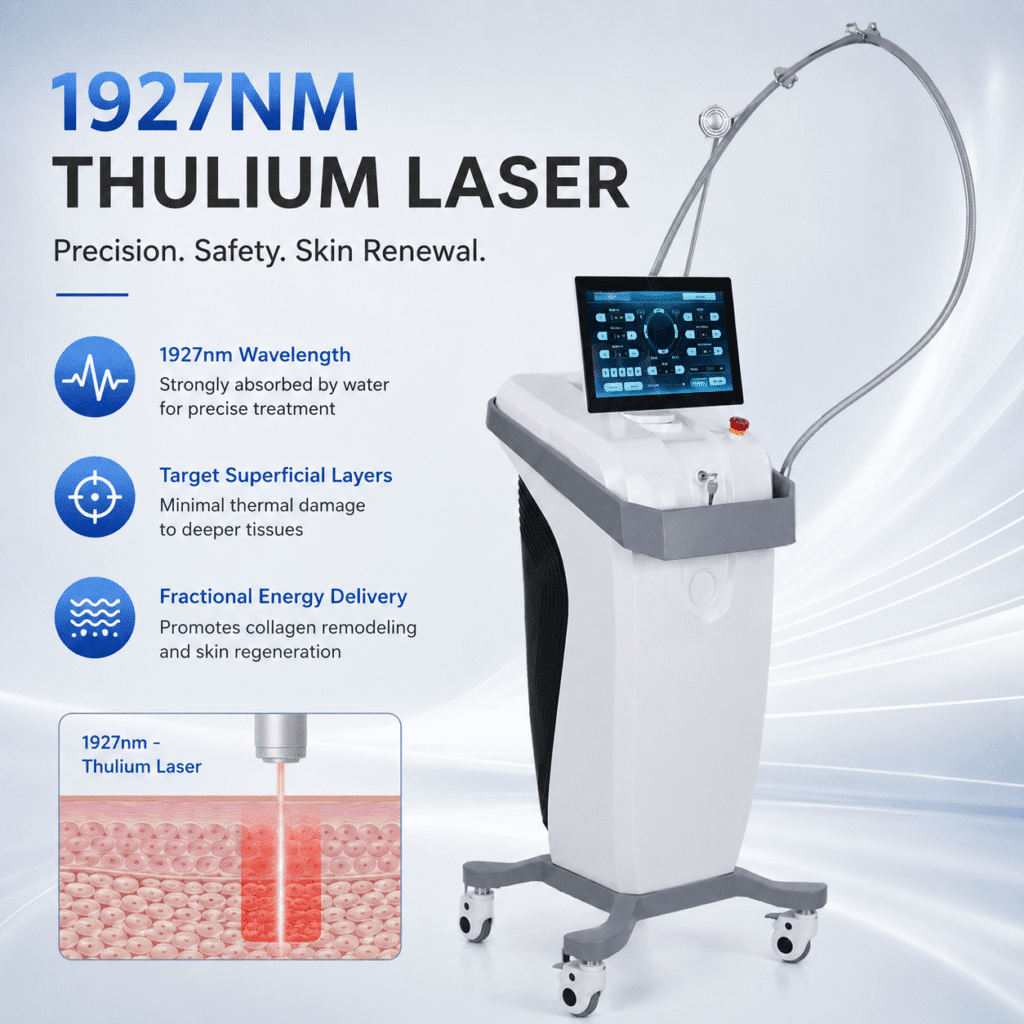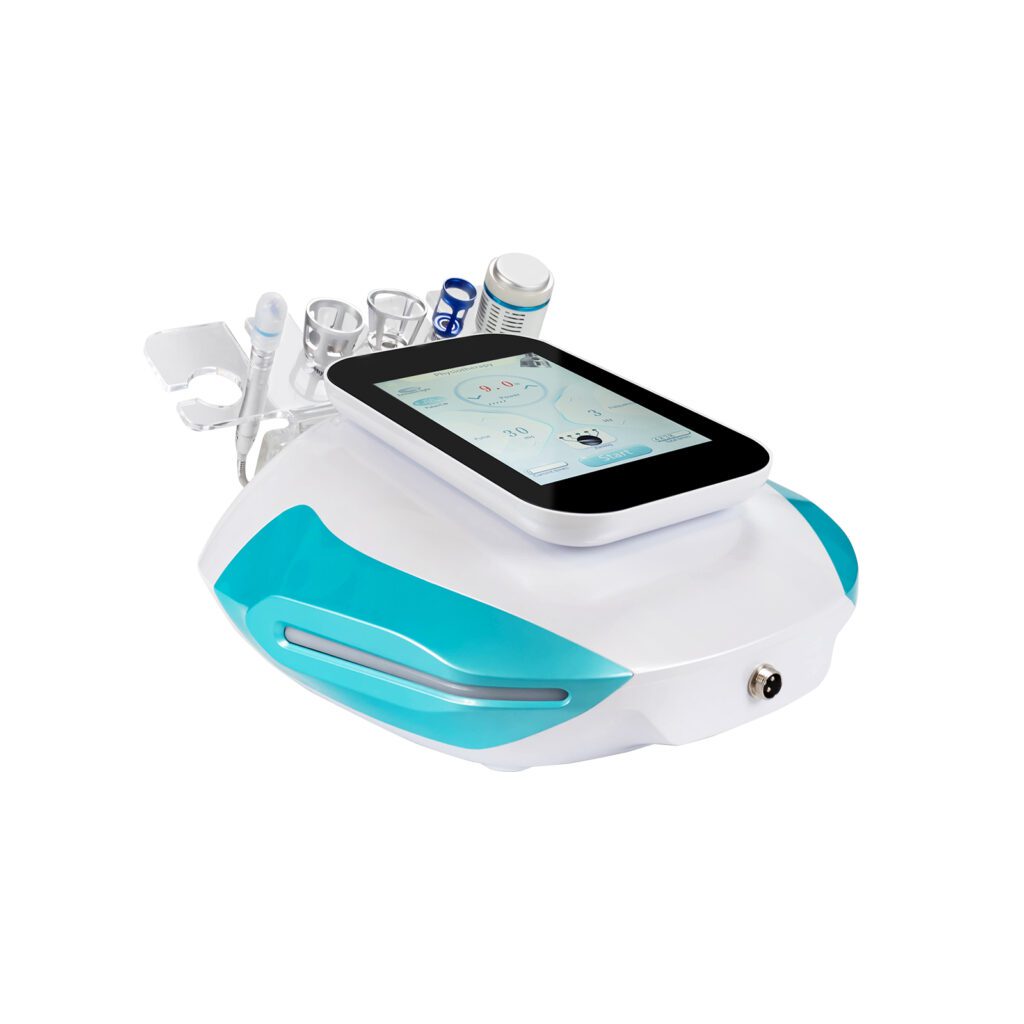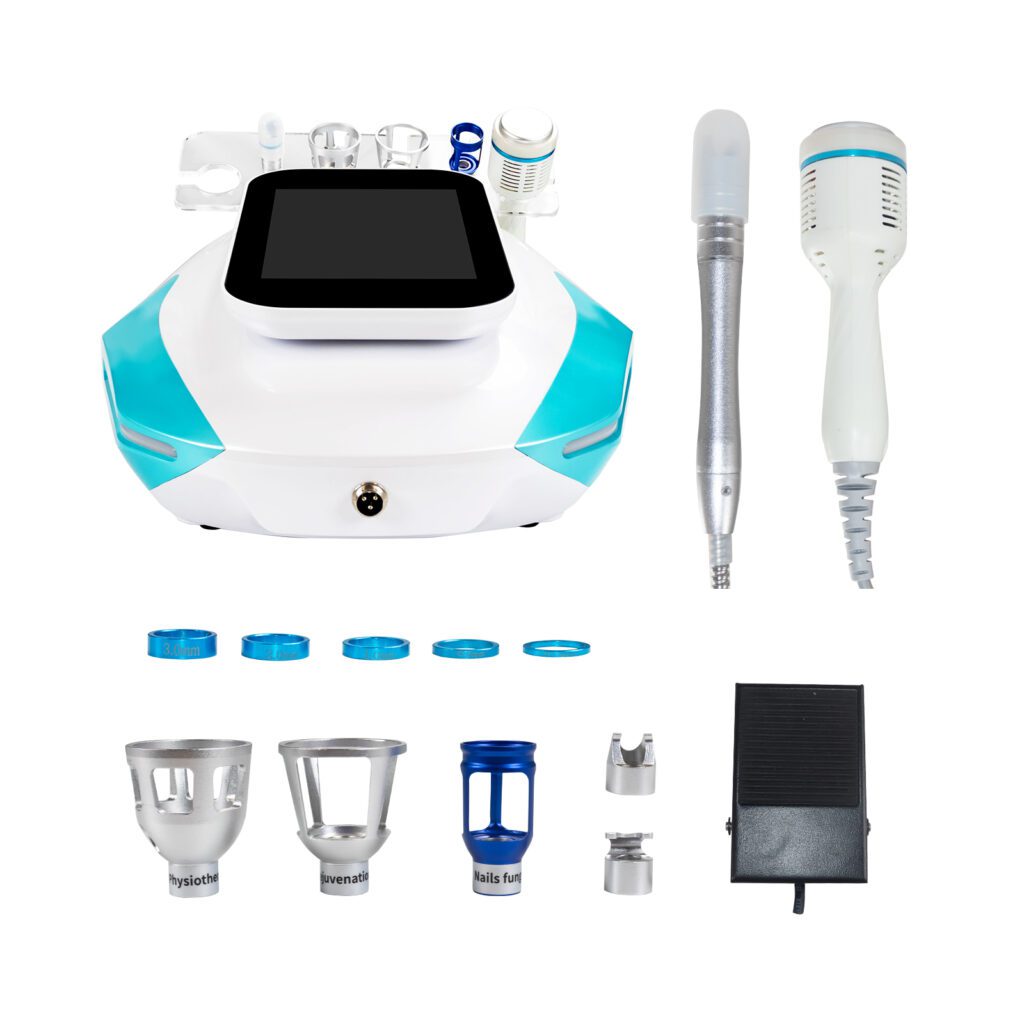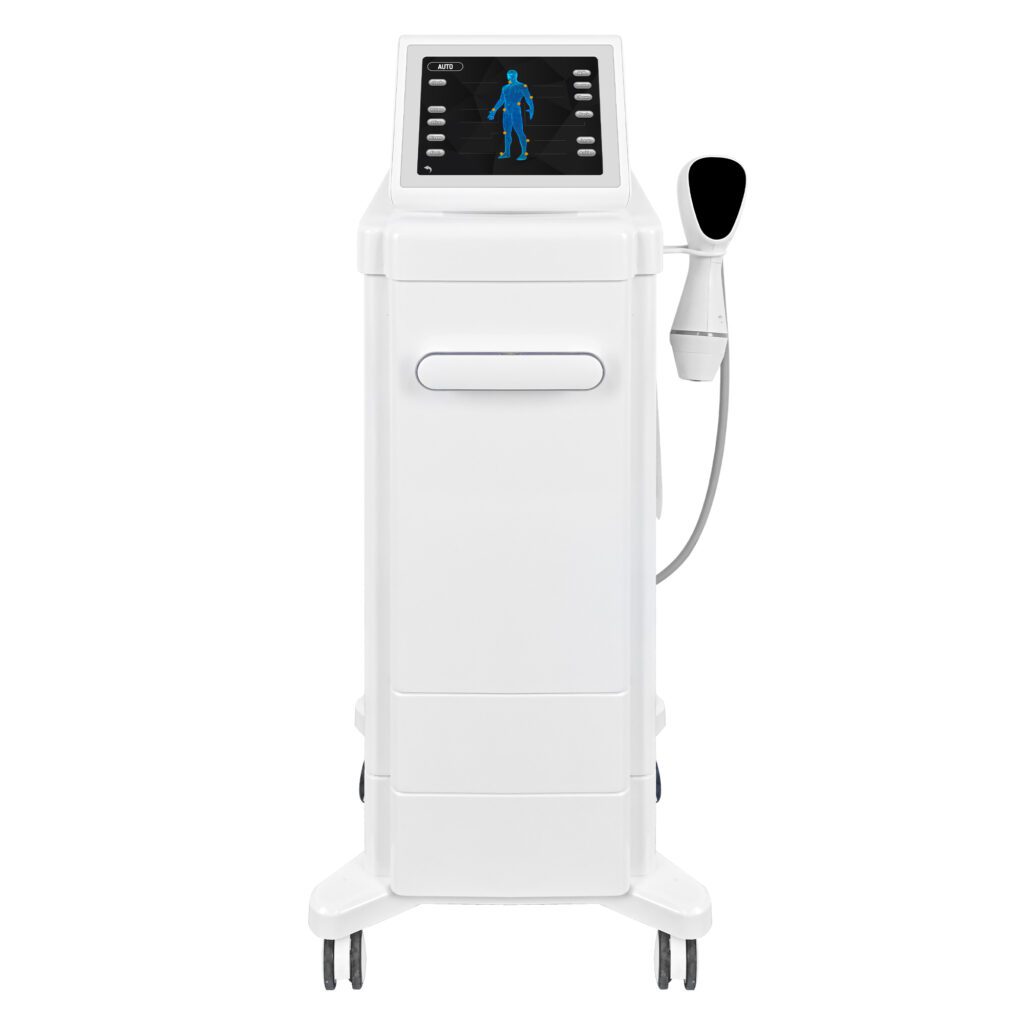










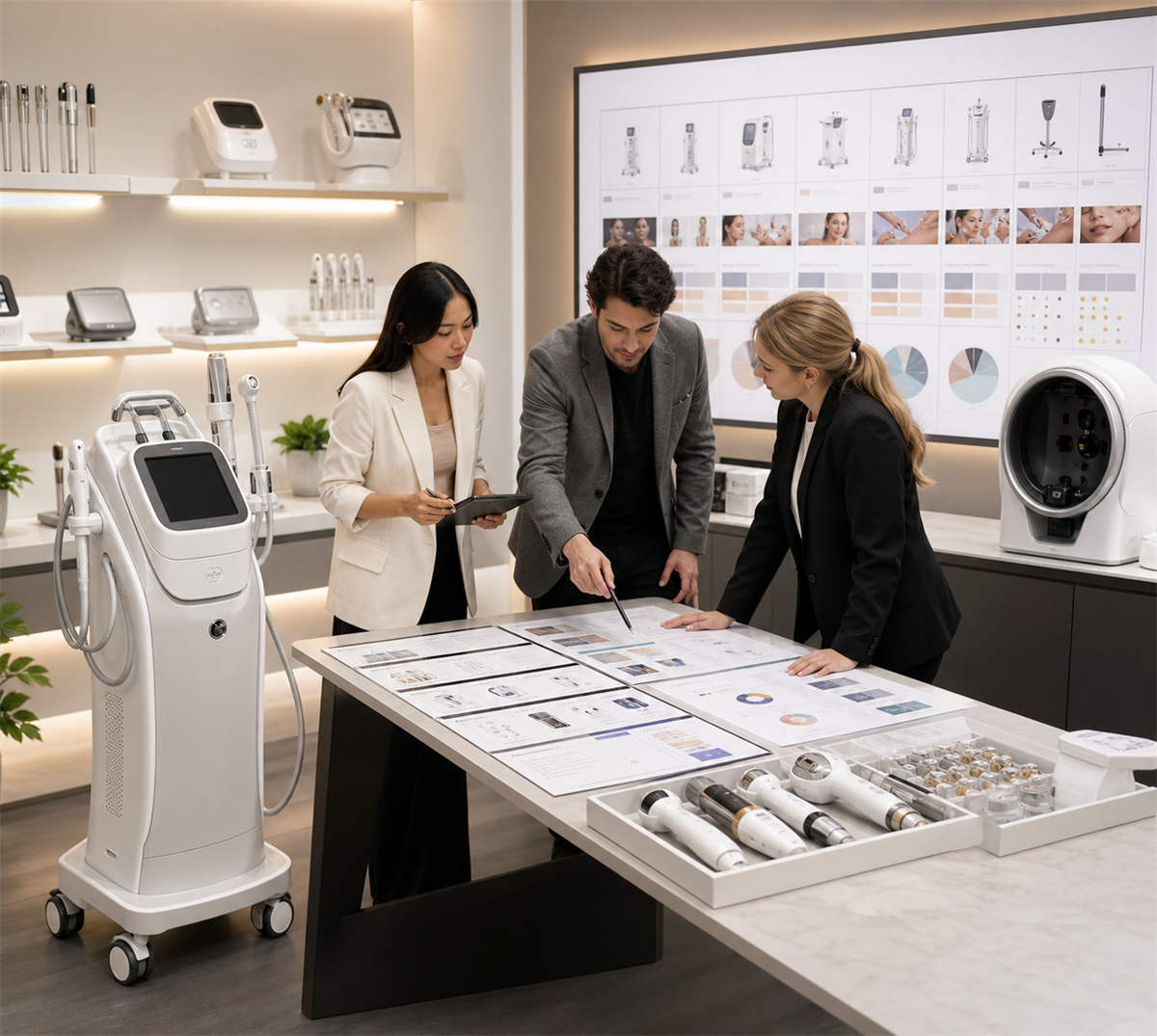
Distributoren von Kosmetikgeräten sehen sich heute mit einer deutlich komplexeren Produktauswahl konfrontiert als zuvor. Der Markt bietet zwar weiterhin Wachstumspotenzial, doch der Wettbewerb ist stärker, die Produkte ähneln sich stärker, Salonkäufer agieren rationaler und die Erwartungen an den Kundendienst steigen. Ein Distributor kann Produkte nicht mehr allein aufgrund niedriger Fabrikpreise, attraktiver Optik oder Online-Trends auswählen.
Eine gute Produktauswahl erfordert heutzutage ein umfassendes betriebswirtschaftliches Beurteilungssystem. Distributoren müssen die Nachfrage in Salons, die Kundenakzeptanz, den lokalen Wettbewerb, den ROI, die technische Stabilität, die Zuverlässigkeit der Lieferanten, den Schulungsaufwand, das Compliance-Risiko, die Kosten des Kundendienstes, den Preisspielraum und den Lagerdruck bewerten.
Dieser Bericht analysiert, wie Distributoren von Kosmetikgeräten eine Produktauswahlstrategie entwickeln sollten und welche Produktkategorien für verschiedene Vertriebsstufen besser geeignet sein könnten.
Zusammenfassung
Die Märkte für Schönheitsgeräte und ästhetische Medizintechnik bleiben attraktiv, die Produktauswahl wird jedoch immer selektiver und professioneller. Öffentliche Marktberichte unterscheiden sich hinsichtlich ihres Umfangs, viele deuten aber auf ein anhaltendes Wachstum hin. Grand View Research schätzt den Markt für energiebasierte ästhetische Medizintechnik im Jahr 2025 auf 7,5 Milliarden US-Dollar und prognostiziert ein Wachstum von 8,1 Milliarden US-Dollar im Jahr 2026 auf 15,7 Milliarden US-Dollar bis 2033. Fortune Business Insights prognostiziert für den globalen Markt für medizinische Ästhetik ein Wachstum von 28,49 Milliarden US-Dollar im Jahr 2025 auf 89,59 Milliarden US-Dollar bis 2034. Die IMARC Group schätzt den globalen Markt für Schönheitsgeräte im Jahr 2025 auf 64,60 Milliarden US-Dollar und prognostiziert ein Wachstum auf 255,72 Milliarden US-Dollar bis 2034.
Für Vertriebspartner bedeutet Wachstum nicht, dass jedes Produkt rentabel ist. Die besten Chancen bieten Produkte, die Salons verstehen, verkaufen, bedienen, warten und mit denen sie Gewinn erzielen können.
Wichtigste Schlussfolgerungen:
- Die Produktauswahl sollte sich an der Nachfrage der Salons orientieren, nicht an der Menge im Fabrikkatalog.
- Die stärksten Produktchancen vereinen oft klar definierte Kundenbedürfnisse, die Logik wiederholter Behandlungen, einen guten ROI für den Salon, eine stabile Lieferantenunterstützung und einen überschaubaren Kundendienst.
- Neue Vertriebspartner sollten in der Regel mit Geräten beginnen, die sich leichter verkaufen lassen und ein geringeres Servicerisiko aufweisen, wie z. B. Hautanalysatoren, Hydro-Facial-Geräte, Geräte mit kleinen Blasen, LED-Geräte, Sauerstoffinfusionsgeräte, Ultraschallinfusionsgeräte, kompakte Multifunktions-Gesichtsbehandlungsgeräte, EMS-Mikrostromgeräte und sanfte HF-Geräte.
- Etablierte Vertriebspartner können ihr Angebot auf professionelle RF-Geräte, fortschrittliche Hautanalysen, Körperformung, Haarentfernungssysteme, Premium-Anti-Aging-Geräte, Eigenmarken und exklusive regionale Produkte ausweiten.
- Die Produktdifferenzierung basiert zunehmend auf Projektpaketen, Schulungen, Service, Ersatzteilen und Vertriebskanalunterstützung und nicht mehr nur auf der Maschinenhardware.
- Konformität, Verwendungszweck, Werbeaussagen, Sicherheitsschulungen und Dokumentation müssen bei der Produktauswahl berücksichtigt werden, insbesondere bei Geräten, die auf Energie, Licht, Haarentfernung, Körperformung und fortschrittlicher Anti-Aging-Technologie basieren.
1. Warum die Produktauswahl der Kern der Wettbewerbsfähigkeit von Vertriebshändlern ist
Für Händler von Kosmetikgeräten entscheidet die Produktauswahl über nahezu alles Folgende:
- Welche Salons können als Zielgruppe angesprochen werden?.
- Welcher Preisbereich ist zulässig?.
- Wie viel Lagerbestand wird benötigt?.
- Wie umfangreich muss die Ausbildung sein?.
- Welche Probleme nach dem Kauf auftreten können.
- Wie häufig Kunden erneut kaufen.
- Ob der Vertriebshändler Preiskämpfe vermeiden kann.
- Ob die Rechte regionaler Agenturen einen Wert haben.
- Ob der Cashflow gesund bleibt.
Ein gutes Produkt kann zu Folgebestellungen, stabilen Geschäftsbeziehungen mit Salons, Umsätzen mit Verbrauchsmaterialien und Markenvertrauen führen. Ein schlechtes Produkt kann Garantiestreitigkeiten, geringe Lagerumschlagshäufigkeit, einen schlechten Ruf, Vertriebskonflikte und Preisdruck verursachen.
Die Produktauswahl ist nicht nur eine Kaufentscheidung. Sie ist das Geschäftsmodell des Vertriebshändlers.
2. Marktkontext: Wachstum ist vorhanden, aber die Käufer verhalten sich rationaler
Der Markt für Kosmetikgeräte profitierte von der Nachfrage nach nicht-invasiver Schönheitsbehandlung, Anti-Aging, Hautpflege, Körperformung, Haarentfernung und personalisierter Beratung. Allerdings sind Salonkäufer nicht mehr so impulsiv wie früher.
Viele Salons fragen sich mittlerweile:
- Kann mir diese Maschine dabei helfen, ein reales Projekt zu verkaufen?
- Wie viele Behandlungen sind nötig, um die Kosten zu decken?
- Welche Verbrauchsmaterialien werden benötigt?
- Ist die Behandlung den Kunden leicht zu erklären?
- Akzeptieren die Kunden vor Ort den Preis?
- Ist eine Schulung inbegriffen?
- Was passiert, wenn die Maschine kaputt geht?
- Sind Ersatzteile erhältlich?
- Sind die Angaben sicher und gesetzeskonform?
Dies führt zu einer neuen Regel für Vertriebspartner: Die Produktauswahl muss auf den Salonbetrieb abgestimmt sein. Ein Gerät, das zwar fortschrittlich aussieht, sich aber nicht als rentables Salonprojekt erweisen kann, ist möglicherweise kein gutes Vertriebsprodukt.
3. Beginnen Sie mit der Zielgruppensegmentierung.
Bevor Vertriebshändler Produkte auswählen, sollten sie festlegen, wen sie bedienen wollen.
Zu den wichtigsten Kundensegmenten gehören:
- Neue Schönheitssalons.
- Öffentliche Schönheitssalons.
- Standardisierte Hautbehandlungszentren.
- Hochkarätige Hautpflegezentren.
- Salons für Körperpflege.
- Studios für Haarentfernung.
- Medizinische Spas und Schönheitskliniken.
- Salonketten.
- Ausbildungsschulen.
- Andere regionale Großhändler.
Jeder Kundentyp benötigt unterschiedliche Produkte.
Neue Salons benötigen:
- Niedrige bis mittlere Investitionskosten.
- Einfache Bedienung.
- Schnelles Training.
- Übersichtliche Projektpakete.
- Schnelle Amortisation.
Gemeinschaftssalons benötigen:
- Hochfrequenzgeräte.
- Einfaches Kundenverständnis.
- Geringer Platzbedarf.
- Zuverlässiger Kundendienst.
- Logik für wiederholte Käufe.
Hochwertige Hautpflegezentren benötigen:
- Erweiterte Hautanalyse.
- Professionelle Anti-Aging-Systeme.
- Premium-Behandlungsprotokolle.
- Digitale Aufzeichnungen.
- Besseres Markenimage.
Medizinische Spas und Kliniken benötigen möglicherweise:
- Fortschrittlichere Geräte.
- Stärkere Dokumentation.
- Höhere Ausbildungsanforderungen.
- Sorgfältigere Überprüfung der Einhaltung der Vorschriften.
Vertriebshändler sollten nicht für jeden Käufer die gleiche Produktlinie verwenden. Die Produktauswahl sollte sich an der Kundensegmentierung orientieren.
4. Produktrollen vor der Modellauswahl definieren
Das Produktportfolio eines Vertriebspartners sollte keine willkürliche Liste von Maschinen sein. Jedes Produkt sollte eine bestimmte Funktion erfüllen.
Zu den gängigen Produktrollen gehören:
- Verkehrsprodukte.
- Gewinnbringende Produkte.
- Bildprodukte.
- Verbrauchsgüter.
- Einstiegsprodukte.
- Produkt-Upgrades.
- Exklusive Produkte.
- Strategische Ankerprodukte.
Produkte zur Steigerung der Kundenfrequenz lassen sich leichter verkaufen und helfen beim Aufbau von Kundenbeziehungen. Beispiele hierfür sind Hydro-Facials, Behandlungen mit kleinen Blasen, Sauerstoffinfusionen, LED-Therapie und grundlegende Hautanalysen.
Gewinnbringende Produkte ermöglichen höhere Margen und ein besseres Preis-Leistungs-Verhältnis. Beispiele hierfür sind Radiofrequenztherapie, Mikrostrombehandlung, fortschrittliche Hautanalyse, Körperformung und ausgewählte Haarentfernungssysteme.
Imageprodukte stärken die professionelle Marke des Vertriebspartners. Beispiele hierfür sind Premium-RF-Plattformen, fortschrittliche KI-Hautanalysegeräte und professionelle Anti-Aging-Systeme.
Verbrauchsmaterialien generieren wiederkehrende Umsätze. Beispiele hierfür sind Filter, Aufsätze, Gele, Kartuschen, Seren, Masken, Ersatzköpfe und Zubehör.
Ein gesundes Vertriebsportfolio erfordert Ausgewogenheit. Zu viele Produkte mit hohem Absatzvolumen können zu Preiswettbewerb führen. Zu viele Premiumprodukte können zu Lager- und Serviceengpässen führen.
5. Lokale Salonnachfrage analysieren
Die beste Produktauswahl orientiert sich an der lokalen Nachfrage der Salons, nicht an globalen Trendschlagzeilen.
Vertriebshändler sollten Folgendes recherchieren:
- Welche Salonarten dominieren den lokalen Markt?.
- Welche Altersgruppen sind bei den Kunden am häufigsten vertreten?.
- Welche Schönheitsanliegen den lokalen Konsumenten wichtig sind.
- Welche Dienstleistungen verkaufen sich Salons bereits gut?.
- Welche Ausrüstungsprojekte fördern die Wettbewerber?.
- Welche Preisniveaus lokale Salons akzeptieren.
- Welche Geräte sind bereits im Überangebot?.
- In welchen Kategorien bestehen noch Lücken?.
- Ob Salons Kauf, Leasing, Ratenzahlung oder Paketangebote bevorzugen.
Eine Region mit vielen Gemeinschaftssalons eignet sich beispielsweise für Hydro-Facials, Mikroblasenbehandlungen, LED-Therapie, Sauerstoffinfusionen, Hautanalysen, Mikrostrombehandlungen und sanfte Radiofrequenztherapie. Eine Region mit vielen exklusiven Hautpflegezentren bietet hingegen Unterstützung für professionelle Radiofrequenztherapie, KI-gestützte Hautanalysen, fortschrittliche LED-Technologie, Regenerationssysteme und Premium-Anti-Aging-Plattformen.
Der Vertriebshändler sollte keine Produkte für einen imaginären Markt auswählen, sondern Produkte für reale Käufer vor Ort.
6. Bewertung der Verbrauchernachfrage hinter der Salonnachfrage
Salons kaufen Geräte, weil ihre Kunden Behandlungen benötigen. Daher müssen Händler über die Salonbesitzer hinausblicken und die Verbrauchernachfrage verstehen.
Wichtige Bereiche der Verbrauchernachfrage umfassen:
- Anti-Aging.
- Festigend und anhebend.
- Gesichtskontur.
- Feuchtigkeit und ein strahlender Teint.
- Poren und Mitesser.
- Pflege und Behandlung von zu Akne neigender Haut.
- Pigmentierung und ungleichmäßiger Hautton.
- Haarentfernung.
- Körperformung und Körperstraffung.
- Wohltuende Pflege für empfindlich aussehende Haut.
- Erholung nach der Geburt in ausgewählten Märkten.
- Private Pflege in ausgewählten Märkten.
Produkte, die auf die dringenden Bedürfnisse der Verbraucher eingehen, haben in der Regel ein höheres Verkaufspotenzial. Produkte, die einen hohen Schulungsaufwand für die Kunden erfordern, verkaufen sich hingegen möglicherweise nur langsam, es sei denn, der Vertriebspartner bietet umfassende Schulungen und Marketingunterstützung.
7. Prüfen Sie, ob das Produkt für Salons leicht zu verkaufen ist.
Ein gutes Vertriebsprodukt sollte für Salons leicht zu erklären, zu bepreisen, zu verpacken und nachzubestellen sein.
Schlüsselfragen:
- Können die Mitarbeiter die Behandlung in einer Minute erklären?
- Erkennt der Kunde den Nutzen schnell?
- Löst das Projekt ein weit verbreitetes Problem?
- Kann die Behandlung als Kurs verkauft werden?
- Gibt es eine klar definierte Zielgruppe?
- Lässt sich der Fortschritt vor und nach der Behandlung verantwortungsvoll dokumentieren?
- Passt das Projekt zu bestehenden Salonangeboten?
- Kann es mit anderen Behandlungen oder Produkten kombiniert werden?
- Gibt es einen angemessenen Preis für Einzelsitzungen und Pakete?
Wenn das Salonpersonal ein Produkt nicht klar erklären kann, lässt sich das Gerät möglicherweise nur schwer verkaufen, selbst wenn die Technologie ausgereift ist.
8. Berechnen Sie den ROI Ihres Salons, bevor Sie sich für ein Produkt entscheiden.
Vertriebshändler sollten Produkte auswählen, die Salons helfen, Gewinn zu erzielen. Kann ein Salon die Investition nicht decken, muss der Vertriebshändler mit Beschwerden, geringer Wiederkaufsrate und schwachen Weiterempfehlungen rechnen.
Die ROI-Bewertung sollte Folgendes umfassen:
- Kaufpreis der Maschine.
- Versand, Steuern und Installation.
- Schulungskosten.
- Verbrauchsmaterialien pro Behandlung.
- Personalzeit.
- Zeit im Behandlungsraum.
- Instandhaltungsrücklage.
- Voraussichtlicher Behandlungspreis.
- Voraussichtlicher Paketpreis.
- Realistisches wöchentliches Behandlungsvolumen.
- Break-even-Sessions.
- Amortisationszeitraum.
Ein Produkt mit niedrigeren Herstellungskosten lässt sich nicht immer leichter verkaufen. Ein teureres Gerät kann vorteilhafter sein, wenn es höhere Behandlungspreise, eine stärkere Kundennachfrage, geringere Ausfallzeiten und eine bessere Paketkonversion ermöglicht.
Distributoren sollten für jede Produktkategorie ROI-Rechner vorbereiten.
9. Produktdifferenzierung bewerten
Die Homogenisierung von Produkten stellt eines der größten Risiken im Vertrieb von Kosmetikgeräten dar. Viele Geräte sehen ähnlich aus, verwenden ähnliche Beschreibungen und konkurrieren hauptsächlich über den Preis.
Differenzierung kann sich ergeben durch:
- Einzigartige Technologiekonfiguration.
- Besserer Behandlungskomfort.
- Stabilere Leistung.
- Stärkere Sicherheitsvorkehrungen.
- Bessere Benutzeroberfläche.
- Verbesserte Handstückkonstruktion.
- Zuverlässigere Komponenten.
- Exklusivvertriebsmodell.
- Eigenmarken-Branding.
- Besseres Trainingssystem.
- Bessere Behandlungsprotokolle.
- Besserer Kundendienst.
- Bessere Versorgung mit Verbrauchsmaterialien.
- Bessere Projektverpackung.
Händler sollten Produkte meiden, die sich nicht durch ein Alleinstellungsmerkmal qualifizieren. Wenn der niedrige Preis das einzige Verkaufsargument ist, kann es schnell zu einem Preiskampf kommen.
10. Lieferanten- und Fabrikzuverlässigkeit bewerten
Die Auswahl der Lieferanten ist Teil der Produktauswahl. Selbst eine gute Maschine aus einem instabilen Werk kann ein Geschäftsrisiko darstellen.
Vertriebshändler sollten Folgendes prüfen:
- Fabrikgeschichte.
- Produktionskapazität.
- Qualitätskontrollprozess.
- Produktdokumentation.
- Garantiebestimmungen.
- Verfügbarkeit von Ersatzteilen.
- Reparaturunterstützung.
- Technische Kommunikationsgeschwindigkeit.
- Exporterfahrung.
- OEM- und Private-Label-Fähigkeiten.
- Konformitätsdokumentation.
- Richtlinie für Softwareaktualisierungen.
- Fähigkeit zur Aufrechterhaltung der Produktkonsistenz.
Bevor Vertriebshändler Agenturverträge unterzeichnen oder größere Bestellungen aufgeben, sollten sie den Lieferanten mit kleinen Bestellungen, technischen Fragen, Ersatzteilanfragen und After-Sales-Szenarien testen.
11. Technische Reife und Stabilität bewerten
Neue Technologien können zwar für Begeisterung am Markt sorgen, bergen aber auch Risiken im Kundendienst. Ausgereifte Technologien lassen sich oft einfacher verkaufen und warten.
Händler sollten Folgendes prüfen:
- Wird die Technologie schon lange genug in Salons eingesetzt?
- Sind häufige Fehler bekannt?
- Sind Verbrauchsmaterialien stabil?
- Sind die Behandlungsprotokolle eindeutig?
- Können Techniker die Maschine reparieren?
- Sind die Parameterbereiche verständlich?
- Ist die Benutzeroberfläche stabil?
- Sind Software-Updates zuverlässig?
- Sind die Zubehörteile genormt?
- Muss das Gerät häufig kalibriert werden?
Hochinnovative Lösungen sind nur dann wertvoll, wenn sie zuverlässig umgesetzt werden können. Ein Vertriebsunternehmen sollte nicht zum Testfeld für unfertige Produkte werden.
12. Bewertung des Kundendienstaufwands
Der Kundendienst kann darüber entscheiden, ob ein Produkt für den Händler rentabel ist. Manche Produkte bieten zwar attraktive Gewinnspannen, aber hohe Reparaturkosten.
Bewerten:
- Ausfallrate.
- Häufige Fehlertypen.
- Kosten für Ersatzteile.
- Reparaturkomplexität.
- Bedarf an Vor-Ort-Service.
- Möglichkeit zur Fehlerbehebung aus der Ferne.
- Häufigkeit von Garantieansprüchen.
- Risiko von Verbrauchsmaterialknappheit.
- Schulungsaufwand für das Personal.
- Risiko von Kundenbeschwerden.
Produkte mit hohem Aufwand im Kundendienst sind nicht unbedingt schlecht, aber der Vertriebspartner muss sie richtig bepreisen und vor einer Expansion Servicekapazitäten aufbauen.
13. Überprüfung der Einhaltung der Vorschriften und der Dokumentation
Das Risiko der Nichteinhaltung von Vorschriften gewinnt zunehmend an Bedeutung, insbesondere bei Produkten, die auf Energie, Licht, Haarentfernung, Körperformung, RF, Laser, IPL, Ultraschall, Mikroneedling und gerätebezogenen Ergebnissen basieren.
Die Vertriebshändler sollten Folgendes sammeln und überprüfen:
- Produktspezifikationen.
- Benutzerhandbücher.
- Bestimmungsgemäße Verwendung.
- Warnhinweise und Gegenanzeigen.
- Schulungsunterlagen.
- Garantiebedingungen.
- Importdokumente, sofern erforderlich.
- Gegebenenfalls Bescheinigungen oder Erklärungen.
- Kennzeichnungsinformationen.
- Leitfaden für Werbeaussagen.
Die FDA weist darauf hin, dass ästhetische Medizinprodukte je nach Verwendungszweck und ihren Auswirkungen auf Struktur und Funktion des Körpers reguliert werden können. Die FTC erklärt, dass gesundheitsbezogene Werbeaussagen wahrheitsgemäß, nicht irreführend und belegt sein müssen. Auch außerhalb der USA ist diese Logik relevant: Stärkere Aussagen und fortschrittlichere Technologien erfordern eine sorgfältigere Prüfung.
14. Bewertung der Preisgestaltung und der Händlermarge
Ein Produkt muss dem Vertriebshändler genügend Gewinnspanne lassen und gleichzeitig den Salons ein profitables Projekt ermöglichen.
Vertriebshändler sollten Folgendes analysieren:
- Fabrikkosten.
- Versand- und Importkosten.
- Kommunalsteuer.
- Garantievorbehalt.
- Kosten für Ersatzteile.
- Schulungskosten.
- Marketingkosten.
- Verkaufsprovision.
- Kanalmarge.
- Unverbindliche Preisempfehlung.
- Preise für Salonbehandlungen.
- Großhandelspreise der Konkurrenz.
- Minimaler nachhaltiger Verkaufspreis.
Ein Produkt mit hoher Bruttomarge kann dennoch schlecht sein, wenn die Garantiekosten hoch sind oder der Marktpreis schnell einbricht. Ein Produkt mit moderater Marge kann gut sein, wenn es eine stabile Nachfrage, regelmäßig benötigte Verbrauchsmaterialien und niedrige Kundendienstkosten aufweist.
15. Bewertung des Bestands- und Cashflow-Risikos
Lagerengpässe stellen ein erhebliches Risiko für Distributoren dar. Der Absatz von Kosmetikgeräten kann sich verlangsamen, wenn sich die Nachfrage ändert, Wettbewerber hohe Rabatte gewähren oder ein Lieferant ein neueres Modell auf den Markt bringt.
Vertriebshändler sollten Folgendes berücksichtigen:
- Mindestbestellmenge.
- Haltbarkeit des Produkts bzw. Modelllebenszyklus.
- Speicheranforderungen.
- Risiko durch Software- oder Hardware-Updates.
- Saisonale Nachfrage.
- Ersatzteillager.
- Cash-Conversion-Zyklus.
- Lokale Absatzgeschwindigkeit.
- Rückgabe- oder Umtauschbestimmungen des Lieferanten.
- Einzahlungsbedingungen.
Neue Vertriebspartner sollten bei größeren Lagerbeständen besonders vorsichtig sein. Es ist ratsam, die Nachfrage zunächst mit kleinen Chargen, Demos und Vorbestellungen zu prüfen, bevor Kapital investiert wird.
16. Umsatzerlöse aus Verbrauchsmaterialien und Zubehör bewerten
Verbrauchsmaterialien können die Rentabilität des Vertriebshändlers verbessern, wenn sie praktisch, preisgünstig und stabil sind.
Zu den verbrauchbaren Möglichkeiten gehören:
- Hydro-Gesichtsaufsätze und Filter.
- Zubehör für die Sauerstoffinfusion.
- Gele und Seren.
- Masken und Hautpflegeprodukte.
- HF-Handstücke.
- IPL-Lampen oder Handstücke.
- Körpergeräte-Pads.
- Ersatzköpfe.
- Patronen.
- Reinigungs- und Wartungsmaterialien.
Hochwertige Verbrauchsmaterialien fördern Folgebestellungen und Kundenbindung. Sind sie jedoch zu teuer oder schwer erhältlich, kann dies die Akzeptanz im Salon verringern.
Der beste Ansatz ist ein ausgewogener: Verbrauchsmaterialien sollten die Qualität der Salonbehandlungen und die wiederkehrenden Einnahmen der Vertriebspartner unterstützen, ohne die Gewinnmargen des Salons zu beeinträchtigen.
17. Schulungs- und Projektverpackungsbedarf ermitteln
Salons kaufen zunehmend Projekte, nicht nur Maschinen. Daher sollte die Produktauswahl auch Schulungen und das Potenzial für Projektpakete berücksichtigen.
Ein gutes Produkt sollte Folgendes unterstützen:
- Behandlungsprotokolle.
- Mitarbeiterschulung für betriebliche Abläufe.
- Beratungsskripte.
- Checkliste Kontraindikationen.
- Preisvorlagen.
- Kurspaketgestaltung.
- Startkampagnenplan.
- Kundeninformationsmaterialien.
- Vorher-Nachher-Tracking-Vorlagen, wo angebracht.
- Hinweise zur Nachsorge.
Wenn ein Produkt zu viel Erklärungsaufwand erfordert und der Lieferant keine Schulungsunterlagen bereitstellt, muss der Händler diese erstellen. Dies sollte in die Kosten für die Produktauswahl einkalkuliert werden.
18. Produktkategoriestrategie: Einstiegs-Kernprodukte
Einstiegsprodukte aus dem Kernsortiment helfen Vertriebspartnern, neue Kundenkonten zu eröffnen und neue oder kleine Salons zu bedienen.
Geeignete Kategorien sind beispielsweise:
- Hydro-Gesichtsgeräte.
- Kleine Blasengeräte.
- Sauerstoffinfusionsgeräte.
- Ultraschallreinigungs- und Infusionsgeräte.
- LED-Lichttherapiegeräte.
- Grundausstattung zur Hautanalyse.
- Kompakte Multifunktions-Gesichtsbehandlungsgeräte.
- Kühlende und beruhigende Geräte.
Vorteile:
- Besseres Kundenverständnis.
- Größerer Kundenstamm für den Salon.
- Niedrigere Kaufbarriere.
- Hohe Behandlungsfrequenz.
- Niedrigere Trainingsschwierigkeit.
- Gut geeignet für Gemeinschaftssalons.
Risiken:
- Starker Preiswettbewerb.
- Produkthomogenisierung.
- Geringerer Stückgewinn.
- Notwendigkeit einer klaren Differenzierung.
Bei Einstiegsprodukten sollten Qualität, Benutzerfreundlichkeit, unkomplizierter Kundendienst und eine umfassende Unterstützung durch Behandlungspakete im Vordergrund stehen.
19. Produktkategoriestrategie: Produkte mit mittlerem Gewinnpotenzial
Produkte im mittleren Preissegment können eine höhere Händlermarge und einen stärkeren Wert für den Salon generieren.
Geeignete Kategorien sind beispielsweise:
- EMS-Mikrostromgeräte.
- Schonende HF-Geräte.
- Fortschrittliche LED-Systeme.
- KI-gestützte Hautanalysegeräte.
- Hochwertigere Multifunktionsplattformen.
- Flüssigkeits- und Regenerationssysteme.
- Zugangskontrollsysteme, bei denen die Nachfrage eindeutig ist.
Vorteile:
- Bessere Preisgestaltung für Behandlungen.
- Stärkeres Gesamtpaketpotenzial.
- Nützlich für Salonmodernisierungen.
- Bessere Differenzierung als bei einfachen Geräten.
- Geeignet für Standard-Hautbehandlungszentren.
Risiken:
- Weitere Schulungen erforderlich.
- Höhere Kundenerwartungen.
- Mehr Bedarf an ROI-Erklärungen.
- Mehr Verantwortung nach dem Kauf.
Diese Produkte eignen sich oft am besten für Vertriebspartner, die bereits Geschäftsbeziehungen zu Salons pflegen, aber noch nicht bereit für sehr fortschrittliche Systeme sind.
20. Produktkategoriestrategie: Premium- und Profiprodukte
Premiumprodukte können die Marke des Vertriebspartners stärken und höherwertige Kunden unterstützen.
Geeignete Kategorien sind beispielsweise:
- Professionelle HF-Systeme.
- Fortschrittliche Plattformen zur Hautanalyse.
- Ultraschallbasierte Schönheitsgeräte, sofern gesetzlich zulässig.
- Haarentfernungssysteme, bei denen Nachfrage und Konformität klar definiert sind.
- Systeme zur Körperkonturierung.
- Hochwertige Anti-Aging-Geräte.
- Digitale Behandlungsmanagementsysteme.
Vorteile:
- Höherer Transaktionswert.
- Stärkere berufliche Positionierung.
- Eignet sich besser für exklusive Hautbehandlungszentren und Kliniken.
- Mehr Platz für die Projektverpackung.
- Möglicher Wert für eine regionale Agentur.
Risiken:
- Höherer Lagerdruck.
- Höhere Ausbildungsanforderungen.
- Höhere Anforderungen an die Einhaltung von Vorschriften und die Sicherheit.
- Höhere Reparaturkosten.
- Kleinerer Käuferkreis.
- Längerer Verkaufszyklus.
Premiumprodukte sollten nicht nur aufgrund ihres Images ausgewählt werden. Sie müssen eine echte lokale Nachfrage, eine starke Unterstützung durch den Lieferanten und einen klaren Kundendienstplan aufweisen.
21. Nischenproduktstrategie: Private Pflege, Wochenbettpflege und Spezialgeräte
Nischenkategorien können in ausgewählten Märkten profitabel sein, bergen aber Risiken für allgemeine Vertriebshändler.
Beispiele hierfür sind:
- Private Pflegegeräte.
- Ausrüstung zur Erholung nach der Geburt.
- Geräte zur Kopfhautanalyse und Kopfhautbehandlung.
- Spezielle Geräte zur Körpersteuerung.
- Wellnessnahe Schönheitssysteme.
Für diese Produkte wird Folgendes benötigt:
- Klare Zielkundenkultur.
- Hohe Datenschutzansprüche.
- Geschultes Personal.
- Vorsichtige Wortwahl.
- Lokale Compliance-Prüfung.
- Vertrauensbasierte Salonkunden.
- Überzeugende Projektverpackung.
Neue Vertriebspartner sollten Nischenkategorien in der Regel meiden, bis sie ihren lokalen Markt genau kennen. Etablierte Vertriebspartner können Nischenprodukte mit ausgewählten Salonpartnern testen.
22. Auswahl von Einzelfunktions- vs. Multifunktionsprodukten
Sowohl Geräte mit einer einzigen Funktion als auch Multifunktionsgeräte haben ihren Wert.
Multifunktionsgeräte eignen sich, wenn:
- Der anvisierte Salon verfügt über ein begrenztes Budget.
- Der Platz ist begrenzt.
- Die Mitarbeiter benötigen flexible Projektoptionen.
- Der Käufer ist neu oder klein.
- Das Gerät verfügt über praktische Kernfunktionen.
- Die Behandlungsprotokolle sind einfach.
Einzelfunktionsgeräte eignen sich, wenn:
- Der anvisierte Salon hat eine klare Nachfrage nach einem bestimmten Projekt.
- Leistung ist wichtiger als Flexibilität.
- Das Projekt verfügt über ein hohes Preisniveau.
- Der Salon ist exklusiv oder spezialisiert.
- Der Vertriebspartner kann Schulungen und Kundendienstleistungen anbieten.
Der Fehler liegt in der Annahme, mehr Funktionen bedeuteten automatisch mehr Wert. Ein spezialisiertes, zuverlässiges Gerät kann rentabler sein als eine leistungsschwache Multifunktionsmaschine.
23. Erstellen Sie eine Produktportfolio-Leiter
Distributoren sollten eine Produktpalette aufbauen, anstatt einzelne Produkte anzubieten.
Eine praktische Leiter könnte Folgendes umfassen:
Startaufstellung:
- Hydro-Gesichtsbehandlung.
- Kleine Blase.
- Sauerstoffinfusion.
- LED.
- Grundlegender Hautanalysator.
Wachstumslinie:
- KI-Hautanalyse.
- Mikrostrom.
- Sanfte Hochfrequenz.
- Hochwertige LED-Technologie.
- Multifunktionale Gesichtsplattform.
Premiumlinie:
- Professionelle HF-Technik.
- Fortschrittliches Hautpflegesystem.
- Haarentfernungssystem.
- Körperformungssystem.
- Digitale Behandlungsmanagementplattform.
Verbrauchsmateriallinie:
- Tipps.
- Filter.
- Gele.
- Seren.
- Masken.
- Handstücke.
- Ersatzköpfe.
Diese Struktur hilft Vertriebspartnern, verschiedene Stufen der Salonentwicklung zu bedienen und Aufstiegsmöglichkeiten zu schaffen.
24. Produktauswahl für neue Vertriebspartner
Neue Vertriebspartner sollten Produkte priorisieren, die leichter zu verkaufen, leichter zu schulen und leichter zu warten sind.
Empfohlene Startkategorien:
- Hydro-Gesichtsbehandlung und kleine Bläschen.
- Geräte zur Hautanalyse.
- LED-Lichttherapie.
- Sauerstoffinfusion.
- Ultraschallreinigung und -infusion.
- Kompakte Multifunktions-Gesichtsbehandlungsgeräte.
- EMS-Mikrostrom.
- Sanftes RF mit starker Lieferantenunterstützung.
Neue Vertriebspartner sollten Folgendes vermeiden:
- Hochpreisige Lasersysteme.
- Komplexe RF-Mikronadelung.
- Fortschrittliche Systeme zur Körperkonturierung.
- Private Pflege und Wochenbettausstattung ohne lokale Expertise.
- Produkte mit unklaren Dokumenten.
- Geräte mit mangelhafter Ersatzteilversorgung.
- Maschinen, die einen hohen technischen Reparaturaufwand erfordern.
Das Ziel für neue Vertriebspartner ist es, sich zunächst einen guten Ruf aufzubauen. Dieser Ruf entsteht durch Produkte, die Salons erfolgreich einsetzen können.
25. Produktauswahl für etablierte Vertriebspartner
Etablierte Vertriebspartner können aggressiver expandieren, da sie möglicherweise bereits über Kundenbeziehungen, Techniker, Serviceprozesse und einen entsprechenden Cashflow verfügen.
Geeignete Erweiterungsbereiche:
- Professionelle HF-Systeme.
- KI-gestützte Hautanalyseplattformen.
- Hochwertige Anti-Aging-Geräte.
- Systeme zur Körperkonturierung.
- Verbesserungen bei der Haarentfernung.
- Eigenmarken-Gerätelinien.
- Exklusive Produkte regionaler Agenturen.
- Digitale Salonmanagement-Tools.
- Verbrauchsprogramme.
- Schulungs- und Zertifizierungsprodukte.
Etablierte Vertriebspartner sollten vom Produktverkauf zum Lösungsvertrieb übergehen. Ihr Vorteil liegt nicht nur im Produktzugang, sondern auch in der Fähigkeit, Salons langfristig zu betreuen.
26. Validierung neuer Produkte vor Vertragsabschluss mit einer Agentur.
Bevor Vertriebshändler ein neues Produkt auf den Markt bringen, sollten sie den Markt validieren.
Ein praktischer Validierungsprozess:
1. Produktdokumentation und Verwendungszweck prüfen.
2. Testen Sie die Maschine intern.
3. Bitten Sie die Techniker, den Schwierigkeitsgrad der Reparatur einzuschätzen.
4. Berechnen Sie die Einstandskosten und die Verkaufsmarge.
5. Vergleichen Sie die Produkte und Preise der Konkurrenz.
6. Befragen Sie 10 bis 20 Einkäufer von Salons.
7. Führen Sie Demos mit ausgewählten Salonpartnern durch.
8. Preisgestaltung für Testbehandlungspakete.
9. Schätzen Sie die Kosten für den Kundendienst.
10. Geben Sie vor einer größeren Lagerhaltung eine kleine Probebestellung auf.
Der Vertriebshändler sollte sich nicht allein auf die Zusagen des Herstellers verlassen. Praxistests am Markt sichern den Cashflow.
27. Bewertungsbogen zur Produktauswahl
Ein Händler kann jedes Produkt in folgenden Bereichen mit 1 bis 5 Punkten bewerten:
- Nachfrage der örtlichen Salons.
- Stärke der Schwachstellenanalyse beim Verbraucher.
- Einfache Salonerklärung.
- Potenzial des Behandlungspakets.
- Salon-ROI.
- Produktdifferenzierung.
- Lieferantenzuverlässigkeit.
- Technische Stabilität.
- Trainingsschwierigkeit.
- Schwierigkeiten nach dem Kauf.
- Verfügbarkeit von Ersatzteilen.
- Umsatzpotenzial im Bereich Verbrauchsgüter.
- Compliance und Klarheit der Ansprüche.
- Händlermarge.
- Bestandsrisiko.
- Risiko von Kanalkonflikten.
Produkte mit hoher Nachfrage, klarem ROI, geringem Servicerisiko, guter Differenzierung und starker Lieferantenunterstützung sollten priorisiert werden.
28. Warnsignale bei der Produktauswahl
Händler sollten vorsichtig sein, wenn sie Folgendes sehen:
- Extrem niedriger Fabrikpreis ohne klare Qualitätsbeschreibung.
- Keine Bedienungsanleitung oder nur mangelhafte Dokumentation.
- Keine Ersatzteilpolitik.
- Keine Behandlungsprotokolle.
- Der Lieferant weicht technischen Fragen aus.
- Unrealistische Vorher-Nachher-Versprechen.
- Hohe Mindestbestellmenge vor der Validierung.
- Das Produkt wird bereits von vielen Billiganbietern im Internet verkauft.
- Kein Garantieprozess.
- Verbrauchsmaterialien sind nur aus einer instabilen Quelle erhältlich.
- Komplexe Technologie mit schwacher Schulungsunterstützung.
- Ansprüche, die möglicherweise nicht zum Leistungsumfang eines Salons gehören.
- Mangelhafte Verpackung oder uneinheitliche Produktqualität.
Ein Produkt, das sich vor dem Kauf leicht verkaufen lässt, kann nach dem ersten Garantiefall teuer werden.
29. Wie man die Homogenisierung von Produkten vermeidet
Eine Homogenisierung der Produkte lässt sich nur schwer vollständig vermeiden, aber die Vertriebshändler können ihre Auswirkungen verringern.
Zu den Strategien gehören:
- Wählen Sie exklusive Konfigurationen.
- Erstellen Sie Private-Label-Versionen.
- Produkte zu Projektpaketen bündeln.
- Bieten Sie ein besseres Training als die Konkurrenz.
- Bieten Sie Standards für den Kundendienst an.
- Bewahren Sie Ersatzteile vor Ort auf.
- Behandlungsmenüvorlagen entwickeln.
- Erstellen Sie Kundenerfolgsbeispiele.
- Erstellen Sie Produktleitern nach Salontyp.
- Bieten Sie Finanzierungs- oder Ratenkaufpläne an.
- Bieten Sie verbrauchbare Abonnementoptionen an.
- Unterstützung von Salonmarketing- und Produkteinführungskampagnen.
Differenzierung sollte von Anfang an im Produktsystem verankert sein und nicht erst nach Beginn eines Preiskriegs hinzugefügt werden.
30. Zukünftige Trends bei der Produktauswahl in den nächsten 3 bis 5 Jahren
Die Produktauswahl der Distributoren dürfte sich in verschiedene Richtungen entwickeln.
Trend 1: Steigende Nachfrage nach KI-gestützter Hautanalyse.
Die Hautanalyse wird für Kosmetikstudios zu einem wichtigeren Instrument für Beratung und Kundengewinnung werden.
Trend 2: Anti-Aging und RF bleiben wichtig.
HF-, Mikrostrom-, LED- und andere Anti-Aging-Geräte werden weiterhin wichtige Kategorien bleiben.
Trend 3: Multifunktionsgeräte werden praktischer.
Käufer bevorzugen Multifunktionssysteme mit realen Protokollen und stabiler Leistung, nicht aufgeblähte Funktionslisten.
Trend 4: Der Kundendienst wird zum Produktmerkmal.
Produkte ohne Ersatzteile, Schulungen und Reparaturunterstützung lassen sich schwerer verkaufen.
Trend 5: Das Bewusstsein für Compliance steigt.
Die Vertriebshändler benötigen eine bessere Dokumentation und Anleitung zur Geltendmachung von Ansprüchen.
Trend 6: Produktportfolios werden segmentiert.
Gemeinschaftssalons, exklusive Zentren, Kliniken und Salonketten benötigen unterschiedliche Produktlinien.
Trend 7: Verbrauchsmaterialien und Software generieren wiederkehrende Einnahmen.
Distributoren suchen nach Produkten mit Einnahmen aus Zubehör, Verbrauchsmaterialien, Abonnements oder Dienstleistungen.
Trend 8: Regionale Agenten müssen einen lokalen Mehrwert bieten.
Lokale Vorführungen, Schulungen, Reparaturen und die Unterstützung von Salonprojekten schützen regionale Vertriebspartner vor direkter Online-Preiskonkurrenz.
31. Strategische Empfehlungen
Händler von Kosmetikgeräten sollten:
1. Definieren Sie die Zielgruppen der Salons, bevor Sie Produkte auswählen.
2. Erstellen Sie Produktleitern anstelle von zufälligen Katalogen.
3. Priorisieren Sie Produkte, die Salons wiederholt verkaufen können.
4. Berechnen Sie den ROI Ihres Salons, bevor Sie ein Produkt bewerben.
5. Wählen Sie Ihre Lieferanten nicht nur nach dem Fabrikpreis, sondern auch nach der Zuverlässigkeit ihrer Dienstleistungen aus.
6. Halten Sie Ersatzteile und Verbrauchsmaterialien bereit.
7. Behandlungsprotokolle und Preisvorlagen erstellen.
8. Neue Produkte sollten vor größeren Bestellungen in Demo-Salons getestet werden.
9. Vermeiden Sie Produkte mit unklaren Produktversprechen oder mangelhafter Dokumentation.
10. Entwickeln Sie nach Möglichkeit Eigenmarken- oder Exklusivmodelle.
11. Schulen Sie Ihre Vertriebsteams darin, den geschäftlichen Nutzen zu verkaufen, nicht nur die Maschinenfunktionen.
12. Nachverkaufskosten und Kundenfeedback nach Produktkategorie erfassen.
Die beste Strategie bei der Produktauswahl besteht nicht darin, jedem Trend hinterherzujagen. Vielmehr geht es darum, ein Portfolio aufzubauen, das Salons gewinnbringend nutzen und Vertriebspartner nachhaltig unterstützen können.
Abschluss
Die Produktauswahl für Distributoren von Schönheitsgeräten wird immer strategischer. Der Markt bietet weiterhin Chancen in den Bereichen Hautanalyse, Radiofrequenztherapie, Mikrostromtherapie, LED-Therapie, Hydro-Facials, Sauerstoffinfusion, multifunktionale Gesichtsbehandlungssysteme, Körperformung, Haarentfernung und Premium-Anti-Aging-Geräte. Distributoren müssen jedoch sorgfältig auswählen.
Die besten Produkte sind nicht einfach die günstigsten, neuesten oder funktionsreichsten Geräte. Es sind Produkte, die eine klare Nachfrage im Salonbereich erfüllen, wichtige Kundenbedürfnisse adressieren, einen praktischen ROI bieten, von zuverlässigen Lieferanten bezogen werden, einen überschaubaren Kundendienst gewährleisten, sich von der Konkurrenz abheben, klare Compliance-Vorgaben erfüllen und ein hohes Wiederkaufspotenzial aufweisen.
Für Distributoren liegt die Zukunft in der Kombination aus Produktauswahl und Geschäftsunterstützung. Wer Salons bei der Auswahl, Preisgestaltung, Verpackung, dem Verkauf, der Bedienung und Wartung von Geräten unterstützt, hat langfristig bessere Chancen als diejenigen, die lediglich Produkte vom Hersteller zum Käufer transportieren.
Häufig gestellte Fragen
Wie sollten Händler von Kosmetikgeräten Produkte auswählen?
Distributoren sollten Produkte auswählen, indem sie die Nachfrage der Salons, die Probleme der Kunden, den ROI, das Potenzial von Behandlungspaketen, die Zuverlässigkeit der Lieferanten, die Produktdifferenzierung, den Aufwand im Kundendienst, die Klarheit der Compliance, den Preisspielraum und das Lagerrisiko bewerten.
Welche Produkte eignen sich für neue Vertriebspartner von Kosmetikgeräten?
Neue Vertriebspartner können mit Hydro-Facial-Geräten, Geräten mit kleinen Blasen, Hautanalysegeräten, LED-Geräten, Sauerstoffinfusionsgeräten, Ultraschallinfusionsgeräten, kompakten Multifunktions-Gesichtsbehandlungsgeräten, Mikrostromgeräten und sanften RF-Geräten mit starker Unterstützung durch den Lieferanten beginnen.
Welche Produkte eignen sich besser für etablierte Vertriebspartner?
Etablierte Vertriebspartner können ihr Angebot auf professionelle RF-Geräte, fortschrittliche KI-Hautanalyse, Körperformung, Haarentfernungssysteme, Premium-Anti-Aging-Geräte, Eigenmarkenprodukte, Verbrauchsmaterialien, Software-Tools und exklusive regionale Produkte ausweiten.
Wie können Vertriebshändler eine Homogenisierung der Produkte vermeiden?
Sie können eine Homogenisierung vermeiden, indem sie exklusive Konfigurationen wählen, Eigenmarkenprodukte entwickeln, Projektpakete anbieten, intensivere Schulungen durchführen, Ersatzteile lokal lagern, den Kundendienst verbessern und Produktreihen für verschiedene Salontypen erstellen.
Was ist das größte Risiko bei der Produktauswahl für Vertriebshändler?
Das größte Risiko besteht darin, Produkte auszuwählen, die zwar attraktiv aussehen, aber von Salons nicht gewinnbringend verkauft, geschult, gewartet oder eingesetzt werden können. Dies führt zu Lagerengpässen, Gewährleistungsstreitigkeiten, Preiskämpfen und Reputationsschäden.