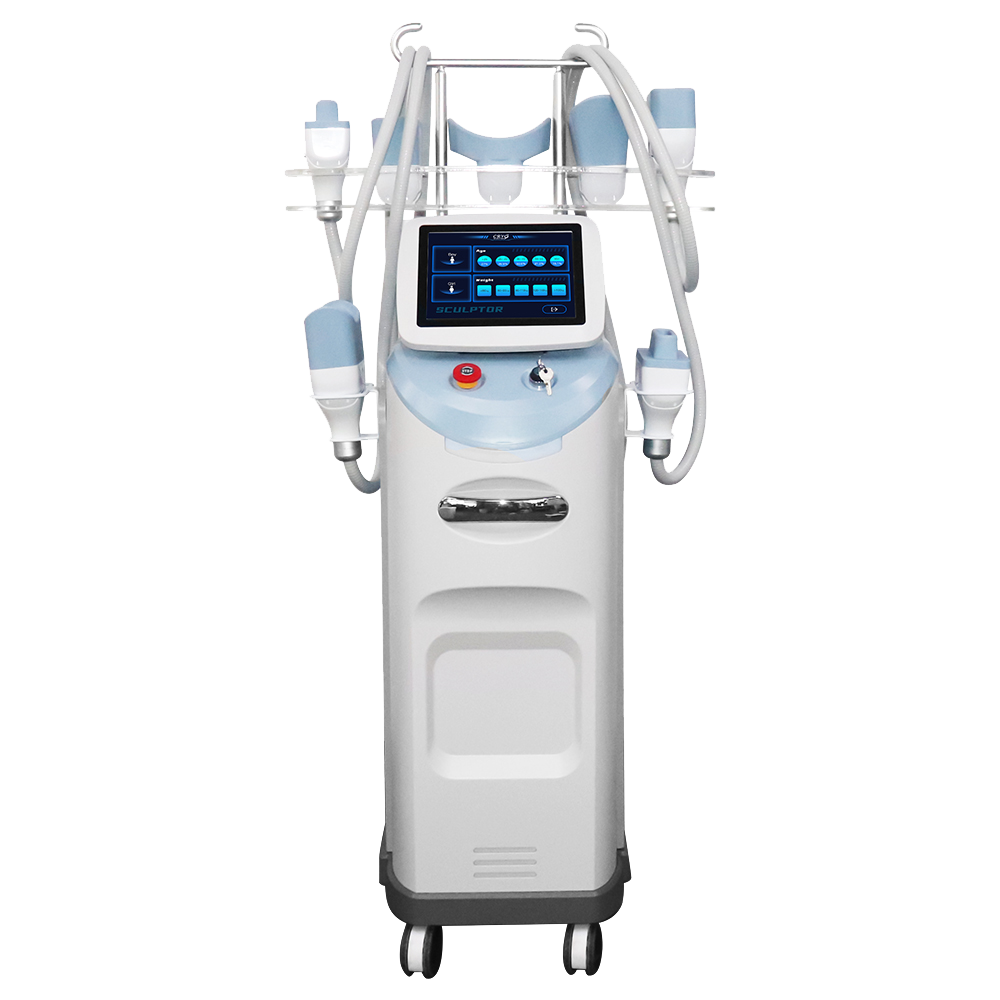










Nicht-invasive ästhetische Technologien entwickeln sich rasant, und zwei Behandlungen, die in modernen Kliniken häufig verglichen werden, sind Gesichtsbehandlungen mit Kaltplasma Und RF-Mikronadelgeräte. Obwohl beide Verfahren die Hautqualität verbessern, Akne lindern und Zeichen der Hautalterung mindern sollen, basieren sie auf völlig unterschiedlichen biologischen Mechanismen. Das Verständnis dieser Unterschiede ist für Kliniken, Händler und Anwender unerlässlich, um die passende Technologie für die jeweiligen Patientenbedürfnisse auszuwählen.
1. Technologische Prinzipien: Oberflächliche Biostimulation vs. Tiefen-Dermalremodellierung
1.1 Kaltplasma: Nicht-thermische Oberflächenregeneration
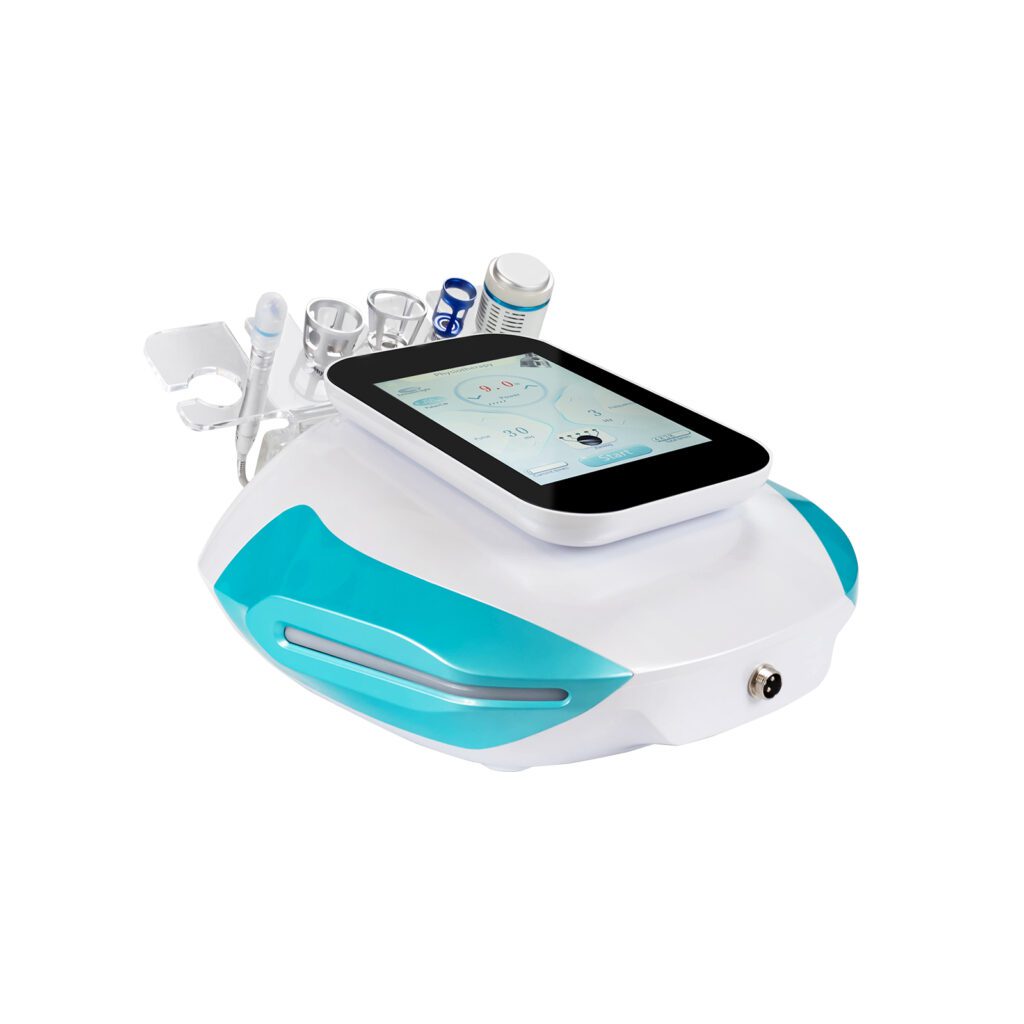
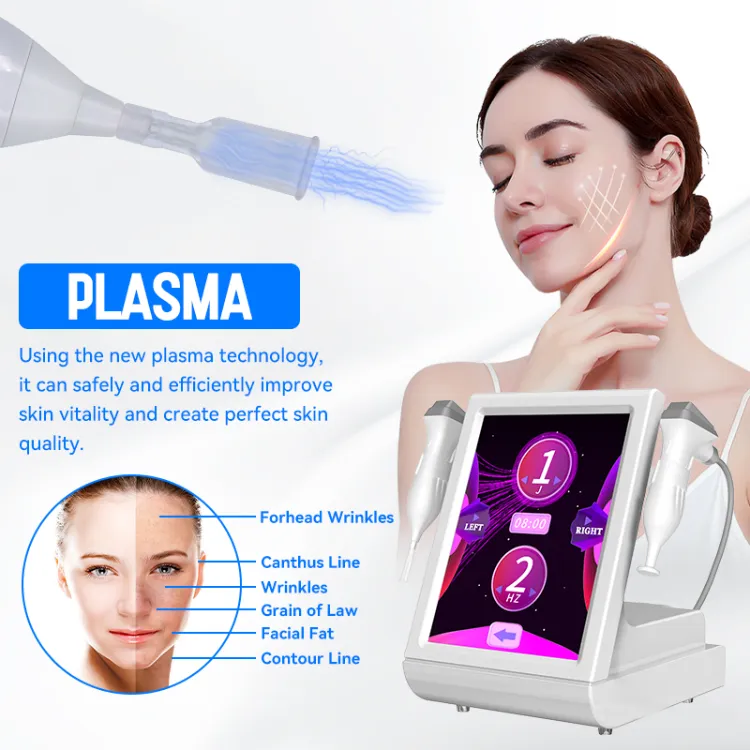
Kaltes Plasma ist ein ionisiertes Gas, das bei nahezu Raumtemperatur angewendet wird und hauptsächlich mit dem interagiert. Hautoberfläche und Epidermisschichten. Es erzeugt reaktive Partikel, die dazu beitragen, Bakterien zu reduzieren, Entzündungen zu lindern und eine leichte Zellregeneration anzuregen.
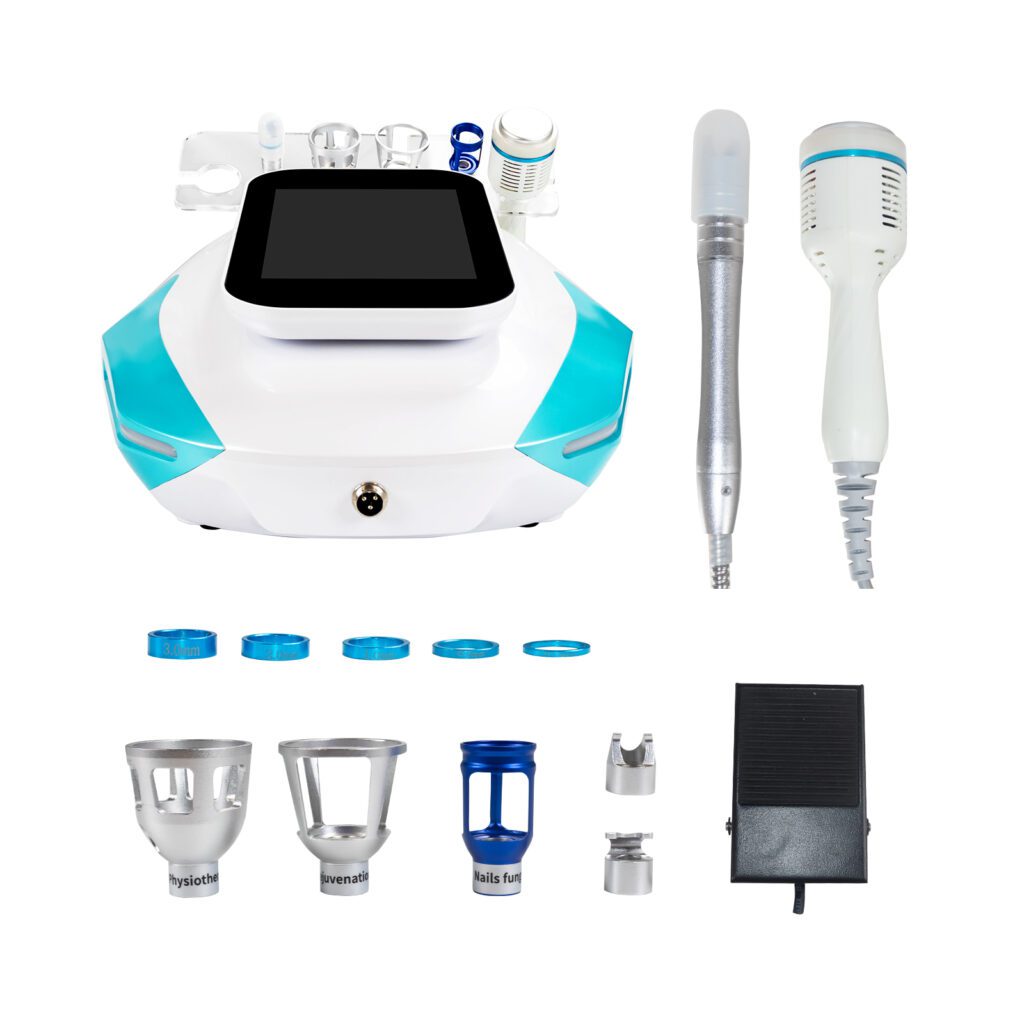
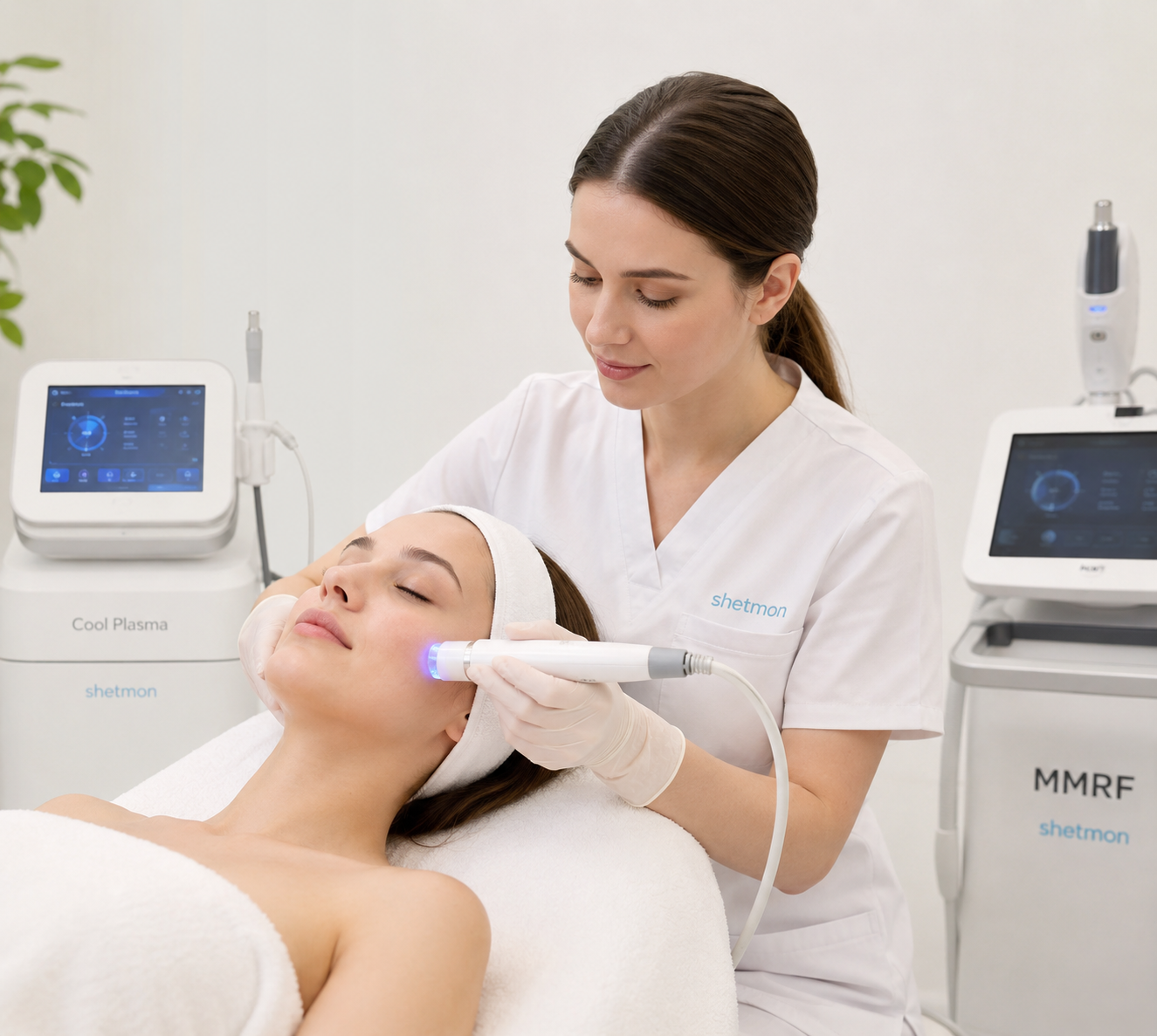
Im klinischen Einsatz wird ein System wie das Shefmon Cool Plasma Cold Fusion Gesichtsbehandlungsgerät A0145 Es liefert kontrollierte Plasmaenergie ohne Hitzeschäden. Dadurch eignet es sich besonders für empfindliche oder zu Akne neigende Haut, bei der der Schutz der Hautbarriere Priorität hat.
Zu den wichtigsten Mechanismen gehören:
- Antibakterielle Wirkung gegen Akne verursachende Mikroorganismen
- Reduzierung von Entzündungen und Rötungen
- Anregung der oberflächlichen Hauterneuerung
- Verbesserte Aufnahme von Hautpflegewirkstoffen
Kaltes Plasma lässt sich daher am besten beschreiben als Behandlung zur oberflächennahen biologischen Wiederherstellung und nicht etwa eine tiefgreifende strukturelle.
1.2 RF-Mikroneedling: Kontrollierte Verletzung + Tiefenthermische Energie
Die RF-Mikronadelung kombiniert zwei Technologien:
- Mechanische Mikroverletzungen durch ultrafeine Nadeln
- Hochfrequente (HF) thermische Energie wird in die Dermis eingeleitet
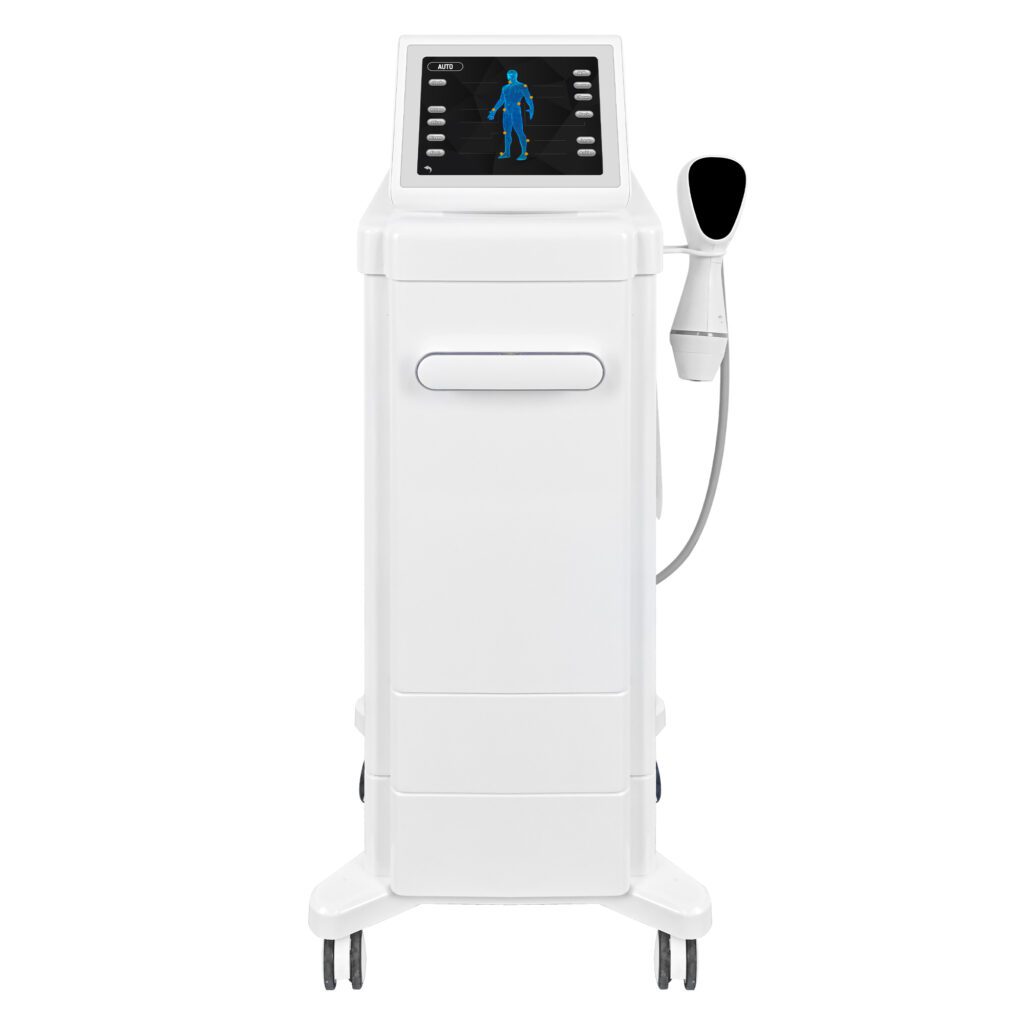
Ein Gerät wie das Shefmon MMRF Deepth 8 Mikronadel-RF-Gerät A0152 Es dringt in kontrollierter Tiefe in die Haut ein und leitet Wärme direkt in tiefere Gewebeschichten. Dies löst eine stärkere Wundheilungsreaktion und eine signifikante Kollagenneubildung aus.
Mechanismus-Highlights:
- Mikrokanäle stimulieren die natürliche Reparaturreaktion
- HF-Energie erwärmt die Dermis (Kollagenkontraktion).
- Langfristige Kollagen- und Elastinproduktion
- Strukturelle Straffung der Hautschichten
Im Gegensatz zu kaltem Plasma ist RF-Mikroneedling ein Technologie zur tiefen dermalen Remodellierung.

2. Behandlungstiefe und biologische Wirkungen
2.1 Kaltplasma: Epidermisfokussierte Wirkung
Kaltes Plasma wirkt vorwiegend auf die äußeren Hautschichten. Seine biologische Wirkung ist indirekt, aber dennoch stark in Bezug auf:
- Gleichgewicht des Hautmikrobioms
- Oberflächenentzündungskontrolle
- Reparatur der Barriere
- Unterstützung bei der Genesung nach der Behandlung
Da es nicht auf Hitze oder Penetration basiert, ist die Ausfallzeit minimal und es eignet sich generell für eine breite Palette von Hauttypen, einschließlich empfindlicher Haut.
2.2 RF-Mikroneedling: Transformation auf Dermis-Ebene
Die Radiofrequenz-Mikronadelung wirkt tiefer – typischerweise in die Dermis, wo sich Kollagenfasern und Fibroblasten befinden. Die kontrollierte thermische Energie kann Temperaturen erreichen, die eine Kontraktion und Umstrukturierung des Kollagens bewirken.
Dadurch ist es besonders effektiv für:
- Tiefe Aknenarben
- Hauterschlaffung (Kieferpartie, Wangen, Hals)
- Faltenreduzierung
- Vergrößerte Poren
Da jedoch kontrollierte Mikroverletzungen und Hitze entstehen, ist die Erholungszeit länger als bei Kaltplasma-Behandlungen.
3. Klinische Anwendungen und Behandlungsziele
3.1 Wann Kaltplasma die bessere Wahl ist
Kaltplasma eignet sich ideal für Kliniken, die folgende Patientengruppen behandeln:
- zu Akne neigende oder entzündete Haut
- Kunden mit empfindlicher Haut
- Nachbehandlungsprotokolle
- Programme zur Reparatur der Hautbarriere
- Sanfte Verjüngung und Steigerung des Teints
Der Shefmon A0145 Kaltplasmasystem wird oft als ein eigenständige Gesichtsbehandlung oder ergänzende Therapie nach intensiveren Behandlungen wie Lasertherapie oder Peelings.
Typische Ergebnisse:
- Beruhigteres Hautbild
- Reduzierte Rötungen und Hautunreinheiten
- Gesündere Hautoberflächenumgebung
3.2 Wann RF-Mikroneedling die bessere Wahl ist
Die Radiofrequenz-Mikronadelung wird bevorzugt bei strukturellen Problemen eingesetzt, die eine tiefergehende Umgestaltung erfordern, wie zum Beispiel:
- Aknenarben (mittelgradig bis schwer)
- Feine Linien und Fältchen
- Elastizitätsverlust
- Vergrößerte Poren mit Hauterschlaffung
Der Shefmon A0152 RF-Mikroneedling-System ist für fortgeschrittenere Anti-Aging-Behandlungen konzipiert, bei denen eine sichtbare Straffung und der Wiederaufbau von Kollagen Priorität haben.
Erwartete Ergebnisse:
- Straffere Hautstruktur
- Verbesserte Konturdefinition
- Langfristige Kollagenstimulation
- Deutlichere Anti-Aging-Effekte
4. Ausfallzeit-, Komfort- und Sicherheitsprofil
4.1 Kaltplasma: Minimale Ausfallzeiten
Kaltplasmabehandlungen umfassen typischerweise Folgendes:
- Keine Schmerzen oder leichtes Wärmegefühl
- Keine sichtbaren Verletzungen der Hautoberfläche
- Geringe bis keine Erholungszeit
- Geeignet für häufige Trainingseinheiten
Dadurch eignet es sich hervorragend für Erhaltungsbehandlungen und Kliniken mit hohem Patientenaufkommen.
4.2 RF-Mikroneedling: Kontrollierte Erholungsphase
Die RF-Mikronadelung umfasst im Allgemeinen Folgendes:
- Rötung und leichte Schwellung für 1–3 Tage
- Vorübergehende Empfindlichkeit
- Leichte, punktförmige Mikroverletzungen
- Längere Erholungszeit im Vergleich zu kaltem Plasma
Diese Ausfallzeit geht jedoch mit stärkeren Kollagen-Remodellierungseffekten einher.
5. Hauptunterschied: Die Tiefe bestimmt das Ergebnis
Der grundlegende Unterschied zwischen diesen beiden Technologien ist einfach:
- Kaltplasma = Oberflächenheilung + antimikrobiell + Barriere-Reparatur
- RF-Mikroneedling = Tiefe Hauterneuerung + Straffung + Kollageninduktion
Kaltplasma konzentriert sich auf Hautgesundheit und Umwelt, während sich die RF-Mikronadelung auf Folgendes konzentriert Strukturtransformation.
Abschluss
Kaltes Plasma und RF-Mikronadelung Es handelt sich nicht um konkurrierende Technologien – sie wirken auf unterschiedliche Hautschichten und verfolgen unterschiedliche klinische Ziele. Kaltplasma eignet sich am besten für sanfte Verjüngung, Aknebehandlung und die Regeneration nach Behandlungen. Radiofrequenz-Mikroneedling hingegen ist eine intensivere Lösung bei Hautalterung, Narbenbildung und Hauterschlaffung. Moderne ästhetische Kliniken können durch die Kombination beider Systeme – beispielsweise Kaltplasma zur Beruhigung und Regeneration und Radiofrequenz-Mikroneedling zur strukturellen Reparatur – ein umfassenderes Behandlungskonzept entwickeln.