
A finished beauty device should not enter packaging, shipment, or customer delivery simply because assembly is complete. The factory needs a controlled record showing which product was built, which configuration was ordered, which evidence was reviewed, which exceptions remain open, and who authorized the next step. This becomes especially important when one model is supplied as a standard configuration, a regional version, a distributor package, or a customized OEM/ODM system.
A useful release record does more than say “passed.” It connects the physical unit or lot to its approved bill of materials, software, handles, accessories, language, electrical profile, labels, manuals, packaging, inspection results, and customer order. It also makes clear which evidence was inherited from an approved standard baseline and which evidence was generated specifically for a customization.
This guide explains how beauty device factories and B2B buyers can structure release records for standard and customized configurations. It focuses on the final authorization record and its supporting evidence, rather than repeating the broader product-development or quality-control process.
Executive Summary
A reliable beauty device release-record system should:
- Define the release decision. Separate model approval, production completion, packaging release, shipment release, and customer acceptance.
- Identify the exact release object. Record model, serial or lot number, hardware, software, handles, accessories, electrical profile, language, labels, documents, and packaging.
- Connect planned and actual configurations. Compare the approved baseline, customer order, as-built unit, as-tested unit, and as-shipped package.
- Treat standard and customized units differently. Standard units can use an approved baseline, while customized units need a documented delta assessment.
- Reference evidence instead of duplicating it. The release record should act as a controlled index to inspection, test, aging, calibration, nonconformance, rework, and packaging records.
- Preserve failures and changes. Failed results, rework, retest, concessions, and replacement parts should remain visible in the record history.
- Use bounded release statuses. Hold, release for packaging, packaged pending review, shipment released, conditionally released, rejected, and revoked should have distinct meanings.
- Require competent authorization. The person approving release should have access to the complete evidence and authority for the defined decision.
- Control post-release changes. A software update, handle substitution, label change, or customer-order change may invalidate an earlier release.
- Make records retrievable. Factories should be able to reconstruct what was ordered, built, tested, packed, and shipped without relying on memory or disconnected chat messages.
The objective is not to create the longest possible form. It is to create one dependable release decision for one clearly identified configuration.
1. What Is a Beauty Device Release Record?
A beauty device release record is the controlled evidence that an authorized person reviewed a defined unit, lot, or order and approved it for a specified next stage. Depending on the factory workflow, that stage may be:
- transfer from production to finished-goods inspection;
- release for packaging;
- transfer into finished-goods inventory;
- release for shipment;
- release of a demonstration or evaluation unit; or
- release to a named distributor or customer under stated conditions.
The record should identify both the object and the permission. A signature beside the word “approved” is weak if the form does not show what was approved or what action became permissible.
A release record is not the same as a test report
A functional test report shows that specific tests were performed and records their results. A release record integrates those results with configuration identity, order requirements, documentation, packaging, unresolved issues, and release authority.
One test report rarely proves that the complete saleable package is correct. Conversely, a release record should not copy every measurement from every report. It should reference controlled records that can be retrieved.
2. Separate the Different Release Decisions
Factories often use the single word “release” for several different decisions. The record system should distinguish them.
| Release decision | Main question | Typical scope |
|---|---|---|
| Design or model release | Is this product definition approved for controlled production? | Model, design revision, BOM, software, specifications |
| Production release | May routine production build this approved definition? | Process, instructions, tooling, training, suppliers |
| Unit or lot acceptance | Did this unit or lot meet its production and test criteria? | Serial numbers, lot, inspections, tests, rework |
| Packaging release | May the accepted device enter the approved pack-out process? | Device identity, accessories, documents, package revision |
| Shipment release | Does the complete shipment match the order and destination requirements? | Customer order, regional version, cartons, logistics documents |
| Field or customer acceptance | Was the delivered system received or installed as agreed? | Delivery, installation, training, acceptance conditions |
A model-level commercial approval does not release every unit for shipment. Likewise, a passed final inspection does not prove that the correct plug, manual, distributor branding, or accessory package is in the carton.
3. Define the Release Object at the Right Level
Release records can apply to a single serial-numbered device, a production lot, a shipment, or a customer order. The correct level depends on product risk, process capability, traceability needs, market obligations, and contract terms.
Unit-level release
Unit-level release is useful when each device has a serial number, contains configurable software or parameters, or is supplied with customer-specific content. The record follows one physical device.
Lot-level release
Lot-level release may be appropriate when units share the same materials, configuration, process, and sampling plan. The record should identify every included serial number and define any excluded or reworked units.
Order- or shipment-level release
This level reconciles accepted devices with the buyer’s purchase order, destination, pack list, labels, documents, accessories, and carton identities. It should not replace the underlying unit or lot acceptance records.
Not every device requires every level of release. The factory should define a practical hierarchy that prevents both gaps and duplicate approvals.
4. Build a Stable Release Identity
The release record needs a unique identity and revision history. A practical header can include:
| Field | Purpose |
|---|---|
| Release record number and revision | Distinguishes the decision and later amendments |
| Product family and model | Connects the record to the controlled product definition |
| SKU, order code, and configuration code | Identifies the saleable package |
| Serial number or lot | Identifies the physical release object |
| Customer order or project number | Connects the unit to buyer requirements |
| Hardware and BOM revision | Identifies the built design baseline |
| Software, parameter, and language versions | Identifies the digital configuration |
| Destination market and customer | Defines regional and contractual context |
| Release type and requested stage | States what permission is being reviewed |
| Record status | Shows hold, released, rejected, revoked, or other state |
| Reviewers, approver, and timestamps | Establishes responsibility and decision timing |
The model name alone is insufficient. The same public model can exist with different plugs, voltages, languages, handpieces, software versions, branding, manuals, and package contents.
5. Connect Planned, Built, Tested, and Shipped States
A strong record reconciles five related but different definitions:
- Approved baseline: the controlled standard or authorized custom design.
- Ordered configuration: what the quotation, contract, or purchase order requires.
- As-built configuration: what production actually assembled and loaded.
- As-tested configuration: what inspection and testing actually evaluated.
- As-shipped configuration: what was placed in the final package and released to the buyer.
These states should be identical where required, but the record should not assume they are. A production traveler may show one handle, while a last-minute packing instruction adds another. A software build may be changed after testing. A replacement power supply may be installed during rework. Reconciliation makes these changes visible before shipment.
6. Standard Configuration Release Records
A standard configuration is a factory-controlled combination already defined by an approved SKU or configuration code. It can use established specifications, inspection plans, test methods, software packages, labels, manuals, and packaging.
The release record for a standard unit should still confirm:
- the current approved configuration code;
- serial or lot identity;
- approved material and component status;
- production and inspection completion;
- correct software and parameter package;
- required aging or continued-operation record;
- correct handles, accessories, consumables, and spare items;
- correct plug, voltage, language, labels, and manual;
- approved packaging and pack list;
- nonconformance and rework closure; and
- agreement with the sales order and destination.
Baseline approval reduces repeated review, but it does not eliminate unit- or lot-specific evidence. A standard product can still be built incorrectly, mixed with another order, or packed with obsolete documents.
7. Customized Configuration Release Records
A customized configuration can change appearance, branding, interface language, software, parameters, handles, accessories, packaging, documentation, electrical content, mechanical layout, or other product characteristics. The release route should depend on the significance of the change, not on whether sales calls it a “small customization.”
The release record should identify:
- the approved standard configuration used as the reference;
- every requested difference;
- the owner and approval status of each difference;
- affected requirements, risks, processes, tests, labels, manuals, packaging, and service content;
- evidence that can be inherited from the standard baseline;
- new or repeated evidence required for the custom version;
- customer approvals for artwork or agreed deliverables;
- configuration-specific inspection and acceptance criteria; and
- restrictions, expiry dates, or order limits.
The SHEFMON OEM/ODM service overview illustrates the variety of customization areas that may need control, including structure, interface, language, branding, packaging, and manuals. These options should enter the release record as controlled configuration elements rather than informal sales notes.
8. Use a Configuration Delta Assessment
The delta assessment is the bridge between a standard baseline and a customized unit. It prevents two opposite errors: repeating every test without reason, or assuming that all standard evidence automatically applies.
| Customization | Possible affected evidence | Typical release question |
|---|---|---|
| Logo, color, or artwork | artwork approval, label legibility, cosmetic inspection | Does the approved artwork appear in the correct location and version? |
| Interface language | translation review, screen checks, manual alignment | Do screen text, instructions, warnings, and training use consistent terms? |
| Plug, cord, or voltage profile | electrical definition, incoming control, functional checks, labels | Does the shipped electrical configuration match the destination and approved design? |
| Added or removed handle | compatibility, software recognition, performance, pack-out, manual | Is the exact handle package supported and correctly identified? |
| Software or parameter change | version control, verification, regression, loading record | Was the authorized build loaded and verified on the released unit? |
| Enclosure or internal layout change | mechanical, thermal, wiring, assembly, service, transport review | Does the change affect performance, cooling, strength, or maintainability? |
| Custom packaging | artwork, pack arrangement, protection, transport evidence | Does the final package protect and identify the complete custom system? |
| Custom manual or training content | technical review, claims, language, revision control | Does customer-facing content match the released device? |
The assessment should produce a documented decision: evidence inherited, evidence repeated, new evidence generated, or release blocked pending further work.
9. Build a Release Evidence Index
The release form should function as an index. It can reference the following records without reproducing them:
| Evidence area | Example referenced records | What the reviewer confirms |
|---|---|---|
| Product identity | BOM, drawings, configuration matrix, software master | The approved and built definitions agree |
| Material control | incoming inspection, supplier lot, approved-source status | Critical materials were accepted and traceable |
| Assembly | traveler, work order, operator and process records | Required production steps were completed |
| Inspection and testing | in-process, final, functional, electrical, performance records | Applicable acceptance criteria were met |
| Test equipment | calibration status and equipment identity | Results were generated with controlled equipment |
| Aging or continued operation | duration, cycles, conditions, interruptions, results | Required exposure was completed and reviewed |
| Nonconformance | failure, disposition, rework, retest, concession | Problems were not hidden by the final pass result |
| Configuration | software, language, parameters, handles, accessories | The exact unit matches the released configuration |
| Documentation | labels, manuals, quick guides, training revision | The correct controlled content accompanies the unit |
| Packaging and shipment | pack list, packaging revision, carton and order check | The shipped system matches the order and destination |
Each reference should include a record number, revision where applicable, status, and location or system link. “See QC file” is not a dependable evidence reference.
10. Control Materials, Assembly, and Supplier Evidence
Release reviewers should be able to confirm that critical components came from approved sources and were accepted under current requirements. Relevant records may include supplier lot numbers, incoming inspection, component certificates where required, concession status, and material substitutions.
The assembly record should show the work order, operators or stations where needed, process completion, software loading, calibration or adjustment, and any rework. If a custom project uses a different screen, casing, cable, pump, power supply, or handle connector, the release record should not inherit the standard BOM identity without documenting the difference.
The SHEFMON quality-control overview describes controls such as incoming material testing, circuit-board aging and power testing, functional aging, inspection, and ERP-supported management. For a release system, the important step is linking the applicable records to the exact configuration being authorized.
11. Record Software, Parameters, and Language
Software identity is part of the product configuration. The release record can include:
- firmware and application version;
- parameter or calibration package;
- enabled functions and handle-recognition profile;
- interface language and units;
- checksum, build ID, or other controlled identifier where available;
- loading station or tool;
- date and operator;
- successful post-load verification; and
- restrictions on updates after release.
A screenshot of the home screen is useful only if it supplements, rather than replaces, a controlled software identifier. If software is changed after final testing, the factory should define which tests must be repeated and whether the previous release is cancelled.
12. Reconcile Handles, Applicators, Accessories, and Consumables
Professional beauty devices often differ more in their attached systems than in the main console. The release record should identify:
- each included handle or applicator and its revision;
- connector and software compatibility;
- tips, cartridges, heads, filters, tubing, bottles, pedals, goggles, tools, and cables;
- quantity and lot information where traceability is required;
- reusable, replaceable, and single-use status as defined by the supplier;
- optional items that are excluded from the shipment; and
- storage, protection, and package location.
This prevents the main unit from passing release while an incorrect handle or incomplete accessory set is shipped.
13. Verify Regional and Customer-Facing Content
Release should include a controlled check of the destination-specific package:
- voltage and frequency profile;
- power cord and plug;
- rating label and product identity;
- language and units;
- warnings, symbols, instructions, and quick guides;
- customer or distributor branding;
- carton marks and shipping labels;
- approved claims and product description; and
- destination-specific documents required by the contract or applicable rules.
Qualified specialists should determine regulatory, electrical, labeling, professional-use, import, and documentation obligations for each destination. A factory release record cannot substitute for required market authorization or professional judgment.
14. Preserve Inspection, Aging, and Test Context
The release review should determine whether test evidence applies to the exact configuration. Records should identify the unit or lot, method, test condition, acceptance limit, equipment, result, operator, date, and status.
For aging or continued-operation records, capture meaningful exposure such as hours, cycles, pulses, connection events, loads, interruptions, abnormal behavior, and final checks. A single checkbox labeled “aging passed” may not show whether the relevant configuration completed the required exposure.
Where testing uses sampling, the release record should identify the sampling plan and population. A result from one configuration should not be silently applied to a materially different custom version.
15. Keep Nonconformance, Rework, and Retest Visible
Release records should not show only the latest passing result. They should link to the original failure and subsequent actions:
- detected issue and affected unit or lot;
- containment and status change;
- investigation or cause assessment appropriate to the issue;
- disposition and authorized rework instruction;
- replaced parts or configuration changes;
- reinspection and retest scope;
- results and reviewer acceptance; and
- impact on related units, lots, or custom orders.
Deleting a failed entry and entering a pass destroys useful traceability. The final release decision should show that the complete history was reviewed.
16. Control Deviations, Concessions, and Exceptions
An exception should never be hidden in a comment field. A controlled deviation or concession should state:
- affected product, serials, lots, and orders;
- exact requirement not met or process not followed;
- technical and business rationale;
- risk assessment and qualified reviewers;
- interim controls and buyer communication where required;
- permitted quantity, destination, or time period;
- required follow-up action and owner;
- expiry or stop condition; and
- final approval authority.
Conditional release is not a convenient way to clear unfinished work. It is a bounded decision for a known condition, supported by evidence and explicit authority.
17. Reconcile Packaging and the Customer Order
Before shipment release, the reviewer should compare:
- purchase order and approved quotation;
- model, configuration code, quantity, and serial numbers;
- customer-approved customization specification;
- handles, accessories, consumables, and spares;
- voltage, plug, language, labels, and manuals;
- branding and artwork versions;
- packaging revision and carton arrangement;
- shipment marks and destination;
- commercial or logistics documents within the release scope; and
- open conditions or customer acceptance points.
This review should happen against the physical pack-out or verified packing record, not only against an ERP order line. A correct order in the system does not prove that the carton contains the correct configuration.
18. Use Clear Release Statuses
Status names should have controlled meanings and system consequences.
| Status | Meaning | Permitted action |
|---|---|---|
| Hold | Evidence is incomplete or an issue is under review | No packaging or shipment unless separately authorized |
| Released for packaging | Unit or lot acceptance is complete | Approved pack-out may begin |
| Packaged, pending shipment review | Package is complete but order reconciliation is unfinished | Store in controlled area; do not ship |
| Shipment released | Complete shipment meets release requirements | Dispatch is permitted |
| Conditionally released | Named action is permitted within documented limits | Follow stated quantity, destination, time, and controls |
| Rejected | Release criteria are not met | Segregate and disposition |
| Revoked or cancelled | An earlier authorization is no longer valid | Block dispatch and identify affected inventory or orders |
Electronic systems should prevent a held or revoked serial number from appearing as shipment-ready.
19. Assign Release Authority and Electronic Controls
Release approval should be performed by trained personnel with access to the full evidence and authority for the decision. The system should separate record preparation, technical review, and final authorization where appropriate.
For electronic records, control:
- unique user identity;
- role-based permissions;
- date and time stamps;
- reason for changes;
- revision and audit trail;
- attachment integrity;
- status transitions;
- prevention of unauthorized deletion;
- backup and retention; and
- links between serial numbers, orders, evidence, and shipment records.
Typing a person’s name into an editable spreadsheet is not equivalent to a controlled approval if anyone can change the name or overwrite the evidence afterward.
20. Manage Changes After Release
Changes can occur after a unit has passed final inspection but before shipment. Examples include replacing a damaged handpiece, updating software, changing a manual, adding distributor branding, or moving the unit to another market.
The change process should determine:
- whether the previous release remains valid;
- what evidence must be repeated;
- whether the configuration code changes;
- which labels, documents, and packaging need replacement;
- whether customer approval is required;
- whether inventory or other orders are affected; and
- who can issue the revised release.
Do not edit an approved release record as though the original decision never existed. Preserve the earlier state, cancel or supersede it, and create a traceable new decision.
21. Special Release Cases
Demonstration and sample units
Demo units should have a defined status, owner, permitted use, software version, inspection level, and restriction against accidental sale as new stock. If a sample becomes a commercial shipment, it should enter the applicable release route.
Pilot and first-article units
Pilot units may use special instructions or engineering support. Their record should state whether they are evaluation-only, conditionally saleable, or representative of routine production.
Replacement and service units
Replacement devices, loan units, refurbished units, and replacement handles need defined identity, inspection, software, cleaning, packaging, warranty, and release criteria. They should not inherit the original unit’s release without evidence.
Limited custom orders
A custom configuration approved for one buyer, quantity, or destination should not automatically become a general catalog option. Its release scope and expiry should be visible.
22. Example: A0648 Standard and Branded Configurations
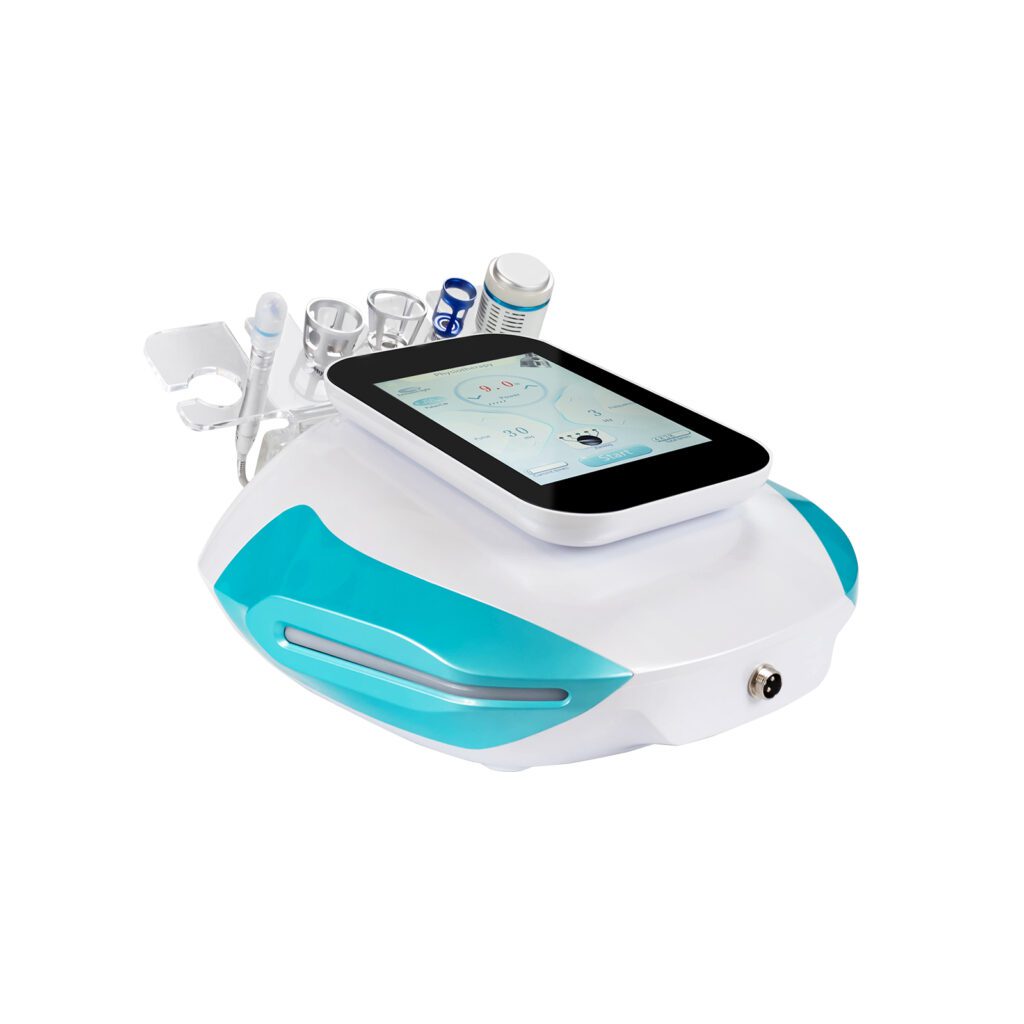
The SHEFMON A0648 9-in-1 diamond hydro microdermabrasion machine is a useful example of a multifunction facial platform with multiple working elements and accessories.
A proposed standard release record could identify the main unit, software and language, every included handle, bottles and tubing, tips, power configuration, manual, pack list, functional test, and package revision.
For a distributor-branded version, the delta record could add approved logo artwork, startup screen, interface language, rating and carton labels, manual cover, pack-list revision, and customer artwork approval. If the customization changes only controlled branding, much of the technical baseline may remain applicable. If it adds a different handle or changes internal fluid routing, the assessment should expand accordingly.
This is an example of record design, not a statement about SHEFMON’s internal release procedure.
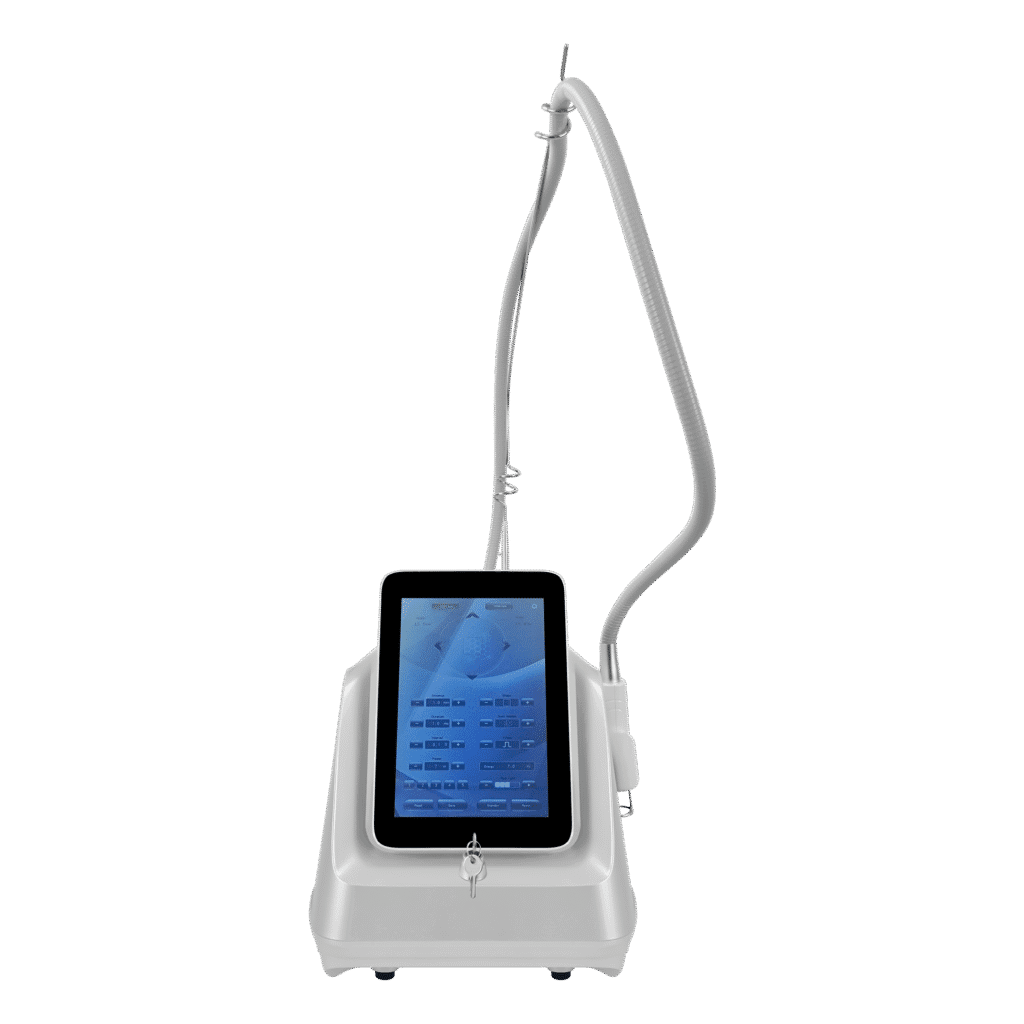
23. Example: A0426 Regional Laser Configuration
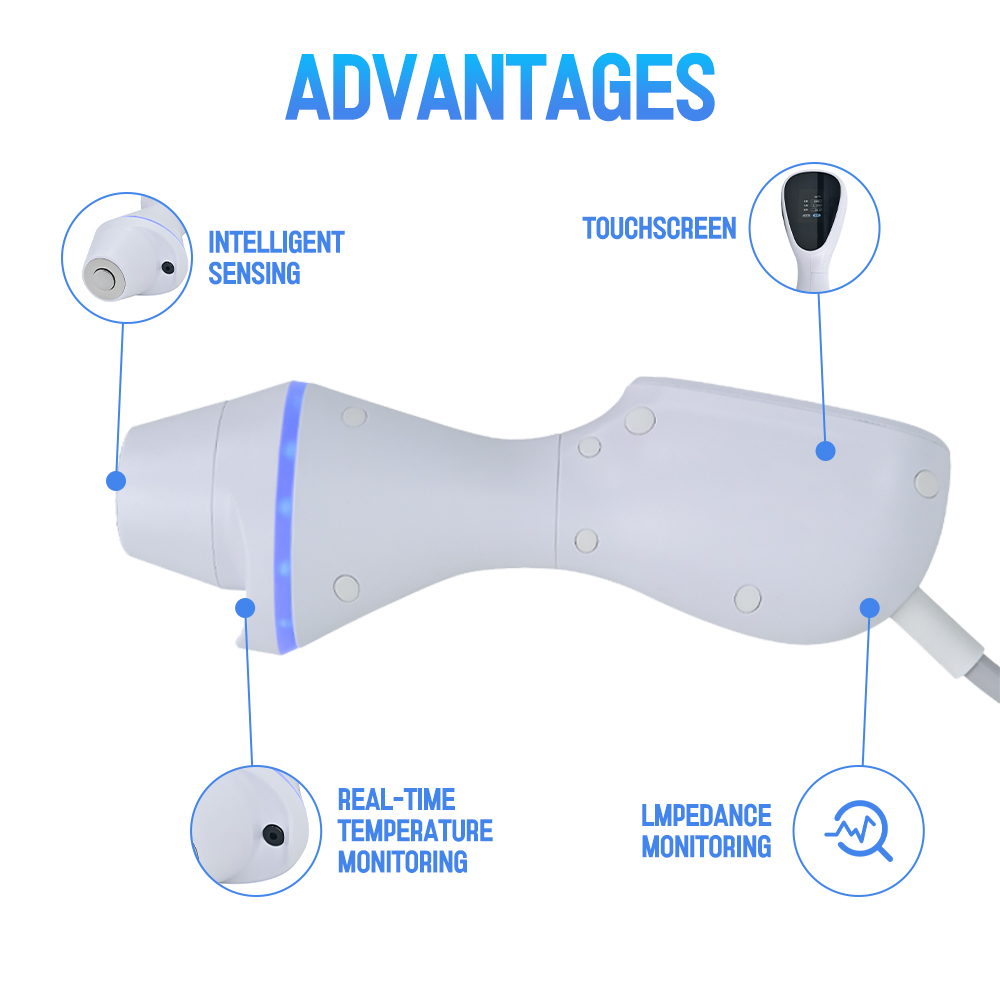
The SHEFMON A0426 diode laser hair-removal machine illustrates why model name alone is insufficient. Published product information includes selectable wavelength, handpiece, cooling, voltage, and language characteristics.
A proposed release record for a regional order could identify:
- ordered wavelength and handpiece configuration;
- main-unit and handpiece serial numbers;
- software, parameter, and language profile;
- voltage, cord, plug, and label;
- cooling and functional-test records;
- required accessories and protective items;
- manual and training-content revision;
- carton identity and destination; and
- qualified review of applicable market and professional requirements.
If a handpiece is replaced after testing, the release route should define whether compatibility, output, cooling, recognition, or other checks must be repeated. This is a record-structure example, not a claim about the manufacturer’s internal workflow.
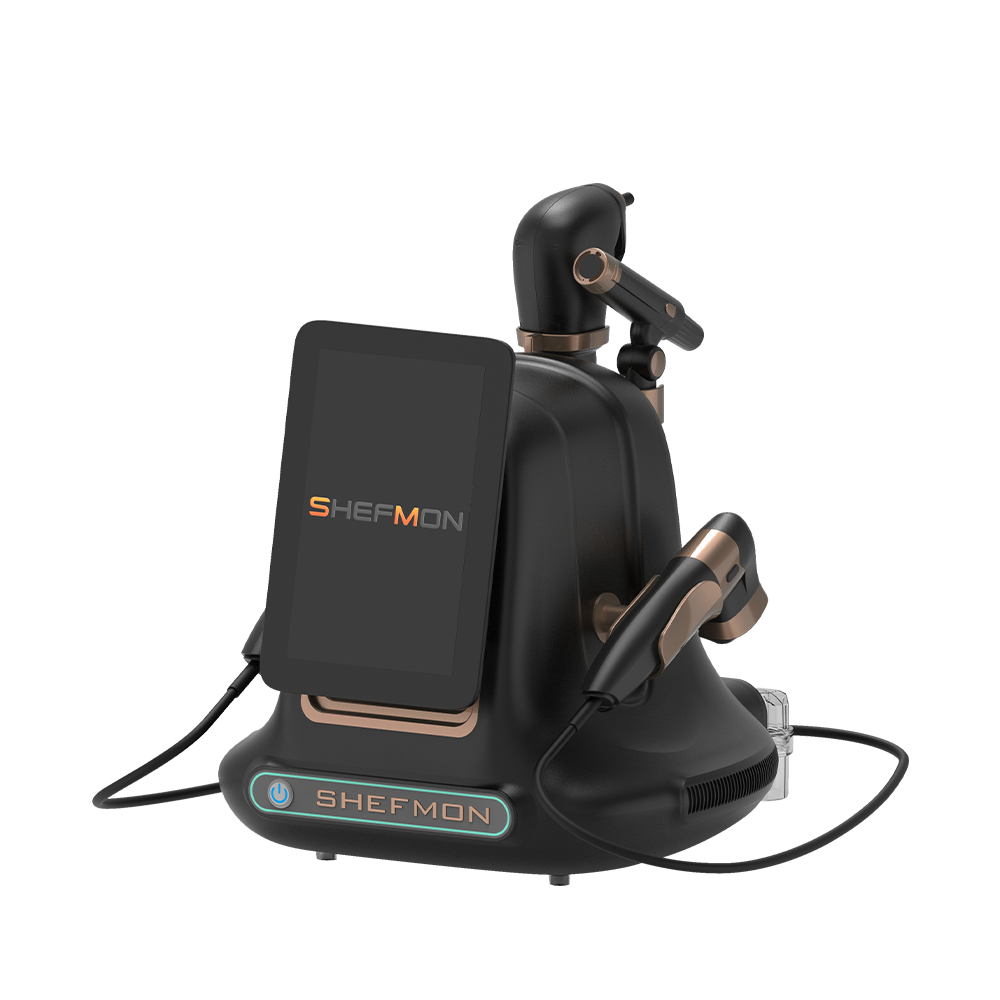
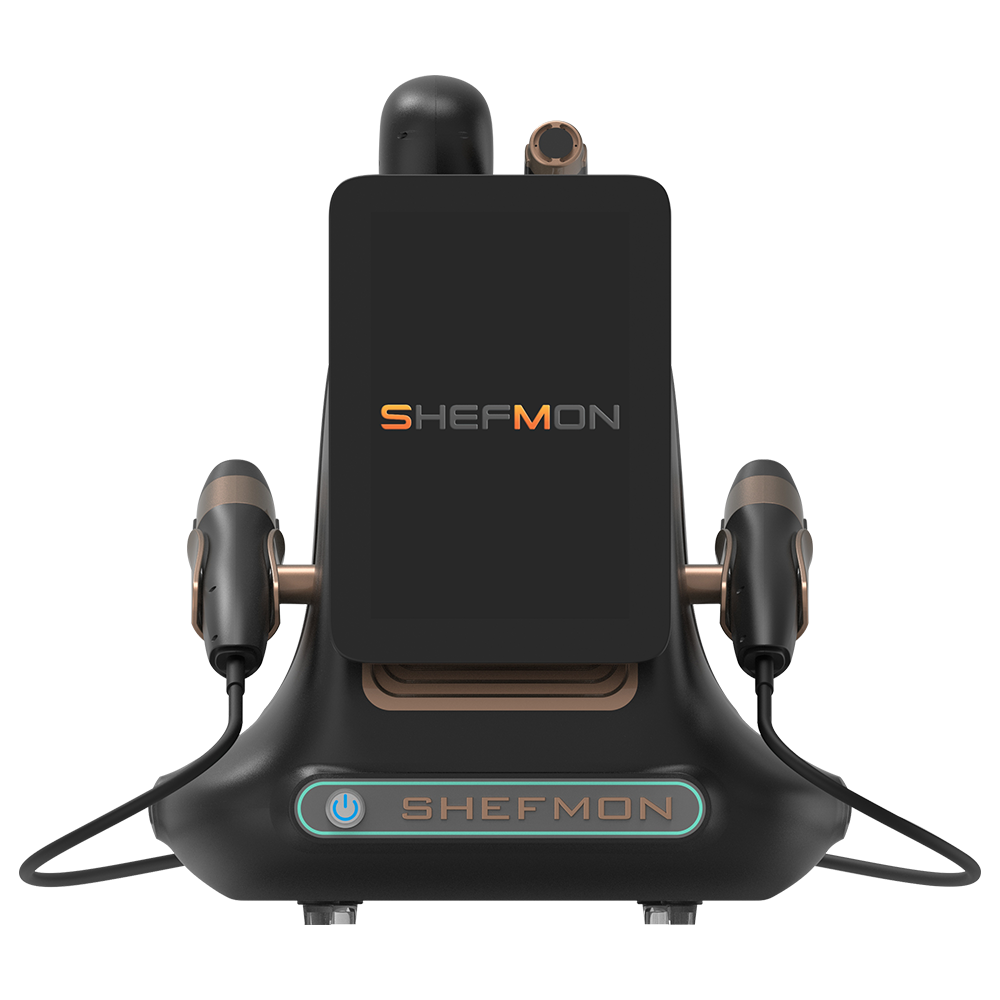
24. Example: B0155 Body Platform Handle Package
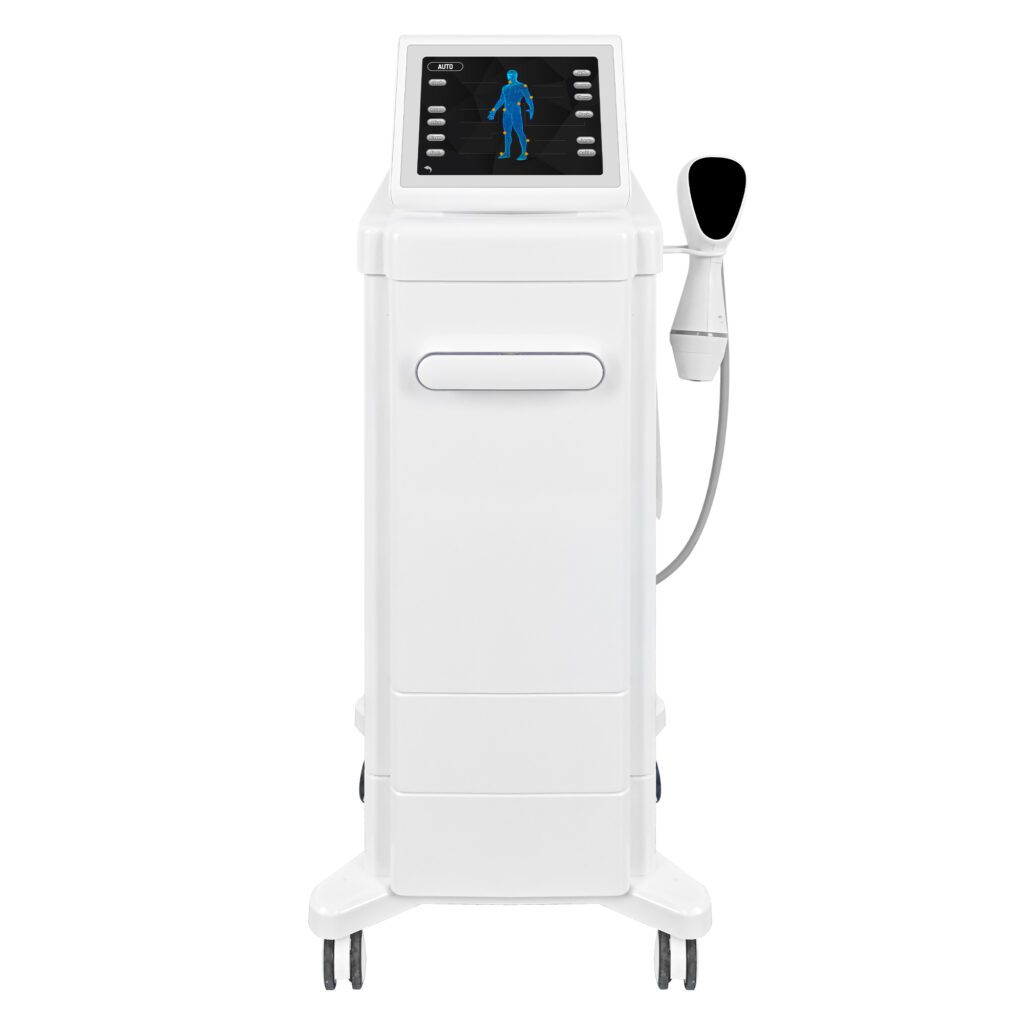
The SHEFMON B0155 desktop body platform provides another useful configuration example because a multi-handle platform can be sold with a defined package of treatment handles and accessories.
The release record should reconcile the console, handle types and quantities, connectors, software recognition, accessory kit, documentation, packaging positions, and order description. A buyer-specific package that removes or adds a handle should have its own configuration identity and delta review. The pack-out photograph can support completeness, but it should not replace controlled item identification and functional evidence.
Again, this is a proposed quality-record method rather than a description of SHEFMON’s confidential internal records.
25. What B2B Buyers Should Request
Distributors, salons, clinics, and body-contouring centers do not need unrestricted access to every factory document. They should request evidence proportionate to the product, destination, customization, contract, and their own responsibilities.
Useful buyer-facing evidence may include:
- agreed product and configuration specification;
- serial-numbered packing list;
- software, language, handle, and electrical configuration confirmation;
- inspection or release statement appropriate to the order;
- approved artwork and documentation revision list;
- exception or deviation disclosure when contractually relevant;
- installation, training, maintenance, and service information;
- consumable and spare-part identities; and
- change-notification and record-retention expectations.
For customized projects, buyers should approve the configuration specification before production and verify the delivered package against that approved version. The SHEFMON beauty machine catalog can help buyers identify relevant product categories before discussing a standard or customized package.
26. Release Record Metrics That Reveal Weaknesses
Metrics should improve the system rather than reward fast signatures. Useful measures include:
- first-pass release rate;
- average hold duration by cause;
- number of release reversals or shipment stops;
- configuration mismatches found at pack-out;
- obsolete software, label, or document incidents;
- rework and retest rate before release;
- conditional releases by reason and owner;
- custom-order delta reviews completed before production;
- record retrieval time; and
- customer complaints linked to release or pack-out errors.
Review trends by model, configuration, supplier, production line, destination, and customization type. A high release rate is not meaningful if problems are being reclassified or detected after shipment.
27. Common Release-Record Failures
Releasing by model name only
The model name cannot identify software, handles, language, plug, branding, or packaging.
Treating customization as an artwork task
A visual change may affect labels, manuals, interface screens, package identification, and customer approval. A technical change can affect much more.
Copying a standard release form without a delta review
The form may show a pass while the custom elements were never inspected or tested.
Showing only the final pass
This hides failures, rework, substitutions, and repeated tests that may affect the decision.
Releasing before pack-out reconciliation
The console may be correct while accessories, regional documents, or cartons are wrong.
Allowing uncontrolled post-release changes
Last-minute software, handle, or labeling changes can invalidate the evidence behind the approval.
Using signatures without authority or context
A signature has little value if the approver cannot see the evidence or does not know which action is being authorized.
28. Beauty Device Release Record Checklist
Before authorizing packaging or shipment, confirm that:
- the release record has a unique number, revision, and status;
- the release type and permitted next action are explicit;
- model, SKU, configuration code, serials, and order are linked;
- the approved baseline is current;
- all custom differences are listed and approved;
- the delta assessment defines inherited and new evidence;
- as-built and as-tested configurations agree;
- materials and critical component identities are traceable as required;
- software, parameters, language, and enabled functions are verified;
- handles, applicators, accessories, consumables, and spares are reconciled;
- regional electrical and labeling content is correct;
- inspections, tests, and aging records are complete;
- test equipment status is acceptable;
- failures, rework, and retest remain visible;
- deviations and concessions have valid scope and authority;
- manuals, labels, training content, and artwork use approved revisions;
- packaging and physical pack-out match the approved configuration;
- the complete package matches the customer order and destination;
- the approver has reviewed open issues and conditions; and
- electronic status blocks unauthorized shipment or later alteration.
FAQ
1. Does every beauty device need an individual release record?
Not necessarily. Some systems use unit-level records, while others release a controlled lot and then reconcile serial numbers at shipment. The choice should reflect product risk, configuration complexity, traceability, market requirements, and contract terms.
2. Can a standard model use one release template for all orders?
Yes, if the template is controlled and the records identify the actual unit, lot, order, software, accessories, regional content, results, and approvals. A reusable template should not become a pre-completed approval.
3. Does every customization require full product validation again?
No. A documented delta assessment should determine what existing evidence remains applicable and what needs review, verification, validation, inspection, or testing. The scope depends on the change and its potential effects.
4. Who should approve shipment release?
A trained and authorized person or function should approve it under the factory’s quality system. The approver needs access to the evidence and authority for the defined release decision. Responsibilities can vary by company and applicable requirements.
5. Can a failed unit be released after rework?
It can be considered for release after authorized disposition, completed rework, appropriate reinspection and retest, and review of the full history. The original failure should remain visible.
6. What is the difference between conditional release and a deviation?
A deviation or concession documents an authorized departure from a requirement or process. Conditional release is the resulting bounded permission to proceed under stated controls. One may support the other, but both need clear scope and authority.
7. Should buyers receive the complete internal release file?
Usually not. Buyers can receive an agreed release statement, configuration confirmation, packing details, and relevant evidence while the factory protects confidential manufacturing records. Contractual and applicable regulatory obligations should guide disclosure.
8. Are photographs enough to prove a custom configuration?
Photographs can support appearance and pack-out evidence, but they do not reliably prove software identity, internal components, functional results, test conditions, or approval status. They should supplement controlled records.
9. What happens if the configuration changes after release?
The factory should assess the change, cancel or supersede the earlier release where necessary, repeat affected checks, and issue a traceable new decision. The original approved record should not be silently edited.
10. How long should release records be retained?
Retention should follow applicable requirements, product lifecycle and service needs, contracts, warranty obligations, and the factory’s controlled retention policy. Records should remain readable, retrievable, and linked to the released unit or lot.
Conclusion
Beauty device release records should provide a clear answer to a practical question: does this exact unit, lot, or shipment match the approved configuration and have sufficient evidence to proceed? For standard products, the record connects routine production evidence to a stable baseline. For customized products, it adds a disciplined delta assessment so inherited evidence and new evidence are not confused.
The strongest system aligns the approved baseline, buyer order, as-built unit, as-tested configuration, and final shipment. It preserves failures, rework, deviations, and post-release changes while giving authorized reviewers a concise evidence index and a meaningful status decision.
SHEFMON supports professional beauty device buyers with product-category selection, configuration discussions, and OEM/ODM options. Buyers planning a standard portfolio or customized project can review SHEFMON professional beauty machines, learn about quality-control processes, explore OEM/ODM services, or contact SHEFMON to discuss an appropriate device and configuration package.