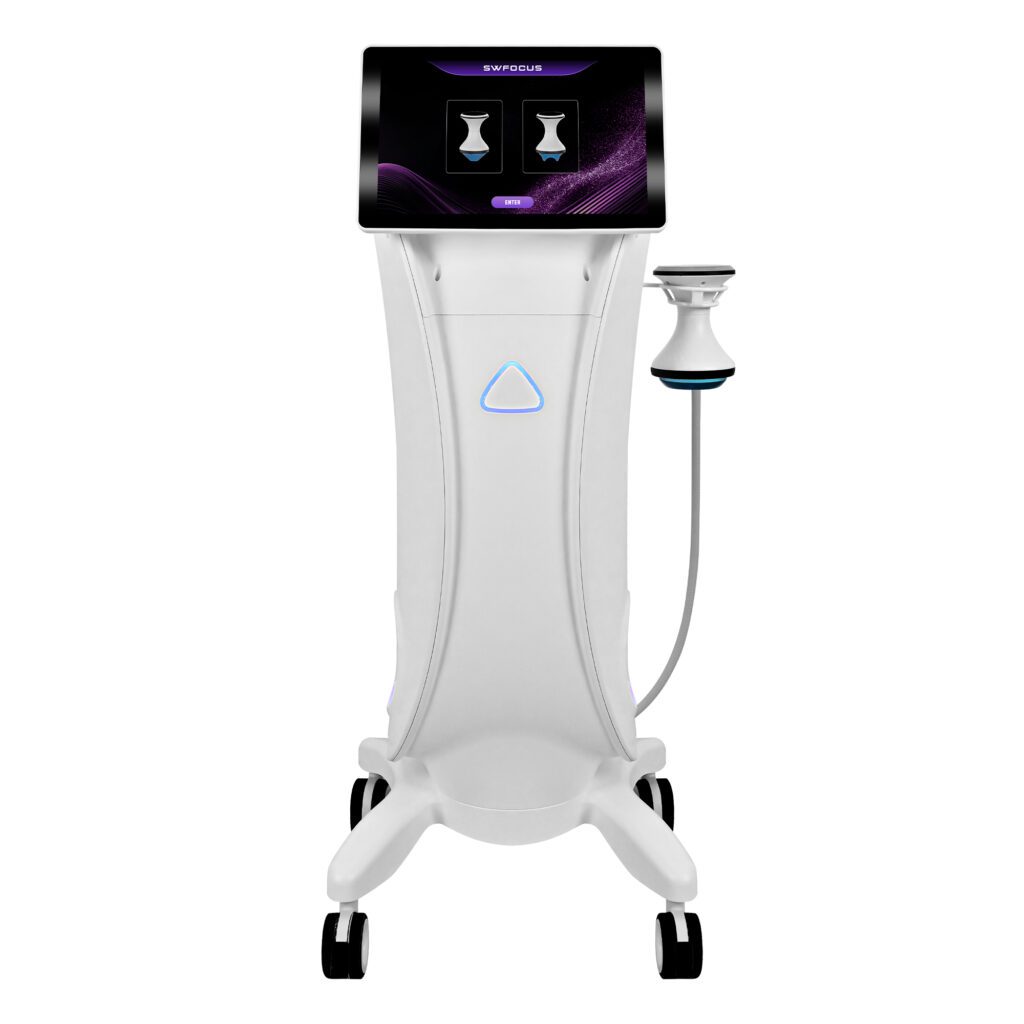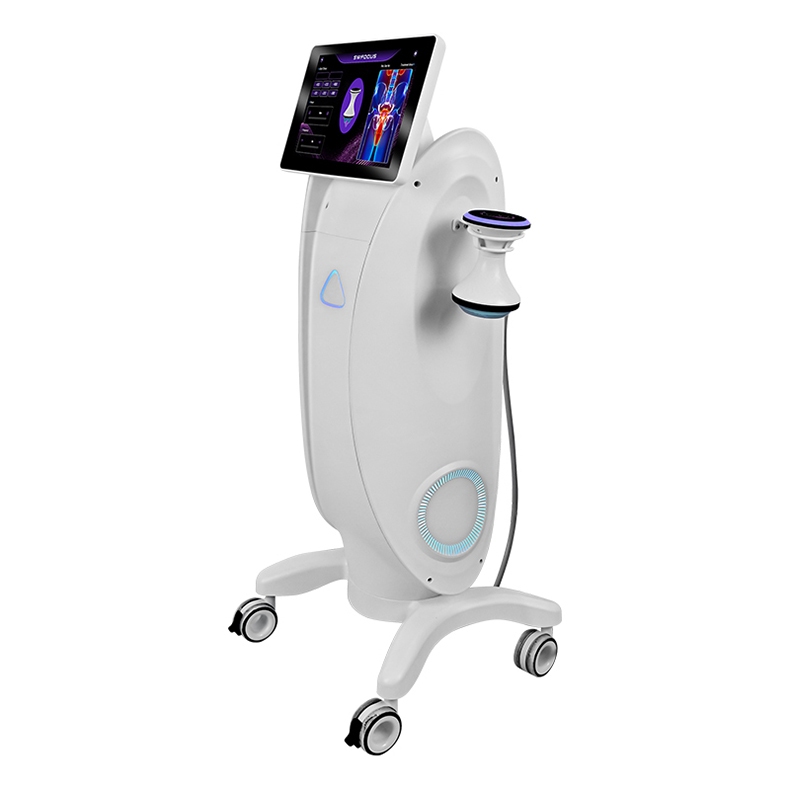








قد يكون سوق أجهزة العناية الشخصية بالجمال مناسبًا للموزعين، ولكنه ليس مجرد فئة من الأجهزة منخفضة السعر. فمقارنةً بأجهزة تنظيف الوجه بالماء، وأجهزة LED، وأجهزة RF للوجه، أو أجهزة نحت الجسم الأساسية، تتطلب أجهزة العناية الشخصية بالجمال ثقةً أكبر، ووعيًا أعمق بالالتزام، وتدريبًا متخصصًا، ولغة تسويقية دقيقة، ودعمًا موثوقًا لما بعد البيع.
بالنسبة للموزعين، تُعدّ الفرصة سانحةً بالفعل، إذ تحظى خدمات صحة المرأة، والتعافي بعد الولادة، والرعاية المتعلقة بانقطاع الطمث، وصحة قاع الحوض، وخدمات التجميل للمنطقة الحساسة، باهتمام متزايد في العديد من الأسواق. وتشير تقارير السوق أيضًا إلى نمو في الفئات ذات الصلة. فقد أفادت شركة "جراند فيو ريسيرش" بأن قيمة سوق تجديد المهبل العالمي بلغت 3.6 مليار دولار أمريكي في عام 2023، ومن المتوقع أن تصل إلى 14.3 مليار دولار أمريكي بحلول عام 2030. كما أفادت شركة "ديلف إنسايت" بأن قيمة سوق أنظمة تجديد المهبل بلغت 6.05 مليار دولار أمريكي في عام 2023، ومن المتوقع أن تصل إلى 10.79 مليار دولار أمريكي بحلول عام 2030.
مع ذلك، تُعدّ هذه الفئة حساسة. فقد حذّرت إدارة الغذاء والدواء الأمريكية من استخدامات مُحدّدة للأجهزة التي تعتمد على الطاقة في عمليات "تجديد" المهبل أو إجراءات تجميل المهبل، حيث لم يتم إثبات سلامة وفعالية هذه الادعاءات. كما تُشدّد الكلية الأمريكية لأطباء التوليد وأمراض النساء (ACOG) على ضرورة تقديم المشورة، والحصول على الموافقة المُستنيرة، ومناقشة المخاطر بعناية قبل الخضوع لإجراءات تجميل الأعضاء التناسلية الأنثوية الاختيارية. وهذا يعني أنه يجب على المُوزّعين توخّي الحذر بشأن الادعاءات، ودواعي الاستعمال، وتدريب المُستخدمين، واللوائح المحلية.
باختصار، أجهزة العناية الحميمة مناسبة للموزعين المحترفين، ولكنها ليست مناسبة للموزعين الذين يرغبون فقط في بيع الأجهزة بسرعة دون فهم سريري أو دعم للامتثال أو تثقيف مسؤول للعملاء.
ما الذي يُعتبر من معدات العناية الشخصية؟
يشمل مصطلح "معدات العناية الحميمة" أنواعاً مختلفة من المنتجات. لذا، لا ينبغي للموزعين التعامل معها جميعاً كفئة واحدة.
تتضمن تعليمات المنتج الشائعة ما يلي:
- أجهزة العناية الحميمة بتقنية الترددات الراديوية
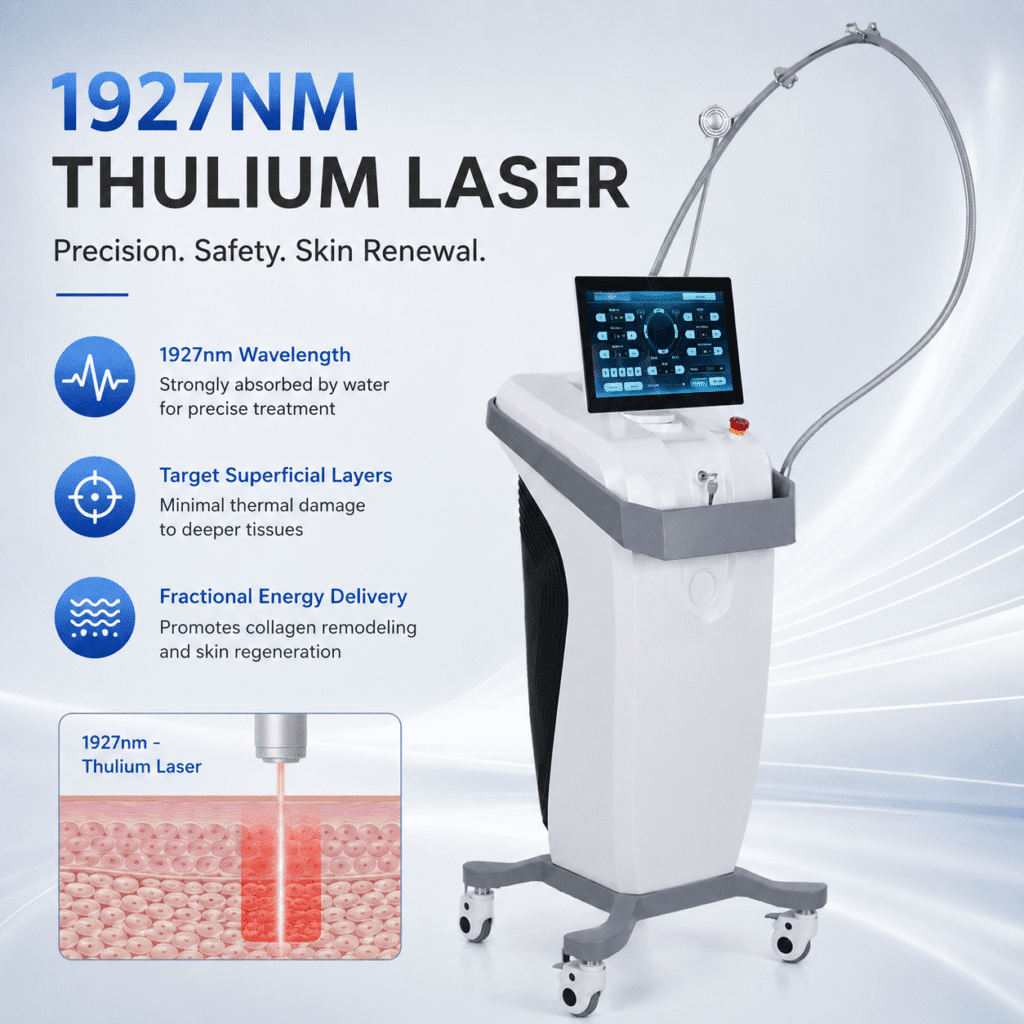
- أنظمة ليزر ثاني أكسيد الكربون أو أنظمة الليزر الجزئي المستخدمة في عيادات أمراض النساء أو التجميل
- أجهزة العناية الحميمة التي تعمل بتقنية LED أو الضوء الأحمر
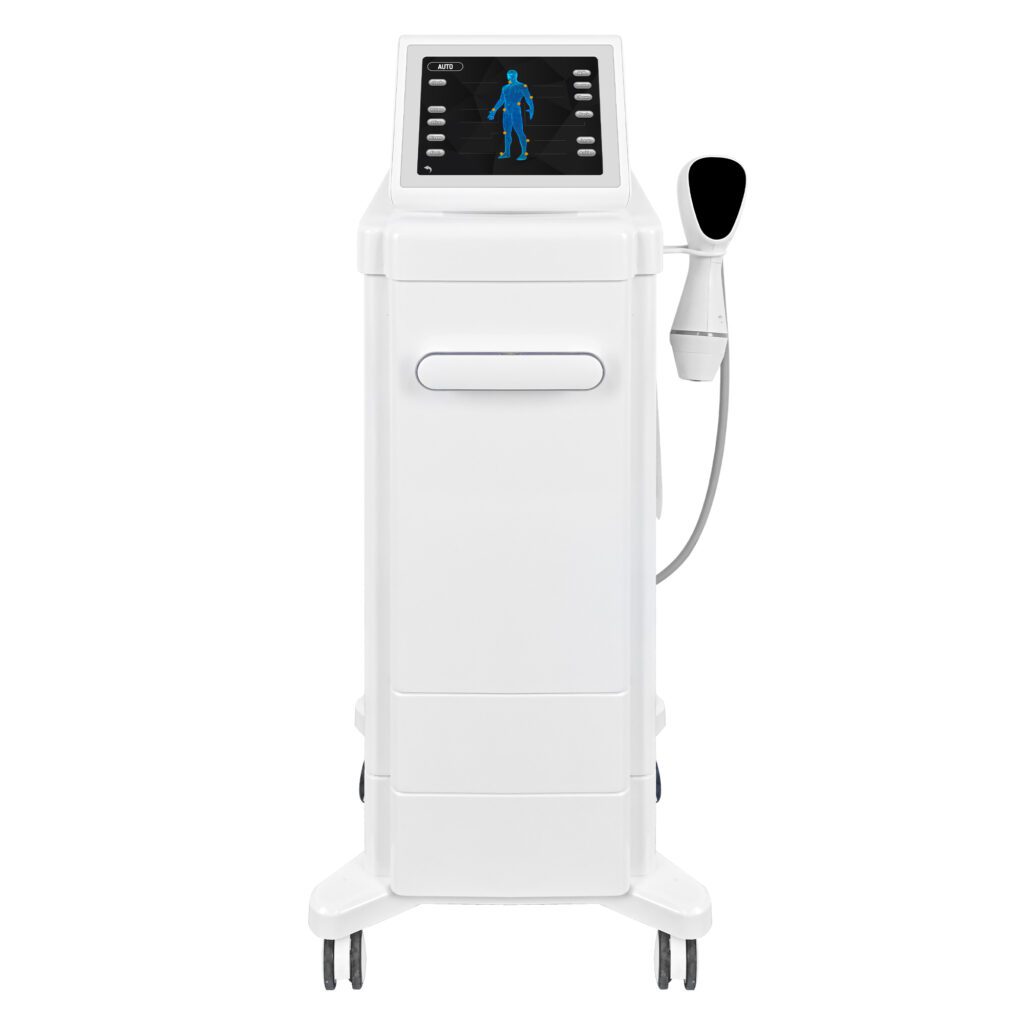
- أجهزة تحفيز عضلات قاع الحوض
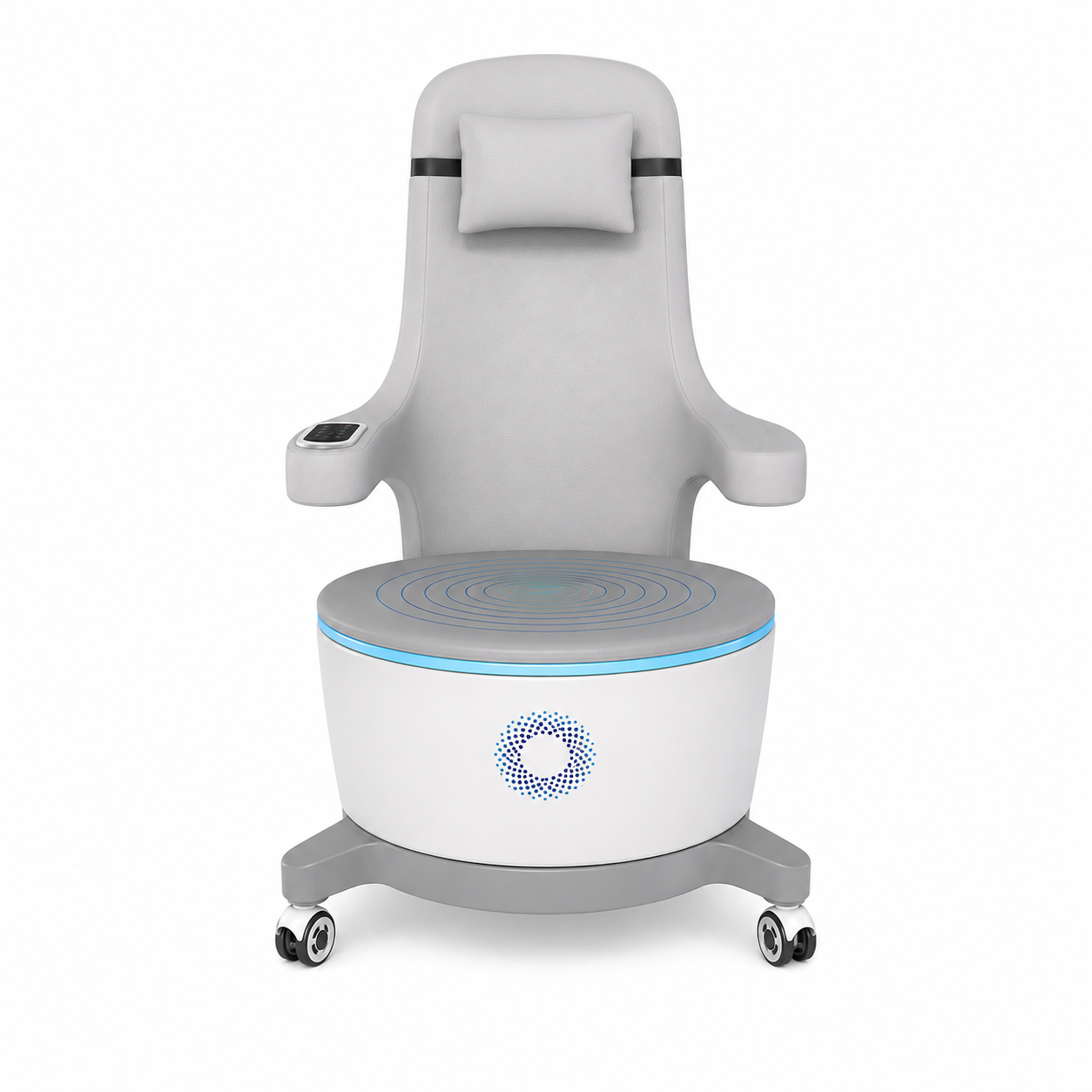
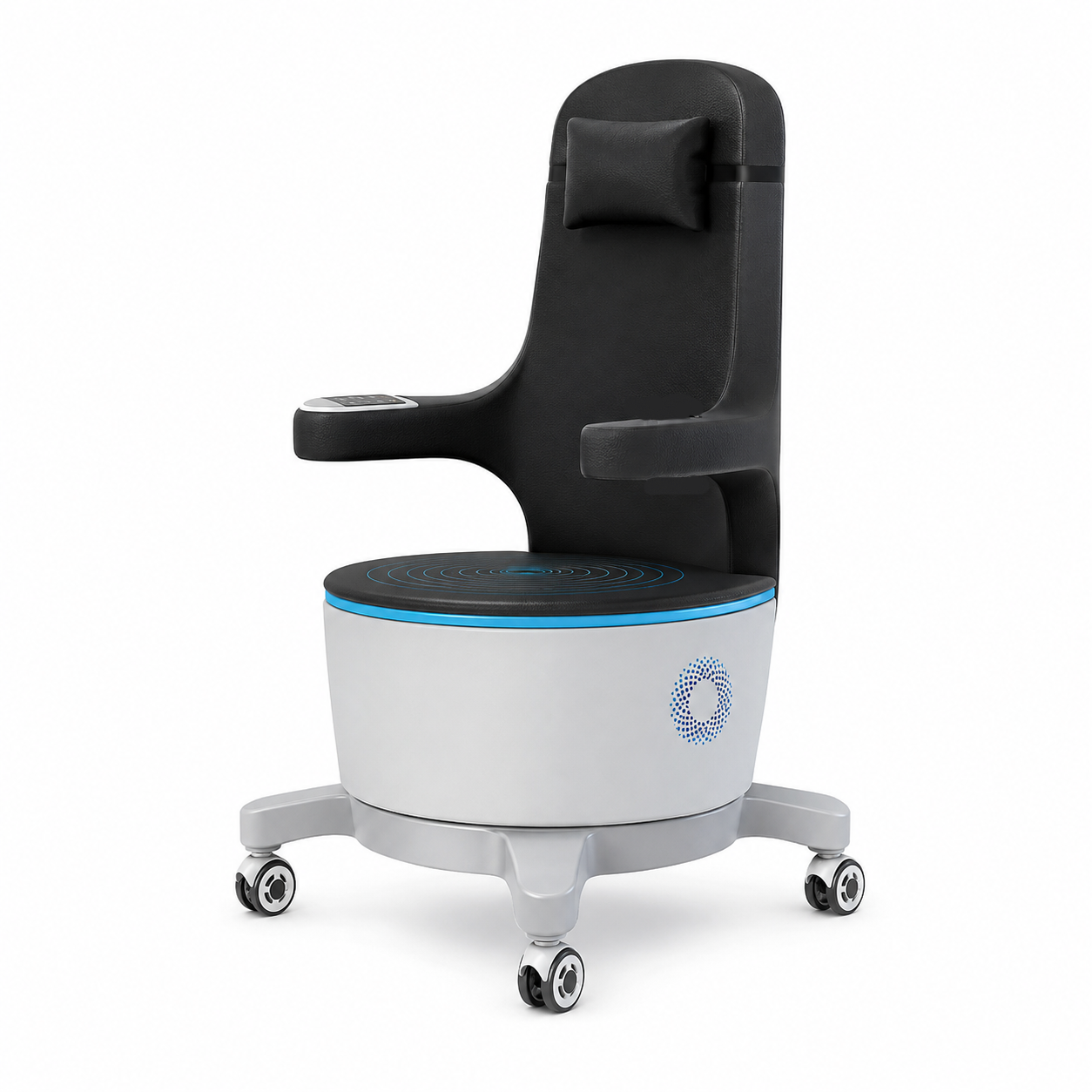
- كراسي التحفيز الكهربائي للعضلات لقاع الحوض أو كراسي التحفيز المغناطيسي
- معدات التعافي بعد الولادة
- أجهزة العناية بالبشرة أو تفتيح المناطق الحساسة
- أجهزة دعم الصحة النسائية
- أنظمة متعددة الوظائف للعناية بفترة ما بعد الولادة والحوض
بعض المنتجات أقرب إلى معدات صالونات التجميل، بينما قد تكون منتجات أخرى أجهزة طبية تتطلب استخدامًا مهنيًا مرخصًا، أو إشرافًا طبيًا، أو موافقة الجهات التنظيمية، أو تشغيلًا على مستوى العيادات. هذا التمييز بالغ الأهمية.
لا يجوز للموزع بيع جهاز طبي كما لو كان جهازًا عاديًا للعناية بالوجه. فالتسويق الخاطئ قد يُعرّض الشركة لمخاطر قانونية وأمنية، ويضر بسمعتها.
لماذا يحظى السوق بالاهتمام
يحظى هذا السوق باهتمام متزايد نظراً لتزايد النقاشات الصريحة حول احتياجات المرأة الصحية والنفسية. لم تعد مواضيع مثل التعافي بعد الولادة، وضعف عضلات قاع الحوض، وآلام انقطاع الطمث، ومشاكل البشرة في المناطق الحساسة، والثقة بالنفس، أموراً خفية. كما أن المزيد من المستهلكات على استعداد لطلب المساعدة المتخصصة عندما تُقدم الخدمة باحترام وخصوصية.
تسعى شركات التجميل والعناية بالصحة أيضاً إلى استحداث فئات خدمات جديدة عالية القيمة. تقدم العديد من الصالونات بالفعل خدمات العناية بالوجه، ونحت الجسم، ومكافحة الشيخوخة بتقنية الترددات الراديوية، والعناية بالبشرة. ويمكن اعتبار خدمات العناية الحميمة امتداداً طبيعياً للشركات التي تخدم عميلات وترغب في تقديم باقات علاجية ذات أسعار أعلى.
هناك عدة عوامل محفزة للطلب تدعم هذا الاهتمام:
- الطلب على خدمات التعافي بعد الولادة
- نمو الإنفاق على صحة المرأة
- تزايد الوعي بصحة قاع الحوض
- مزيد من النقاش حول انقطاع الطمث والراحة الحميمة
- الطلب على خيارات التجميل والعافية غير الجراحية
- صالونات التجميل التي تبحث عن مشاريع مميزة
- عيادات التجميل الطبية تتوسع لتشمل صحة المرأة
- ارتفاع الطلب على الخدمات المتميزة التي تركز على الخصوصية
هذه العوامل تجعل السوق جذاباً. لكن الجاذبية لا تلغي الحاجة إلى إدارة دقيقة.
السوق مليء بالفرص، لكنه ليس فئة منتجات تجميل موجهة للسوق الجماهيري
أجهزة العناية الشخصية الحميمة تختلف عن أجهزة تنظيف الوجه الصغيرة بالفقاعات أو مصابيح LED للوجه. عملية اتخاذ القرار لدى العميل أكثر حساسية. يجب على الصالون أو العيادة بناء الثقة قبل أن يقبل العميل الاستشارة أو العلاج.
يؤثر هذا على الموزعين. لا يمكن للموزع الاعتماد فقط على صور المنتجات وقوائم الوظائف والأسعار المنخفضة. سيسأل المشترون:
- هل الجهاز متوافق مع المعايير في بلدي؟
- ما هي المطالبات التي يمكنني تقديمها قانونياً؟
- من المسموح له بتشغيله؟
- هل الإشراف الطبي مطلوب؟
- ما التدريب المطلوب؟
- ما هي موانع الاستخدام؟
- ما هي الآثار الجانبية المحتملة؟
- كيف ينبغي التعامل مع موافقة العميل؟
- كيف ينبغي حماية الخصوصية؟
- كيف يمكنني تسويق هذه الخدمة دون أن أكون مسيئاً أو محفوفاً بالمخاطر؟
بسبب هذه التساؤلات، يُعد السوق أفضل للموزعين القادرين على تقديم حلول احترافية متكاملة، وأقل ملاءمة للبائعين الذين يركزون فقط على السعر.
ما هي شركات التوزيع المناسبة لهذا السوق؟
يُعد سوق أجهزة العناية الحميمة مناسبًا للموزعين ذوي القدرات المهنية.
عادةً ما يمتلك الموزعون المناسبون ما يلي:
- خبرة في استخدام أجهزة التجميل أو الأجهزة الطبية التجميلية
- فهم اللوائح المحلية للأجهزة
- القدرة على تقديم التدريب
- إمكانية الوصول إلى الأطباء والممرضات والمعالجين أو المدربين المحترفين
- أدلة استخدام واضحة وإرشادات حول موانع الاستخدام
- خدمة ما بعد البيع جيدة
- مواد تسويقية مسؤولة
- القدرة على دعم الصالونات فيما يتعلق بالخصوصية وسير عمل الاستشارات
- عقلية بناء العلامة التجارية على المدى الطويل
قد يكون دخول الموزعين الذين يبيعون بالفعل معدات الترددات الراديوية، أو الليزر، أو الموجات فوق الصوتية المركزة عالية الكثافة، أو نحت الجسم، أو التعافي بعد الولادة، أو معدات التجميل الطبية أسهل لأنهم يفهمون الأجهزة القائمة على الطاقة وسلامة العملاء.
بإمكان الموزعين المبتدئين دخول هذا السوق، ولكن ينبغي عليهم البدء بحذر مع خطوط إنتاج أقل خطورة وتجنب الادعاءات الطبية. كما ينبغي عليهم التعاون مع الشركات المصنعة التي توفر الوثائق والتدريب والدعم التنظيمي.
أي الموزعين يجب أن يتوخوا الحذر؟
هذه الفئة غير مناسبة لكل موزع.
ينبغي على الموزعين توخي الحذر إذا قاموا بما يلي:
- المنافسة فقط على السعر المنخفض
- لا أفهم القواعد المحلية المتعلقة بالأجهزة الطبية
- لا يمكن توفير التدريب
- لا يمكن تقديم دعم سريع لما بعد البيع
- خطة لاستخدام ادعاءات مبالغ فيها
- لا أعرف من يحق له قانونياً تشغيل الجهاز
- لا يمكن دعم عمليات خصوصية العملاء والموافقة.
- بيع المنتجات بدون كتيبات واضحة أو وثائق سلامة
- تعامل مع أجهزة العناية الحميمة كما تتعامل مع معدات المنتجعات الصحية العادية
في هذا السياق، قد تتسبب شكوى واحدة في ضرر جسيم للسمعة. وقد يؤدي فشل علاج الوجه إلى عدم الرضا. كما أن سوء إدارة علاج العناية الحميمة قد يثير مخاوف قانونية وأخلاقية وطبية.
إن عتبة الدخول أعلى لسبب وجيه.
تعليمات المنتج الرئيسية للموزعين
ينبغي على الموزعين بناء استراتيجية المنتج بناءً على مستويات مختلفة من المخاطر وقدرات المشترين.
منتجات العناية الصحية النسائية للمبتدئين قد تشمل هذه المنتجات أجهزة العناية الخارجية، وأجهزة دعم LED، وأنظمة الإضاءة الحمراء الأساسية، ومنتجات العافية غير الجراحية ذات الادعاءات المتحفظة. وقد تكون هذه المنتجات مناسبة لصالونات التجميل ومراكز العافية إذا سمحت بذلك اللوائح المحلية.
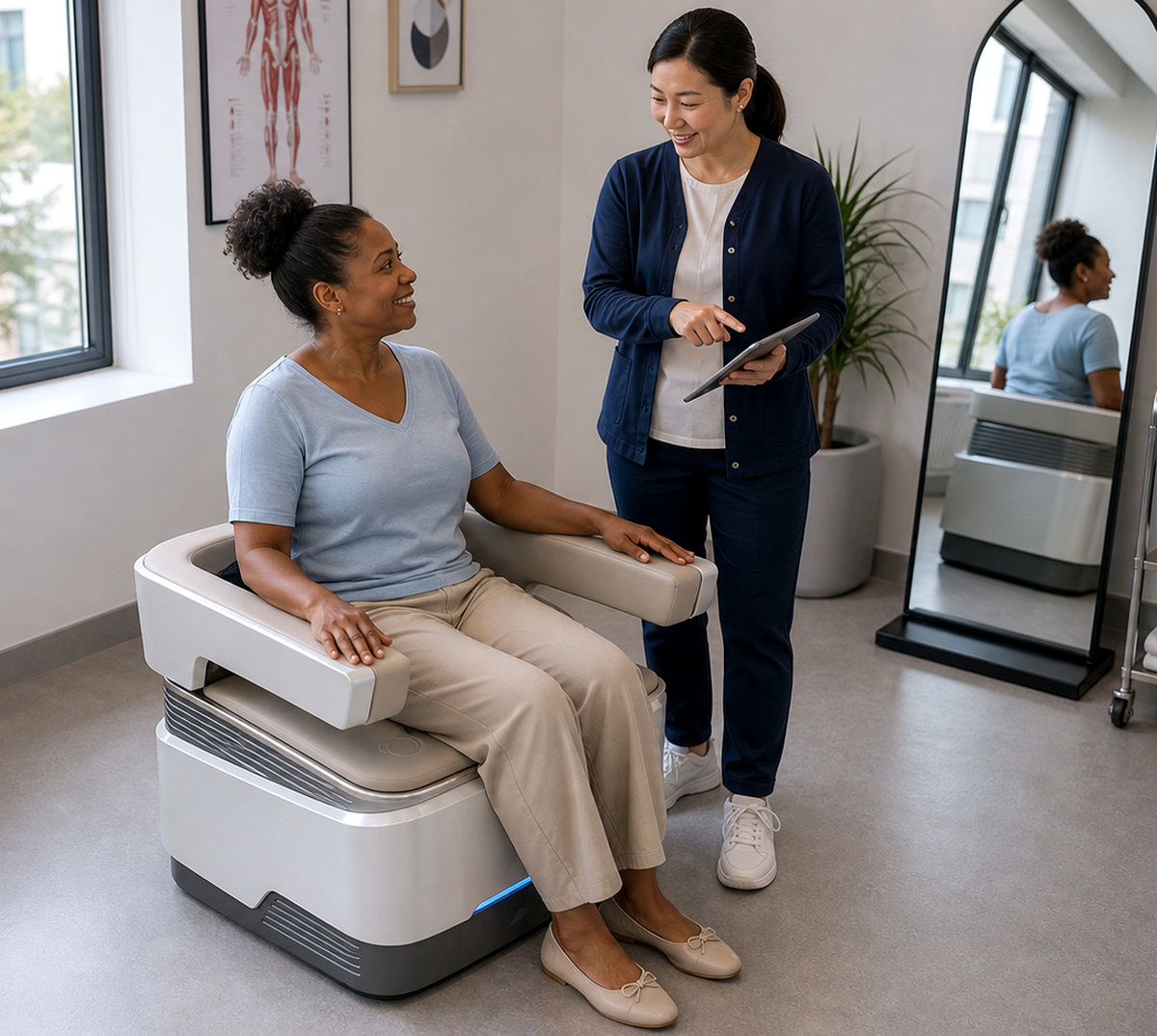
معدات ما بعد الولادة والتعافي من آلام قاع الحوض قد تشمل هذه الأجهزة التحفيز الكهربائي للعضلات، وكراسي التحفيز المغناطيسي، وأنظمة تدريب عضلات قاع الحوض، وأجهزة إعادة التأهيل. غالباً ما تتطلب هذه الأجهزة إشرافاً طبياً متخصصاً، وقد تناسب مراكز ما بعد الولادة، وعيادات إعادة التأهيل، ومراكز التجميل الطبية، أو مراكز العافية.
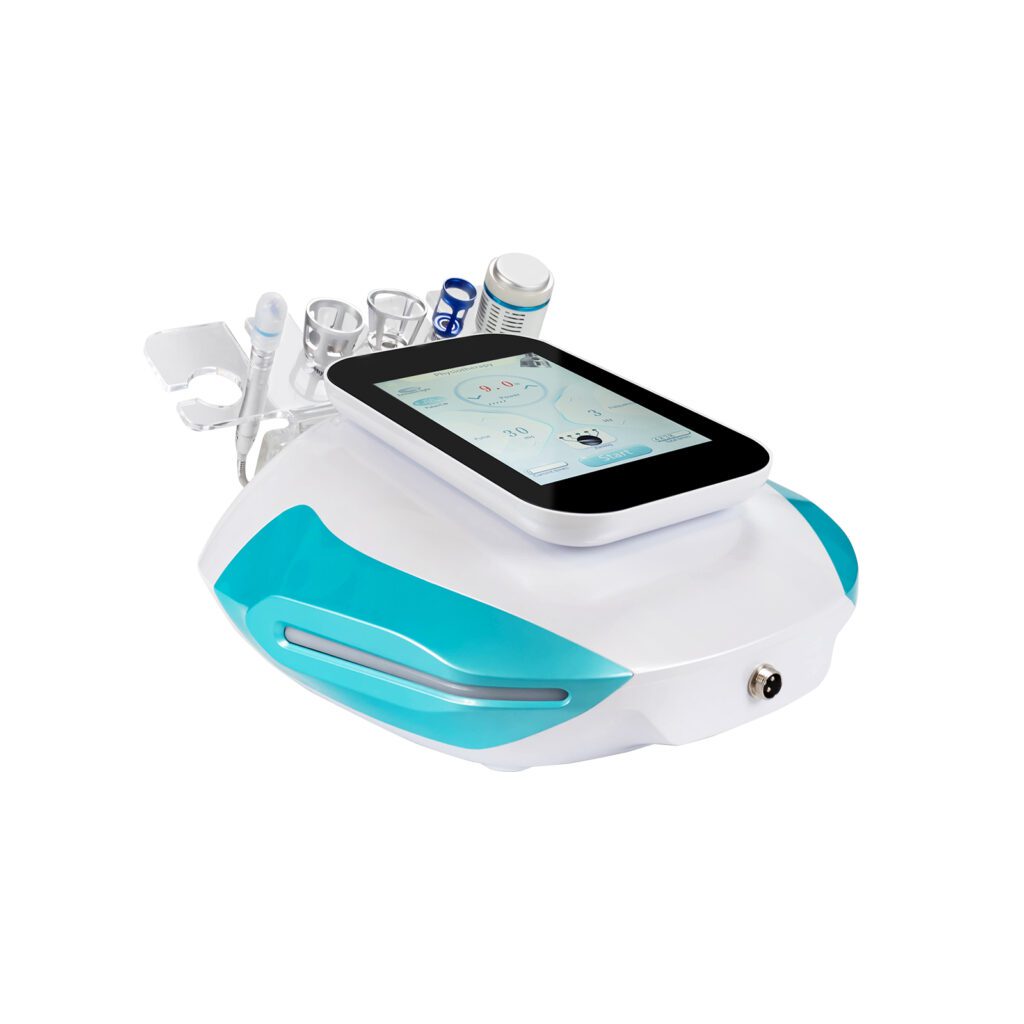
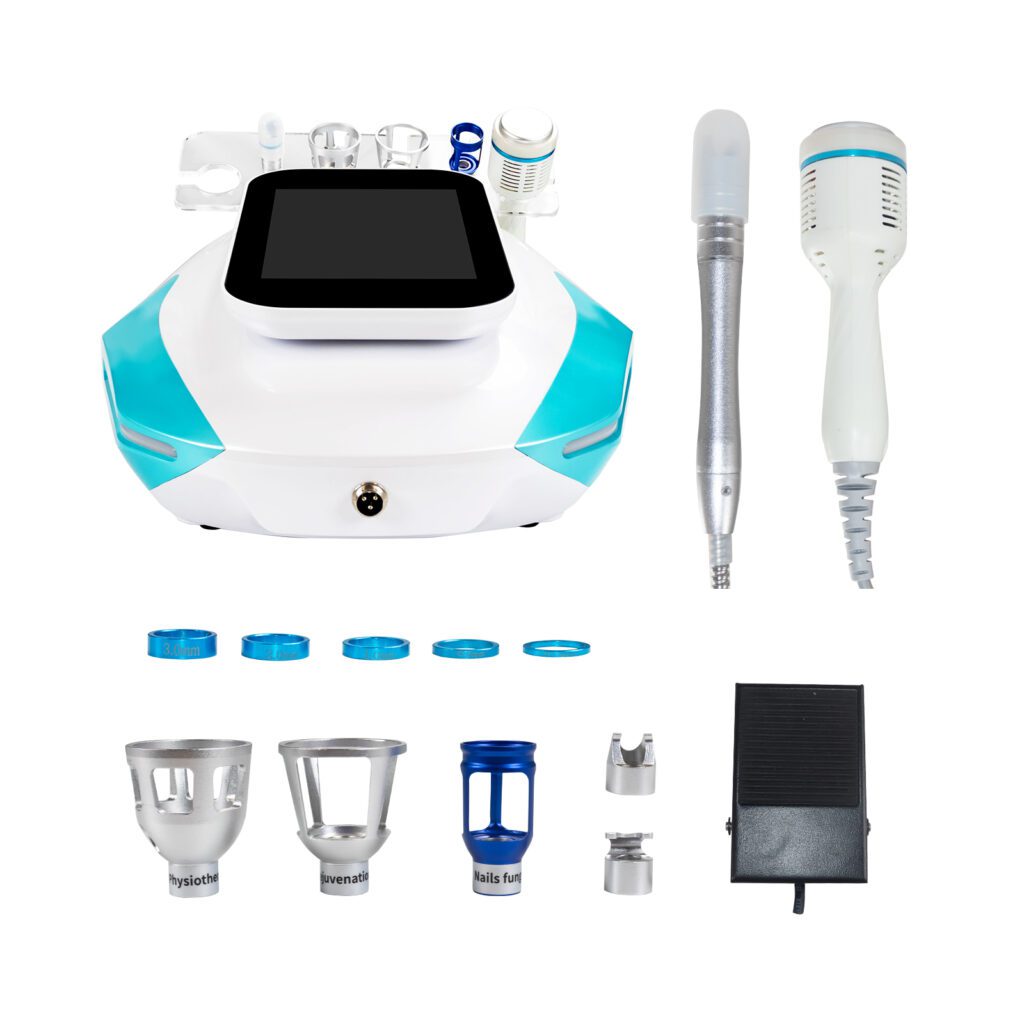
أجهزة العناية الحميمة بتقنية الترددات الراديوية قد يتم وضعها في أماكن مخصصة لصحة المرأة أو لأغراض تجميلية، لكنها تتطلب ادعاءات دقيقة وتدريبًا للمشغلين وبروتوكولات سلامة.
أنظمة العناية الحميمة القائمة على الليزر وهي أكثر خطورة وتخضع لرقابة أكبر. وعادةً ما تكون هذه الخدمات أنسب لعيادات التجميل الطبية، أو عيادات أمراض النساء، أو المراكز التي يديرها الأطباء، وذلك حسب القانون المحلي.
منصات رعاية ما بعد الولادة متعددة الوظائف قد تجمع هذه الأجهزة بين وظائف نحت الجسم، والعناية بالحوض، والعلاج بالترددات الراديوية، والتحفيز الكهربائي للعضلات، والعلاج بالضوء، والتعافي. قد تكون هذه الميزات جذابة، ولكن يجب على الموزع أن يفصل بوضوح بين وظائف التجميل والادعاءات الطبية.
تتمثل الاستراتيجية الأكثر أمانًا في تقسيم المنتجات حسب القناة: صالون التجميل، مركز العافية، مركز ما بعد الولادة، المنتجع الصحي الطبي، والعيادة التي يديرها الطبيب.
قناة صالونات التجميل: فرصة محدودة
قد تهتم صالونات التجميل بالعناية الشخصية لأنها تخدم بالفعل عميلات من النساء، وغالباً ما تربطها بهن علاقات ثقة. مع ذلك، ينبغي على هذه الصالونات تجنب المشاريع التي تتجاوز نطاقها القانوني والمهني.
قد تتضمن إرشادات الصالون المناسبة ما يلي:
- العناية بالبشرة الخارجية للمنطقة الحساسة
- باقات صحية نسائية تركز على الراحة
- برامج تعزيز الثقة بالجسم بعد الولادة
- إحالات التوعية بعضلات قاع الحوض
- العلاج بالضوء أو العلاجات الداعمة منخفضة المخاطر حيثما كان ذلك مسموحًا به
- منتجات العناية المنزلية بالتجزئة ذات الادعاءات المتحفظة
- خدمات استشارية تركز على الخصوصية
ينبغي على صالونات التجميل توخي الحذر عند تقديم العلاجات التي تعتمد على الطاقة الداخلية، أو الادعاءات المتعلقة بالأعراض الطبية، أو الإجراءات التي تتطلب متخصصين مرخصين. في كثير من الأسواق، قد لا تكون هذه الخدمات مناسبة لصالونات التجميل العادية.
بالنسبة للموزعين، يُعدّ تثقيف الصالونات أمراً بالغ الأهمية. ينبغي على الموزع مساعدة الصالونات على فهم ما يُمكنها فعله وما لا يُمكنها فعله، بدلاً من الترويج لكل منتج في كل قناة توزيع.
قناة المنتجعات الصحية والعيادات الطبية: إمكانات أعلى، متطلبات أعلى
قد تكون المنتجعات الصحية الطبية، وعيادات التجميل التي يديرها أطباء، وعيادات أمراض النساء، ومراكز إعادة التأهيل بعد الولادة، قنوات أفضل لشراء أجهزة العناية الحميمة المتطورة. فهؤلاء المشترون قد يمتلكون متخصصين مرخصين، وعمليات استشارية أكثر فعالية، وقدرة أفضل على إدارة موانع الاستخدام، والحصول على الموافقة، والمتابعة.
يمكن لهذه القناة دعم أجهزة ذات قيمة أعلى مثل أجهزة الترددات الراديوية، والليزر، وتحفيز قاع الحوض، أو أنظمة التعافي المتقدمة بعد الولادة. لكن دورة المبيعات عادةً ما تكون أطول لأن المشترين سيطلبون الوثائق والتدريب والأدلة السريرية والوضع التنظيمي وخدمة ما بعد البيع.
بالنسبة للموزعين، تتطلب هذه القناة مزيداً من الاحترافية:
- معلومات تسجيل المنتج أو التصريح به
- المراجع السريرية
- بروتوكولات السلامة وموانع الاستخدام
- شهادة التدريب
- خدمات التركيب والصيانة
- نماذج الموافقة ونماذج الاستشارة
- إرشادات المطالبات
- القدرة على تقديم الخدمات الفنية
قد يكون الربح المحتمل أعلى، لكن المسؤولية كذلك.
تُعدّ فترة التعافي بعد الولادة من أهم نقاط الدخول.
تُعدّ فترة التعافي بعد الولادة من أكثر نقاط الدخول العملية إلى السوق، لأنها تربط بين الصحة الحميمة ومرحلة عمرية محددة لدى المستهلكات. وتهتمّ العديد من النساء بعد الولادة باستعادة أجسامهنّ، وقوة عضلات قاع الحوض، وشكل البطن، وترهل الجلد، والثقة بالنفس.
تشمل التوجهات المناسبة للمشروع ما يلي:
- باقات التعافي بعد الولادة
- دعم تدريب قاع الحوض
- شد البطن والتحكم في الجسم
- شد الجسم بتقنية الترددات الراديوية عند الحاجة
- برامج التحفيز الكهربائي للعضلات أو التحفيز المغناطيسي
- الاستشارة الصحية والمتابعة
غالباً ما يتطلب هذا القطاع التعاون مع متخصصين مؤهلين. ينبغي على صالونات التجميل ومراكز رعاية ما بعد الولادة تجنب تقديم الخدمات للعملاء بعد الولادة مباشرة أو تقديم ادعاءات طبية دون مؤهلات كافية. يُعدّ الفحص والإحالة أمرين في غاية الأهمية.
بالنسبة للموزعين، يمكن أن تكون فترة التعافي بعد الولادة قناة قوية إذا قاموا بتوفير التدريب، وإرشادات حول موانع الاستخدام، وتغليف المشاريع، ولغة تسويقية مسؤولة.
تتطلب أجهزة قاع الحوض وضعية احترافية
تُعدّ أجهزة تقوية عضلات قاع الحوض مجالاً متنامياً، ولكن ينبغي التعامل معها باحترافية. قد تندرج الأجهزة التي تتضمن تحفيز العضلات، أو التحفيز الكهرومغناطيسي، أو إعادة تأهيل عضلات قاع الحوض ضمن فئات الأجهزة الطبية أو أجهزة إعادة التأهيل في العديد من الأسواق.
تشمل قنوات الشراء المحتملة ما يلي:
- مراكز التعافي بعد الولادة
- عيادات إعادة التأهيل
- عيادات أمراض النساء
- مراكز صحية مزودة بموظفين مؤهلين
- منتجعات طبية تحت إشراف متخصصين
ينبغي على الموزعين تجنب الادعاء بأن جهازًا ما يمكنه علاج سلس البول أو اضطرابات الحوض أو الضعف الجنسي أو الحالات الطبية ما لم يكن المنتج حاصلًا على الموافقة التنظيمية المناسبة وكان المشتري مؤهلًا لاستخدامه لهذا الغرض.
يتمثل التوجه الأكثر أماناً في سوق مستحضرات التجميل في التوعية بصحة قاع الحوض، ودعم الصحة العامة، والعناية بالجسم بعد الولادة، والإحالة إلى أخصائي عند الحاجة. وحتى مع ذلك، ينبغي التحقق من القوانين المحلية.
الأجهزة التي تعمل بالطاقة تحتاج إلى مزيد من الحذر
تُعدّ الأجهزة التي تعمل بالطاقة، مثل أجهزة الترددات الراديوية والليزر، من بين أكثر أنواع المنتجات حساسية في هذا السوق. وقد حذّر بيان السلامة الصادر عن إدارة الغذاء والدواء الأمريكية عام ٢٠١٨ من استخدامات معينة لهذه الأجهزة في عمليات "تجديد" المهبل أو إجراءات تجميل المهبل، وأشار إلى مخاوف بشأن حدوث آثار جانبية خطيرة في حال عدم ثبوت سلامة وفعالية هذه الاستخدامات. كما تُشدّد إرشادات الكلية الأمريكية لأطباء التوليد وأمراض النساء (ACOG) بشأن جراحة تجميل الأعضاء التناسلية الأنثوية الاختيارية على أهمية الاستشارة والموافقة المستنيرة ومناقشة المخاطر.
هذا لا يعني أن جميع المنتجات التي تعتمد على الطاقة ليس لها سوق. بل يعني أنه يجب على الموزعين أن يكونوا دقيقين بشأن الاستخدام المقصود، والوضع التنظيمي، والتدريب، وموانع الاستخدام، والادعاءات.
ينبغي على الموزعين أن يسألوا المصنعين:
- ما هو الاستخدام المقصود؟
- ما هي الموافقات أو التصاريح التنظيمية الموجودة؟
- ما هي الادعاءات المدعومة؟
- ما هي الادعاءات غير المسموح بها؟
- من هو المؤهل لتشغيل الجهاز؟
- ما التدريب المطلوب؟
- ما هي الآثار الجانبية المحتملة؟
- ما هي أعمال الصيانة المطلوبة؟
- ما هي الوثائق السريرية أو التقنية المتاحة؟
إذا لم يستطع المورد الإجابة على هذه الأسئلة بوضوح، فعلى الموزع أن يكون حذراً.
لغة التسويق تشكل خطراً كبيراً
يُعد التسويق أحد أكبر المخاطر في مجال معدات العناية الحميمة. فكلمات مثل "تجديد" و"شد" و"إصلاح" و"علاج" و"شفاء" و"استعادة" و"تحسين الوظيفة" قد تُسبب مشاكل تنظيمية أو أخلاقية إذا لم تكن مدعومة ومسموح بها قانونياً.
ينبغي أن يركز التسويق الآمن على ما يلي:
- صحة المرأة
- استشارة مهنية
- دعم رعاية ما بعد الولادة
- الخصوصية والراحة
- الثقة والعناية بالجسم
- العناية الخارجية بالبشرة عند الاقتضاء
- الحفاظ على الصحة
- تشغيل احترافي مؤهل
تشمل استراتيجيات التسويق الأكثر خطورة ما يلي:
- نتائج مضمونة
- ادعاءات العلاج الطبي بدون موافقة
- وعود الوظيفة الجنسية
- مزاعم العلاج
- مطالبات التضييق الدائم
- الرسائل القائمة على التخويف
- التشهير بالمظهر أو البيع القائم على انعدام الثقة بالنفس
ينبغي على الموزعين تزويد الصالونات بنماذج تسويقية متوافقة مع المعايير. يُعدّ هذا أحد أهم أشكال الدعم في هذا المجال.
تُعدّ الخصوصية وثقة العملاء أمراً بالغ الأهمية
الخصوصية ليست خياراً في مجال العناية الشخصية. قد يشعر العملاء بالحرج أو القلق أو عدم اليقين. يجب على الصالون أو العيادة تهيئة بيئة تحترم خصوصية العميل قبل أن يتمكن من تقديم الخدمة.
تشمل عوامل الثقة المهمة ما يلي:
- غرف استشارة خاصة
- توافر الموظفات حيثما كان ذلك مناسباً ثقافياً
- عملية موافقة واضحة
- سجلات العملاء السرية
- لغة محترمة
- يُمنع نشر صور قبل وبعد النشر علنًا دون موافقة.
- شرح واضح للمخاطر والقيود
- بيع بدون ضغط
- متابعة مهنية
بالنسبة للموزعين، يعني هذا أن التدريب يجب أن يشمل التواصل مع العملاء، وليس فقط تشغيل الآلة. فالمشتري الذي يُدرك أهمية الخصوصية والثقة سيستخدم الجهاز على الأرجح بنجاح أكبر.
لا تزال عملية تغليف المشروع مهمة
حتى في فئة المنتجات الحساسة، يُعدّ تغليف المشروع أمراً بالغ الأهمية. لا ينبغي بيع المنتج كجلسة تشغيل عشوائية، بل يجب ربطه بخطة خدمة منظمة.
تشمل التوجهات المحتملة للمشروع ما يلي:
- برنامج دعم التعافي بعد الولادة
- باقة استشارات الصحة النسائية
- خطة التوعية بصحة قاع الحوض
- برنامج العناية بالبشرة الخارجية للمناطق الحساسة
- استشارة دعم صحة المرأة في سن اليأس
- الثقة بالجسم والعضوية في فترة ما بعد الولادة
- دورة علاجية للعناية النسائية بإشراف العيادة
يجب أن تتضمن كل عبوة ما يلي:
- مجموعة العملاء المستهدفة
- فحص الأهلية
- فحوصات موانع الاستخدام
- عملية العلاج
- عدد الجلسات
- جدول المتابعة
- إرشادات الرعاية اللاحقة
- عملية الموافقة والخصوصية
- قواعد الإحالة للمشاكل الطبية
تعمل هذه البنية على تحسين معدل التحويل وتقليل المخاطر.
كيف يمكن للموزعين بناء مجموعة منتجات؟
لا ينبغي للموزع الذكي أن يبدأ ببيع أحدث الأجهزة أو أكثرها حساسية لكل مشترٍ. قد تتضمن محفظة استثمارية أفضل مستويات مخاطر مختلفة.
المستوى المبتدئ:
- أجهزة العناية بالبشرة الخارجية للمناطق الحميمة
- أجهزة دعم الصحة بتقنية LED
- منتجات العناية المنزلية بالتجزئة
- أدوات الاستشارة والخصوصية
المستوى المتوسط:
- أنظمة العناية بالجسم بعد الولادة
- أجهزة دعم خدمات الطوارئ الطبية
- أجهزة العناية الخارجية بترددات الراديو حيثما كان ذلك مسموحًا به
- منصات الصحة متعددة الوظائف
المستوى المتقدم:
- أنظمة تحفيز قاع الحوض
- أجهزة العناية الحميمة بتقنية الترددات الراديوية
- أنظمة الليزر
- أجهزة تعتمد على الطاقة على مستوى العيادة
تتيح هذه المجموعة المتكاملة من المنتجات للموزع مطابقة المنتجات مع قدرات المشترين، كما أنها توفر مسارًا للتطوير من صالونات التجميل إلى المراكز والعيادات المتخصصة.
ما الذي تهتم به الصالونات والعيادات عند الشراء؟
عادةً ما يهتم المشترون في هذه الفئة بأكثر من مجرد السعر.
كثيراً ما يسألون:
- هل المنتج متوافق مع المعايير؟
- هل يمكنني استخدامه قانونياً في نوع عملي؟
- ما التدريب الذي أحتاجه؟
- كيف أقوم بتسويق الخدمة؟
- كيف أشرح ذلك للعملاء؟
- كيف أحمي خصوصيتي؟
- ما هي المخاطر؟
- كم عدد الجلسات الموصى بها؟
- ما هو العائد المتوقع على الاستثمار؟
- ما نوع الدعم الذي يقدمه الموزع؟
يُتيح هذا فرصةً للموزعين القادرين على تقديم دعم شامل. أما الموزع الذي يكتفي بإرسال قائمة الأسعار فقد يفقد ثقة العملاء بسرعة.
هل هو مناسب للموزعين المبتدئين؟
لا يُعدّ هذا السوق الخيار الأمثل للمبتدئين في مجال التوزيع. قد يكون من الأفضل للمبتدئ البدء بأجهزة تجميل أقل خطورة، مثل أجهزة تنظيف البشرة بالماء، وأجهزة LED، وأجهزة تحليل البشرة، وأجهزة RF للوجه، وأجهزة حقن الموجات فوق الصوتية، أو أجهزة نحت الجسم الأساسية.
ومع ذلك، لا يزال بإمكان الموزعين المبتدئين المشاركة إذا اتبعوا نهجاً حذراً:
- ابدأ بمنتجات العناية الخارجية أو منتجات الصحة العامة منخفضة المخاطر
- تجنب المطالبات الطبية عالية المخاطر
- تعاون مع مصنعين ذوي سمعة طيبة
- تعرّف على اللوائح المحلية
- إعداد مواد تدريبية
- تعاون مع محترفين مؤهلين
- البيع فقط لقنوات الأعمال المناسبة
- توفير إرشادات قوية بشأن الخصوصية والتشاور
أسوأ طريقة هي استيراد جهاز حساس، ونسخ ادعاءات تسويقية مبالغ فيها، وبيعه لأي صالون دون تدريب. هذا قد يضر بسمعة الموزع بسرعة.
كيفية الحكم على جاهزية السوق المحلي
قبل دخول هذه الفئة، ينبغي على الموزعين تقييم مدى جاهزية السوق المحلية.
تتضمن الأسئلة المفيدة ما يلي:
- هل المستهلكات منفتحات على مناقشة الصحة النسائية؟
- هل خدمات التعافي بعد الولادة تشهد نمواً؟
- هل تقدم المنتجعات الصحية الطبية أو عيادات أمراض النساء خدمات ذات صلة؟
- هل توجد لوائح محلية واضحة لهذه الأجهزة؟
- هل يُسمح قانونًا للصالونات بتقديم الخدمة المقصودة؟
- هل يتوفر مدربون مؤهلون؟
- هل العملاء مستعدون للدفع مقابل الخدمات المتميزة التي تركز على الخصوصية؟
- هل يستخدم المنافسون بالفعل ادعاءات مبالغ فيها؟
- هل هناك مجال لمورد أكثر احترافية؟
- هل يمكن توفير خدمة ما بعد البيع محلياً؟
إذا كان السوق يشهد طلباً ولكن الدعم المهني ضعيفاً، فقد يجد الموزع القوي فرصة سانحة. أما إذا كانت اللوائح صارمة ولم يتمكن الموزع من الامتثال لها، فقد يكون السوق محفوفاً بالمخاطر.
التسعير وإمكانية الربح
قد تتمتع معدات العناية الحميمة بإمكانية ربح أعلى من معدات التجميل الأساسية، لأن الخدمة أكثر تخصصًا وغالبًا ما تُسوَّق على أنها خدمة متميزة. مع ذلك، فإن الربح الأعلى لا يعني الربح السهل.
قد تشمل التكاليف ما يلي:
- شراء الجهاز
- الوثائق التنظيمية
- تمرين
- تثبيت
- تعليم التسويق
- خدمة ما بعد البيع
- قطع غيار
- استشارة تأمينية أو قانونية
- الدعم السريري أو المهني
- أنظمة خصوصية العملاء
ينبغي على الموزعين حساب إجمالي تكلفة الدعم، وليس هامش الربح الإجمالي فقط. فقد يصبح الجهاز ذو هامش الربح المرتفع غير مربح إذا تسبب في شكاوى أو تطلب صيانة مستمرة.
التوجهات المستقبلية لأجهزة العناية الحميمة
من المرجح أن يتجه مستقبل معدات العناية الحميمة نحو نماذج خدمة أكثر احترافية وتنظيمًا وتكاملًا مع الصحة العامة.
تشمل الاتجاهات الرئيسية ما يلي:
- نمو خدمات الصحة النسائية
- المزيد من مراكز التعافي بعد الولادة
- تزايد الطلب على التوعية بصحة قاع الحوض
- المزيد من مشاريع الصحة النسائية التي تقودها العيادات
- تشديد الرقابة على ادعاءات الأجهزة التي تعتمد على الطاقة
- تزايد الطلب على التسويق القائم على الأدلة
- التكامل مع برامج إدارة الجسم والعافية
- أنظمة استشارة تراعي الخصوصية أولاً
- برامج تدريب وشهادات أفضل
- مزيد من الفصل بين خدمات صالونات التجميل والخدمات الطبية
لن يختفي السوق، لكنه سيعاقب الموردين المهملين. والاحتراف هو الاتجاه السائد.
خاتمة
يُعدّ سوق أجهزة التجميل للعناية الحميمة مناسبًا للموزعين، ولكن فقط للموزعين القادرين على الالتزام بالمعايير، والتدريب، والخصوصية، والسلامة، وخدمات ما بعد البيع، والتسويق المسؤول. يتمتع هذا السوق بإمكانات نمو كبيرة نظرًا للاهتمام المتزايد بصحة المرأة، والتعافي بعد الولادة، والتوعية بصحة قاع الحوض، والرعاية غير الجراحية. لكنه ليس مجرد فئة بسيطة من أجهزة التجميل.
بالنسبة للصالونات والعيادات، يجب أن يتناسب المنتج مع نطاق الخدمة المناسب ونظام ثقة العملاء. أما بالنسبة للموزعين، فإن أفضل فرصة لهم هي أن يصبحوا مزودين لحلول احترافية، وليس مجرد بائعين للأجهزة.
باختصار، هذا السوق مناسب للموزعين الذين يتسمون بالدقة والمهنية والحرص على المدى الطويل. وهو غير مناسب للموزعين الذين يسعون إلى تحقيق مبيعات سريعة من خلال المبالغة في الادعاءات والمنافسة السعرية المنخفضة.
التعليمات
هل سوق أجهزة العناية الحميمة مناسب للموزعين؟
نعم، لكنها مناسبة بشكل أساسي للموزعين المحترفين الذين يتمتعون بوعي بالامتثال، وقدرة على التدريب، وخدمة ما بعد البيع، والتسويق المسؤول. إنها ليست مثالية للبائعين الذين يقدمون أسعارًا منخفضة ولا يوفرون أي دعم.
ما هي القنوات المناسبة لأجهزة العناية الحميمة؟
بحسب اللوائح المحلية ونوع المنتج، قد تشمل القنوات المناسبة مراكز التعافي بعد الولادة، والمنتجعات الصحية الطبية، وعيادات أمراض النساء، ومراكز العافية، وبعض صالونات التجميل لخدمات الرعاية الخارجية منخفضة المخاطر.
هل تُشكل أجهزة العناية الحميمة خطراً على الموزعين؟
نعم. تشمل المخاطر مسائل تنظيمية، ومبالغات في الادعاءات، وسوء التشغيل، ومخاوف تتعلق بخصوصية العملاء، وضعف التدريب، واحتمالية وقوع أحداث سلبية. يحتاج الموزعون إلى توثيق ودعم قويين.
هل يمكن لصالونات التجميل العادية أن تقدم خدمات العناية الشخصية؟
قد تُناسب بعض خدمات العناية الخارجية أو خدمات الصحة العامة منخفضة المخاطر صالونات التجميل حيثما يُسمح بذلك، ولكن العلاجات الداخلية القائمة على الطاقة أو العلاجات الطبية قد تتطلب متخصصين مرخصين أو عيادات طبية. يجب التحقق من القوانين المحلية.
ما الذي يجب على الموزعين تقديمه عند بيع أجهزة العناية الحميمة؟
ينبغي على الموزعين توفير المعلومات التنظيمية والتدريب والإرشادات المتعلقة بموانع الاستخدام ونماذج الموافقة وسير عمل الخصوصية ومواد التسويق المسؤولة وخدمة ما بعد البيع وتغليف المشروع بشكل واضح.