






فهم صناعة معدات التجميل المتنامية
حجم السوق واتجاهات النمو
إذا كنت تعتقد أن صناعة معدات التجميل مجرد "كماليات"، فكر مرة أخرى - إنها تشهد نموًا هائلاً. وصل حجم سوق أجهزة التجميل العالمي إلى ما يقارب $80.07 مليار في عام 2025 ومن المتوقع أن ينمو بسرعة ليصل إلى أكثر من 1.19 مليار بحلول عام 2034, مدفوعةً بالطلب المتزايد على العلاجات غير الجراحية وحلول التجميل المنزلية. هذا النوع من النمو ليس مثيراً للإعجاب فحسب، بل هو إشارة واضحة إلى أن هذه الصناعة أصبحت جزءاً أساسياً من الصحة والعناية الذاتية الحديثة.
والأكثر إثارة للاهتمام هو أن سلوك المستهلكين يتغير بسرعة. ففي الولايات المتحدة، زاد استخدام أجهزة العناية بالبشرة بأكثر من 50% في عام 2025, بينما تجاوزت أجهزة العناية بالشعر اعتماد 70% . ماذا يعني ذلك؟ لم يعد العملاء راضين عن العلاجات التقليدية، بل يريدون نتائج ملموسة، وراحة، وحلول مدفوعة بالتكنولوجيا. وهذا يعني أنه يجب على الصالونات والعيادات والموزعين مواكبة الطلب من خلال تقديم معدات متطورة.
وهنا تكمن المشكلة: مع نمو السوق، تشتد المنافسة. يدخل المزيد من الموردين إلى السوق، وليس جميعهم جديرين بالثقة. إن اختيار المورد الخاطئ لا يكلف المال فحسب، بل قد يضر بعلامتك التجارية وسمعتك وثقة عملائك. لهذا السبب، فإن اختيار المورد ليس مجرد قرار شراء، بل هو... خطوة تجارية استراتيجية.
لماذا يُعد اختيار المورد أكثر أهمية من أي وقت مضى
تخيّل بناء منتجع صحي فاخر بأجهزة رخيصة وغير موثوقة. يبدو الأمر وكأنه كارثة وشيكة، أليس كذلك؟ معداتك هي التي تحدد جودة خدماتك. إذا تعطلت أجهزتك، أو كانت نتائجها ضعيفة، أو تفتقر إلى شهادات السلامة، فسيلحظ عملاؤك ذلك ولن يعودوا إليك.
من ناحية أخرى، يصبح المورد القوي شريكك التجاري الصامت. فهو يضمن جودة ثابتة، ويقدم الابتكار، ويساعدك على الحفاظ على قدرتك التنافسية. في سوق تحركه التكنولوجيا مثل الليزر، الترددات الراديوية، الموجات فوق الصوتية المركزة عالية الكثافة، وتجميد الدهون, يحدد موردك ما إذا كنت تقود الاتجاه أم أنك تتبعه.
فكّر في الأمر على هذا النحو: موردك هو محرك عملك. اختر بحكمة، وستحقق نموًا متسارعًا. اختر بشكل سيئ، وستتوقف أعمالك.
حدد احتياجات عملك أولاً
حدد السوق المستهدف
قبل البدء بالبحث عن الموردين، عليك تحديد طبيعة عملك بوضوح. من هم عملاؤك المستهدفون؟ هل هم عملاء من الطبقة الراقية يبحثون عن علاجات متميزة لمكافحة الشيخوخة؟ أم عملاء ذوو ميزانية محدودة؟ أم عيادات طبية؟ كل فئة من العملاء تتطلب نوعًا مختلفًا من المعدات.
على سبيل المثال، قد تحتاج عيادة تجميل فاخرة إلى أجهزة الموجات فوق الصوتية المركزة عالية الأداء أو أجهزة الليزر, بينما قد يركز صالون تجميل ناشئ على أجهزة متعددة الوظائف فعالة من حيث التكلفة. بدون فهم السوق المستهدف، فإنك تخاطر بشراء معدات لا تتوافق مع توقعات عملائك.
إليك طريقة بسيطة للتفكير في الأمر: يجب أن تتناسب معداتك مع مكانة علامتك التجارية. إذا كنت تسوّق لنفسك على أنها علامة تجارية متميزة، فيجب أن تقدم أجهزتك نتائج متميزة. وإلا، سيحدث تباينٌ واضح، وسيشعر العملاء بذلك فورًا.
اختر فئة المعدات المناسبة
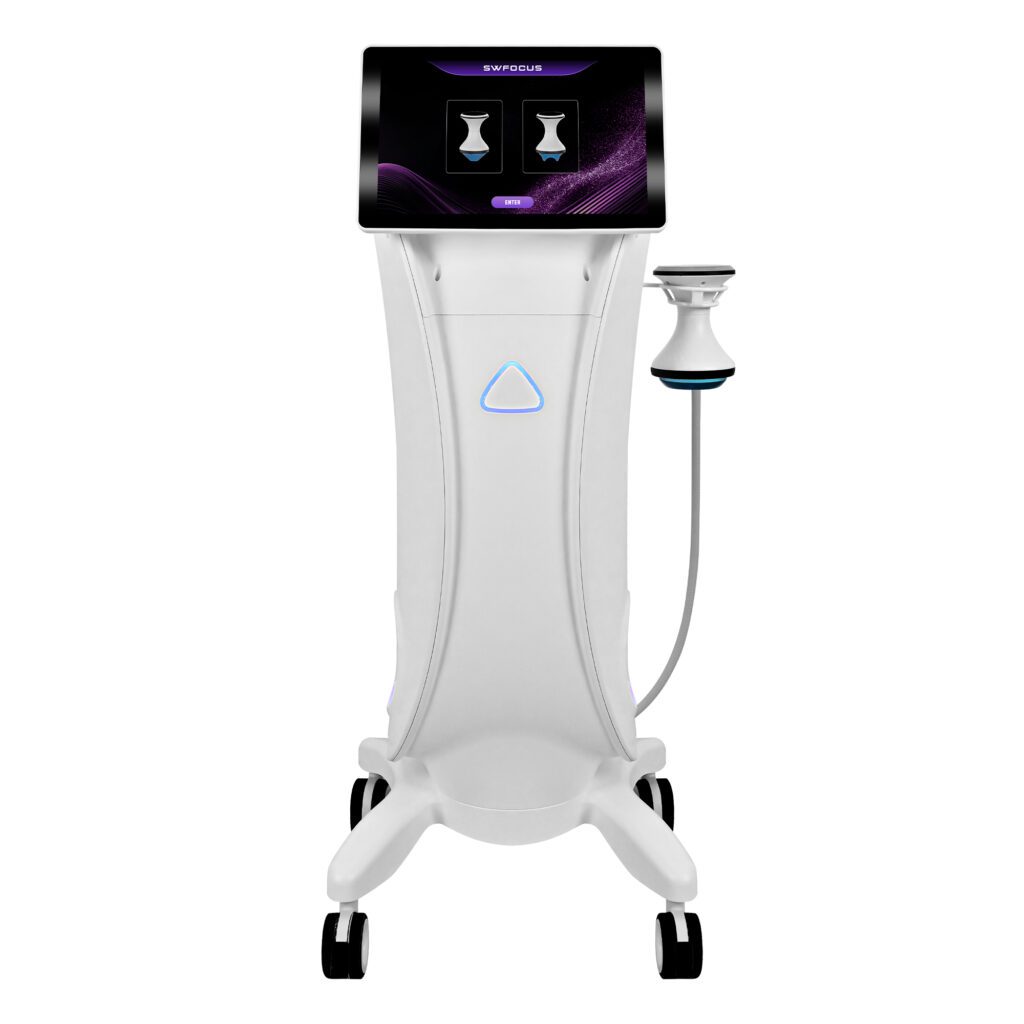
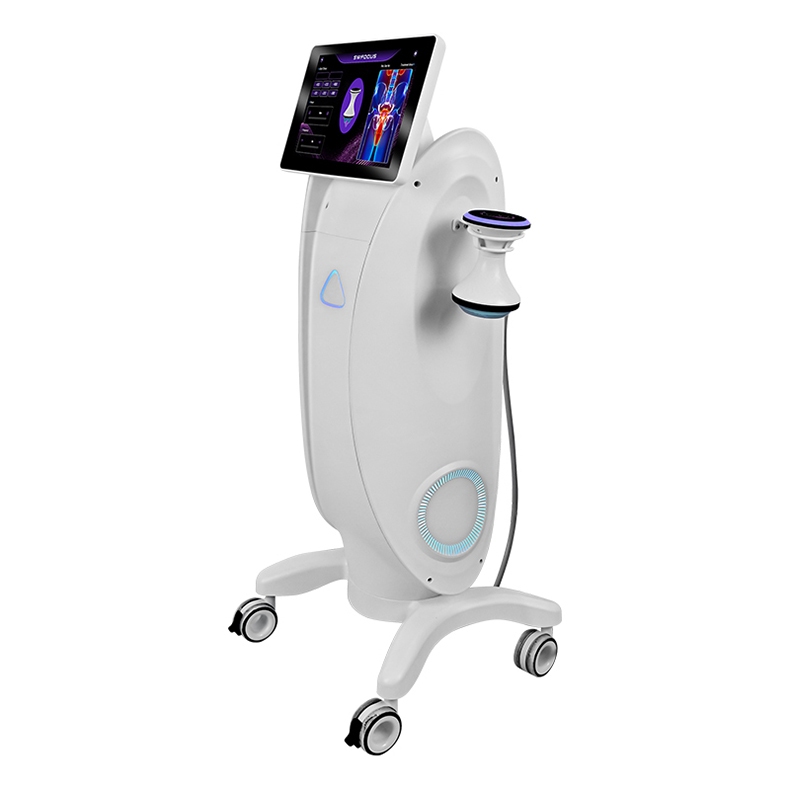
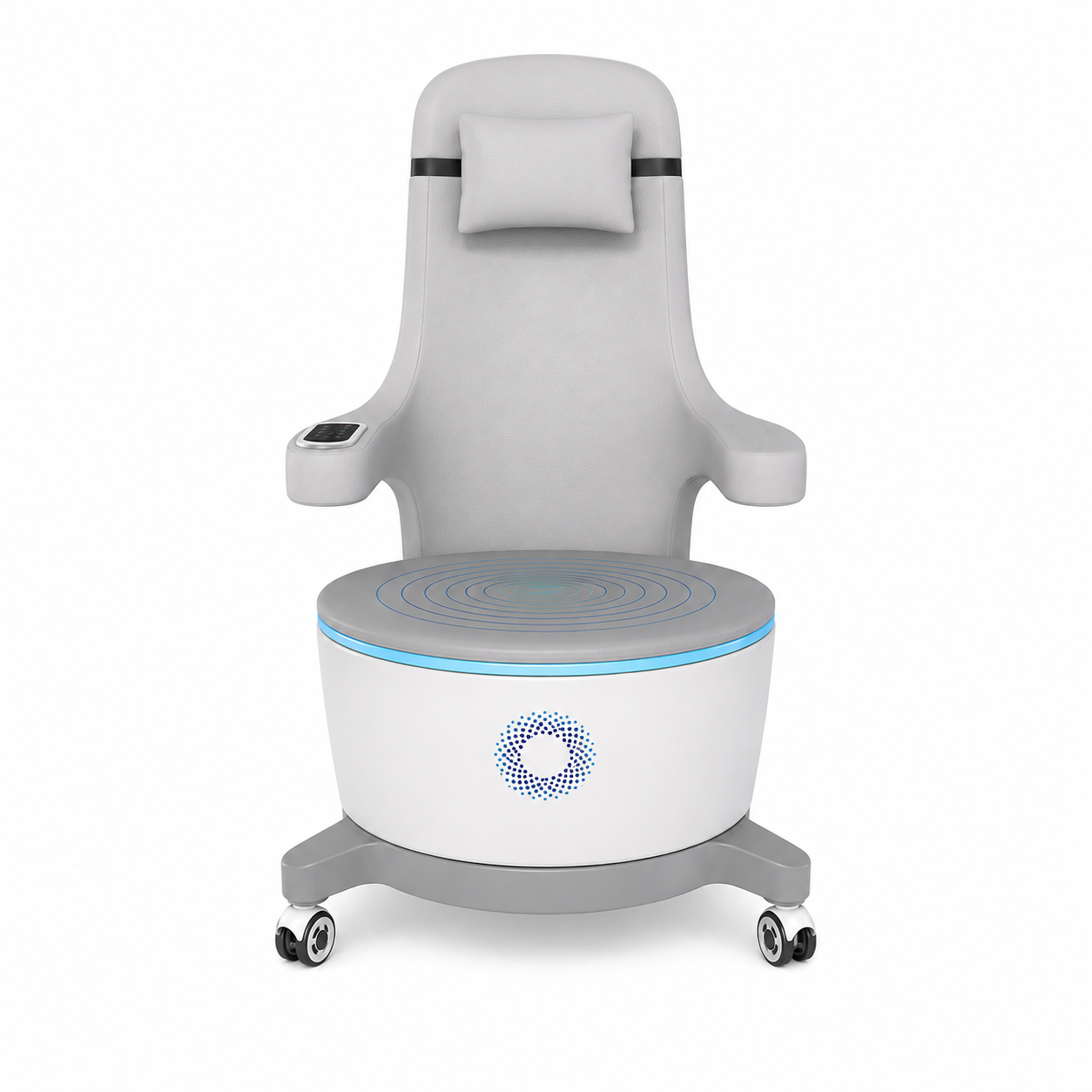
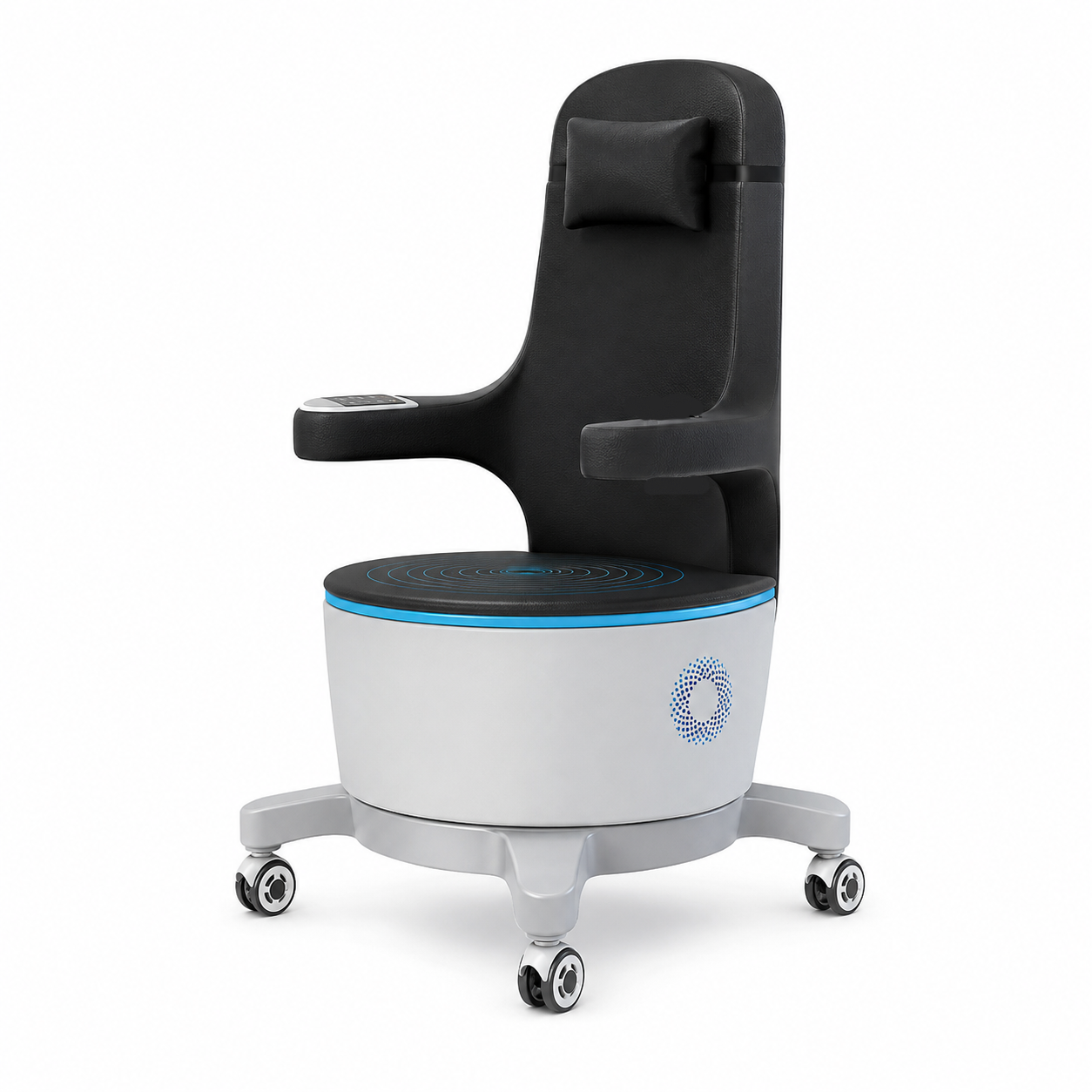
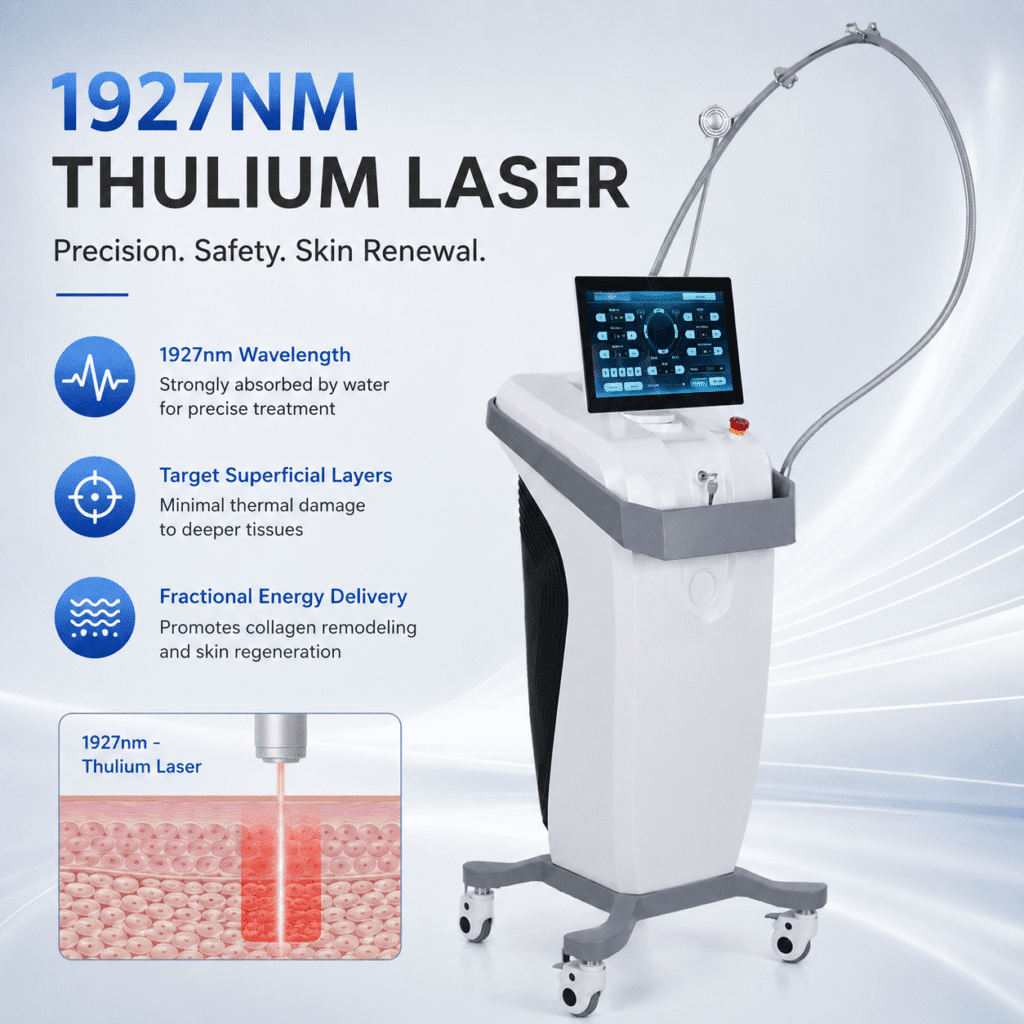
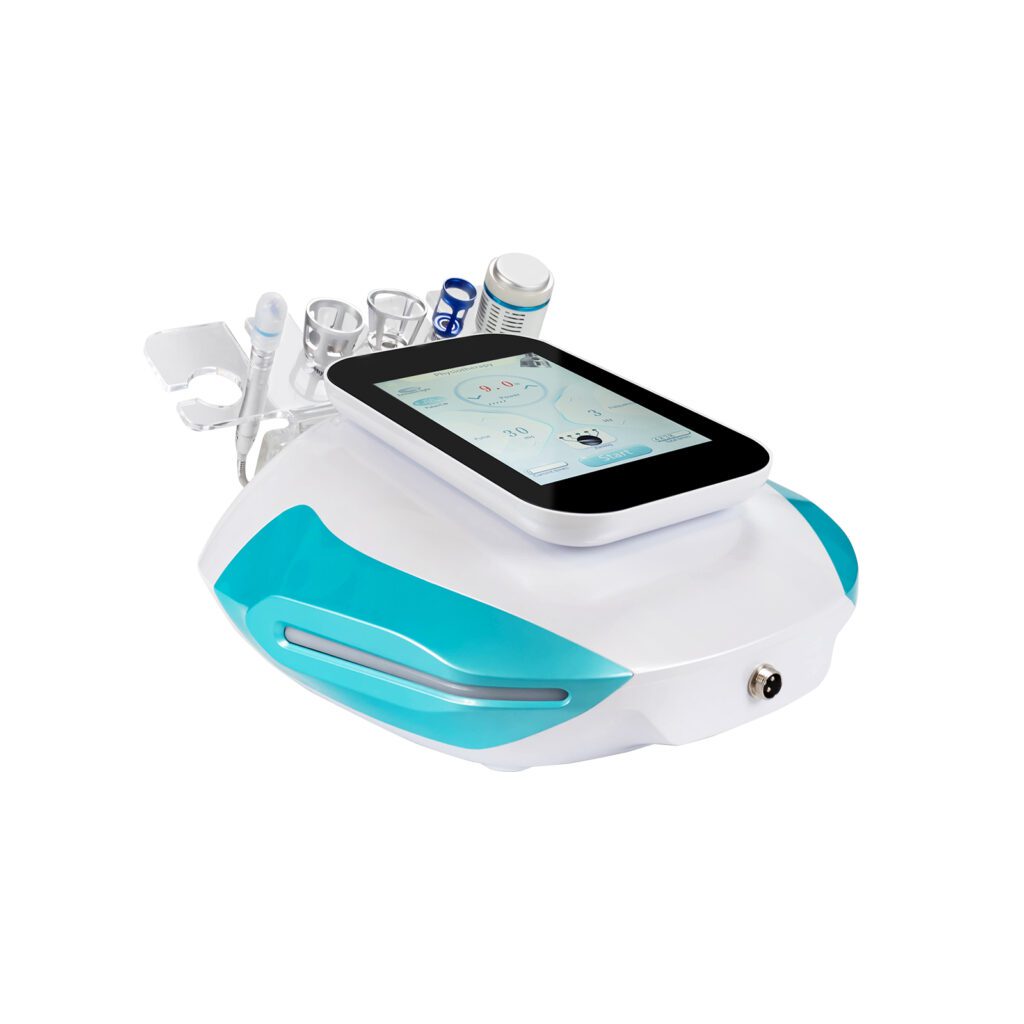
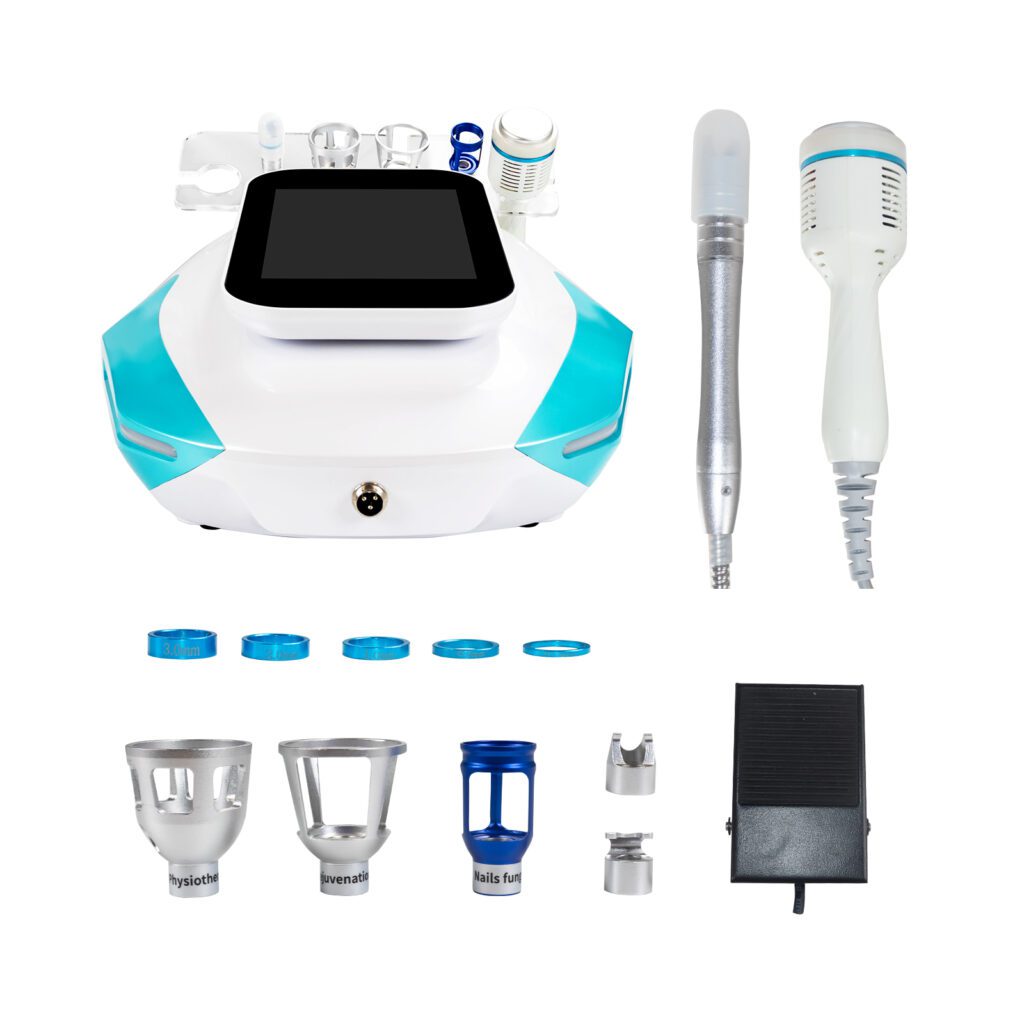
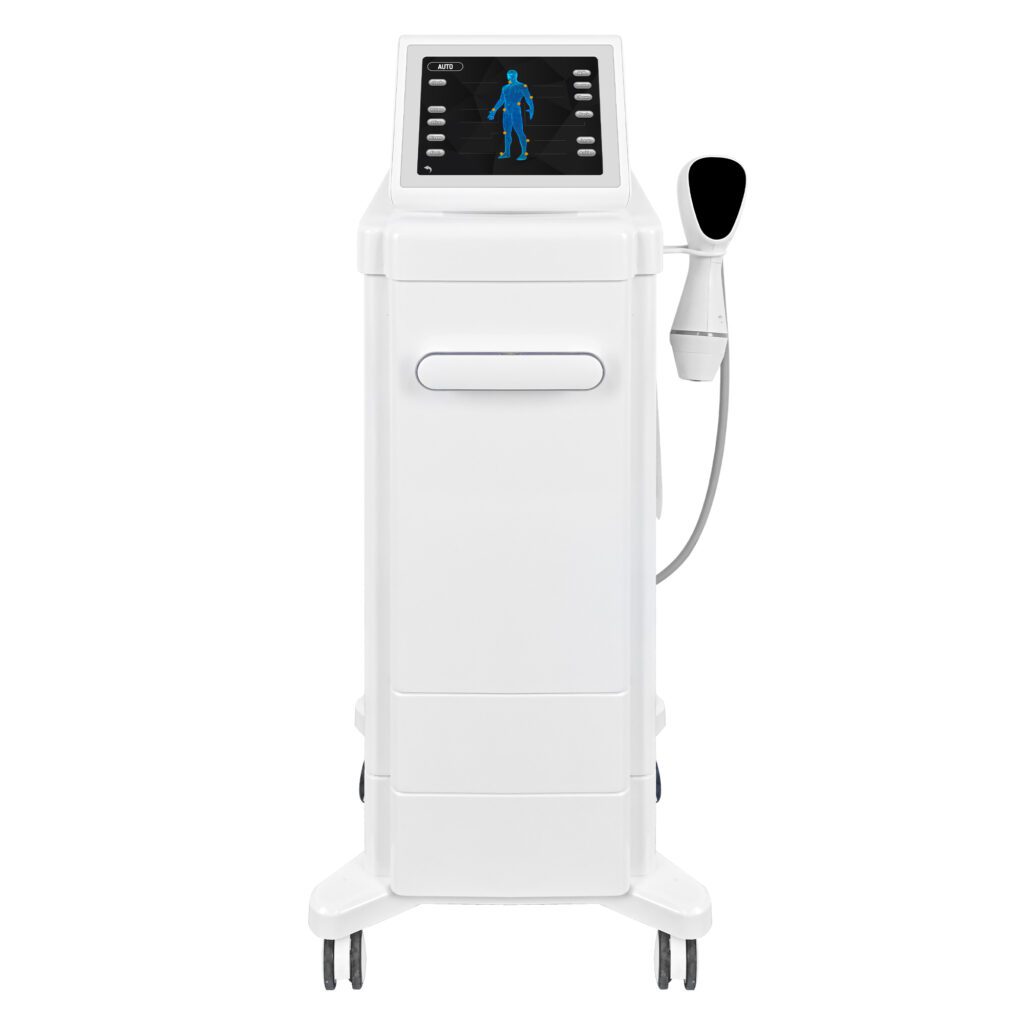
سوق معدات التجميل ضخم، ويشمل كل شيء من أجهزة تجديد البشرة ل أنظمة تحديد شكل الجسم. تشمل الفئات الشائعة ما يلي:
- أجهزة الليزر و IPL
- أجهزة الترددات الراديوية (RF)
- معدات تجميد الدهون بالتبريد
- أجهزة نحت الجسم بتقنية التحفيز الكهربائي للعضلات
- أنظمة الوخز بالإبر الدقيقة وأنظمة MNRF
لكل فئة غرضها الخاص، وينبغي أن يكون موردك متخصصًا في المعدات التي تحتاجها. قد يفتقر المورد الذي يدّعي تقديم كل شيء إلى الخبرة الكافية في التقنيات الأساسية.
الخطوة الأذكى؟ اختر موردًا يتمتع بـ خبرة متخصصة في خدماتك الأساسية. من الأفضل العمل مع متخصص بدلاً من شخص عام عندما يعتمد عملك على الأداء.
العوامل الرئيسية لتقييم مورد معدات التجميل
جودة المنتج والشهادات
الجودة أمر لا يقبل المساومة. في صناعة تتفاعل فيها الأجهزة مباشرةً مع جسم الإنسان، يجب أن تكون السلامة والفعالية في المقام الأول. ينبغي على المورد الموثوق تقديم شهادات مثل: موافقة إدارة الغذاء والدواء الأمريكية، وعلامة CE، ومعايير ISO.
أهمية معايير إدارة الغذاء والدواء الأمريكية (FDA) ومعايير المطابقة الأوروبية (CE) ومعايير المنظمة الدولية للمقاييس (ISO)
هذه الشهادات ليست مجرد أوراق رسمية، بل هي دليل على أن المعدات تستوفي متطلبات السلامة والجودة الدولية. وبدونها، فإنك تُعرّض نفسك لمخاطر جسيمة.
- إدارة الغذاء والدواء يضمن الامتثال للوائح الأجهزة الطبية الأمريكية
- م يؤكد الامتثال لمعايير السلامة الأوروبية
- ايزو يضمن عمليات تصنيع متسقة
إذا لم يتمكن المورد من تقديم هذه الشهادات، فهذا مؤشر خطير. الأمر أشبه بشراء سيارة دون التأكد من وجود مكابح فيها.
التكنولوجيا والابتكار
يشهد قطاع التجميل تطوراً سريعاً، حيث تظهر تقنيات جديدة كل عام، بدءاً من تحليل البشرة المدعوم بالذكاء الاصطناعي وصولاً إلى الأجهزة المتطورة التي تعمل بالطاقة. ويستثمر المورد الجيد في البحث والتطوير لضمان بقاء منتجاته في طليعة هذا التطور.
ابحث عن الموردين الذين يقدمون ما يلي:
- تحديثات مستمرة للمنتج
- تقنيات العلاج المتقدمة
- نتائج سريرية مثبتة
تذكر، المعدات القديمة تعني خدمات قديمة - وهذا شيء يلاحظه العملاء على الفور.
قدرات OEM وODM
إذا كنت ترغب في بناء علامتك التجارية الخاصة، فإن خدمات تصنيع المعدات الأصلية (OEM) وخدمات تصنيع التصميم الأصلي (ODM) ضرورية. فهي تتيح لك تخصيص ما يلي:
- تصميم المنتج
- العلامة التجارية والشعار
- واجهة البرنامج
- الميزات الوظيفية
يمكن للمورد الذي يتمتع بقدرات قوية في مجال تصنيع المعدات الأصلية/تصميم المعدات الأصلية أن يساعدك على التميز في سوق مزدحمة. فبدلاً من بيع آلات عامة، يمكنك إنشاء... هوية علامة تجارية فريدة.
التسعير مقابل القيمة: ما يهم حقاً
فهم هياكل التكاليف
لنكن صريحين، السعر مهم. لكن التركيز على السعر فقط هو أحد أكبر الأخطاء التي ترتكبها الشركات. فالمعدات الرخيصة غالباً ما تأتي بتكاليف خفية: الصيانة، والإصلاحات، وضعف الأداء، وعدم رضا العملاء.
بدلاً من السؤال: "ما هو الخيار الأرخص؟" اسأل: "ما الذي يقدم أفضل قيمة على المدى الطويل؟"“
ضع في اعتبارك عوامل مثل:
- متانة
- فعالية العلاج
- ضمان
- خدمات الدعم
قد يوفر لك دفع مبلغ أعلى قليلاً في البداية آلاف الدولارات على المدى الطويل.
تجنب الموردين الرخيصين ولكن المحفوفين بالمخاطر
إذا بدا العرض مغرياً لدرجة يصعب تصديقها، فغالباً ما يكون كذلك. قد يلجأ الموردون ذوو التكلفة المنخفضة إلى التوفير في المواد أو السلامة أو التكنولوجيا، مما قد يؤدي إلى تعطل المعدات، أو ما هو أسوأ، إصابات العملاء.
اعتبر معداتك استثماراً لا نفقة. فالمورد المناسب يساعدك على تحقيق إيرادات مستمرة، بينما المورد غير المناسب يستنزف مواردك.
سمعة المورد وخبرته
مراجعة التقييمات ودراسات الحالة
السمعة أبلغ من التسويق. ابحث عن تقييمات العملاء الحقيقية، وشهاداتهم، ودراسات الحالة. هل سبق للمورد أن تعامل مع عيادات أو موزعين ذوي سمعة طيبة؟ هل لديهم قصص نجاح؟
إن المورد الذي يتمتع بسجل حافل بالنجاحات أكثر موثوقية بكثير من شركة جديدة لم يتم اختبارها.
التواجد في السوق العالمية
غالباً ما يتمتع الموردون العاملون في عدة دول بمعايير أفضل لمراقبة الجودة والامتثال. فهم يفهمون متطلبات السوق المختلفة ويمكنهم التكيف مع احتياجاتك.
كما يشير التواجد العالمي إلى الاستقرار، وهو أمر ترغب فيه بالتأكيد في شريك طويل الأمد.
دعم ما بعد البيع والتدريب
أهمية الدعم الفني
حتى أفضل المعدات قد تواجه مشاكل. المهم هو سرعة حل هذه المشاكل. يوفر المورد الجيد ما يلي:
- الدعم الفني عن بعد
- توفر قطع الغيار
- خدمات الصيانة
بدون الدعم المناسب، يمكن أن يؤدي توقف العمل إلى خسارة العملاء والإيرادات.
تدريب لفريقك
تتطلب الآلات المتطورة تدريباً مناسباً. سيقدم المورد الموثوق برامج تدريبية لضمان قدرة موظفيك على استخدام المعدات بأمان وفعالية.
هذا لا يحسن النتائج فحسب، بل يبني أيضاً ثقة العملاء.
الخدمات اللوجستية والتسليم وقابلية التوسع
الشحن وأوقات التسليم
قد تؤدي التأخيرات في التسليم إلى تعطيل خطط عملك. تأكد من أن موردك يتمتع بنظام لوجستي فعال وجداول زمنية واضحة.
القدرة على التوسع مع نمو أعمالك
مع نمو أعمالك، ستتغير احتياجاتك من المعدات. اختر مورداً قادراً على النمو معك، ويقدم منتجات جديدة وتحديثات حسب الحاجة.
مقارنة الموردين: جدول عملي
| عامل | المورد أ | المورد ب | الخيار الأمثل |
|---|---|---|---|
| الشهادات | جزئي | كامل (FDA، CE، ISO) | ✔ |
| تكنولوجيا | - | متقدم | ✔ |
| سعر | قليل | واسطة | قائم على القيمة |
| يدعم | محدود | خدمة متكاملة | ✔ |
| تصنيع المعدات الأصلية/تصنيع التصميم الشخصي | لا | نعم | ✔ |
أخطاء شائعة يجب تجنبها عند اختيار مورد
إن اختيار المورد لا يقتصر على مجرد استيفاء الشروط الشكلية، بل يتعلق بتجنب الأخطاء المكلفة. ومن أكبر هذه الأخطاء إعطاء الأولوية للسعر على حساب الجودة. كما يُعدّ عدم التحقق من الشهادات أو إهمال التحقق من سمعة المورد خطأً آخر.
تتجاهل بعض الشركات أيضاً خدمات ما بعد البيع، ولا تدرك أهميتها إلا عند حدوث مشكلة. بينما تختار شركات أخرى موردين غير قادرين على التوسع، مما يضطرها إلى تغيير شركائها لاحقاً، وهي عملية مكلفة ومُعطِّلة.
تجنب هذه المخاطر باتباع نهج استراتيجي طويل الأمد.
لماذا تُعدّ الشراكة طويلة الأمد مهمة؟
المورد ليس مجرد بائع، بل هو شريك في نموك. إن بناء علاقة طويلة الأمد يتيح لك الاستفادة من أسعار أفضل، ودعم ذي أولوية، والوصول إلى أحدث التقنيات.
يشبه الأمر وجود زميل موثوق به ينمو معك، ويتكيف مع احتياجاتك، ويساعدك على البقاء قادراً على المنافسة في سوق سريع التطور.
خاتمة
اختيار الصحيح مورد معدات التجميل ليس قراراً سريعاً، بل هو قرار أساسي. ففي صناعة مزدهرة مدفوعة بالابتكار وطلب المستهلكين، يحدد موردك قدرتك على تقديم الجودة، والحفاظ على قدرتك التنافسية، والنمو بشكل مستدام.
ركز على الجودة والشهادات والتكنولوجيا والقيمة طويلة الأجل. لا تتسرع في العملية. خذ وقتك لتقييم خياراتك بعناية.
لأن المورد المناسب في النهاية لا يقتصر دوره على توفير المعدات فحسب، بل يساعد أيضاً في بناء عملك.
الأسئلة الشائعة
1. ما هي الشهادات التي يجب أن تحملها معدات التجميل؟
ابحث عن شهادات FDA و CE و ISO لضمان السلامة والامتثال للمعايير الدولية.
2. كيف أعرف ما إذا كان المورد موثوقاً؟
تحقق من التقييمات ودراسات الحالة وانتشارهم العالمي. يُعدّ السجل الحافل مؤشراً جيداً على الموثوقية.
3. هل المعدات الأرخص خيار جيد للشركات الناشئة؟
ليس دائماً. قد تؤدي المعدات الرخيصة إلى تكاليف أعلى على المدى الطويل بسبب الصيانة وضعف الأداء.
4. لماذا تعتبر خدمة ما بعد البيع مهمة؟
يضمن ذلك حل المشكلات التقنية بسرعة، مما يقلل من وقت التوقف ويحمي إيراداتك.
5. هل يمكنني تخصيص معدات التجميل لعلامتي التجارية؟
نعم، يقدم العديد من الموردين خدمات تصنيع المعدات الأصلية/تصميم المنتجات الأصلية للعلامات التجارية والتصميم وتخصيص الوظائف.