غالباً ما تطرح صالونات التجميل سؤالاً عملياً للغاية قبل شراء أو تشغيل معدات التجميل: ما هو معدل استبدال المجسات، والقطع اليدوية، والمواد الاستهلاكية؟ تُعد الإجابة مهمة لأن تكلفة الاستبدال تؤثر على أسعار العلاجات، وهامش الربح، وتجربة العملاء، ومراقبة النظافة، ووقت تعطل المعدات.
لا توجد دورة استبدال واحدة تنطبق على جميع الأجهزة. فرأس جهاز هيدرا فيشال، ومصباح IPL، ومسبار RF، وخرطوشة HIFU، وفلتر الشفط، ووسادة العلاج أحادية الاستخدام، تُستخدم بطرق مختلفة ولها متطلبات أمان وأداء متباينة. القاعدة الأكثر موثوقية بسيطة: اتبع دليل الشركة المصنعة أولاً، ثم ضع جدول استبدال بناءً على حجم العلاج، والتآكل الظاهر، ومتطلبات النظافة، وثبات الأداء، وسجلات ما بعد البيع.
بالنسبة لصالونات التجميل والموزعين، لا يقتصر الهدف على استبدال القطع عند تلفها فحسب، بل يجب أن يمنع نظام صيانة المعدات المتكامل النتائج غير المستقرة، ويقلل من شكاوى العملاء، ويحافظ على جودة الخدمة، ويجعل تكلفة المواد الاستهلاكية قابلة للتنبؤ.
لماذا لا يمكن أن تكون دورات الاستبدال رقمًا ثابتًا واحدًا
ترغب العديد من الصالونات في الحصول على إجابة مباشرة، مثل استبدال الجهاز كل ثلاثة أشهر أو مرة واحدة في السنة. لكن في الواقع العملي، هذا غير دقيق. فقد يدوم الجهاز نفسه لفترة أطول بكثير في صالون صغير مقارنةً بمركز متخصص في العناية بالبشرة ذي إقبال كبير ويستخدمه يومياً.
عادةً ما يتم تحديد توقيت الاستبدال بناءً على عدة عوامل:
- **تعليمات الشركة المصنعة:** يجب أن يكون دليل المستخدم وشروط الضمان وعدد الخراطيش وعدد الطلقات ومتطلبات المعايرة وطريقة التنظيف هي المرجع الأول.
- **تكرار العلاج:** لن يكون للجهاز المستخدم 5 مرات في الأسبوع نفس سرعة التآكل للجهاز المستخدم 50 مرة في الأسبوع.
- **نوع التلامس:** الأجزاء التي تلامس الجلد أو الأغشية المخاطية أو الجل أو المحلول أو المصل أو سوائل الجسم بشكل مباشر تحتاج إلى رقابة أكثر صرامة على النظافة.
- **مخرجات الطاقة:** يجب استبدال أو صيانة ملحقات الترددات الراديوية، والموجات فوق الصوتية، والليزر، وIPL، وHIFU، وEMS، والعلاج بالتبريد عندما يصبح الإخراج غير مستقر.
- **الحالة المادية:** الشقوق، والأسلاك المفكوكة، والطلاءات التالفة، والتآكل، والتسرب، وضعف الشفط، والأنابيب المسدودة، والرائحة، وتغير اللون، والحرارة غير الطبيعية كلها علامات تستدعي الاستبدال.
- **مخاطر العمل:** إذا كان عطل قطعة واحدة من قطع اليد يمكن أن يوقف مشروعًا مربحًا لعدة أيام، فقد يحتاج الصالون إلى قطع غيار احتياطية حتى قبل أن تتعطل القطعة القديمة تمامًا.
لهذا السبب، لا ينبغي أن تقتصر أسئلة الصالونات على مدة صلاحية القطعة فحسب، بل يجب أن تسأل أيضاً عن عدد العلاجات التي تدعمها، وما هي علامات التلف التي يجب مراقبتها، وتكلفة الاستبدال، وما إذا كانت قطع الغيار متوفرة على المدى الطويل.
دليل عملي لاستبدال القطع حسب نوع القطعة
تُستخدم النطاقات التالية لأغراض التخطيط التجاري فقط. يجب أن يتم الاستبدال الفعلي وفقًا لدليل العلامة التجارية للمعدات ومتطلبات الامتثال المحلية.
المواد الاستهلاكية التي تستخدم لمرة واحدة
ينبغي عادةً استبدال المواد الاستهلاكية ذات الاستخدام الواحد لكل عميل أو لكل جلسة علاج. ويشمل ذلك رؤوس الأجهزة ذات الاستخدام الواحد، والأغشية الواقية، والأغطية، والضمادات، والشاش، والقطن، والملاءات، والقفازات، والقبعات، وملحقات العلاج ذات الاستخدام الواحد.
لا ينبغي للصالونات إعادة استخدام الأدوات ذات الاستخدام الواحد لتقليل التكاليف. فحتى لو لم يلاحظ العميل الفرق، فإن إعادة استخدام هذه الأدوات قد يثير مخاوف تتعلق بالنظافة ويؤثر سلبًا على ثقة العملاء. لذا، عند تسعير المشاريع، يجب تضمين تكلفة هذه الأدوات في تكلفة العلاج منذ البداية.
الجل، والسيروم، والأقنعة، ومحاليل العلاج
يجب إدارة جلّات العلاج، والجلّات الموصلة، والأمصال، والأقنعة، ومحاليل التنظيف، ومحاليل ترطيب الوجه، وفقًا لتاريخ انتهاء الصلاحية، وتاريخ الفتح، وظروف التخزين، ومخاطر التلوث. يجب وضع ملصقات واضحة على الزجاجات المفتوحة. ينبغي على الموظفين تجنب سكب محلول جديد في سائل قديم متبقٍ إذا لم يسمح بذلك المصنّع.
إذا تغير لون السائل، أو ظهرت عليه رائحة كريهة، أو انفصلت مكوناته بشكل غير طبيعي، أو أصبح عكرًا، أو كانت معلومات تخزينه غير واضحة، فيجب استبداله. بالنسبة للصالونات ذات الإقبال الكبير، يُفضل اتباع قواعد تدوير المخزون لضمان استخدام المنتجات قبل تاريخ انتهاء صلاحيتها، وعدم خلط المحلول القديم بالجديد.
نصائح صغيرة لترطيب وتنعيم البشرة
تتضمن أنظمة الفقاعات الصغيرة، والتقشير المائي، وعلاجات الوجه المائية عادةً رؤوسًا، وزجاجات، وأنابيب، وفلاتر، وحاويات للنفايات. يجب تغيير الرؤوس التي تُستخدم لمرة واحدة لكل عميل. أما الرؤوس القابلة لإعادة الاستخدام، فيجب تنظيفها وتعقيمها وفقًا لدليل الاستخدام بعد كل استخدام، واستبدالها عند تعرضها للخدش، أو التشوه، أو الانسداد، أو الخشونة، أو صعوبة التنظيف.
بالنسبة للصالونات المزدحمة، قد تحتاج رؤوس الفرشاة القابلة لإعادة الاستخدام إلى استبدال دوري شهري أو ربع سنوي. أما الفلاتر والأنابيب، فقد تحتاج إلى عناية أكثر تكرارًا لأن انسداد الشفط أو اتساخ مسارات السوائل يؤثر بشكل مباشر على راحة المريض وجودة الخدمة.
الفلاتر والأنابيب والزجاجات والأختام
قد يسهل إهمال الفلاتر والأنابيب والزجاجات والحشيات وحلقات الإحكام وحاويات النفايات، لكنها تؤثر على قوة الشفط وتدفق المياه والتحكم في الروائح والتسرب والنظافة. لذا، ينبغي فحص أنظمة تدوير المياه والشفط المستخدمة بكثرة يومياً أو أسبوعياً.
تشمل أسباب الحاجة إلى استبدال الفلاتر ضعف الشفط، وانسداد التدفق، ووجود رواسب مرئية، وتغير اللون، والرائحة الكريهة، والتسريب، والتصلب، والتشقق، والوصلات غير المحكمة، أو فشل التنظيف المتكرر. في العديد من الصالونات، قد يتم استبدال الفلاتر كل أسبوع إلى أربعة أسابيع في حالة الاستخدام المكثف، بينما قد يتم استبدال الأنابيب والزجاجات والأختام كل ثلاثة إلى ستة أشهر حسب كثافة الاستخدام وتوجيهات الشركة المصنعة.
مجسات ومقابض الترددات اللاسلكية
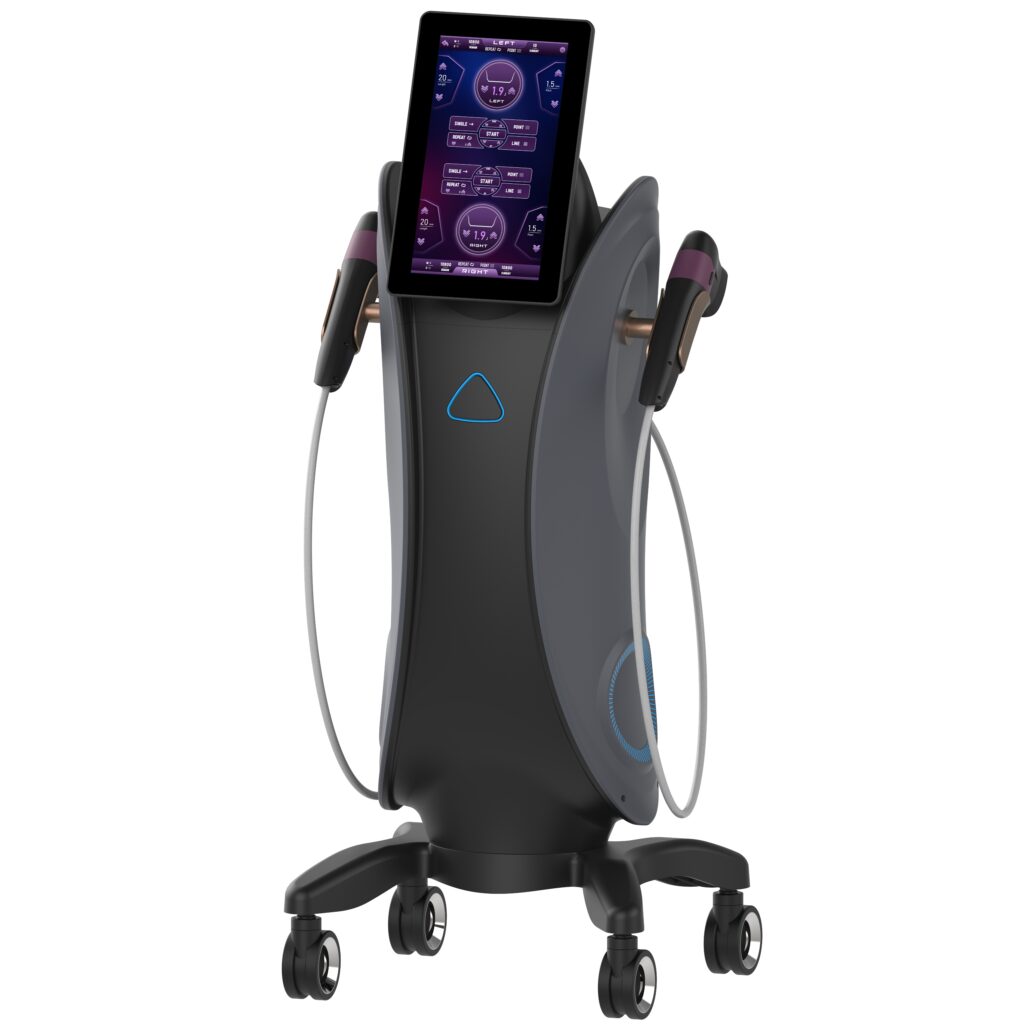
أجهزة الترددات الراديوية ومقابضها قابلة لإعادة الاستخدام، لكنها ليست دائمة. يجب تنظيفها بعد كل عميل وفحصها بانتظام. ينبغي على الصالون استبدالها أو صيانتها في حال تشقق سطح الجهاز، أو تلف الطلاء، أو تآكل منطقة التلامس المعدنية، أو ارتخاء الكابل، أو عدم استقرار الموصل، أو شعور العميل بحرارة غير متساوية.
تُجري العديد من الصالونات فحصًا سنويًا لأجهزة الترددات الراديوية اليدوية، خاصةً في مشاريع مكافحة الشيخوخة ذات القيمة العالية. قد يلزم استبدال الجهاز فعليًا بعد سنة إلى ثلاث سنوات، أو قبل ذلك إذا كان المقبض مُستخدَمًا بكثرة، أو سقط، أو لم تتم صيانته جيدًا، أو أظهر خرجًا غير مستقر. يكمن الحل في تجنب استخدام جهاز يدوي يُنتج حرارة غير متساوية، أو طاقة ضعيفة، أو يُصدر إنذارات خطأ.
مجسات الموجات فوق الصوتية
يجب فحص مجسات الموجات فوق الصوتية للتأكد من خلوها من أي تلف سطحي، أو اهتزاز ضعيف، أو ضوضاء غير طبيعية، أو تقلبات في درجة الحرارة، أو وصلات كابلات غير محكمة، أو ردود فعل سلبية من المستخدمين. في حال وجود خدوش أو تشققات أو انبعاجات في رأس المجس، أو عدم قدرته على الحفاظ على خرج ثابت، فلا ينبغي استخدامه قبل فحصه.
نظرًا لصعوبة تقييم أداء جهاز الموجات فوق الصوتية بصريًا من قِبل المرضى، ينبغي على الموظفين تسجيل مشاكل التشغيل وملاحظات المرضى. قد يؤدي انخفاض طفيف في الأداء إلى تقليل رضا المرضى تدريجيًا حتى مع استمرار تشغيل الجهاز.
أقطاب التحفيز الكهربائي للعضلات والتيار الدقيق
قد تستخدم مشاريع التحفيز الكهربائي للعضلات والتيارات الدقيقة وسادات أقطاب كهربائية للاستخدام لمرة واحدة، أو مجسات قابلة لإعادة الاستخدام، أو قفازات، أو مشابك، أو ملحقات موصلة. يجب تغيير الوسادات التي تُستخدم لمرة واحدة لكل عميل. يجب تنظيف المجسات القابلة لإعادة الاستخدام وتعقيمها بعد كل استخدام، واستبدالها عند ظهور التآكل، أو ضعف التوصيل، أو تقشر الطلاء، أو عدم استقرار التيار، أو الأسلاك المفكوكة، أو شعور العميل بعدم الراحة.
ضعف الاتصال مشكلة شائعة. إذا احتاج الموظفون إلى الضغط بقوة أكبر للحصول على استجابة، أو زيادة شدة الضغط بشكل غير معتاد، أو تعديل وضع الكابل بشكل متكرر، فيجب فحص الملحق بدلاً من إلقاء اللوم على استجابة العميل.
ملحقات العلاج بالضوء LED
يجب فحص ألواح LED والأقنعة وواقيات العين والأغطية الواقية وأجزاء التثبيت للتأكد من خلوها من الشقوق، والوميض، وعدم استقرار السطوع، وارتفاع درجة الحرارة، وارتخاء المفصلات، وتلف السطح. يجب استبدال الأغطية الواقية التي تُستخدم لمرة واحدة لكل عميل في حال استخدامها.
لا تتطلب أجهزة LED عادةً استبدالًا متكررًا للقطعة اليدوية كما هو الحال في أجهزة الخراطيش الاستهلاكية، ولكن تلف ألواح الإضاءة أو عدم انتظام الإضاءة قد يقلل من فعالية العلاج. لذا، يُعد الفحص الشهري عادةً عمليةً للصالونات التي تستخدم العلاج بتقنية LED يوميًا.
قطع يدوية لتقنية IPL والليزر
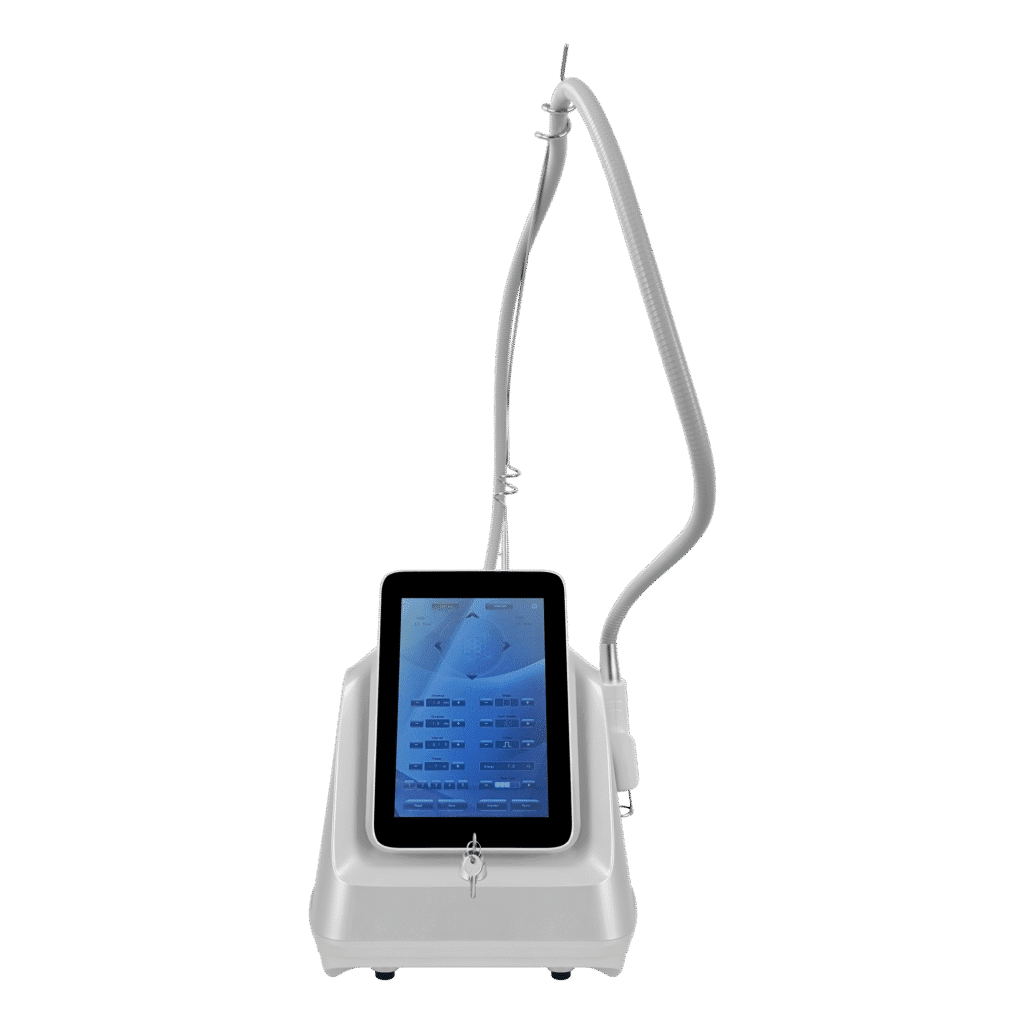
غالبًا ما يتم استبدال ملحقات الليزر وتقنية IPL بناءً على عدد النبضات، وعمر المصباح، وحالة العدسة البصرية، وكفاءة التبريد، واستقرار الإخراج. تدعم بعض المصابيح أو الخراطيش آلاف النبضات، بينما قد تدعم أنظمة احترافية أخرى مئات الآلاف أو أكثر، وذلك حسب الطراز.
لا ينبغي للصالون أن يعتمد في تقييمه على مجرد وميض المصباح. بل يجب استبدال الجهاز أو صيانته في حال وجود خدوش أو حروق في العدسة، أو خلل في التبريد، أو ارتفاع درجة حرارة المقبض، أو عدم استقرار الإخراج، أو ظهور رموز خطأ متكررة، أو عدم اتساق نتائج العلاج.
تتطلب أنظمة الليزر وأنظمة الضوء النبضي المكثف معايير أمان أعلى. يجب التعامل بحرص مع حماية العينين، وتدريب الموظفين، ووضع ملصقات التحذير، ومراقبة أداء التبريد، وسجلات الصيانة. يجب إخراج أي قطعة يدوية بها غلاف متصدع، أو أسلاك مكشوفة، أو طاقة غير مستقرة، أو حرارة غير طبيعية من الخدمة فوراً.
خراطيش HIFU
تُحسب خراطيش جهاز HIFU عادةً بالخطوط أو النبضات أو دورات توصيل الطاقة. بمجرد وصول الخرطوشة إلى العدد المُحدد لها، يجب استبدالها وفقًا لتعليمات الشركة المصنعة. لا ينبغي للصالونات الاستمرار في استخدام الخرطوشة لمجرد أنها لا تزال تُصدر صوتًا أو تُظهر نشاطًا.
تشمل علامات الاستبدال الشائعة انخفاض الشعور بالطاقة، وعدم استقرار الأداء، وتلف سطح الخرطوشة، وعدم الراحة أثناء العلاج، وظهور رموز خطأ، أو الوصول إلى الحد الأقصى لعدد مرات الاستخدام. ونظرًا لأن تقنية الموجات فوق الصوتية المركزة عالية الكثافة (HIFU) تُسوَّق غالبًا كعلاج تجميلي أو شدّ للوجه بتكلفة أعلى، يجب احتساب تكلفة الخرطوشة بوضوح ضمن سعر كل جلسة علاج.
مستلزمات تجميد الدهون ونحت الجسم
تعتمد أنظمة تجميد الدهون، والترددات الراديوية الفراغية، والتجويف، ونحت الجسم في كثير من الأحيان على الأغشية، والضمادات المضادة للتجمد، والمواد الهلامية، والمرشحات، والأختام، وأغطية أدوات التطبيق، والأنابيب، والمقابض القابلة لإعادة الاستخدام. يجب استبدال الأغشية والضمادات والأغطية ذات الاستخدام الواحد لكل جلسة علاج أو عميل عند طلب الشركة المصنعة ذلك.
ينبغي فحص أدوات التطبيق القابلة لإعادة الاستخدام للتأكد من خلوها من مشاكل منع التسرب، وأعطال المستشعرات، وعدم استقرار التبريد، وتسرب الفراغ، والتشققات، والأسلاك المفكوكة، ودرجات الحرارة غير الطبيعية. قد تدوم مقابض تحديد شكل الجسم من سنة إلى ثلاث سنوات في ظل الاستخدام العادي، ولكن الملحقات الصغيرة المحيطة بها غالباً ما تحتاج إلى استبدال بوتيرة أسرع بكثير.
ملحقات جهاز تحليل البشرة
قد لا تستهلك أجهزة تحليل البشرة قطع الغيار بنفس سرعة أجهزة العلاج، لكنها مع ذلك تحتاج إلى صيانة. يجب الحفاظ على نظافة مساند الذقن، ووسادات الجبهة، والأغطية التي تُستخدم لمرة واحدة، وبطاقات المعايرة، وقطع قماش التنظيف، وأسطح الكاميرا، وأنظمة الإضاءة، واستبدالها عند تلفها.
إذا أصبحت نتائج التحليل غير مستقرة، أو كانت الصور ضبابية، أو الإضاءة غير متساوية، أو فشل البرنامج بشكل متكرر في التقاط صور دقيقة، فينبغي على الصالون فحص النظافة والمعايرة وحالة البرنامج ووحدات الإضاءة وأجهزة الكاميرا. بالنسبة للصالونات التي تستخدم تقنية الذكاء الاصطناعي لكشف البشرة لدعم الاستشارات، فإن الدقة وجودة العرض تؤثران بشكل مباشر على ثقة العملاء.
إشارات الاستبدال التي يجب على الموظفين عدم تجاهلها
بدلاً من انتظار موعد محدد، ينبغي على الصالونات تدريب موظفيها على التعرف على العلامات التحذيرية المبكرة. قد يحتاج جزء ما إلى استبدال أو صيانة عند ظهور أي من العلامات التالية:
- غلاف متصدع، أو سطح مسبار مخدوش، أو طلاء تالف.
- كابل غير محكم، سلك مكشوف، موصل غير مستقر، أو فصل متكرر.
- ضعف الشفط، انسداد التدفق، التسرب، الرائحة، أو تغير لون الأنبوب.
- التسخين غير المتساوي، أو الحرارة غير الطبيعية، أو الاهتزاز الضعيف، أو التيار غير المستقر، أو انخفاض إنتاج الطاقة.
- وميض ضوء LED، أو احتراق النافذة البصرية، أو عطل في التبريد، أو تكرار رمز الخطأ.
- أبلغ العملاء عن شعور غير معتاد بعدم الراحة، أو شعور غير متسق، أو تجربة علاج سيئة.
- المواد الاستهلاكية منتهية الصلاحية، أو ملوثة، أو مفتوحة لفترة طويلة جدًا، أو مخزنة بشكل غير صحيح.
- يصعب تنظيف هذا الجزء أو لا يجتاز قائمة التحقق من النظافة في الصالون.
إذا لامس جزء ما العميل مباشرة وكان الموظفون غير متأكدين مما إذا كان لا يزال صحيًا أو مستقرًا، فإن القرار التجاري الأكثر أمانًا هو التوقف عن استخدامه والتحقق مع المورد.
كيف ينبغي للصالونات وضع جدول زمني للاستبدال
يجب أن يجمع جدول الاستبدال الجيد بين الفحص اليومي، وعدد مرات الاستخدام، والمراجعة الشهرية، ودعم المورد. يمكن للصالونات تقسيم الملحقات إلى أربعة مستويات.
المستوى 1: استبدال جميع العملاء. رؤوس، وضمادات، وأغطية، وأغشية، وقفازات، وملاءات، وقطن، وغيرها من الأدوات التي تستخدم لمرة واحدة.
المستوى 2: الفحص اليومي، والاستبدال حسب الحالة. المجسات، والقطع اليدوية، والكابلات، والموصلات، والزجاجات، والأنابيب، والأختام، وأسطح التبريد، ولوحات LED.
المستوى 3: الاستبدال بالعد. مصابيح IPL، وخراطيش الفلاش، وخراطيش HIFU، وبعض وحدات الليزر، وخراطيش الترشيح، ووحدات الاستهلاك الخاصة بالمعدات.
المستوى 4: الخدمة حسب الجدول الزمني. المعايرة، وتحديثات البرامج، والفحوصات الداخلية، وفحوصات نظام التبريد، واختبارات إنتاج الطاقة، وصيانة الضمان.
ينبغي أن تحتوي كل آلة على بطاقة صيانة أو سجل رقمي. يجب على الموظفين تسجيل التاريخ، واسم المشغل، وعدد مرات الاستخدام، وحالة التنظيف، والمشكلة التي تم اكتشافها، وقطعة الغيار، ومعلومات الاتصال بالمورد. هذا يُسهّل التواصل بشأن الضمان ويساعد المديرين على فهم التكلفة الحقيقية لكل مشروع.
كيفية تضمين تكلفة الاستبدال في تسعير المشروع
لا ينبغي التعامل مع تكلفة الاستبدال على أنها حادثة، بل يجب أن تكون جزءًا من نموذج تسعير العلاج.
عملية حسابية بسيطة هي:
تكلفة المواد الاستهلاكية لكل علاج = إجمالي تكلفة المواد الاستهلاكية مقسومًا على عدد العلاجات المتوقع.
الاحتياطي الشهري للاستبدال = التكلفة السنوية المتوقعة لقطع الغيار مقسومة على 12.
على سبيل المثال، إذا كانت تكلفة خرطوشة جهاز الموجات فوق الصوتية المركزة عالية الكثافة (HIFU) 300 دولار أمريكي وتدعم 600 خط، فإن تكلفة الخرطوشة تبلغ 0.50 دولار أمريكي لكل خط قبل احتساب تكاليف العمالة والإيجار والتسويق والربح. وإذا استخدم العلاج 300 خط، فإن تكلفة الخرطوشة وحدها تبلغ 150 دولارًا أمريكيًا. يجب أن ينعكس هذا في سعر المشروع.
بالنسبة لمشاريع علاجات الفقاعات الصغيرة، وعلاجات الوجه المائية، والعلاج بالترددات الراديوية، والعلاج بالتحفيز الكهربائي للعضلات، ونحت الجسم، ينبغي على الصالونات حساب تكاليف رؤوس الأجهزة، والجل، والأغطية، والفلاتر، والأنابيب، والاستهلاك المتوقع لأدوات اليد. عندما تكون هذه التكاليف واضحة، يصبح من الأسهل تحديد ما إذا كان المشروع مربحًا أم يبدو كذلك فقط.
ما مقدار المخزون الاحتياطي الذي يجب أن يحتفظ به الصالون؟
لا تحتاج صالونات التجميل إلى تخزين كميات زائدة من جميع الإكسسوارات، ولكن لا ينبغي لها تنفيذ مشروع رائج دون وجود قطع غيار احتياطية. والنهج العملي هو:
- احتفظ بما يكفي من المواد الاستهلاكية سريعة التداول لمدة تتراوح بين أسبوعين وأربعة أسابيع.
- احتفظ بمجموعة احتياطية واحدة على الأقل من رؤوس المفاتيح والأنابيب والمرشحات والأختام لأجهزة الترددات العالية.
- احتفظ بقطعة يدوية احتياطية للمشروع الأكثر ربحية أو الأكثر حجزًا إذا كان التوقف عن العمل سيؤثر على الإيرادات.
- تأكد من مهلة التسليم لدى المورد قبل فترات العروض الترويجية والعطلات ومواسم الذروة.
- تتبع استخدام الأجزاء شهريًا حتى تستند قرارات إعادة الطلب إلى حجم العلاج الفعلي.
بالنسبة للموزعين، يمثل هذا أيضاً فرصة. فالموزع الذي يوفر قطع غيار أصلية، وتوصيل سريع، ودعم فني، وإرشادات واضحة للاستبدال، يُعدّ أكثر قيمة من الموزع الذي يبيع الآلة فقط.
ما الذي ينبغي على المشترين سؤاله للشركة المصنعة قبل الشراء؟
قبل شراء جهاز تجميل، ينبغي على الصالونات والموزعين أن يسألوا:
- ما هي الأجزاء التي تستهلك وما هي الأجزاء التي يمكن إعادة استخدامها؟
- ما هو العمر الافتراضي المقدر لكل من القطعة اليدوية، والمصباح، والخرطوشة، والفلتر، والمسبار، والأنبوب؟
- هل يعتمد الاستبدال على الوقت، أو عدد العلاجات، أو عدد الحقن، أو عدد الخطوط، أو التآكل المرئي؟
- ما هي تكلفة الوحدة لكل مادة استهلاكية؟
- هل تتوفر قطع الغيار على المدى الطويل؟
- ما هي مدة ضمان الوحدة الرئيسية والقطع اليدوية؟
- هل يشمل الضمان المجسات والمقابض والمصابيح والبطاريات والأنابيب والملحقات؟
- ما هي طرق التنظيف والتعقيم المسموح بها؟
- ما هي الأعطال التي تستدعي إيقاف الاستخدام فوراً؟
- هل يقدم المورد التدريب، ومقاطع فيديو الصيانة، ووثائق ما بعد البيع؟
تساعد هذه الأسئلة المشترين على تجنب التكاليف الخفية. قد يصبح سعر الجهاز المنخفض مكلفاً إذا كانت الخراطيش أو الفلاتر أو المصابيح أو القطع اليدوية باهظة الثمن أو يصعب شراؤها أو سهلة التلف.
كيف يمكن للموزعين استخدام تخطيط الاستبدال لتحسين الطلبات المتكررة
بالنسبة لموزعي معدات التجميل، فإن قطع الغيار والمواد الاستهلاكية ليست مجرد تفاصيل ما بعد البيع، بل هي جزء من نموذج العمل طويل الأجل.
يمكن للموزعين تحسين الاحتفاظ بالعملاء من خلال توفير ما يلي:
- قائمة مراجعة استبدال لكل طراز من طرازات الآلات.
- قوائم أسعار واضحة للمواد الاستهلاكية وقطع الغيار.
- مجموعات مستلزمات أساسية لعملاء الصالون الجدد.
- تذكيرات بإعادة الطلب شهرياً أو ربع سنوياً.
- التدريب على التنظيف والتخزين والتفتيش والإبلاغ عن المشاكل.
- دعم سريع لاستبدال القطع اليدوية عالية القيمة.
- إرشادات صادقة حول الملحقات التي تستخدم لمرة واحدة وتلك التي يمكن إعادة استخدامها.
عندما تعلم صالونات التجميل أن قطع الغيار سهلة الشراء وأن الصيانة يمكن التنبؤ بها، فإنها تكون أكثر استعدادًا لشراء الآلات وتوصية المورد للآخرين.
أخطاء شائعة يجب تجنبها
من الأخطاء الشائعة التعامل مع جميع الملحقات على أنها قابلة لإعادة الاستخدام حتى تتلف، مما قد يُقلل من جودة النظافة وثقة العملاء. خطأ آخر هو إهمال الأجزاء الصغيرة كالفلاتر والأنابيب والحلقات المانعة للتسرب وأغطية الزجاجات، فهذه القطع الرخيصة غالباً ما تُسبب مشاكل في الشفط والتسريب والروائح الكريهة، وتؤدي إلى تجربة استخدام غير مستقرة.
كما ينبغي على الصالونات عدم تمديد عمر مصابيح IPL أو خراطيش HIFU أو أجهزة الطاقة اليدوية بما يتجاوز المدة الموصى بها لمجرد توفير المال. فإذا أصبح الأداء غير مستقر، قد يشعر العميل بأن العملية لم تُجدِ نفعاً، مما قد يؤثر سلباً على قرار إعادة الشراء أكثر من تكلفة الاستبدال نفسها.
الخطأ الثالث هو عدم تدريب الموظفين. قد تكون الآلة جيدة، لكن سوء التنظيف، أو التخزين غير الصحيح، أو سوء التعامل، أو التعقيم غير السليم، كلها عوامل قد تُقصر عمر الملحقات بسرعة.
التعليمات
هل ينبغي استبدال كل قطعة يدوية من معدات التجميل مرة واحدة في السنة؟
ليس بالضرورة. قد تدوم بعض القطع اليدوية لفترة أطول مع الاستخدام الخفيف، بينما قد تحتاج المقابض التي تُستخدم بكثرة أو تتعرض لطاقة عالية إلى صيانة أو استبدال في وقت أقرب. يُعد الفحص السنوي ممارسة جيدة، ولكن الاستبدال الفعلي يعتمد على دليل المستخدم، وعدد مرات الاستخدام، والحالة المادية، وثبات الأداء.
هل يمكن لصالون التجميل إعادة استخدام رؤوس العلاج التي تستخدم لمرة واحدة؟
إذا صنّف المصنّع رأس الجهاز أو الوسادة أو الغطاء أو الغشاء أو أي ملحق آخر على أنه للاستخدام لمرة واحدة، فيجب استبداله لكل عميل أو لكل جلسة علاج. إعادة استخدام الملحقات التي تُستخدم لمرة واحدة قد يُعرّض النظافة للخطر ويُقلّل من ثقة العملاء.
كم مرة يجب استبدال الفلاتر والأنابيب؟
قد تحتاج أنظمة الشفط وتدوير المياه عالية الاستخدام إلى استبدال الفلاتر كل أسبوع إلى أربعة أسابيع، بينما قد تحتاج الأنابيب والحلقات المانعة للتسرب إلى استبدالها كل ثلاثة إلى ستة أشهر حسب الاستخدام والحالة. يشير الانسداد أو الرائحة الكريهة أو تغير اللون أو التسريب أو ضعف الشفط إلى ضرورة فحص الجزء في وقت أقرب.
متى يجب استبدال مجسات الترددات الراديوية أو الموجات فوق الصوتية؟
يجب استبدالها أو صيانتها عند ظهور تشققات أو خدوش أو تآكل في سطحها، أو عند ارتخائها أو عدم استقرارها، أو عند إنتاجها حرارة غير متساوية، أو اهتزازات ضعيفة، أو ضعف في التوصيل، أو عند تكرار شكاوى العملاء. لا تنتظر حتى تتعطل تمامًا.
كيف ينبغي للصالونات التحكم في تكلفة المواد الاستهلاكية؟
ينبغي على الصالونات حساب تكلفة المواد الاستهلاكية لكل جلسة علاج، وتضمين احتياطيات الاستبدال في التسعير، وتتبع عدد الجلسات، والحفاظ على قنوات توريد مستقرة. يساهم التخطيط للمواد الاستهلاكية في حماية الأرباح وتقليل انقطاع المشاريع.
خاتمة
يجب استبدال مجسات وأجهزة ومقابض أجهزة التجميل وفقًا لتعليمات الشركة المصنعة، وعدد مرات الاستخدام، ومتطلبات النظافة، والتآكل الظاهر، واستقرار الأداء. عادةً ما يتم استبدال المواد ذات الاستخدام الواحد بعد كل عميل. تحتاج المرشحات والأنابيب والأختام ومسارات السوائل إلى فحص دوري. يجب إدارة مقابض الطاقة مثل مقابض الترددات الراديوية، والموجات فوق الصوتية، والضوء النبضي المكثف، والليزر، والموجات فوق الصوتية المركزة عالية الكثافة، والتحفيز الكهربائي للعضلات، ومقابض نحت الجسم، من خلال استقرار الأداء، والعمر الافتراضي، وسجلات الصيانة.
بالنسبة لصالونات التجميل، لا يُعدّ التخطيط لاستبدال المعدات تفصيلاً تقنياً بسيطاً، بل يؤثر على سلامة العملاء، ونتائج العلاجات، وجودة الخدمة، وربحية المشروع، وفرص إعادة الشراء. أما بالنسبة للموزعين، فإن توفير المواد الاستهلاكية بشكل واضح وتقديم دعم ما بعد البيع يُشكلان ميزة تنافسية قوية في سوق معدات التجميل.