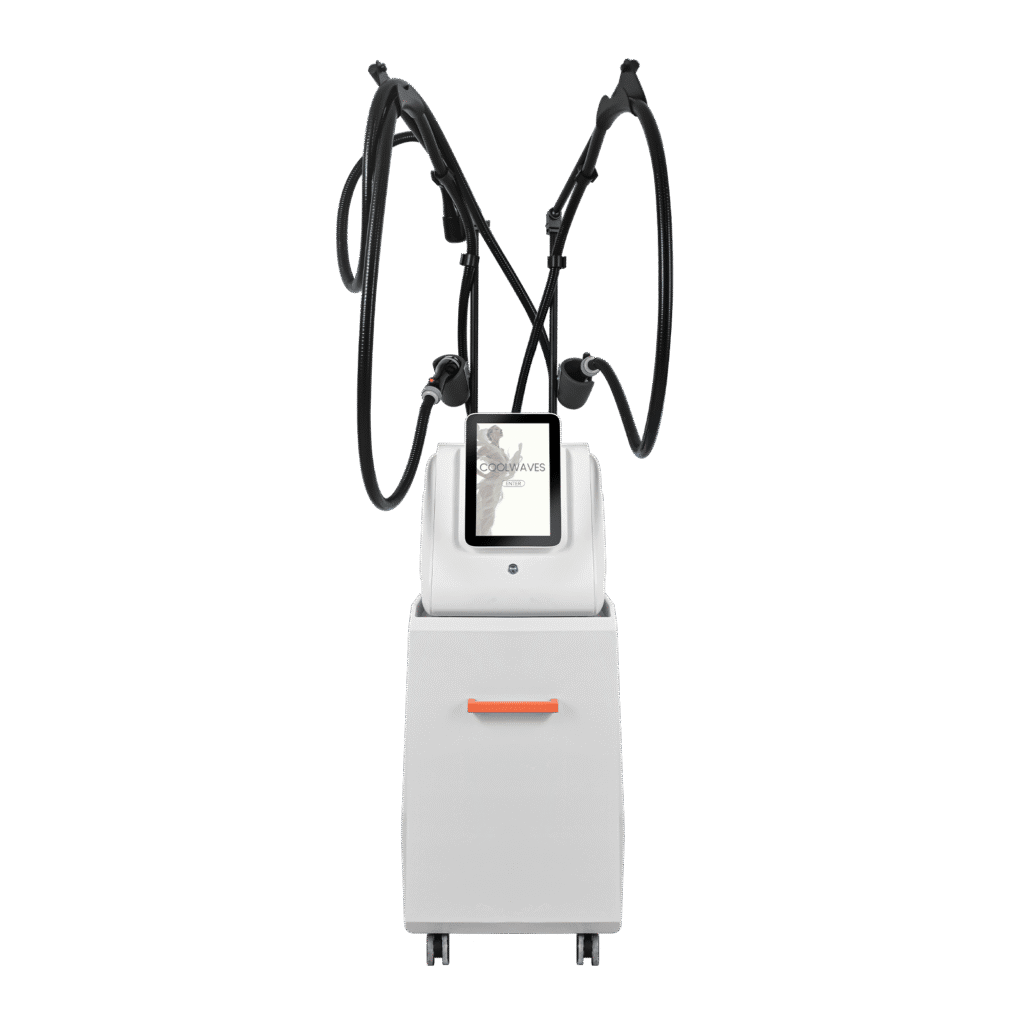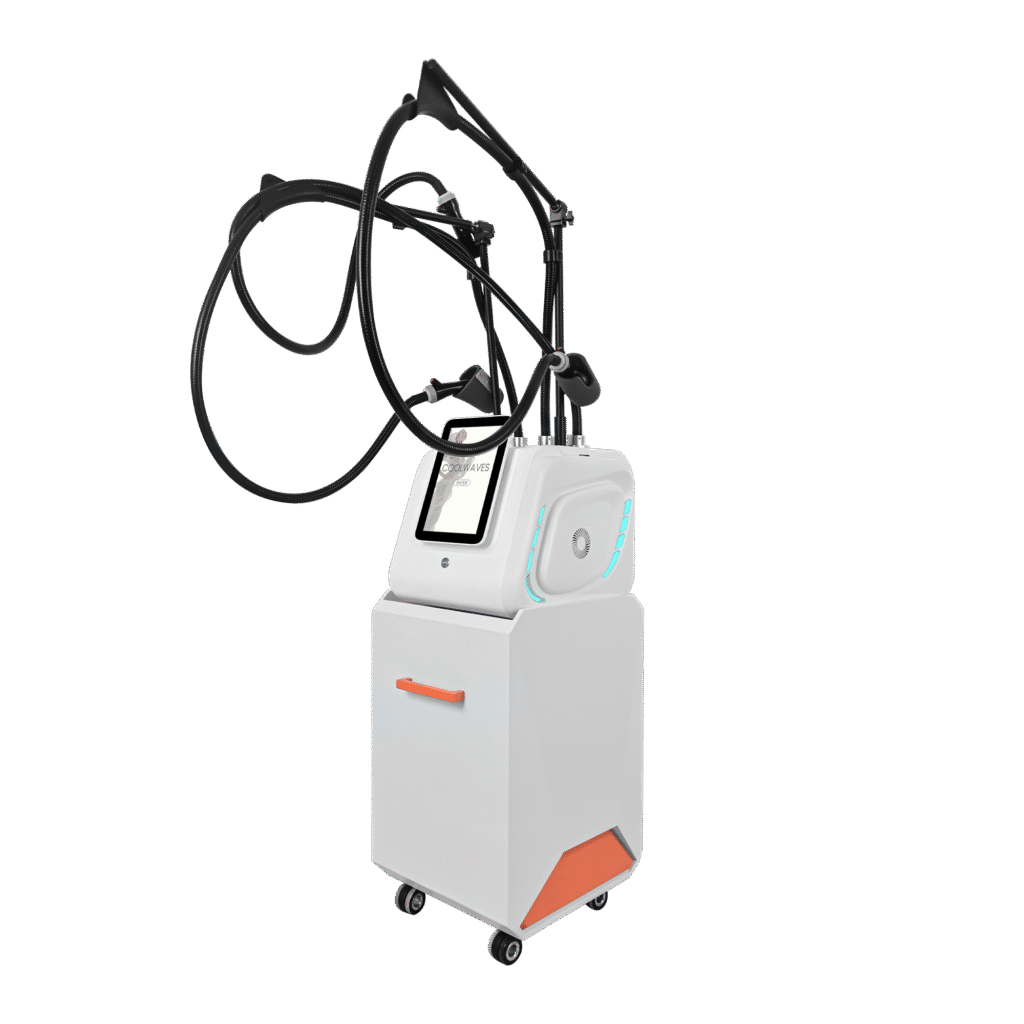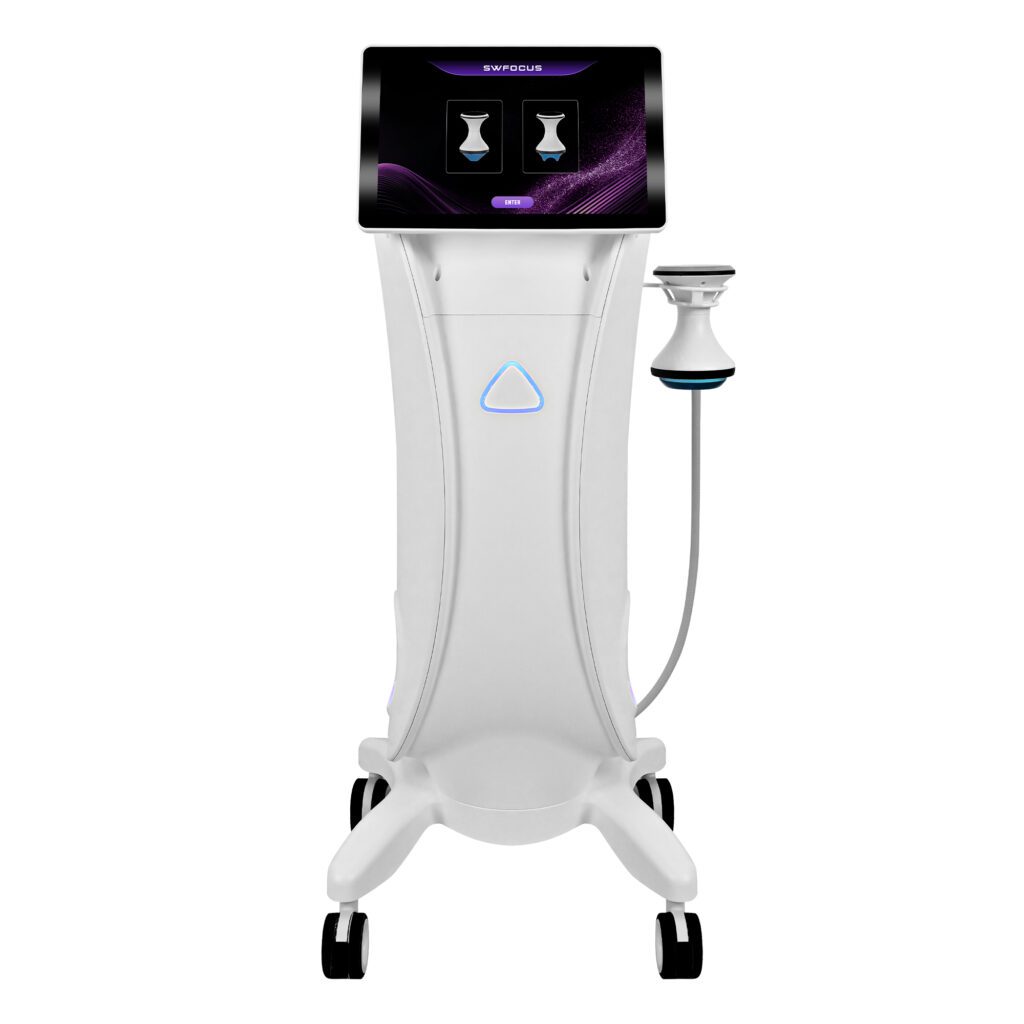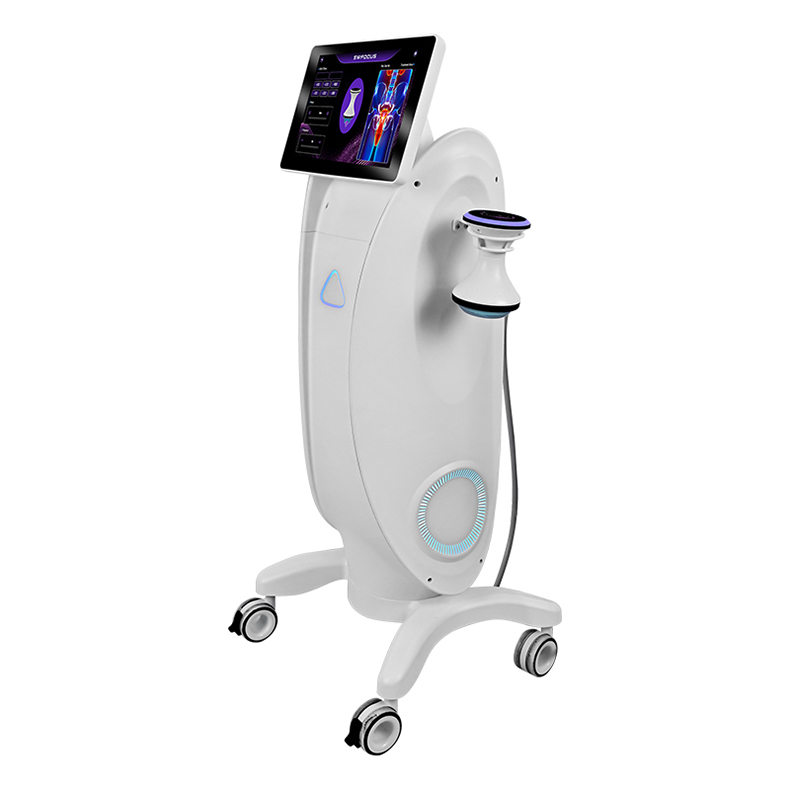
A new beauty device category can look attractive for many reasons. Distributors may request it repeatedly, competitors may display it at trade shows, clinics may add related services, or a factory may see that its existing technology could support an adjacent application. None of those signals alone proves that the category deserves investment.
Entering a category affects more than product design. The factory may need new suppliers, engineering knowledge, test methods, production fixtures, operator training, consumables, replacement parts, service procedures, documentation, and market-specific evidence. It must also decide whether the opportunity fits its buyers and product portfolio well enough to support more than one initial order.
This guide explains how beauty device factories can evaluate category opportunities before placing them on a product roadmap or opening a full development project. It provides a practical framework for evidence, portfolio fit, operational readiness, entry options, decision gates, and SHEFMON product-category examples.
ملخص تنفيذي
A beauty device factory should evaluate a new product category through several connected questions:
- Is the buyer problem clear and repeatable? The opportunity should address a defined treatment, workflow, business, or portfolio need for identifiable buyers.
- Is demand supported by several forms of evidence? Qualified inquiries, quotations, orders, demonstrations, distributor feedback, service-menu adoption, and regional needs are stronger together than a single request.
- What exactly belongs inside the category? Technology, device format, handles, consumables, intended professional setting, and product boundaries must be defined before comparisons are useful.
- Does the category fit the current portfolio and channels? The factory should understand whether the addition fills a gap, creates a useful adjacency, or merely duplicates an existing product role.
- Which capabilities transfer, and which must be built? Engineering, sourcing, testing, production, quality, documentation, training, and after-sales requirements may differ substantially from the current range.
- Can the category be supported through its full lifecycle? Consumables, spare parts, maintenance, compatibility, upgrades, and end-of-life obligations matter alongside the initial machine.
- Which entry path limits uncertainty? The factory may test demand with an existing platform, a controlled variant, an OEM/ODM project, a partner solution, a limited pilot, or a new product program.
- What evidence would cause a go, hold, revise, or stop decision? Decision criteria should be agreed before excitement or sunk cost influences the result.
The purpose of category evaluation is not to predict the future perfectly. It is to make uncertainty visible, compare the opportunity with other uses of factory resources, and select an entry path that produces reliable evidence.
1. What Is a New Product Category Opportunity?
A category opportunity is a proposal to serve a distinct group of buyer needs with a product family, technology, or application area that the factory does not currently support in a controlled and commercially repeatable way.
قد يشمل ذلك ما يلي:
- a new treatment or service application;
- a different technical principle;
- a new professional buyer type;
- a new device format or price position;
- a category with its own handles, consumables, and support system;
- entry into a regional segment; or
- a platform that connects several related service roles.
Adding one handle or color option does not normally create a new category. Conversely, a device that looks similar to an existing product may represent a new category if it introduces different operating risks, supply requirements, test methods, buyer expectations, or after-sales responsibilities.
2. Category Evaluation Comes before Product Development
Category evaluation answers whether and how the factory should enter an opportunity. Product development answers how an approved concept will be engineered and released.
The category decision should establish:
- target buyer and use case;
- size and quality of the evidence base;
- category boundaries;
- portfolio role;
- capability fit and gaps;
- likely entry path;
- major risks and dependencies;
- information needed for a decision; and
- criteria for proceeding or stopping.
Only after the opportunity passes this review should a specific concept move into detailed requirements, prototypes, verification, pilot production, and production release.
3. Recognize the Signals That Start an Evaluation
Factories can open a category review when several credible signals appear, such as:
- repeated qualified distributor inquiries;
- lost quotations because a category is missing;
- current buyers expanding into a related service;
- strong demonstration interest that converts into concrete requirement discussions;
- frequent requests for a product bundle that the current range cannot complete;
- installed-base customers asking for an adjacent device;
- regional teams identifying a persistent portfolio gap;
- service or consumable patterns revealing a related need;
- existing engineering capabilities that could serve another application; or
- supplier and technology developments that change feasibility.
An increase in casual website inquiries can be useful, but it should not be treated as confirmed demand until the factory understands buyer type, budget, setting, intended services, timing, and decision readiness.
4. Build an Evidence Stack Instead of Relying on One Signal
Different sources answer different questions.
| Evidence source | What it can reveal | Limitation to control |
|---|---|---|
| Distributor interviews | Regional buyer needs, objections, service-menu gaps | May reflect one channel’s current accounts |
| Qualified inquiries | Buyer profile, intended use, timing, requested configuration | Inquiry volume may not convert into orders |
| Quotation history | Considered models, options, target budgets, lost decisions | Quotations may repeat the same unqualified lead |
| Orders and deposits | Stronger purchase evidence | Early orders may not show repeatability |
| المظاهرات | Workflow questions, comparison criteria, user reactions | Positive interest may not survive technical or commercial review |
| Installed-base data | Current buyers, configuration patterns, upgrade paths | Existing buyers may differ from the new category’s audience |
| Service and support records | Reliability expectations, maintenance burden, training gaps | Historical issues may not transfer to another technology |
| Competitor and channel observation | Product formats, positioning, portfolio conventions | Visibility does not prove profitability or product quality |
| Supplier and engineering studies | Feasibility, component availability, technical alternatives | Technical possibility does not prove market demand |
The strongest case connects market evidence with operational evidence. A category can have visible demand but remain unattractive if the factory cannot support it reliably. It can also be technically adjacent but commercially weak if buyers do not see a clear reason to purchase it.
5. Create a Category Opportunity Brief
Before scoring the idea, summarize it in a controlled brief. The document should state:
- proposed category name and definition;
- target buyers and countries or regions;
- client concerns or service roles addressed;
- professional setting and operator profile;
- current alternatives;
- expected device formats and configurations;
- necessary handles, accessories, consumables, or cartridges;
- evidence collected and its strength;
- relationship to current products;
- capability gaps;
- market-specific questions;
- preliminary entry options; and
- assumptions that still need testing.
This prevents sales, engineering, and management from evaluating different interpretations of the same category.
6. Define the Buyer Problem before the Technology
Factories often begin with a technical label: diode laser, hydro facial, HIFU, RF microneedling, vacuum roller, or cryolipolysis. A category decision also needs a buyer problem.
ومن الأمثلة على ذلك:
- facial salons need a repeatable cleansing and hydration service platform;
- hair-removal studios need a defined device configuration for their utilization and room setup;
- body studios need a service category that complements existing contouring equipment;
- skin clinics need an advanced treatment pathway with appropriate staff, consultation, consumable, and aftercare systems; or
- distributors need a category that fills a clear gap in their salon or clinic packages.
The buyer problem provides the standard for evaluating product formats. Without it, the factory may compare features while missing whether the category improves the buyer’s actual service menu or business model.
7. Set Clear Category Boundaries
A broad label can hide several different opportunities. “Laser equipment,” for example, may combine technologies, intended applications, operator needs, configurations, and market requirements that should not be evaluated as one project.
Define boundaries through:
- intended application;
- technical principle;
- professional user and setting;
- client workflow;
- device format;
- core and optional functions;
- handles, applicators, and consumables;
- required support level;
- regional scope; and
- الاستثناءات.
A useful category definition is specific enough to guide evidence collection but broad enough to compare alternative product concepts.
8. Test Whether Demand Is Repeatable
Repeatable demand comes from a recognizable buyer pattern rather than one large request. The factory should segment evidence by:
- salon, med spa, skin clinic, body center, or distributor;
- new business, expanding business, or replacement buyer;
- room count and staff capability;
- current service menu;
- target market and language;
- requested device format;
- expected configuration;
- timing and purchasing process; and
- reason for interest or rejection.
The team should also separate curiosity from readiness. A buyer asking for a brochure provides a weak signal. A buyer that describes its service plan, facility, staff, configuration, expected use, and decision process provides stronger evidence even before an order is placed.
9. Evaluate Demand Quality, Not Only Volume
High inquiry volume can be misleading. Factories should ask:
- Do several independent buyers describe the same problem?
- Are the buyers suitable for the professional requirements of the category?
- Do quotations progress toward technical review or order confirmation?
- Are requested configurations reasonably consistent?
- Does the category support repeat business or a clear replacement cycle?
- Are buyers prepared for training, consumables, maintenance, and after-sales needs?
- Is the demand distributed across reliable channels or concentrated in one account?
- Does interest continue after realistic capabilities and responsibilities are explained?
Quality improves when demand remains credible after the factory clarifies what the device can do, what it includes, and what the buyer must provide.
10. Map the Buyer Journey and Service Menu
The factory should understand how the device category enters the buyer’s operation:
- How does the business attract and consult the client?
- Which service need leads to this category?
- What staff role performs the service?
- What room, utilities, preparation, and cleanup are required?
- What appointment duration and workflow does the buyer expect?
- Which consumables or accessories are needed?
- What aftercare and follow-up are involved?
- How does the category complement or overlap current services?
This analysis helps identify whether the opportunity is a core service, a targeted upgrade, an advanced pathway, or a difficult addition that does not fit the buyer’s normal workflow.
11. Evaluate the Route to Market
A factory may serve direct buyers, regional distributors, private-label brands, or mixed channels. Each route changes the category requirements.
Distributors may need:
- a clear category story;
- model and configuration comparisons;
- local demonstration capability;
- quotation-ready product data;
- training separation for sales, operators, and technicians;
- replacement parts and consumables;
- regional language and documentation;
- warranty and escalation procedures; and
- enough product differentiation to avoid price-only competition.
If the existing channel cannot explain, demonstrate, install, or support the category, product availability alone will not create a sustainable launch.
12. Study Alternatives and Substitutes
Competitor review should identify how buyers currently solve the problem. The comparison set may include:
- devices using the same technical principle;
- different technologies serving a similar menu role;
- manual services;
- outsourced treatment arrangements;
- multifunction platforms; and
- the decision to keep the current service menu unchanged.
The team should compare buyer outcomes, workflow, configuration, maintenance, training, support, and ownership demands. Copying a visible competitor feature does not explain why a factory should enter the category or how its offer will be useful.
13. Determine the Category’s Portfolio Role
A category should have a clear job within the product range.
| Portfolio role | Strategic question |
|---|---|
| Entry category | Does it give new salons or distributors a clear first purchase? |
| Core category | Can it support frequent buyer needs and a stable product family? |
| Expansion category | Does it help existing customers add a distinct service? |
| الفئة المتقدمة | Does it serve qualified buyers with more demanding workflows and support needs? |
| Bundle-completion category | Does it complete a facial, hair, body, or clinic package? |
| Regional category | Is demand strong in defined markets but not necessarily global? |
| Technology bridge | Can it connect current engineering platforms to a future product family? |
The factory should identify which existing products gain value from the addition and which may become harder to position.
14. Check for Portfolio Overlap and Cannibalization
A new category can create confusion if it promises the same buyer outcome as current products without a clear distinction.
مراجعة:
- target buyer;
- دور قائمة الخدمة؛;
- client concern;
- device format;
- operator level;
- appointment workflow;
- configuration and consumables;
- price position;
- support needs; and
- upgrade path.
Overlap is not always harmful. Two categories may support the same broad goal through different workflows. The problem arises when sales teams cannot explain which buyer should choose each option.
15. Identify Capability Adjacencies
An adjacent category uses some existing factory capabilities without assuming they transfer automatically. Useful adjacencies may include:
- shared housing or frame principles;
- familiar power or control architecture;
- existing display and user-interface framework;
- related cooling, airflow, vacuum, or fluid knowledge;
- compatible connectors or handle-control methods;
- current suppliers;
- existing test equipment;
- similar assembly skills;
- shared packaging formats; or
- established distributor and service channels.
Adjacency can reduce uncertainty, but the factory must still verify category-specific performance, risk, production, and support requirements.
16. Build a Capability-Gap Map
For every transferable capability, identify what is missing.
| Capability area | Questions for the factory |
|---|---|
| Product knowledge | Does the team understand the buyer workflow and realistic category positioning? |
| Engineering | Are new optical, thermal, electrical, mechanical, software, vacuum, fluid, or energy-control skills required? |
| Supply chain | Which critical components and suppliers are new? |
| جودة | What inspections, aging tests, measurements, and records must be added? |
| Production | Are new tools, fixtures, clean processes, assembly steps, or trained operators needed? |
| الوثائق | What manuals, labels, languages, and compatibility records are required? |
| تمرين | Can sales, operators, and technical teams be trained separately? |
| خدمة | What diagnostics, spare parts, repair skills, and escalation paths are needed? |
| Market access | Which local professional, regulatory, and claims requirements require qualified review? |
The gap map should estimate effort and uncertainty without presenting early assumptions as committed timelines.
17. Evaluate Technical Feasibility at Category Level
Category feasibility is broader than one prototype. The factory should understand the range of product configurations it may need to support.
تتضمن الأسئلة ما يلي:
- Is the technical principle sufficiently understood?
- Which performance variables define a useful product?
- Which components are critical or difficult to source?
- What cooling, power, vacuum, fluid, software, or structural systems are needed?
- Which handles and consumables create configuration complexity?
- What measurements and test methods are required?
- Can the concept be assembled and serviced consistently?
- Which failure modes require early investigation?
- Can a platform support more than one viable model?
The result may be a feasibility study, supplier investigation, experimental build, or decision to partner rather than immediately develop a standard product.
18. Assess Supply-Chain Readiness
New categories can depend on unfamiliar high-value components, specialized consumables, or single-source parts. The factory should review:
- supplier capability and continuity;
- component specifications;
- sample and qualification needs;
- lead times;
- minimum purchasing conditions;
- incoming inspection;
- storage and shelf-life requirements;
- traceability;
- approved substitution process;
- replacement availability; and
- exposure to component obsolescence.
A commercially attractive category can become difficult to support if the factory cannot control the parts that determine performance and serviceability.
19. Assess Manufacturing and Test Readiness
The factory should determine whether the category needs:
- different assembly areas or environmental controls;
- new production skills;
- specialized tooling or fixtures;
- software loading and version checks;
- calibration or measurement equipment;
- additional aging or functional tests;
- new final-inspection criteria;
- packaging validation;
- rework procedures; or
- expanded serial and component traceability.
شيفمن quality-control process describes raw-material testing, precision-parts assembly, circuit-board aging and power testing, functional aging, and prototype inspections. When considering another category, a factory should ask which current controls apply and which new controls the product would require.
20. Review Quality, Risk, and Market Requirements Early
The category’s intended application, technology, user, claims, and destination markets influence the required evidence. The factory should involve qualified specialists before committing to a product or sales date.
The review should consider:
- intended professional setting;
- operator qualifications and training;
- foreseeable setup and use errors;
- electrical, thermal, optical, mechanical, vacuum, fluid, or software risks as applicable;
- client consultation and contraindication information;
- cleaning, maintenance, and consumable handling;
- labels, warnings, manuals, and claims;
- testing and documentation expectations; and
- country-specific market access requirements.
An opportunity that fits one region or buyer type may require a different product, evidence package, or channel in another.
21. Estimate the After-Sales Burden
After-sales readiness can change the value of a category. The factory should estimate:
- installation and setup needs;
- operator and distributor training;
- remote diagnostic capability;
- common replacement items;
- preventive maintenance;
- expected repair skills;
- service tools;
- warranty exposure;
- loan-unit or backup expectations;
- escalation path; and
- documentation required for regional teams.
A category that produces attractive initial orders but consumes disproportionate technical support may not fit the current organization.
22. Map Consumables and Recurring Components
Consumables can strengthen a category relationship, but they also create obligations. The factory needs a controlled plan for:
- tips, needles, cartridges, filters, bottles, gels, or other recurring items;
- compatibility by model and version;
- identifiers and packaging;
- supply continuity;
- storage and shelf life where relevant;
- usage assumptions;
- reorder planning;
- distributor stocking;
- replacement guidance; and
- transition when a component changes or ends.
The evaluation should include the full installed-base commitment, not only the expected revenue from the first device shipment.
23. Test Channel and Training Readiness
A category may require separate preparation for three audiences:
- Sales teams need buyer qualification, category positioning, configuration boundaries, and comparison guidance.
- المشغلون need setup, workflow, cleaning, routine checks, records, and appropriate use instructions.
- Technical teams need diagnostics, parts, software versions, maintenance, repair, and escalation procedures.
If a distributor network is strong in basic facial equipment but has limited support for advanced systems, the factory may need a narrower launch, selected partners, or a different first product.
24. Build a Financial Case without Unsupported Precision
The financial evaluation should make assumptions visible. It may consider:
- expected qualified demand scenarios;
- development and verification work;
- tooling, fixtures, and test equipment;
- supplier qualification and initial inventory;
- documentation and training;
- demonstration units;
- launch and channel enablement;
- warranty and service preparation;
- spare parts and consumables;
- working capital;
- likely price range and margin scenarios; and
- cost of delaying other roadmap work.
Early estimates should be shown as ranges or scenarios when inputs remain uncertain. A precise forecast built on weak demand or cost assumptions can make the decision look more reliable than it is.
25. Compare Base, Upside, and Downside Scenarios
Scenario planning helps the factory test the opportunity under different conditions.
| سيناريو | Questions to test |
|---|---|
| الحالة الأساسية | What happens if qualified demand, cost, lead time, and support needs follow the current evidence? |
| Upside case | Can supply, production, channel, and service scale if adoption is stronger than expected? |
| Downside case | What is the exposure if orders are slower, components cost more, or support is heavier? |
| Delay case | What changes if engineering, market access, or a critical component takes longer? |
| Exit case | Can the factory stop with limited inventory and support existing units responsibly? |
This analysis should guide the entry path and pilot size, not merely produce an optimistic sales number.
26. Choose the Right Category-Entry Path
| Entry path | When it may fit | Main control needed |
|---|---|---|
| Add an existing proven model | Category fits buyers and factory can verify the complete supply and support package | Product, supplier, quality, configuration, and service approval |
| Extend a current platform | Shared architecture can serve a distinct new role | Change impact and category-specific verification |
| Create a regional variant | Evidence is concentrated in defined markets | Version, documentation, claims, and regional availability control |
| Run an OEM/ODM project | A qualified buyer has a clear need and responsibilities can be agreed | Scope, ownership, samples, approvals, and future-use rules |
| Partner or co-develop | Critical capability sits outside the factory | Interface, quality, intellectual-property, supply, and support responsibilities |
| Develop a new platform | Opportunity is strategic and current architecture cannot serve it | Full requirements, engineering, validation, transfer, and lifecycle plan |
| Monitor without entering | Evidence or capability fit remains weak | Defined learning questions and review date |
The best path is the one that answers the most important uncertainties without creating uncontrolled products or commitments.
27. Use a Weighted Category Scorecard
A scorecard creates a common discussion, but it should not replace judgment. Suggested dimensions include:
- strength and independence of market evidence;
- clarity of buyer problem;
- portfolio role;
- channel fit;
- technical adjacency;
- capability gaps;
- supply-chain control;
- manufacturing and test readiness;
- quality and risk complexity;
- market-access uncertainty;
- service and training burden;
- consumable and installed-base obligations;
- financial resilience across scenarios; and
- opportunity cost against other projects.
Weights should reflect factory strategy. A category with attractive demand may still score poorly if its risk, support, or supply requirements do not fit available capabilities.
28. Make Assumptions and Unknowns Visible
The evaluation team should maintain an assumption log. Each entry should state:
- assumption;
- reason it matters;
- current evidence;
- مستوى الثقة؛;
- مالك؛;
- action needed to test it;
- due point in the review; and
- decision affected if it proves false.
Examples include expected buyer type, preferred device format, availability of a critical component, distributor training capacity, repeat consumable demand, or regional documentation needs.
29. Use Stage Gates for the Category Decision
| Gate | Decision question | النتيجة المحتملة |
|---|---|---|
| Signal review | Is there enough credible evidence to investigate? | Stop, monitor, or open evaluation |
| Category definition | Are buyer, application, boundaries, and alternatives clear? | Revise scope or proceed |
| الملاءمة الاستراتيجية | Does the opportunity have a useful portfolio and channel role? | Reject, hold, or continue |
| Capability review | Can gaps be closed at acceptable effort and risk? | Study, partner, narrow, or proceed |
| Entry-case review | Is there a defensible path and scenario-based business case? | Approve a test, defer, or stop |
| Concept authorization | Is a specific product concept ready to enter development? | Fund concept work with defined limits |
Each gate should identify required evidence, decision authority, unresolved conditions, and the next investment limit.
30. Evaluate Facial-System Opportunities with A0648
ال نظام التقشير المائي الدقيق A0648 9 في 1 represents a multifunction facial platform positioned around cleansing, exfoliation, extraction, and hydration roles.
When evaluating a facial category, a factory can examine:
- whether buyers need a core facial platform or a specialized add-on;
- expected function and handle combinations;
- room footprint and storage;
- vacuum and fluid-path capability;
- tips, bottles, solutions, and replacement items;
- cleaning and changeover workflow;
- operator learning requirements;
- overlap with existing facial devices; and
- distributor ability to demonstrate a complete facial service.
This category may fit salons and facial studios more naturally than categories requiring a different professional setting, but the exact suitability still depends on product configuration, local requirements, and operator preparation.
31. Evaluate Hair-Removal Opportunities with A0426
ال A0426 diode laser hair-removal system page presents wavelength selections of 755, 810, 940, and 1064 nm, several spot-size listings, cooling, and multiple interface languages.
Category evaluation should consider:
- buyer and regional demand for specific wavelength configurations;
- expected utilization and cooling needs;
- handpiece and spot-size preferences;
- room, power, setup, and protective requirements;
- sales and operator training;
- service skills and replacement components;
- configuration control across quotations and production; and
- local professional and market-access requirements.
The opportunity is not simply “sell laser machines.” The factory must decide which controlled product role and configuration it can support through the intended channel.
32. Evaluate Body-Platform Opportunities with B0155
ال B0155 سطح المكتب Endos Velapro combines listed roles for vacuum rolling, radio frequency, rotating massage, and 80K cavitation within a desktop body-care platform.
For a body-device category, the factory should review:
- service roles buyers want to combine;
- handle package and workflow;
- operator movement and storage;
- cleaning and changeover;
- overlap with existing cavitation, RF, vacuum, or contouring products;
- service differentiation for salons and body studios;
- training across multiple functions; and
- support burden created by more handles and accessories.
A multifunction concept may improve portfolio coverage, but it can also make positioning and support more complex if the included roles are not clearly defined.
33. Evaluate Advanced Categories with A0204 and A0152
Advanced categories require careful alignment between buyer type, staff preparation, device configuration, consumables, consultation, records, training, and local requirements.
ال نظام A0204 9D/7D HIFU المركّز provides an example of a platform in which cartridge and handpiece architecture, consumable planning, interface workflow, and configuration boundaries affect the opportunity.
ال نظام الوخز بالإبر الدقيقة بترددات الراديو A0152 illustrates another category where tip selection, consumable supply, infection-control workflow, operator competency, records, aftercare information, and technical support must be evaluated together.
Demand from ordinary salons should not automatically be treated as proof that an advanced category fits that channel. The factory and distributor must assess the professional environment and applicable local requirements.
34. Test the Opportunity before a Full Commitment
The factory can design a limited learning plan around the largest uncertainties. Possible activities include:
- structured distributor interviews;
- analysis of qualified inquiries and lost quotations;
- concept comparisons with defined buyer profiles;
- controlled demonstrations;
- supplier and component studies;
- technical feasibility builds;
- serviceability review;
- regional requirements review;
- a small number of clearly governed OEM/ODM projects; or
- a limited market pilot with defined success and stop criteria.
The test should produce evidence for a decision. Collecting general positive feedback without recording who responded, what they would buy, and under what conditions is not enough.
35. Define Stop, Hold, and Revision Criteria
A responsible factory decides in advance what would weaken the case. Examples include:
- demand remains concentrated in one uncommitted buyer;
- buyer requirements conflict across target markets;
- the category duplicates an existing product without a clear role;
- critical components cannot be controlled;
- test or service requirements exceed available capability;
- the intended channel cannot support the product responsibly;
- required evidence or market access is not feasible within the strategy;
- downside exposure is too high; or
- a different category produces stronger buyer value with lower complexity.
Stopping or narrowing a weak opportunity protects resources for better projects. The evidence and decision rationale should remain available for future review.
36. Establish Cross-Functional Ownership
Category decisions need several perspectives:
- market and distributor teams own buyer evidence;
- product management owns category definition and portfolio role;
- engineering owns technical feasibility and capability gaps;
- quality owns control and verification implications;
- sourcing owns suppliers and component continuity;
- production owns process, equipment, skills, and capacity implications;
- service owns repair, spares, training, and installed-base obligations;
- finance supports scenario assumptions; and
- authorized leadership decides resource allocation and entry limits.
A single department can propose an opportunity, but it should not approve the full case without the teams that will build and support it.
37. Common Category-Evaluation Errors
- Treating a competitor launch as proof of buyer demand.
- Counting every inquiry as an equally qualified opportunity.
- Defining the category too broadly to compare realistic concepts.
- Starting with a technology instead of a buyer problem.
- Assuming existing factory controls cover an unfamiliar product.
- Ignoring distributor demonstration and service capability.
- Evaluating the machine while overlooking consumables and replacement parts.
- Using one optimistic forecast instead of scenarios.
- Hiding assumptions inside financial calculations.
- Promising a product before capability and market requirements are reviewed.
- Entering a category that duplicates the current portfolio without clear positioning.
- Continuing because money has already been spent rather than because evidence improved.
38. New Beauty Device Category Evaluation Checklist
- The category has a clear buyer problem, professional setting, and boundary.
- Evidence combines distributor, inquiry, quotation, order, demonstration, installed-base, service, and technical sources where available.
- Demand is segmented by buyer, region, configuration, timing, and readiness.
- The category has a defined role in the current product portfolio.
- Overlap with existing products and alternative solutions is understood.
- Transferable capabilities and capability gaps are recorded separately.
- Supply, production, quality, testing, documentation, training, and service needs are assessed.
- Consumables, spare parts, compatibility, and installed-base obligations are included.
- Base, upside, downside, delay, and exit scenarios are considered.
- Entry options are compared instead of assuming a new platform is required.
- Assumptions have owners and learning actions.
- Go, hold, revise, and stop criteria are agreed before full development begins.
التعليمات
1. What is the first question a factory should ask about a new beauty device category?
It should ask which defined buyer problem the category would solve. Technology interest and competitor activity become useful only when connected to an identifiable application, workflow, professional setting, and purchase reason.
2. How much market evidence is enough to evaluate a category?
There is no universal number. The factory should seek several independent and traceable sources, then judge their quality, consistency, buyer readiness, regional relevance, and relationship to actual quotations or orders.
3. Does repeated distributor interest prove the factory should enter?
It justifies investigation, not automatic entry. The team must confirm the buyers behind the requests, expected configurations, route to market, support capability, commercial assumptions, and operational fit.
4. How can a factory tell whether a category fits its portfolio?
The category should have a clear buyer and service-menu role, strengthen useful bundles or upgrade paths, and remain distinguishable from existing products. It should also fit the channels that will explain and support it.
5. What makes a category adjacent to current factory capabilities?
Adjacency may come from shared engineering principles, components, suppliers, user-interface systems, production skills, test equipment, packaging, buyers, or service channels. Every category-specific difference still needs review.
6. Should a factory build a new platform for every category opportunity?
No. It can compare an existing approved model, current-platform extension, regional variant, OEM/ODM project, partnership, limited pilot, or full new platform. The entry path should match the uncertainty and strategic value.
7. Why are consumables important in category evaluation?
They affect compatibility, inventory, recurring supply, buyer training, distributor stocking, installed-base support, and product changes. A weak consumable plan can damage an otherwise attractive category.
8. How should factories evaluate categories for different markets?
Segment evidence by country or region and review professional setting, language, electrical configuration, documentation, channel capability, claims, and applicable market-access requirements with qualified specialists.
9. What should make a factory stop a category study?
Examples include weak repeatable demand, uncontrolled critical components, poor channel fit, excessive support burden, unresolved market-access issues, unclear portfolio role, or a stronger alternative use of resources.
10. How can distributors propose a new product category to SHEFMON?
Provide buyer profiles, intended applications, current alternatives, requested product format, configurations, expected order context, service and training capabilities, regional requirements, and evidence from qualified inquiries. Then اتصل بشيفمون to discuss whether the opportunity fits an existing category, controlled configuration, OEM/ODM project, or further study.
خاتمة
Beauty device factories should evaluate a new category as a complete business and operating system. Demand matters, but so do portfolio role, engineering adjacency, supplier control, manufacturing tests, quality requirements, channel readiness, training, consumables, service, and long-term installed-base support.
A strong evaluation defines the buyer problem, combines independent evidence, exposes assumptions, compares entry paths, and sets decision gates before full development begins. This approach helps a factory enter categories that it can build, explain, deliver, and support consistently.
Review the current مجموعة أجهزة التجميل من شيفمون, learn about SHEFMON OEM/ODM capabilities، أو اتصل بشيفمون with a structured category opportunity brief.