








مقدمة
يطرح العديد من موزعي معدات التجميل سؤالاً عملياً:
هل تفضل صالونات التجميل معدات التجميل المستوردة أم المحلية؟
الجواب الصادق هو:
لا توجد تفضيلات واحدة تنطبق على جميع الصالونات.
لا تزال بعض الصالونات تثق بالأجهزة المستوردة لارتباطها بالتكنولوجيا المتقدمة، والعلامة التجارية المرموقة، والوثائق الموثوقة، وثقة العملاء العالية. بينما تفضل صالونات أخرى المعدات المحلية لأنها أقل تكلفة، وأسهل في الصيانة، وأسرع في الإصلاح، وأكثر عملية للاستخدام اليومي.
منطق الشراء يتغير.
في الماضي، كانت المنتجات "المستوردة" تحمل في كثير من الأحيان صورة مميزة في العديد من الأسواق. وكان بعض أصحاب الصالونات يعتقدون أن العلامات التجارية الأجنبية تعني بالضرورة جودة أفضل. وفي الوقت نفسه، كانت المنتجات المحلية تُعتبر أحيانًا بدائل أقل تكلفة.
اليوم، أصبح هذا التقسيم البسيط أضعف.
يتزايد عدد الصالونات التي تقارن المعدات من خلال قيمتها التجارية:
- هل يدعم الجهاز خدمات حقيقية؟
- هل يستطيع العملاء فهم العلاج ودفع ثمنه؟
- هل الجهاز مستقر؟
- هل يفي بالمتطلبات المحلية؟
- هل التدريب واضح؟
- هل قطع الغيار متوفرة؟
- ما مدى سرعة خدمة ما بعد البيع؟
- هل يستطيع الصالون استرداد استثماره؟
- هل تساعد الآلة في تعزيز مكانة العلامة التجارية للصالون؟
بالنسبة للموزعين، هذا يعني أن الحوار لا ينبغي أن يقتصر فقط على "المنتجات المستوردة مقابل المنتجات المحلية".“
السؤال الأفضل هو:
ما هو مصدر المعدات الذي يوفر للصالون أفضل مزيج من الثقة والأداء والدعم والامتثال وعائد الاستثمار؟
أولاً، عرّف مصطلحي "مستورد" و"محلي".“
يعتمد معنى مصطلحي "مستورد" و"محلي" على سوق المشتري.
بالنسبة لصالون في أوروبا أو الولايات المتحدة أو الشرق الأوسط أو أمريكا اللاتينية، قد تكون الآلة المصنعة في الصين جهازًا مستوردًا. أما بالنسبة لصالون في الصين، فقد تكون نفس الآلة من المعدات المحلية.
بالنسبة للموزع في بلد واحد، قد تعني كلمة "محلي" ما يلي:
- مصنع محلي
- علامة تجارية محلية خاصة
- موزع محلي لديه مخزون
- مورد إقليمي يقدم خدمة محلية
قد تعني كلمة "مستورد" ما يلي:
- علامة تجارية عالمية فاخرة
- جهاز مصنّع في الخارج
- آلة مباشرة من المصنع من الصين أو كوريا أو أوروبا أو الولايات المتحدة
- منتج مستورد من قبل موزع محلي
- منتج من إنتاج الشركة المصنعة الأصلية أو الشركة المصنعة للتصميم الأصلي يباع تحت علامة تجارية محلية
لأن التعريف يتغير باختلاف السوق، فإن الصالونات لا تحكم فقط بناءً على بلد المنشأ.
إنهم يحكمون بناءً على القيمة المتصورة.
على سبيل المثال، قد يجد صالون تجميل جهازًا صيني الصنع جذابًا إذا كان يتمتع بأداء جيد، وضمان، وقطع غيار، ودعم من الموزعين. وقد يختار صالون آخر علامة تجارية أوروبية أو أمريكية لأن قاعدة عملائه تتوقع مستوىً متميزًا في مجال الخدمات الطبية والتجميلية. أما صالون ثالث فقد يختار علامة تجارية محلية لأن الخدمة أسرع والتمويل أسهل.
الأصل مهم، لكنه ليس سوى جزء واحد من القرار.
لا تزال المعدات المستوردة تحظى بجاذبية قوية في بعض القطاعات.
لا تزال المعدات المستوردة جذابة في العديد من الأسواق، وخاصة في قنوات المنتجات المتميزة أو الطبية التجميلية.
ويرجع ذلك إلى أن الآلات المستوردة قد تحمل العديد من المزايا في ذهن المشتري.
1. صورة العلامة التجارية المتميزة
تستخدم بعض الصالونات ومراكز التجميل الطبية معدات مستوردة لدعم مكانتها المتميزة.
قد يعتقد عملاؤهم أن الأجهزة من العلامات التجارية العالمية المعروفة أكثر تطوراً وأماناً واحترافية. وحتى عندما لا يكون الفرق الفعلي في الأداء واضحاً لكل عميل، فإن الصورة الذهنية للعلامة التجارية قد تبرر ارتفاع أسعار الخدمات.
وهذا الأمر مهم بشكل خاص لما يلي:
- منتجعات طبية فاخرة
- عيادات التجميل ذات الصلة بالأمراض الجلدية
- مراكز مكافحة الشيخوخة المتميزة
- منتجعات صحية فاخرة في الفنادق
- عيادات تخدم العملاء ذوي الدخل المرتفع
- صالونات تسوق لنفسها على أنها مراكز تكنولوجيا متقدمة
بالنسبة لهؤلاء المشترين، فإن الجهاز ليس مجرد أداة علاجية.
كما أنها إشارة ثقة.
يجوز للصالون استخدام اسم العلامة التجارية في الاستشارات والإعلانات وعرض الغرف وتسعير الخدمات.
2. الريادة التكنولوجية المتصورة
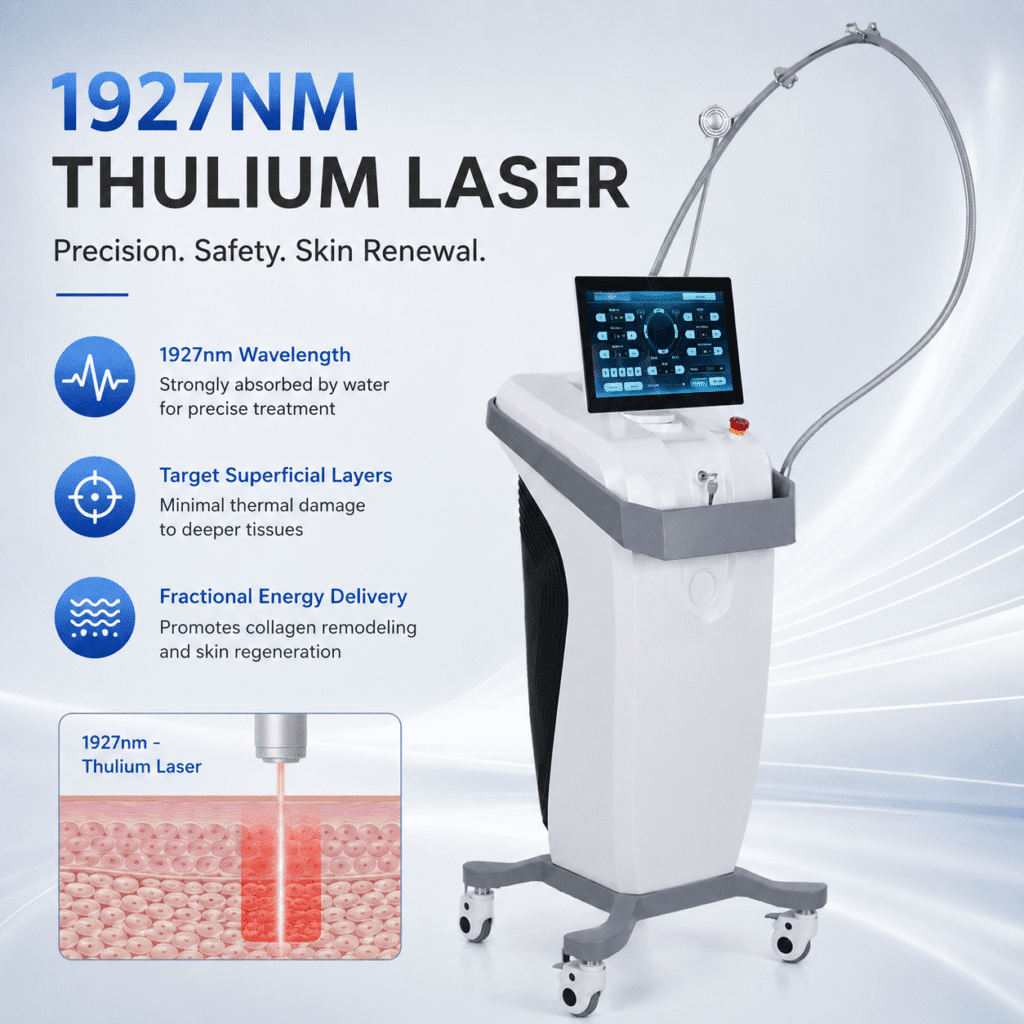
تتمتع بعض العلامات التجارية المستوردة بتاريخ طويل في تقنيات الليزر، والترددات الراديوية، والموجات فوق الصوتية، ونحت الجسم، أو علاج البشرة.
وهذا يمنح المشترين الثقة.
قد يفضل الصالون استخدام جهاز مستورد في الحالات التالية:
- فئة العلاج متقدمة
- السوق المحلي يتعرف بالفعل على العلامة التجارية
- يحتوي الجهاز على وثائق سريرية أو تقنية قوية
- يرغب المشتري في تقليل المخاطر المتصورة
- يرغب الصالون في التميز عن المنافسين ذوي التكلفة المنخفضة
وهذا أمر شائع في فئات مهنية مثل:
- إزالة الشعر بالليزر
- ليزر البيكو ثانية
- ليزر ثاني أكسيد الكربون الجزئي
- الوخز بالإبر الدقيقة بترددات الراديو
- أنظمة الموجات فوق الصوتية المركزة عالية الكثافة (HIFU)
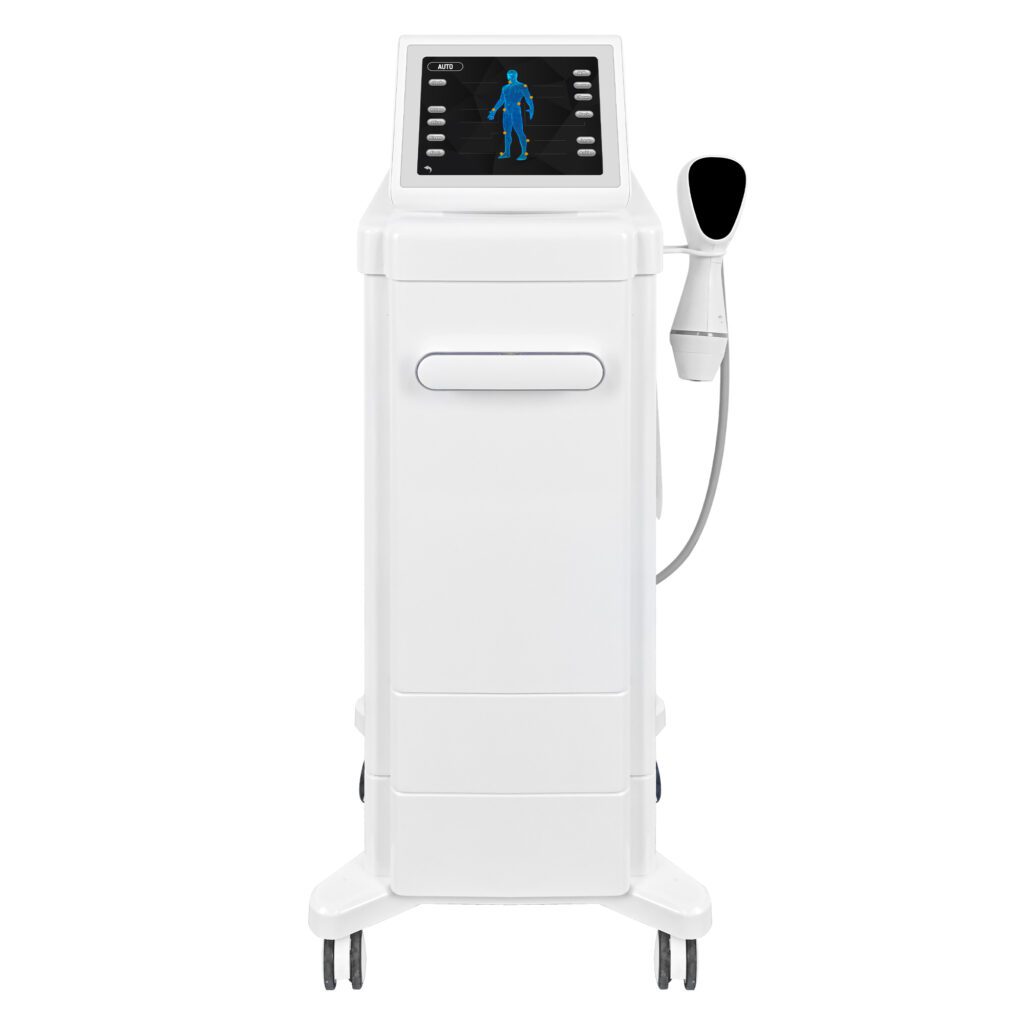
- منصات نحت الجسم
- أجهزة شد الجلد
يمكن أن تكون المعدات المستوردة جذابة بشكل خاص عندما تكون نقطة البيع الرئيسية للصالون هي الخبرة والسلامة والخدمة المتميزة.
3. توثيق أقوى وثقة تنظيمية أكبر
في الأسواق الخاضعة للتنظيم، تُعدّ الوثائق مهمة.
قد توفر العلامات التجارية الفاخرة المستوردة ما يلي:
- شهادات المنتج
- أدلة المستخدم
- معلومات سريرية أو معلومات عن الأداء
- وثائق السلامة
- تدريب الموزعين
- التسجيل التنظيمي في أسواق معينة
- معلومات تصنيع قابلة للتتبع
- عمليات دعم ما بعد التسويق
هذا من شأنه أن يجعل المشترين يشعرون بمزيد من الأمان.
لكن هذه الميزة ليست تلقائية.
بعض المنتجات المستوردة تتمتع بوثائق قوية، بينما لا تتمتع منتجات أخرى بذلك. وقد يقدم بعض المصنّعين المحليين أيضاً وثائق ممتازة، خاصةً إذا كانوا يصدرون منتجاتهم إلى أسواق خاضعة للرقابة.
القضية الحقيقية ليست بلد المنشأ.
تكمن المشكلة الحقيقية فيما إذا كان بإمكان المورد تقديم وثائق موثوقة ومناسبة للسوق.
4. تسعير مميز أسهل لبعض الخدمات
بالنسبة للعلاجات باهظة الثمن، يمكن أن تؤثر العلامة التجارية للمعدات على التسعير.
إذا تعرف العملاء على العلامة التجارية للجهاز أو وثقوا بها، فقد يجد الصالون أنه من الأسهل فرض أسعار مميزة.
قد ينطبق هذا على:
- علاجات الليزر المتقدمة
- تجديد البشرة الاحترافي
- برامج الوخز بالإبر الدقيقة بترددات الراديو
- خدمات نحت الجسم المتميزة
- علاجات مكافحة الشيخوخة
- قوائم خدمات التجميل الطبية
بالنسبة لهؤلاء المشترين، قد تكون المعدات المستوردة جزءًا من استراتيجية أوسع للعلامة التجارية.
لا يقتصر سؤال الصالون على "هل يمكن لهذه الآلة أن تعمل؟"“
وهو يسأل:
هل يمكن لهذه الآلة أن تساعدني في بيع خدمة مميزة بثقة؟
أصبحت المعدات المحلية أو الموردة محلياً أكثر تنافسية
أصبحت المعدات المنزلية والآلات الموردة محلياً أكثر جاذبية في العديد من الأسواق.
هذا لا يعني فقط منتجات أرخص.
وهذا يعني أن الصالونات تُولي أهمية أكبر للعمليات العملية.
1. أداء أفضل من حيث التكلفة
لا يزال السعر مهماً.
لا تستطيع العديد من صالونات التجميل تحمل تكلفة الأجهزة المستوردة باهظة الثمن، خاصة عند افتتاح مشروع تجاري جديد أو إضافة فئة خدمة جديدة.
قد توفر المعدات المحلية أو تلك التي يتم شراؤها مباشرة من المصنع ما يلي:
- تكلفة شراء أقل
- خيارات منتجات أكثر مرونة
- مخاطر دخول أقل
- هامش ربح أفضل للموزعين
- توسيع أسرع للمحفظة الاستثمارية
- أوامر اختبار أسهل
- قطع غيار بأسعار معقولة
بالنسبة للصالونات الصغيرة والمتوسطة الحجم، قد يكون هذا الأمر حاسماً.
لا يشترط أن تكون الآلة هي الخيار الأغلى ثمناً لتكون استثماراً تجارياً ناجحاً، بل يكفي أن تدعم الخدمات التي يمكن للصالون بيعها بربح.
إذا كانت الآلة محلية الصنع أو المصنعة مباشرة من المصنع توفر أداءً مستقراً ودعماً قوياً، فقد تكون أكثر جاذبية من جهاز مستورد باهظ الثمن بالنسبة لقاعدة عملاء الصالون.
2. خدمة ما بعد البيع أسرع
يُعد دعم ما بعد البيع أحد أهم الأسباب التي تدفع الصالونات إلى اختيار المعدات المحلية أو الموردة محلياً.
تشعر الصالونات بالقلق حيال فترات التوقف عن العمل.
إذا توقفت الآلة عن العمل، فقد يفقدون المواعيد، أو يستردون قيمة الطرود، أو يخيبون آمال العملاء.
قد يقدم الموردون المحليون أو المحليون ما يلي:
- استجابة أسرع من الفنيين
- قطع غيار محلية
- تسهيل التواصل بشأن الإصلاح
- دعم اللغة المحلية
- وقت شحن أقصر
- تسهيل إجراءات الضمان
- خدمة في الموقع متوفرة في بعض الأسواق
- قطع يدوية قابلة للاستبدال بشكل أسرع
بالنسبة للعديد من أصحاب الصالونات، يُعد هذا الدعم العملي أكثر أهمية من اسم العلامة التجارية الشهيرة.
وينطبق هذا بشكل خاص على المعدات المستخدمة يوميًا، مثل:
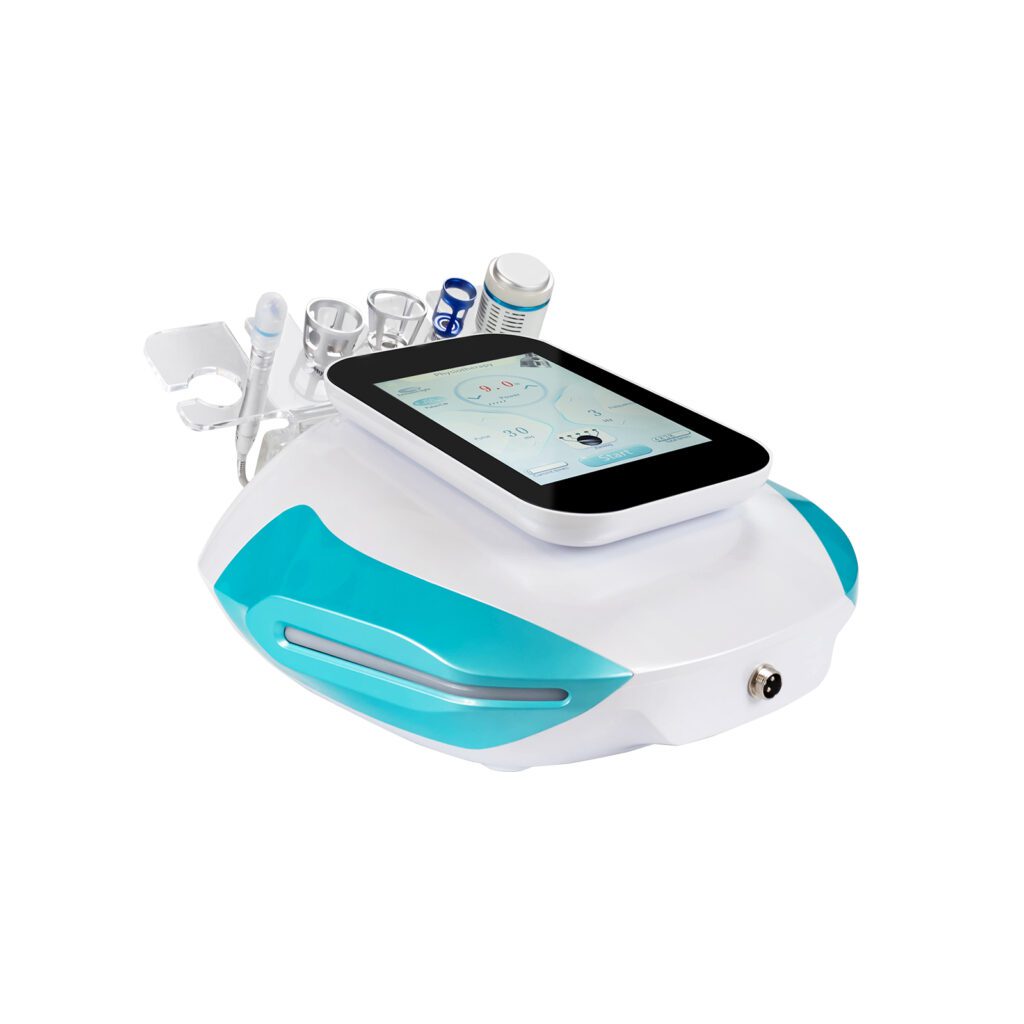
- أجهزة هيدرا للوجه
- أنظمة إزالة الشعر بالليزر الثنائي
- أجهزة الترددات الراديوية للوجه والجسم
- منصات نحت الجسم
- أنظمة الفراغ والتجويف
- أجهزة LED والعناية بالبشرة
عندما تكون الآلة أساسية للإيرادات اليومية، تصبح سرعة الخدمة عاملاً رئيسياً في عملية الشراء.
3. خيارات منتجات أكثر مرونة
غالباً ما يقدم الموردون المحليون والموردون الذين يتعاملون مباشرة مع المصانع مجموعة واسعة من الطرازات.
وهذا من شأنه أن يساعد الصالونات على اختيار المعدات التي تناسب ميزانيتها ومستوى خدماتها.
على سبيل المثال:
- نماذج صالونات التجميل للمبتدئين
- آلات احترافية متوسطة المدى
- أجهزة صغيرة الحجم للغرف الصغيرة
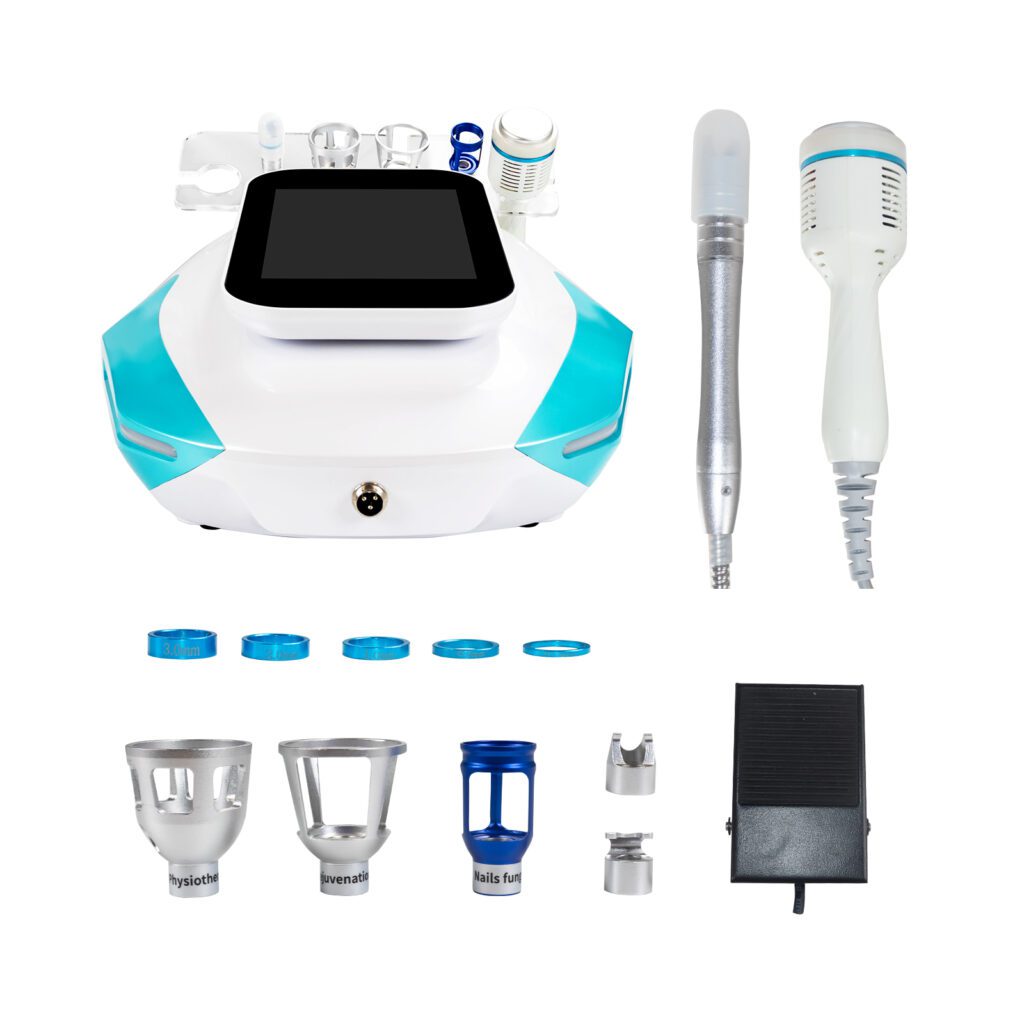
- منصات متعددة الوظائف
- إصدارات الشركات المصنعة الأصلية أو ذات العلامات التجارية الخاصة
- مقابض أو ملحقات مطورة
- لغات الشاشة المختلفة
- خيارات المقابس والجهد الكهربائي المحلية
تُعد هذه المرونة جذابة للموزعين والصالونات التي ترغب في بناء مجموعة منتجات.
قد تقدم علامة تجارية مستوردة فاخرة منتجات ممتازة، لكن السعر ومجموعة الموديلات قد لا تناسب كل مشترٍ.
يمكن أن يساعد التوريد المحلي أو التوريد المباشر من المصنع الموزعين على تغطية مستويات سوقية أوسع.
4. ملاءمة السوق المحلي
قد يكون لدى الموردين المحليين فهم أفضل لعادات صالونات التجميل المحلية.
قد يعرفون:
- أسعار العلاج المحلي
- حجم الآلة المفضل
- باقات الخدمات المشتركة
- مستوى ميزانية المشتري
- الحاجة إلى اللغة
- عادات الدفع
- توقعات ما بعد البيع
- تركيبات علاجية شائعة
- أسلوب الإعلان المحلي
وهذا من شأنه أن يساعدهم في تصميم المنتجات ومواد الدعم التي تتناسب مع الاستخدام الفعلي في الصالونات.
في بعض الأسواق، يمكن للعلامات التجارية المحلية أيضاً أن تبني الثقة لأن المشترين يعرفون أين يجدون الخدمة والدعم.
صالونات التجميل تنتقل من تفضيل الأصل إلى تفضيل القيمة
أهم اتجاه هو أن صالونات التجميل أصبحت أكثر عملية.
قد يهتمون بما إذا كانت الآلة مستوردة أم محلية الصنع، لكنهم يهتمون أكثر بما إذا كان الجهاز يمكن أن يساعد أعمالهم.
يمكن ملاحظة هذا التحول في العديد من أسئلة الشراء.
السؤال الأول: هل يمكن لهذه الآلة أن تدرّ ربحاً في صالوني؟
أصبح العائد على الاستثمار الآن مصدر قلق أساسي.
يرغب أصحاب الصالونات في معرفة ما يلي:
- ما هي الخدمة التي يمكنني بيعها؟
- ما هو السعر الذي يمكنني فرضه؟
- كم عدد الجلسات المطلوبة؟
- هل يمكنني بيع باقات؟
- كم مرة سيعود العملاء؟
- كم مدة كل موعد؟
- كم تبلغ تكلفة الصيانة؟
- ما هي الأجزاء أو المواد الاستهلاكية المطلوبة؟
- كم من الوقت قد يستغرق سداد المبلغ؟
قد تفوز الآلة المستوردة إذا كانت تدعم التسعير المتميز وثقة العملاء القوية.
قد تفوز الآلة المحلية إذا كانت توفر مخاطر استثمارية أقل وعائدات عملية للحزمة.
يعتمد الخيار الأفضل على قاعدة عملاء الصالون ونموذج أعماله.
السؤال الثاني: هل سيثق العملاء بالعلاج؟
تُعد ثقة العملاء عاملاً رئيسياً آخر.
يثق بعض العملاء بالعلامات التجارية العالمية المعروفة. بينما يثق آخرون بشرح الصالون، وعروض ما قبل وبعد، وجودة الاستشارة، والبيئة المهنية أكثر من ثقتهم بأصل الجهاز.
يمكن أن تأتي ثقة العملاء من:
- علامة تجارية معروفة للمعدات
- استشارة مهنية
- غرفة علاج نظيفة
- مشغل مدرب
- ادعاءات واقعية
- دورة علاجية واضحة
- جودة الآلة المرئية
- شهادات العملاء وتقييماتهم
- شرح شفاف للسلامة
قد تساعد المعدات المستوردة في تعزيز الثقة في الأسواق المتميزة.
يمكن للأجهزة المنزلية أيضاً أن تبني الثقة إذا قدمها الصالون بشكل احترافي وكانت تجربة العلاج قوية.
السؤال الثالث: هل يستطيع موظفاي تشغيله بثقة؟
قد لا يكون الجهاز المستورد القوي مفيدًا إذا كان الموظفون يخشون استخدامه.
قد لا تكون الآلة منخفضة التكلفة مفيدة إذا كان التدريب ضعيفًا.
تحتاج الصالونات إلى:
- كتيبات
- فيديوهات العمليات
- إرشادات المعلمات
- معلومات عن موانع الاستخدام
- نصوص الاستشارة
- تعليمات الصيانة
- الدعم الفني
- سير عمل العلاج
يمكن للتدريب أن يغير قرار الشراء.
قد يفوز الموزع الذي يقدم تدريباً أفضل على علامة تجارية أكثر شهرة ذات دعم محلي أضعف.
السؤال الرابع: هل يمكنني الحصول على قطع الغيار والصيانة بسرعة؟
معدات التجميل ليست عملية شراء لمرة واحدة.
تحتاج الآلات إلى قطع غيار وصيانة ودعم.
قد تطلب الصالونات ما يلي:
- هل تتوفر قطع يدوية؟
- هل من السهل طلب رؤوس أو خراطيش؟
- هل الفلاتر أو المواد الاستهلاكية قياسية؟
- هل يستطيع المورد إصلاح الآلة؟
- كم تستغرق عملية الشحن؟
- هل يوجد مخزون محلي؟
- هل يمكن للدعم الفني تقديم إرشادات حول الإصلاح عن بُعد؟
- ما هي إجراءات الضمان؟
قد تحظى المعدات المستوردة عالية الجودة بدعم رسمي قوي، ولكن قد تكون قطع الغيار باهظة الثمن أو بطيئة في بعض الأسواق.
قد يكون من الأسهل صيانة المعدات المنزلية أو المحلية، لكن الجودة تعتمد على المورد.
مرة أخرى، الأصل وحده لا يحدد الأمر.
تحدد القدرة على تقديم الخدمة ذلك.
السؤال الخامس: هل يفي بالمتطلبات المحلية؟
أصبح الالتزام بالمعايير أكثر أهمية في مجال معدات التجميل.
بحسب السوق والتكنولوجيا، قد يحتاج المشترون إلى مراعاة ما يلي:
- السلامة الكهربائية
- اختبار التوافق الكهرومغناطيسي
- تصنيف الأجهزة الطبية
- قواعد معدات التجميل
- مؤهلات المشغل
- ادعاءات إعلانية
- مستندات الاستيراد
- وضع العلامات على المنتج
- مسؤولية الضمان
- متطلبات البرامج أو البيانات
لا يُعتبر الجهاز المستورد متوافقًا تلقائيًا.
لا يُعتبر الجهاز المنزلي متوافقًا تلقائيًا أيضًا.
يجب على المورد تقديم وثائق تتوافق مع السوق المستهدف.
على سبيل المثال، قد تخضع أجهزة مثل الليزر، وIPL، وRF، وHIFU، والوخز بالإبر الدقيقة بالترددات الراديوية، وأجهزة نحت الجسم، لقواعد مختلفة في بلدان مختلفة. لذا، ينبغي على الصالونات والموزعين التحقق من المتطلبات المحلية قبل بيع أو الترويج للعلاجات.
أصبح الموردون الذين يلتزمون بالمعايير أكثر قيمة من الموردين الذين يتنافسون فقط على السعر أو صورة العلامة التجارية.
غالباً ما يحدد نوع المشتري التفضيل
قد تفضل شركات التجميل المختلفة مصادر معدات مختلفة.
صالونات التجميل الصغيرة
غالباً ما تهتم الصالونات الصغيرة بما يلي:
- تكلفة شراء أقل
- عملية سهلة
- التدريب السريع
- استخدام متعدد الوظائف
- خدمة محلية
- تكلفة صيانة منخفضة
- سداد سريع
قد يفضل هؤلاء المشترون المعدات المحلية أو ذات العلامات التجارية المحلية أو المستوردة مباشرة من المصنع إذا كانت موثوقة وبأسعار معقولة.
قد لا يحتاجون إلى أغلى العلامات التجارية المستوردة المتميزة إذا لم يتمكن عملاؤهم المحليون من دفع أسعار العلاج المتميزة.
صالونات التجميل متوسطة الحجم ومراكز العناية بالبشرة
قد تقارن الصالونات متوسطة الحجم بين الخيارين.
قد يختارون معدات مستوردة لخدمة مميزة واحدة ومعدات محلية للعلاجات اليومية.
على سبيل المثال:
- ليزر مستورد لعلاج رائد
- جهاز هيدرا فيشال منزلي للاستخدام المتكرر للعناية بالبشرة
- منصة لاسلكية محلية لجسم الإنسان لخدمات الطرود
- جهاز مستورد أو عالي الجودة لتحديد المواقع لمكافحة الشيخوخة
تُعد هذه الاستراتيجية المختلطة شائعة لأنها توازن بين صورة العلامة التجارية والجدوى العملية للأعمال.
مراكز التجميل الطبية وعيادات التجميل الاحترافية
قد يكون لدى المنتجعات الصحية والعيادات اهتمام أكبر بالأجهزة المستوردة أو المعترف بها دوليًا، وخاصة بالنسبة للإجراءات ذات التكلفة العالية.
قد يهتمون بما يلي:
- السمعة السريرية
- الوثائق التنظيمية
- علامة تجارية مميزة
- التكنولوجيا المتقدمة
- التدريب المهني
- ثقة الطبيب أو الممارس
- تسعير الخدمات ذات القيمة العالية
ومع ذلك، قد لا يزال بإمكانهم استخدام المعدات المحلية أو المعدات المصنعة مباشرة من المصنع لخدمات الدعم أو علاجات الدخول أو الفئات الأقل خطورة.
مراكز نحت الجسم والتنحيف
غالباً ما يهتم هؤلاء المشترون بربحية الحزمة.
قد يقارنون بين:
- أنظمة التجميد الدهني
- منصات التجويف بترددات الراديو
- أجهزة تشكيل الجسم بالشفط
- أجهزة نحت الجسم بتقنية التحفيز الكهربائي للعضلات
- أجهزة تدليك بالبكرات
- منصات متعددة الوظائف للعناية بالجسم
قد تكون المعدات المحلية أو تلك التي يتم شراؤها مباشرة من المصنع جذابة لأن مراكز نحت الجسم غالباً ما تحتاج إلى عدة آلات أو عدة أدوات تطبيق.
يمكن اختيار الآلات المستوردة عالية الجودة عندما يرغب المركز في الحصول على علامة تجارية قوية أو معاملة مميزة وفاخرة.
مراكز إزالة الشعر بالليزر
تهتم مراكز العلاج بالليزر بحجم العلاج وسرعته وموثوقيته.
قد يختارون المعدات المستوردة أو المحلية بناءً على:
- جودة التبريد
- حجم البقعة
- حياة قطعة اليد
- التشغيل المستمر
- تكلفة الخدمة
- توافر قطع الغيار
- تمرين
- اللوائح المحلية
- تحديد موقع العميل
قد يدفع الاستوديو المتخصص مبلغًا أكبر مقابل جهاز مستورد قوي، ولكنه قد يختار أيضًا ليزر ثنائي عالي الأداء من المصنع مباشرة إذا كان الدعم جيدًا.
مدارس تدريب التجميل
غالباً ما تفضل مدارس التدريب المعدات التي تكون بأسعار معقولة وسهلة التدريب ومتوفرة في وحدات متعددة.
قد تكون المعدات المحلية أو تلك التي يتم شراؤها مباشرة من المصنع جذابة لأن المدارس قد تحتاج إلى العديد من الآلات للطلاب.
ومع ذلك، قد تعرض بعض مدارس التدريب أيضًا أجهزة مستوردة عالية الجودة لتعزيز صورة علامتها التجارية.
لماذا لا تزال بعض الصالونات تفضل المعدات المستوردة
يمكن للمعدات المستوردة أن تحقق النجاح عندما يحتاج الصالون إلى الثقة والمكانة.
تشمل الأسباب الشائعة ما يلي:
- اعتراف قوي بالعلامة التجارية
- التكنولوجيا المتقدمة المتصورة
- توقعات العملاء المميزين
- قصة تسويقية أفضل
- سمعة تنظيمية أقوى
- تسهيل تسعير المنتجات ذات القيمة العالية
- تحديد موقع العيادة المهنية
- الدعم من الموزعين الإقليميين الرسميين
قد تكون المعدات المستوردة مفيدة بشكل خاص عندما يرغب الصالون في إنشاء خدمة رئيسية.
على سبيل المثال، قد يستخدم مركز تجميل طبي جهازًا مستوردًا معروفًا للترويج لعلاج فاخر لمكافحة الشيخوخة. وقد تختار عيادة ليزر منصة دولية راسخة لبناء الثقة مع العملاء.
في هذه الحالات، يكون الجهاز جزءًا من استراتيجية العلامة التجارية.
لماذا تفضل بعض الصالونات المعدات المنزلية أو الموردة محلياً
يمكن للمعدات المحلية أو المنزلية أن تفوز عندما يحتاج الصالون إلى قيمة عملية.
تشمل الأسباب الشائعة ما يلي:
- تكلفة شراء أقل
- إصلاح أسرع
- سهولة الوصول إلى قطع الغيار
- دعم اللغة المحلية
- خيارات منتجات مرنة
- انخفاض تكلفة المواد الاستهلاكية
- تدريب أسهل
- تحسين علاقة الموزع
- مناسب للخدمات اليومية
- عائد أسرع على الاستثمار
يُعد هذا الأمر بالغ الأهمية بشكل خاص بالنسبة للصالونات التي تحتاج إلى معدات لتوليد مواعيد ثابتة بدلاً من مجرد الحصول على مكانة مميزة.
على سبيل المثال، قد يختار صالون تجميل جهاز هيدرا فيشال منزلي الصنع لأن العملاء يحجزونه شهرياً، كما أن قطع غياره سهلة الاستبدال. وقد يختار صالون للعناية بالجسم منصة RF كافيتيشن من المصنع مباشرةً لأنها تدعم باقات بأسعار مناسبة للسوق المحلي.
صعود معدات تصنيع المعدات الأصلية (OEM) ومعدات التصميم والتصنيع الأصلية (ODM) ومعدات العلامات التجارية الخاصة
أصبحت مسألة الاستيراد مقابل الإنتاج المحلي أكثر تعقيداً بسبب إنتاج الشركات المصنعة للمعدات الأصلية (OEM) وتصنيع التصميم الأصلي (ODM).
العديد من العلامات التجارية ليست مجرد علامات محلية أو أجنبية.
قد يكون المنتج:
- مصمم في بلد واحد
- صنع في بلد آخر
- يتم تسويقها من قبل موزع محلي
- يتم تقديم الخدمة من قبل شريك إقليمي
- يباع كآلة تحمل علامة تجارية خاصة
هذا أمر شائع في صناعة معدات التجميل.
بالنسبة لصالونات التجميل، قد تكون العلامة التجارية الظاهرة محلية، بينما قد يكون مصدر التصنيع في الخارج. وهذا يتيح للموزعين فرصًا لبناء علامتهم التجارية الخاصة بدعم من المصانع.
يمكن لشركات تصنيع المعدات الأصلية (OEM) وشركات تصميم وتصنيع المعدات الأصلية (ODM) مساعدة الموزعين على تقديم ما يلي:
- شعار محلي
- لغة مخصصة
- تصميم التغليف
- اختيار المنتج من القائمة
- هيكل الضمان الإقليمي
- باقات خدمات خاصة بكل سوق
بالنسبة للصالونات، يمكن أن تبدو المعدات ذات العلامات التجارية الخاصة أكثر جدارة بالثقة إذا قدم الموزع المحلي تدريبًا قويًا ودعمًا لما بعد البيع.
وهذا يدل مرة أخرى على أن الأصل ليس العامل الوحيد.
غالباً ما يكون نظام الدعم المحيط بالمنتج أكثر أهمية.
كيف يتغير التصور السائد عن أجهزة التجميل الصينية
يلعب مصنعو معدات التجميل الصينيون دوراً هاماً في السوق العالمية.
في الماضي، كان بعض المشترين يربطون الآلات الصينية بشكل أساسي بانخفاض سعرها. ولا يزال هذا التصور قائماً في بعض الأسواق، لا سيما حيث تسببت المنتجات منخفضة الجودة في مشاكل ما بعد البيع.
لكن السوق أصبح أكثر تنوعاً الآن.
يتراوح الموردون الصينيون بين التجار ذوي التكلفة المنخفضة والمصنعين المحترفين ذوي الخبرة في التصدير، وقدرات تصنيع المعدات الأصلية/تصميم المعدات الأصلية، وتطوير المنتجات، والشهادات، والكتيبات، ومقاطع الفيديو التدريبية، ودعم قطع الغيار.
بالنسبة للصالونات والموزعين في الخارج، يكمن المفتاح في اختيار المورد.
لا ينبغي لهم أن يحكموا فقط على أساس "صنع في الصين".“
ينبغي عليهم أن يسألوا:
- هل هذا مصنع أو تاجر حقيقي؟
- هل يوفر المورد جودة إنتاج مستقرة؟
- هل مواصفات المنتج واضحة؟
- هل تتوفر كتيبات التعليمات ومقاطع الفيديو؟
- هل يستطيع المورد توفير قطع الغيار؟
- هل دعم الضمان واقعي؟
- هل تتوفر الشهادات وتقارير الاختبار عند الحاجة؟
- هل يمكن تخصيص الجهاز للغة المحلية والجهد الكهربائي؟
- هل يمتلك المورد فهماً لتغليف الصادرات والخدمات اللوجستية؟
قد تكون المعدات الصينية جذابة عندما توفر أداءً جيداً مقابل التكلفة ودعماً موثوقاً.
يصبح الأمر محفوفاً بالمخاطر عندما يختار المشتري السعر الأقل فقط دون التحقق من الجودة والخدمة.
لا يعني الاستيراد بالضرورة الأفضل
من الأخطاء الشائعة افتراض أن المعدات المستوردة أفضل دائماً.
هذا ليس صحيحاً دائماً.
قد تواجه الآلات المستوردة بعض المشاكل:
- سعر شراء مرتفع
- مواد استهلاكية باهظة الثمن
- بطء توصيل قطع الغيار
- خدمة محلية محدودة
- عملية إصلاح صارمة
- صعوبة الوصول إلى البرامج
- تكلفة تدريب عالية
- مدة الشحن طويلة
- نماذج لا تتناسب مع ميزانيات الصالونات المحلية
إذا لم يتمكن الصالون من بيع الخدمات بسعر يدعم الاستثمار، فقد يصبح الجهاز المستورد عالي الجودة عبئاً مالياً.
تُعتبر المعدات المستوردة ذات قيمة عندما تدعم مكانة الصالون ونموذج أعماله.
ليس بالضرورة الخيار الصحيح لكل مشترٍ.
لا يعني المنتج المحلي بالضرورة جودة أقل
ومن الأخطاء الأخرى افتراض أن المعدات المحلية أو تلك التي تُباع مباشرة من المصنع تكون دائماً ذات جودة منخفضة.
هذا غير صحيح أيضاً.
بعض الشركات المصنعة المحلية تشهد تحسناً سريعاً في:
- تصميم المنتج
- استقرار الطاقة
- أنظمة التبريد
- واجهة البرنامج
- بيئة العمل المريحة
- تخصيص OEM/ODM
- وثائق التصدير
- مواد تدريبية
- توريد قطع الغيار
- خدمة ما بعد البيع
يمكن أن تكون المعدات المنزلية خيارًا قويًا عندما يكون المورد محترفًا ويتناسب المنتج مع قائمة خدمات الصالون.
يكمن الخطر في اختيار الأجهزة غير المدعومة، وليس في اختيار المعدات المنزلية نفسها.
كيفية قيام الموزعين بتسويق المعدات المستوردة والمحلية
لا يحتاج الموزعون إلى اختيار جانب واحد فقط.
بإمكان الموزع القوي بناء مجموعة منتجات تشمل مستويات مختلفة من المعدات.
أجهزة مستوردة أو من علامات تجارية عالمية مميزة
يمكن وضع هذه الأشياء من أجل:
- الخدمات الرئيسية
- عيادات راقية
- منتجعات طبية فاخرة
- مراكز العناية بالبشرة المتقدمة
- العلاجات باهظة الثمن
- العملاء الحساسون للعلامة التجارية
ينبغي أن تركز رسالة المبيعات على ما يلي:
- يثق
- سمعة التكنولوجيا
- الوثائق
- تحديد الموقع الاحترافي
- ثقة العملاء المميزة
- قيمة العلامة التجارية على المدى الطويل
الأجهزة المنزلية، أو المصنّعة مباشرة من المصنع، أو ذات العلامات التجارية الخاصة
يمكن وضع هذه الأشياء من أجل:
- صالونات التجميل للمبتدئين والمتوسطين
- معدات الخدمة اليومية
- الإيرادات القائمة على الحزم
- المشترون الذين يركزون على الأداء والتكلفة
- الموزعون الذين يبنون علامات تجارية محلية
- صالونات التجميل التي تحتاج إلى دعم سريع
- مشترين يختبرون فئات جديدة
ينبغي أن تركز رسالة المبيعات على ما يلي:
- عائد استثمار عملي
- قائمة خدمات ملائمة
- تمرين
- قطع غيار
- ضمان
- القدرة على تحمل التكاليف
- دعم أسرع
- تخصيص مرن
استراتيجية المحفظة المختلطة
قد يستفيد العديد من الموزعين من تقديم كلا الخيارين.
على سبيل المثال:
- آلات مستوردة فاخرة أو آلات عالية الجودة للعملاء المميزين
- معدات احترافية من المصنع مباشرة لصالونات التجميل متوسطة المستوى
- أجهزة متعددة الوظائف للصالونات الجديدة
- أجهزة متخصصة للعيادات أو الاستوديوهات
- قطع غيار ومواد استهلاكية لجميع الفئات
وهذا يسمح للموزع بمطابقة ميزانيات المشترين المختلفة ونماذج الأعمال.
يصبح الموزع مستشاراً بدلاً من مجرد بائع.
ما الذي يجب على صالونات التجميل الاستفسار عنه قبل اختيار المعدات المستوردة أو المحلية؟
قبل الشراء، ينبغي على أصحاب الصالونات طرح أسئلة عملية.
المنتج والأداء
- ما هي الخدمة التي سيدعمها هذا الجهاز؟
- هل هذه التقنية مناسبة لعملائي المستهدفين؟
- ما مدى استقرار الأداء؟
- هل الجهاز مناسب لغرفة العلاج الخاصة بي؟
- هل العملية سهلة بالنسبة لموظفي؟
- ما هي القيود الرئيسية؟
القيمة التجارية
- هل يمكنني بيع هذا العلاج كحزمة متكاملة؟
- ما هو السعر الواقعي للعلاج المحلي؟
- كم عدد الجلسات التي قد تكون مطلوبة؟
- ما هي فترة الاسترداد المقدرة؟
- هل المواد الاستهلاكية أو قطع الغيار باهظة الثمن؟
- هل يمكن لهذه الآلة أن تزيد من قيمة التذاكر أو معدل الاحتفاظ بالعملاء؟
التدريب والدعم
- هل يقدم المورد التدريب؟
- هل يوجد دليل تشغيل؟
- هل تتوفر مقاطع فيديو؟
- هل يستطيع فريق الدعم الفني الإجابة على الأسئلة بسرعة؟
- هل يتوفر الدعم بلغتي؟
- هل يمكن للمورد المساعدة في تصميم قائمة الخدمات؟
خدمات ما بعد البيع وقطع الغيار
- ما هي مدة الضمان؟
- ما هي الأجزاء التي يشملها هذا التأمين؟
- هل تتوفر قطع يدوية؟
- هل من السهل طلب رؤوس التلميحات أو الفلاتر أو الخراطيش؟
- ما هي سرعة شحن قطع الغيار؟
- هل يمكن إصلاح الجهاز محلياً؟
- ماذا يحدث بعد انتهاء فترة الضمان؟
الامتثال والمطالبات
- هل المنتج يفي بمتطلبات الاستيراد المحلية؟
- هل يُصنف هذا الجهاز كجهاز تجميلي أم طبي في السوق المحلي؟
- ما هي الادعاءات التي يمكنني استخدامها بأمان؟
- هل تتوفر شهادات أو تقارير اختبار؟
- هل موانع الاستخدام وتحذيرات السلامة واضحة؟
تُعد هذه الأسئلة أكثر فائدة من مجرد السؤال عما إذا كانت الآلة مستوردة أم محلية الصنع.
أي الخيارين أفضل للصالونات الجديدة؟
تحتاج الصالونات الجديدة عادةً إلى السيطرة على المخاطر.
قد لا يكون لديهم عدد كافٍ من العملاء حتى الآن لتبرير شراء معدات فاخرة باهظة الثمن.
بالنسبة للعديد من الصالونات الجديدة، قد تكون المعدات المنزلية أو ذات العلامات التجارية المحلية أو التي يتم شراؤها مباشرة من المصنع أكثر عملية إذا:
- يدعم الجهاز الخدمات الشائعة
- السعر مناسب للميزانية
- التدريب بسيط
- تتوفر قطع الغيار
- يقدم الموزع الدعم
- يمكن بيع الخدمة كحزم
ومع ذلك، إذا تم وضع الصالون الجديد كعيادة متميزة أو منتجع صحي طبي راقٍ منذ البداية، فقد تساعد المعدات المستوردة أو المعترف بها دوليًا في خلق الثقة.
يعتمد الخيار الأفضل على العملاء المستهدفين للصالون.
أي خيار أفضل للصالونات الراسخة؟
غالباً ما تتمتع الصالونات الراسخة بمرونة أكبر.
بإمكانهم اختيار المعدات بناءً على الاستراتيجية:
- جهاز مستورد لخدمة رئيسية
- جهاز منزلي للعناية اليومية بالوجه
- منصة مباشرة من المصنع لحزم الهياكل
- معدات متخصصة للعلاجات ذات الطلب العالي
- منتجات تحمل علامات تجارية خاصة لبناء العلامات التجارية المحلية
ينبغي على الصالونات الراسخة مقارنة ليس فقط سعر الشراء ولكن أيضًا دور الإيرادات.
إذا تم الترويج للمعدات بشكل مكثف واستخدامها في العلاجات باهظة الثمن، فقد تكون صورة العلامة التجارية أكثر أهمية.
إذا كان سيتم استخدام المعدات يوميًا لتقديم خدمات متكررة، فقد تكون الصيانة والدعم أكثر أهمية.
أي الخيارين أفضل للموزعين؟
بالنسبة للموزعين، غالباً ما يكون الخيار الأفضل هو عدم الاستيراد أو الإنتاج المحلي.
أفضل إجابة هي تقسيم المنتجات.
ينبغي على الموزع بناء محفظة منتجات تتضمن ما يلي:
- أجهزة للمبتدئين للصالونات الصغيرة
- آلات متوسطة المدى موثوقة للشركات النامية
- أنظمة متطورة للعملاء المميزين
- منصات متعددة الوظائف لتوسيع نطاق الخدمات
- أجهزة متخصصة للقنوات الاحترافية
- قطع الغيار والمواد الاستهلاكية
- التدريب وخدمة ما بعد البيع
ينبغي على الموزعين أيضاً فهم سيكولوجية المشتري المحلي.
في بعض الأسواق، تحظى العلامات التجارية المستوردة بثقة كبيرة. وفي أسواق أخرى، تُعدّ الخدمة المحلية والأسعار المعقولة أكثر أهمية. وفي العديد من الأسواق، يرغب المشترون في الجمع بين الجودة العالمية والدعم المحلي.
وهنا تكمن فرصة الموزع القوي للفوز.
الاتجاه المستقبلي: أهمية نظام الدعم أهم من بلد المنشأ
من المرجح أن يكون اتجاه الشراء في المستقبل أكثر عملية.
سيظل بلد المنشأ مهماً، خاصة بالنسبة للمكانة المتميزة وثقة الامتثال.
لكن الأمر سيقل أهمية عما كان عليه من قبل إذا تمكن المشترون من التحقق من:
- أداء المنتج
- تصميم السلامة
- خدمة الدعم الفني
- الوثائق
- تمرين
- ضمان
- قطع غيار
- نموذج أعمال واقعي
أصبحت صالونات التجميل أكثر حذراً لأن الاستثمار في المعدات ليس بالأمر الهين.
يقل احتمال شرائهم للأجهزة لمجرد أنها مستوردة. كما يقل احتمال رفضهم للأجهزة المحلية إذا كانت ذات أداء جيد وتتمتع بدعم موثوق.
سيكون أقوى وضع للمنتج هو:
جودة عالمية المستوى، ودعم السوق المحلي، وأسعار واقعية، وقيمة خدمة واضحة.
يمكن أن يأتي هذا من علامات تجارية مستوردة، أو مصنعين محليين، أو موردي المعدات الأصلية/التصميم والتصنيع الأصلي، وذلك حسب التنفيذ.
خاتمة
لا تفضل صالونات التجميل بشكل عام معدات التجميل المستوردة أو المحلية.
يعتمد تفضيلهم على نموذج أعمالهم، والعملاء المستهدفين، والميزانية، وقائمة الخدمات، وتوقعات السوق المحلية، واحتياجات الدعم.
لا تزال المعدات المستوردة تحظى بجاذبية قوية في الصالونات الراقية ومراكز التجميل الطبية والعيادات المهنية لأنها تدعم الثقة وصورة العلامة التجارية والتوثيق والمكانة المرموقة.
أصبحت المعدات المحلية والعلامات التجارية المحلية والمعدات التي يتم شراؤها مباشرة من المصنع أكثر تنافسية لأن الصالونات تهتم بالتكلفة والأداء، وخدمة ما بعد البيع الأسرع، وخيارات المنتجات المرنة، والعائد العملي على الاستثمار.
يتجه السوق نحو الابتعاد عن اتخاذ القرارات بناءً على المنشأ فقط.
تطرح الصالونات سؤالاً أكثر أهمية:
أي آلة يمكن أن تساعد شركتي على العمل بأمان، وبيع خدمات حقيقية، وإرضاء العملاء، واسترداد الاستثمار؟
بالنسبة للموزعين، تكمن الفرصة في التوقف عن التركيز على بلد المنشأ كرسالة رئيسية والبدء في بيع القيمة الكاملة:
المعدات والتدريب والإرشادات المتعلقة بالمطالبات والتوعية بالامتثال وقطع الغيار وحزم الخدمات والدعم طويل الأجل.
هذا ما تهتم به صالونات التجميل بشكل متزايد.
التعليمات
1. هل تفضل صالونات التجميل معدات التجميل المستوردة أم المحلية؟
لا توجد إجابة واحدة تناسب الجميع. قد تفضل الصالونات الفاخرة الأجهزة المستوردة لسمعتها وثقة عملائها، بينما قد تفضل الصالونات الصغيرة والمتوسطة الحجم المعدات المحلية أو الموردة محلياً لسعرها المناسب وخدمتها ودعمها الأسرع.
2. هل معدات التجميل المستوردة أفضل دائماً؟
لا. قد تكون المعدات المستوردة ممتازة، لكنها قد تكون باهظة الثمن، أو صعبة الصيانة، أو غير مناسبة لأسعار الصالونات المحلية. الأداء والدعم والعائد على الاستثمار أهم من المنشأ وحده.
3. هل معدات التجميل المنزلية ذات جودة أقل؟
ليس بالضرورة. فقد حسّن العديد من الموردين المحليين والموردين الذين يبيعون مباشرة من المصانع تصميم المنتجات، واستقرارها، وتوثيقها، ودعم ما بعد البيع. وتعتمد الجودة على الشركة المصنعة والمنتج المحدد.
4. لماذا تختار بعض الصالونات المعدات المستوردة؟
قد يختارون المعدات المستوردة من أجل صورة العلامة التجارية المتميزة، وثقة العملاء، وإدراك التكنولوجيا المتقدمة، والتوثيق، والمكانة المهنية، وتسعير الخدمات ذات القيمة العالية.
5. لماذا تختار بعض الصالونات المعدات المنزلية؟
قد يختارون المعدات المحلية لانخفاض تكلفتها، وسرعة إصلاحها، وسهولة الحصول على قطع الغيار، والدعم باللغة المحلية، ونماذجها المرنة، وملاءمتها بشكل أفضل لخدمات الصالون اليومية.
6. ما هو الأهم عند اختيار معدات التجميل؟
تشمل العوامل المهمة الطلب على العلاج، والعائد على الاستثمار، واستقرار المنتج، والتدريب، والامتثال، وقطع الغيار، والضمان، والاستجابة لما بعد البيع، وإمكانات حزمة الخدمة.
7. هل ينبغي على الصالونات الجديدة شراء آلات مستوردة؟
ينبغي على الصالونات الجديدة أولاً تقييم الميزانية، والعملاء المستهدفين، وقائمة الخدمات. قد تساعد الآلات المستوردة في تعزيز مكانة الصالون في السوق، لكن الآلات المحلية أو المصنّعة مباشرة من المصنع قد تقلل من مخاطر الاستثمار.
8. هل يمكن للموزعين بيع المعدات المستوردة والمحلية على حد سواء؟
نعم. يستفيد العديد من الموزعين من مجموعة منتجات متنوعة تضم أنظمة متميزة للعملاء ذوي الدخل المرتفع وآلات ذات أداء منخفض التكلفة لصالونات التجميل ذات السوق المبتدئ والمتوسط.
9. كيف يمكن لأجهزة التجميل الصينية أن تنافس العلامات التجارية المستوردة المتميزة؟
تستطيع المعدات الصينية المنافسة من خلال الأداء مقابل التكلفة، ومرونة تصنيع المعدات الأصلية/تصميم المعدات الأصلية، والإنتاج المستقر، والتدريب، وقطع الغيار، ووثائق التصدير، ودعم الموزعين القوي.
10. ما هو الاتجاه المستقبلي؟
الاتجاه المستقبلي هو الشراء القائم على القيمة. ستهتم الصالونات بشكل أقل بالمنشأ وحده، وأكثر بالأداء والدعم والامتثال والملاءمة التجارية والقيمة التشغيلية طويلة الأجل.