










Beauty-device distributors need different reorder methods for disposable items, treatment heads, cartridges, durable handles, and service parts. A needle head may be purchased repeatedly in packs, while a laser handle should be replaced only after the installed device and version are confirmed. Treating both as ordinary accessories creates poor forecasts and increases the risk of supplying the wrong item.
Reorder planning connects the installed base to component compatibility, pack size, historical demand, supplier timing, lifecycle status, and customer service activity. It helps distributors maintain appropriate consumable availability while controlling slow-moving replacement inventory. This guide explains how to plan reorders for SHEFMON facial, RF-microneedling, HIFU, body-care, and laser hair-removal equipment.
ملخص تنفيذي
- Begin with verified installed-device records rather than total historical equipment sales.
- Separate routine consumables, periodic replacement items, durable components, service parts, and upgrade options.
- Link every reorder item to exact device configurations, parent handles, revisions, and market conditions.
- Store opening quantity, reorder pack unit, minimum order, lead time, shelf or lifecycle constraints, and successor status separately.
- Forecast recurring consumables from active compatible units and observed reorder patterns.
- Plan durable replacement components from installed exposure, failure or service history, and support policy rather than routine consumption rates.
- Use reorder points and safety stock only after the underlying compatibility and demand data are reliable.
- Preserve older consumable and replacement relationships for installed units after new versions launch.
- Review customer requests against the installed configuration before releasing a reorder quotation.
- Confirm unclear pack, replacement, successor, or compatibility relationships with SHEFMON before stocking or supplying them.
1. What Beauty-Device Reorder Planning Covers
Reorder planning determines which post-sale items a distributor should hold, order, quote, replace, or retire for the equipment installed at customer sites.
It covers:
- recurring disposable or consumable items;
- tips and treatment heads;
- RF-microneedling needle heads;
- HIFU cartridges and related components;
- solution containers, tubing, cables, and accessories where replacement applies;
- laser handles or spot-size components requiring controlled replacement;
- body-care applicators and handles;
- fixed starter or refill kits;
- service parts;
- successor items for retired components.
The planning process should distinguish predictable consumption from occasional replacement and technical service demand.
2. Classify Every Reorder Item
| Item class | Demand pattern | Stocking approach | Release control |
|---|---|---|---|
| Routine consumable | Repeated use creates ongoing demand | Forecast by active compatible units and observed usage | Validate device and pack compatibility |
| Periodic treatment component | Replaced after usage, condition, or defined operating need | Forecast cautiously with installed exposure and history | Confirm handle, configuration, and revision |
| Durable replacement | Ordered after damage, wear, or service decision | Hold limited stock or supply to order | Verify installed unit and replaced component |
| Service part | Needed for controlled maintenance or repair | Restricted inventory | Require service or technical approval |
| Optional upgrade component | Expands an approved configuration | Demand-led, not failure stock | Confirm compatibility and commercial approval |
| Starter kit | Fixed items supplied with or near the original sale | Plan from new device orders | Tie to the device configuration |
| Refill kit | Fixed replenishment pack | Forecast as a consumable SKU | Preserve child item and quantity mapping |
| Retired legacy item | Supports older installed units | Plan from known installed units and support policy | Block from new configurations |
Do not use one accessories forecast for all classes. Their demand, approval, and obsolescence risks differ.
3. Build Planning from the Verified Installed Base
The starting population should be active units with known configurations.
For each physical device, record:
- customer and site;
- installed-unit ID;
- exact model;
- configuration and revision;
- installed handles, applicators, cartridges, tips, and heads;
- market and electrical profile;
- acceptance or installation date;
- active, inactive, relocated, retired, or decommissioned state;
- compatible reorder items;
- latest verification date;
- data-confidence status.
Exclude duplicate, returned, decommissioned, and unverified records from routine demand calculations until reviewed. A sales invoice can identify a likely unit, but it may not prove the final delivered configuration.
4. Create a Reorder Item Master
Every orderable consumable or replacement needs a controlled record.
Recommended fields include:
- item ID and approved name;
- item class;
- parent device model;
- compatible configuration and revision;
- parent handle or module;
- pack unit and pack quantity;
- minimum and maximum order quantity;
- opening-package quantity;
- regional order unit;
- stocking or supply-to-order status;
- supplier lead-time range and confirmation date;
- storage or handling notes where confirmed;
- active, restricted, replacement-only, end-of-sale, or retired state;
- direct or conditional successor;
- market limitations;
- owner and review date.
Do not embed changing stock or price in the technical item identity. Link regional inventory and price records to the item.
5. Map Reorder Items to Exact Configurations
A reorder item must connect to the device the customer actually owns.
Use one relationship row containing:
- installed or eligible model;
- device configuration and revision;
- parent handle or module;
- reorder item;
- compatibility status;
- transaction role: consumable, replacement, service, or upgrade;
- required companion item;
- quantity rule;
- effective period;
- market scope;
- evidence source.
When a tip, needle, or cartridge depends on a handle, preserve the handle relationship. Mapping only to the console can expose incompatible choices.
6. Separate Opening Quantities from Reorder Packs
The quantity delivered with a new device may differ from the later order unit.
Record separately:
- opening quantity included with the equipment;
- optional additional opening stock;
- refill-pack quantity;
- minimum reorder quantity;
- customer-requested quantity;
- warehouse issue quantity;
- supplier purchase quantity.
For example, a device package may include several individual heads while the distributor later sells them in boxes. If those units are combined in one field, the customer, sales team, and warehouse can interpret the same number differently.
7. Identify the Demand Drivers
Consumable demand can depend on:
- number of active compatible units;
- services actually offered by each customer;
- appointment or treatment volume when voluntarily provided;
- units used per service;
- historical reorder interval;
- opening stock remaining;
- seasonal operating pattern;
- customer closures or relocations;
- regional assortment changes;
- competitor or third-party supply where relevant;
- pack-size changes;
- product and component lifecycle.
Durable replacement demand can depend on:
- installed-unit count and age;
- number of installed components per device;
- observed replacement history;
- service findings;
- support policy;
- regional shipping time;
- successor availability;
- legacy installed units.
Do not apply a consumable usage rate to a durable handle.
8. Use a Transparent Demand Model
A basic recurring-consumable forecast can be expressed as:
Expected unit demand = Active compatible devices × Average services per device × Units used per service
Then convert units to packs:
Expected pack demand = Expected unit demand ÷ Units per pack
Historical reorder data can provide a second estimate:
Run-rate demand = Recent shipped packs ÷ Number of periods observed
Compare the operational estimate with actual reorder behavior. Investigate large differences rather than choosing the higher number automatically.
For new products with no history, create low, base, and high scenarios. Label all assumptions and replace them with actual data as the installed base grows.
9. Set Reorder Points Carefully
A common planning structure is:
Reorder point = Expected demand during replenishment lead time + Safety stock
This formula is useful only when:
- the item identity and pack unit are stable;
- compatible installed units are known;
- lead time is measured consistently;
- historical demand is cleaned of one-time events;
- inactive units are excluded;
- successor and retirement changes are considered.
Review the reorder point when the installed base, service volume, pack size, supplier timing, market assortment, or lifecycle changes.
For expensive or low-frequency replacements, supply-to-order or regional pooling may be more appropriate than a formula-driven local stock level.
10. Set Safety Stock by Risk, Not One Percentage
Safety stock should reflect uncertainty and business impact.
يعتبر:
- demand variation;
- lead-time variation;
- number of active compatible units;
- availability of a confirmed successor;
- minimum purchase quantity;
- component cost;
- storage and handling constraints;
- risk of obsolescence;
- customer service dependency;
- ability to transfer stock between regions;
- consequence of holding the wrong version.
A high-volume needle pack may justify different protection from a low-frequency replacement handle. Avoid applying the same weeks-of-stock target to every component.
11. Plan A0648 Tips, Tools, and Replenishment Items
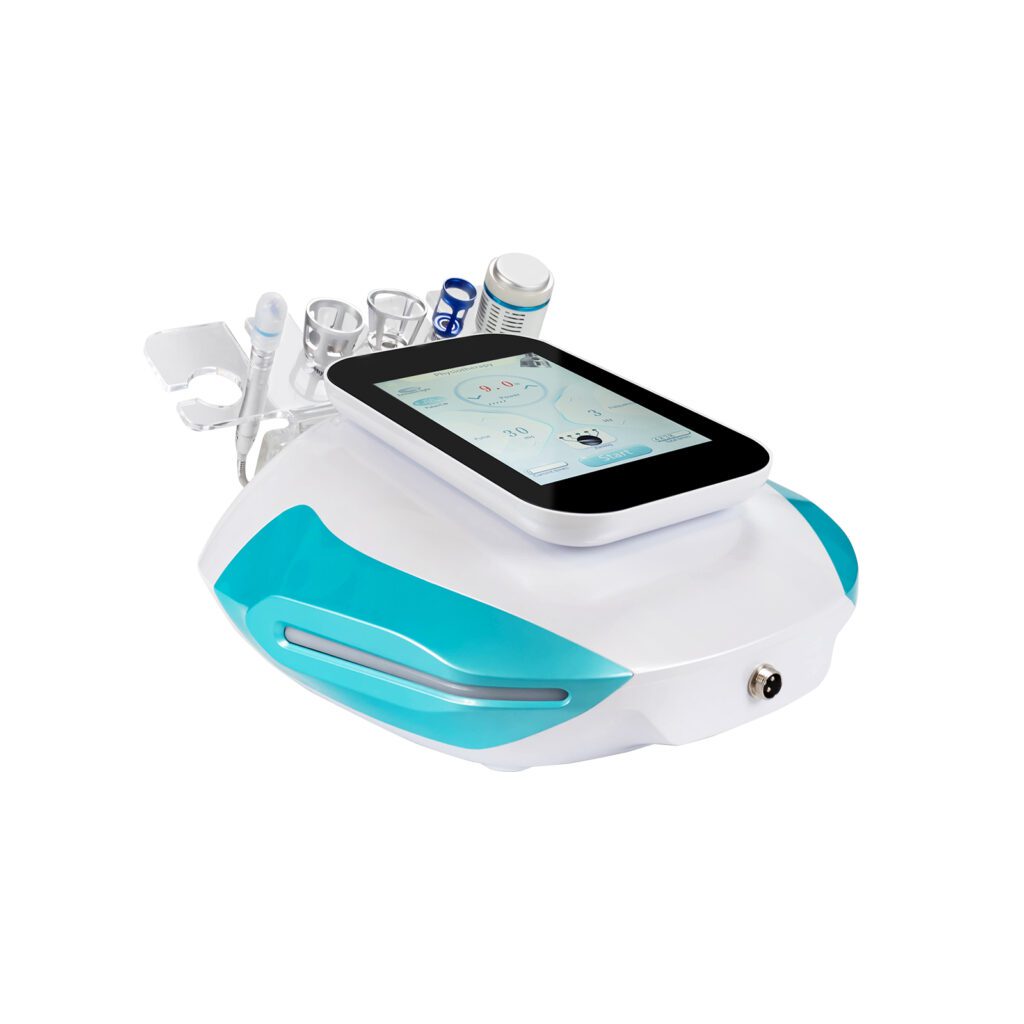
ال جهاز التقشير المائي الدقيق A0648 is presented as a multifunction facial platform. Reorder planning should begin with the exact handpieces and tools supplied in each active A0648 configuration.
Map and plan:
- tips or contact items by parent handpiece;
- approved reusable versus consumable status;
- containers, tubing, cables, or accessories that have replacement paths;
- opening quantities;
- refill packs or order units;
- active regional configurations;
- legacy versions at customer sites;
- successor items.
A facial product category alone is not enough to select a tip. Require the A0648 configuration and relevant handpiece relationship.
12. Plan A0152 Needle-Head Reorders
التيار A0152 RF-microneedling page lists different handle arrangements and multiple needle-head types. These items are strong candidates for installed-base-led replenishment.
For each needle-head item, record:
- supported A0152 configuration;
- parent handle;
- approved type or pin designation;
- opening quantity;
- reorder pack unit;
- regional availability;
- current and successor item IDs;
- buyer’s installed configuration;
- reorder history.
Forecast by active compatible units and actual service behavior. Before releasing a reorder, confirm that the buyer’s installed handle arrangement matches the item.
13. Plan A0204 Cartridge Demand
ال A0204 focused HIFU page describes a multifunction system with standard and optional handles or cartridges. Cartridge planning requires model, handle, depth or size, configuration, and lifecycle data.
Use a planning matrix:
| Field | Reorder purpose |
|---|---|
| A0204 configuration | Identifies the installed platform version |
| Parent handle/module | Controls cartridge compatibility |
| Cartridge ID and depth/size | Distinguishes the orderable item |
| Standard or optional role | Explains how it entered the installed configuration |
| Installed quantity | Measures exposure |
| Replacement or usage history | Supports timing assumptions |
| Pack or order unit | Converts forecast to purchasing demand |
| Successor and retirement state | Prevents obsolete stock buildup |
Do not aggregate all A0204 cartridges into one demand line. Different installed handle sets create different demand pools.
14. Plan B0155 Applicators as Durable Replacements
ال B0155 body-care system is described with body and smaller-area handles. These durable items should generally be planned through installed exposure, support history, and supply strategy rather than routine treatment volume.
مسار:
- number of active installed B0155 units;
- handle package at each unit;
- quantity of each handle in service;
- replacement history;
- confirmed successor relationships;
- regional stock or supply-to-order policy;
- service-only restrictions;
- legacy configurations.
If a region holds replacement stock, make sure the item is mapped to the exact B0155 versions it supports. A high component value and low demand can make incorrect inventory more costly than a longer confirmation workflow.
15. Plan A0423 and A0426 Laser Components Separately
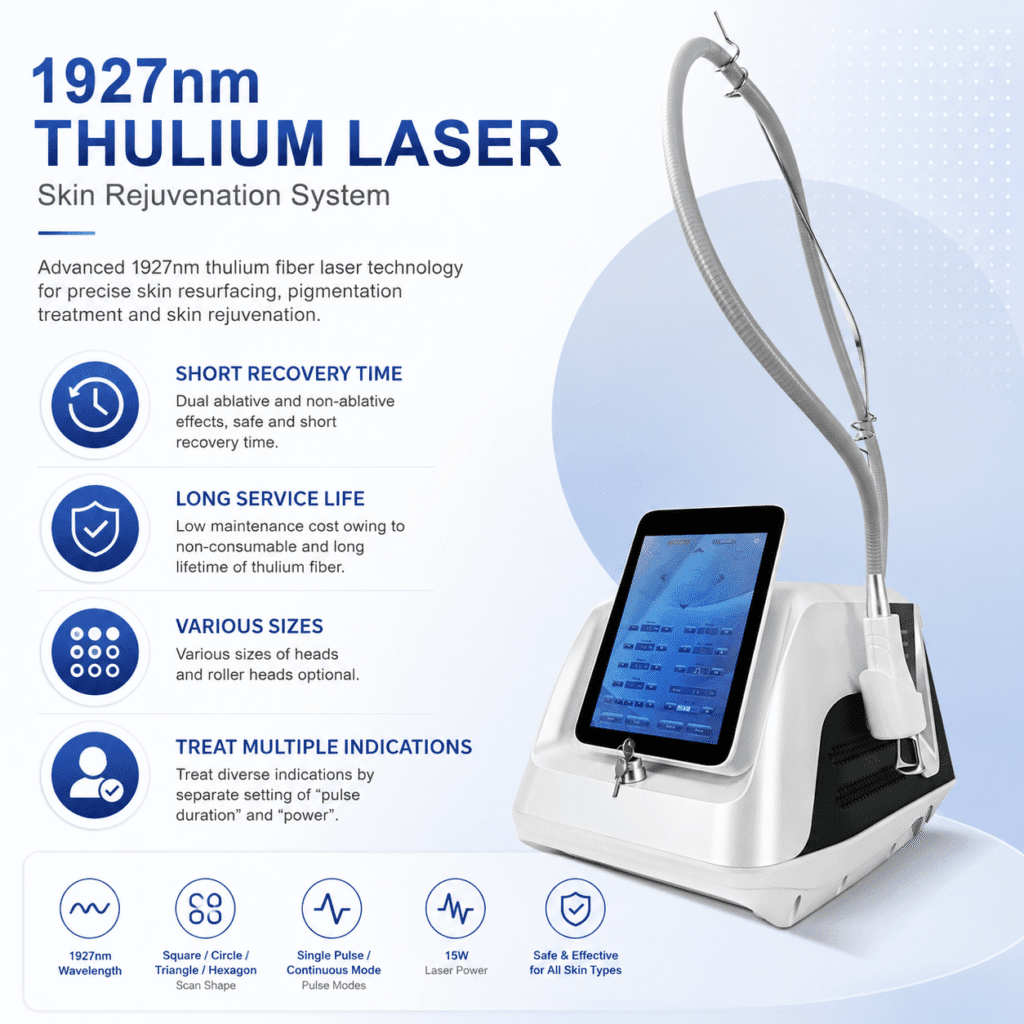
The current pages for the ليزر ثنائي A0423 و ليزر ثنائي A0426 list choices involving wavelength arrangement, handle power, and spot size. Reorder and replacement planning should preserve the exact installed model and handle configuration.
For controlled replacement items, record:
- A0423 or A0426 model identity;
- installed configuration and revision;
- wavelength profile;
- handle power;
- spot-size relationship;
- handle or component ID;
- regional electrical conditions;
- replacement history;
- current successor status.
Do not pool replacement handles across the two models unless a current approved record explicitly confirms the same relationship.
16. Use Kits Without Hiding Child Items
A kit can simplify ordering and stocking when its contents are fixed.
سِجِلّ:
- kit ID;
- compatible model and configuration;
- child item IDs;
- quantities;
- pack unit;
- starter or refill role;
- regional eligibility;
- revision;
- effective and retirement dates.
Forecast the kit as a sellable item while preserving demand visibility for its child components. When one child item changes, review the kit rather than silently substituting it.
Avoid vague names such as “complete consumable package” without an itemized schedule.
17. Separate Customer Reorder Signals from Stock Decisions
Customer requests provide valuable demand data, but each request still needs validation.
A reorder workflow should:
- identify the customer and site;
- retrieve the installed device and configuration;
- select compatible reorder items;
- confirm pack unit and quantity;
- check regional availability and successor status;
- validate special-order or replacement conditions;
- issue the quotation;
- record shipped quantity and date;
- update the customer reorder history;
- flag unusual demand for review.
A customer may request an incorrect item name. Treat the request as a signal, not as proof of compatibility.
18. Handle New Products Without Demand History
For a new device or component:
- use confirmed launch quantities;
- estimate active units by region;
- identify opening stock already supplied;
- create low, base, and high consumption scenarios;
- separate consumables from replacements;
- account for supplier minimums and lead time;
- set a short review interval;
- avoid stocking every optional component;
- monitor first reorder dates;
- replace assumptions with observed demand.
Do not transfer usage rates blindly from another model. Similar treatment categories can have different handles, pack units, customer profiles, and operating patterns.
19. Plan Regional and Multi-Market Inventory
Regional planning should account for:
- installed units by market;
- market-specific configurations;
- regional assortment;
- currency and commercial policy;
- local stock locations;
- transfer options between warehouses;
- customs or delivery timing;
- language and document requirements;
- service ownership;
- retired local configurations.
Central pooling can help slow-moving replacements, while high-volume consumables may need regional stock. Do not transfer a component to another market without confirming configuration and market eligibility.
20. Control Price, Stock, and Lead-Time Data
Keep commercial fields connected but separate from compatibility.
Each regional reorder quotation should use:
- active item and compatibility record;
- current price-list version;
- currency;
- available quantity;
- lead-time statement with an as-of date;
- minimum order quantity;
- freight and delivery terms;
- quotation validity;
- special-order approval where required.
A priced item is not necessarily compatible. An out-of-stock item does not become incompatible. A confirmed technical successor can still have different price and supply conditions.
21. Manage Returns and Incorrect Reorders
Classify the reason for every return or correction:
- wrong device identified;
- wrong configuration or revision;
- wrong parent handle;
- wrong pack size;
- local nickname caused confusion;
- outdated catalog or price list;
- successor relationship unclear;
- warehouse picked a similar item;
- customer unit changed after the last verification;
- compatibility record was wrong or missing.
Correct the underlying record or workflow instead of treating the return as an isolated sales issue. Review other open orders and materials that use the same relationship.
22. Prevent Obsolete and Excess Inventory
Review slow-moving items against:
- active compatible installed units;
- recent reorder demand;
- replacement-only status;
- successor launch;
- end-of-sale or retirement date;
- market withdrawal;
- remaining support period where defined;
- supplier minimum order;
- stock in other regions;
- open customer quotations.
Do not liquidate a component into a region or customer base where compatibility is unconfirmed. Preserve sufficient planning visibility for older installed devices, but distinguish support demand from new-sales demand.
23. Govern Lifecycle and Successor Changes
When an item changes state:
- identify all compatible models and installed units;
- review current stock and open purchase orders;
- define last-order, replacement-only, or service-only status;
- confirm the successor and its conditions;
- update catalogs, quotations, reorder lists, and kits;
- notify regional sales and support teams;
- review open customer quotes;
- preserve the old item for historical traceability;
- revise forecasts and reorder points;
- set a new review date.
Do not automatically transfer historical demand to a successor until compatibility, pack unit, and buyer transition are confirmed.
24. Review Forecasts Regularly
Use different review frequencies by item class and risk.
- High-volume consumables: frequent demand and stock review.
- New items: short review cycle until a stable pattern emerges.
- Low-volume replacements: periodic installed-exposure review.
- Legacy items: review around support and retirement milestones.
- Special-order items: request-based review.
- Regional kits: review after any child component change.
Review exceptions such as sudden demand changes, missing reorders from active units, unusually large orders, repeated manual overrides, and growing obsolete stock.
25. Connect Reorder Planning to Business Systems
The planning process may connect:
- product information management;
- configuration and compatibility records;
- CRM customer and site data;
- installed-unit registry;
- ERP item and purchasing records;
- warehouse inventory;
- quotation system;
- سجلات الخدمة؛;
- regional catalog and price lists;
- reporting dashboards.
Use stable item, configuration, and installed-unit IDs across systems. Avoid matching records only by product name.
26. Audit Reorder Planning
Check whether:
- active installed units are complete;
- every reorder item has one approved identity;
- compatibility and parent-handle mapping are current;
- opening quantities and reorder packs are separate;
- forecasts exclude inactive and decommissioned units;
- replacement stock uses installed exposure rather than consumable rates;
- regional stock matches eligible configurations;
- successors and retired items are controlled;
- customer reorders reference installed units;
- returns feed back into data correction;
- price and availability records are current;
- manual overrides have owners and reasons.
Sample actual reorder quotations and warehouse picks, not only planning spreadsheets.
27. Reorder Planning Metrics
تشمل التدابير المفيدة ما يلي:
- order-fill rate by item class;
- stockout frequency;
- excess and obsolete inventory;
- forecast error;
- consumable demand per active compatible unit;
- percentage of reorders linked to installed units;
- incorrect-item return rate;
- replacement requests requiring manual research;
- lead-time variance;
- successor transition progress;
- legacy stock tied to active installed units;
- manual compatibility overrides.
Interpret the measures by category. A low-frequency replacement component should not be judged by the same turnover target as a routine consumable.
28. Reorder Planning Checklist
- [ ] Active installed devices and configurations are verified.
- [ ] Every reorder item has a stable ID and item class.
- [ ] Parent handles and version limits are mapped.
- [ ] Opening quantity and reorder pack unit are separate.
- [ ] Compatibility, availability, and price are separate fields.
- [ ] Demand drivers and assumptions are documented.
- [ ] Reorder point and safety stock reflect the item class.
- [ ] Durable replacements use installed exposure and service history.
- [ ] Regional market and inventory rules are applied.
- [ ] Customer reorder requests reference installed units.
- [ ] Kits preserve child item identities and quantities.
- [ ] Successor and retirement changes update forecasts.
- [ ] Returns and corrections feed back into the data system.
- [ ] Manual exceptions have approval and review dates.
الأسئلة الشائعة
1. What is beauty-device reorder planning?
It is the process of forecasting, stocking, quoting, and replenishing consumables and replacement components based on installed devices, compatible configurations, pack units, historical demand, lead time, and lifecycle status.
2. Should distributors forecast from all equipment ever sold?
No. Use active, compatible, and reasonably verified installed units. Exclude duplicates, returns, decommissioned equipment, and unknown configurations until reviewed.
3. How are consumables different from replacement components?
Consumables create recurring demand through normal service delivery. Durable replacements are ordered after wear, damage, or a support decision and usually require unit-level verification.
4. How should A0152 needle-head demand be planned?
Segment active A0152 units by handle arrangement and compatible needle type, then combine installed exposure with actual reorder history, service activity, pack unit, lead time, and regional stock policy.
5. How should A0204 cartridge demand be planned?
Plan by A0204 configuration, parent handle, cartridge depth or size, installed quantity, usage or replacement history, order unit, successor status, and active installed units.
6. Should distributors stock B0155 replacement handles routinely?
That depends on installed exposure, replacement history, item cost, lead time, regional pooling, and successor availability. Confirm the exact compatible B0155 versions before stocking.
7. Can A0423 and A0426 replacement handles share one forecast?
Only when a current approved relationship confirms the same component for both exact configurations. Similar wavelength, power, or spot-size descriptions do not prove interchangeability.
8. How should new consumables be forecast without history?
Use low, base, and high scenarios based on confirmed launch units, service assumptions, pack size, lead time, and opening stock. Review frequently and replace assumptions with actual orders.
9. What should happen when a consumable is retired?
Identify active installed units, confirm the successor and conditions, review stock and open orders, update catalogs and quotation tools, revise forecasts, and preserve the old relationship for history.
10. When should SHEFMON be contacted?
Contact SHEFMON when current records do not confirm a reorder item, pack, parent-handle mapping, replacement, successor, market version, or supply condition. Provide the exact device model, configuration, installed component, requested item, market, and quantity through the SHEFMON contact page.
خاتمة
Effective reorder planning starts with the equipment customers actually have. Distributors should connect active installed configurations to approved consumables and replacement components, then plan each item according to its demand pattern, pack unit, lead time, lifecycle, and regional supply strategy.
Build routine consumable forecasts from verified compatible units and actual reorders. Manage durable replacements through installed exposure and controlled confirmation. Review the SHEFMON beauty-device range و اتصل بشيفمون whenever a consumable, replacement, pack, or successor relationship is unclear.