Distributor sales teams regularly receive requests that fall outside an active beauty device package: a different handle combination, an unlisted cartridge set, a regional document variation, a one-site configuration, an unusual opening-consumable quantity, or a proposed model substitution. Some requests are valid business opportunities. Others conflict with product rules, require more evidence, or should remain outside the current offer.
An exception register gives every nonstandard request a controlled path. It records the standard being departed from, the buyer’s reason, affected product and commercial data, evidence, reviewers, decision, conditions, validity, and final use. The register helps teams respond to custom requests without adding one-time promises to routine catalogs or allowing an approval for one buyer to become an uncontrolled rule for everyone.
ملخص تنفيذي
- Define an exception as a documented departure from an active model, configuration, option, market, supply, service, or commercial rule.
- Do not create exception records for ordinary approved options or routine variations within delegated authority.
- Give every request a unique ID, buyer and project scope, baseline reference, deviation statement, owner, status, and decision deadline.
- Separate configuration, compatibility, component, market, document, supply, quantity, bundle, substitution, timing, and commercial exceptions.
- Record evidence and Unknown fields before assigning reviewers.
- Use risk and impact to route the request to product, technical, professional, operations, supply, logistics, or commercial roles.
- Classify the outcome as Approved, Approved with Conditions, Alternative Proposed, More Evidence Required, Rejected, Withdrawn, or Expired.
- Mark every approval as project-only, site-only, market-limited, time-limited, or eligible for controlled reuse.
- Link the exception to the exact quotation, bundle, configuration, and buyer acceptance that use it.
- Analyze repeated exceptions to improve option libraries, standard packages, product data, and sales training.
1. What Is a Beauty Device Exception Register?
An exception register is a controlled list of buyer requests that depart from active sales and product rules. Each entry preserves:
- what the approved baseline allows;
- what the buyer requested instead;
- why the request matters;
- which models, components, sites, markets, and documents are affected;
- which evidence supports or conflicts with the request;
- who reviewed and decided it;
- which conditions and restrictions apply;
- which quotation or order used the decision;
- when the exception expires or needs review.
The register is an operational record. It should allow an authorized colleague to reconstruct the decision without relying on a salesperson’s memory or private messages.
2. Distinguish Exceptions from Routine Choices
Not every buyer variation is an exception.
| Request | Exception? | سبب |
|---|---|---|
| Select an active optional handle within approved rules | لا | Routine option-library choice |
| Choose a supported voltage profile for the destination | لا | Approved market overlay |
| Add opening consumables within a standard quantity range | لا | Routine selectable quantity |
| Request a handle not mapped to the selected model | نعم | Compatibility and configuration departure |
| Replace the quoted model with another model | نعم | Core product identity changes |
| Ask for a site-specific package outside the network baseline | نعم | Multi-location standard deviation |
| Request a discount within delegated authority | لا | Routine commercial decision |
| Request terms outside delegated authority | نعم | Commercial-policy departure |
The exception register should capture departures, not every selection. Overloading it with routine choices makes material exceptions harder to see.
3. Identify the Baseline Being Changed
Every exception must point to a controlled baseline, such as:
- active model record;
- approved configuration and revision;
- option-library rule;
- compatibility matrix;
- package or bundle revision;
- السوق والملف الكهربائي؛;
- component classification;
- quotation template or release rule;
- approved service scope;
- price, discount, payment, or validity policy;
- multi-location standard;
- accepted quotation or order record.
If no baseline exists, the problem may be missing product governance rather than an exception. Create the baseline or record the request as a new configuration-development task.
4. Define Exception Categories
Use controlled categories so requests reach the correct reviewers.
| Exception category | Example departure | Primary review focus |
|---|---|---|
| نموذج | Substitute another device identity | Category fit, configuration, buyer acceptance |
| إعدادات | Change included device content | Exact deliverable and revision |
| Compatibility | Use an unverified handle, head, or consumable | Technical relationship and restrictions |
| Component classification | Treat a special item as standard or optional | Supply role and buyer presentation |
| Market/electrical | Use a nonstandard regional profile | Voltage, language, documents, local review |
| Package/bundle | Add, remove, or replace bundle content | Service coverage and version control |
| كمية | Request outside approved range or kit unit | Supply, packaging, commercial effect |
| Supply/timing | Request nonstandard availability or delivery commitment | Current supply and logistics evidence |
| Document/content | Request nonstandard product or training material | Accuracy, language, scope, owner |
| تجاري | Request price, payment, freight, or validity outside authority | Financial and contractual impact |
| Multi-location | Depart from the group baseline at one or more sites | Site evidence, rollout, support, traceability |
One request may need several categories. Use one parent exception with linked review branches rather than hiding multiple effects under a generic label.
5. Give Every Exception a Controlled Identity
Each entry should include:
- exception ID;
- buyer, project, and opportunity ID;
- requesting contact and salesperson;
- buyer type and destination market;
- affected site or sites;
- category and exact model;
- baseline record and revision;
- exception category;
- concise deviation statement;
- business reason;
- request date and required decision date;
- مالك؛;
- status;
- linked quotation, bundle, demonstration, and order records;
- final validity and expiry.
Use a stable ID even when the request is rejected. Rejected exceptions provide useful evidence about demand and recurring misunderstandings.
6. Write a Precise Deviation Statement
Weak:
Buyer wants a custom package.
أحسن:
Buyer requests two additional compatible opening needle-head packs in the A0152 clinic package and asks that they appear as separately priced optional items; the active package includes only the standard opening quantity.
The statement should identify the baseline, requested change, quantity or scope, and intended quotation treatment.
7. Capture the Buyer’s Business Reason
Record why the buyer needs the exception:
- different service-menu scope;
- unusually high expected usage;
- room or format limitation;
- regional electrical or language requirement;
- multi-location site difference;
- desire to standardize with installed equipment;
- phased purchasing plan;
- demonstration or training need;
- replacement of an unavailable selection;
- internal purchasing or documentation requirement;
- commercial or launch timing constraint.
A business reason explains the request. It does not prove that the requested configuration is valid or available.
8. Separate Facts, Assumptions, and Unknowns
| Information type | Register treatment |
|---|---|
| Buyer fact | Record source contact and confirmation date |
| Product fact | Link current controlled product or configuration source |
| Site fact | Link room, utility, operator, or market evidence |
| Sales evaluation | Label as a judgment about buyer fit |
| Technical evaluation | Identify reviewer and assessed configuration |
| Assumption | Assign owner, validation method, and due date |
| مجهول | State effect and block or condition the decision |
Do not write “compatible” when the evidence only says “requested.” The register should make that difference visible.
9. Assess Exception Impact
Review the effect on:
- device category and buyer service goal;
- model identity;
- رمز التكوين والمراجعة؛;
- handles, tips, cartridges, needle heads, or applicators;
- component compatibility;
- included, optional, special-order, replacement, and consumable status;
- voltage, language, and documents;
- room, utilities, storage, cleaning, and workflow;
- operator, training, records, and aftercare;
- supply, packaging, and delivery;
- price, discount, currency, payment, freight, and validity;
- bundle and site allocation;
- demonstration and buyer-facing materials;
- order and installed-base records.
Record unaffected areas too. This allows later reviewers to see which earlier approvals remain valid.
10. Assign Risk and Review Level
Use a simple, defined review model.
| مستوى | Typical scope | Review path |
|---|---|---|
| Level 1: Administrative | Wording or document detail that does not change product meaning | Sales operations or content owner |
| Level 2: Controlled commercial | Terms outside routine authority without product change | Commercial approver |
| Level 3: Configuration | Included items, quantities, or approved option variation | Product, technical, supply, and commercial review as affected |
| Level 4: High-impact | Unverified compatibility, model substitution, new market, advanced-device operating change | Full cross-functional review and independent approval |
The levels are an internal example. A distributor should adapt them to its categories, markets, and decision rights. A high-value order should not receive a lower level merely because it is commercially attractive.
11. Route the Request by Impact
| Reviewer | Questions answered |
|---|---|
| Sales owner | Is the buyer need and requested outcome accurately stated? |
| Product reviewer | Does the request fit the category, model, and active product definition? |
| مراجع فني | Are compatibility, configuration, utilities, and restrictions verified? |
| Professional reviewer | Is the advanced device request appropriate for the setting and operator? |
| Operations/site reviewer | Can the room, workflow, storage, cleaning, and rollout support it? |
| Supply reviewer | Can the exact item, quantity, and package be handled under the stated conditions? |
| Logistics reviewer | What changes in destination, package, handling, or delivery basis? |
| Commercial reviewer | What price, currency, discount, validity, payment, or freight approval is required? |
| Authorized approver | Should the exception be accepted, conditioned, redirected, or rejected? |
Reviewers should approve a defined scope. A technical approval should not silently approve price or delivery.
12. Use Clear Decision Outcomes
| حصيلة | معنى | Required follow-up |
|---|---|---|
| Approved | Request is permitted within the recorded scope | Apply to named records and quote revision |
| Approved with Conditions | Permission depends on named actions or evidence | Keep blocked items visible until closure |
| Alternative Proposed | Original request is unsuitable; approved alternative is offered | Obtain buyer review and update configuration |
| More Evidence Required | Decision cannot be made from current information | Assign evidence owner and due date |
| Rejected | Request conflicts with requirements, evidence, or policy | State reason and permitted alternatives |
| Withdrawn | Buyer or sales team no longer pursues the request | Close with reason |
| Expired | Approval validity ended before use | Reassess current evidence before reuse |
Avoid using “Approved” for a condition that has not been met.
13. Make Conditions Actionable
Every condition should state:
- required action;
- responsible person;
- evidence needed;
- due date;
- whether quotation may be drafted;
- whether quotation may be released;
- whether order may be confirmed;
- consequence of noncompletion.
For example, “approved subject to compatibility” is incomplete. State which component-to-model relationship must be confirmed, by whom, and before which sales stage.
14. Define the Scope of Approval
An approval should specify whether it is:
- buyer-specific;
- project-specific;
- quotation-specific;
- site-specific;
- market-specific;
- configuration-specific;
- quantity-limited;
- time-limited;
- one-time;
- reusable under named conditions;
- a candidate for conversion into a standard option.
Default to the narrowest scope supported by evidence. One buyer’s exception should not become a global sales rule through copy-and-paste.
15. Add Effective Dates and Expiry
سِجِلّ:
- approval date;
- تاريخ السريان؛;
- expiry date;
- review date;
- evidence cutoff date;
- condition due dates;
- quotation validity relationship;
- reason for expiry.
Shorter validity may be appropriate when the exception depends on availability, temporary commercial terms, an unlisted combination, or changing market requirements. Expiry does not mean the request is permanently rejected; it means the evidence must be reviewed again.
16. Link the Exception to a Buyer-Facing Offer
The quotation should identify:
- النموذج والتكوين الدقيقان؛;
- included items;
- selected exception items;
- quantities;
- option or special-order status;
- buyer actions and conditions;
- الاستثناءات؛;
- commercial effects;
- exception reference where appropriate internally;
- revised quotation number and date.
The buyer does not need the entire internal register entry. The offer must still disclose material differences and conditions in clear language.
17. Preserve Version and Decision History
When an exception changes:
- preserve the original request;
- create a new decision version or linked follow-up;
- identify changed facts, evidence, and scope;
- state which approvals remain valid;
- repeat affected reviews;
- update quotation and package revisions;
- link the implemented result.
Do not overwrite a rejected request after the buyer supplies new evidence. The change in outcome is part of the audit trail.
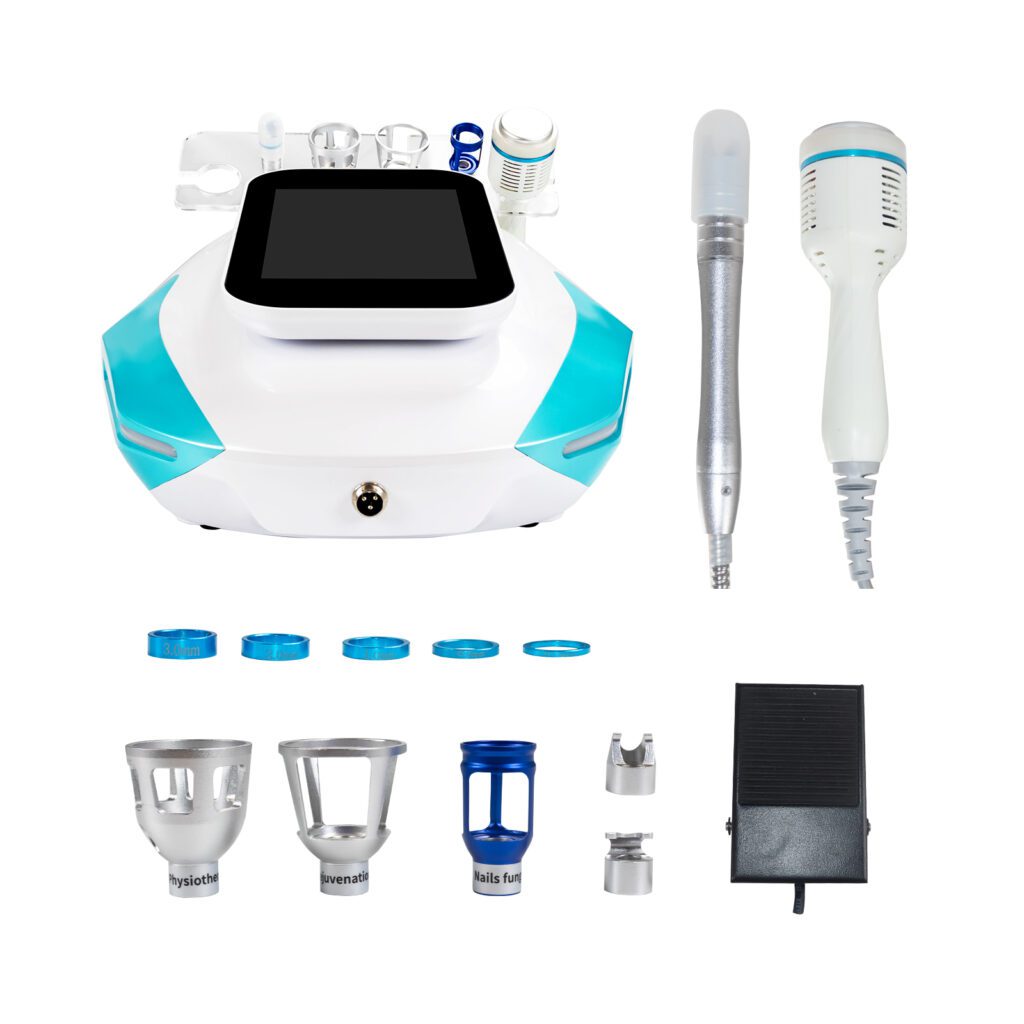
18. Handle A0648 Facial-System Exceptions
ال SHEFMON A0648 9-in-1 hydro and diamond microdermabrasion system is positioned as a multifunction facial platform for cleansing, exfoliation, extraction, and hydration-oriented workflows.
Possible exceptions include:
- buyer requests a different tool set from the active package;
- additional opening tips or solutions exceed the standard quantity range;
- a photographed tool is assumed to be included but is not in the controlled schedule;
- a site requests a different electrical or language profile;
- a multi-location buyer wants one branch-specific facial package.
Review the actual included tools, compatibility, solution and tip workflow, cleaning, storage, opening supplies, quotation description, and package revision. “9-in-1” does not authorize an undefined collection of accessories.
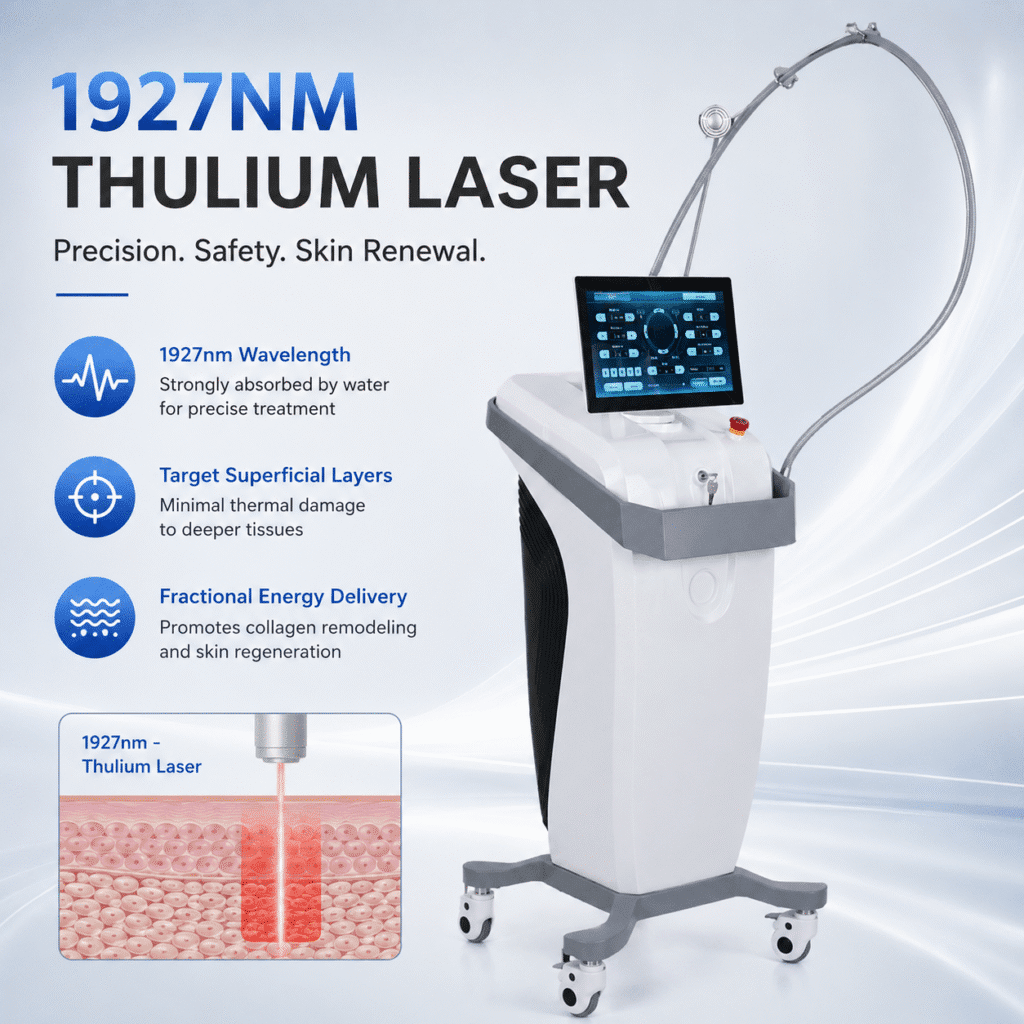
19. Handle A0423 and A0426 Laser Exceptions
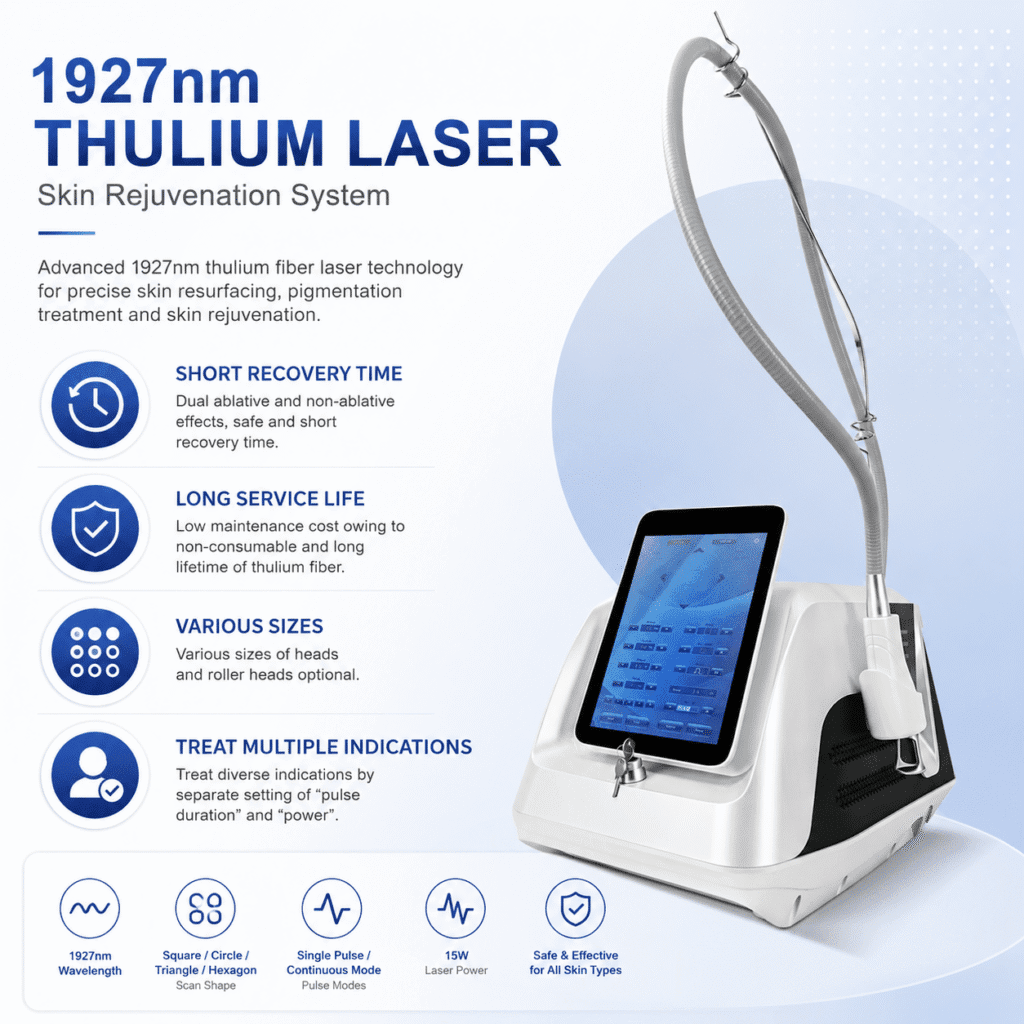
ال شيفمان A0423 و شيفمان A0426 pages show choices involving wavelengths, handle power, spot sizes, cooling, voltage, and physical format.
Exception examples include:
- handle or spot-size combination outside the active configuration;
- request to transfer an option from A0423 to A0426 without verified mapping;
- model substitution after demonstration;
- nonstandard market or electrical profile;
- site request that conflicts with the group laser baseline;
- custom quantity of opening or replacement items.
Keep the two models separate. Review exact configuration, room, operator, market, compatibility, package, commercial impact, and buyer-facing differences.
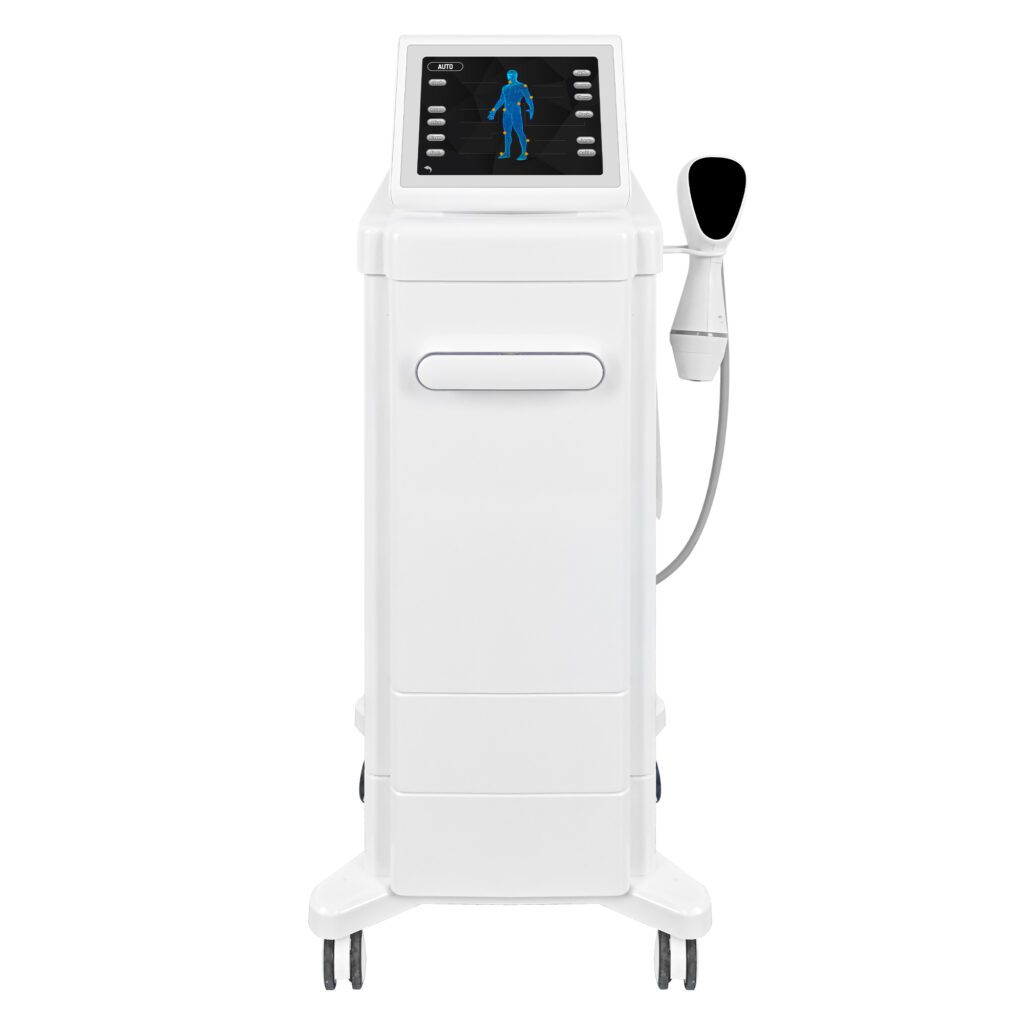
20. Handle A0204 HIFU Exceptions
ال نظام HIFU متعدد الوظائف SHEFMON A0204 belongs in an advanced-service pathway.
Potential exceptions include an unlisted handle or cartridge combination, nonstandard opening quantities, site-specific advanced-service deployment, or a request to treat a cartridge shown elsewhere as compatible. Review the professional setting, operator, consultation, records, aftercare, handle-cartridge mapping, supply plan, training, local requirements, and quote revision.
Do not allow commercial urgency to convert an Unknown cartridge relationship into an approved option.
21. Handle A0152 RF-Microneedling Exceptions
ال SHEFMON A0152 desktop RF-microneedling system page lists several needle-head formats, computerized depth settings, handle arrangements, and face/body target areas.
Exception examples include:
- alternative handle arrangement;
- additional needle-head type or quantity;
- buyer request to change the standard opening consumable pack;
- transfer of a consumable from another device version;
- clinic-specific training or document request;
- multi-location variation in head inventory.
Review compatibility, hygienic workflow, consumable traceability, operator, consultation, records, aftercare, reorder path, market profile, and commercial effect.
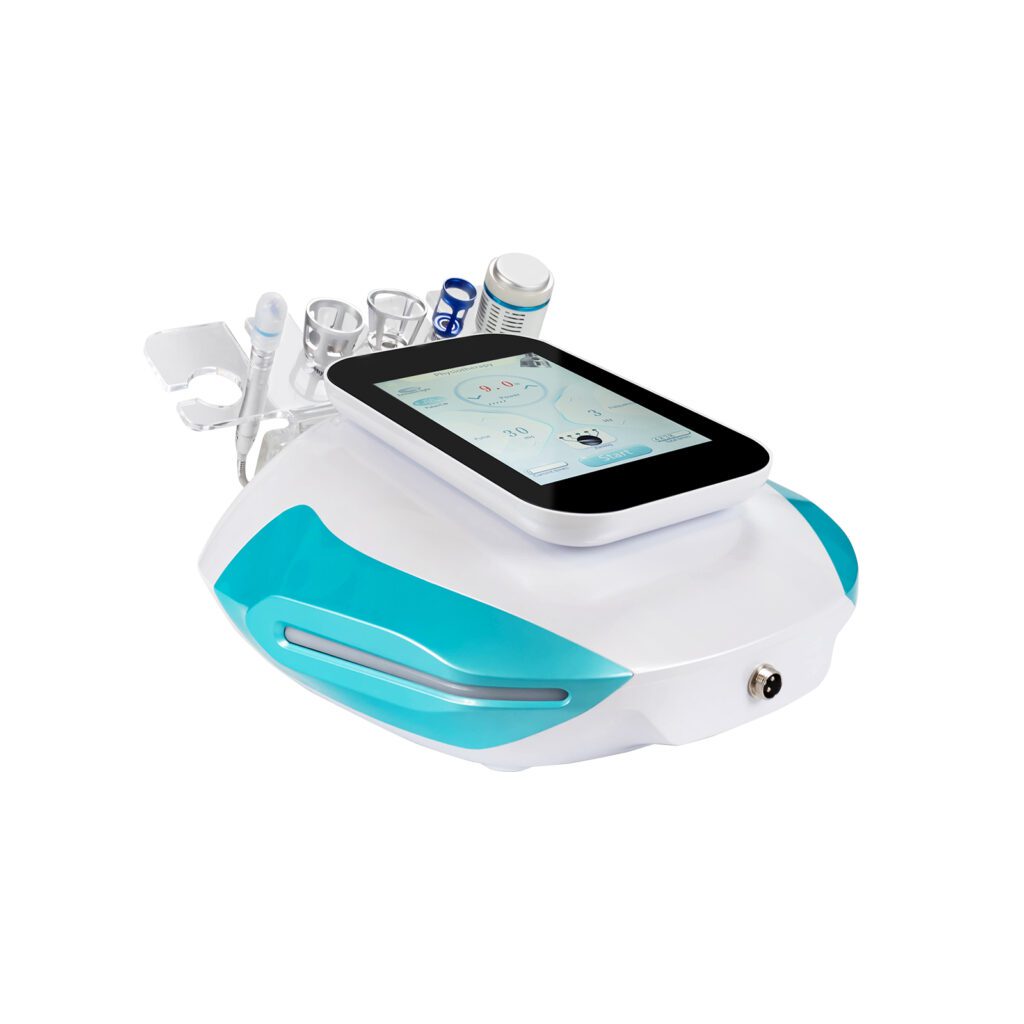
22. Handle B0155 Body-Care Exceptions
ال نظام العناية بالجسم المكتبي SHEFMON B0155 page presents body and smaller-area handles with combinations using functions such as vacuum, rollers, RF, light, and cavitation.
Potential exceptions include:
- focused package with a reduced handle set;
- broader package requested for one flagship site;
- nonstandard handle combination;
- additional opening supplies;
- body-versus-smaller-area package variation;
- branch-specific storage or rollout condition.
Review the service role, target areas, handle mapping, room, movement, storage, cleaning, appointment workflow, overlap with installed equipment, and quotation description.
23. Control Model-Substitution Exceptions
A model substitution should reference a separate model-change assessment containing:
- original and proposed models;
- buyer requirements;
- category fit;
- configuration comparison;
- component compatibility;
- site, operator, and market impact;
- commercial and logistics changes;
- demonstration differences;
- buyer-facing change summary;
- revised offer and acceptance.
The exception register tracks authorization and scope. It should not reduce a model change to one approval checkbox.
24. Control Multi-Location Exceptions
For every site exception, record:
- group baseline;
- affected site;
- local requirement or constraint;
- requested variation;
- service and configuration effect;
- operator and room evidence;
- market profile;
- supply and training effect;
- approval scope;
- whether the site returns to the baseline later;
- expiry or review trigger.
An exception for one flagship clinic should not change the standard package for compact salon branches.
25. Control Commercial Exceptions Separately
Commercial exceptions may involve:
- discount beyond delegated authority;
- nonstandard price validity;
- payment schedule;
- freight treatment;
- currency or regional price-list departure;
- unusually small or large quantity;
- promotional inclusion that changes package content;
- delivery commitment outside the routine basis.
Separate commercial approval from product and technical approval. A discounted price does not authorize an unverified configuration. Removing components to reach a price changes the package and requires configuration review.
26. Return Rejected Requests Clearly
A rejection should contain:
- failed requirement or rule;
- affected model, configuration, component, site, or term;
- evidence basis;
- plain-language explanation;
- approved alternative where available;
- whether the buyer can provide new evidence;
- whether the request may be reconsidered later;
- owner of the buyer response.
Avoid “not possible” without context. A clear reason helps sales teams propose a suitable standard or conditional alternative.
27. Decide When an Exception Should Become Standard
Repeated approval does not automatically create a standard option. Review:
- frequency and buyer types;
- consistency of the requested configuration;
- verified compatibility;
- supply repeatability;
- نطاق السوق؛;
- pricing and quotation structure;
- training and support load;
- product-data completeness;
- effect on existing packages;
- error and return history.
If the distributor intends to offer the choice routinely, move it through configuration, option-library, package, and commercial approval. Then close future requests as normal selectable options rather than exceptions.
28. Prevent Exception Creep
Exception creep occurs when one-time decisions gradually become informal practice.
Prevent it by:
- displaying scope and expiry prominently;
- blocking expired entries from new quotations;
- prohibiting copy-paste from old quotes;
- requiring exact model and configuration links;
- sampling active quotes for undocumented deviations;
- separating reusable approval from project-only approval;
- reviewing repeated requests monthly or quarterly;
- retiring duplicate exceptions after standards are updated;
- training sales teams on the current option library.
The register should make controlled departures visible rather than normalize them silently.
29. Build Register Views for Different Teams
Sales view
Buyer, request, status, deadline, next action, permitted alternative, and quote link.
Product and technical view
Model, configuration, component relationships, evidence, compatibility, conditions, and reuse scope.
Commercial and supply view
Quantity, price-list impact, discount, availability, delivery, validity, and package effect.
Management view
Exception volume, aging, approval time, repeated categories, root causes, expired entries, and conversion-to-standard candidates.
All views should read the same controlled entry rather than create parallel spreadsheets.
30. Connect the Register to Sales Records
Link exceptions to:
- buyer requirement matrix;
- opportunity and readiness score;
- product shortlist;
- recommendation rationale;
- option-library selection;
- demonstration record;
- quotation and revision;
- buyer decision record;
- order confirmation;
- training and site rollout;
- installed-base configuration;
- consumable or replacement reorder.
Stable links show whether the approved exception was actually used and whether the final delivered configuration matches the decision.
31. Measure Exception-Control Quality
تشمل التدابير المفيدة ما يلي:
- exceptions by category, model, market, buyer type, and salesperson;
- routine requests incorrectly routed as exceptions;
- exception aging and approval time;
- Approved, Conditional, Alternative, Rejected, and Expired rates;
- exceptions used after expiry;
- quotations with undocumented deviations;
- repeated exception families;
- model substitutions triggered by exceptions;
- order changes caused by unclear approval scope;
- exceptions converted into controlled standard options;
- root causes closed through training or data improvement.
Do not judge the process only by approval rate. A useful register supports appropriate approvals and clear rejections.
32. Exception Register Checklist
Before closing or implementing an exception, confirm that:
- the request has a unique ID and owner;
- buyer, project, market, and affected sites are identified;
- the exact baseline and revision are referenced;
- the deviation statement is precise;
- the buyer’s business reason is recorded;
- facts, evaluations, assumptions, and Unknowns are separated;
- product, configuration, site, market, supply, and commercial impacts are reviewed;
- risk and review level are assigned;
- the correct reviewers decided their own scopes;
- conditions have owners, evidence, due dates, and blocking effects;
- the decision outcome is explicit;
- approval scope, quantity, market, and validity are defined;
- expiry and review dates are visible;
- quotation and package revisions are updated;
- buyer-facing differences and conditions are clear;
- buyer acceptance references the exact revised offer;
- implemented configuration is transferred downstream;
- reusable requests are reviewed for standardization.
الأسئلة الشائعة
1. What counts as a custom beauty device request?
It is a buyer request that departs from the active model, configuration, option, component, market, package, service, supply, or commercial rules. Ordinary approved choices do not need exception treatment.
2. Is Special Order the same as an approved exception?
No. Special Order signals that routine selection is not approved and a confirmation workflow is required. The exception record captures the specific review and outcome for one request.
3. Can a salesperson approve a low-risk exception?
Only within defined authority. Product, compatibility, advanced operating, supply, and commercial decisions should remain with the roles authorized for those scopes.
4. Should rejected requests stay in the register?
Yes. They preserve the reason, prevent repeated unsupported promises, and reveal recurring demand or product-data gaps.
5. How long should an exception approval remain valid?
Set validity according to the stability of the configuration, evidence, market, supply, and commercial conditions. Time-sensitive or unlisted arrangements usually require shorter review periods.
6. Can an approved exception be reused for another buyer?
Only when the approval explicitly permits reuse and the new buyer matches every stated model, configuration, market, use, quantity, and condition. Otherwise submit a new request.
7. What happens when a custom request changes the model?
Run a full model-substitution review, create a new configuration and offer revision, disclose buyer-facing differences, and obtain updated acceptance.
8. How should multi-location exceptions be handled?
Tie each exception to the affected site, local evidence, configuration, rollout wave, validity, and return-to-standard plan. Do not change the group baseline silently.
9. When should a repeated exception become an ordinary option?
After compatibility, supply, market, pricing, documentation, training, and support are verified and the distributor deliberately approves it in the active option library and configuration rules.
10. Should buyers receive the internal exception register entry?
Usually no. Buyers should receive clear offer language describing the approved configuration, differences, conditions, exclusions, and commercial effects. Internal review notes remain within authorized records.
خاتمة
A beauty device exception register gives custom buyer requests a disciplined path without making sales unnecessarily rigid. It separates ordinary choices from real departures, identifies the controlled baseline, assigns the right reviewers, limits approval scope, and links each decision to the exact offer and buyer acceptance.
Use the register to support valid facial, hair-removal, advanced skin, body-care, multi-location, and distributor requests while preventing one-time promises from becoming uncontrolled standards. Review current categories in the SHEFMON beauty device collection. When a requested model, component, package, compatibility relationship, or market configuration requires current confirmation, اتصل بشيفمون before approving the exception.