








ملخص تنفيذي
Beauty salons should not evaluate beauty equipment only by appearance, price, or manufacturer promises. Before buying a machine, salons should check whether the device fits their service menu, customer needs, operator skill level, treatment price, room space, safety requirements, consumable cost, warranty expectation, and payback plan.
Important parameters include product function, technology type, energy output, adjustable levels, treatment modes, handpiece configuration, cooling or heating control, suction or water flow, software language, voltage, power, machine size, treatment time, consumable cost, spare parts availability, certificates, user manual, training support, warranty terms, after-sales service, and supported claims.
For higher-risk devices such as laser, IPL, strong RF, focused ultrasound, body contouring, tattoo removal, or devices promoted with medical-like claims, salons should also check intended use, contraindications, safety warnings, regulatory documents, operator training, and whether claims are properly supported.
The best beauty equipment is not always the machine with the highest power, most functions, or lowest price. The best machine is the one that can be used safely, explained clearly, packaged into profitable projects, accepted by local customers, maintained easily, and supported by the supplier over time.
1. الإجابة المختصرة
Beauty salons should check five groups of parameters before buying beauty equipment:
- Technical parameters: function, energy type, power, frequency, intensity, wavelength, suction, temperature, cooling, software, handpieces, and treatment modes.
- Business parameters: service price, treatment time, customer demand, consumable cost, staff cost, room utilization, and payback period.
- Safety parameters: contraindications, warnings, operator training, emergency stop, temperature control, eye protection, hygiene, and maintenance.
- Support parameters: warranty, spare parts, consumables, training, repair response, manuals, marketing materials, and supplier reliability.
- Compliance parameters: certificates, test reports, intended use, label claims, import rules, advertising claims, and target-market requirements.
If a salon checks only technical specifications but ignores business and after-sales parameters, the purchase risk remains high.
2. “Parameter” Means More Than A Number
Many salon owners think parameters only mean power, frequency, voltage, or wavelength. These are important, but beauty equipment purchasing requires a wider view.
For a salon, a parameter can also mean:
- Who the machine is suitable for
- Which project it supports
- المدة التي تستغرقها كل خدمة
- كم يمكن أن يتقاضى الصالون
- How many staff members can operate it
- How often consumables must be replaced
- How quickly the machine can be repaired
- Which claims can be used responsibly
- Whether the supplier can provide training
- Whether the machine can recover investment
A technically strong machine may still be a poor purchase if the salon cannot sell the project, train staff, or service the device.
3. Start With Intended Use And Service Positioning
Before checking technical specifications, the salon should define intended use.
بسأل:
- What project do we want to add?
- Is the machine for cleansing, hydration, anti-aging, hair removal, body care, skin analysis, repair, or consultation?
- Is it for basic beauty care, high-end skin management, or medical-like aesthetic service?
- Which customer group will buy this project?
- What result can we explain responsibly?
- What result should we avoid promising?
FDA guidance emphasizes that intended use and indications for use are important when determining whether a product may be a medical device. For beauty salons, this means purchasing decisions should start with how the device will be used and what claims will be made.
4. Match The Machine To Salon Type
Different salons need different machines.
Community salons usually need:
- سعر معقول
- تشغيل سهل
- High-frequency use
- مستوى صعوبة التدريب منخفض
- Basic cleansing, hydration, repair, and entry anti-aging projects
Skin management centers usually need:
- Better consultation tools
- أجهزة تحليل الجلد
- أنظمة تنظيف الوجه بالماء
- العلاج بالصمام الثنائي الباعث للضوء
- RF or EMS projects
- Professional project packaging
High-end centers usually need:
- Premium appearance
- Stronger treatment experience
- وثائق أكثر اكتمالاً
- أنظمة متطورة لمكافحة الشيخوخة
- Better training and after-sales support
Hair removal and body management stores need:
- خرج مستقر
- التدريب على السلامة
- Handpiece durability
- Cooling or comfort control
- Clear contraindications
- Stronger documentation
Do not buy a machine only because another salon is using it. The salon’s own customer base matters.
5. Check Technology Type
Technology type determines treatment positioning, training difficulty, safety risk, and customer expectation.
تشمل التقنيات الشائعة ما يلي:
- ترددات الراديو
- EMS أو التيار الدقيق
- العلاج بالضوء LED
- الموجات فوق الصوتية
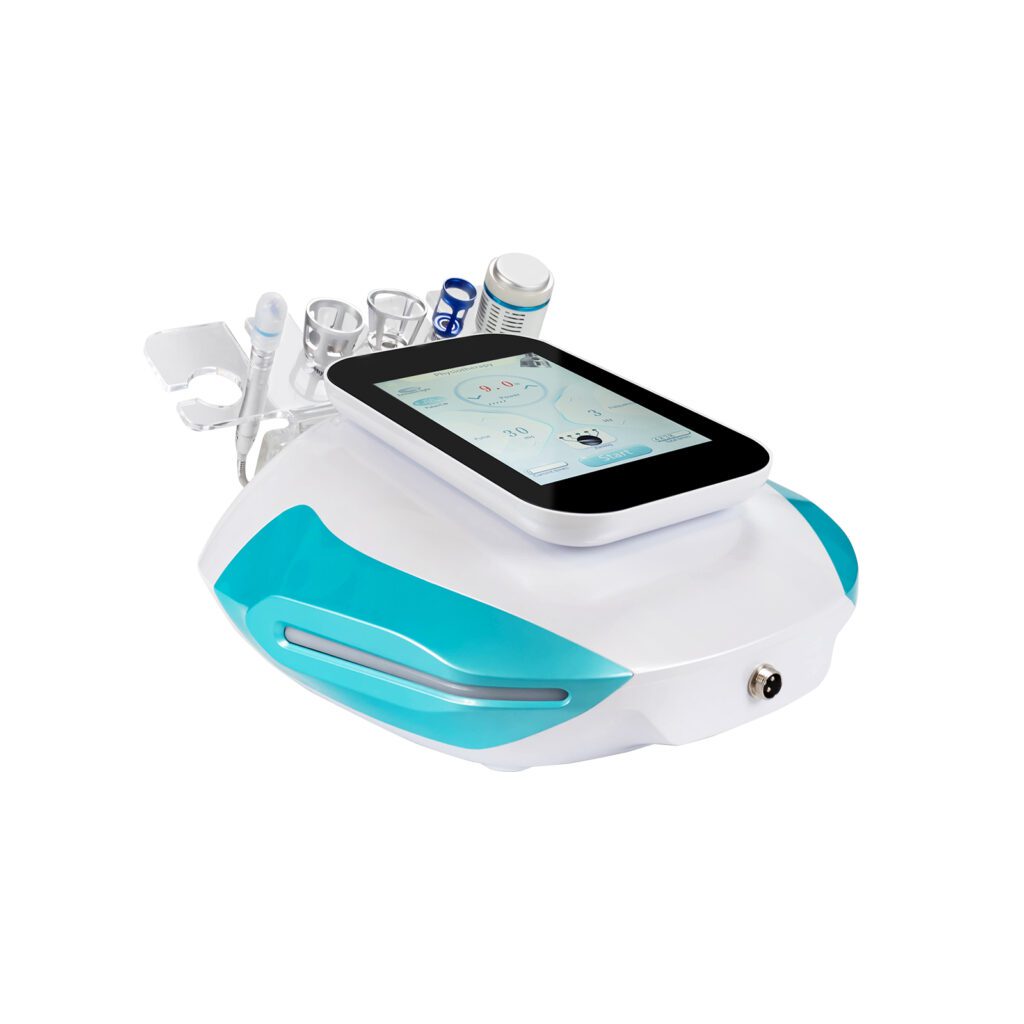
- Hydro facial or small bubble
- Oxygen spray or infusion
- مكنسة
- الدوري الهندي الممتاز
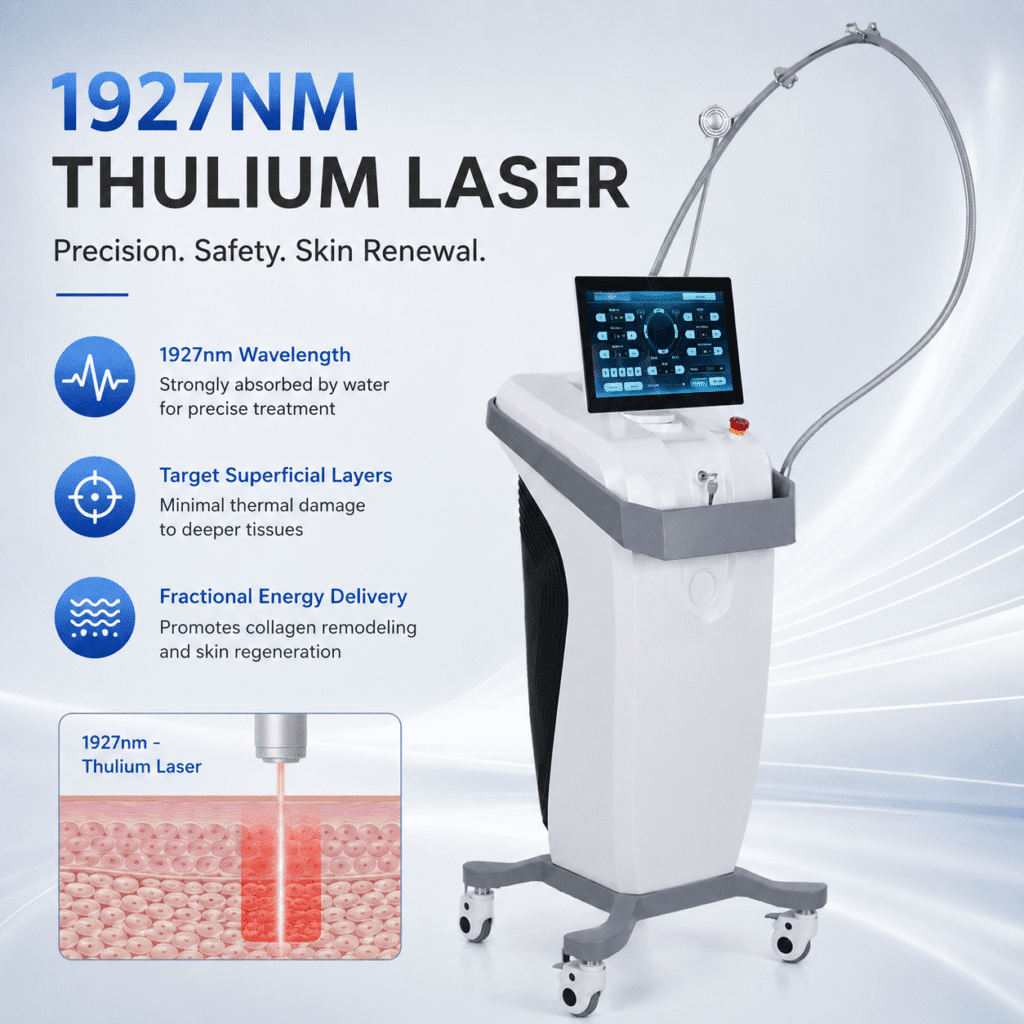
- الليزر
- تبريد
- Heating
- تحليل الجلد بالذكاء الاصطناعي
- أنظمة الوجه متعددة الوظائف
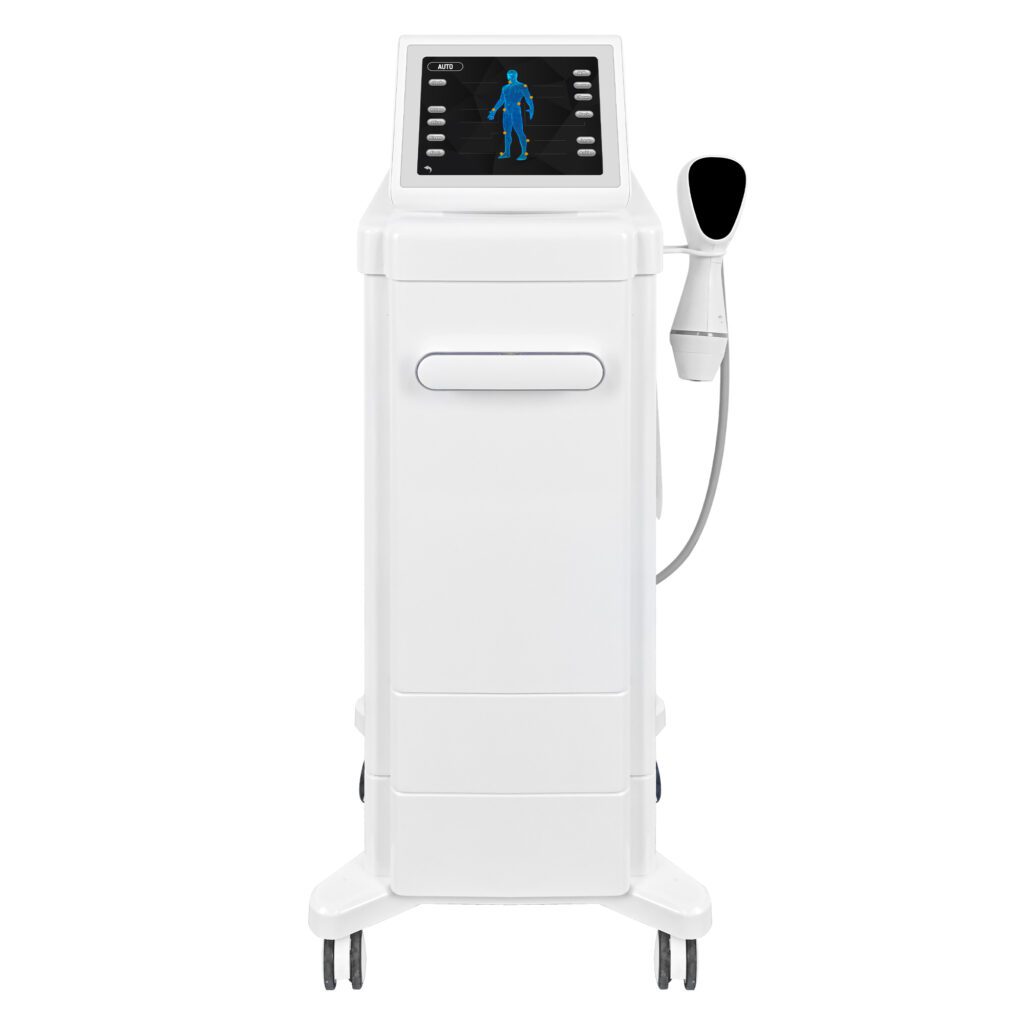
- Body contouring technologies
The salon should understand what each technology is meant to do, what customer concern it supports, what limitations exist, and what claims are appropriate.
6. Check Energy Output And Adjustable Levels
For energy-based devices, output control is critical.
يفحص:
- Output range
- مستويات قابلة للتعديل
- Stability
- طرق العلاج
- Pulse mode where applicable
- التحكم في درجة الحرارة
- Energy density where applicable
- Safety limits
- Whether output is suitable for different skin types
- Whether staff can adjust settings safely
More power is not always better. A device that is too aggressive may create discomfort, risk, or customer rejection. A device that is too weak may be hard to sell. The key is stable and controllable output.
7. Check Treatment Modes
Treatment modes should match real salon projects.
بسأل:
- How many modes are actually useful?
- What does each mode do?
- Are mode names clear?
- Are parameters adjustable?
- Can staff understand the difference?
- Does each mode have a treatment protocol?
- Are there beginner and advanced settings?
- Are there safety prompts?
A machine with many modes is not automatically better. Ten weak or confusing modes are less valuable than three reliable modes with clear project use.
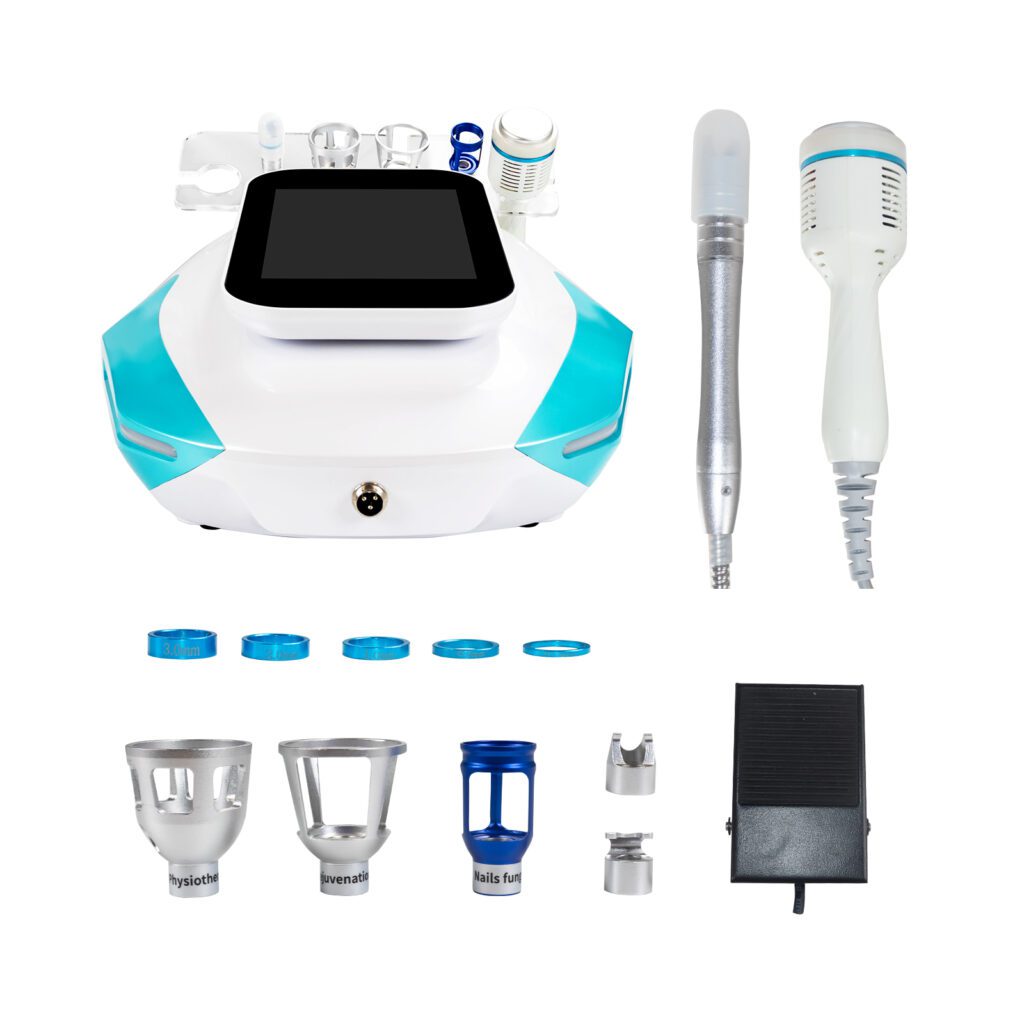
8. Check Handpiece Configuration
Handpieces are one of the most important purchasing parameters.
يفحص:
- Number of handpieces
- Function of each handpiece
- Handpiece material
- Cable strength
- Connector quality
- Weight and comfort
- Heat during operation
- Expected life
- تكلفة الاستبدال
- تغطية الضمان
- Cleaning requirements
- توافق المواد الاستهلاكية
- Whether handpieces are model-specific
Many after-sales problems come from handpieces and cables, not the main unit.
9. Check Cooling, Heating, Suction, And Flow
Different categories need different functional checks.
For RF:
- Heating stability
- التحكم في درجة الحرارة
- Contact comfort
- Cooling if applicable
For hydro facial:
- قوة الشفط
- تدفق المياه
- Bottle seal
- Tube quality
- طرف مناسب
- Waste bottle safety
For IPL or laser:
- أداء التبريد
- Handpiece temperature
- حماية العين
- استقرار الطاقة
For LED:
- معلومات عن الطول الموجي
- توحيد الإضاءة
- التحكم في الحرارة
- مسافة العلاج
Functional parameters should be tested in real use, not only read from a brochure.
10. Check Treatment Time
Treatment time affects salon revenue.
بسأل:
- كم تستغرق جلسة العلاج الواحدة؟
- How much preparation time is needed?
- How long is cleaning time?
- How long is customer consultation?
- How many sessions can be done per day?
- Does the machine need cooldown time?
- Can one staff member operate it easily?
A high-priced project may still be inefficient if it occupies a room and staff for too long. Salons should calculate contribution per hour, not only treatment price.
11. Check Customer Comfort
Customers decide whether to repurchase based on experience.
يفحص:
- هل العلاج مريح؟
- Is heat acceptable?
- Is suction too strong?
- Is current sensation stable?
- Is noise too loud?
- Is treatment embarrassing or hard to explain?
- Does the customer understand the process?
- Is there downtime or aftercare?
- Is the treatment suitable for the salon’s customer age group?
If customer comfort is poor, the salon may struggle to sell courses.
12. Check Safety Parameters
Safety should be checked before price.
Important safety parameters include:
- موانع الاستعمال
- ملصقات تحذيرية
- أوقف الطوارئ عند الحاجة
- Temperature limit
- حماية من البرودة
- حماية العين
- إرشادات حول نوع البشرة
- تدريب المشغل
- Hygiene instructions
- Cleaning process
- Disposable accessories
- جدول الصيانة
- رموز الخطأ
- حماية من الحرارة الزائدة
- Electrical safety information
For high-energy devices, safety review should be more strict.
13. Check Certificates And Test Reports
Beauty salons should ask what documents the machine has and what those documents mean.
Useful documents may include:
- مواصفات المنتج
- دليل المستخدم
- شروط الضمان
- تقرير مراقبة الجودة في المصنع
- تقرير الاختبار عند الاقتضاء
- الوثائق المتعلقة بعلامة المطابقة الأوروبية (CE) عند الاقتضاء
- وثائق لجنة الاتصالات الفيدرالية أو توجيهات الحد من القيود، عند الاقتضاء.
- FDA registration, listing, clearance, or approval information where applicable
- NMPA or local registration documents where applicable
- قائمة قطع الغيار
- قائمة المواد الاستهلاكية
- بروتوكول التدريب
Do not accept certificate photos without checking model number, date, issuing body, standard, and target market.
14. Check Claims And Marketing Language
Beauty salons should avoid buying a machine based on exaggerated claims.
Be cautious with claims such as:
- رفع مضمون
- فقدان الدهون بشكل دائم
- علاج حب الشباب
- إزالة الندوب تمامًا
- عكس الشيخوخة
- لا توجد آثار جانبية
- Medical-grade results without support
- آمن للجميع
- جلسة واحدة تحل المشكلة
FTC health product guidance supports the principle that claims about health-related products should be truthful, not misleading, and supported. Salons should ask suppliers what claims are supported and what claims should not be used.
15. Check FDA Or Medical Device Risk Where Applicable
Not every beauty device is a medical device. But some aesthetic devices may be regulated depending on intended use, technology, and claims.
FDA notes that aesthetic devices may be regulated depending on intended use and whether they affect the structure or function of the body. FDA also explains that indications for use can appear in labeling or be conveyed orally during sale.
This means salon staff scripts can matter. If a machine is sold or used with medical-like claims, regulatory risk may increase.
For laser, IPL, tattoo removal, strong RF, body contouring, and skin treatment devices, salons should ask for a clearer regulatory explanation before buying.
16. Check Voltage, Plug, And Electrical Compatibility
Basic electrical parameters are often overlooked.
يفحص:
- الجهد االكهربى
- تكرار
- نوع القابس
- Power consumption
- Grounding
- فتيل
- Cable standard
- Adapter requirement
- Room power capacity
- Extension cord warning
- Local electrical compatibility
Using the wrong voltage or plug can damage equipment and create safety risk.
17. Check Size, Weight, And Room Fit
The machine must fit the salon’s treatment room.
يفحص:
- حجم الآلة
- وزن
- Floor-standing or desktop design
- جودة العجلات
- Cable length
- تخزين القطع اليدوية
- Ventilation space
- امتداد المدخل
- مسافة سرير العلاج
- Room layout
- ضوضاء
- Appearance and brand image
A machine that looks good in a showroom may be too large or inconvenient in a small salon room.
18. Check Software, Language, And User Interface
Software affects staff confidence.
يفحص:
- لغة القائمة
- Translation accuracy
- Touch screen response
- أسماء الأوضاع
- Error prompts
- مؤقت العلاج
- Parameter memory
- User accounts where applicable
- سياسة تحديث البرامج
- Report generation for skin analyzers
- Printer or export function
- Offline use
- Cloud service terms
For AI skin analyzers, also check data storage, privacy notice, customer image handling, subscription fee, and software support.
19. Check Consumable Cost
Consumables affect long-term profit.
يفحص:
- ما هي المواد الاستهلاكية المطلوبة؟
- Cost per treatment
- الحد الأدنى للطلب
- Shelf life
- Storage condition
- Replacement frequency
- Whether consumables are proprietary
- Whether local substitutes are allowed
- Whether using substitutes affects warranty
- Supply stability
A machine with low purchase price but expensive consumables may not be cheaper in real salon operation.
20. Check Spare Parts Availability
Beauty salons should ask whether spare parts are available long term.
Important parts may include:
- قطع اليد
- الكابلات
- Pumps
- الأنابيب
- الفلاتر
- الشاشات
- مصادر الطاقة
- Boards
- Connectors
- مصابيح
- نصائح العلاج
- زجاجات
- أجزاء التبريد
Ask the supplier for a spare parts list and replacement prices before buying.
21. Check Warranty Terms
ينبغي أن تكون شروط الضمان محددة.
بسأل:
- ما هي مدة الضمان؟
- When does it start?
- ما هي الأجزاء التي يشملها هذا التأمين؟
- هل يشمل التأمين القطع اليدوية؟
- هل المواد الاستهلاكية مستثناة؟
- من يدفع تكاليف الشحن للإصلاح؟
- ما هي سياسة رفض المنتجات عند وصولها؟
- Is replacement available?
- How fast does technical support respond?
- Does misuse void warranty?
- هل تتوفر خدمة الإصلاح محلياً؟
Do not accept only “one-year warranty” without details.
22. Check After-Sales Service
After-sales service determines whether the machine can keep working.
يفحص:
- Supplier response time
- Technician support
- Repair videos
- دليل استكشاف الأخطاء وإصلاحها
- مخزون قطع الغيار
- التشخيص عن بعد
- دعم البرامج
- تذكيرات الصيانة
- Training follow-up
- Customer complaint handling
If after-sales is weak, even a good machine can become a burden.
23. Check Training Support
Beauty equipment is only useful when staff can operate and sell the project.
ينبغي أن يشمل التدريب ما يلي:
- العمليات
- اختيار المعلمات
- Customer screening
- موانع الاستعمال
- بروتوكول العلاج
- التنظيف والصيانة
- التواصل مع العملاء
- نصوص المبيعات
- Claim control
- تعليمات العناية اللاحقة
- استكشاف الأخطاء وإصلاحها
The salon should ask whether training is included, online or onsite, one-time or repeated, and available in the local language.
24. Check Project Packaging Potential
A machine should become a salon project, not just a device.
بسأل:
- What project name can the salon use?
- Which customer group is suitable?
- What service steps are included?
- What treatment time is recommended?
- ما هو السعر الذي يمكن أن يتقاضاه الصالون؟
- How many sessions form a course?
- ما هي المواد الاستهلاكية المطلوبة؟
- What customer script can staff use?
- What before-and-after policy is appropriate?
- What promotional materials are available?
Machines with clear project packaging are easier to sell to customers.
25. Check ROI And Payback Parameters
Beauty salons should calculate payback before buying.
Key variables:
- سعر الآلة
- الشحن والضرائب
- Training and installation cost
- المواد الاستهلاكية الأولية
- تكلفة إطلاق التسويق
- سعر العلاج
- تكلفة المواد الاستهلاكية لكل علاج
- تكلفة الموظفين
- مدة العلاج
- الجلسات الشهرية المتوقعة
- احتياطي الصيانة
- فترة الاسترداد
SBA break-even logic uses fixed costs divided by price minus variable costs to calculate break-even units. For beauty equipment, the “unit” can be one treatment session.
The salon should calculate payback using net contribution, not revenue alone.
26. Check Supplier Reliability
The machine is only as reliable as the supplier behind it.
يفحص:
- نبذة عن الشركة
- Factory or trading company
- خبرة في التصدير
- فئات المنتجات الرئيسية
- Existing salon cases
- Sample testing support
- Document response
- مواد تدريبية
- فريق خدمة ما بعد البيع
- توريد قطع الغيار
- وضوح الضمان
- Communication speed
- Contract willingness
If the supplier cannot answer technical and after-sales questions, the salon should be cautious.
27. Check Sample Testing Result
Before buying a high-value machine, test a sample or demo unit where possible.
امتحان:
- التعبئة والتغليف
- مُكَمِّلات
- بدء
- قطع اليد
- التشغيل المستمر
- تجربة العلاج
- لغة البرمجة
- ضوضاء
- تنظيف
- يدوي
- المواد الاستهلاكية
- Warranty response
- صعوبة في تشغيل الموظفين
Sample testing is the bridge between catalogue promise and real salon use.
28. Category Checklist: RF Beauty Equipment
For RF devices, check:
- استقرار الإخراج
- مستويات قابلة للتعديل
- التحكم في درجة الحرارة
- جودة القطع اليدوية
- Contact comfort
- طرق العلاج
- Cooling where applicable
- موانع الاستعمال
- دليل المستخدم
- Claims support
- بروتوكول التدريب
- ضمان القطع اليدوية
Do not choose RF only by high power. Stable, comfortable, controllable output is more important.
29. Category Checklist: LED Light Therapy
For LED devices, check:
- معلومات عن الطول الموجي
- جودة خرزة المصباح
- توحيد الإضاءة
- مسافة العلاج
- مؤقت
- Heat level
- حماية العين
- Panel size
- مقاسات الحامل
- دليل المستخدم
- الادعاءات المدعومة
LED is often useful as a care and repair support project, but salons should avoid unsupported medical claims.
30. Category Checklist: Hydro Facial And Small Bubble
For hydro facial and small bubble devices, check:
- قوة الشفط
- تدفق المياه
- Pump quality
- Bottle seal
- مادة الأنبوب
- طرف مناسب
- Waste bottle design
- سهولة التنظيف
- ضوضاء
- تكلفة المواد الاستهلاكية
- قطع الغيار
- Leakage risk
Because these machines are used frequently, small component quality matters.
31. Category Checklist: EMS And Microcurrent
For EMS and microcurrent devices, check:
- استقرار الإخراج
- شدة قابلة للتعديل
- راحة العلاج
- Electrode or handpiece quality
- Conductive gel compatibility
- Cable durability
- Mode logic
- موانع الاستعمال
- تدريب الموظفين
- Claims guidance
More sensation is not always better. Stable and comfortable output improves customer acceptance.
32. Category Checklist: Skin Analyzers
For skin analyzers, check:
- Camera resolution
- تناسق الإضاءة
- جودة التقرير
- لغة البرمجة
- فئات التحليل
- نظام الحسابات
- Cloud storage
- Data privacy
- تصدير التقارير
- سياسة التحديث
- Subscription fee
- Consultation workflow
- دعم التدريب
The value of a skin analyzer is consultation and sales conversion, not direct treatment.
33. Category Checklist: Laser And IPL Devices
For laser and IPL, check:
- استقرار إنتاج الطاقة
- أداء التبريد
- عمر القطعة اليدوية
- Lamp or shot count
- Safety key or emergency stop
- حماية العين
- Filter quality
- إرشادات حول نوع البشرة
- ملصقات تحذيرية
- متطلبات التدريب
- الوثائق التنظيمية
- Service support
These devices need stronger safety and compliance review than basic facial equipment.
34. Category Checklist: Body Contouring Devices
For body contouring machines, check:
- طرق العلاج
- Handpiece configuration
- Cooling or heating control
- Vacuum stability
- EMS pad quality where applicable
- Session time
- راحة العميل
- موانع الاستعمال
- تسعير المشروع
- Claims support
- Marketing restrictions
- After-sales parts
Be careful with fat reduction, slimming, and guaranteed-result claims.
35. Common Mistakes When Checking Parameters
تشمل الأخطاء الشائعة ما يلي:
- Looking only at power
- اختيار الجهاز الذي يحتوي على أكبر عدد من الوظائف
- Ignoring consumable cost
- Ignoring handpiece warranty
- تجاهل وقت العلاج
- تجاهل تدريب الموظفين
- تجاهل قطع الغيار
- Ignoring certificate validity
- Ignoring target customer demand
- Trusting exaggerated before-and-after photos
- Not testing the sample
- عدم حساب فترة السداد
- Not reading warranty terms
These mistakes can make a cheap machine expensive after purchase.
36. Red Flags Before Buying
توخ الحذر في الحالات التالية:
- لا يمكن للمورد تقديم وثائق خاصة بالطراز
- Certificate does not match the model
- User manual is unclear
- Warranty terms are vague
- Spare parts list is missing
- Consumables are expensive or unstable
- Claims sound too strong
- Supplier refuses sample testing
- تبدو القطع اليدوية ضعيفة
- لغة البرمجة رديئة
- ترتفع درجة حرارة الجهاز أثناء العرض التوضيحي
- No training is available
- عملية ما بعد البيع غير واضحة
- السعر أقل بكثير من سعر السوق دون أي تفسير.
وجود عدة مؤشرات تحذيرية مجتمعة يستدعي إيقاف عملية الشراء.
37. Build A Parameter Comparison Sheet
Beauty salons should compare machines in a table.
Suggested columns:
- نموذج
- مزود
- وظيفة
- تكنولوجيا
- Output range
- قطع اليد
- طرق العلاج
- مدة العلاج
- تكلفة المواد الاستهلاكية
- سعر الخدمة
- Payback estimate
- ضمان
- قطع غيار
- تمرين
- وثائق
- ميزات السلامة
- After-sales response
- سعر
- Salon fit score
This prevents emotional purchasing and helps compare total value.
38. Final Checklist Before Buying
Before buying beauty equipment, confirm:
- Target project is clear
- Suitable customer group is clear
- Technology type is understood
- Output and settings are controllable
- تتميز القطع اليدوية بالمتانة
- Safety warnings are available
- Treatment time fits salon workflow
- Customer comfort is acceptable
- Consumable cost is known
- قطع الغيار متوفرة
- الضمان مكتوب
- Training is included
- Documents match the model
- الادعاءات واقعية
- Sample or demo has been tested
- Supplier can provide after-sales
- ROI and payback are calculated
If these points are clear, the salon can buy with much more confidence.
خاتمة
Beauty salons should check beauty equipment parameters from both technical and business angles. Important parameters include technology type, output control, treatment modes, handpieces, safety settings, consumables, spare parts, treatment time, customer comfort, software, voltage, size, documents, warranty, training, after-sales, project packaging, and payback period.
The best machine is not necessarily the one with the highest power, lowest price, most handpieces, or most functions. It is the machine that fits the salon’s customer base, service menu, staff ability, room setup, budget, and long-term operation.
Before buying, salons should request documents, test the machine, compare suppliers, calculate ROI, review claims, and confirm after-sales support. A careful parameter check reduces purchasing mistakes and helps the salon turn equipment investment into real service revenue.
التعليمات
What parameters should beauty salons check before buying beauty equipment?
Salons should check technology type, function, output range, treatment modes, handpieces, safety features, treatment time, consumables, spare parts, warranty, training, documents, software, voltage, machine size, customer comfort, project packaging, and payback period.
Is higher power always better for beauty equipment?
No. Higher power is not always better. Stable, adjustable, comfortable, and safe output is more important than simply choosing the highest power number.
Should salons check consumable cost before buying?
Yes. Consumable cost affects real profit and payback. Salons should calculate cost per treatment, supply stability, shelf life, MOQ, and whether substitutes are allowed.
What documents should salons ask suppliers for?
Useful documents include product specification, user manual, warranty terms, factory QC report, test reports, CE-related documents, FCC or RoHS documents where applicable, FDA or local regulatory information where applicable, spare parts list, consumables list, and training protocol.
Why is treatment time important?
Treatment time affects room utilization, staff cost, daily capacity, customer comfort, and payback. A high-priced treatment may still be inefficient if it takes too long and has low demand.
Should salons test a sample before buying?
For high-value or unfamiliar machines, yes. Sample or demo testing helps verify function, handpieces, software, treatment experience, packaging, documents, and supplier response before purchase.
How can salons avoid buying the wrong machine?
They should define the target project first, match the machine to local customer demand, check parameters and documents, test the machine, calculate payback, confirm warranty and after-sales, and avoid exaggerated claims.