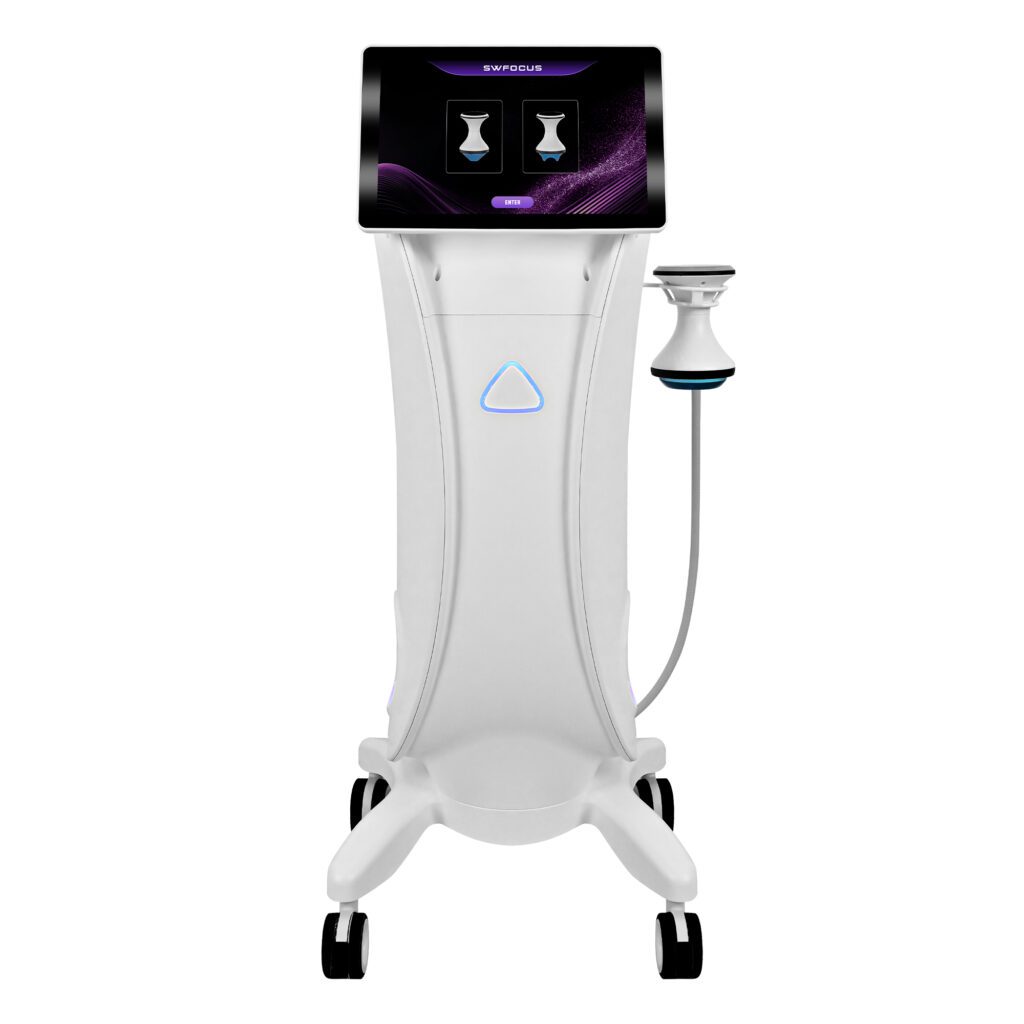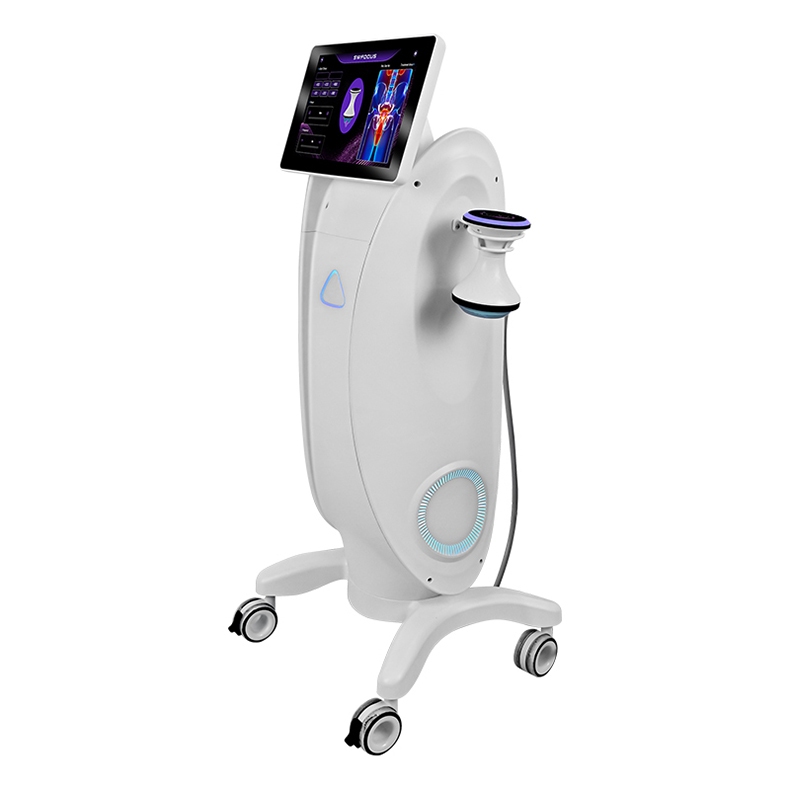










أصبحت تقنية التبريد الموضعي للدهون من أكثر تقنيات نحت الجسم غير الجراحية شهرةً في العالم. فمن خلال استخدام التبريد المتحكم به لاستهداف الخلايا الدهنية، توفر أجهزة التبريد الموضعي للدهون خيارًا بديلًا للعملاء الذين يرغبون في تحسين شكل أجسامهم دون جراحة أو فترة نقاهة طويلة.
تُعد درجة حرارة التبريد من أهم العوامل المؤثرة على فعالية علاج تجميد الدهون. وكثيراً ما يتساءل أصحاب العيادات والمشترون: ما هي درجة الحرارة المثلى لـ جهاز تجميد الدهون هل الهدف هو تحقيق نتائج فعالة مع الحفاظ على سلامة العلاج؟
لا يقتصر الجواب على مجرد "كلما زادت البرودة، كان ذلك أفضل". تتطلب أنظمة التبريد الاحترافية للدهون تحكمًا دقيقًا في درجة الحرارة، وأداء تبريد مستقر، وبروتوكولات علاجية مناسبة. إن فهم العلاقة بين درجة الحرارة والتكنولوجيا وخبرة العلاج يمكن أن يساعد العيادات على اختيار المعدات المناسبة وتقديم خدمات أفضل.

1. فهم تقنية التبريد بالتجميد الدهني
1.1 كيف تستخدم عملية التبريد المتحكم به في عملية تجميد الدهون
تعتمد تقنية التبريد الدهني على مبدأ أن الخلايا الدهنية أكثر حساسية لدرجات الحرارة المنخفضة من الأنسجة المحيطة بها. أثناء العلاج، يقوم جهاز التبريد الدهني بتوصيل طاقة تبريد مضبوطة إلى المنطقة المستهدفة.
عند تعريض الخلايا الدهنية لدرجات حرارة منخفضة مناسبة، فإنها تخضع لعملية موت خلوي طبيعية تُسمى الاستماتة. وبمرور الوقت، يتخلص الجسم تدريجياً من هذه الخلايا الدهنية المتضررة من خلال عمليات التمثيل الغذائي الطبيعية، مما يؤدي إلى انخفاض حجم الدهون في المنطقة المعالجة.
لا يهدف التبريد الدهني إلى التجميد الشديد، بل إلى التحكم الدقيق في درجة الحرارة. يجب أن يحافظ الجهاز الاحترافي على بيئة تبريد مستقرة مع حماية الجلد والأنسجة المحيطة به.
1.2 لماذا يُعد التحكم في درجة الحرارة أمرًا مهمًا
تؤثر درجة الحرارة بشكل مباشر على فعالية العلاج وراحة المريض. فإذا كانت درجة حرارة التبريد مرتفعة للغاية، فقد لا يتحقق التأثير المطلوب على الخلايا الدهنية. أما درجات الحرارة المنخفضة للغاية دون ضبط دقيق فقد تزيد من الشعور بعدم الراحة ومخاطر العلاج.
لذلك، تركز أجهزة التبريد المتقدمة على ضبط التبريد بدقة بدلاً من مجرد الوصول إلى أدنى درجة حرارة ممكنة.
2. ما هو نطاق درجة الحرارة المثالي لعملية تجميد الدهون؟
2.1 إعدادات درجة حرارة التبريد الشائعة للدهون
تعمل أجهزة التبريد الاحترافية عادةً ضمن نطاق تبريد مُتحكم به. وتتيح العديد من الأنظمة إمكانية ضبط مستويات درجة الحرارة حسب منطقة العلاج وحالة المريض ومتطلبات العلاج.
على سبيل المثال، توفر بعض أجهزة التبريد المتقدمة مستويات تبريد متعددة، مما يسمح للمشغلين باختيار الإعدادات المناسبة بدلاً من استخدام درجة حرارة ثابتة لكل عميل. وقد يوفر نظام احترافي نموذجي إمكانية ضبط التبريد من حوالي 1 درجة مئوية إلى -15 درجة مئوية.
تتيح هذه المرونة للعيادات تحقيق التوازن بين فعالية العلاج وراحة المريض.
2.2 لماذا تعتبر درجة الحرارة القابلة للتعديل أكثر أهمية من البرودة الشديدة
تتطلب مناطق الجسم المختلفة أساليب علاجية مختلفة. فمناطق مثل البطن والخصر والفخذين والذراعين والذقن لها خصائص نسيجية مختلفة واحتياجات علاجية مختلفة.
يُتيح الجهاز المزود بمستويات تبريد قابلة للتعديل للممارسين تحكمًا أكبر في عملية العلاج. فبدلاً من تطبيق نفس درجة الحرارة على جميع المرضى، يمكن للمشغلين تخصيص الإعدادات وفقًا للاحتياجات الفردية.
بالنسبة للعيادات، فإن مرونة درجة الحرارة تعمل أيضاً على تحسين نطاق الخدمات التي يمكنها تقديمها.
3. مقارنة تقنيات التبريد في أجهزة تجميد الدهون
3.1 أنظمة التبريد التقليدية
ركزت أنظمة التبريد الدهني السابقة بشكل أساسي على توفير تبريد أساسي مُتحكم به. وبينما قدمت هذه الأجهزة مفهوم تقليل الدهون غير الجراحي، استمر تطوير التحسينات في استقرار التبريد وراحة المريض.
يبحث المشترون المعاصرون بشكل متزايد عن معدات تتميز بتحكم أفضل في درجة الحرارة، واستجابة تبريد أسرع، واستقرار تشغيلي أطول.
3.2 أنظمة التبريد المتقدمة بتقنية TEC
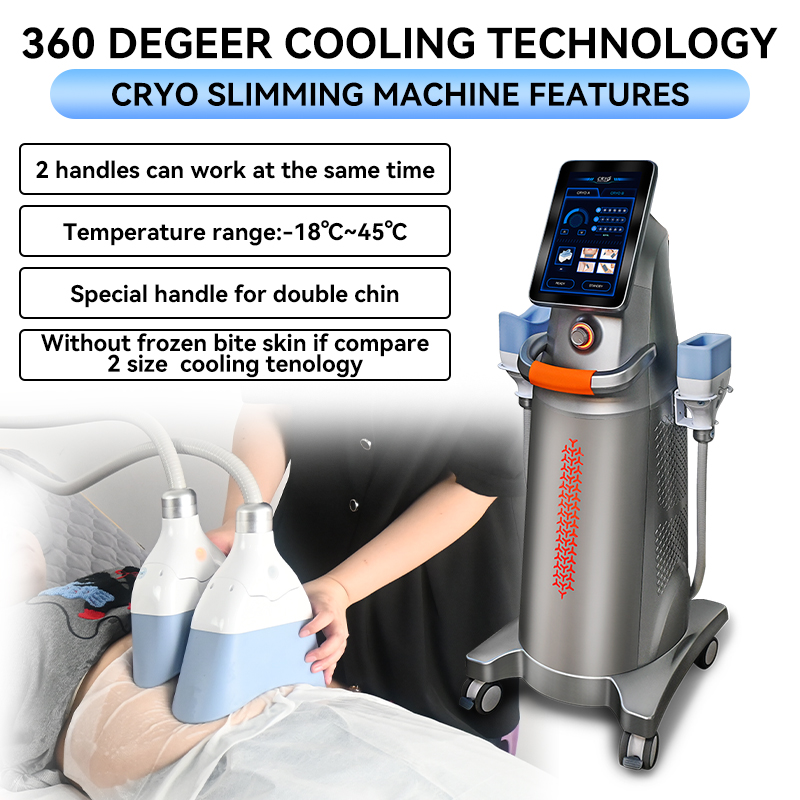
تستخدم أجهزة التبريد بالتجميد من الجيل الجديد أنظمة تبريد متطورة بتقنية التبريد الكهروحراري (TEC) للحفاظ على استقرار درجة الحرارة. وتساعد هذه التقنية على تنظيم التبريد والتسخين بدقة أكبر، مما يسمح للأجهزة بتوفير ظروف علاج متسقة.
تتضمن بعض الأنظمة الاحترافية وظائف التبريد والتسخين معًا. يساعد التسخين قبل العلاج على تهيئة المنطقة المراد علاجها، بينما يُستخدم التبريد المُتحكم به أثناء عملية تقليل الدهون.
على سبيل المثال، توفر بعض الأجهزة درجات حرارة التسخين المسبق حوالي 37 درجة مئوية إلى 45 درجة مئوية ودرجات حرارة التبريد حتى حوالي -15 درجة مئوية، مما يخلق عملية علاج أكثر اكتمالاً.
4. دور مقابض وأدوات تطبيق التبريد الدهني
4.1 أحجام مختلفة لأدوات التطبيق لمناطق مختلفة
لا تُعدّ درجة الحرارة سوى عامل واحد يؤثر على نتائج العلاج، إذ يلعب تصميم أدوات تطبيق التبريد الدهني دورًا هامًا أيضًا.
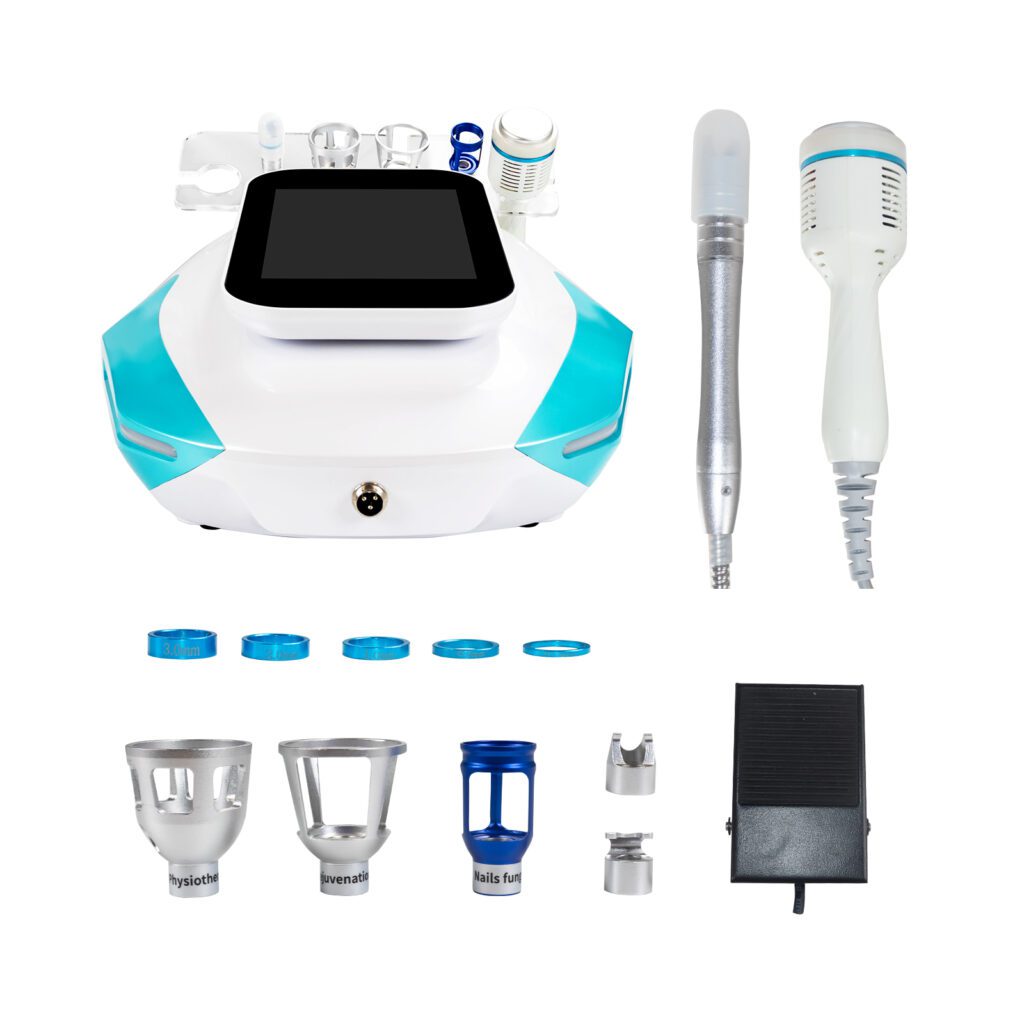
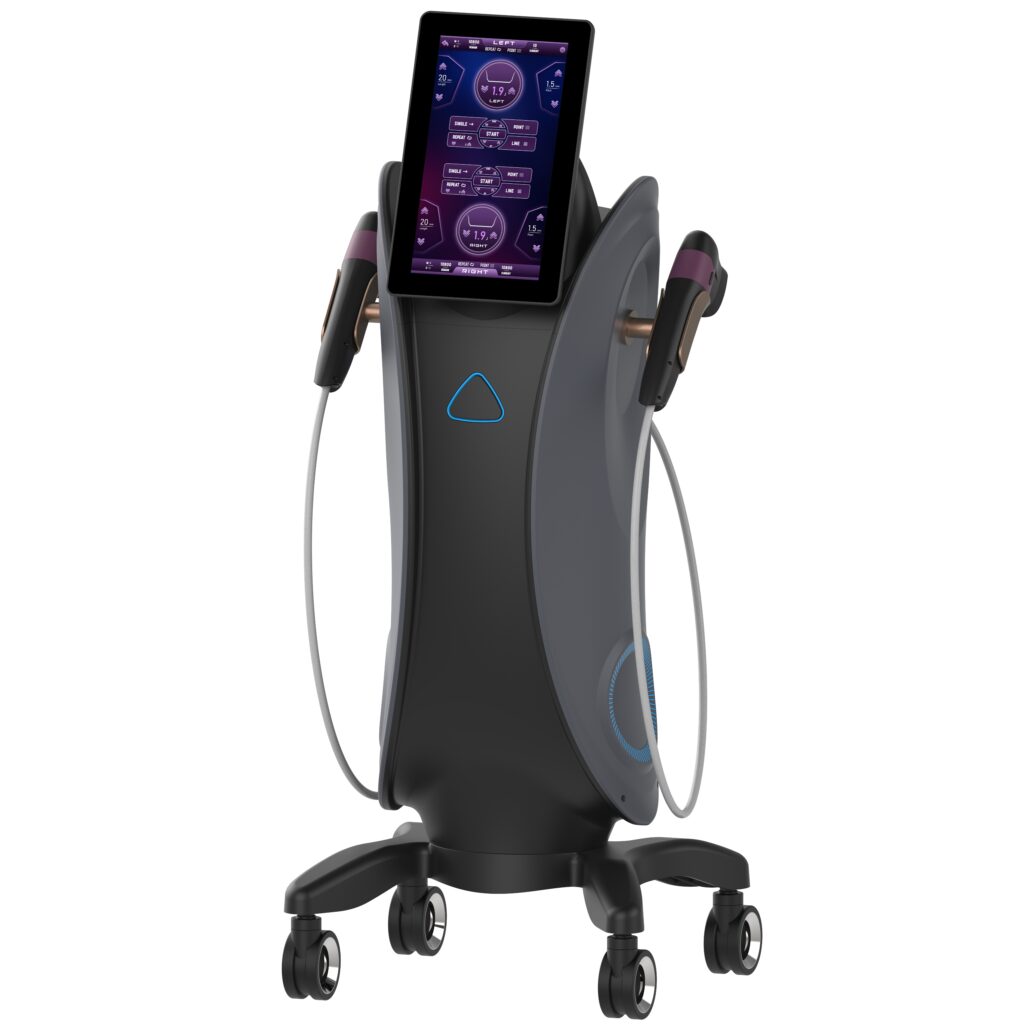
قد تتضمن أجهزة التبريد الاحترافية للدهون رؤوس تبريد بأحجام متعددة لتناسب مناطق الجسم المختلفة. يمكن استخدام الرؤوس الأكبر حجماً لمناطق مثل البطن والفخذين، بينما تُعد الرؤوس الأصغر حجماً أكثر ملاءمة للمناطق الأصغر.
إن وجود خيارات متعددة لأدوات التطبيق يسمح للعيادات بمعالجة مجموعة أوسع من العملاء.
4.2 دمج تقنية تجميد الدهون مع تقنيات نحت الجسم
يتجه سوق التجميل بشكل متزايد نحو الأجهزة متعددة الوظائف. ويمكن أن يؤدي الجمع بين تقنية تجميد الدهون وتقنيات أخرى إلى ابتكار برامج أكثر شمولاً لنحت الجسم.
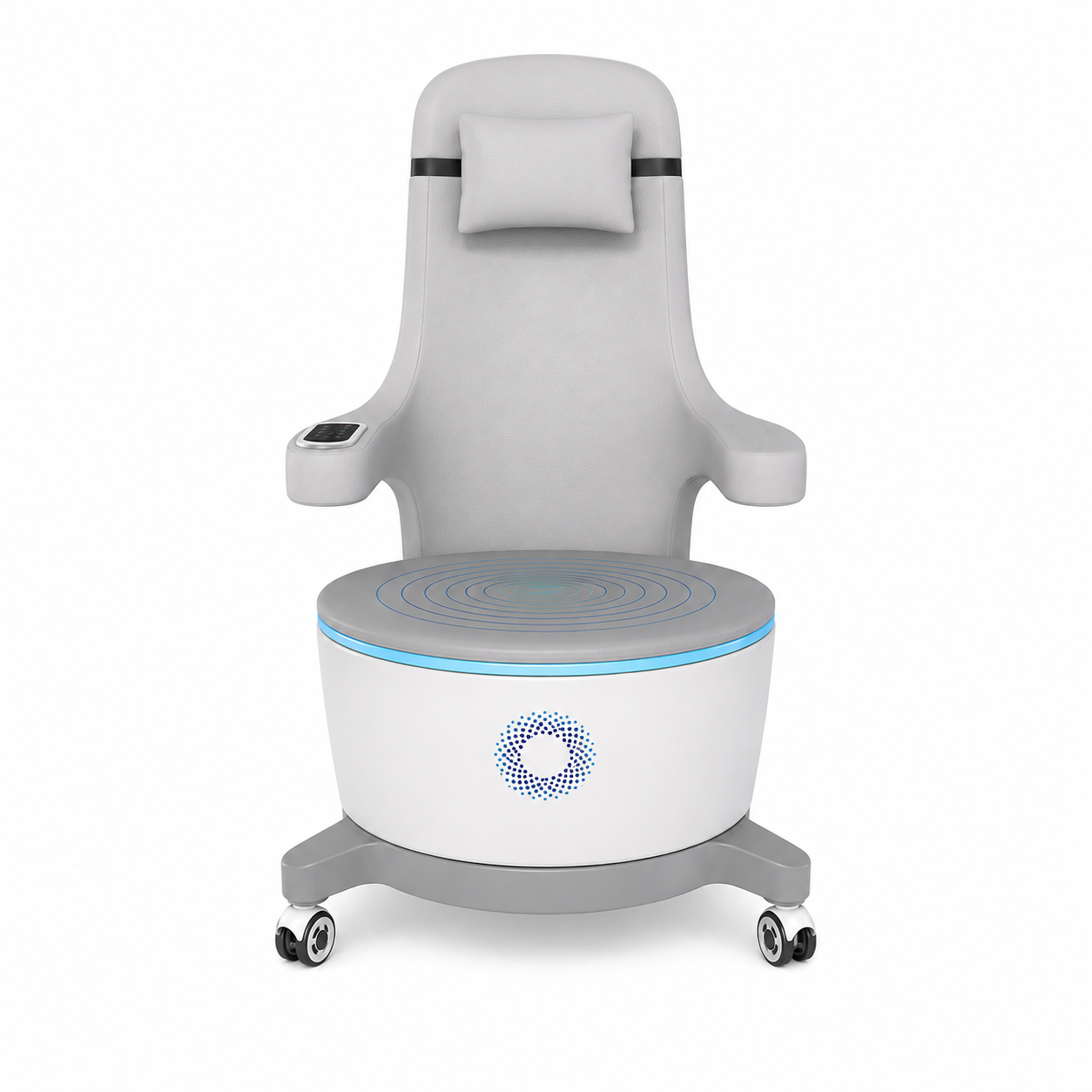
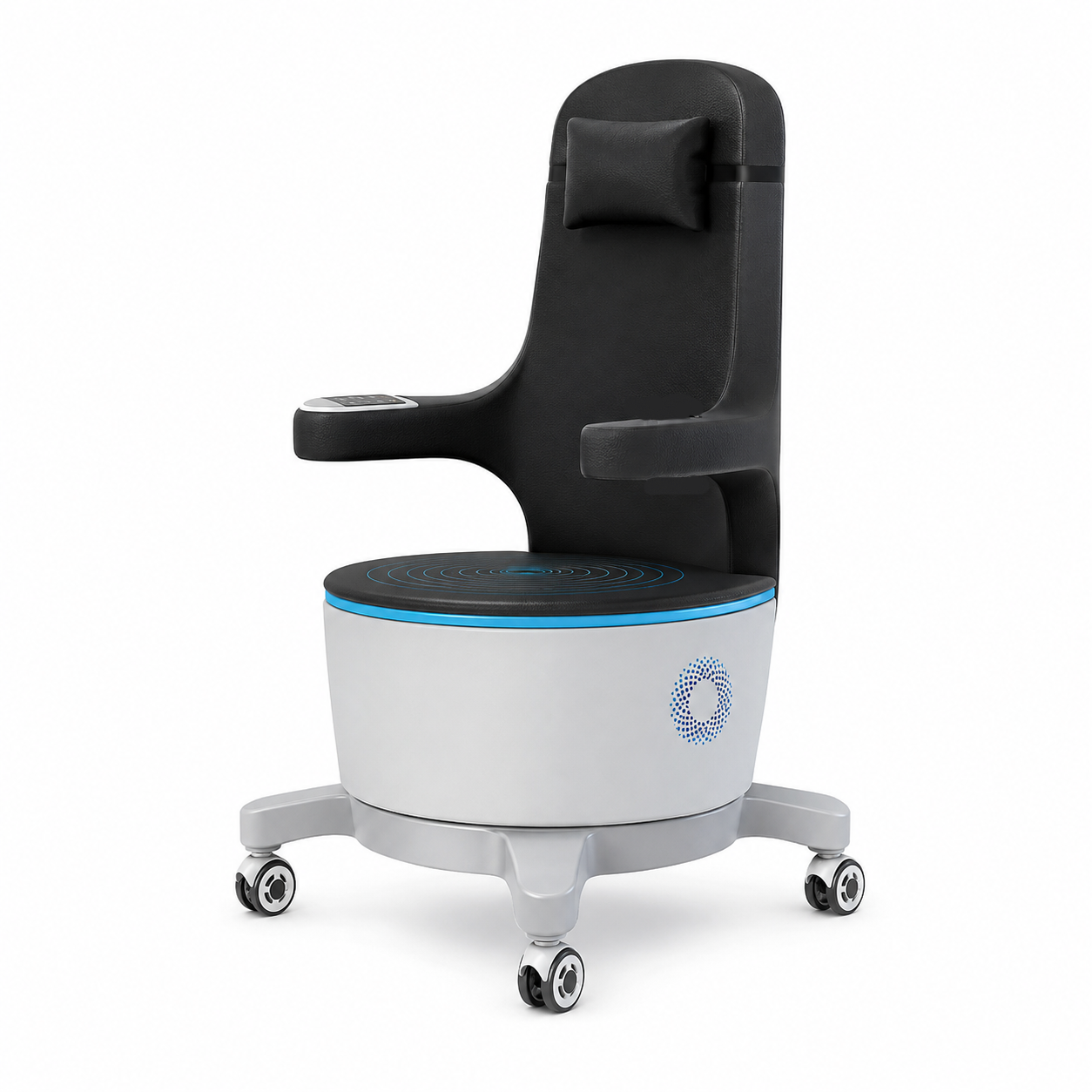
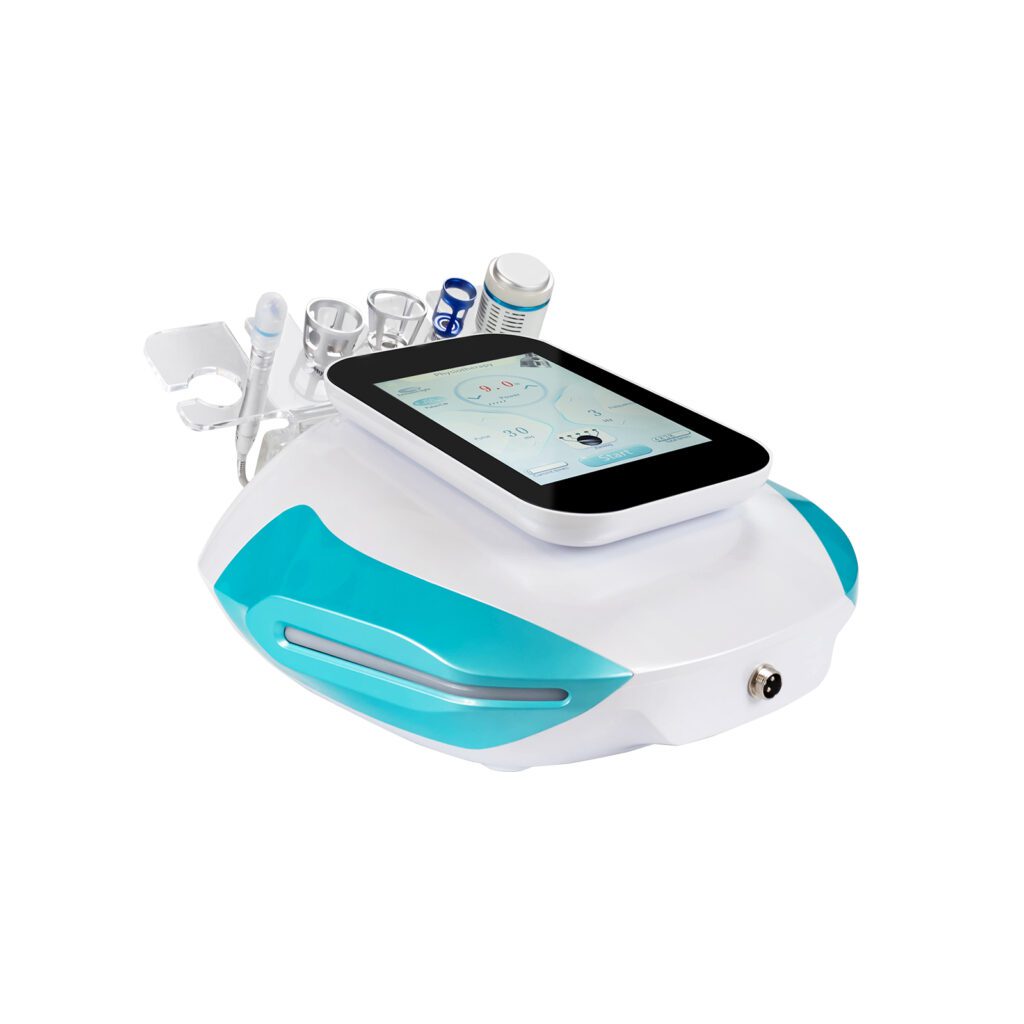
على سبيل المثال، تدمج بعض الأنظمة المتطورة تقنية التبريد الموضعي للدهون مع تقنية الأسطوانة الكروية الداخلية. فبينما يركز التبريد الموضعي للدهون على التبريد المتحكم به لتقليل الدهون، تستخدم علاجات الأسطوانة الكروية الداخلية الضغط الميكانيكي والاهتزاز الدقيق لدعم الدورة الدموية، وتصريف السائل اللمفاوي، وتحسين مظهر السيلوليت، وشد الجلد.
تتيح هذه التركيبة للعيادات تقديم مجموعة أوسع من علاجات نحت الجسم والعافية.
5. كيف ينبغي للعيادات تقييم أجهزة تجميد الدهون
5.1 انظر إلى ما هو أبعد من أدنى درجة حرارة
عند شراء أجهزة تجميد الدهون، لا ينبغي للعيادات التركيز فقط على مدى برودة الجهاز. بل يجب أن تشمل العوامل الأكثر أهمية استقرار درجة الحرارة، والتحكم في التبريد، وتصميم أداة التطبيق، وميزات السلامة أثناء العلاج، وموثوقية الجهاز.
ينبغي أن يوفر النظام المصمم جيداً أداءً ثابتاً خلال العلاجات المتكررة.
5.2 مراعاة كفاءة العلاج والقيمة التجارية
بالنسبة لعيادات التجميل، ينبغي تقييم الاستثمار في المعدات من منظور تجاري. فميزات مثل تعدد القطع اليدوية، ووقت التشغيل الطويل، وسهولة الاستخدام، والقدرات متعددة الوظائف، تُسهم في زيادة خيارات العلاج وتحسين العائد على الاستثمار.
ينبغي أن يدعم جهاز التبريد الدهني الموثوق به رضا المرضى ونمو العيادة.
خاتمة
لا يتعلق الأمر بدرجة حرارة التبريد المثالية للخلايا الدهنية بالوصول إلى أدنى مستوى ممكن من البرودة، بل بتحقيق أداء تبريد دقيق ومتحكم فيه. تستخدم الأنظمة الاحترافية عادةً نطاقات درجات حرارة قابلة للتعديل لتحقيق التوازن بين استجابة الخلايا الدهنية وراحة المريض وسلامة العلاج. بالنسبة للعيادات التي تختار معدات تجميد الدهون, تُعدّ عوامل مثل تقنية التبريد المتقدمة، ومرونة أداة التطبيق، وثبات العلاج، ووظائف نحت الجسم الإضافية، من الاعتبارات المهمة. ومع استمرار نمو الطلب على نحت الجسم غير الجراحي، ستتمتع التقنيات التي تجمع بين التبريد الفعال وخيارات العلاج المُخصصة بإمكانات سوقية أقوى.