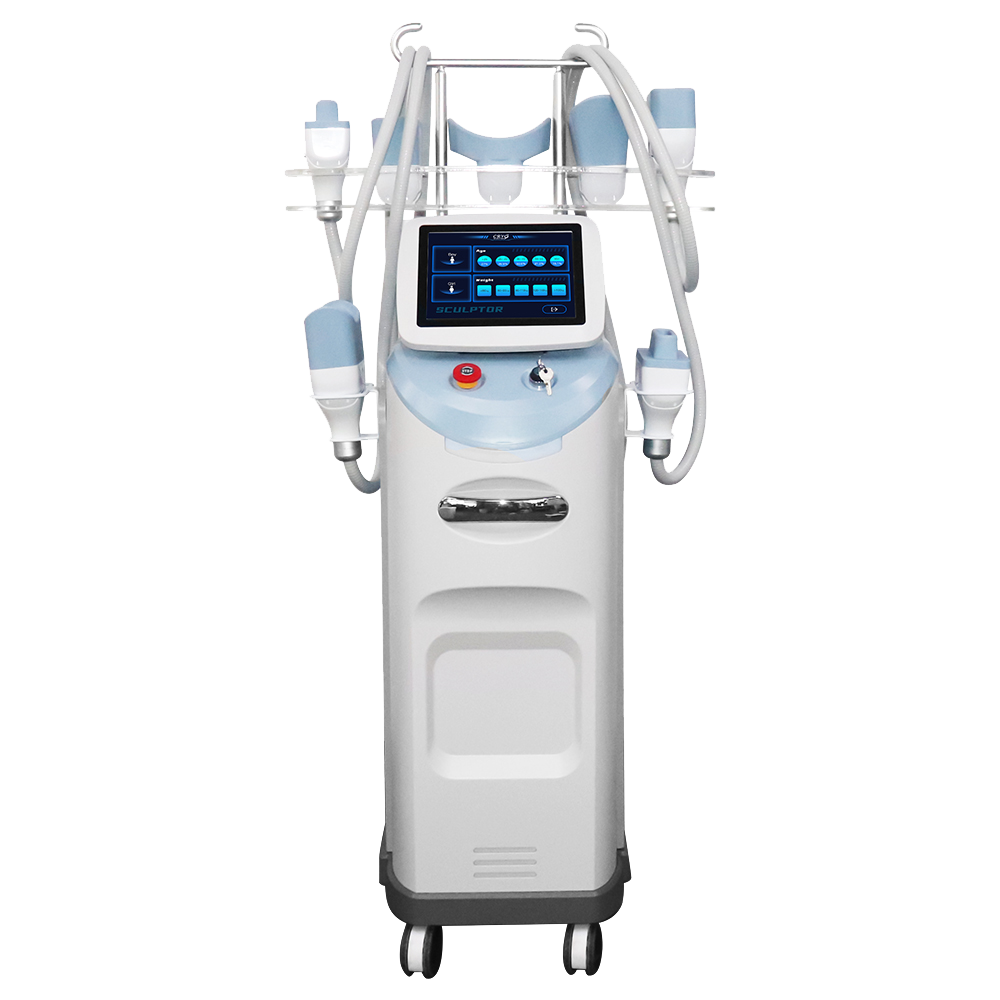
شهد قطاع معدات التجميل تحولاً نحو استراتيجيات التصنيع والتسويق المتكاملة، مما جعل دور موردي مصانع أجهزة التبريد الدهني أكثر أهمية من أي وقت مضى. بالنسبة للموزعين وأصحاب العلامات التجارية والوافدين الجدد إلى السوق، يُعد فهم آلية عمل الموردين أمراً بالغ الأهمية لاختيار شركاء تصنيع المعدات الأصلية (OEM) وتصميمها (ODM) الموثوق بهم، وبناء خطوط إنتاج طويلة الأجل. بدلاً من التركيز على الأجهزة الفردية، تكمن القيمة الحقيقية في فهم القدرة الإنتاجية، وتكامل التكنولوجيا، وإمكانية التخصيص ضمن تصنيع معدات نحت الجسم الحديثة.
1. دور مورد مصنع آلات التبريد الدهني في سلسلة التوريد
1.1 وظيفة التصنيع وتطوير النظام
أ جهاز تجميد الدهون لا تقتصر مسؤولية مورد المصنع على إنتاج أجهزة تجميد الدهون فحسب، بل تشمل أيضاً هندسة النظم، وتكامل الأجهزة، ومراقبة الجودة طوال دورة الإنتاج. ويقوم الموردون بتصميم معدات تلبي معايير السلامة، مع دعم التوسع في استخدام تقنيات متعددة في العلاجات التجميلية.
من الناحية العملية، هذا يعني تحويل عملية تجميد الدهون من مفهوم ذي وظيفة واحدة إلى منصة قابلة للتطوير يمكن تكييفها مع مختلف الأسواق واحتياجات العلاج.
1.2 الموقع في نماذج أعمال تصنيع المعدات الأصلية (OEM) وتصميمها (ODM)
في إطار هياكل تصنيع المعدات الأصلية (OEM) وتصنيع التصميم الأصلي (ODM)، يشكل موردو المصانع أساس عملية ابتكار المنتج. يتيح تصنيع المعدات الأصلية تخصيص العلامة التجارية على التصاميم الحالية، بينما يدعم تصنيع التصميم الأصلي تطويرًا أعمق يشمل تصميم الهيكل والوظيفة والواجهة.
تتيح هذه المرونة للشركات دخول سوق الجماليات دون بناء بنية تحتية للتصنيع، مع الاستمرار في تقديم معدات متميزة تحت هوية علامتها التجارية الخاصة.
2. المبادئ الهندسية الكامنة وراء أنظمة التجميد الدهني
2.1 التبريد المتحكم به واستجابة الخلايا الدهنية
تعتمد تقنية التبريد الدهني على حساسية الخلايا الدهنية لدرجات الحرارة المنخفضة. فمن خلال تطبيق تبريد مُتحكم به، تخضع الخلايا الدهنية لعملية التبلور والموت الخلوي المبرمج، بينما تبقى الأنسجة المحيطة بها سليمة. ومع مرور الوقت، يتخلص الجسم من هذه الخلايا بشكل طبيعي من خلال عمليات التمثيل الغذائي.
يتحمل موردو المصانع مسؤولية ضمان بقاء أنظمة التبريد مستقرة ودقيقة وموزعة بالتساوي عبر مناطق العلاج.
2.2 أنظمة التحكم التقنية الرئيسية في التصنيع
يركز مورد مصنع آلات التبريد الدهني الاحترافي على أنظمة التحكم الهندسية المتعددة، بما في ذلك:
- تنظيم دقيق لدرجة الحرارة لتحقيق توازن آمن بين التبريد والتدفئة
- التحكم في ضغط الفراغ لضمان تلامس متناسق مع الأنسجة
- تشغيل متعدد القنوات لإمكانية العلاج المتزامن
- أنظمة الحماية الحرارية لضمان سلامة المستخدم
- إدارة مستقرة لتردد الخرج من أجل أداء متسق
تضمن هذه الأنظمة أن تظل الأجهزة موثوقة أثناء الاستخدام السريري أو التجاري طويل الأمد.
2.3 اتجاهات تكامل الأنظمة في تصميم المعدات
تُركز اتجاهات التصنيع الحديثة على التكامل بدلاً من الأجهزة أحادية الوظيفة. وتُدمج أنظمة التبريد الدهني بشكل متزايد مع تقنيات إضافية مثل التدليك الميكانيكي والعلاج بالشفط والتحفيز الحراري. ويعكس هذا تحولاً أوسع نحو منصات متعددة الوظائف في تصميم معدات التجميل.
3. تقنية البكرة الكروية الداخلية كمثال على التكامل الميكانيكي
3.1 مبدأ الاهتزاز الدقيق للضغط الميكانيكي
تستخدم أنظمة بكرات التدليك الداخلية مكونات سيليكون دوارة لتوليد اهتزازات دقيقة ضاغطة على سطح الجلد. هذا التحفيز الميكانيكي يحسن الدورة الدموية، ويدعم التصريف اللمفاوي، ويعزز تنشيط الأنسجة دون الاعتماد على الانبعاثات القائمة على الطاقة.
إنها تمثل تقنية تكميلية غالباً ما يتم دمجها مع تقنية تجميد الدهون في منصات متعددة الوظائف.
3.2 الدور الوظيفي في أنظمة تحديد شكل الجسم
من منظور التصنيع، تُستخدم وحدات الكرات الداخلية لتوسيع النطاق الوظيفي لأنظمة نحت الجسم. وهي تدعم تطبيقات مثل شد الجلد، وإرخاء العضلات، وتعزيز التعافي بعد العلاج.
يوضح هذا النوع من الوحدات الميكانيكية كيف يقوم الموردون بدمج تقنيات مختلفة في منصات موحدة لزيادة تنوع المعدات.
3.3 مثال على نهج تصميم النظام المتكامل
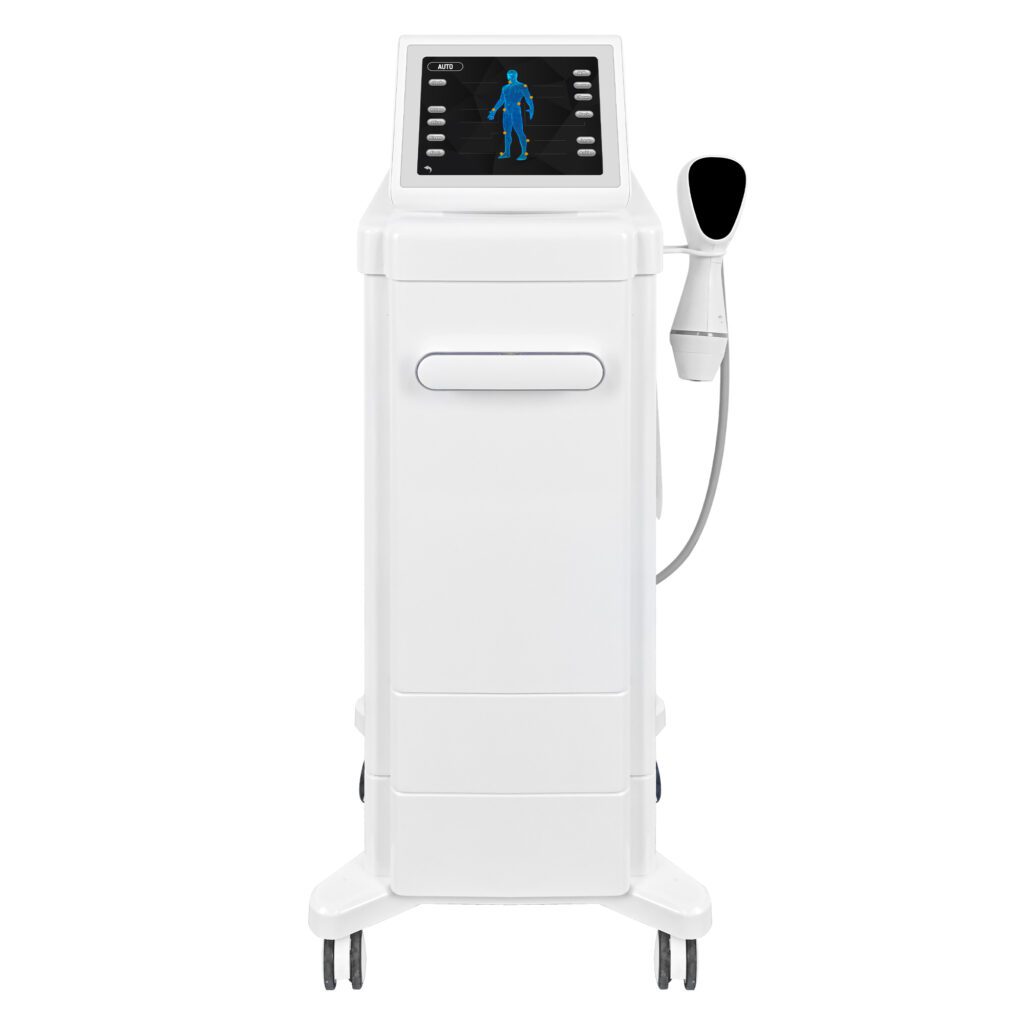
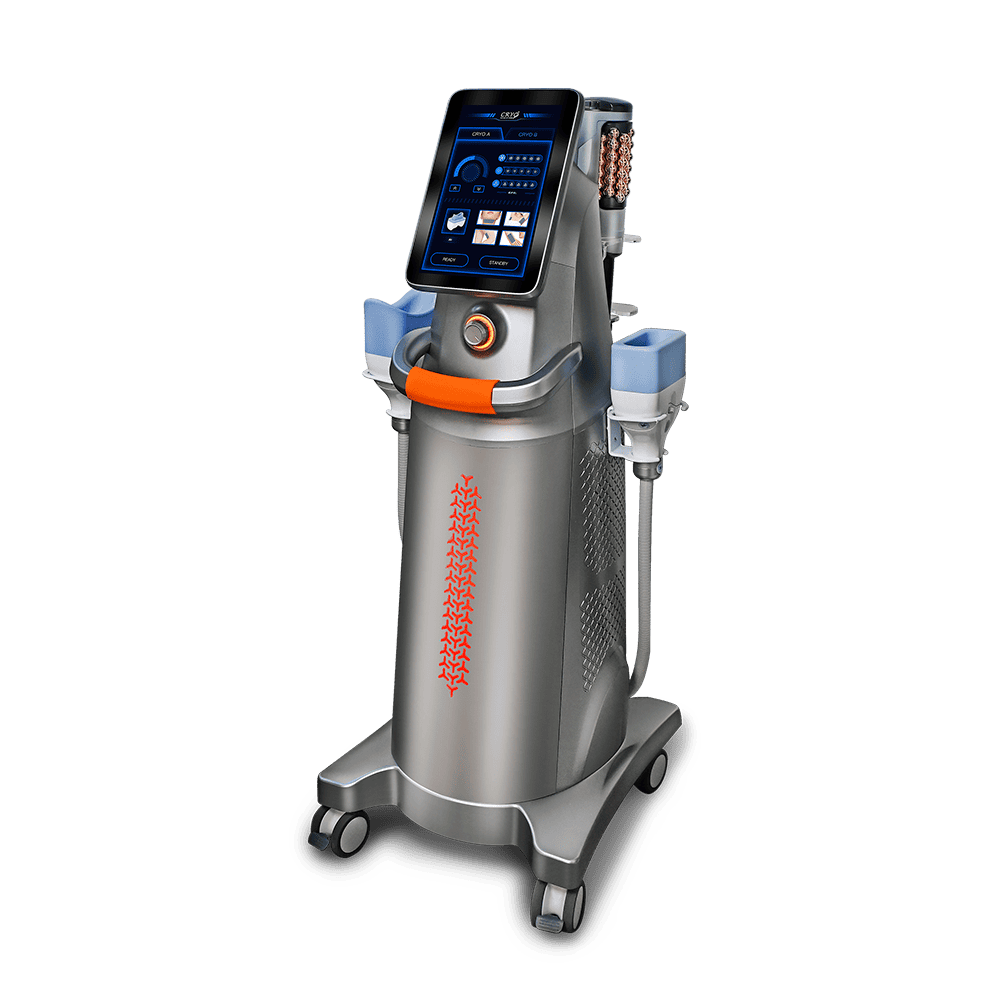
ال جهاز S26 2 في 1 للتخسيس بتقنية التبريد الدهني Endos Velapro مع بكرة تدليك داخلية وجهاز تدليك بالكرة الدوارة يوضح هذا المفهوم التكاملي. في مثل هذه التصاميم، تتولى عملية التبريد الدهني تقليل الدهون بينما تدعم وحدات الأسطوانة الدورة الدموية وتكييف الجلد، مما يعكس كيفية قيام موردي المصانع بتطوير أنظمة متعددة الوظائف بدلاً من الأجهزة المستقلة.
4. معايير التصنيع وعملية تخصيص منتجات الشركات المصنعة الأصلية (OEM) وتصميمها (ODM)
4.1 مراقبة الإنتاج وضمان الجودة
يحرص مورد موثوق لأجهزة تجميد الدهون على تطبيق بروتوكولات إنتاج صارمة، تشمل اختيار المكونات، والتحقق من التجميع، واختبار الأداء. يجب أن تجتاز كل وحدة مراحل فحص متعددة لضمان الاستقرار والسلامة والاتساق.
تشمل نقاط التفتيش الرئيسية في التصنيع السلامة الكهربائية، وكفاءة التبريد، واستقرار الفراغ، والمتانة التشغيلية على المدى الطويل.
4.2 إمكانيات التخصيص للأسواق العالمية
تتيح خدمات تصنيع المعدات الأصلية (OEM) وخدمات التصميم والتصنيع الأصلي (ODM) للمشترين تخصيص جوانب متعددة من تصميم المعدات، مثل:
- التصميم الخارجي للمباني والهياكل
- إعدادات واجهة البرنامج واللغة
- التركيبات الوظيفية وأنماط العلاج
- عناصر العلامة التجارية وهوية العلامة التجارية الخاصة
تُعد هذه المرونة ضرورية للشركات التي تستهدف أسواقاً إقليمية مختلفة ذات متطلبات تحديد المواقع الفريدة.
4.3 الامتثال والمعايير الدولية
يجب على موردي المصانع أيضاً الالتزام بالشهادات الدولية مثل معايير CE وISO. تضمن هذه الشهادات أن المعدات تستوفي متطلبات السلامة ويمكن توزيعها قانونياً في الأسواق العالمية.
5. الطلب في السوق والقيمة الاستراتيجية لشراكات المصانع
5.1 الطلب المتزايد على تقنيات نحت الجسم غير الجراحية
أدى التحول العالمي نحو العلاجات التجميلية غير الجراحية إلى زيادة الطلب على أنظمة التبريد الدهني. يفضل المستخدمون طرق تقليل الدهون التي تتجنب الجراحة وفترة النقاهة، مما يجعل التبريد الدهني أحد أكثر التقنيات انتشارًا في هذا المجال.
5.2 أهمية شركاء التصنيع القابلين للتوسع
يُمكّن التعاون مع مورد مصنع مستقر الشركات من زيادة الإنتاج بكفاءة، والحفاظ على جودة المنتج، والتوسع في أسواق جديدة. وتُعدّ القدرة التصنيعية والدعم الفني من العوامل الرئيسية لنجاح الأعمال على المدى الطويل.
5.3 الاتجاه نحو منصات المعدات متعددة الوظائف
يتجه القطاع نحو منصات متكاملة تجمع بين طرق علاجية متعددة في نظام واحد. هذا التوجه يزيد من كفاءة العمليات ويوسع نطاق الخدمات المقدمة دون الحاجة إلى أجهزة متعددة.
خاتمة
يلعب موردو مصانع أجهزة التبريد الدهني دورًا حاسمًا في منظومة معدات التجميل من خلال توفير القدرة التصنيعية وتكامل الأنظمة، و تخصيص OEM ODM الخدمات. يُعدّ فهم كيفية عمل هؤلاء الموردين أمرًا أساسيًا لبناء استراتيجيات توريد فعّالة وتطوير خطوط إنتاج تنافسية. مع تحوّل الصناعة نحو منصات متعددة الوظائف وتقنيات متكاملة، تعتمد الشراكات الناجحة على اختيار موردين قادرين على الجمع بين الاستقرار الهندسي والتخصيص المرن وقدرة إنتاجية قابلة للتوسع.