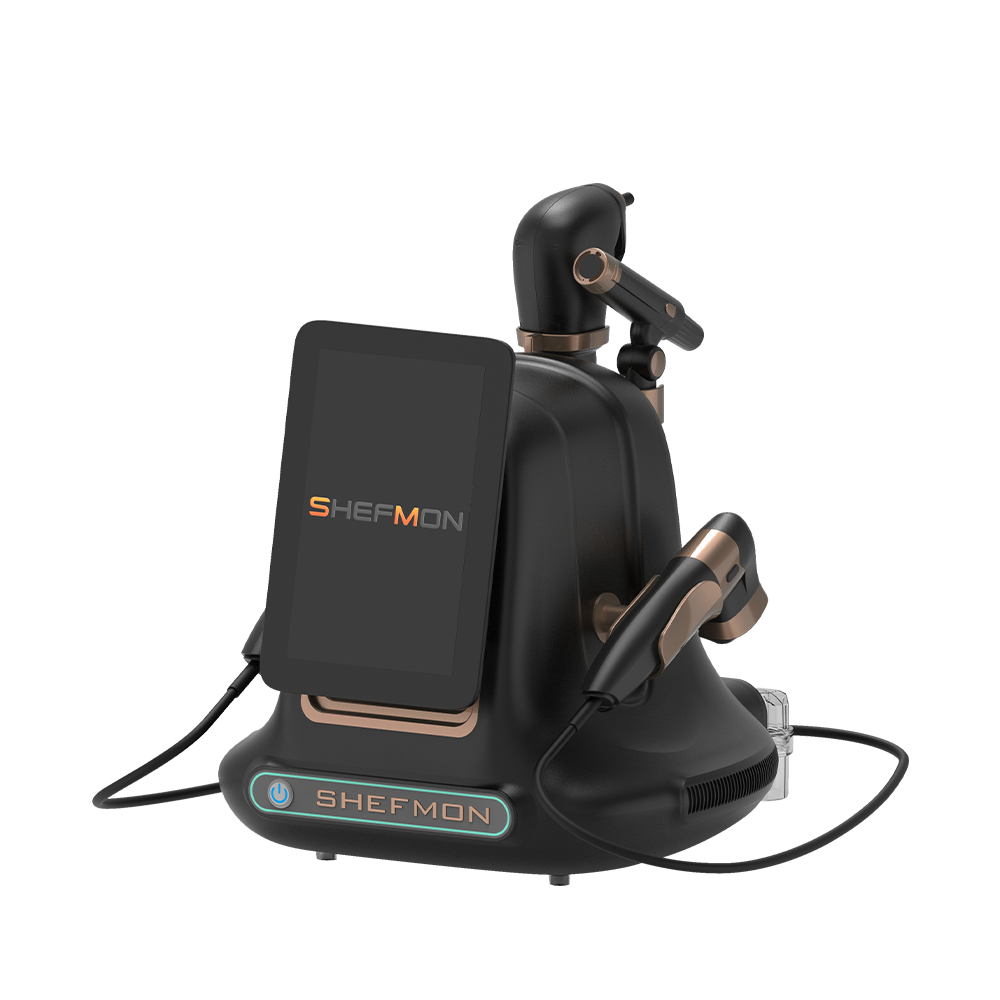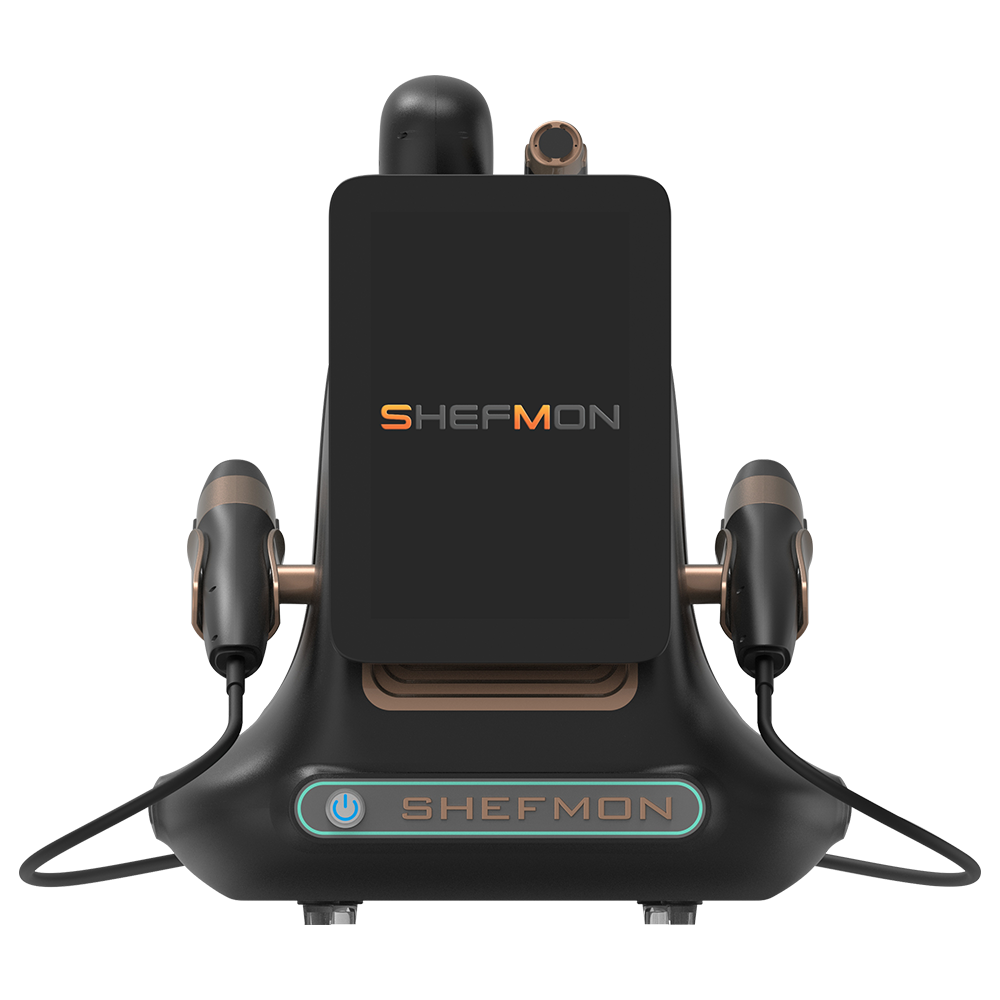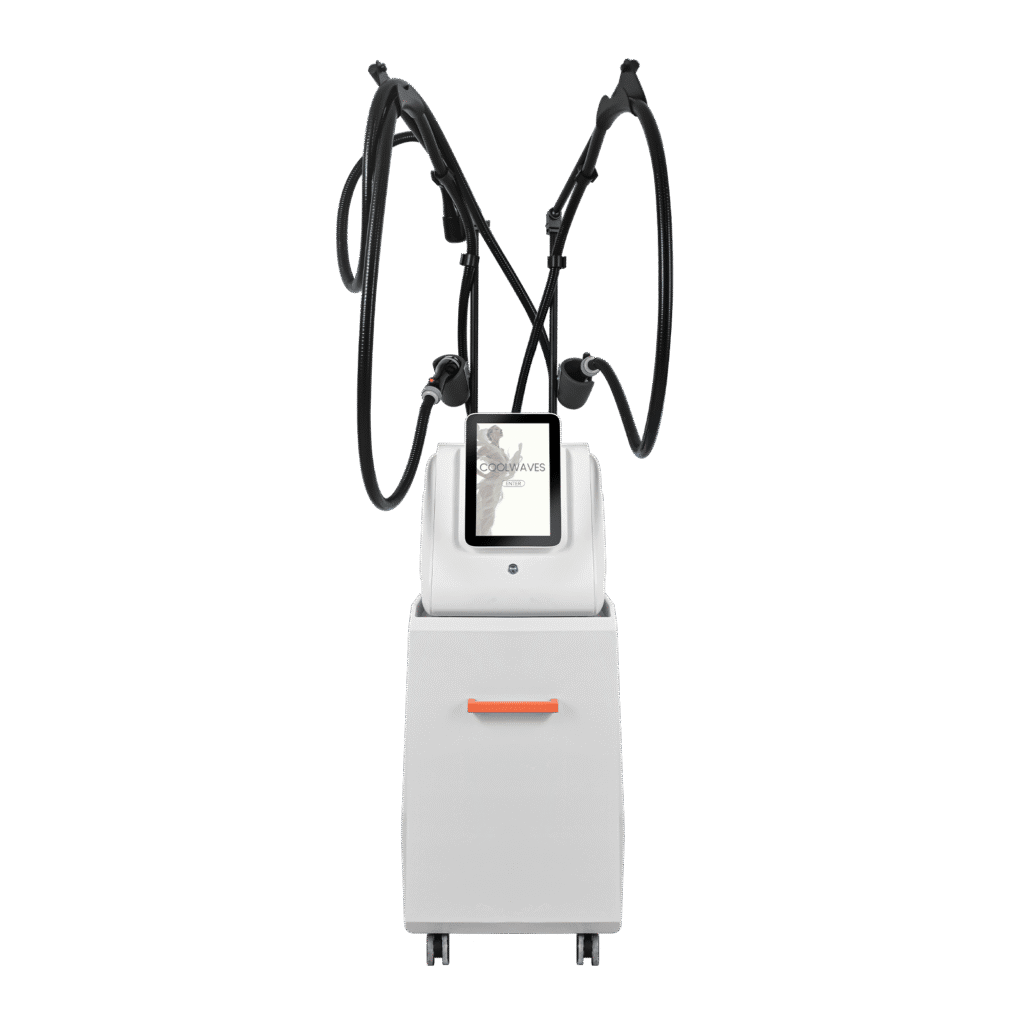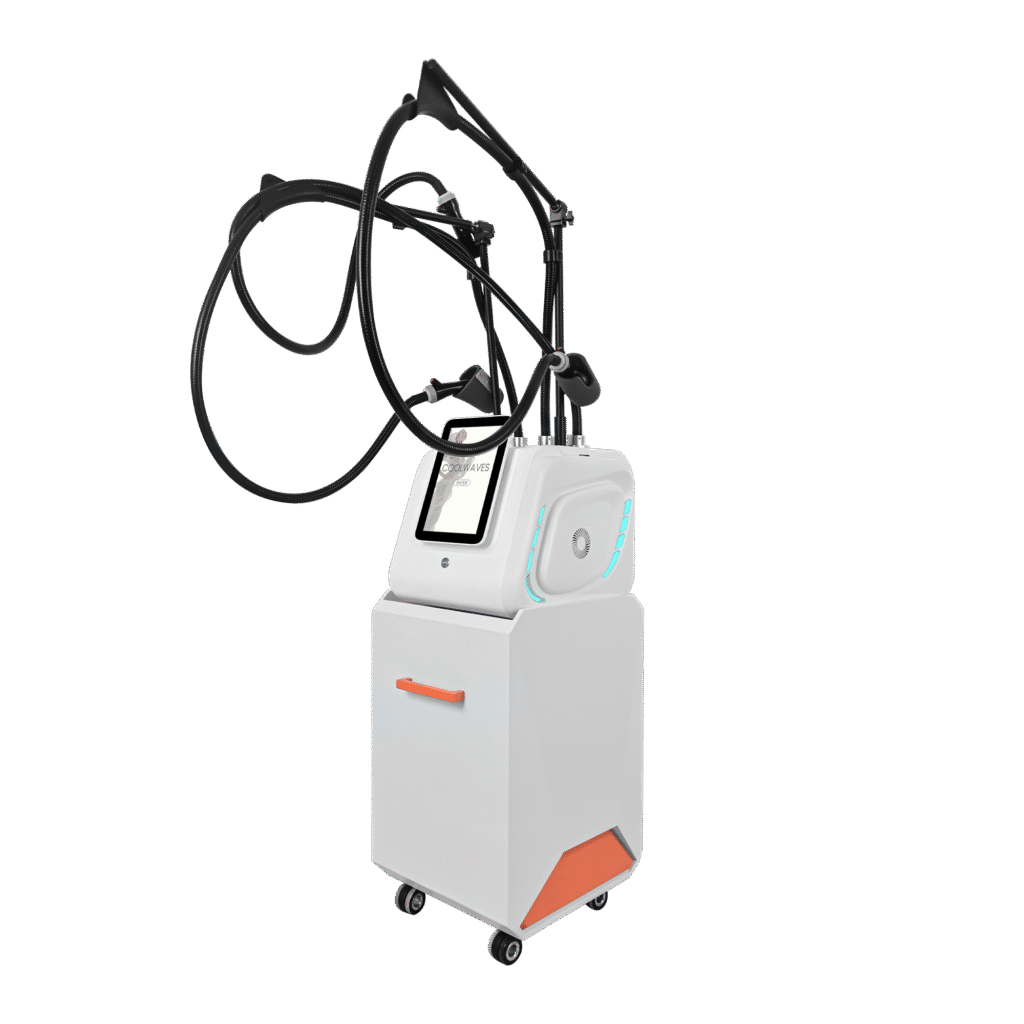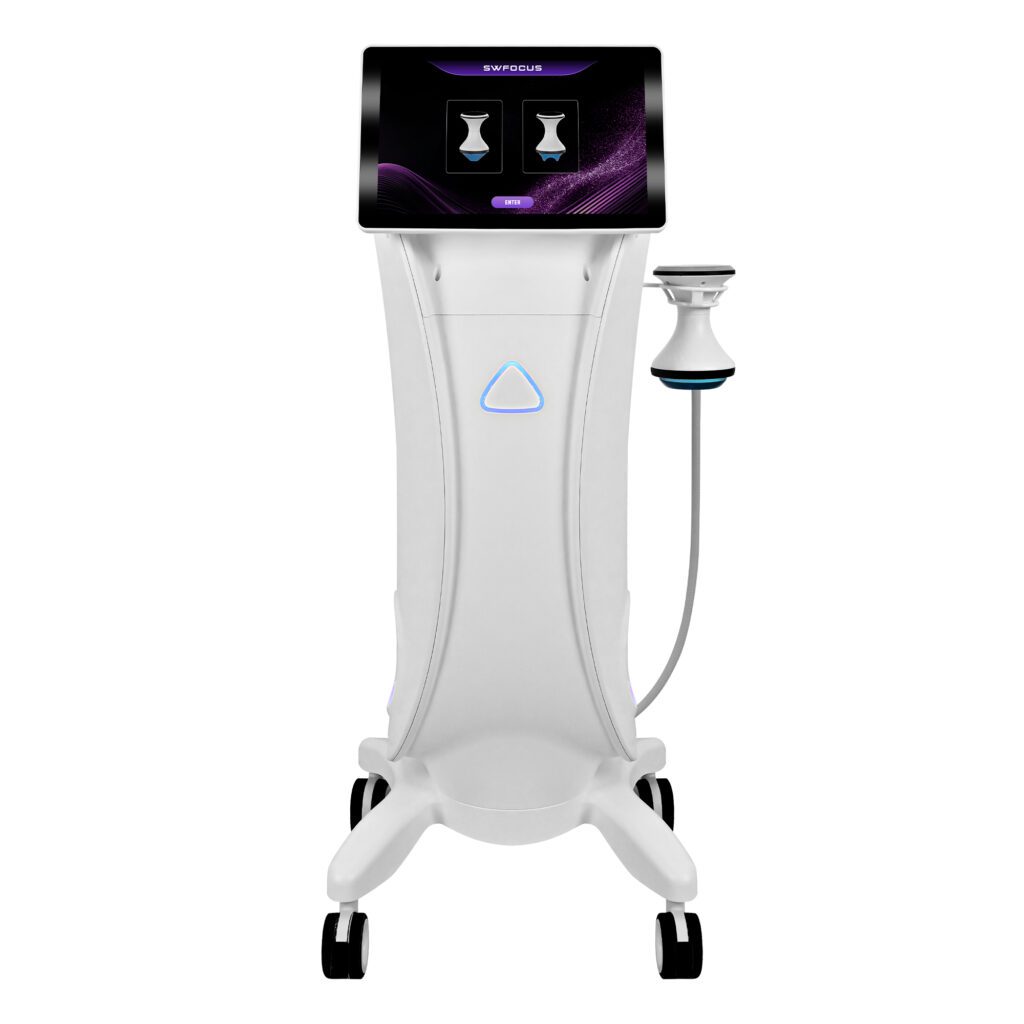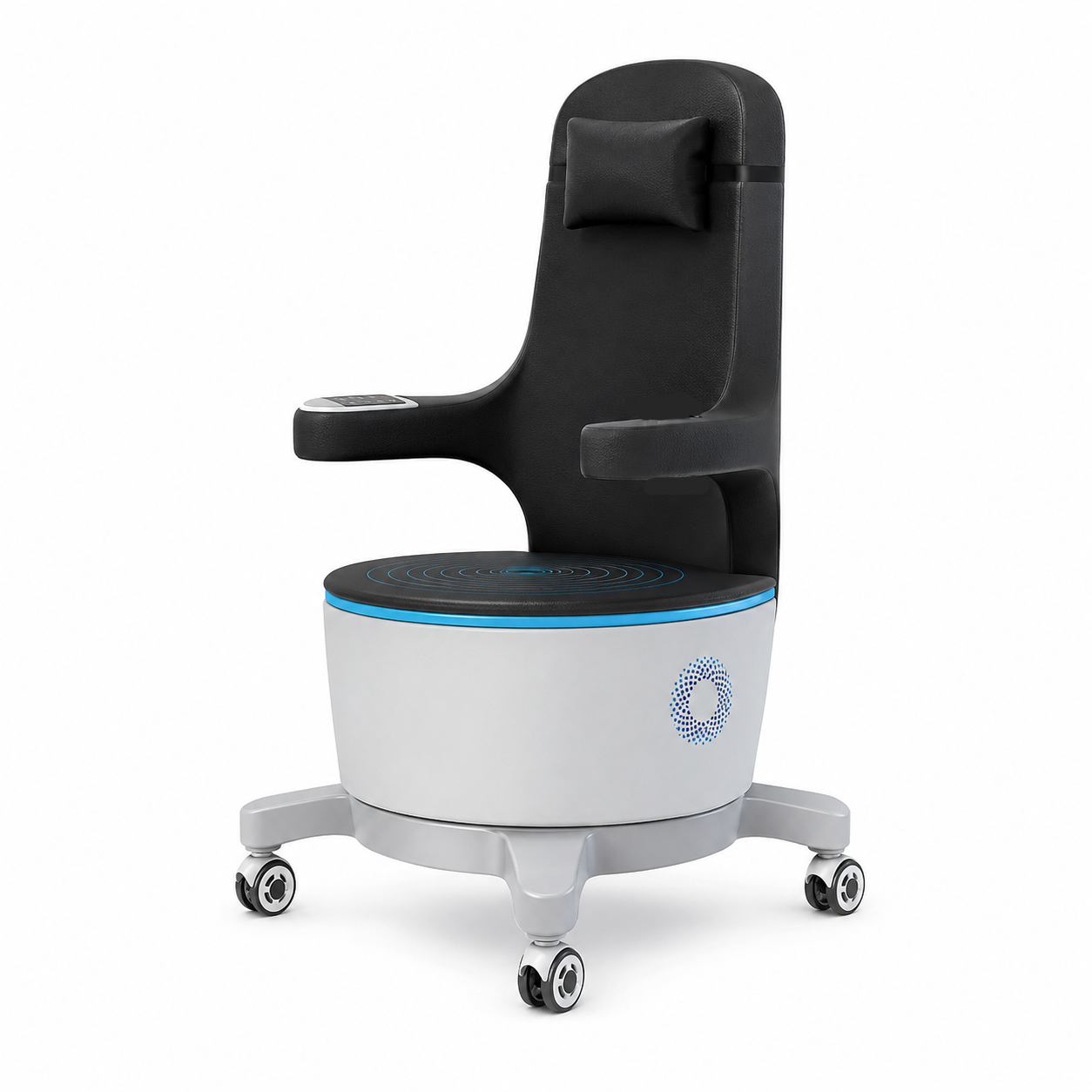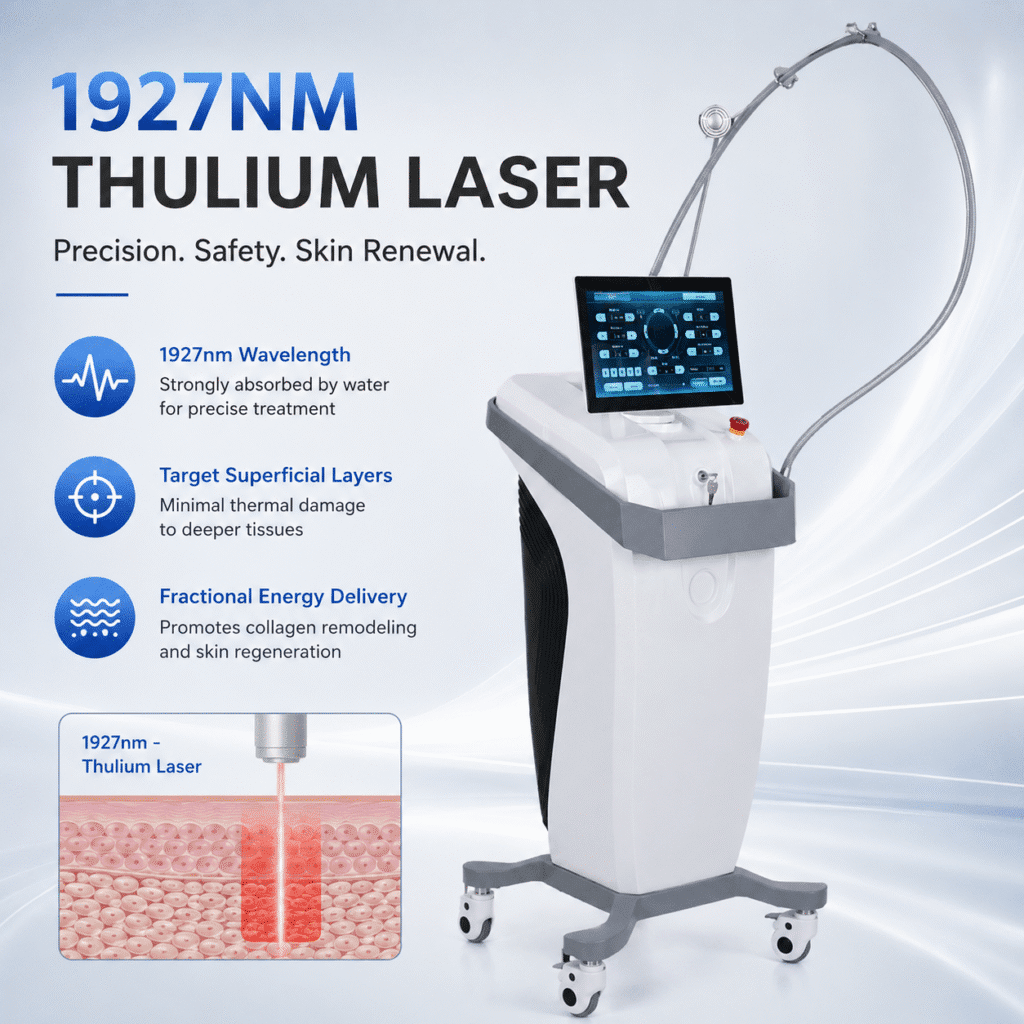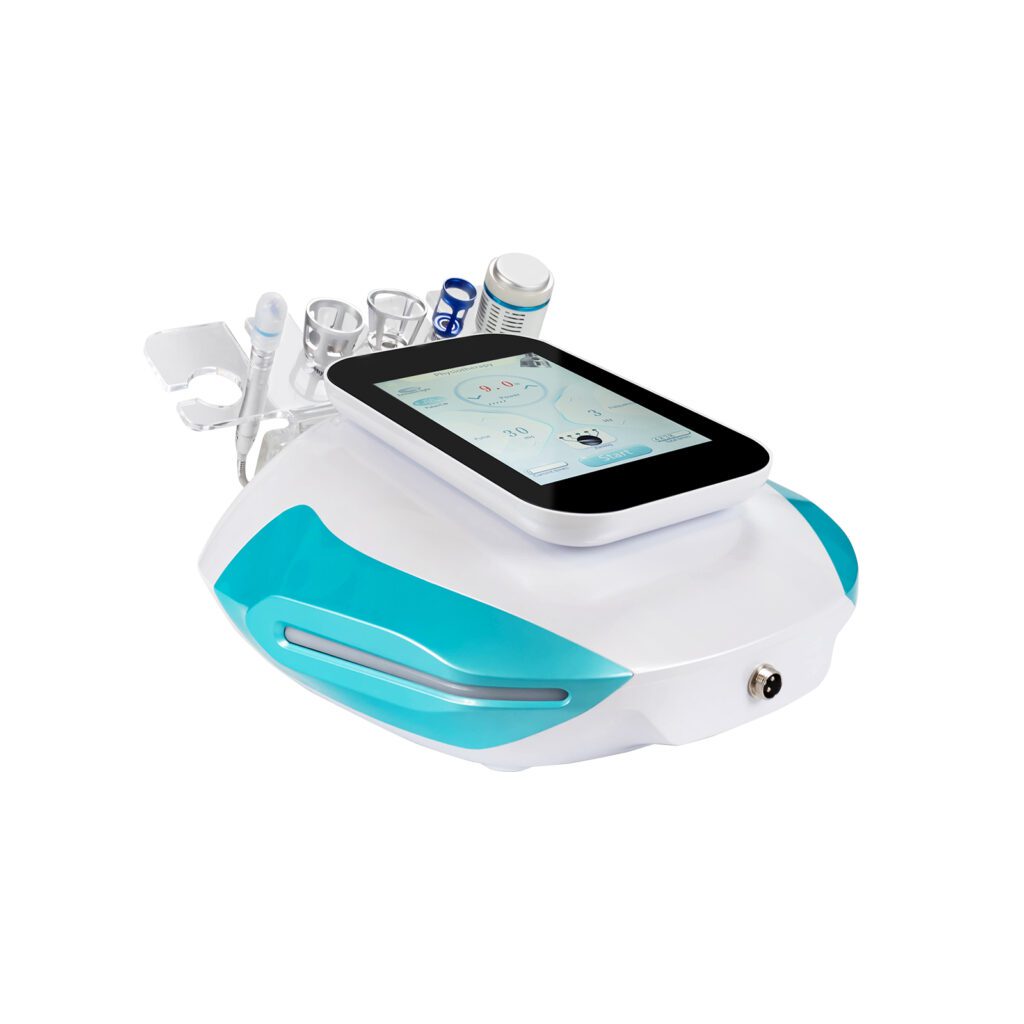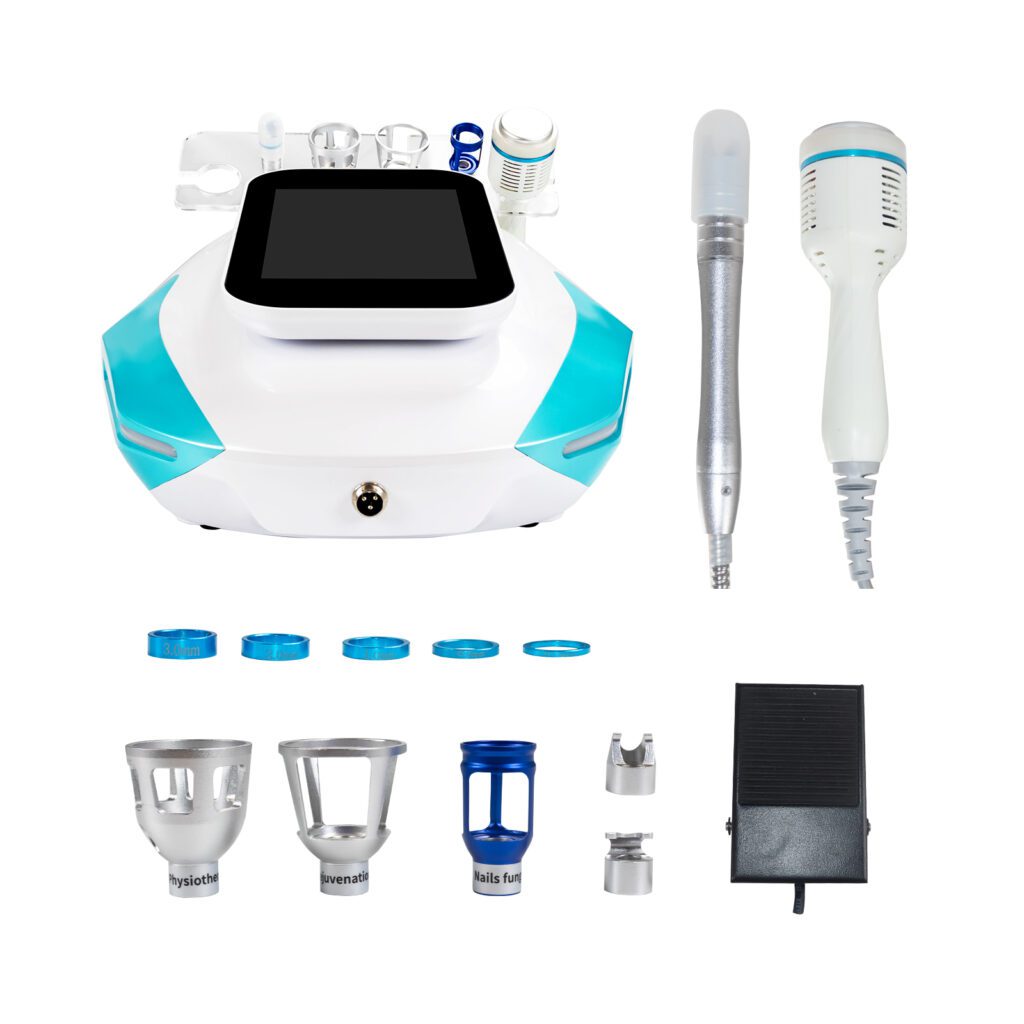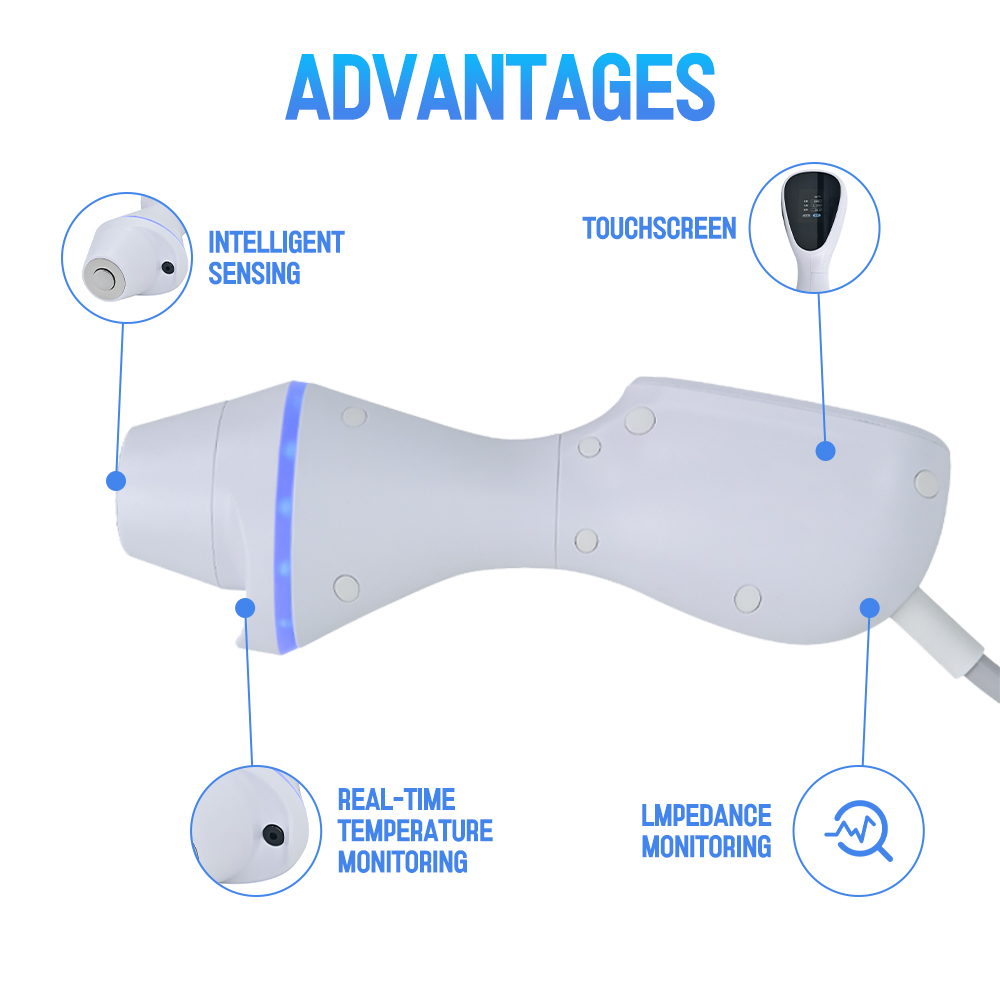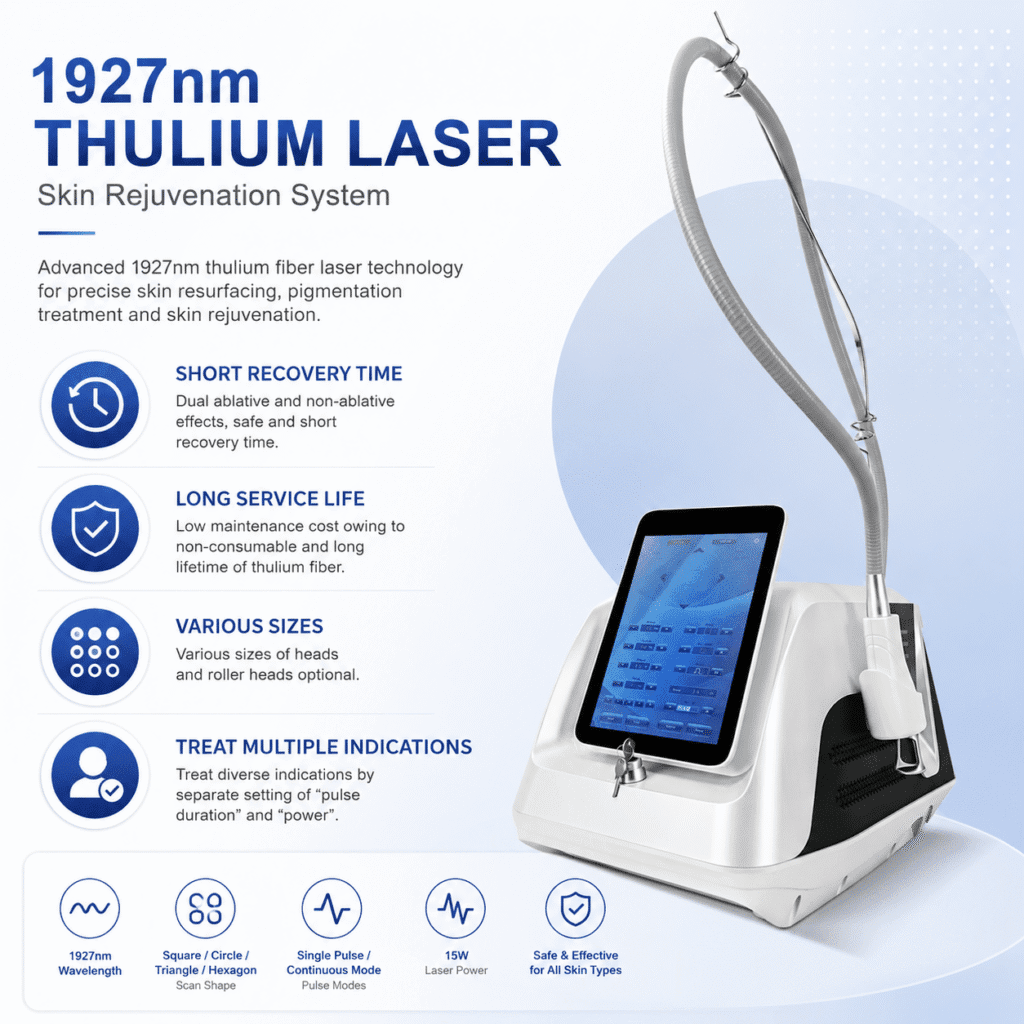

Treatment handles, applicators, cooling assemblies, vacuum modules, pumps, control boards, displays, motors, and energy-delivery modules often determine how a beauty device performs, how quickly it can be developed, and how reliably it can be supported after sale. Factories must decide whether to design and manufacture these elements internally, purchase complete modules, outsource production to an approved supplier, or use a hybrid model.
The decision cannot be reduced to quoted unit price. A low-cost purchased handle may require high minimum quantities, limited software access, long lead times, difficult repairs, or dependence on one supplier. An internally made module may protect intellectual property and configuration control but require specialized equipment, trained people, validation, capacity, and long-term process ownership.
This guide explains how beauty device factories can structure make-or-buy decisions for handles, applicators, and modules. It covers design ownership, manufacturing, software, calibration, supplier capability, total cost, service, lifecycle, OEM/ODM work, and product-family strategy.
Executive Summary
A strong make-or-buy process should:
- Define the decision object precisely. Separate ownership of design, tooling, materials, manufacturing, software, calibration, testing, repair, and lifecycle support.
- Protect strategically important technology. Keep control of differentiating performance, interfaces, data, parameters, and know-how even when production is outsourced.
- Compare total lifecycle cost. Include engineering, tooling, MOQ, quality, inventory, logistics, testing, failures, service, changes, and obsolescence.
- Match the model to volume and uncertainty. Prototype, launch, growth, and mature production may need different supply arrangements.
- Evaluate supplier process capability. A complete module is only useful when the supplier can control critical materials, processes, software, sub-tiers, and changes.
- Use interface contracts. Mechanical, electrical, thermal, fluid, communication, software, calibration, and service boundaries should remain under factory control.
- Plan service before selecting a source. Repair level, spare availability, diagnostic access, replacement tests, and long-term support can change the decision.
- Avoid false binary choices. Hybrid models can combine factory-owned design with outsourced manufacturing, or purchased hardware with factory-controlled software and final test.
- Use stage gates and evidence. Samples, engineering builds, pilot production, reliability tests, supplier audits, and first-lot monitoring should confirm assumptions.
- Revisit the decision. Volume, failures, supplier changes, technology maturity, intellectual property, and product strategy evolve over time.
The objective is not to manufacture everything internally or outsource everything. It is to place each responsibility where the factory can best control product quality, speed, risk, and lifecycle value.
1. What Make-or-Buy Means for Beauty Device Modules
Make-or-buy is a structured decision about where product responsibilities will sit. Possible models include:
- factory designs and manufactures the complete module;
- factory designs while a supplier manufactures to factory specifications;
- supplier designs and manufactures a custom module;
- factory purchases an existing supplier module and integrates it;
- supplier produces hardware while the factory loads software, parameters, or calibration;
- supplier makes subassemblies while the factory completes final assembly and test;
- supplier manufactures new units while the factory repairs or refurbishes field returns; and
- factory begins with a purchased module, then internalizes production after volume grows.
The decision should name the exact model rather than simply mark a BOM line as make or buy.
2. Define the Decision Object
Handles and modules contain several layers of responsibility.
| Responsibility | Key question |
|---|---|
| Requirements | Who defines function, limits, interfaces, lifetime, and acceptance? |
| Design | Who owns drawings, schematics, materials, software, and tolerances? |
| Tooling | Who owns molds, fixtures, jigs, programming tools, and test equipment? |
| Supply chain | Who approves sub-tier parts and suppliers? |
| Manufacturing | Who assembles, programs, calibrates, and packages the module? |
| Verification | Who proves requirements and interfaces are met? |
| Production acceptance | Who performs final module and system tests? |
| Change control | Who may change materials, process, site, software, or sub-tiers? |
| Service | Who diagnoses, repairs, exchanges, and stocks spares? |
| Lifecycle | Who manages obsolescence, final buys, and successor modules? |
A supplier can manufacture the item without owning the design. The factory can buy a module while retaining final software, calibration, and release authority.
3. Classify Handles, Applicators, and Modules
Different item types need different decision criteria.
Treatment handles
Reusable devices held or moved by the operator, potentially containing energy sources, sensors, cooling, motors, cables, optics, electrodes, rollers, or software identity.
Applicators and treatment heads
Modules that contact or approach the treatment area and can be reusable, replaceable, limited-use, or single-use.
Functional modules
Internal or external assemblies such as power, cooling, vacuum, pump, motor, control-board, display, communication, and fluid-path modules.
Consumable-dependent modules
Handles or assemblies whose function depends on cartridges, tips, needles, filters, bottles, membranes, or other recurring items.
The factory should evaluate the complete relationship among console, module, software, consumable, service, and user workflow.
4. Identify Strategic and Differentiating Content
Internal control may be more valuable when a module contains:
- proprietary treatment output or energy control;
- key calibration methods;
- unique cooling or fluid architecture;
- software algorithms or parameter limits;
- user-experience differentiation;
- protected mechanical or ergonomic design;
- critical safety or fault-control functions;
- service data or diagnostics;
- a platform interface used across several models; or
- know-how that would be difficult to recover from a supplier.
Manufacturing need not be internal for the factory to protect these assets. Factory-owned specifications, source files, interface documents, software, tooling rights, and test methods can preserve control in an outsourced model.
5. Separate Core Competence from Habit
A factory may manufacture a handle internally because it has always done so, not because internal production creates advantage. Conversely, it may buy a module because a supplier originally provided the prototype, even though growing volume now justifies internal control.
Ask:
- Does the factory have distinctive knowledge for this technology?
- Is the process repeatable and scalable internally?
- Would internalization improve quality, speed, or learning?
- Does the supplier have equipment and expertise the factory cannot justify?
- Is the module strategically important enough to maintain internal competence?
- Can the factory inspect and verify outsourced work effectively?
- Would changing the sourcing model disrupt active products or installed units?
Decisions should follow capability and strategy rather than history alone.
6. Evaluate Technical Complexity and Process Capability
Review whether the module requires:
- precision machining or molding;
- optical alignment;
- specialized soldering or electronics;
- bonding, sealing, coating, or potting;
- fluid-path cleanliness;
- pressure or vacuum testing;
- high-power electrical work;
- laser, RF, ultrasound, EMS, microcurrent, or motor expertise;
- firmware programming;
- calibration;
- thermal and cooling validation;
- durability or life testing; and
- specialized packaging.
Compare the factory’s current capability with the supplier’s demonstrated process, equipment, controls, people, and evidence. Buying is not automatically safer when the factory cannot evaluate the supplier’s technical process.
7. Compare Development Speed and Learning
A supplier module can accelerate prototypes when the technology is mature and requirements align. Internal development can be faster when integration changes occur frequently and the engineering team needs immediate access.
Consider:
- time to define requirements;
- supplier quotation and engineering queue;
- prototype iteration speed;
- access to design data;
- test and failure-analysis turnaround;
- sample shipping;
- tooling lead time;
- software and parameter changes;
- pilot-build readiness; and
- time to approve changes.
Fast first samples do not guarantee fast production release. Development speed should include verification, supplier qualification, documentation, and production readiness.
8. Match the Decision to Volume and Demand Uncertainty
Low volume can favor purchased or outsourced modules because specialized equipment and tooling are shared across customers. High and stable volume can justify internal production or dedicated supplier tooling.
Review:
- forecast by model and configuration;
- option take rate;
- customer concentration;
- seasonality;
- new-market uncertainty;
- minimum order quantity;
- production batch size;
- supplier capacity;
- internal line utilization;
- expected product life; and
- service demand after new production declines.
Use scenarios rather than one optimistic forecast. A supplier arrangement that works for pilot quantities may fail at growth volume, while an internal line can become underused if demand falls.
9. Calculate Total Lifecycle Cost
| Cost domain | Make considerations | Buy considerations |
|---|---|---|
| Development | engineering, prototypes, tooling, process development | supplier NRE, customization, integration, approval |
| Production | labor, equipment, floor space, yield, maintenance, utilities | unit price, MOQ, capacity reservation, supplier margin |
| Quality | process controls, inspection, test, scrap, corrective action | supplier qualification, incoming controls, audits, escapes |
| Inventory | raw materials, work in process, service stock | long lead time, batch size, transport stock, supplier MOQ |
| Logistics | internal movement and handling | freight, customs, packaging, delays, damage |
| Change | internal redesign and retraining | supplier fees, queue, tooling, notice, requalification |
| Service | repair skills, parts, tools, refurbishment | module exchange, supplier repair, return freight, data access |
| Lifecycle | equipment and tooling retirement | discontinuation, final buys, dependence, successor qualification |
Avoid comparing only internal direct labor with supplier price. Include overhead and risk consistently without using arbitrary allocations that predetermine the answer.
10. Include the Cost of Poor Quality and Downtime
Quality cost can include:
- incoming rejection;
- line stops;
- rework and retest;
- delayed shipment;
- field failure;
- technician time;
- replacement freight;
- returned modules;
- customer downtime;
- supplier corrective action;
- software or calibration mismatch; and
- reputation and commercial recovery.
Estimate with available evidence and scenarios. Do not invent precise failure rates when a new module lacks field history.
11. Evaluate Intellectual Property and Data Access
Contracts and architecture should define ownership and access to:
- requirements and interface specifications;
- mechanical drawings and tolerances;
- schematics and PCB files;
- firmware and source code;
- parameter and calibration data;
- tooling and fixture designs;
- manufacturing and test methods;
- supplier and sub-tier identities;
- failure-analysis records; and
- service and diagnostic data.
If a purchased module contains critical software but the factory receives only a black box, future changes, repairs, security work, or supplier replacement can become difficult.
12. Use Interface Control to Preserve Factory Authority
Whether the module is made or bought, the factory should control interfaces for:
- mechanical envelope, mounting, retention, and load;
- voltage, current, grounding, isolation, and protection;
- communication protocol and timing;
- module identity and revision;
- software compatibility;
- airflow, cooling, liquid, vacuum, and pressure;
- sensors and fault behavior;
- calibration ownership;
- cleaning and environmental exposure;
- service access; and
- diagnostics and final test.
A supplier-owned interface can lock the factory into one source and make future modules difficult to integrate.
13. Decide How Much Modularity Is Valuable
Modular architecture can support purchased handles and functional modules if boundaries are stable. Benefits include:
- parallel development;
- supplier specialization;
- independent testing;
- easier replacement;
- controlled options;
- product-family reuse; and
- future upgrades.
Costs include connectors, housings, duplicated protection, software recognition, interface verification, packaging, and possible performance loss. Do not split a tightly coupled function into modules only to make procurement easier.
14. Control Software, Firmware, and Parameters
The make-or-buy decision should identify who controls:
- embedded firmware;
- console-to-module protocol;
- module identification;
- parameter limits;
- calibration coefficients;
- language and UI content;
- software updates and rollback;
- security keys and access;
- source and build records; and
- end-of-life support.
A useful hybrid can purchase the hardware while the factory loads approved firmware, parameters, and model identity. This requires programming tools, version control, verification, and supplier agreement.
15. Control Calibration Ownership
For calibrated handles, sensors, output modules, or applicators, decide:
- who performs initial calibration;
- which standards and equipment are used;
- where calibration data are stored;
- whether calibration follows the module or console;
- what happens after repair;
- whether field replacement requires recalibration;
- how results are recorded; and
- who can approve calibration-method changes.
Buying a pre-calibrated module can simplify production, but the factory still needs confidence in the supplier’s method and system-level result.
16. Assess Supplier Capability beyond Samples
Supplier review can include:
- design and engineering competence;
- process flow and control plan;
- equipment and tooling;
- material and sub-tier control;
- software and calibration controls;
- operator training;
- capability and yield data;
- inspection and test coverage;
- reliability evidence;
- traceability;
- nonconformance and corrective action;
- change management;
- capacity and continuity; and
- service and lifecycle support.
Hand-built engineering samples may perform well while routine supplier production remains unstable. Pilot and first-lot evidence should represent normal people, materials, equipment, and records.
17. Evaluate Sub-Tier Dependence
A module supplier may depend on laser sources, motors, pumps, sensors, displays, cables, electronics, bearings, tubing, optical parts, or special processes. Determine:
- which sub-tier items are critical;
- whether the supplier approves and monitors sources;
- whether sub-tier changes require notification;
- how lot identity is preserved;
- whether the factory can access evidence when needed;
- whether one sub-tier serves competing customers; and
- whether an alternate or final-buy plan exists.
The direct supplier should not change a critical sub-tier component without the agreed review.
18. Compare Supply Continuity and Capacity Risk
For each option, assess:
- internal and supplier capacity;
- equipment redundancy;
- single-site dependence;
- skilled-person dependence;
- tooling ownership;
- raw-material constraints;
- lead time and variability;
- MOQ and order multiple;
- transportation and customs;
- financial stability;
- disaster recovery;
- alternate sources; and
- time to transfer production.
Internal production can also be single-source. One internal fixture, technician, or machine can create as much continuity risk as an external supplier.
19. Plan Quality Control by Sourcing Model
Internally made modules
Control process instructions, equipment, training, in-process checks, calibration, nonconformance, traceability, maintenance, and final acceptance.
Supplier-made-to-print modules
Control the specification, approved materials and processes, first article, supplier capability, changes, incoming acceptance, and system verification.
Supplier-designed modules
Control requirements, interfaces, design evidence, supplier changes, software access, reliability, configuration, and lifecycle obligations.
Commercial modules
Control exact manufacturer, part, revision, authenticity, application suitability, supplier notices, incoming checks, and product-level integration.
The factory remains responsible for deciding whether the complete beauty device is acceptable for its intended product scope.
20. Decide Where Final Testing and Release Occur
Even when a supplier performs complete module testing, the factory may need to confirm:
- identity and revision;
- software and parameter version;
- calibration status;
- workmanship and damage;
- connector and interface behavior;
- module recognition;
- performance in the complete console;
- faults and safe states;
- packaging and supplied accessories; and
- traceability to the finished device.
Supplier release and factory product release are different decisions.
21. Use a Structured Make-or-Buy Scorecard
| Factor | More favorable to make | More favorable to buy or outsource |
|---|---|---|
| Strategic differentiation | Core technology or proprietary workflow | Standard supporting function |
| Internal competence | Strong design and process knowledge | Supplier has specialized mature capability |
| Volume | Stable volume supports investment | Low or uncertain volume favors shared supplier assets |
| Capital and tooling | Existing equipment and skills | Major specialized investment required |
| Development speed | Frequent iteration needs direct access | Mature supplier module reduces development work |
| Quality control | Factory process is capable and measurable | Supplier process is demonstrably superior |
| Supply risk | Internal source has redundancy and control | Supplier has stronger scale, sources, and continuity |
| IP and data | Sensitive knowledge needs control | Contract and architecture adequately protect access |
| Service | Factory repair and spares are practical | Supplier exchange or repair network is stronger |
| Lifecycle | Factory can sustain technology and parts | Supplier has a credible roadmap and support commitment |
Use the scorecard to expose assumptions, not to produce an automatic answer from arbitrary weightings.
22. Use Hybrid Sourcing Models
Hybrid options can include:
- factory design, supplier manufacturing, factory final test;
- supplier hardware, factory firmware and calibration;
- supplier subassembly, factory enclosure and interface assembly;
- factory prototypes, supplier mass production;
- supplier new production, factory repair and refurbishment;
- dual source with one internal and one external line;
- supplier-owned process using factory-owned tooling; and
- standard supplier module with factory-specific handle shell or software.
Hybrid models need precise ownership. Otherwise, failures fall between organizations and changes occur without complete review.
23. Plan the Decision by Product Lifecycle Stage
Concept and prototype
Purchased modules can test market and technical assumptions quickly, while internal prototypes preserve learning for differentiating functions.
Pilot production
Evaluate routine process capability, supplier communication, documentation, traceability, quality, and service preparation.
Growth
Revisit volume, cost, capacity, yield, IP, and continuity. Internalization or dedicated tooling may become attractive.
Mature production
Optimize efficiency, alternates, repair, service parts, and change control without destabilizing the installed base.
Decline and service
Low-volume spare supply, repair capability, final buys, and supplier support may favor a different model than mass production.
The sourcing strategy can change, but each transition requires controlled evidence and effectivity.
24. Use Prototypes to Compare Sourcing Options
Build or obtain representative alternatives and compare:
- technical performance;
- integration effort;
- operator ergonomics;
- assembly and test;
- reliability and durability;
- supplier responsiveness;
- software and parameter control;
- failure analysis;
- repairability;
- packaging and logistics; and
- total development timeline.
Do not compare one mature supplier module with an early internal prototype as though both are at the same development stage.
25. Use Pilot Production to Test the Operating Model
The pilot should test:
- supplier schedule and lot consistency;
- incoming inspection;
- material and version identity;
- assembly fit;
- software loading and recognition;
- calibration and system test;
- traceability;
- nonconformance response;
- rework and repair;
- packaging; and
- communication across supplier and factory teams.
A module can pass engineering verification but fail the make-or-buy decision because the operating model is not repeatable.
26. Plan Change Control before Approval
The agreement and process should cover changes to:
- materials and sub-tier sources;
- dimensions and tolerances;
- process, equipment, tooling, or site;
- software, firmware, and parameters;
- calibration;
- test method and acceptance criteria;
- repair method;
- packaging;
- ownership; and
- product discontinuation.
The factory should approve changes before affected modules enter production, with defined evidence, effectivity, inventory transition, and monitoring.
27. Plan Service and Spare Parts
Decide:
- whether the field replaces a complete handle or internal components;
- whether failed modules are repaired, exchanged, or returned;
- where diagnosis occurs;
- who owns software and calibration tools;
- what spare quantities and lead times are required;
- whether the supplier will support small service orders;
- which parts are compatible across revisions;
- how warranty claims and failed returns are handled; and
- what happens after new production ends.
The lowest purchase price can become expensive if every field failure requires international return of a complete module.
28. Plan Obsolescence and Exit before Entry
Before approving a source, define:
- component and supplier lifecycle status;
- discontinuation notice;
- tooling ownership and transfer;
- final-buy rights;
- access to design, software, and test data;
- alternate-source path;
- successor-module process;
- remaining inventory ownership;
- repair support; and
- transition assistance if the relationship ends.
Exit planning is especially important for proprietary supplier-designed modules that cannot be replaced without redesign.
29. Control Regional and Market Variants
A module may need different voltage, language, label, software, cable, connector, packaging, or documentation by destination. The make-or-buy record should state:
- which variants the supplier controls;
- which configuration occurs at the factory;
- part and revision identities;
- minimum quantities;
- regional evidence;
- inventory ownership;
- change-notification scope; and
- service compatibility.
Late factory configuration can reduce supplier variants when the base module supports it safely and technically.
30. Control OEM/ODM Responsibilities
The SHEFMON OEM/ODM service overview describes customization areas such as exterior design, internal layout, airflow, wiring, handpiece connections, fluid or air paths, interface language, branding, prototypes, and small-batch production.
For custom handles and modules, define:
- design and tooling ownership;
- standard versus customer-specific content;
- engineering and test responsibilities;
- approved suppliers and sub-tiers;
- MOQ and capacity;
- intellectual property and confidentiality;
- software and parameter ownership;
- customer approval points;
- warranty, repair, and spare supply;
- change notification; and
- discontinuation and final-buy obligations.
Customer-funded tooling does not automatically give the customer complete design or manufacturing rights unless the agreement states them.
31. Example: A0648 Facial Handles and Fluid Modules
The SHEFMON A0648 9-in-1 diamond hydro microdermabrasion machine is a multifunction facial platform with multiple working elements and fluid- or vacuum-related operation.
A proposed make-or-buy review could separate:
- common bottles, tubing, seals, valves, filters, and tips;
- pumps and vacuum assemblies;
- treatment handles and cables;
- display and control modules;
- software and parameter content; and
- complete fluid-path service kits.
Standard pumps or displays may favor qualified purchasing, while proprietary treatment workflow, fluid routing, software, and final system acceptance may remain factory-controlled. A hybrid can use supplier-made modules with factory-owned requirements, integration, and final test. This is an illustrative framework, not a claim about SHEFMON’s sourcing model.
32. Example: A0426 Hair-Removal Handpiece and Cooling Modules
The SHEFMON A0426 diode laser hair-removal machine publishes wavelength, handle-power, spot-size, cooling, voltage, and language choices.
A proposed review could examine:
- laser-related source and handpiece;
- optical and contact assemblies;
- high-use handpiece cable;
- cooling pump, fan, radiator, flow, and temperature modules;
- power and control electronics;
- software, parameters, recognition, and calibration; and
- replacement and exchange strategy.
Specialized suppliers may offer mature optical or cooling capability, while the factory retains interface, software, calibration, configuration, and complete-system release authority. Exact choices require internal evidence and are not inferred from the public product page.
33. Example: B0155 Body Applicators and Motion Modules
The SHEFMON B0155 desktop body platform is presented with multiple handles and functions involving vacuum, rollers, RF-related operation, light, and cavitation.
A proposed decision could evaluate:
- motors, gears, bearings, and rollers;
- vacuum motor, valves, tubing, and sensors;
- RF- or cavitation-related assemblies;
- light and control modules;
- handle cables and connectors;
- software recognition and parameters; and
- complete-handle repair or exchange.
A motor specialist may provide stronger component capability, while the factory owns applicator geometry, system integration, software, acceptance, and service compatibility. A complete purchased handle may accelerate launch but can increase dependence if repair data and subcomponents remain inaccessible.
34. What B2B Buyers Can Ask Manufacturers
Buyers do not need every confidential sourcing detail. Useful questions include:
- Which handles and modules are factory-designed versus supplier-designed?
- Who controls software, parameters, and calibration?
- How are module suppliers and sub-tiers qualified?
- What prevents unapproved supplier changes?
- Are spare handles repaired, exchanged, or replaced?
- How are hardware and software revisions matched?
- What is the lead-time and MOQ approach for custom modules?
- Who owns custom tooling and design files?
- How are discontinued modules supported?
- Can service parts be supplied after new production ends?
The answers should show clear responsibilities and lifecycle support rather than use “self-developed” or “imported” as automatic proof of quality.
35. Assign Decision Ownership
| Function | Make-or-buy responsibility |
|---|---|
| Product and portfolio | Defines strategic value, buyer need, volume, and lifecycle role |
| Engineering | Owns requirements, interfaces, architecture, design evidence, and technical impact |
| Manufacturing engineering | Assesses process, equipment, capacity, yield, and transfer readiness |
| Sourcing and supplier quality | Assesses supplier, commercial terms, sub-tiers, changes, continuity, and cost |
| Quality and validation | Reviews risk, evidence, acceptance, traceability, and production controls |
| Software | Controls firmware, protocol, parameters, tools, access, and support |
| Service | Defines replacement level, diagnostics, repair, spares, and installed-base needs |
| Finance | Reviews lifecycle cost, capital, working capital, and scenario assumptions |
| Decision authority | Integrates the evidence and approves the sourcing model and conditions |
One department should not decide from unit price, available floor space, or engineering preference alone.
36. Document the Decision
A make-or-buy decision record can include:
- item and product scope;
- requirements and strategic role;
- options considered;
- internal and supplier capability;
- volume scenarios;
- lifecycle cost;
- quality and supply risks;
- IP, software, calibration, and data ownership;
- service and obsolescence plan;
- evidence and assumptions;
- selected operating model;
- approval conditions;
- review triggers; and
- decision owners and date.
Preserve rejected options and rationale. Future teams need to know why the original model was selected.
37. Review Triggers after the Decision
Revisit the sourcing model when:
- volume changes materially;
- supplier quality or delivery deteriorates;
- cost structure changes;
- new equipment or skill becomes available;
- supplier design access becomes restricted;
- a module causes repeated field failures;
- product architecture changes;
- a second product could reuse the module;
- intellectual property becomes more strategic;
- a supplier or component approaches end of life;
- regional or customer requirements expand; or
- service cost exceeds assumptions.
The original decision is a baseline, not a permanent rule.
38. Make-or-Buy Metrics
Useful measures include:
- development cycle time;
- prototype iteration time;
- tooling and engineering spend;
- supplier and internal yield;
- incoming and line defects;
- first-pass system test;
- delivery and lead-time stability;
- inventory and MOQ exposure;
- engineering change response time;
- field failure and return patterns;
- repair turnaround and first-time fix;
- spare fill rate;
- total lifecycle cost versus decision assumptions; and
- dependency on single suppliers, tools, or skills.
Compare like-for-like scope. A purchased complete module and an internally assembled set of components should include equivalent functions and quality obligations.
39. Common Make-or-Buy Mistakes
Comparing supplier price with direct internal labor
The comparison omits tooling, overhead, quality, inventory, logistics, service, and lifecycle cost.
Buying a black box without interface or service access
The factory becomes dependent on one supplier for changes, failures, and future compatibility.
Making everything called core technology
Internal resources become overloaded with standard processes that capable suppliers can perform better.
Outsourcing before requirements are stable
Supplier changes and fees increase while technical ownership remains unclear.
Treating samples as proof of supplier readiness
Routine production capability, sub-tier control, traceability, capacity, and change management may be unproven.
Ignoring software and calibration ownership
Hardware stock is unusable without valid programming, parameters, tools, and records.
Forgetting low-volume service supply
The supplier supports mass production but refuses small spare orders later.
Using one decision for the entire lifecycle
Prototype, growth, mature production, and service phases may need different models.
40. Make-or-Buy Checklist for Beauty Device Modules
- The decision object separates requirements, design, tooling, manufacturing, software, calibration, test, service, and lifecycle.
- Handles, applicators, modules, and consumables are classified correctly.
- Strategic differentiation and intellectual property are identified.
- Internal competence is assessed independently from historical practice.
- Required processes, equipment, skills, and evidence are documented.
- Development speed includes qualification and production readiness.
- Volume, option take rate, MOQ, and uncertainty use scenarios.
- Total lifecycle cost includes quality, inventory, logistics, service, changes, and obsolescence.
- Design, software, calibration, tooling, and data ownership are contractually clear.
- Factory-controlled interface specifications cover all relevant domains.
- Modular boundaries create more value than interface overhead.
- Supplier and sub-tier capability is verified beyond samples.
- Internal and external continuity risks are compared.
- Quality controls match the selected sourcing model.
- Supplier release and final product release remain separate.
- Hybrid options are considered and responsibilities are explicit.
- Prototype and pilot evidence test the complete operating model.
- Change control, spare supply, repair, and obsolescence are agreed before release.
- Regional and OEM/ODM variants have defined ownership and support.
- Review triggers and lifecycle metrics can challenge the original decision.
FAQ
1. Is it always cheaper to buy a complete beauty device handle?
No. Supplier price can be lower while MOQ, logistics, integration, quality, repair, service, changes, and dependence increase total lifecycle cost.
2. Should core treatment technology always be made internally?
Not necessarily. A factory can retain requirements, design ownership, interfaces, software, calibration, and final release while a specialized supplier performs manufacturing.
3. What is a hybrid make-or-buy model?
It divides responsibilities, such as supplier-made hardware with factory firmware and calibration, or factory-owned design with outsourced production and factory final test.
4. When does internal production become attractive?
It can become attractive when volume, strategic importance, iteration needs, quality learning, IP, service, or supplier risk justify equipment, skills, process control, and capacity investment.
5. What should factories control when buying a supplier-designed module?
Control requirements, interfaces, approved configuration, software access, calibration, evidence, suppliers and sites, change notification, traceability, service, and lifecycle obligations.
6. How should make-or-buy decisions handle low-volume optional applicators?
Use realistic option forecasts, MOQ, supplier lead time, engineering cost, stock risk, shared-module opportunities, and service demand. Purchased or shared supplier modules may suit low volume if control remains adequate.
7. Can a supplier perform calibration?
Yes, when the method, equipment, standards, records, data ownership, change control, and factory system-level verification are defined and accepted.
8. Who should repair purchased handles?
The answer depends on risk, design access, skill, tools, calibration, logistics, warranty, and supplier capability. Options include local repair, supplier repair, factory repair, or complete exchange.
9. How should OEM buyers discuss tooling ownership?
Define who pays, owns, stores, maintains, insures, modifies, transfers, and disposes of tooling, plus what design and production rights ownership actually provides.
10. How often should the decision be reviewed?
Review it at lifecycle gates and after significant changes in volume, cost, quality, supplier health, architecture, field failures, service burden, IP strategy, or component availability.
Conclusion
Make-or-buy decisions for beauty device handles, applicators, and modules determine much more than manufacturing location. They allocate control of requirements, design, software, calibration, process, quality, changes, service, and lifecycle support.
The strongest decisions compare total lifecycle value, protect strategic interfaces and knowledge, evaluate supplier and internal capabilities with evidence, and consider hybrid operating models. Prototype and pilot work should test not only module performance but also the complete sourcing, production, traceability, repair, and change-control system.
SHEFMON offers professional beauty devices across facial, hair-removal, body, and multifunction categories. Buyers can explore SHEFMON professional beauty machines, review its quality-control overview, learn about OEM/ODM customization, or contact SHEFMON to discuss standard and customized equipment requirements.