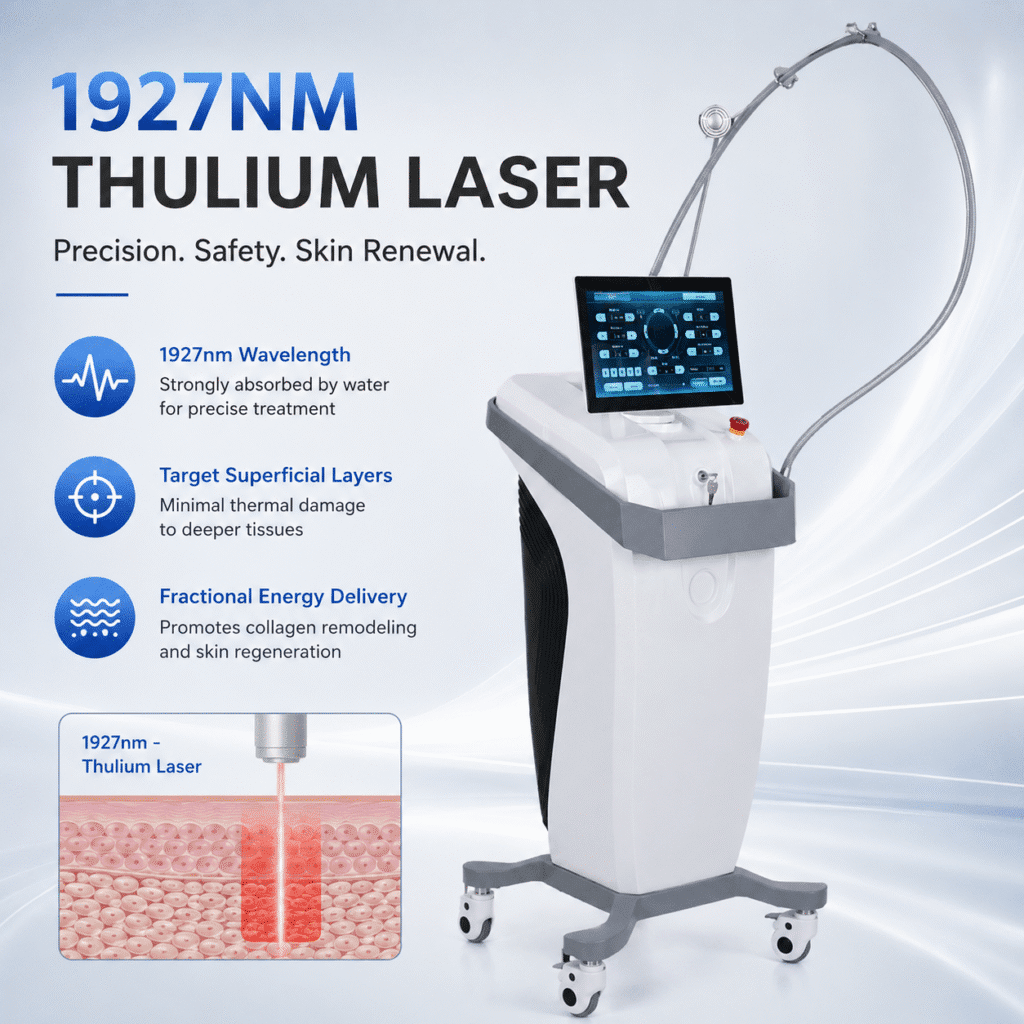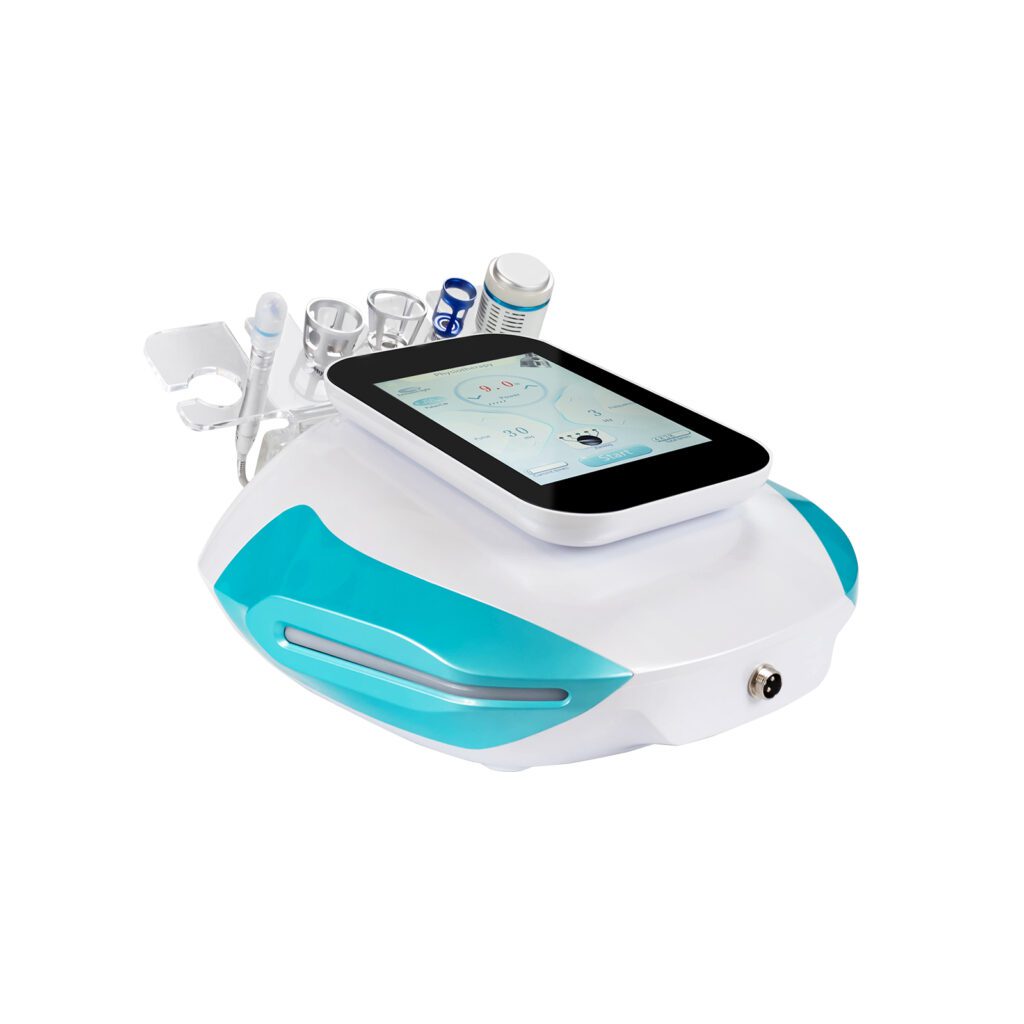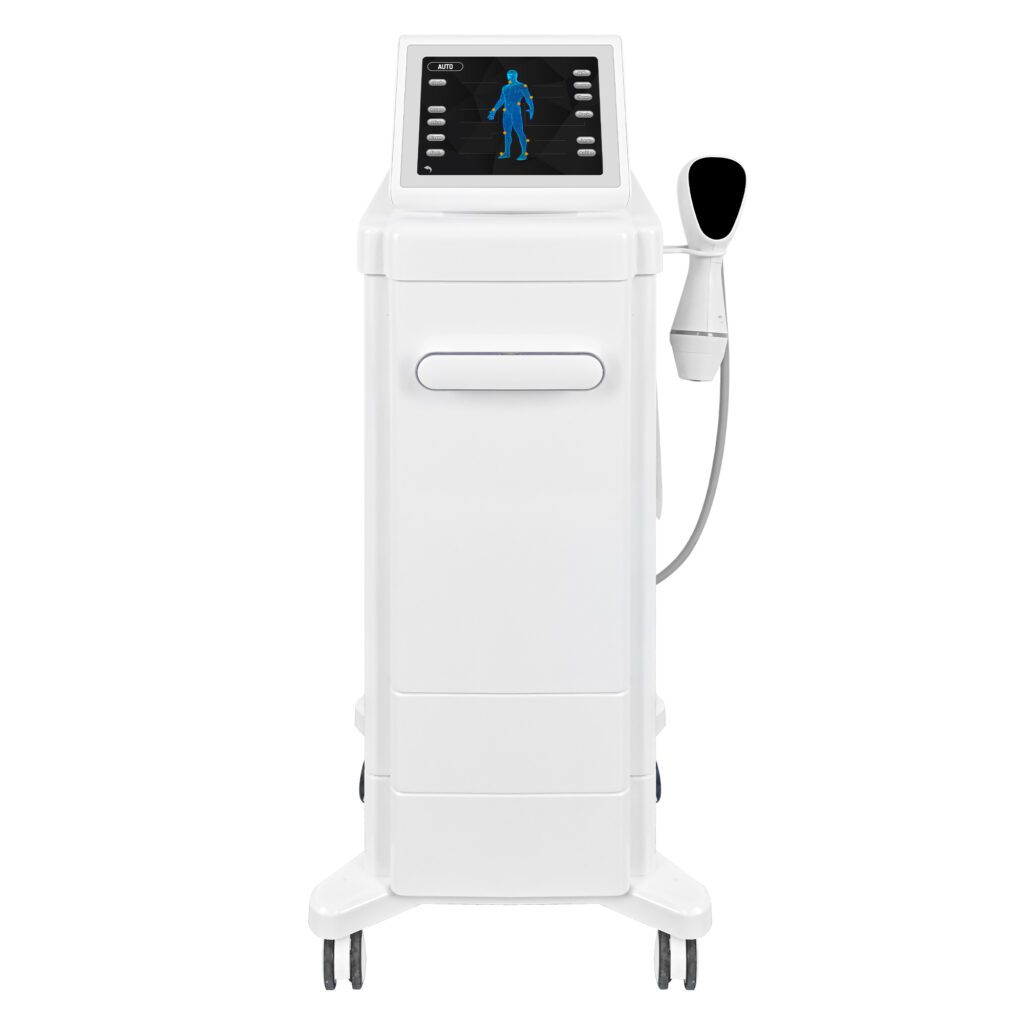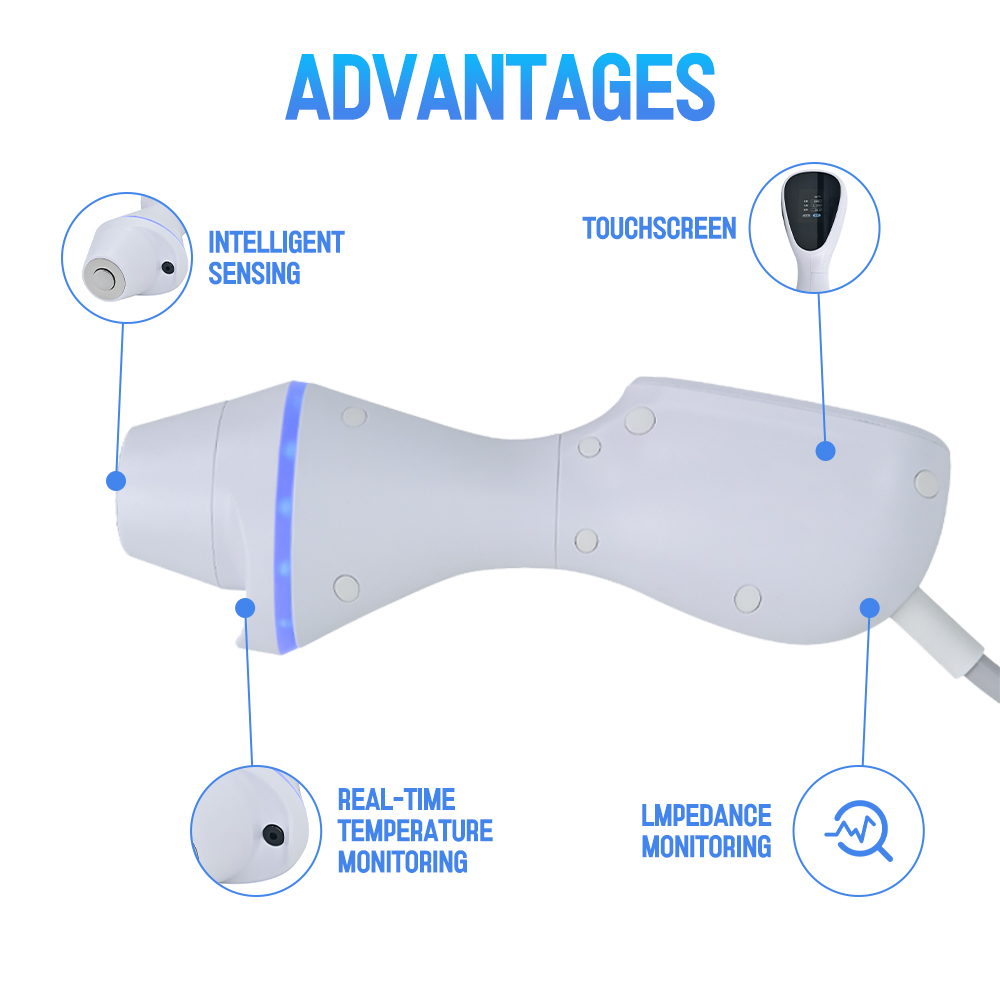

A new beauty device can be technically functional without being ready for commercial sale. Engineering may have completed the design while production instructions remain provisional. Pilot units may work, yet the final BOM, software build, handle package, labels, manuals, packaging, service parts, and regional order codes may not describe the same model. Sales may be ready to quote before the factory can build, inspect, ship, install, and support the promised configuration consistently.
Commercial release is the cross-functional decision that converts a controlled product-development output into an authorized saleable model. It should define exactly what may be offered, to which markets and buyers, in which configurations, under what conditions, and with which evidence and support commitments.
This guide explains how factory teams can structure that decision for professional beauty devices. It brings product, engineering, quality, production, supply chain, documentation, packaging, service, sales operations, and qualified market reviewers into one release system without treating any single test report or department signature as sufficient approval.
Executive Summary
A robust commercial-release process should:
- Define commercial release precisely. Separate design completion, production readiness, market authorization, sales activation, order acceptance, and shipment release.
- Approve an exact saleable baseline. Identify model, hardware, software, handles, accessories, consumables, electrical profile, language, labels, manuals, packaging, service parts, and order code.
- Use one release evidence index. Connect requirements, risks, verification, validation, reliability, production, supplier, packaging, documentation, service, and market evidence.
- Assign decision ownership. Each function should approve the evidence it owns, while one named authority integrates the final commercial decision.
- Check factory repeatability. A working prototype does not prove that normal people, materials, suppliers, equipment, instructions, inspections, and software-loading processes can reproduce the model.
- Align product claims with evidence. Website, catalog, quotation, training, interface, manual, and packaging language should describe the authorized configuration and supported application.
- Prepare the complete business system. SKU data, quotation rules, forecasts, inventory status, lead-time logic, demo units, training, spare parts, warranty records, escalation paths, and change control need release status.
- Make open issues visible. Every exception should have risk, scope, owner, due date, interim control, decision authority, and stop condition.
- Use bounded decisions. Approve, approve with conditions, limit, hold, or reject a named model and configuration rather than declaring a vague “product launch.”
- Monitor the early commercial phase. Initial orders, production yields, configuration errors, delivery damage, installation questions, failures, service requests, and buyer feedback should confirm or challenge the release assumptions.
Commercial release is therefore not a ceremony at the end of development. It is the controlled handoff from product evidence to an operating sales, production, delivery, and support system.
1. What Commercial Release Means
Commercial release authorizes a defined beauty device model or configuration to enter specified commercial activities. Depending on the company, this may include permission to:
- publish approved product information;
- demonstrate the model to selected buyers;
- issue quotations;
- accept orders;
- purchase or allocate production material;
- build saleable units;
- release finished units for shipment;
- install and train users; and
- provide warranty, service, spares, consumables, and lifecycle support.
These permissions do not have to begin on the same date. A controlled release system states which activities are enabled and which remain blocked.
2. Separate the Different Release Decisions
| Decision | Primary question | What it does not prove by itself |
|---|---|---|
| Design release | Are drawings, specifications, BOMs, software and design outputs approved? | That routine production or commercial support is ready |
| Verification/validation acceptance | Does the evidence support defined product requirements and intended use? | That order codes, suppliers, packaging and service systems are operational |
| Production release | Can the authorized factory process build and test the approved design? | That a specific market or commercial offer is approved |
| Market/configuration approval | Does the exact regional product align with qualified market requirements? | That every sales channel or buyer customization is authorized |
| Commercial release | May the named product be offered and supported within a stated scope? | That every future variant or exception is included |
| Shipment release | Does a specific unit or lot meet its order and release requirements? | That the overall model remains commercially authorized after a major change |
This separation prevents teams from using “engineering complete,” “pilot passed,” or “certificate received” as a substitute for a complete commercial decision.
3. Define the Saleable Release Object
The release record should identify:
- product family and public model name;
- internal model, SKU, and order code;
- hardware and BOM revision;
- firmware, application, parameter, and language package;
- included, optional, and prohibited handles or applicators;
- tips, cartridges, needles, filters, bottles, cables, pedals, tools, and consumables;
- voltage, frequency, cord, plug, and other electrical configuration;
- labels, symbols, rating information, and serial-number format;
- manual, quick guide, training, service, and sales-document revisions;
- package contents, packaging revision, carton or crate arrangement, and shipment profile;
- supported markets, channels, buyer types, and professional conditions;
- approved claims and limitations;
- warranty, spare-part, replacement, and service profile; and
- effective date and lifecycle status.
A model name is not a sufficient release object when several materially different configurations share that name.
4. Use a Commercial-Release Lifecycle
A practical lifecycle can include:
- Candidate: product concept exists but cannot be promoted as released.
- Development: controlled evaluation, prototypes, and evidence generation are active.
- Release review: baseline is frozen and the evidence package is under formal review.
- Conditional or limited release: named commercial activities are allowed within explicit boundaries.
- General commercial release: approved scope is active in sales, production, shipment, and support systems.
- Suspended: new quotations, orders, production, or shipments are blocked pending review.
- Retired: new commercial supply has ended, while defined service obligations may continue.
System status should prevent an obsolete or suspended configuration from remaining selectable in quotations or orders.
5. Assign Cross-Functional Release Ownership
| Function | Typical release responsibility |
|---|---|
| Product management | Defines market problem, intended offer, model scope, buyer profile and portfolio fit |
| Engineering | Approves technical baseline, design evidence, interfaces, limits and known technical conditions |
| Quality/validation | Reviews evidence integrity, acceptance, nonconformities, corrective actions and release controls |
| Manufacturing engineering/production | Confirms process, tooling, instructions, training, capacity and repeatability |
| Supply chain/supplier quality | Confirms approved sources, material readiness, change control and continuity risks |
| Documentation/packaging | Aligns labels, manuals, artwork, pack lists, packaging and revision status |
| Market/regulatory specialists | Determine applicable market pathways, claims, registrations and professional requirements |
| Service/after-sales | Confirms diagnostics, spares, consumables, training, warranty records and escalation readiness |
| Sales operations | Activates authorized SKUs, quotation rules, configuration options and channel controls |
| Release authority | Integrates evidence, conditions and risk acceptance into the final decision |
Responsibility should follow competence. Sales should not approve technical evidence, and engineering should not unilaterally approve market claims or commercial support commitments outside its authority.
6. Establish Entry Criteria for the Release Review
Do not hold the formal review merely because a launch date is near. Entry criteria can require:
- intended commercial scope and buyer profile;
- stable product and configuration baseline;
- current requirements and risk records;
- completed or dispositioned verification and validation activities;
- production-representative units and pilot evidence;
- approved suppliers and material status;
- released software and configuration-loading method;
- final inspection, test, traceability, and acceptance criteria;
- labels, manuals, packaging, training, and service information;
- regional or market review status;
- complete open-issue register; and
- draft post-release monitoring plan.
If these are incomplete, conduct a readiness meeting rather than mislabeling it as a final approval gate.
7. Build a Commercial-Release Evidence Index
The evidence index should answer what evidence exists, what it supports, which configuration it covers, who owns it, and whether it is accepted.
| Evidence domain | Example records | Release question |
|---|---|---|
| Product definition | requirements, drawings, BOM, software, interface and configuration records | What exactly is being released? |
| Risk and product evidence | risk analyses, verification, validation, reliability and failure closure | Does evidence support the defined product and application? |
| Production | pilot builds, process validation, work instructions, fixtures, tests and training | Can the factory reproduce it consistently? |
| Supply chain | approved suppliers, incoming controls, critical parts and continuity plan | Can authorized materials be supplied and controlled? |
| Commercial configuration | SKU, order rules, options, quotation text and pack list | Can sales and operations specify the correct system? |
| Market and documentation | qualified reviews, labels, manuals, language, claims and registrations | Is the offer appropriate for the intended destination and channel? |
| Delivery and support | packaging, logistics, installation, training, warranty, spares and service | Can the model be delivered and supported after sale? |
| Governance | open issues, deviations, approvals, conditions and monitoring plan | Is the decision bounded, traceable and maintainable? |
An evidence index is not a folder list. Each record should be linked to the release scope and current revision.
8. Confirm Product Requirements and Portfolio Position
Before approval, verify that the new model has a controlled purpose:
- intended buyer and business setting;
- product category and main functions;
- intended professional workflow;
- compatible handles, accessories, and consumables;
- differences from current models;
- configuration and option strategy;
- supported service or application language;
- known exclusions and limitations;
- replacement or coexistence relationship with older models; and
- portfolio owner.
This review helps prevent the factory from releasing two nearly identical models with conflicting specifications, service parts, sales messages, or price positioning.
9. Confirm Design and Interface Evidence
The technical review should trace approved requirements to evidence for relevant areas such as:
- electrical and power behavior;
- mechanical strength, stability, movement, and enclosure;
- thermal management and cooling;
- vacuum, pressure, liquid, or air paths;
- optical, RF, ultrasound, EMS, microcurrent, motion, or other functional systems;
- handles, applicators, connectors, cables, tips, and consumables;
- user interface, controls, indicators, warnings, and recovery;
- software and parameter limits;
- cleaning, maintenance, storage, and transport; and
- packaging and service interfaces.
The release package should identify failed, partial, inherited, repeated, or conditionally accepted evidence rather than showing only passed reports.
10. Review Risk, Safety, Claims, and Market Requirements
Qualified specialists should determine the requirements applicable to the device, intended application, claims, market, user group, and distribution arrangement. The release review should confirm:
- risk records reflect the final configuration;
- risk controls appear in design, software, production, labels, manuals, training, or service as intended;
- product claims do not exceed the evidence reviewed;
- required market, electrical, labeling, documentation, registration, or professional-use work is complete for the release scope;
- advertising and sales materials use approved language;
- unresolved high-consequence risks have not been converted into informal sales disclaimers; and
- post-market or reporting responsibilities have an owner where applicable.
Commercial approval for one destination does not automatically authorize another market.
11. Review Reliability and Continued-Performance Evidence
The team should understand:
- reliability claims and failure definitions;
- expected use, duty cycle, environment, and maintenance;
- sample configurations and production representativeness;
- operating hours, cycles, pulses, connections, cleaning events, or other meaningful exposure;
- performance drift and interrupted tests;
- supplier and component evidence;
- failures, root causes, corrective actions, and regression results;
- replaceable-part assumptions; and
- remaining uncertainty and early-life monitoring.
An “aging passed” label is not enough when test conditions, configuration, failures, and acceptance criteria are unclear.
12. Confirm Software and Digital Configuration Release
Software-related approval can include:
- firmware and application identity;
- hardware compatibility;
- parameter and calibration package;
- enabled and disabled functions;
- language and unit profile;
- startup model identity;
- handle or module recognition;
- error detection and recovery;
- update, rollback, and service method;
- production loading and verification;
- version traceability by serial number; and
- connectivity, data, privacy, or cybersecurity review where relevant.
The factory should prevent operators or sales teams from selecting an unapproved build merely because it is available on a shared computer or service tool.
13. Confirm Manufacturing Readiness
Production approval should cover:
- released BOM, drawings, specifications, and work instructions;
- production line, workstations, layout, tools, fixtures, and equipment;
- trained and authorized operators;
- material identification and kitting;
- assembly sequence and in-process controls;
- software loading and configuration verification;
- test fixtures, methods, limits, and maintenance;
- handling, cleanliness, cosmetic protection, and rework;
- serial, lot, component, software, and test traceability;
- packaging and pack-out instructions;
- line capacity, bottlenecks, and reasonable ramp assumptions; and
- nonconformance, containment, and escalation processes.
Pilot units built with continuous engineering assistance should not be presented as proof of routine production independence.
14. Confirm Supplier and Material Readiness
The supply-chain review should identify:
- approved critical suppliers and parts;
- purchase specifications and drawings;
- incoming inspection or supplier-release controls;
- supplier process or site dependencies;
- material lead-time and minimum-order constraints;
- lot traceability;
- supplier qualification and unresolved findings;
- second-source status and equivalence evidence;
- change-notification expectations;
- obsolete or allocation-sensitive components;
- initial production inventory; and
- containment for material already purchased under earlier revisions.
Commercial release should not silently rely on prototype parts that the approved supplier cannot reproduce.
15. Confirm Product Acceptance and Final Release Controls
Final acceptance should distinguish:
- identity and configuration;
- workmanship and appearance;
- electrical, mechanical, fluid, vacuum, cooling, and functional results as applicable;
- software and language;
- handle and accessory compatibility;
- warnings, labels, and documents;
- item completeness and packaging;
- traceability and records; and
- deviation authority.
Criteria should name the method, condition, limit, sample or unit coverage, required record, and response to failure. “Function normal” or “appearance good” does not create repeatable commercial release decisions.
16. Confirm Packaging and Logistics Readiness
Review the complete product-package system:
- main unit, handles, cables, tubing, bottles, consumables, tools, documents, and regional cord;
- packaging materials, suppliers, arrangement, orientation, restraints, and closure;
- carton, crate, pallet, and multi-carton relationships;
- transportation and storage profile;
- distribution-test or packaging-validation evidence;
- post-exposure functional evaluation;
- gross mass and dimensions;
- warehouse and carrier handling instructions;
- delivery, unpacking, and installation requirements; and
- return or service-shipment method.
The exact commercial configuration should fit the validated package; adding an optional handle after validation can change protection and weight distribution.
17. Align Labels, Manuals, Training, and Sales Content
Content readiness should include:
- product and model name;
- electrical and configuration information;
- warnings and operating conditions;
- interface screenshots and terminology;
- included handles and accessories;
- setup, use, cleaning, maintenance, and storage information;
- fault and support guidance;
- approved application and claim wording;
- language and regional version;
- document and artwork revision; and
- effective date.
Website pages, catalogs, quotations, manuals, packaging, training decks, demo scripts, and service records should not describe conflicting versions.
18. Confirm Service and Support Readiness
A commercially released model needs more than a contact email. Confirm:
- support owner and escalation path;
- installation and onboarding requirements;
- sales, operator, and technical training boundaries;
- troubleshooting and diagnostic information;
- service manual and authorized-service controls where relevant;
- replaceable parts and approved substitutions;
- consumable and reorder identities;
- warranty terms and registration fields;
- repair, replacement, loan, and return pathways;
- service tools and software access;
- failure coding and service-history records; and
- end-of-life and upgrade implications for shared parts.
A part shown in the BOM is not automatically a serviceable spare. Its replacement method, compatibility, stocking identity, and authorization should be defined.
19. Create Accurate SKU, Configuration, and Quotation Rules
Sales operations should be able to resolve the offer without free-text interpretation.
| Commercial field | Required control |
|---|---|
| Model/SKU | Stable saleable identity linked to product and package revision |
| Standard contents | Exact console, handles, accessories, consumables, cord and documents |
| Options | Approved choices, dependencies, exclusions and lead-time status |
| Regional profile | Voltage, plug, language, labels, documents and market status |
| Customization | Standard branding, approved variants and project-specific exceptions |
| Quote description | Accurate functions and contents without unsupported claims |
| Order conversion | Rules that translate the approved quote into factory configuration |
| Lifecycle status | Candidate, active, limited, suspended or retired status visible to sales |
Do not activate a generic product name and expect production to infer the required handles, voltage, language, branding, and documentation later.
20. Review Demand, Capacity, and Launch Inventory without Overpromising
Commercial readiness should address:
- forecast assumptions and confidence;
- initial material and finished-goods strategy;
- supplier and production capacity;
- test and aging capacity;
- packaging and warehouse capacity;
- service-part allocation;
- demo and training units;
- order prioritization;
- realistic configuration-dependent lead times; and
- ramp limits during the early release period.
This review is not a guarantee of demand or profitability. It prevents the launch message from promising availability the factory system cannot reasonably support.
21. Control Demo, Sample, and Pre-Release Units
Development, exhibition, photography, training, and distributor-demo units may differ from saleable production.
Record:
- unit identity and configuration;
- build status and deviations;
- permitted purpose;
- prohibited claims or sale;
- software and labeling status;
- location and custodian;
- update or retrofit requirement;
- inspection before use;
- return, conversion, or disposal decision; and
- whether the unit may become commercial inventory.
A prototype shown at a trade fair should not automatically become a customer shipment after the launch is approved.
22. Manage OEM/ODM and Buyer-Specific Variants
Commercial release of a standard model does not automatically approve customized:
- housings, colors, logos, or model names;
- handle sets or functional packages;
- software, parameters, interfaces, or languages;
- power cords and regional electrical profiles;
- labels, manuals, claims, or training;
- packaging and pack lists;
- supplier parts or materials; or
- service and warranty arrangements.
Classify changes as standard options, preapproved variants, project configurations, or new development. Define which base evidence can be inherited and which differences need new review, testing, production preparation, or market evaluation.
23. Maintain One Open-Issue and Exception Register
| Issue field | Information needed for release |
|---|---|
| Identity | issue number, affected model, configuration and evidence domain |
| Description | observable gap rather than a vague “pending” label |
| Consequence | product, user, quality, production, market, delivery, service or commercial impact |
| Scope | affected units, lots, suppliers, markets, buyers and documents |
| Status | open, contained, corrected, verified, accepted or closed |
| Interim control | action preventing unintended sale, build, shipment or use |
| Owner and date | accountable person and required completion |
| Release disposition | blocking, conditional, excluded scope or accepted by authorized authority |
| Stop trigger | event that suspends or narrows the release |
An issue is not closed merely because the launch meeting is scheduled. Evidence of implementation and effectiveness should match the risk.
24. Use Clear Commercial-Release Decisions
Possible decisions include:
- Approved: the named model and scope can enter all specified commercial activities.
- Approved with conditions: specified activities are allowed while controlled actions remain open.
- Limited release: quantity, buyer type, market, configuration, channel, or time period is restricted.
- Demonstration only: controlled demonstrations are allowed, but quotations, orders, or shipments remain blocked as defined.
- Hold: evidence or operational readiness is insufficient for approval.
- Rejected: the proposed model or scope does not meet the release basis.
The decision should never be recorded as “launch approved” without naming its exact scope.
25. Control Conditional and Limited Releases
A conditional release record should state:
- allowed model and configuration;
- allowed market, buyer, channel, and quantity;
- commercial activities enabled;
- activities still blocked;
- unresolved issue and rationale;
- interim control;
- monitoring frequency;
- owner and completion date;
- expiry or review date;
- escalation and stop conditions; and
- authority that can convert the status to general release.
Conditions should be enforceable in sales, order, production, inventory, and shipment systems—not left only in meeting minutes.
26. Hold the Commercial-Release Review
The review agenda can follow six questions:
- Scope: What exact product and commercial activities are being considered?
- Evidence: Which requirements and risks have accepted support?
- Execution: Can normal factory and business processes reproduce, specify, deliver, and support the model?
- Gaps: What remains open, uncertain, excluded, or dependent on a condition?
- Decision: Which release status applies, and who has authority?
- Monitoring: Which early signals could confirm, narrow, suspend, or reverse approval?
Record participants, evidence revisions, decisions, dissenting technical concerns, actions, conditions, approvers, and effective date.
27. Activate Commercial Systems after Approval
After the decision, update only the authorized scope in:
- product master and lifecycle status;
- SKU and configuration tables;
- quotation and CRM tools;
- ERP, BOM, routing, purchasing, and production systems;
- software-loading and inspection systems;
- inventory and warehouse records;
- website, catalog, product sheets, and sales decks;
- demo and training materials;
- label, manual, and packaging repositories;
- warranty, service, spare-part, and consumable systems; and
- distributor communication.
Use an activation checklist so a signed record does not coexist with blocked or contradictory operational data.
28. Monitor the Early Commercial Release
Define an early-review window based on product and risk. Monitor:
- first-order configuration accuracy;
- supplier, incoming, assembly, test, and packaging results;
- yield, rework, deviations, and escapes;
- software or language loading errors;
- missing or incompatible accessories;
- shipping damage and delivery completeness;
- installation and onboarding questions;
- error, failure, repair, return, and replacement signals;
- consumable and spare-part demand;
- distributor and buyer feedback; and
- differences between quoted and delivered product.
Set thresholds and decision owners before launch. Monitoring without predefined escalation often becomes passive reporting.
29. Suspend or Narrow Release When Evidence Changes
Commercial status should be reconsidered after:
- serious or repeated product failures;
- invalidated verification, validation, reliability, or packaging evidence;
- unapproved supplier, part, software, process, or configuration changes;
- production instability or ineffective final testing;
- market, claim, label, or documentation concerns;
- missing service or spare-part capability;
- recurring configuration or delivery errors;
- incorrect sales content; or
- new information that changes the accepted risk.
Suspension rules should state whether to block quotation, order acceptance, production, shipment, installation, or only an affected configuration.
30. Apply the Gate to Different Beauty Device Architectures
Public SHEFMON product pages illustrate why the release evidence changes by model architecture. These examples are based on public product descriptions and do not claim access to confidential SHEFMON release records, test data, approvals, or commercial status.
A0648: multi-function facial and fluid-path model
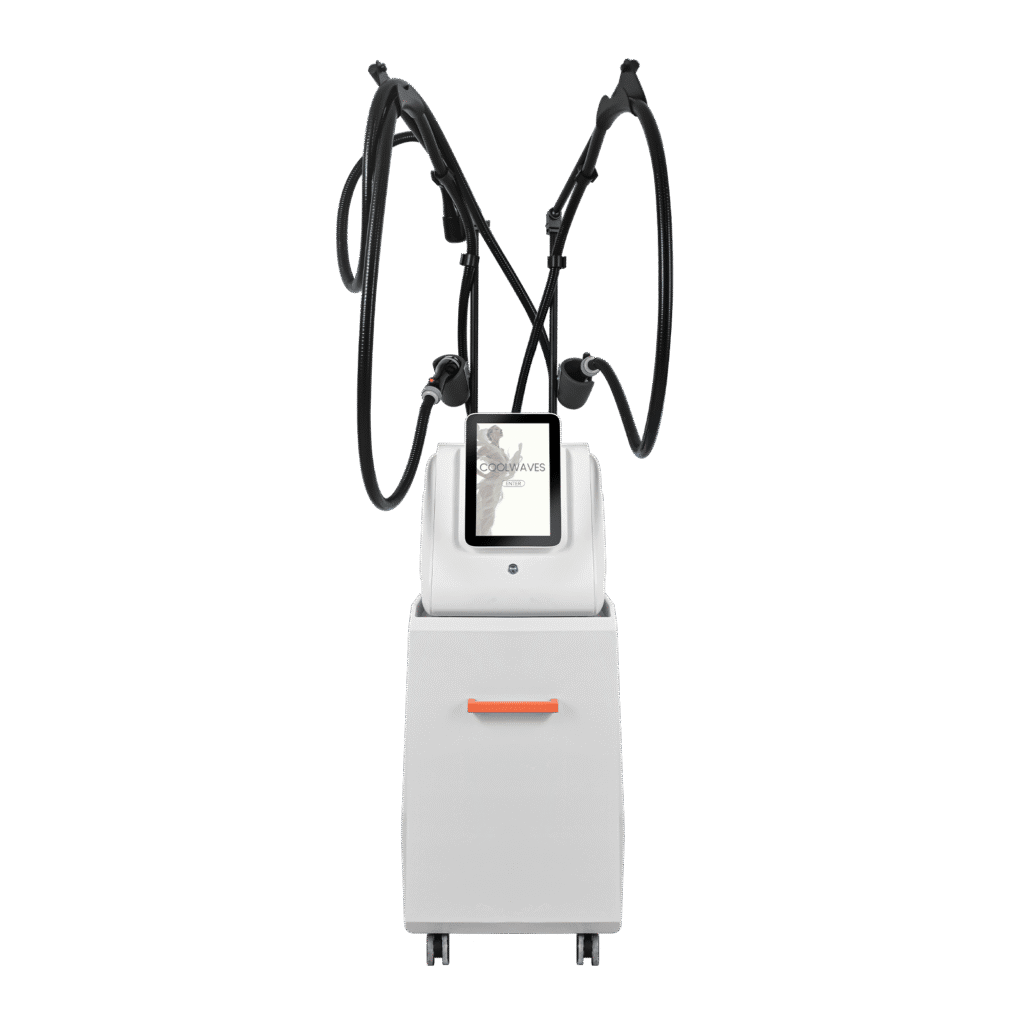
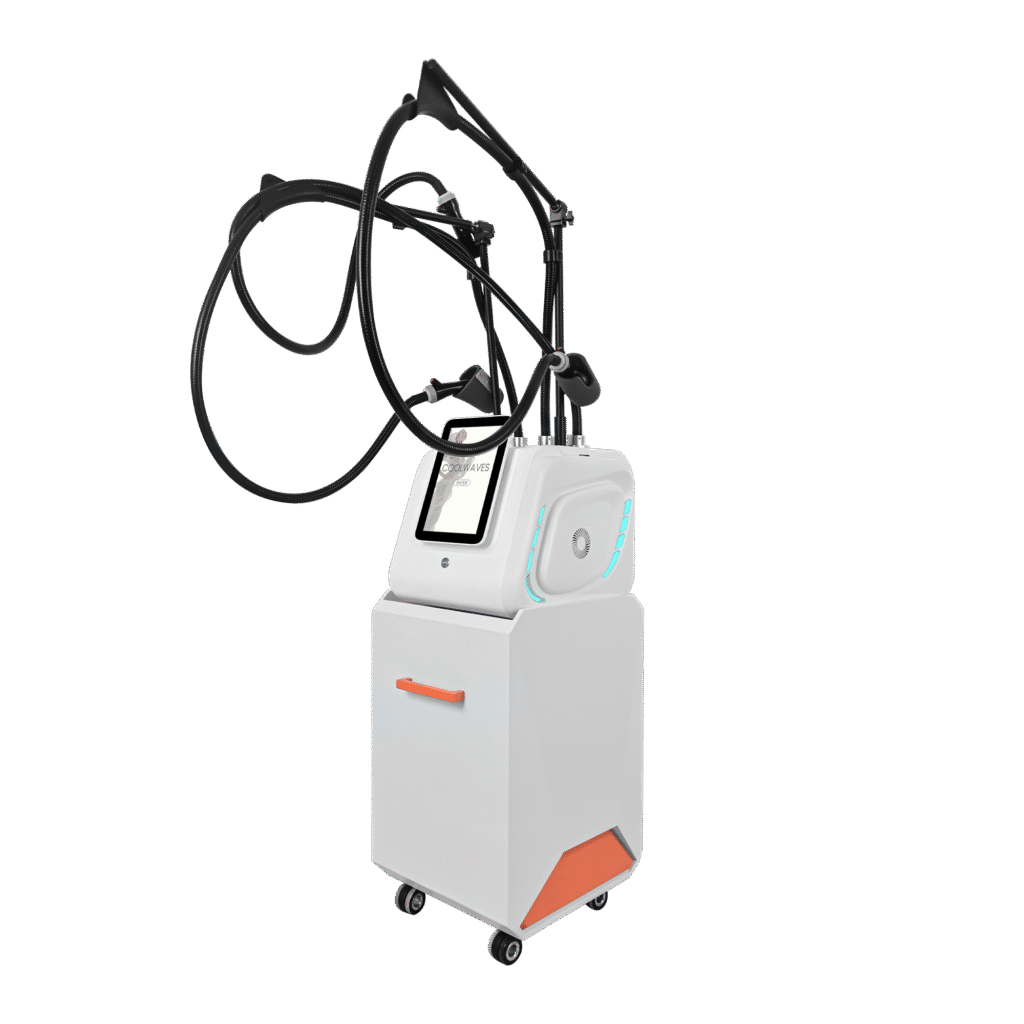
The public SHEFMON A0648 hydro microdermabrasion system is presented as a vertical 9-in-1 system with vacuum and cleansing, exfoliation, extraction, and hydration positioning. A commercial-release review should therefore resolve the full handle and tip package, bottles and tubing, vacuum and fluid preparation, cleaning and maintenance instructions, consumable identities, packaging leak controls, operator training, and service parts—not only whether the console powers on.
A0426: configurable diode laser model
The public SHEFMON A0426 diode laser system lists wavelength, spot-size, cooling, touchscreen, voltage, and language choices. The released offer should identify the exact handpiece, wavelength and spot-size package, cooling configuration, software and parameter profile, regional electrical version, labels, documents, training boundaries, service capability, and quotation description supported by the evidence.
B0155: multi-applicator body platform
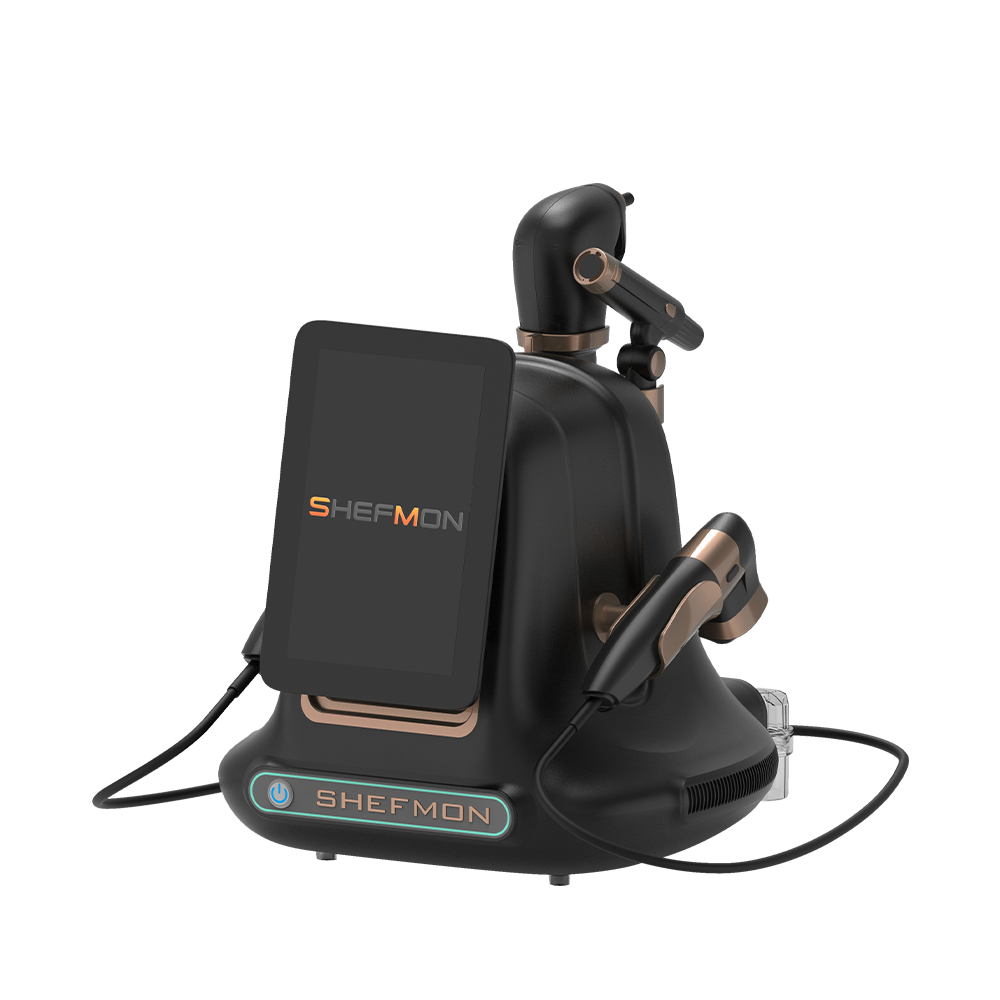
The public SHEFMON B0155 Desktop Endos Velapro is presented as a desktop 5-in-1 platform that can combine different handles, including vacuum-roller, rotating, RF-related, and cavitation functions. Release approval should control which handles are standard or optional, console-to-handle compatibility, software selection, connectors and storage, accessory packaging, inspection coverage, replacement identities, and service readiness for each approved combination.
31. Commercial-Release Approval Checklist
Before authorizing a new beauty device model, confirm that:
- Commercial release is defined separately from design and shipment release.
- The exact saleable model and configuration are identified.
- Hardware, software, handles, accessories and consumables form one baseline.
- Electrical, language, label, manual and packaging versions agree.
- Intended buyers, markets, channels and professional conditions are stated.
- Product position and differences from existing models are clear.
- Requirements and risk controls trace to accepted evidence.
- Verification and validation failures remain visible and dispositioned.
- Reliability assumptions, failures and corrective actions have been reviewed.
- Applicable market and claim reviews have qualified ownership.
- Software and parameter loading are controlled and traceable.
- Production documents and processes represent the released design.
- Pilot evidence demonstrates normal-process execution.
- Operators, inspectors and technicians have appropriate training.
- Suppliers, materials and incoming controls are ready.
- Critical supplier changes and substitutions are controlled.
- Final test and acceptance criteria are measurable.
- Traceability covers product, components, software and results.
- Packaging matches the exact commercial component set.
- Transport, storage, unpacking and return needs are addressed.
- Website, catalog, quotation, manual and training claims agree.
- SKU, options, exclusions and regional profiles are controlled.
- Orders can convert into an unambiguous factory configuration.
- Capacity, inventory and lead-time assumptions are reasonable.
- Demo and pre-release units have controlled status.
- Installation, training, warranty and support pathways are ready.
- Spare parts and consumables have approved identities.
- Every open issue has scope, owner, date and release disposition.
- Conditional-release controls are enforceable in operating systems.
- The formal decision states approved, limited, held or rejected scope.
- Commercial systems are activated only after approval.
- Early production and market monitoring has thresholds and owners.
- Changes trigger release-impact review.
- Suspension and escalation rules are defined.
Frequently Asked Questions
1. Is a successful prototype enough for commercial release?
No. A prototype can demonstrate a design direction or function, but it does not prove supplier readiness, routine production, configuration control, packaging, market documentation, quotation accuracy, training, spare parts, or service capability.
2. Who should have final authority to approve a beauty device model?
The company should name a release authority with the competence and organizational authority to integrate cross-functional evidence and risk. Individual functions should approve their own domains, but no single sales, engineering, or production signature should silently replace the complete decision.
3. Can sales begin quoting while release actions remain open?
Only if a controlled decision explicitly allows quotation within a defined scope. The quote system should enforce approved configurations, limitations, market status, and conditions. Otherwise, premature quoting can create commitments the factory is not authorized to fulfill.
4. What is the difference between commercial release and shipment release?
Commercial release authorizes a model and scope for defined business activities. Shipment release accepts a particular unit or lot against its order, product, inspection, configuration, documentation, and packaging requirements. Both are necessary, but they answer different questions.
5. Can a new regional version use the base model’s commercial approval?
The base evidence may be partly reusable, but voltage, plug, language, labels, manuals, claims, documents, packaging, professional conditions, service profile, and market requirements need an impact assessment. The regional configuration should receive an explicit release status.
6. Can a factory approve a model with unresolved issues?
It can use a conditional or limited release only when the remaining risk, affected scope, interim controls, owners, dates, monitoring, and stop conditions are explicit and authorized. Some gaps should block release rather than be converted into conditions.
7. Does commercial release automatically approve OEM/ODM customization?
No. Branding, housing, handles, software, parameters, languages, electrical profiles, labels, manuals, claims, packaging, and support changes may affect the release basis. Each project needs a documented inheritance and difference review.
8. What records should a distributor request before adopting a new model?
Useful records can include the controlled configuration, product specifications, approved option list, relevant evidence summaries, package contents, regional status, manuals, training and installation requirements, warranty and support pathway, spare-part and consumable information, and change-notification process.
9. When should commercial release be suspended?
Suspend or narrow the status when new information invalidates the release basis or when controls cannot prevent unacceptable product, market, production, delivery, service, or claim risk. The response can target one configuration or activity rather than every model when scope is clear.
10. How can a buyer discuss commercial-release readiness with SHEFMON?
Provide the intended model, functions, handles, target market, voltage, language, branding, packaging, buyer type, expected workload, training, service, and order plan. Ask which configuration information and evidence summaries apply to that exact offer instead of relying on a general product-family description.
Conclusion
Factory approval for commercial release is the point where product evidence becomes an authorized business capability. The decision must integrate the approved design, verified configuration, stable production process, controlled supply chain, accurate documentation, validated package, market status, sales data, and service system.
The strongest release process names the exact saleable object, gives every function accountable evidence ownership, records open risks honestly, activates operating systems only after approval, and monitors early commercial performance against predefined thresholds. This prevents a technically promising model from reaching buyers before the factory is ready to deliver the same controlled product repeatedly.
SHEFMON’s public OEM/ODM capabilities describe product design, mechanical layout, handpiece connections, interface and language, branding, packaging, manuals, prototypes, and small-batch trial production. Its public quality-control overview describes raw-material testing, assembly, circuit-board aging and power testing, functional aging, and inspection. These pages can support an initial supplier discussion, but release evidence should be reviewed against the exact model and configuration under consideration.
To evaluate a new facial, laser, body, or multi-function model, explore the SHEFMON beauty device portfolio and contact SHEFMON. Share the required configuration, destination, buyer profile, options, customization, documentation, training, service, and order plan so the commercial discussion begins with a clearly defined release scope.