










Starting a new salon is exciting, but choosing the right beauty devices for a new salon can quickly become complicated. There are hundreds of machines on the market, from facial and skin-care equipment to body contouring, hair removal, and advanced aesthetic technologies.
The biggest mistake is often buying machines based only on how advanced or popular they appear. A new salon does not necessarily need the largest collection of equipment. What it needs is a balanced beauty device portfolio that matches its target customers, treatment menu, available space, budget, and future growth plans.
A well-planned portfolio can help a salon create more treatment options without unnecessarily increasing equipment costs. It can also make it easier to build treatment packages, cross-sell services, and gradually expand the business.
In this guide, we will explain how to plan a balanced beauty equipment portfolio for a new salon, which treatment categories to consider, how to prioritize equipment, and how different machines can work together in a practical service menu.
What Is a Beauty Device Portfolio?
A beauty device portfolio is the complete collection of professional aesthetic equipment a salon uses to provide its treatment services.
Instead of looking at each machine individually, it is more useful to view the portfolio as a system.
For example, a new salon might combine:
- Facial cleansing and skin-care equipment
- Skin rejuvenation equipment
- HIFU or RF equipment
- Hair removal equipment
- Body contouring equipment
- Massage and body-shaping equipment
- Specialized aesthetic devices
The goal is not to purchase one machine from every category.
The goal is to create a balanced combination of beauty devices that supports the salon’s actual business model.
For a broader introduction to professional equipment categories, you can also explore SHEFMON’s guide to What Are Beauty Equipments?.
Why a Balanced Beauty Device Portfolio Matters
A new salon normally has limited capital, treatment rooms, staff, and customer data.
That makes equipment selection particularly important.
A portfolio that is too narrow may limit the salon’s service menu. On the other hand, purchasing too many specialized machines at the beginning can tie up capital in equipment that is rarely used.
A balanced portfolio can help address several business needs.
1. Cover Multiple Customer Needs
Salon customers may have completely different goals.
One customer may want deep cleansing and hydration, while another may be interested in skin tightening or hair removal.
A portfolio covering several major treatment categories allows the salon to serve a broader customer base.
2. Create Multiple Treatment Packages
One machine can provide a single service, but several complementary devices can create treatment combinations.
For example:
Facial cleansing → skin treatment → RF/HIFU → aftercare
Or:
Body contouring → vacuum/roller treatment → maintenance session
This gives the salon more flexibility when designing its service menu.
3. Reduce Dependence on One Service
If most revenue depends on a single treatment, changes in customer demand can have a larger effect on the business.
A diversified equipment portfolio gives the salon more service categories to work with.
4. Make Better Use of Treatment Rooms
The physical space of a new salon is another important limitation.
A compact multifunctional device can sometimes provide several functions while occupying less space than multiple single-function machines.
This is especially useful for small facial salons and startup aesthetic studios.
Start With Your Salon Business Model
Before comparing individual machines, define what kind of salon you are building.
This is the first step in planning a beauty device portfolio for a new salon.
Ask:
- Who are your target customers?
- What treatments do they expect?
- What is your average expected treatment price?
- How many treatment rooms will you have?
- How many technicians will operate the equipment?
- Will you focus on facial, body, hair removal, or multiple services?
- What is your initial equipment budget?
- What services could you add later?
A facial-focused salon should not build the same portfolio as a body-contouring studio.
Step 1: Divide Your Portfolio Into Core Treatment Categories
A practical starting point is to divide beauty equipment into several major categories.
| Treatment Category | Typical Customer Need | Example Equipment |
|---|---|---|
| Facial & Skin Care | Cleansing, hydration, skin maintenance | Hydro facial equipment |
| Skin Rejuvenation | Firmness, texture, anti-aging | RF, MNRF, HIFU |
| Hair Removal | Long-term hair reduction | Diode laser |
| Body Contouring | Body shaping and contouring | EMS, cryolipolysis |
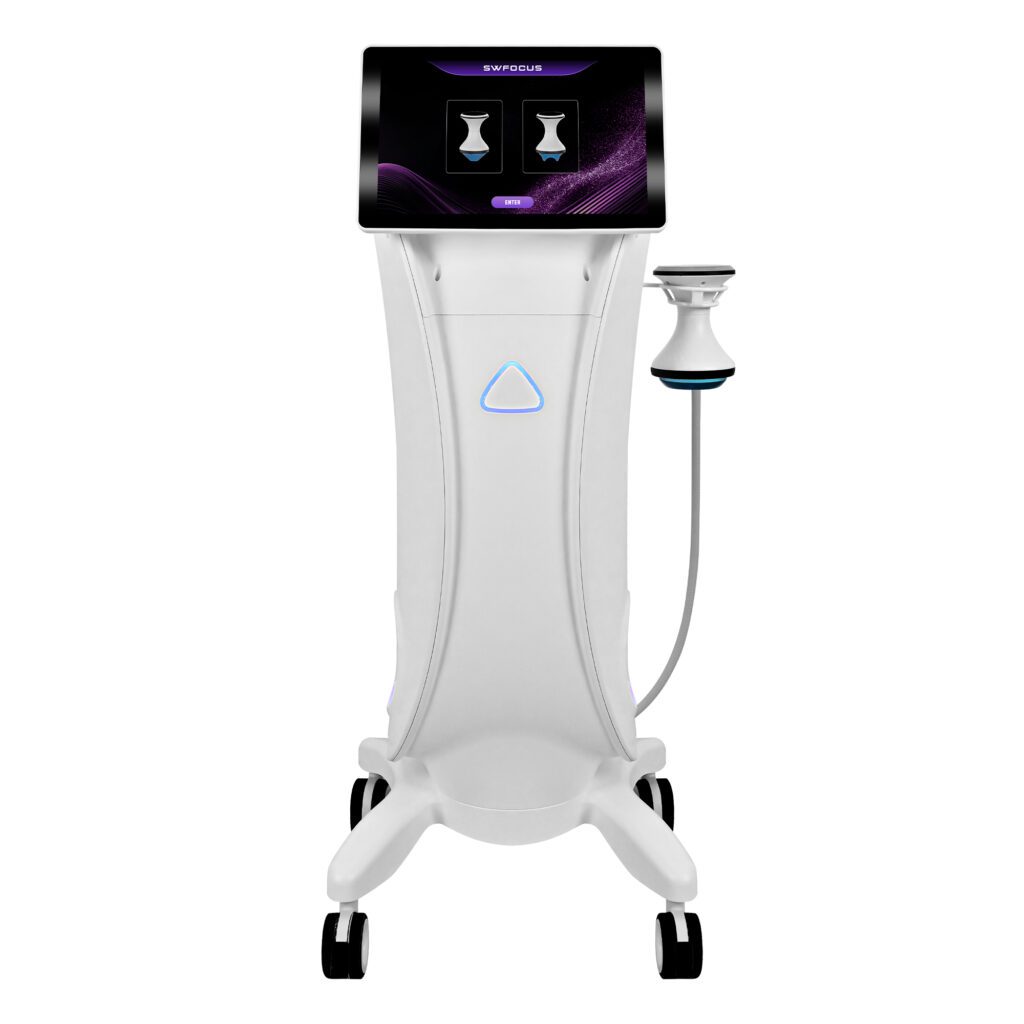
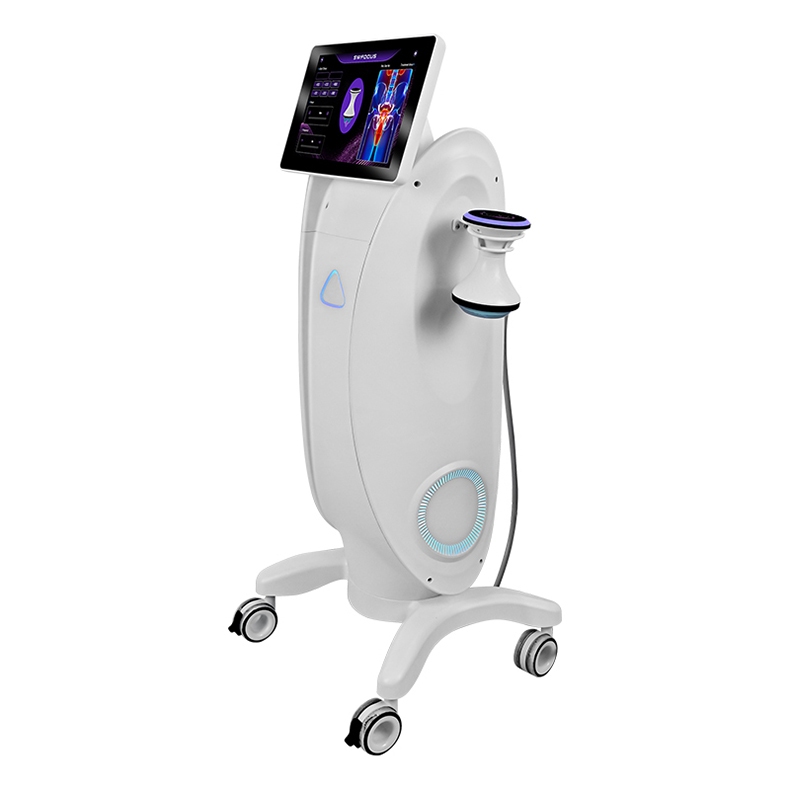
| Body Shaping | Massage, circulation and contouring services | Endos Velapro |
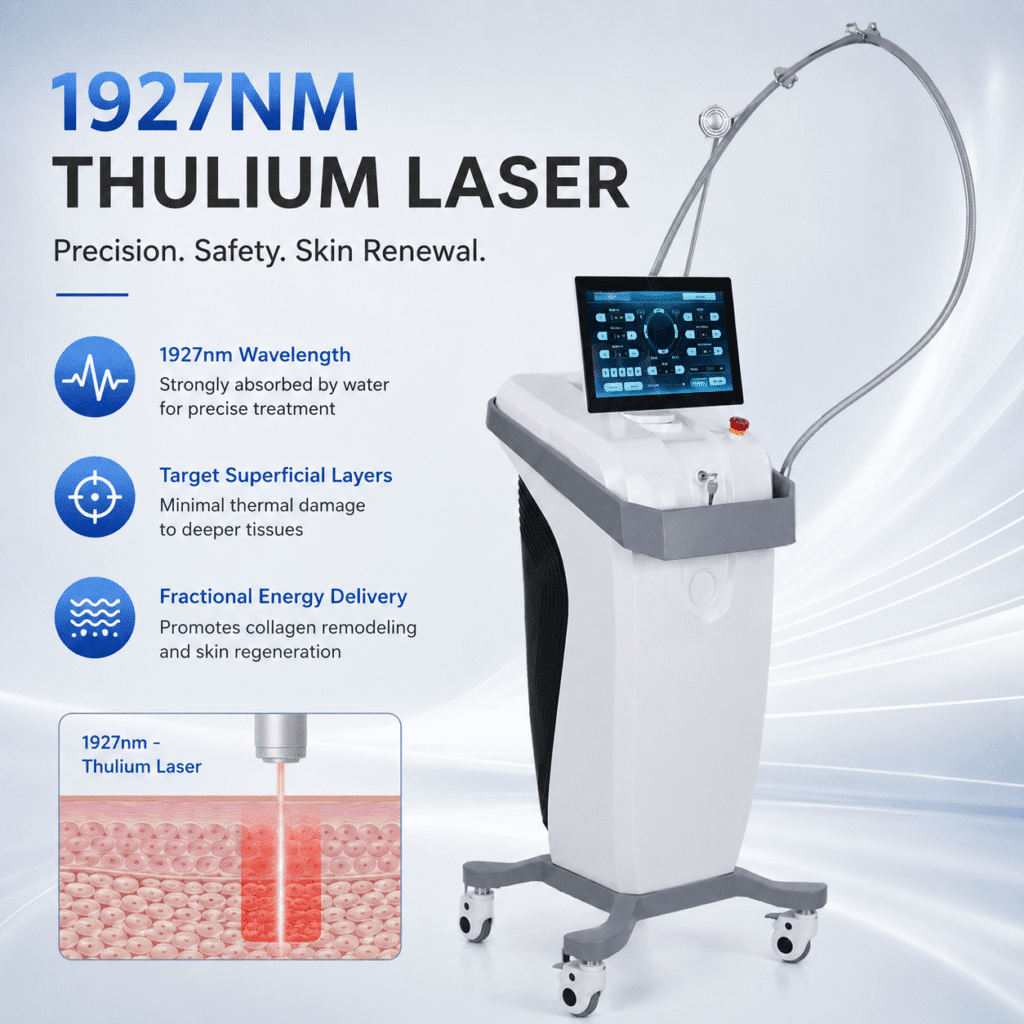
| Specialized Treatments | Specific skin or aesthetic concerns | CO2, Nd:YAG, other laser systems |
The salon does not have to purchase equipment from all six categories immediately.
Instead, this framework helps you identify where your portfolio has gaps.
Step 2: Choose One Strong Core Service
Every new salon should have one or two services that define its business.
For example:
Facial Salon
The core service might be facial cleansing, hydration, and skin rejuvenation.
Aesthetic Clinic
The core service might be advanced skin rejuvenation and lifting.
Hair Removal Studio
The core service is naturally laser hair removal.
Body Contouring Studio
The core services may focus on body shaping, muscle stimulation, and fat-reduction treatments.
This core service should receive a larger portion of the initial equipment budget.
The rest of the portfolio should support it.
Step 3: Add Complementary Beauty Devices
Once the core service has been selected, add equipment that serves related customer needs.
This is where portfolio planning becomes more useful than simply shopping for individual machines.
For example, imagine a salon specializing in facial treatments.
A possible portfolio could be:
Hydration → Skin Rejuvenation → Skin Tightening
A customer may initially book a facial treatment. After consultation, the salon can introduce another appropriate service related to the customer’s concerns.
Similarly, a body-contouring salon could build:
Body Contouring → Muscle Stimulation → Body Shaping/Massage
The machines are not competing with one another. They support different stages or needs within the same customer journey.
Step 4: Consider a Facial and Skin-Care Foundation
For many new salons, facial treatments are an accessible starting point because they can support recurring services.
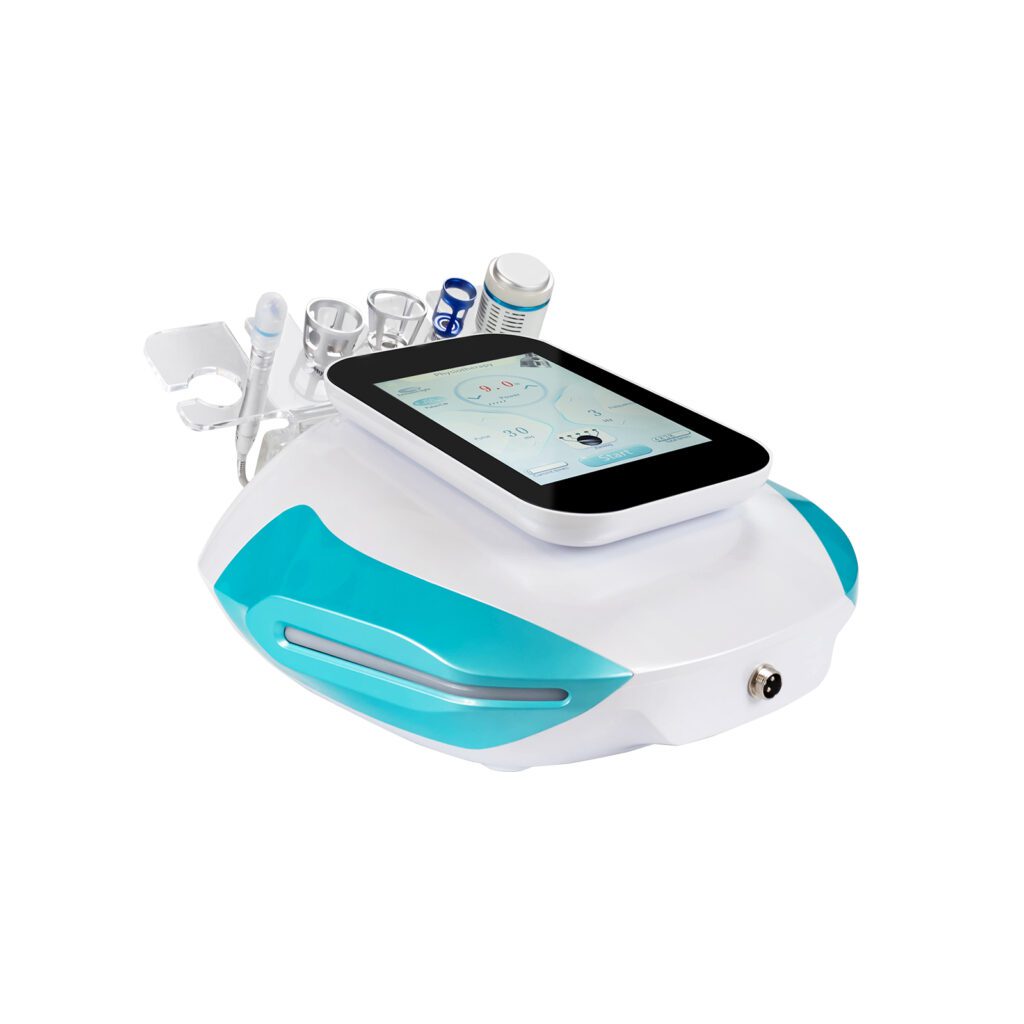
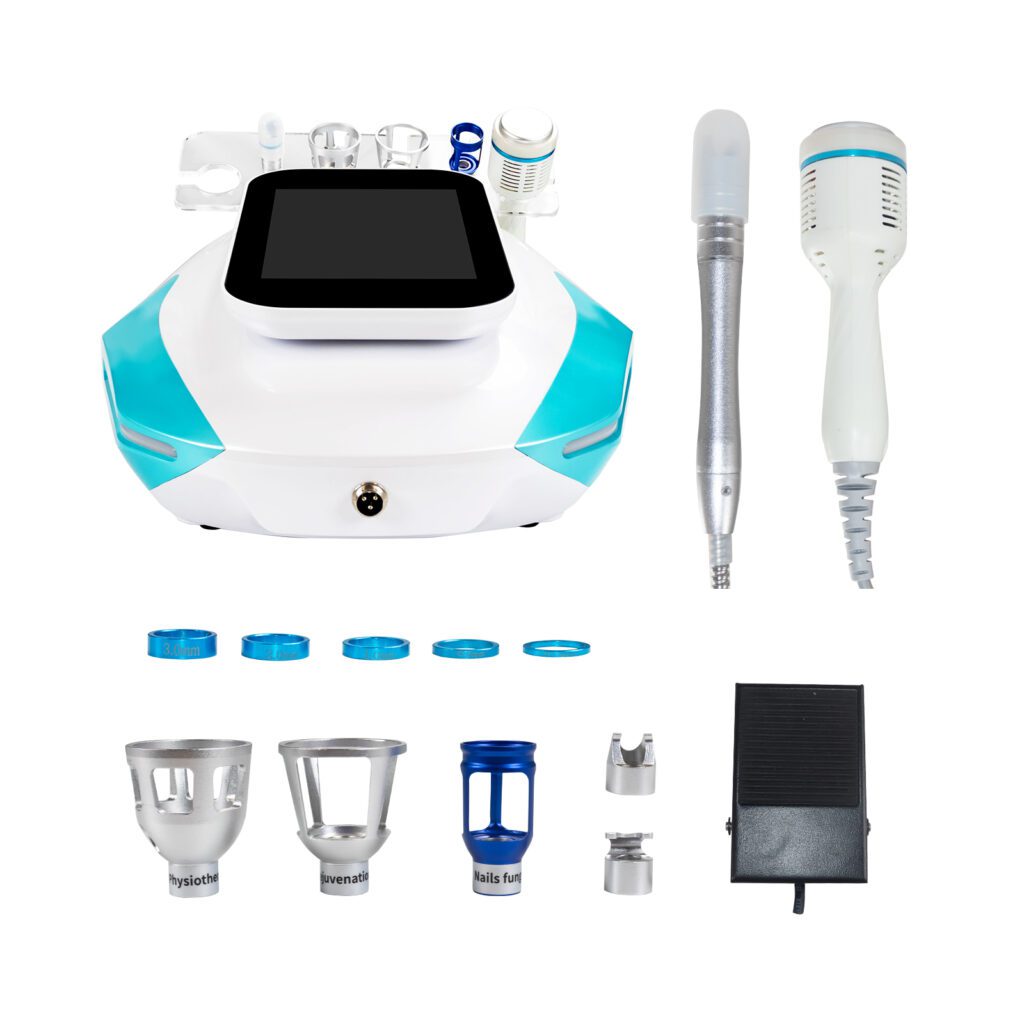
Hydro facial and similar skin-care systems can provide services centered around cleansing, exfoliation, hydration, and skin maintenance.
SHEFMON’s Hydra beauty device guide provides more information about this type of equipment.
A facial-focused portfolio might therefore begin with:
Hydro facial device + RF or MNRF + HIFU
Each device has a different role.
| Device | Portfolio Role |
|---|---|
| Hydro facial | Basic facial and skin-care services |
| RF | Skin tightening and rejuvenation services |
| MNRF | More advanced skin treatments |
| HIFU | Focused lifting and tightening services |
This gives the salon several service levels rather than relying on one facial machine.
Step 5: Add HIFU or RF for Higher-Value Services
Once basic facial services are covered, a salon may consider equipment designed for more advanced skin-tightening services.
HIFU and RF are common technologies to evaluate when developing this part of a portfolio.
SHEFMON’s HIFU machine guide explains the basic principles and applications of HIFU technology.
For a salon that wants one multifunctional platform, the A0270 Vmax HIFU with RF combines HIFU and radio-frequency technology.
Explore the SHEFMON A0270 Vmax HIFU with RF.
The system is designed around face, eye, neck, and body applications and supports multiple cartridge depths.
This type of multifunctional equipment can be particularly relevant when treatment-room space is limited.
Step 6: Decide Whether Hair Removal Belongs in Your Portfolio
Hair removal can be either a core service or a supporting service depending on the salon.
If hair removal is part of your business plan, a diode laser hair removal machine can become one of the central devices in the portfolio.
SHEFMON’s A0426 diode laser uses 755nm, 810nm, and 1064nm wavelengths, with an optional 940nm wavelength.
Explore the SHEFMON A0426 Diode Laser Hair Removal Machine.
A salon could structure its portfolio around:
Facial Care + Skin Rejuvenation + Hair Removal
This combination provides several distinct service categories without requiring dozens of machines.
Step 7: Build a Body Contouring Equipment Group
If body treatments are important to your target market, body contouring equipment can become another major portfolio category.
Several technologies can serve different treatment objectives.
Cryolipolysis
Cryolipolysis equipment uses controlled cooling technology for localized fat-reduction applications.
SHEFMON’s Cryolipolysis equipment collection includes several configurations.
For example, the S9 360 Cryolipolysis Machine features 360° silicon cooling and multiple applicator options.
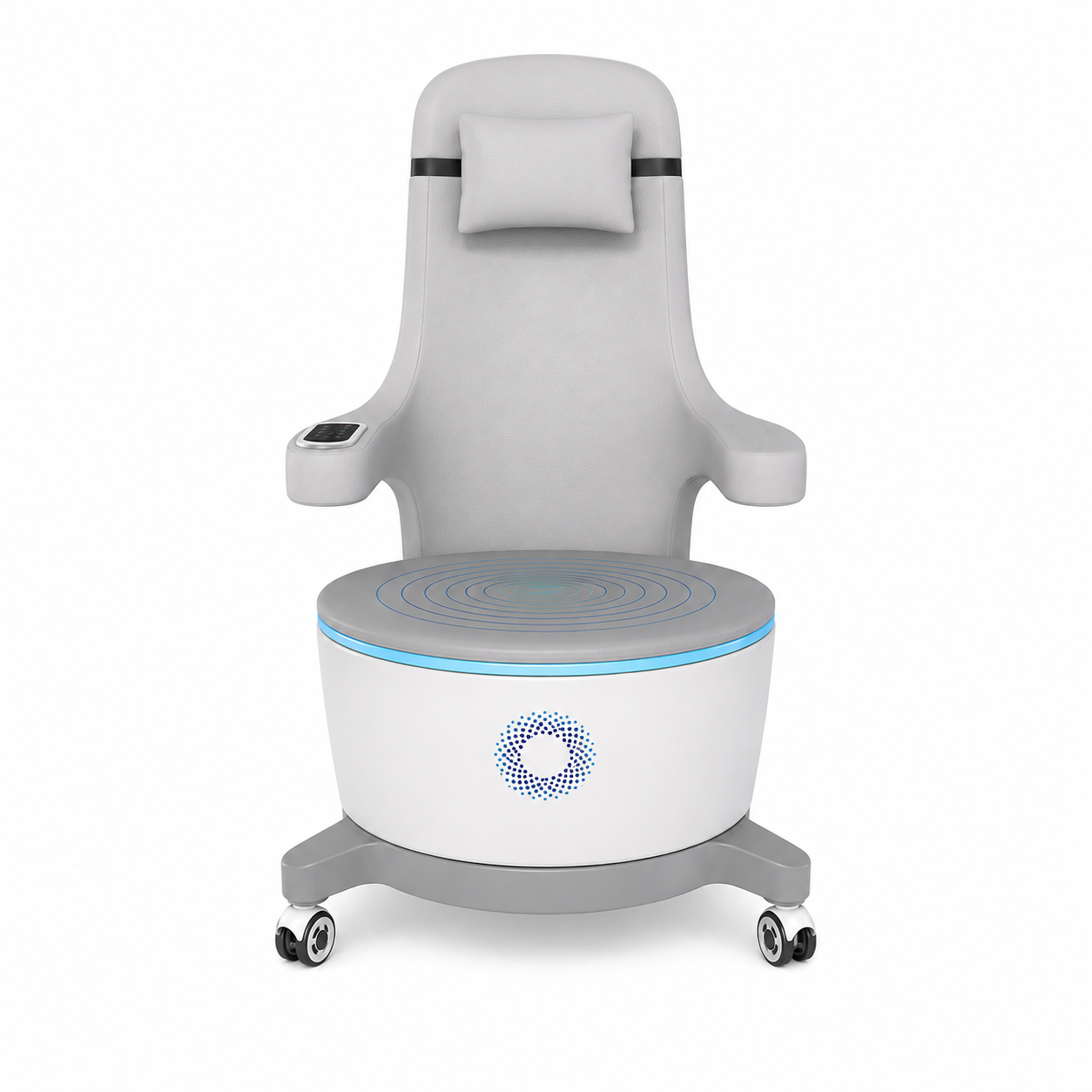
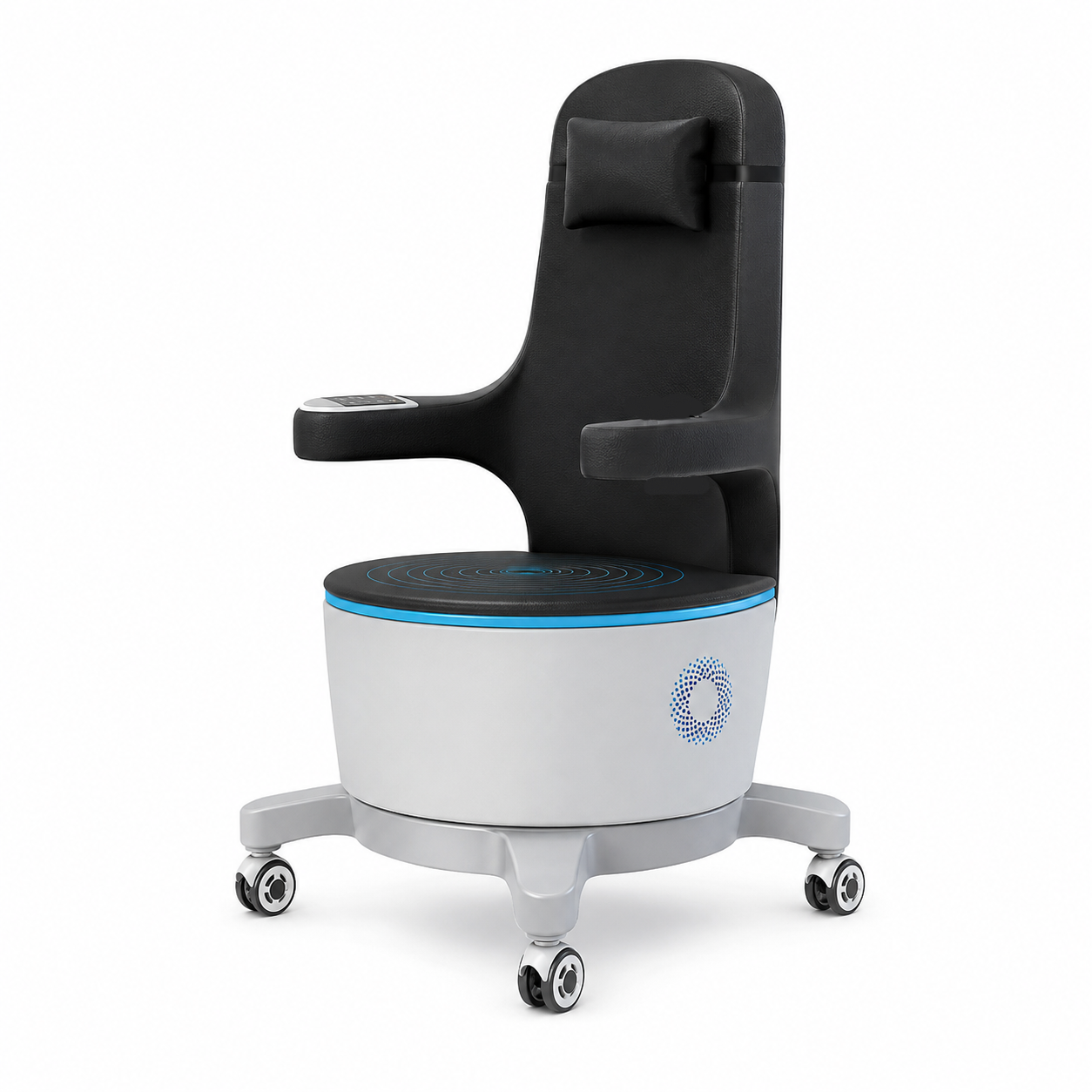
EMS
EMS-based body contouring focuses on electromagnetic muscle stimulation.
The A0241 5-in-1 EMSlim / Emsculpting NEO machine combines EMS/HIPEM with RF and is designed for body-contouring applications.
Endos Velapro
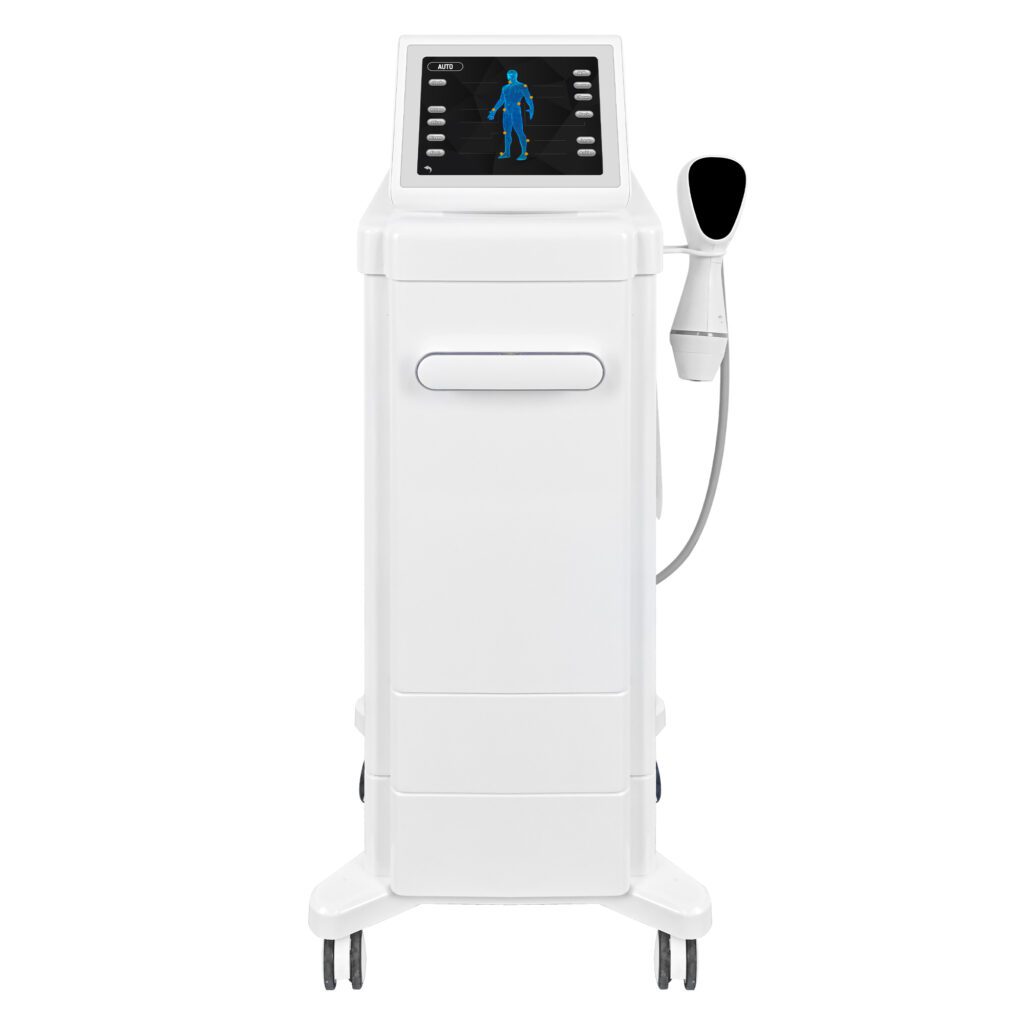
Endos Velapro systems can add vacuum, roller, RF, and related body-shaping functions to the service menu.
SHEFMON’s Endos Velapro equipment includes different configurations for professional use.
The important point is that these technologies should not simply be purchased because they are popular.
Choose them according to the body-treatment services you actually intend to sell.
Step 8: Consider Multifunctional Machines Carefully
Multifunctional beauty devices can be useful for new salons, but “more functions” does not automatically mean “better.”
A machine with five or ten functions may look attractive on paper. However, you should ask:
- Will customers actually use these functions?
- Are the functions relevant to the salon’s positioning?
- Can technicians operate the equipment efficiently?
- Are consumables and accessories easy to manage?
- Does the multifunctional system replace other machines?
- Does it make the service menu easier to understand?
The purpose of multifunctional equipment is to improve portfolio efficiency, not simply increase the specification sheet.
Step 9: Create a Three-Level Equipment Strategy
A useful way to control the initial budget is to divide equipment into three levels.
Level 1: Essential Equipment
These machines support the salon’s primary services.
For example:
- Facial salon → hydro facial equipment
- Hair removal salon → diode laser
- Body salon → body-contouring equipment
These should generally receive the highest purchasing priority.
Level 2: Revenue Expansion Equipment
These devices introduce additional services to existing customers.
For example:
- RF
- HIFU
- EMS
- Endos Velapro
- Additional facial technologies
They can help expand the treatment menu without completely changing the salon’s positioning.
Level 3: Specialized Equipment
These are machines designed for narrower treatment applications.
Examples may include advanced laser systems or specialized aesthetic technologies.
They may make more sense after the salon has established sufficient customer demand.
Step 10: Match Equipment to Your Treatment Menu
One of the easiest ways to identify an unbalanced portfolio is to create a treatment-menu table.
For example:
| Customer Need | Treatment | Equipment |
|---|---|---|
| Deep cleansing | Facial cleansing | Hydro facial |
| Hydration | Hydration facial | Hydro facial |
| Skin tightening | RF treatment | RF |
| Skin lifting | Focused ultrasound treatment | HIFU |
| Hair reduction | Laser hair removal | Diode laser |
| Body contouring | Cryolipolysis | Fat-freezing machine |
| Muscle stimulation | EMS treatment | EMSlim |
| Body shaping | Vacuum/roller treatment | Endos Velapro |
Now ask:
Does every major piece of equipment have a clear place in the service menu?
If not, the portfolio may contain unnecessary equipment.
A Sample Beauty Device Portfolio for a New Salon
A practical starting portfolio could look like this:
Portfolio A: Facial-Focused Salon
Core
- Hydro facial device
Growth
- RF or MNRF
- HIFU
Later expansion
- Advanced laser or additional skin-rejuvenation equipment
This structure keeps the portfolio focused on facial services.
Portfolio B: Full-Service Beauty Salon
Core
- Hydro facial
- RF/HIFU
Supporting services
- Diode laser
- Body-contouring equipment
Expansion
- Endos Velapro
- Specialized laser equipment
This creates a broader service menu while maintaining several major treatment categories.
Portfolio C: Body-Contouring Studio
Core
- EMS body contouring
- Cryolipolysis
Supporting
- Endos Velapro
Expansion
- Additional body-treatment technologies
The portfolio is concentrated around body services instead of spreading the investment across unrelated categories.
How Many Beauty Machines Should a New Salon Buy?
There is no universal number.
A new salon should think in terms of service coverage rather than machine count.
For example, five machines may create a balanced portfolio if each one supports a strong service category.
Ten machines may still be inefficient if several of them perform similar functions that customers rarely request.
A useful question is:
“How many profitable and relevant services can this portfolio support?”
rather than:
“How many machines can I fit into the salon?”
Avoid Technology Overlap
Another important part of portfolio planning is avoiding unnecessary overlap.
Suppose a salon purchases several machines that all focus primarily on similar skin-tightening applications.
The additional machines may not create proportional value.
Instead, consider creating a portfolio where each major device has a different role.
For example:
Hydra → basic skin care
RF → skin tightening
HIFU → focused lifting
Diode laser → hair removal
EMS → muscle stimulation/body contouring
This gives the salon a clearer treatment architecture.
Consider Treatment Room Space
Equipment selection should also reflect the physical layout of the salon.
Before purchasing, measure:
- Treatment-room dimensions
- Machine footprint
- Operator access
- Storage requirements
- Electrical requirements
- Cooling or ventilation requirements where applicable
- Movement between treatment rooms
Desktop equipment can be useful when space is limited.
For example, SHEFMON offers a Desktop MMRF Depth 8 configuration:
Explore the A0152 Desktop MMRF Depth 8 Microneedling RF.
The point is not that desktop equipment is always better. Rather, the equipment format should fit the salon’s actual working environment.
Budget Your Portfolio by Priority, Not Evenly
It is usually unnecessary to divide the equipment budget equally among all categories.
Instead, allocate more resources to your core service.
For example:
| Portfolio Priority | Purpose |
|---|---|
| Core equipment | Supports the salon’s main revenue service |
| Supporting equipment | Expands the customer journey |
| Growth equipment | Adds future services |
| Specialized equipment | Purchased when demand is established |
A salon specializing in hair removal might therefore invest substantially more in its diode laser platform than in facial equipment.
A facial salon could make the opposite choice.
Think About Customer Lifetime Value
A balanced portfolio should also consider what happens after the customer’s first treatment.
Imagine a customer comes to the salon for a basic facial.
If the salon only has one facial machine, the relationship may remain limited to that single service.
But if the salon has complementary technologies, the customer may have access to a broader range of appropriate services over time.
For example:
First visit: Facial cleansing
Next visit: Hydration treatment
Later: RF skin treatment
Long-term: HIFU or another suitable advanced treatment
This creates a service ecosystem instead of a single-machine business.
Think in Terms of Treatment Packages
Another benefit of a balanced beauty device portfolio is the ability to create structured packages.
For example:
Facial Maintenance Package
- Hydro facial
- Hydration treatment
- Basic RF
Skin Rejuvenation Package
- Facial preparation
- RF
- HIFU
Body Contouring Package
- EMS
- Cryolipolysis
- Body shaping treatment
The exact combination should depend on the salon’s professional protocols and the suitability of each treatment for the customer.
Equipment Training Is Part of the Portfolio
A machine is only useful if staff can operate it correctly.
Therefore, the real investment is not simply:
Machine + Purchase Price
It is:
Machine + Training + Protocol + Maintenance + Consumables + Staff Time
Before purchasing equipment, ask the supplier about:
- Operator training
- User manuals
- Technical support
- Warranty
- Spare parts
- Consumables
- Installation
- After-sales support
This is especially important for advanced technologies.
Compare Suppliers Beyond the Machine Price
When building a new salon portfolio, comparing equipment only by price can produce misleading results.
Consider the complete purchasing picture.
| Factor | Questions to Ask |
|---|---|
| Technology | Does it fit your planned services? |
| Configuration | Does it include the required handpieces? |
| Training | Is operator training available? |
| Warranty | What is covered? |
| Support | How quickly can technical issues be addressed? |
| Parts | Are replacement components available? |
| Customization | Can the equipment be configured for your market? |
| Delivery | What are the shipping arrangements? |
For salons building a portfolio rather than purchasing a single machine, supplier consistency can also matter.
Working with one established equipment supplier across several categories may simplify communication, training, spare parts, and future expansion.
SHEFMON provides beauty equipment and professional aesthetic device solutions across multiple treatment categories.
When Should a New Salon Expand Its Portfolio?
Do not feel pressure to purchase every machine at launch.
A staged approach can be more practical.
Stage 1: Launch
Purchase equipment for your core services.
Focus on learning the market and establishing treatment protocols.
Stage 2: Customer Expansion
Look at which additional services customers are asking about.
Then add equipment that addresses real demand.
Stage 3: Portfolio Optimization
Once you understand your customer base, evaluate:
- Which machines are used most?
- Which treatments generate repeat visits?
- Which services are rarely booked?
- Which treatment combinations work well?
- Where are customers requesting additional services?
Then invest accordingly.
A Simple Framework for Planning Your Beauty Device Portfolio
Before placing an equipment order, use this five-step framework:
1. Define the Customer
Who is your primary customer?
2. Define the Core Service
What is the main reason customers should choose your salon?
3. Add Complementary Services
Which treatments naturally support the core service?
4. Check Equipment Efficiency
Can one multifunctional machine cover several meaningful services?
5. Plan Future Expansion
Which machines can wait until demand becomes clear?
This process prevents the portfolio from becoming a collection of unrelated devices.
Common Mistakes When Building a New Salon Equipment Portfolio
Buying Based Only on Popularity
A popular beauty machine may not fit your particular business model.
Buying Too Many Machines at Launch
More equipment means more capital, training, maintenance, and space requirements.
Ignoring Customer Journey
Equipment should support how customers move from one service to another.
Choosing Machines With Excessive Functional Overlap
Several machines targeting essentially the same service can create unnecessary complexity.
Ignoring Staff Training
A technically advanced machine still requires proper operation and treatment protocols.
Choosing the Cheapest Supplier
The initial purchase price is only one part of the total cost of ownership.
Final Checklist for a Balanced Beauty Device Portfolio
Before purchasing your first equipment package, check whether you can answer “yes” to these questions:
- Does every machine have a clear treatment purpose?
- Does the portfolio match my target customers?
- Does my core service receive enough investment?
- Can the machines support repeat treatments?
- Can I create several service packages?
- Do the devices fit my treatment rooms?
- Can my staff be properly trained?
- Is technical support available?
- Are spare parts and consumables accessible?
- Do I have a plan for future expansion?
If the answer is yes, you are moving from simply buying beauty machines to strategically building a beauty business.
Conclusion: Build a Portfolio Around Your Business, Not a Machine Catalog
Planning a balanced beauty device portfolio for a new salon is ultimately about finding the right relationship between customers, treatments, equipment, space, budget, and future growth.
A strong starting portfolio does not need to contain every available technology. Instead, each machine should have a clear role.
A simple structure can work extremely well:
Core service → complementary treatment → higher-value service → future expansion
For example, a facial salon might begin with Hydra + RF + HIFU, while a body-focused business could build around EMS + cryolipolysis + Endos Velapro. A hair-removal studio may make its diode laser the centerpiece and add facial or body services later.
The right portfolio is therefore not necessarily the biggest one. It is the one in which each beauty device contributes to a clear, practical, and expandable treatment menu.
For salons that are still researching equipment options, the SHEFMON Beauty Equipment collection provides a useful starting point for comparing different professional aesthetic technologies.
FAQs
1. What beauty devices should a new salon buy first?
Start with equipment that supports your core service and target customers. A facial salon may prioritize hydro facial and skin-rejuvenation equipment, while a body-contouring salon may focus on EMS or cryolipolysis.
2. Is it better to buy multifunctional beauty equipment?
Multifunctional equipment can be useful when its functions are relevant to your actual treatment menu and help save space or investment. However, the number of functions alone should not determine your purchasing decision.
3. How many beauty machines does a new salon need?
There is no fixed number. The priority should be service coverage rather than machine count. A smaller portfolio with complementary technologies can be more practical than a large collection of overlapping equipment.
4. Should a new salon buy advanced aesthetic equipment immediately?
Not necessarily. Advanced equipment can be added according to customer demand, staff expertise, available space, and budget. A staged equipment strategy can help a new salon control its initial investment.
5. How should I choose a beauty equipment supplier?
Look beyond the machine price. Consider equipment configuration, training, warranty, technical support, spare parts, customization options, delivery, and after-sales service. A supplier that can support multiple categories may also simplify future portfolio expansion.