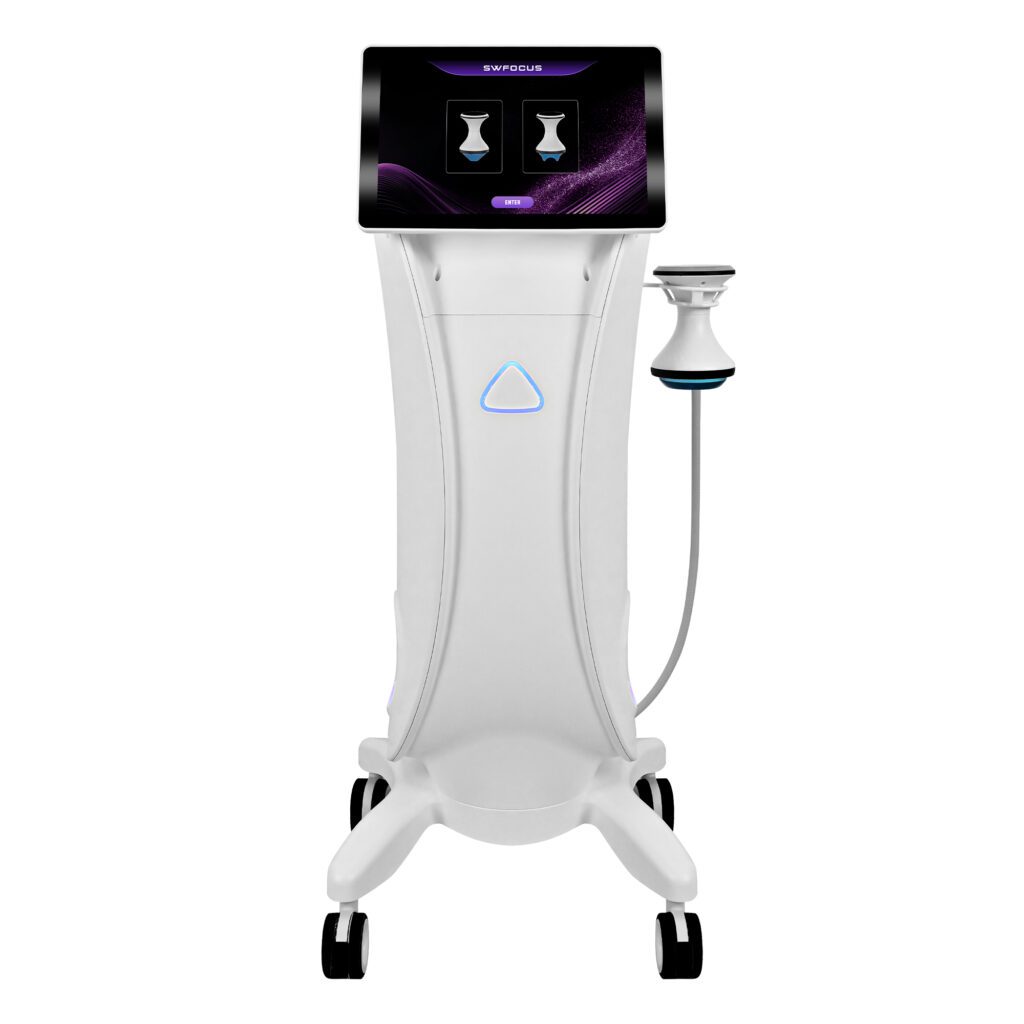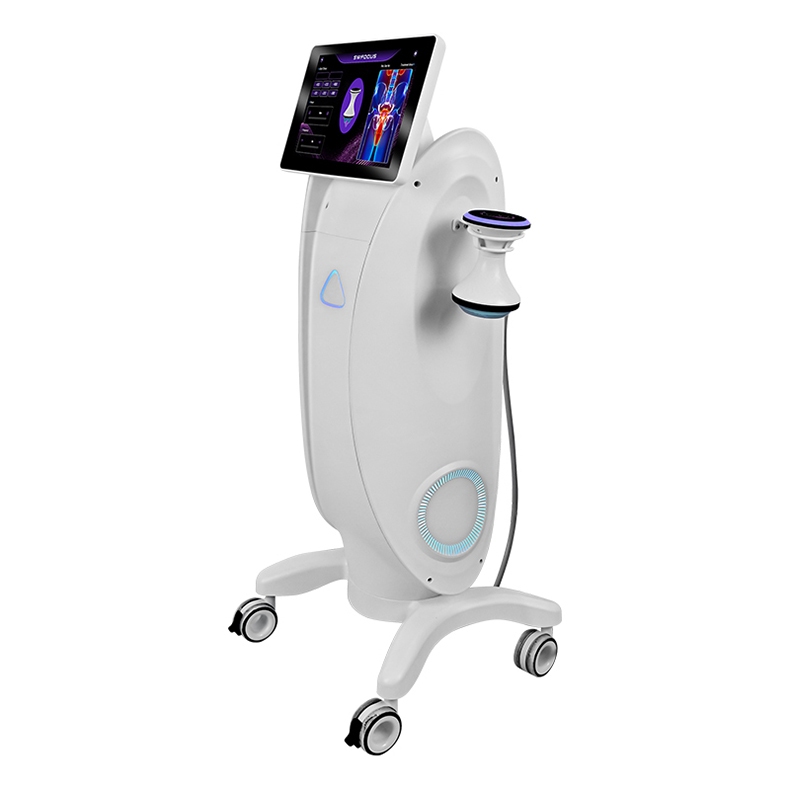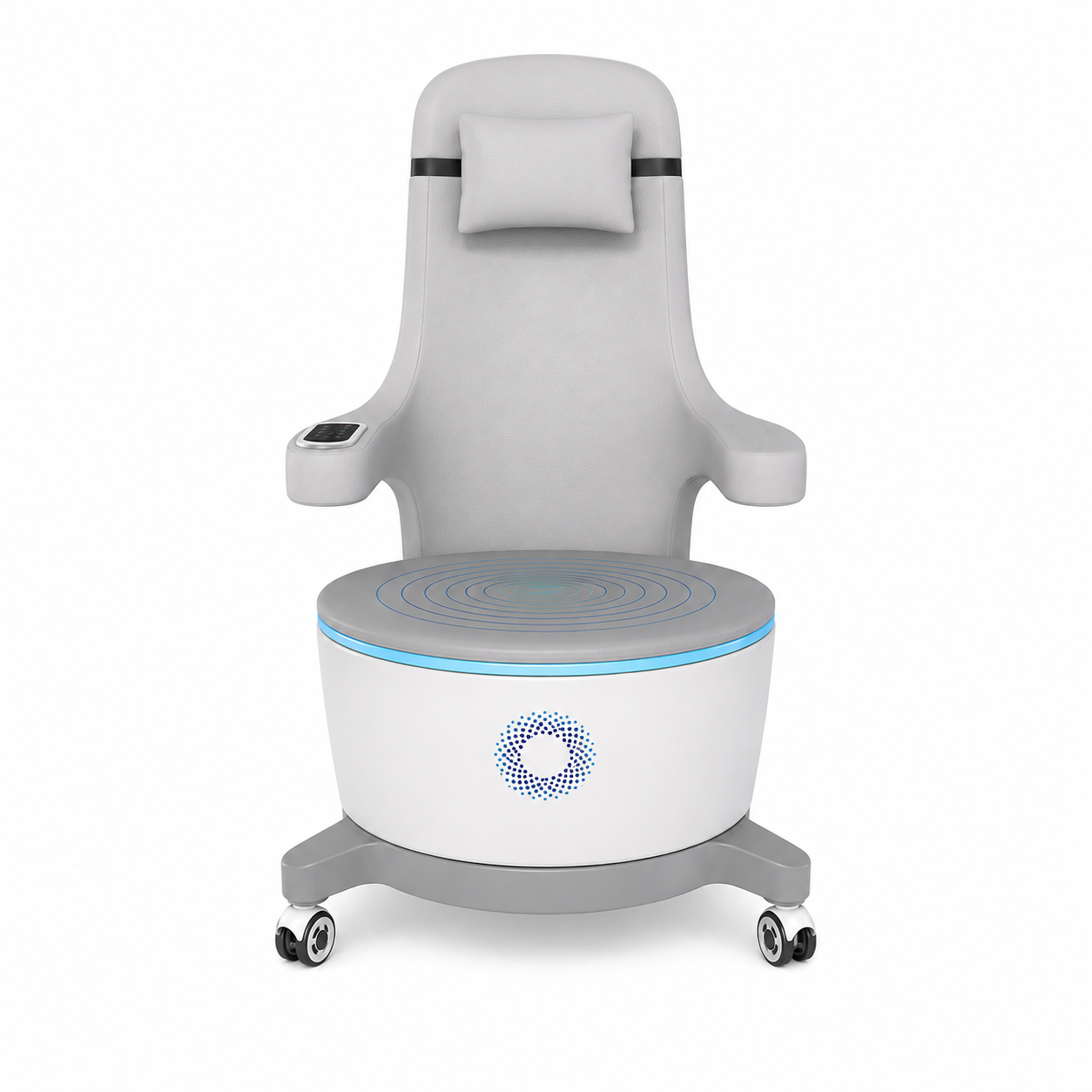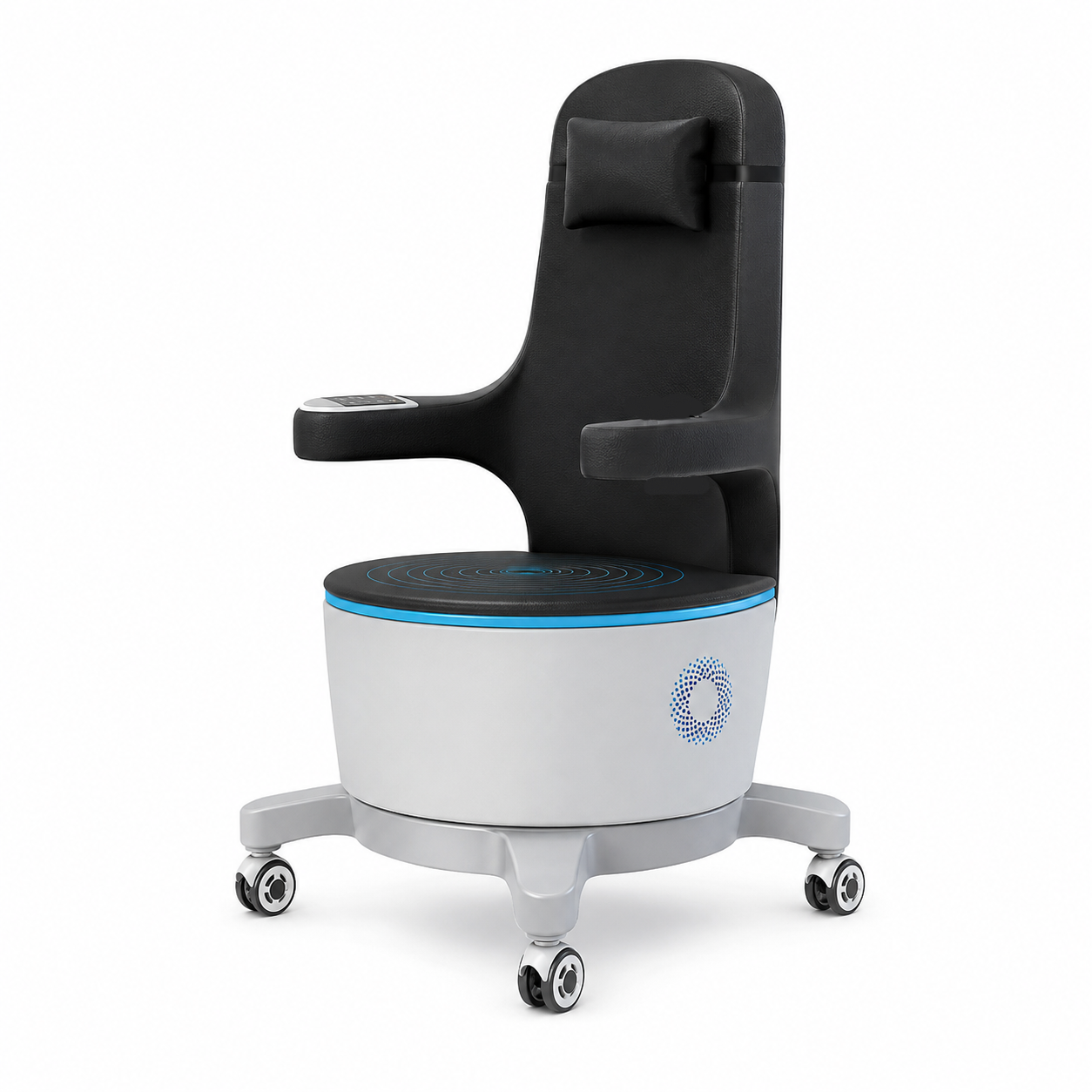










EMS and microcurrent beauty equipment still have market potential, but the opportunity is becoming more selective. The market is no longer friendly to generic low-price machines with exaggerated claims. The stronger opportunity belongs to devices that are safe, easy to operate, clearly positioned, supported by training, and packaged into real salon projects such as facial toning, anti-aging maintenance, body sculpting, postpartum body management, and membership-based skin care programs.
For beauty salons and distributors, the first thing to understand is that EMS and microcurrent are related but not identical. EMS, or electrical muscle stimulation, is usually associated with stronger muscle contraction and body shaping projects. Microcurrent uses much lower current levels and is usually positioned for facial toning, lifting appearance, skin vitality, and anti-aging maintenance. In the beauty equipment market, many suppliers combine the terms for marketing, but professional buyers should separate the two when evaluating product value.
The market outlook is still positive because consumers continue to prefer non-invasive treatments, anti-aging services, body management, and visible but low-downtime beauty solutions. However, competition is also strong. To make EMS and microcurrent devices profitable, salons need clear project packaging, realistic customer education, safety guidance, and repeat treatment plans.
Why The Market Still Has Potential
The biggest reason EMS and microcurrent equipment still has potential is that the customer needs behind the category are long term. Consumers want firmer facial contours, better skin appearance, improved body shape, muscle toning, and non-invasive beauty options. These needs do not disappear quickly.
Market research also supports the broader environment. Grand View Research reports that the global non-invasive aesthetic treatment market was valued at USD 36.0 billion in 2025 and is projected to reach USD 64.1 billion by 2033. Its energy-based aesthetic devices report also projects growth from USD 8.1 billion in 2026 to USD 15.7 billion by 2033. EMS and microcurrent devices are not the whole market, but they benefit from the same demand direction: customers want beauty results without surgery or long recovery.
Another driver is the rise of wellness and body management. McKinsey’s 2025 wellness research points to continued demand for in-person wellness services and beauty-related wellness spending. This supports salon projects that connect beauty, self-care, body confidence, and maintenance treatments.
For salons, EMS and microcurrent equipment can be attractive because the devices are often less expensive than high-end laser, HIFU, or advanced RF systems. This gives small and medium salons a lower-cost way to add technology-based services.
EMS And Microcurrent Are Not The Same
One reason the market feels confusing is that many people use EMS, microcurrent, electrical stimulation, and facial toning as if they are the same. They are not.
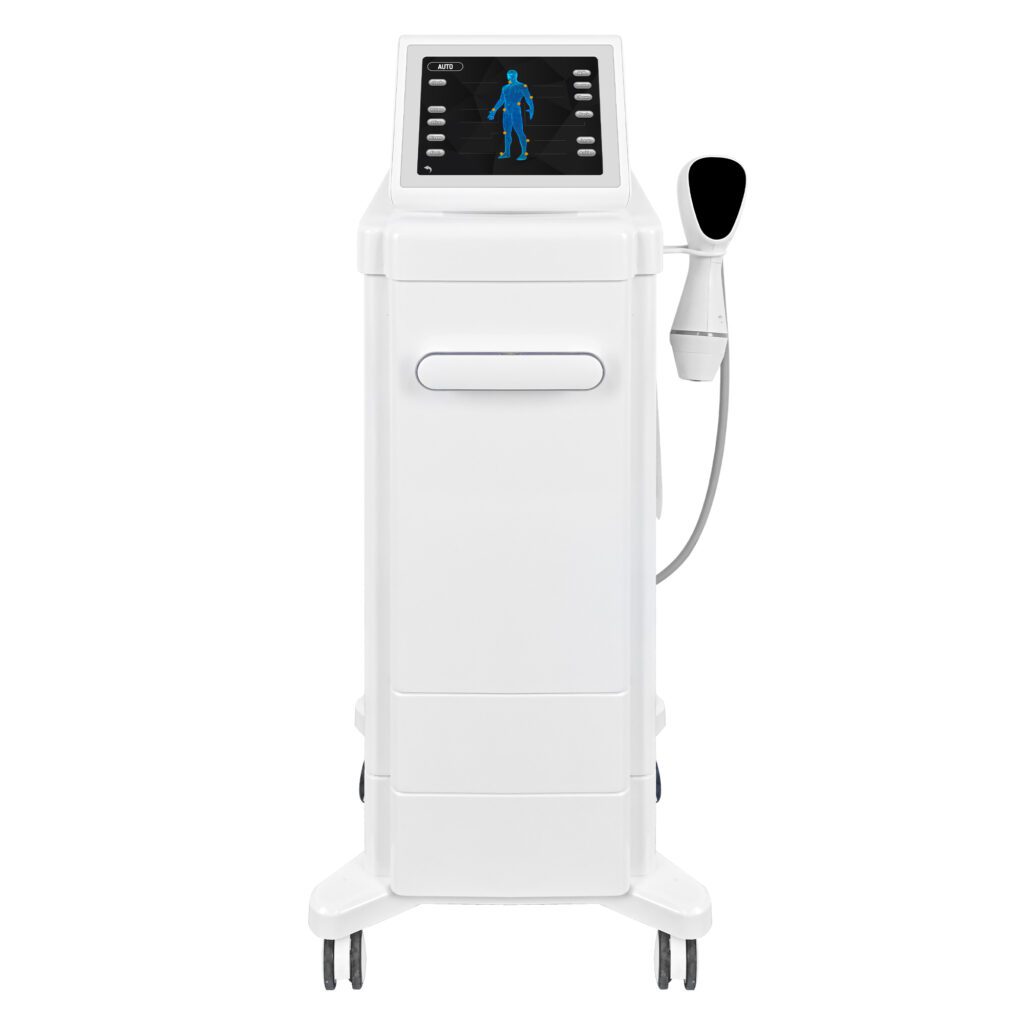
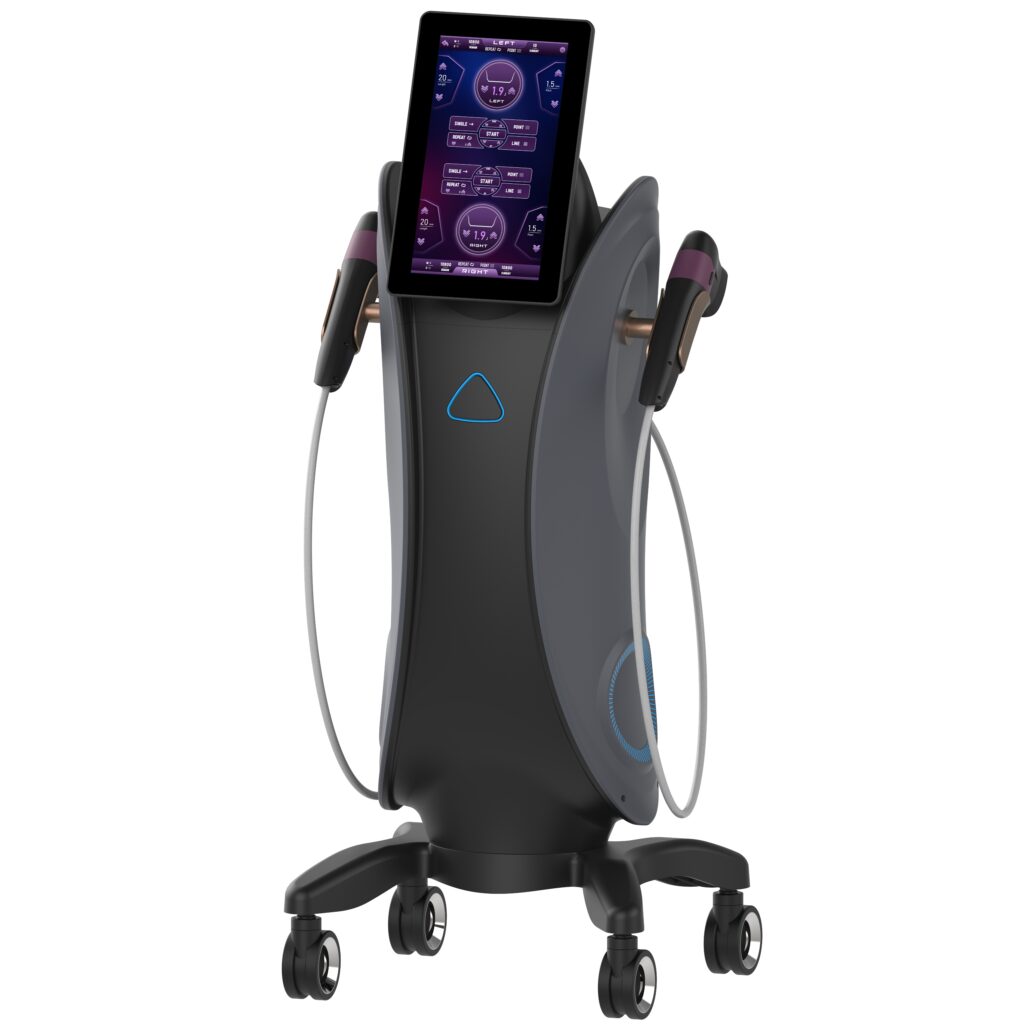
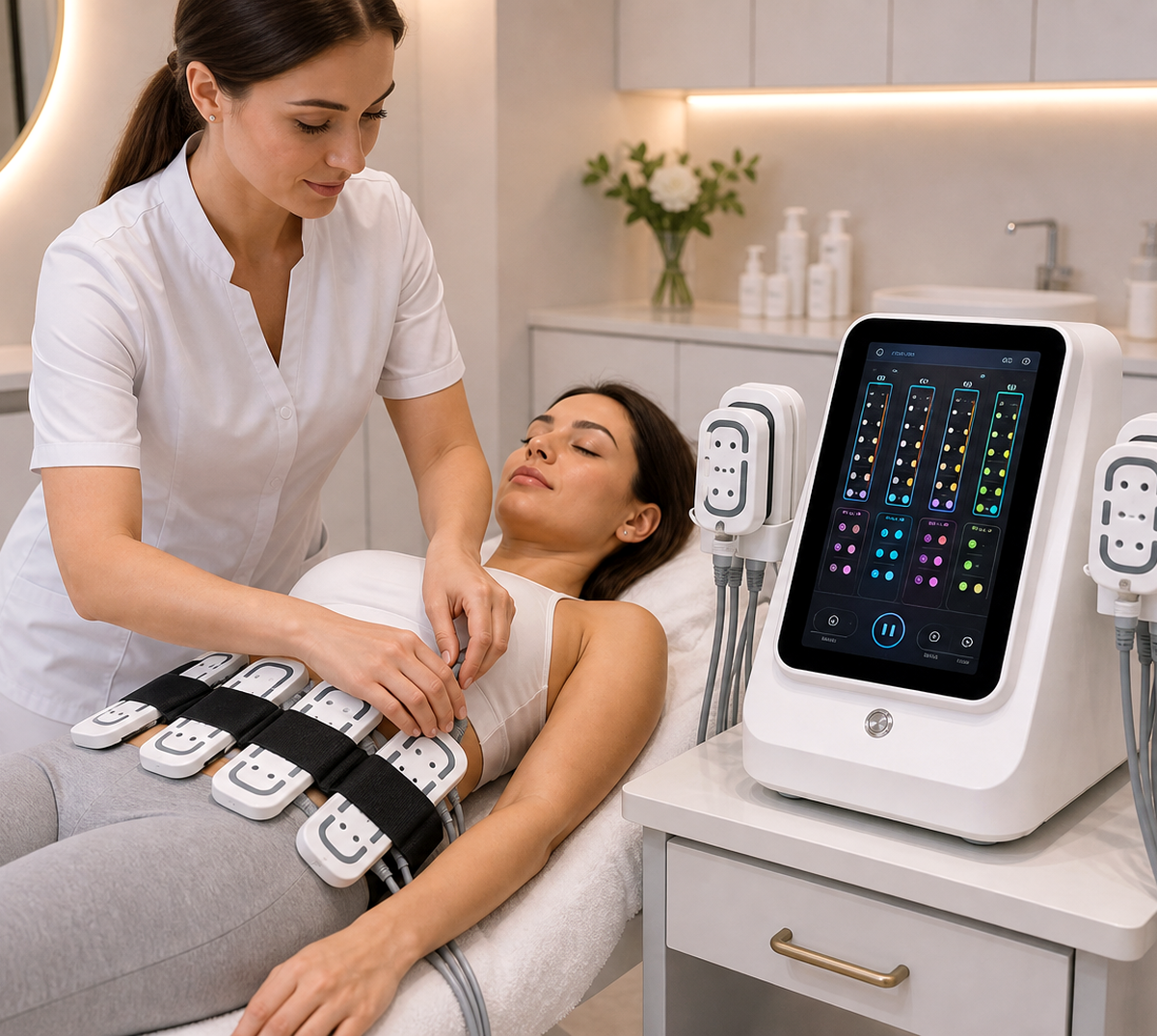
EMS beauty equipment usually targets muscle stimulation. In salon and body-shaping settings, EMS is often used for abdomen, arms, thighs, hips, waistline, and postpartum body management projects. Some EMS systems are combined with RF or electromagnetic technologies for body sculpting and contouring packages.
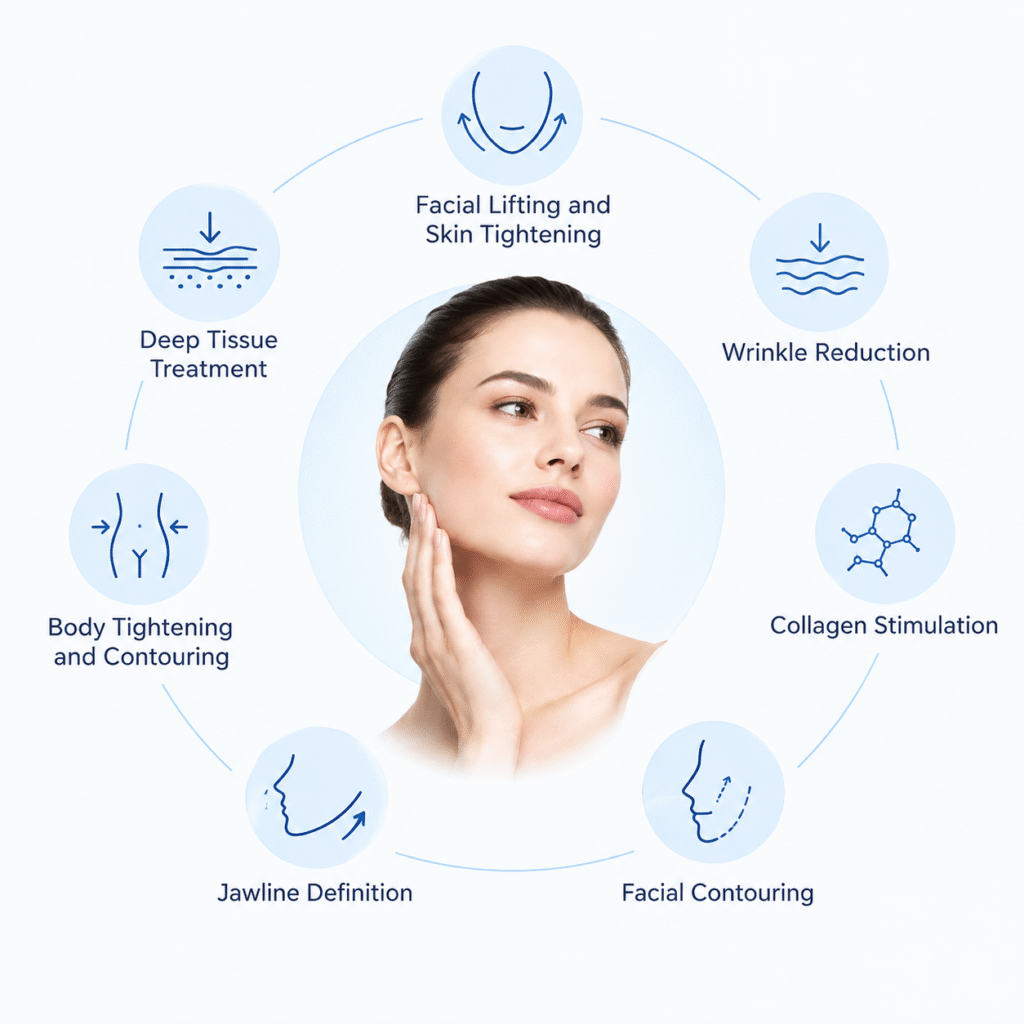
Microcurrent beauty equipment usually uses a much lower current level and is mainly used in facial beauty. It is often promoted for facial toning, temporary lifting appearance, skin vitality, contour maintenance, depuffing, and anti-aging support.
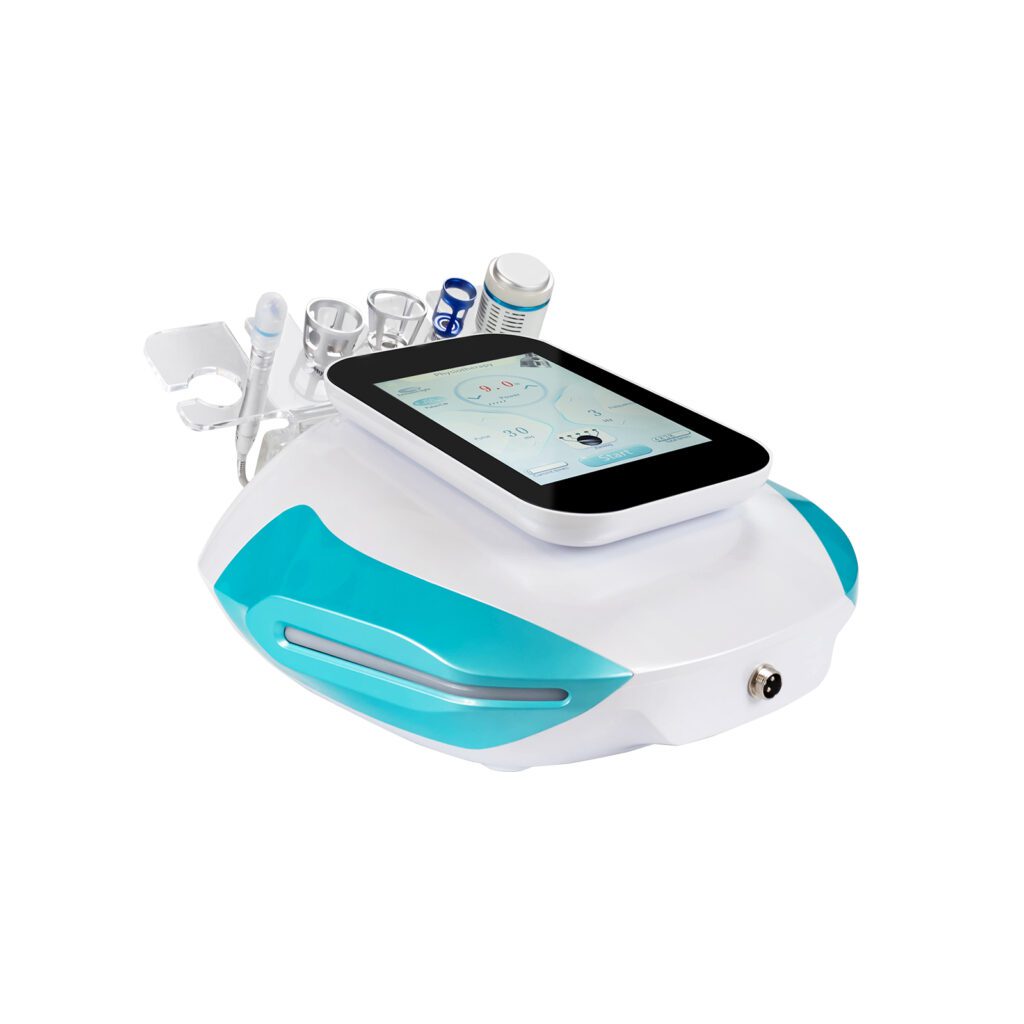
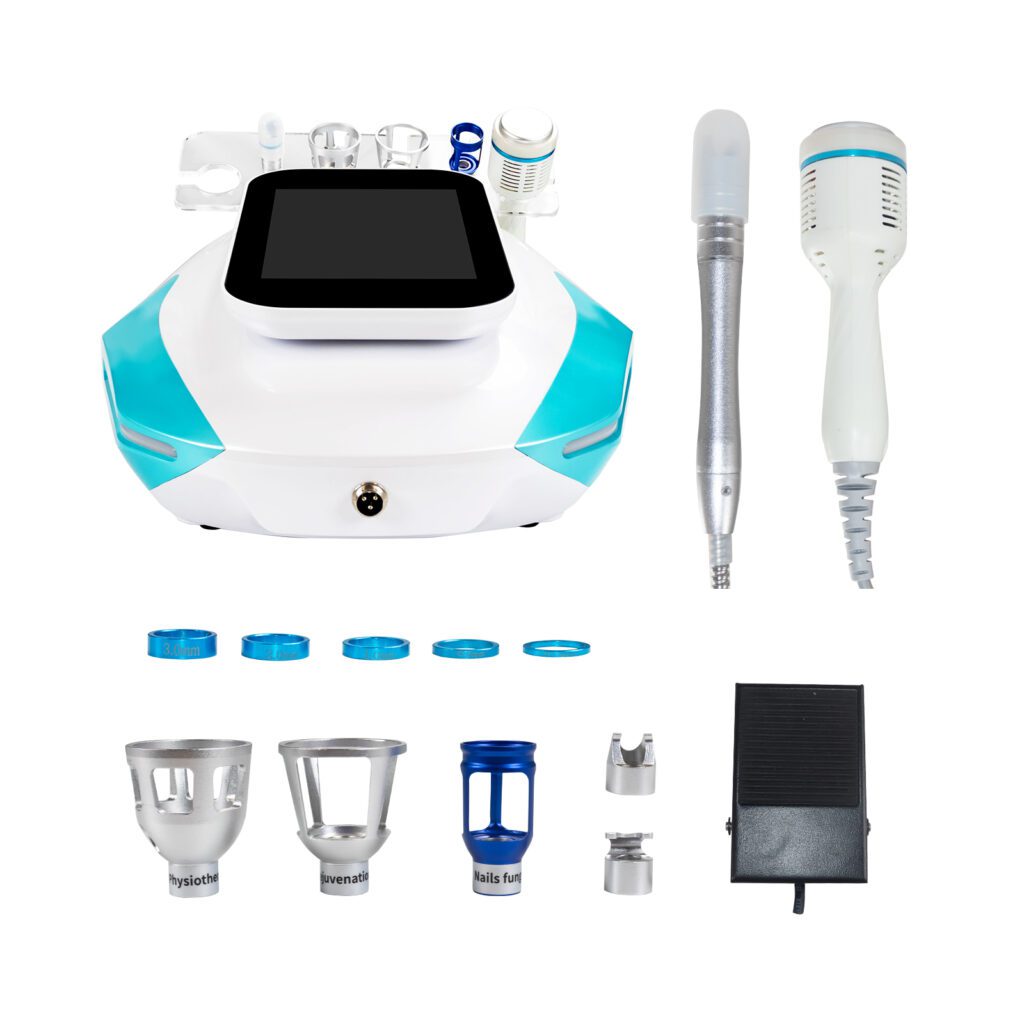
Multifunctional electrical beauty devices may combine EMS, microcurrent, RF, LED, ultrasound, vibration, heat, or cooling. These devices can be useful if the functions are practical and the treatment menu is clear. But if the machine only adds many functions without strong performance or training, it may become difficult to sell.
For distributors, this distinction is important. A body EMS machine should be sold with body project logic. A microcurrent facial device should be sold with facial care and membership logic. Mixing the two without explanation can reduce buyer trust.
Facial Microcurrent: Stable Potential In Anti-Aging Maintenance
Microcurrent facial devices still have market potential because facial anti-aging demand is stable. Many customers want lifting appearance, firmer contours, reduced puffiness, and a more refreshed look, but they may not be ready for stronger energy-based treatments or invasive procedures.
Microcurrent is especially suitable for:
- Facial toning services
- Anti-aging maintenance facials
- V-line contour care
- Eye-area and jawline care
- Depuffing and lymphatic-style facial packages
- Pre-event facial programs
- Monthly skin management memberships
The key word is maintenance. Microcurrent should not be positioned as a replacement for surgery, HIFU, RF microneedling, or medical treatments. It is better positioned as a gentle, repeatable facial technology that supports skin care programs and customer retention.
This is useful for small and medium salons because microcurrent projects are easy to add to existing facials. A salon can combine microcurrent with cleansing, serum application, LED therapy, oxygen infusion, massage, and facial masks. This creates a fuller service experience without requiring the salon to invest in a very expensive device.
EMS Body Sculpting: Stronger Project Value, Higher Expectation Management
EMS body equipment has market potential because body management remains an important salon category. Customers often care about abdomen shape, waistline, arms, thighs, hips, postpartum body changes, and muscle tone. EMS can be packaged into body sculpting and contour management programs.
Suitable EMS salon projects include:
- Abdomen toning course
- Waistline management program
- Postpartum body care plan
- Arm and thigh shaping package
- Hip lifting appearance project
- Fitness support body treatment
- Summer body preparation course
- Body membership maintenance plan
EMS body projects usually need multiple sessions. This is good for salon revenue because it supports treatment courses, prepaid packages, and repeat visits. But it also means the salon must manage expectations carefully.
Customers should understand that EMS is not a magic weight-loss solution. It may support muscle stimulation and body shaping programs, but results depend on device quality, customer condition, session frequency, lifestyle, and realistic goals. Overpromising can damage trust quickly.
For distributors, EMS body machines are more attractive when sold with body measurement templates, treatment course design, pricing suggestions, customer consultation scripts, and before-and-after tracking guidance.
Home-Use Beauty Devices Have Educated The Market
One reason microcurrent and EMS still have market potential is that home-use beauty devices have made consumers more familiar with the category. Many consumers have already seen microcurrent facial tools, LED masks, facial toning devices, and body stimulation gadgets online.
This creates two effects.
First, customer education becomes easier. Salons do not need to explain the basic idea from zero. Many customers already know that microcurrent is connected with facial toning and that EMS is connected with muscle stimulation.
Second, professional salons must explain why salon equipment is different from home-use devices. If a customer owns a home microcurrent tool, the salon must provide stronger value through professional assessment, higher-quality treatment design, better combinations, progress tracking, and personalized care.
This means the future of EMS and microcurrent equipment is not only about hardware. It is about professional service design.
The Best Opportunity Is In Project Packaging
EMS and microcurrent machines become more valuable when they are packaged into clear salon projects. If a salon only sells “microcurrent session” or “EMS treatment,” customers may compare prices. If the salon sells a structured plan, customers can understand the value more easily.
Examples of strong project packaging include:
- 30-day facial contour maintenance plan
- Monthly microcurrent anti-aging membership
- Pre-wedding lifting appearance facial
- Postpartum waistline management course
- Summer body sculpting program
- RF plus EMS body firming package
- Microcurrent plus LED sensitive skin maintenance
- AI skin analysis plus microcurrent facial plan
Project packaging helps salons answer customer questions: Who is this for? How many sessions are needed? What areas will be treated? What can the customer realistically expect? What homecare or aftercare is recommended? How will progress be tracked?
For distributors, project packaging is a major competitive advantage. Many suppliers can sell a machine. Fewer suppliers can help salons launch a profitable service.
Why Salons Still Buy EMS And Microcurrent Machines
Salons continue to consider EMS and microcurrent equipment because these machines can support several business goals:
- Add technology to basic facial services
- Increase average order value
- Create repeat treatment packages
- Offer non-invasive beauty options
- Build membership programs
- Enter body management projects at a lower cost
- Improve treatment room utilization
- Offer add-ons to RF, LED, hydro facial, and skin analysis services
The devices are especially attractive for salons that want to move beyond manual treatments but are not ready to invest in expensive laser or HIFU systems.
However, the salon must have staff who can explain the project clearly. If the staff cannot explain the difference between EMS, microcurrent, RF, and HIFU, customers may feel confused. Training is part of the business model.
Which Salons Are Most Suitable?
EMS and microcurrent equipment is suitable for several types of beauty businesses, but the best device choice depends on positioning.
Small beauty salons can use microcurrent facial devices and basic EMS beauty systems to upgrade facial and body services. The investment is usually more manageable than high-end energy-based equipment.
Skin management studios can use microcurrent as an add-on to hydration, LED, oxygen infusion, and AI skin analysis programs. The focus should be facial contour maintenance and anti-aging memberships.
Body care salons can use EMS body sculpting machines as part of body management, postpartum care, and waistline programs. These salons need stronger package sales ability.
High-end salons can use EMS and microcurrent as support technologies inside larger programs, such as RF plus EMS body treatment, microcurrent plus LED facial maintenance, or pre-event facial sculpting.
Fitness and wellness centers may also find opportunities in EMS body treatments if the positioning is body toning, recovery support, and wellness service integration. They need to avoid medical or unrealistic claims.
Which Markets Are More Promising?
The most promising markets for EMS and microcurrent equipment are not necessarily the cheapest markets. They are markets where consumers accept repeat beauty services and where salons can package projects professionally.
Promising directions include:
- Anti-aging facial care
- Preventive beauty for younger consumers
- Body contouring and waistline management
- Postpartum body care
- Pre-wedding and event beauty
- Monthly salon memberships
- Beauty and wellness hybrid services
- Home-use device upgrade services
Microcurrent has stronger potential in facial maintenance and anti-aging memberships. EMS has stronger potential in body sculpting, muscle stimulation, and contour management. Multifunctional devices have potential when they connect both facial and body projects in a clear way.
Main Challenges In The Market
The market has potential, but it also has problems. Distributors and salons should pay attention to these risks:
- Too many low-price generic devices
- Exaggerated lifting or slimming claims
- Weak evidence for dramatic results from some devices
- Poor staff training
- Unclear safety instructions
- Confusing EMS with microcurrent
- Lack of treatment course design
- High return or complaint risk when expectations are unrealistic
- Price competition in entry-level machines
These challenges do not mean the category has no future. They mean the category is becoming more professional. The winners will be companies that sell practical results, safe operation, and clear project value.
Safety And Compliance Matter
Because EMS and microcurrent devices use electrical stimulation, safety should not be ignored. The FDA notes that many EMS devices reviewed by the agency are intended for physical therapy and rehabilitation under professional direction, and companies selling EMS devices directly to consumers need to show they can be used safely and effectively in that setting. FDA guidance for powered muscle stimulators also includes warnings about improper stimulation areas and certain risks.
For beauty equipment distributors, this means compliance, documentation, and clear user instructions matter. Different countries have different regulatory requirements. Importers should check local rules before selling devices, especially if the product makes body-sculpting, muscle stimulation, medical, or therapeutic claims.
For salons, safety communication should include:
- Contraindication checks
- Avoiding use on unsuitable customers
- Following manufacturer instructions
- Clear treatment intensity control
- Proper electrode or probe placement
- Hygiene and maintenance
- Customer feedback during treatment
- Realistic aftercare guidance
Safety is not only a legal issue. It is also a trust issue. A salon that uses electrical beauty equipment professionally can build stronger customer confidence.
How Distributors Should Judge Market Potential
Distributors should not judge EMS and microcurrent devices only by appearance, price, or the number of functions. Better evaluation points include:
- Is the device clearly EMS, microcurrent, or multifunctional?
- Which salon project does it support?
- Is the target customer facial, body, postpartum, fitness, or anti-aging?
- Does the device have stable output and good comfort?
- Are accessories durable and easy to replace?
- Are safety instructions clear?
- Does the supplier provide training?
- Can the machine support treatment packages?
- Is there a clear price ladder for different salon levels?
- Can the product avoid exaggerated claims?
If a device cannot be connected to a clear project, it may be hard to sell even if the price is low. A marketable product needs a complete sales story.
How To Position EMS And Microcurrent For Better Sales
The best positioning depends on the device type.
For microcurrent facial devices, focus on facial contour maintenance, anti-aging support, pre-event glow, membership services, and add-on value. Avoid promising permanent lifting or surgical-level results.
For EMS body devices, focus on body sculpting, muscle stimulation, waistline management, postpartum body care, and fitness-related body programs. Avoid positioning EMS as an effortless weight-loss miracle.
For multifunctional devices, focus on practical combinations such as RF plus EMS, microcurrent plus LED, ultrasound plus microcurrent, or hydro facial plus microcurrent. Do not sell a long function list without a treatment menu.
The strongest positioning is business-oriented: how the device helps the salon create a package, sell a course, increase repeat visits, and improve customer retention.
Future Trend: Smarter, Safer, And More Integrated
The future of EMS and microcurrent beauty equipment will likely move in several directions.
First, devices will become more integrated. Salons prefer platforms that combine EMS or microcurrent with RF, LED, ultrasound, AI skin analysis, cooling, heating, or vacuum. This supports richer treatment menus.
Second, devices will become more guided. Touchscreen protocols, preset modes, intensity recommendations, treatment timers, and customer records can help staff operate more consistently.
Third, safety and compliance will become more important. Markets with stricter regulation will favor suppliers that provide documentation, testing, user manuals, and responsible claims.
Fourth, project packaging will become the real differentiator. A device with average technology but excellent project support may sell better than a device with many functions but no business model.
Fifth, home-use devices will keep influencing salons. Professional salons need to offer stronger consultation, better treatment combinations, and visible progress tracking to stay valuable.
Is It Suitable For Beginner Distributors?
EMS and microcurrent equipment can be suitable for beginner distributors, but product selection matters.
Beginner distributors may start with:
- Microcurrent facial devices
- LED plus microcurrent facial platforms
- Basic EMS body devices
- RF plus EMS body machines
- Multifunctional facial devices with clear training
- Entry-level body management machines
They should be careful with products that make aggressive medical, slimming, or permanent-lifting claims. They should also avoid suppliers that provide no manuals, no training, no warranty, and no clear safety information.
For beginners, the safest strategy is to sell devices that are easy to explain, easy to train, and easy to package into salon services. As after-sales capability grows, the distributor can add more advanced systems.
Conclusion
EMS and microcurrent beauty equipment still has market potential, but the market is becoming more demanding. Microcurrent has strong potential in facial maintenance, anti-aging memberships, and pre-event beauty services. EMS has stronger potential in body sculpting, muscle stimulation, postpartum body management, and wellness-oriented body programs. Multifunctional devices have potential when their functions support real salon projects.
The category will not be won by low-price machines alone. It will be won by suppliers and salons that understand positioning, safety, training, realistic claims, and project packaging. For distributors, the opportunity is still real, but the question is not simply whether EMS and microcurrent devices can sell. The real question is whether the device can help salons build repeatable revenue.
FAQ
Do EMS and microcurrent beauty devices still have market potential?
Yes. They still have market potential because they fit non-invasive beauty, anti-aging maintenance, body management, and membership-based salon services. However, the opportunity is stronger for well-positioned and professionally supported devices.
What is the difference between EMS and microcurrent beauty equipment?
EMS usually focuses on stronger muscle stimulation and is often used for body sculpting or toning projects. Microcurrent uses lower current and is commonly used for facial toning, contour maintenance, and anti-aging support.
Which salon projects are suitable for microcurrent devices?
Microcurrent devices are suitable for facial toning, pre-event facials, anti-aging maintenance, V-line contour care, eye-area care, depuffing, and monthly skin management memberships.
Which salon projects are suitable for EMS machines?
EMS machines are suitable for abdomen toning, waistline management, postpartum body care, arm and thigh shaping, hip lifting appearance, fitness support, and body management packages.
What should distributors watch out for?
Distributors should avoid low-quality machines, exaggerated claims, unclear safety instructions, weak training, and products that cannot be connected to a clear salon project or repeat-service model.