









Introduction
Non-invasive fat reduction is attractive because clients want body contouring without surgery, incisions or long recovery time.
But clinics also meet another type of client:
The client has already tried several rounds of fat freezing or similar non-invasive body contouring treatments. The abdomen still does not look the way they expected. Now they are asking whether stomach liposuction would be more effective.
This is a real consultation moment.
If the clinic simply says, “Just buy more sessions,” the client may lose trust. If the clinic says, “You need surgery,” too quickly, the clinic may miss an opportunity to educate the client and explain what non-invasive body contouring can and cannot do.
The better answer is more professional:
Cryolipolysis can be a useful localized body contouring service for suitable clients, but it should not be positioned as a replacement for liposuction, weight loss or medical evaluation. When repeated non-invasive sessions are not enough, clinics should reassess the client, explain realistic outcomes and refer to a qualified medical provider when surgery may be more appropriate.
For SHEFMON distributors, beauty salons and body contouring centers, this topic is important because it helps position cryolipolysis equipment in a more credible way. The machine is not just a device for selling “slimming sessions.” It should be part of a consultation-based body contouring service.
Recommended SHEFMON category:
SHEFMON Cryolipolysis Machines
Relevant SHEFMON product references:
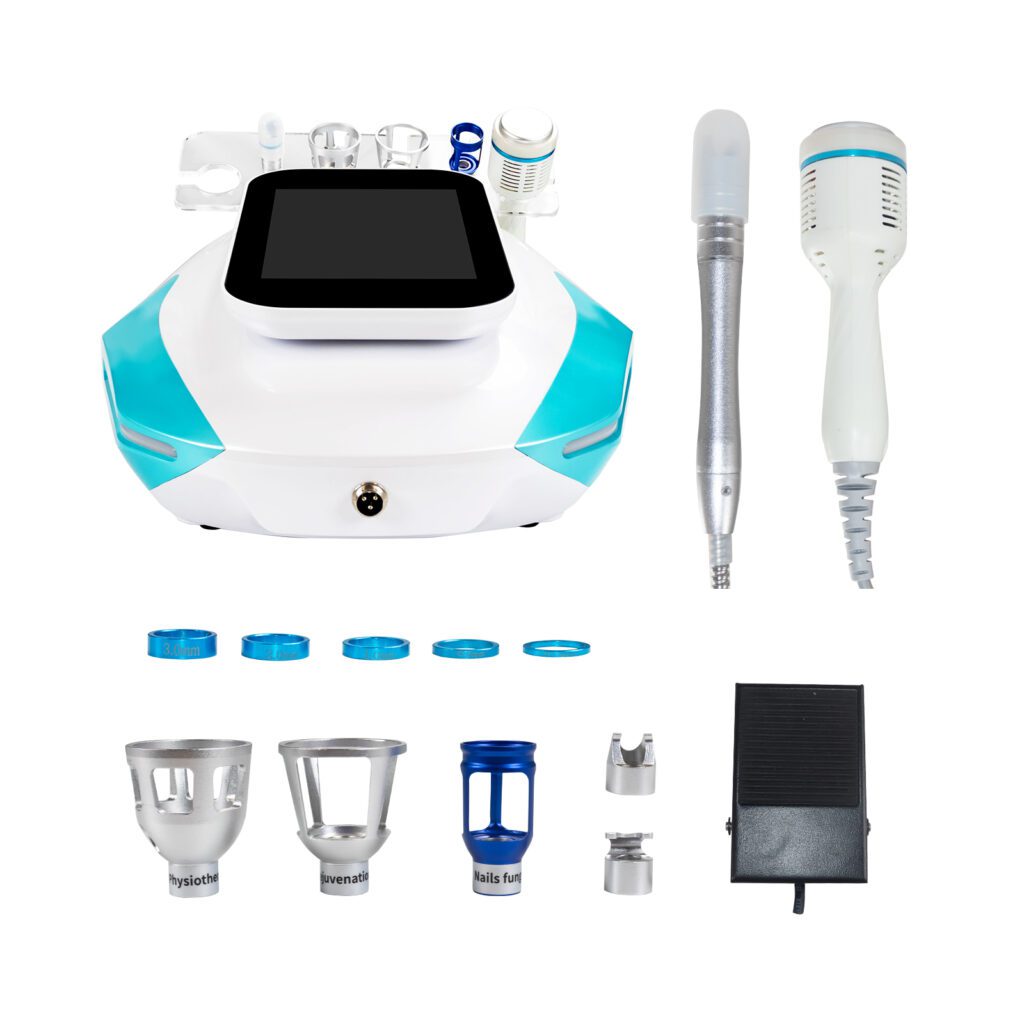
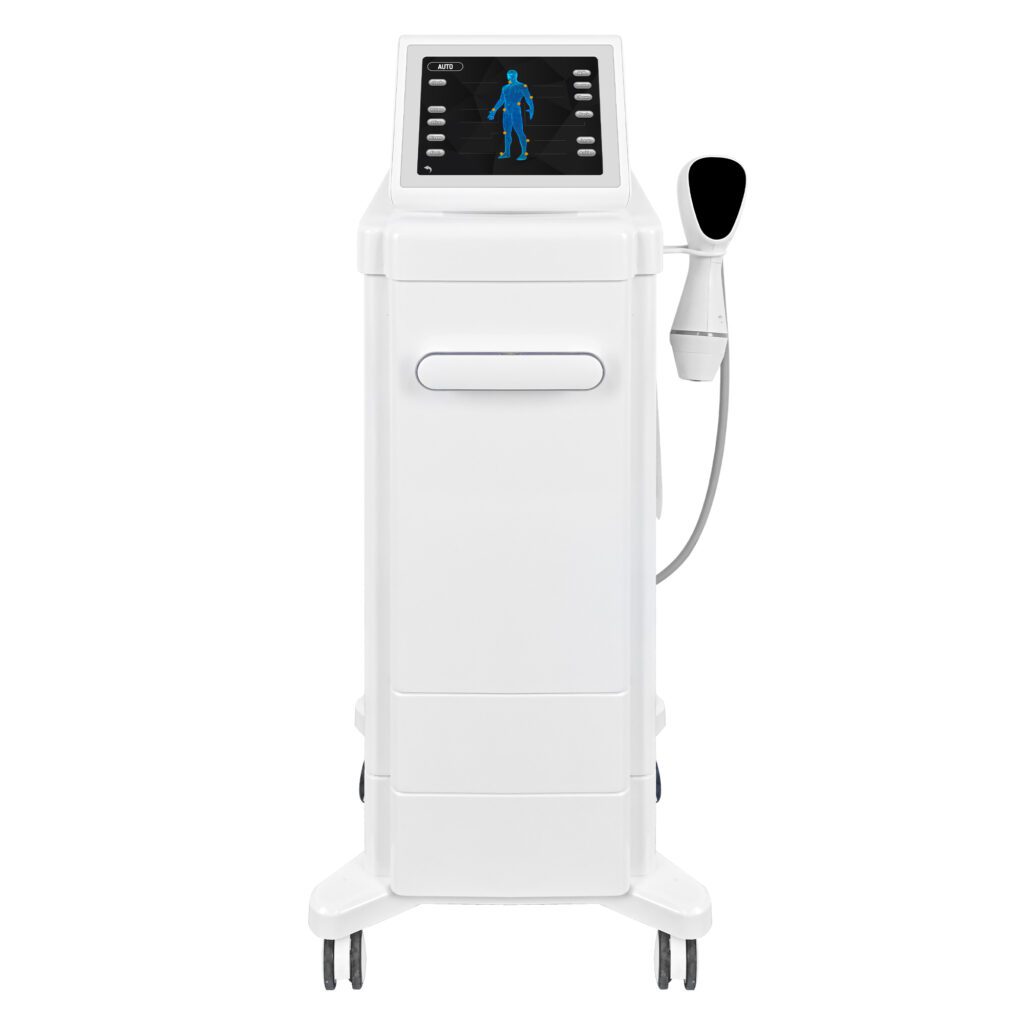
- SHEFMON S9 360 Cryolipolysis Fat Freezing Machine
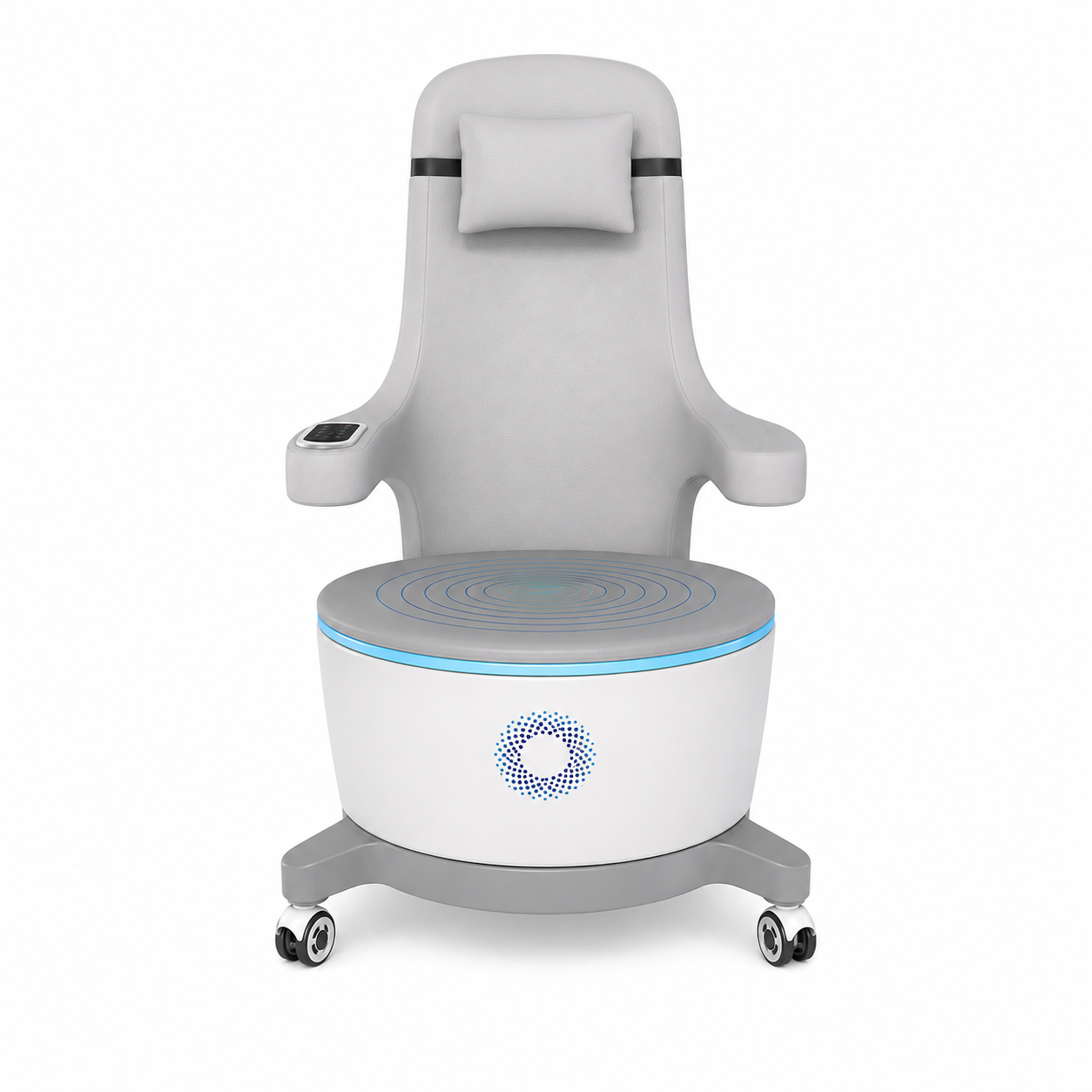
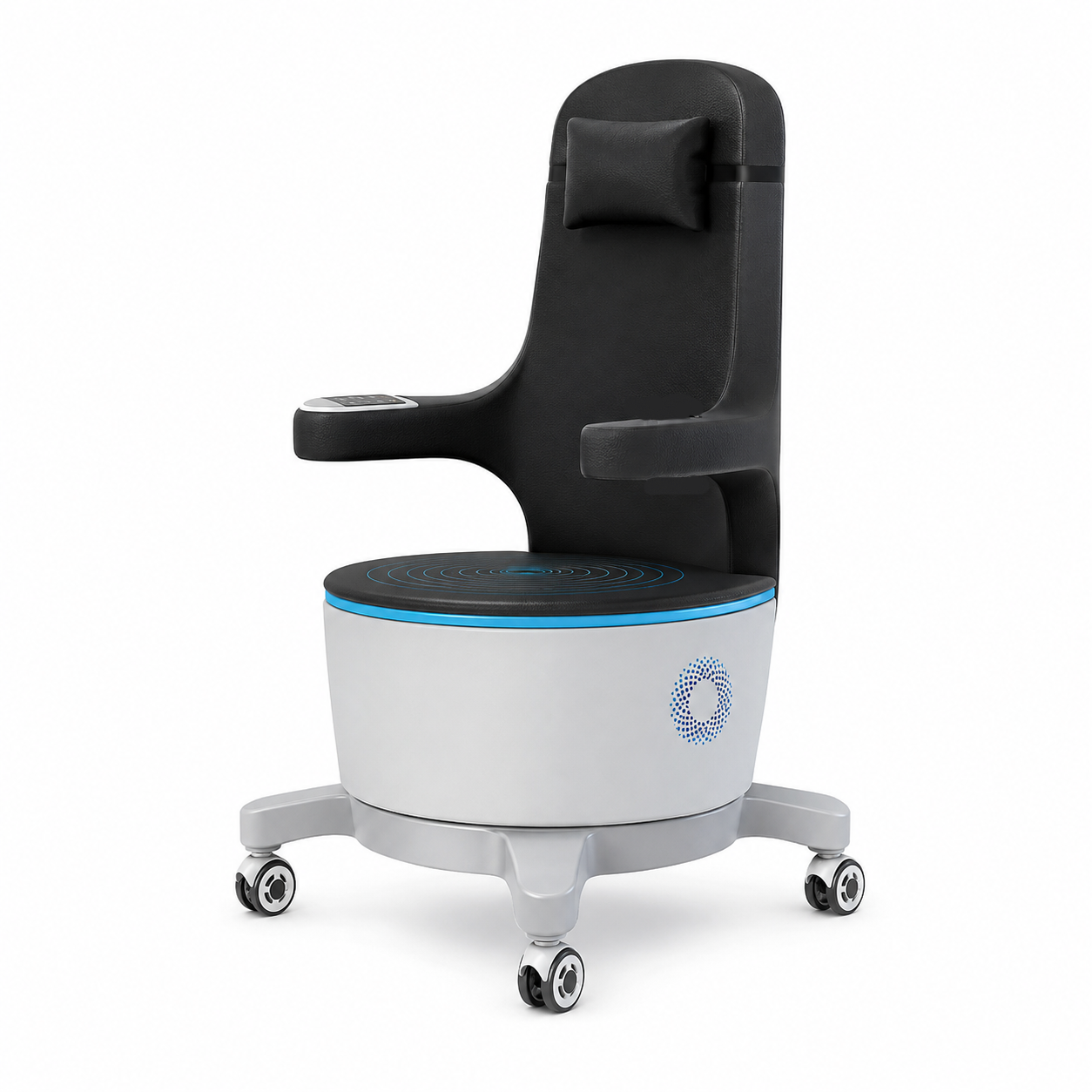
- SHEFMON S25 2 in 1 Cryolipolysis Endos Velapro Inner Ball Roller Massager Slimming Machine
- SHEFMON S26-CryoEMS Body Shaping Machine
Why Some Clients Feel Non-Invasive Fat Reduction Is Not Enough
When clients complain that cryolipolysis or CoolSculpting-style treatments did not help enough, the problem is not always the machine.
Sometimes the issue is expectation.
Many clients hear “fat freezing” and imagine a dramatic abdomen change after one or two sessions. They may expect a flatter stomach, a smaller waistline or a result close to surgery.
In reality, non-invasive body contouring is usually more limited.
The FDA explains that non-invasive body contouring does not treat obesity, does not improve health and does not produce weight loss benefits. This is an important point for every clinic and distributor to understand.
Cryolipolysis is better explained as:
- localized body contouring support
- treatment for suitable fat bulges
- gradual contour improvement
- a non-surgical option for selected clients
- part of a wider body management program
It should not be explained as:
- a weight-loss treatment
- a guaranteed flat-stomach solution
- a replacement for liposuction
- a cure for visceral fat
- a one-session transformation
- suitable for every abdomen shape
When a clinic sets expectations incorrectly, even a technically normal treatment may feel like a failure to the client.
Cryolipolysis and Liposuction Are Not the Same Service
Clients often compare cryolipolysis and liposuction because both are discussed around stubborn fat. But the two services belong to different categories.
Cryolipolysis is non-invasive body contouring. It uses controlled cooling to target localized fat areas without surgical removal of tissue. The change is gradual and depends on client suitability, treatment area, applicator contact, follow-up timing and individual response.
Liposuction is a surgical procedure. Mayo Clinic describes liposuction as surgery that uses suction to remove fat from specific body areas such as the stomach, hips, thighs, arms or neck. The American Society of Plastic Surgeons also describes it as surgical removal of excess fat from specific areas to contour the body.
This difference matters.
If a client is comparing several cryolipolysis sessions with abdominal liposuction, the clinic should not pretend they are just two price levels of the same result. They are different pathways.
| Comparison point | Cryolipolysis / non-invasive fat reduction | Liposuction |
|---|---|---|
| Treatment type | Non-invasive body contouring | Surgical fat removal |
| Main purpose | Localized contour support for suitable clients | More direct removal of excess fat in selected areas |
| Downtime | Usually lower than surgery | Requires surgical recovery |
| Result speed | Gradual over weeks or months | More immediate structural change after swelling reduces |
| Best-fit client | Moderate localized fat bulges and realistic expectations | Clients who are suitable surgical candidates and want stronger contour change |
| Clinic responsibility | Screening, treatment planning, expectation setting, follow-up | Medical surgical assessment and licensed procedure |
| Key risk in marketing | Overpromising fat loss or weight loss | Underexplaining surgical risk and recovery |
The correct clinic message is not “cryolipolysis is better” or “liposuction is better.”
The correct message is:
The right option depends on the client’s anatomy, goals, budget, tolerance for downtime, medical suitability and expected level of change.
Why Repeated Non-Invasive Sessions May Still Disappoint
If a client says they already had many rounds of CoolSculpting-style treatment and still wants stomach liposuction, the clinic should pause and review several factors.
1. The Client May Want a Surgical-Level Result
Some abdomen concerns are not small localized bulges. The client may want a flatter abdomen, stronger waist definition or a more dramatic shape change.
Non-invasive fat reduction may not be able to create that level of change.
In this case, selling more sessions without explaining the limit can create dissatisfaction.
2. The Concern May Not Be Only Subcutaneous Fat
Cryolipolysis works on suitable localized fat areas under the skin. But an abdomen can look larger for many reasons, including visceral fat, bloating, posture, muscle separation, loose skin, weight changes or hormonal factors.
A body contouring machine cannot solve every cause of abdominal fullness.
This is why consultation matters more than the number of sessions sold.
3. The Applicator May Not Match the Treatment Area
For cryolipolysis, applicator fit and contact are important. A treatment area that cannot be properly held, cooled or positioned may not respond as expected.
This is where professional equipment selection matters.
SHEFMON S9-style 360 cryolipolysis positioning can help distributors discuss applicator coverage, body-area planning and a more structured fat-freezing service. But even a well-positioned machine still needs correct client selection.
4. The Client May Not Have Been Given a Proper Review Timeline
Non-invasive body contouring is not usually judged the next morning.
Clients need before-and-after photos, measurements, follow-up timing and clear explanation of gradual change. Without this, they may not know whether the treatment produced a modest result or no meaningful result.
5. The Clinic May Be Selling Sessions Instead of a Plan
Selling “one more session” is weaker than selling a body contouring plan.
A professional plan includes:
- consultation
- medical and contraindication screening where required
- body-area selection
- photos and measurements
- realistic result explanation
- treatment records
- aftercare guidance
- follow-up review
- referral logic when non-invasive treatment is not suitable
This is the difference between a machine-based business and a consultation-based clinic.
When Cryolipolysis Still Makes Sense
Even when a client is asking about liposuction, cryolipolysis may still be reasonable in some cases.
It may make sense when:
- the client has localized pinchable fat
- the client wants a non-surgical option
- the client accepts gradual improvement
- the client understands that results vary
- the client cannot accept surgical downtime
- the client wants to treat smaller areas
- the clinic can provide proper follow-up
- local regulations allow the service in that setting
For these clients, cryolipolysis should be positioned as a conservative body contouring pathway.
A useful consultation phrase is:
“If your goal is gradual non-surgical contour improvement in a suitable localized area, cryolipolysis may still be worth considering. If your goal is a stronger abdominal reshaping result, we should discuss whether a medical surgical consultation is more appropriate.”
This wording protects the clinic because it does not overpromise.
It also protects the client because it helps them choose based on goals, not marketing language.
When Clinics Should Consider Referral Instead of More Sessions
Professional clinics should know when not to sell another non-invasive session.
Referral may be appropriate when:
- the client wants a dramatic abdomen change
- repeated non-invasive sessions have not met the client’s goal
- the issue appears to involve loose skin, muscle separation or non-fat factors
- the client is asking specifically about surgical options
- the client has medical concerns outside the clinic’s scope
- the treatment area is not suitable for applicator placement
- the client has unrealistic expectations that cannot be corrected
- local rules require medical evaluation for the client’s concern
This does not mean the salon or body contouring center has failed.
It means the business is acting professionally.
For distributors, this is also a sales advantage. A distributor who teaches referral logic helps salon buyers avoid complaints, refund requests and reputation damage.
How SHEFMON Cryolipolysis Equipment Fits This Service Positioning
SHEFMON cryolipolysis equipment should be positioned as part of a service framework, not as a promise of surgical-level fat removal.
Different product directions can support different buyer needs.
SHEFMON S9: Dedicated Cryolipolysis Service Positioning
SHEFMON S9 360 cryolipolysis is suitable for buyers who want a clear fat-freezing service.
The sales story can focus on:
- 360 cryolipolysis positioning
- localized body contouring packages
- abdomen, flank and body-area planning
- applicator-based consultation
- gradual result review
- client education
- professional service menu design
For a salon or body contouring center, S9 should not be sold as “a machine that replaces liposuction.”
A better message is:
“S9 helps your business build a structured non-invasive fat-freezing service for suitable localized body contouring clients.”
SHEFMON S25 and S26: Combination Body Management Positioning
SHEFMON S25 and S26 are useful when the buyer wants more than one body service conversation.
Cryolipolysis plus Endos/Velapro-style roller massage positioning can help a center create a broader body management menu. This is especially useful when clients need more than fat freezing alone.
The clinic can build packages around:
- localized fat freezing
- body massage-style services
- body firming support
- post-treatment follow-up
- membership body care
- abdomen and flank body management
This does not mean the device solves every problem. It means the business has more service options and can explain the client journey better.
SHEFMON S26-CryoEMS: Broader Body Shaping Conversation
For body contouring centers, S26-CryoEMS-style positioning can support a wider body shaping menu.
This can be useful when the client conversation includes:
- body contouring
- muscle stimulation-style positioning
- fat-freezing service packages
- membership renewal
- body management plans
- non-surgical body shaping education
The key is still expectation control.
SHEFMON equipment can help build the service menu, but consultation determines whether the client should receive non-invasive treatment, a complementary body program or referral to a medical provider.
A Better Consultation Flow for Clients Asking About Liposuction
When a client says, “I tried several rounds of fat freezing and now I am considering stomach liposuction,” the clinic should avoid defensive selling.
Use a structured consultation instead.
Step 1: Confirm the Client’s Real Goal
Ask:
- Are you looking for a small contour improvement or a major shape change?
- Which area bothers you most?
- Are you trying to reduce a localized bulge or change the whole abdomen?
- Are you willing to accept surgery and recovery time?
- What result would make you feel the treatment was worth it?
This helps separate non-invasive candidates from surgical-level expectations.
Step 2: Review Previous Treatment History
Ask:
- How many sessions did you have?
- Which areas were treated?
- Were photos and measurements taken?
- How long did you wait before judging the result?
- Did the provider explain expected change?
- Were there any side effects or unusual reactions?
This helps the clinic understand whether the previous treatment was poorly planned, poorly explained or simply not enough for the client’s goal.
Step 3: Assess Suitability
Review:
- body area
- fat distribution
- skin laxity
- applicator fit
- medical history
- contraindications
- local legal requirements
- client expectations
If the client is not suitable, do not force the sale.
Step 4: Present Options Honestly
The clinic can explain three possible paths:
| Client situation | Recommended conversation |
|---|---|
| Suitable localized fat and conservative goal | Cryolipolysis may still be an option with realistic expectations |
| Modest improvement desired but skin firmness also matters | Consider a broader body management package depending on local rules and available technologies |
| Strong abdominal reshaping goal after many failed sessions | Refer for qualified medical or surgical consultation |
| Unrealistic expectation | Educate first; do not sell treatment until the expectation is corrected |
This approach helps the clinic build trust.
How to Avoid Overpromising in Marketing
The most common mistake in body contouring marketing is using language that sounds too absolute.
Avoid:
- “Lose belly fat fast”
- “Replace liposuction”
- “Permanent weight loss”
- “Flat stomach guaranteed”
- “One session is enough”
- “No risk”
- “Works for everyone”
Use safer language:
- “localized body contouring”
- “non-invasive fat-freezing service”
- “gradual contour improvement”
- “suitable client screening”
- “abdomen and flank body-area planning”
- “consultation-based treatment”
- “results vary by client”
For SHEFMON distributors, this type of marketing language is stronger because it supports long-term customer relationships.
Serious salon buyers do not only need a machine. They need wording, training, service positioning and after-sales support.
Why Honest Referral Can Increase Trust
Some clinic owners worry that if they refer a client to a surgeon, they lose the sale.
In reality, referral logic can increase trust.
When a client realizes that the clinic is not trying to sell unlimited sessions, the clinic becomes more credible.
That credibility can lead to:
- more suitable clients
- better reviews
- fewer refund disputes
- stronger long-term reputation
- better cooperation with local medical providers
- higher-quality body contouring consultations
For distributors, this is also a business advantage.
A distributor who teaches realistic positioning helps salons operate more sustainably. This is especially important in competitive markets where many suppliers sell similar-looking body contouring machines.
Practical Service Package Example
A body contouring center using SHEFMON cryolipolysis equipment might build a package like this:
- Initial consultation and body-area assessment
- Suitability screening and expectation explanation
- Abdomen or flank photo and measurement record
- Cryolipolysis session for a suitable localized area
- Aftercare and lifestyle guidance
- Follow-up review after several weeks
- Optional body massage or body management add-on
- Decision point: continue non-invasive plan, adjust package or refer if the client wants a stronger result
This structure is much stronger than selling random sessions.
It also gives the client a clear journey:
assessment -> treatment -> follow-up -> decision.
What Distributors Should Teach Salon Buyers
If you are a distributor selling cryolipolysis equipment, the buyer needs more than a product photo and price list.
Teach them:
- what cryolipolysis is
- what it is not
- which clients are suitable
- how to explain gradual results
- how to compare it with liposuction honestly
- how to avoid weight-loss claims
- how to take photos and measurements
- how to design packages
- when to stop selling more sessions
- when to suggest medical consultation
- how SHEFMON machines fit different service menus
This helps the distributor become a business partner, not just a supplier.
Final Answer: What Should Clinics Say When Non-Invasive Fat Reduction Is Not Enough?
Clinics should say the truth clearly.
Non-invasive fat reduction can be useful for suitable localized body contouring clients. It can support a professional service menu in beauty salons, slimming studios and body contouring centers. SHEFMON cryolipolysis equipment can help businesses build that service with product options such as S9, S25, S26 and S26-CryoEMS-style body shaping systems.
But cryolipolysis is not liposuction.
It is not a treatment for obesity.
It should not be sold as guaranteed weight loss.
If a client has already had repeated non-invasive sessions and still wants a stronger abdomen result, the clinic should reassess the case, explain the limits and refer to a qualified medical provider when appropriate.
That is not a weak sales approach.
It is the professional approach.
And in the long run, professional positioning is what helps SHEFMON distributors and clinic buyers build more sustainable body contouring businesses.
FAQ
Is cryolipolysis the same as liposuction?
No. Cryolipolysis is a non-invasive body contouring treatment that uses controlled cooling for suitable localized fat areas. Liposuction is a surgical procedure that removes fat from specific body areas.
Why do some clients still want liposuction after CoolSculpting-style treatments?
They may want a stronger abdomen reshaping result than non-invasive fat reduction can provide. They may also have loose skin, visceral fat, muscle separation or other concerns that cryolipolysis cannot solve.
Should clinics sell more cryolipolysis sessions when the client is disappointed?
Not automatically. The clinic should review treatment history, client goals, photos, measurements, suitability and expectations before recommending more sessions.
Can cryolipolysis replace stomach liposuction?
No. It should not be marketed as a replacement for liposuction. It is better positioned as a non-surgical localized body contouring option for suitable clients.
What is the safest way to explain cryolipolysis results?
Use language such as “gradual contour improvement,” “localized body contouring” and “results vary by client.” Avoid guaranteed weight-loss or flat-stomach claims.
Which SHEFMON product is suitable for a dedicated fat-freezing service?
SHEFMON S9 360 cryolipolysis is a relevant product reference for buyers who want to build a dedicated cryolipolysis service menu.
Which SHEFMON products fit a broader body management center?
SHEFMON S25 and S26 cryolipolysis plus Endos/Velapro-style roller systems, as well as S26-CryoEMS-style body shaping equipment, can support a broader body contouring service menu depending on buyer needs.
When should a beauty salon refer a client instead of treating them?
Referral may be appropriate when the client wants a surgical-level result, has repeated poor response to non-invasive treatments, has concerns outside the salon’s scope or may need medical evaluation.
Is cryolipolysis a weight-loss treatment?
No. It should be positioned as localized body contouring support, not a general weight-loss treatment.
What is the best sales message for distributors?
The strongest message is: sell a consultation-based body contouring service solution, not just a fat-freezing machine.