






When a beauty salon considers buying laser equipment, the decision is rarely based on price alone.
Salon owners may look excited in the first conversation, but behind the excitement they usually have many concerns:
- Will the device be safe for clients?
- Will the treatment results be visible enough?
- Can my staff operate it correctly?
- Will clients complain about pain, burns or pigmentation?
- Is this machine legal to use in my market?
- How long will the handpiece or lamp last?
- What happens if the machine breaks?
- Can I make back the investment?
- Will the supplier still support me after payment?
For beauty equipment distributors, understanding these concerns is essential. A buyer who feels understood is more likely to trust the distributor, choose the right device and build a long-term relationship.
This guide explains the most common worries beauty salon customers have when purchasing laser equipment and how distributors can respond professionally.
Recommended SHEFMON category:
Why Laser Equipment Feels Like a Bigger Decision Than Basic Beauty Devices
Laser equipment is different from a facial cleansing device, hydrating device or basic body machine.
Laser devices are associated with stronger energy, visible skin response and higher client expectations. A diode laser hair removal machine, IPL system, picosecond laser or CO2 fractional laser may help a salon build higher-value services, but it also creates more questions before purchase.
The salon is not only buying hardware.
It is buying:
- a new service menu
- staff training responsibility
- client safety responsibility
- treatment room workflow
- maintenance and spare parts planning
- marketing claims
- after-sales dependency
- long-term profitability
For distributors, the best sales strategy is not to say:
“Do not worry, everything is easy.”
The better strategy is:
“Your concerns are reasonable. Let us check safety, operation, cost, profit and after-sales support before choosing the right laser system.”
That answer builds trust.
Concern 1: Will the Laser Be Safe for My Clients?
Safety is usually the first concern for serious salon owners.
They worry about:
- burns
- blistering
- pigmentation changes
- scarring
- eye injury
- excessive pain
- post-treatment redness
- client complaints
- negative reviews
The FDA explains that lasers used for medical and skin procedures can involve risks such as pain, infection, scarring and skin color changes when used improperly or in unsuitable situations. The FDA also classifies laser products by hazard level, and higher laser classes have greater injury potential if exposure is not controlled.
For a salon buyer, this does not mean laser equipment is impossible to use. It means safety must be managed.
Distributors should explain safety through a complete system:
- suitable device selection
- client screening
- trained operators
- correct parameters
- wavelength-appropriate eye protection
- skin cooling where relevant
- treatment room control
- aftercare instructions
- maintenance and cleaning
- local compliance
Good distributor response:
“Laser equipment can be a strong business tool, but it should be operated by trained staff with proper screening, eyewear, parameter control and aftercare. We will help you understand the safety workflow before you launch the service.”
Avoid saying:
“It is completely safe and cannot burn skin.”
That kind of claim creates risk.
Concern 2: Will the Treatment Results Be Good Enough?
Beauty salons worry that the machine will not deliver the results clients expect.
This concern is especially common for:
- hair removal machines
- tattoo removal machines
- pigmentation devices
- acne scar devices
- skin rejuvenation lasers
- CO2 fractional lasers
The salon owner may ask:
- How many sessions will clients need?
- Will hair grow back?
- Can tattoos really fade?
- Can pigmentation come back?
- Can acne scars be removed?
- Will clients see enough improvement to buy a package?
Distributors should avoid unrealistic answers.
For example:
- Laser hair reduction is usually sold as a course of sessions, not one permanent miracle session.
- Tattoo fading depends on ink color, depth, density, age and client response.
- Pigmentation concerns need careful assessment and sun-protection education.
- Acne scar and texture improvement usually need staged plans and realistic expectations.
- CO2 resurfacing may involve downtime and aftercare.
Better sales message:
“The device can support professional treatment programs, but results vary by client, concern, parameters, operator skill and treatment plan. We recommend selling packages with consultation and follow-up instead of promising instant results.”
This helps salons reduce disputes and sell more professionally.
Concern 3: Can My Staff Learn to Operate It?
Many salons are interested in laser services but worry their staff may not be ready.
This concern is valid.
Laser operation is not only pushing buttons. Staff should understand:
- device startup and shutdown
- handpiece use
- treatment modes
- energy settings
- pulse width or frequency
- skin type assessment
- contraindications
- test spot or patch testing when appropriate
- cooling technique
- eye protection
- emergency stop
- cleaning and maintenance
- aftercare communication
Different laser categories need different training.
| Device type | Typical salon concern | Distributor explanation |
|---|---|---|
| Diode laser hair removal | Can staff operate it daily? | Suitable for trained salons and hair removal studios, but needs skin screening, cooling and eyewear training |
| IPL / SHR | Is it easier than laser? | Practical entry platform, but still requires filter, setting and skin type training |
| Picosecond / Q-switched laser | Can we remove tattoos safely? | Needs wavelength, pigment, test spot, eyewear and multi-session expectation training |
| CO2 fractional laser | Is it suitable for a normal salon? | Higher threshold; better for clinics or advanced skin centers with aftercare ability |
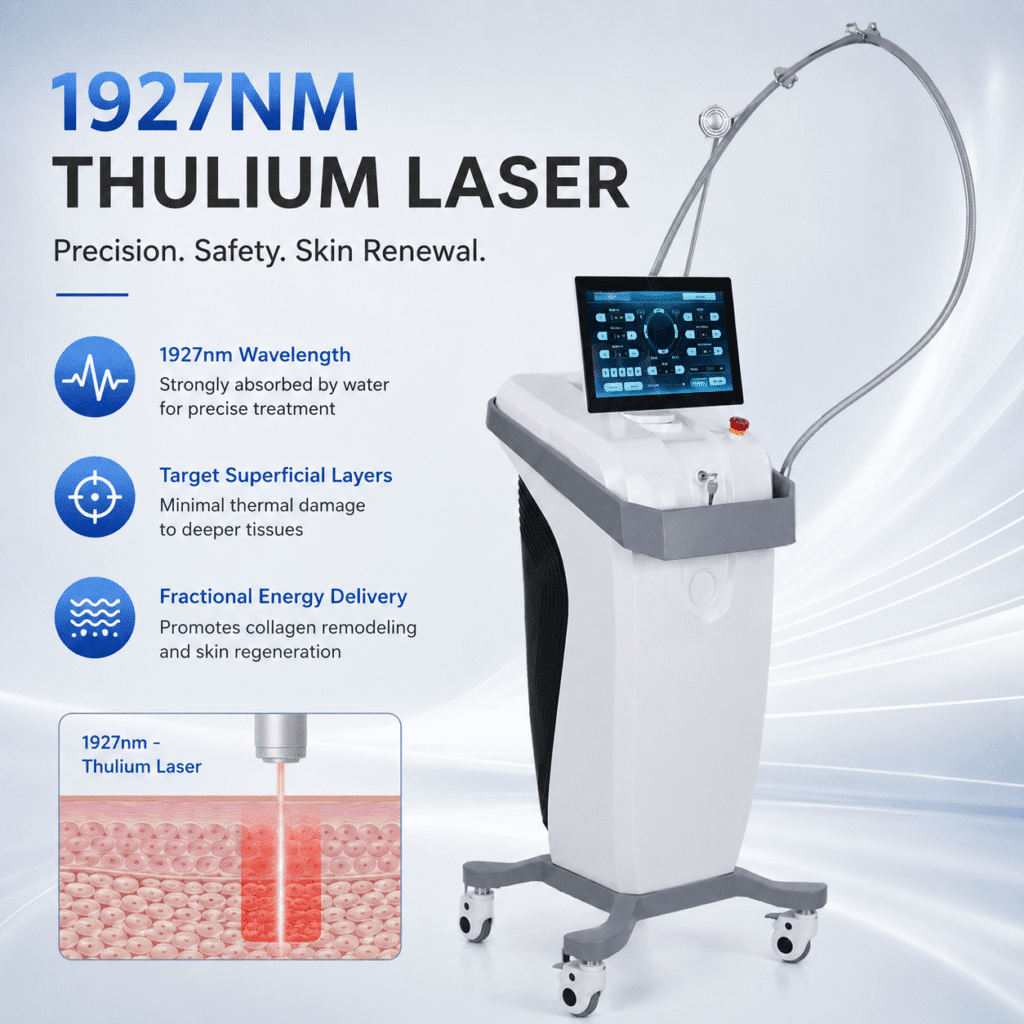
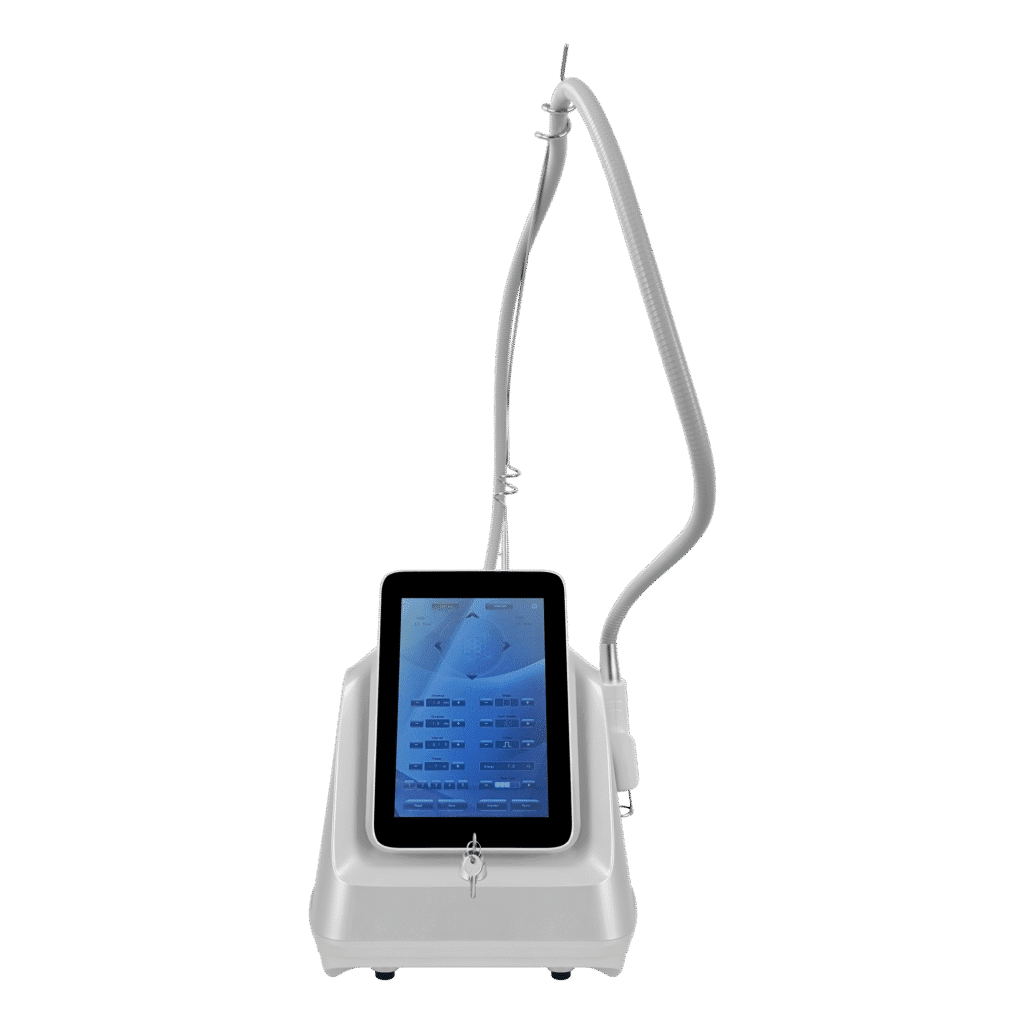
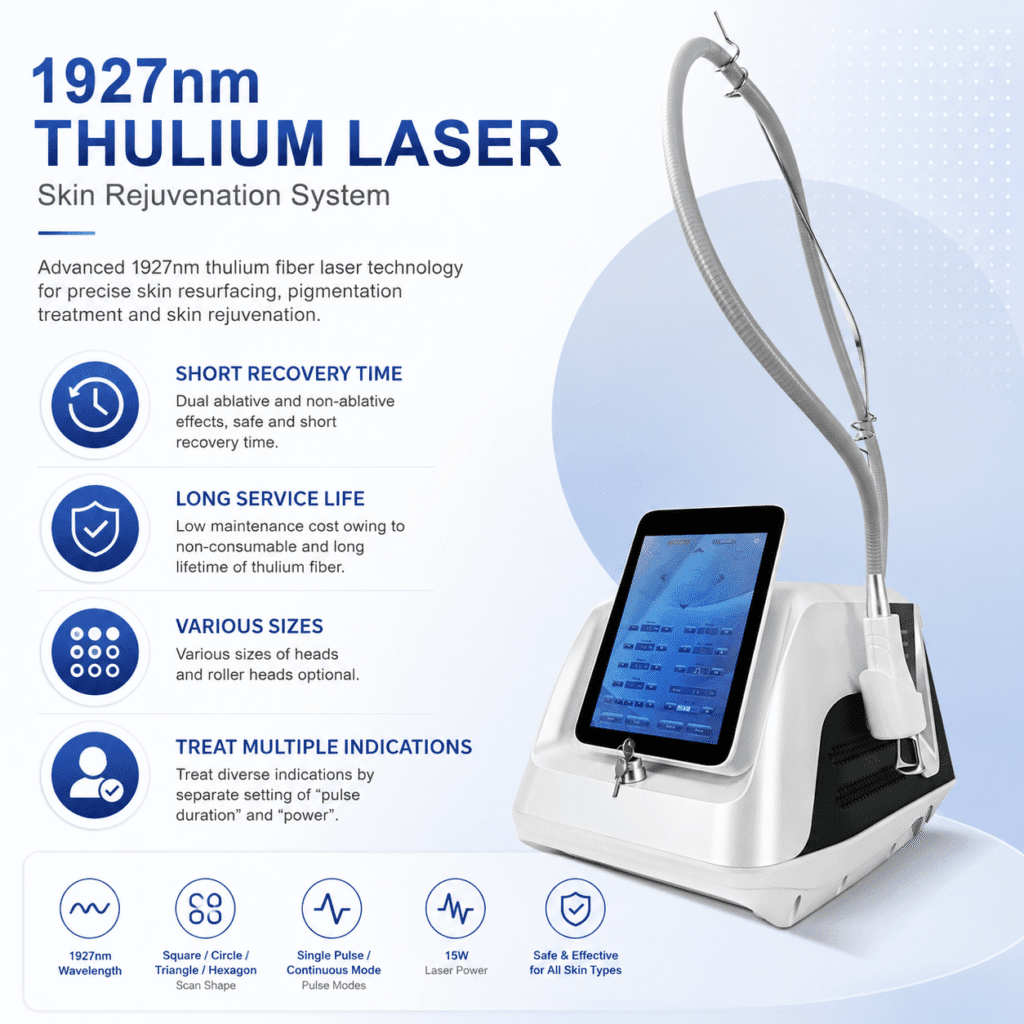
| Thulium / fractional laser | Can we use it for pigmentation and rejuvenation? | Needs model-specific training and careful client selection |
Recommended SHEFMON product examples:
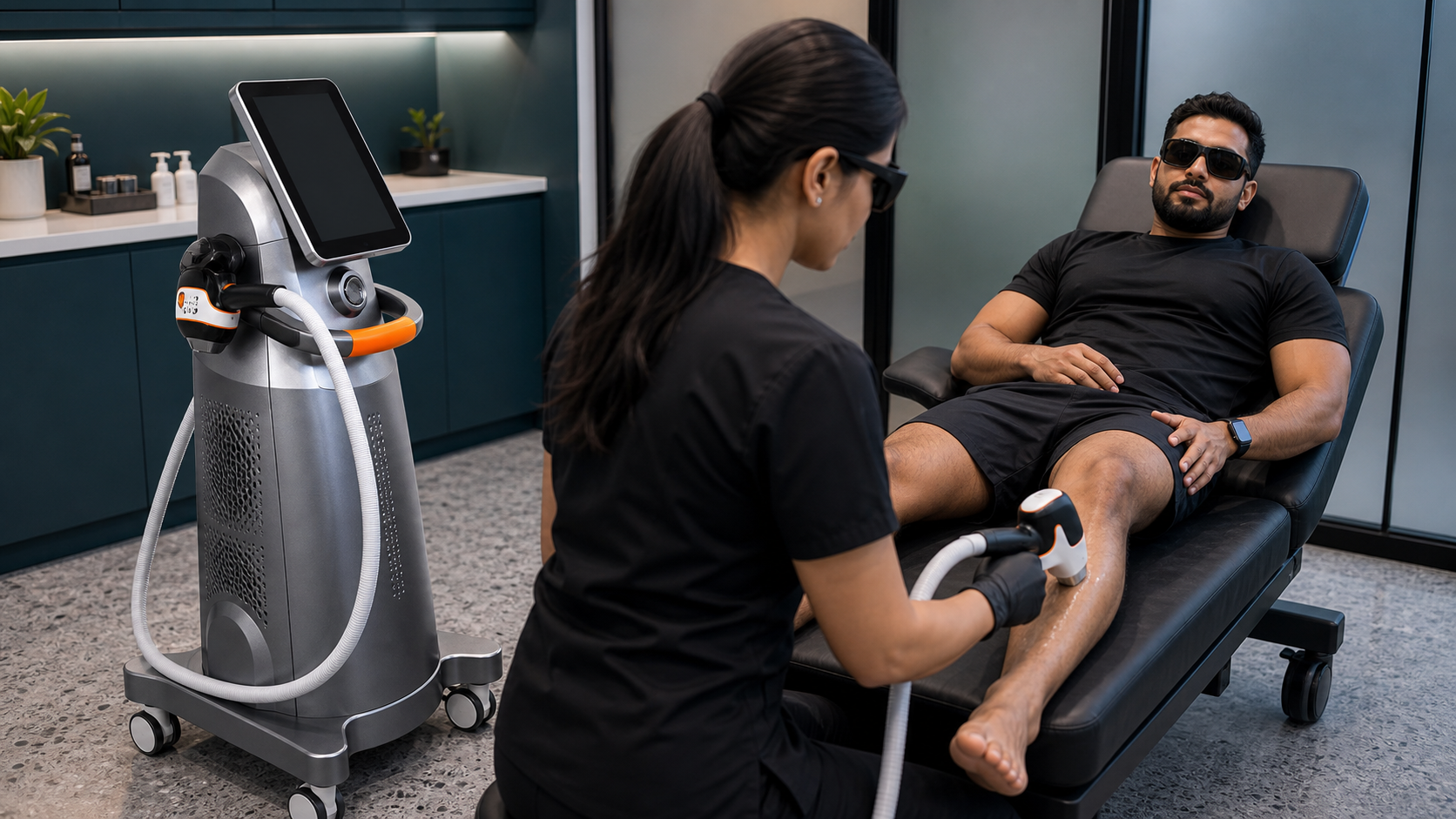
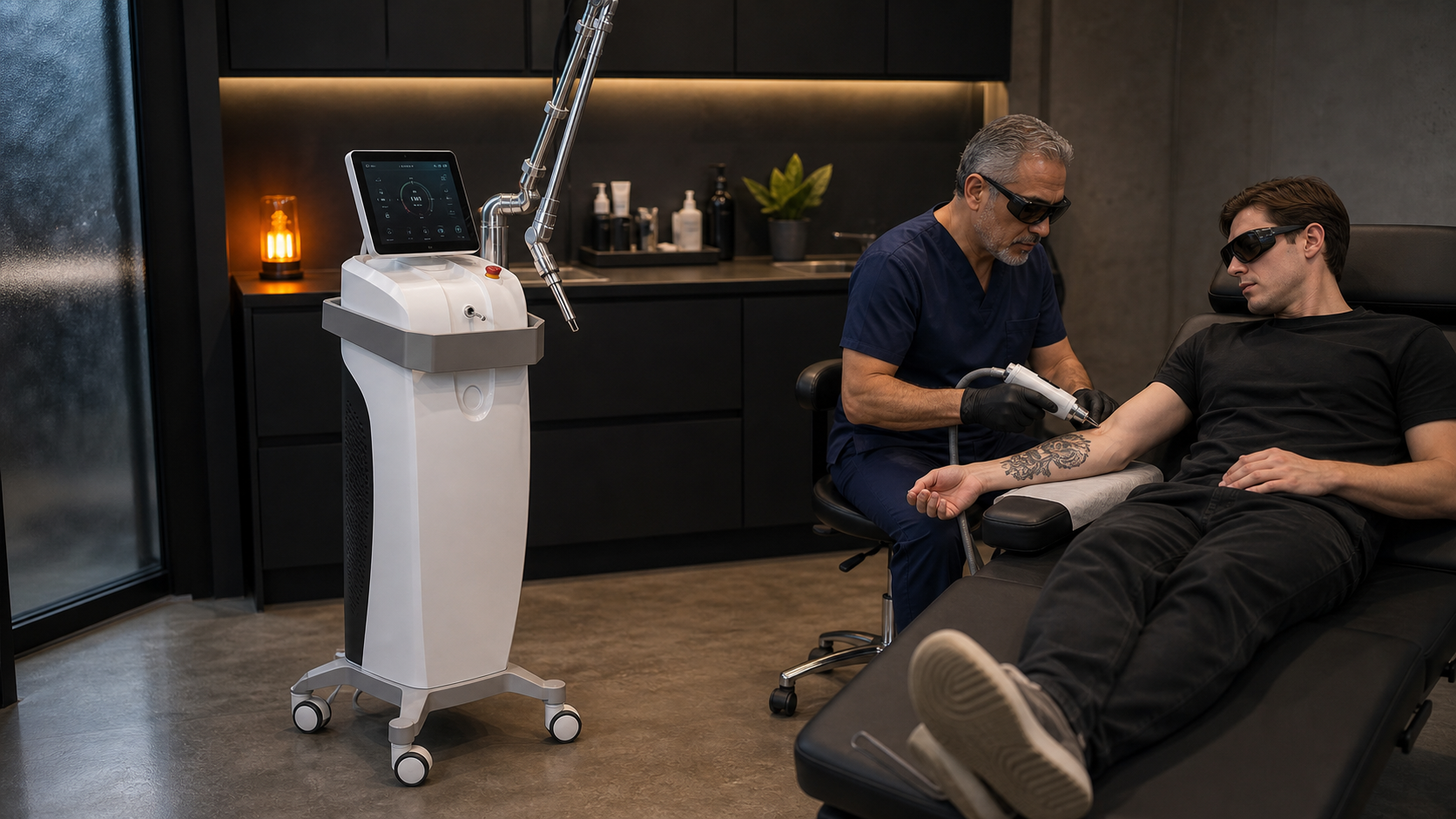
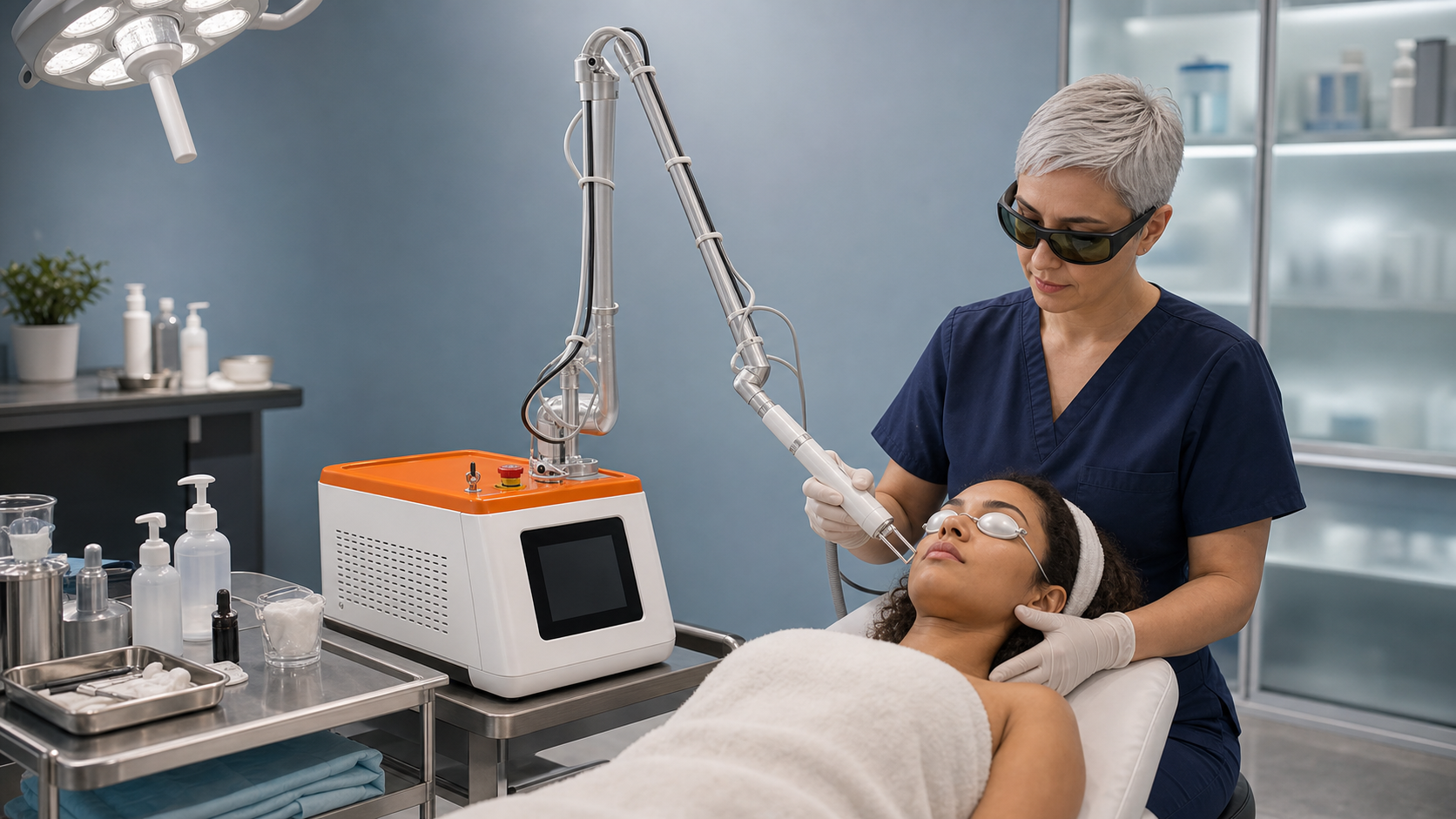
Good distributor response:
“We should choose the laser category based on your staff experience. A hair removal salon may start with diode laser, while a scar clinic may consider CO2 only after confirming training, aftercare and compliance.”
Concern 4: Is the Device Legal for My Salon to Use?
This is one of the most important questions.
Laser operation rules vary by country, region, device type and service category.
Some markets allow trained salon staff to operate certain hair removal lasers. Other markets require medical supervision, specific licenses, facility registration or physician operation for some procedures.
Distributors should not promise one universal answer.
Avoid saying:
- any salon can use it anywhere
- no license is ever needed
- no local registration is required
- our factory certificate means you can operate legally in every country
Safer explanation:
“We can provide device information, product training and technical support, but you should confirm local licensing, operator scope, facility rules and advertising requirements before launching laser services.”
This answer is honest and protects both sides.
Concern 5: Will Clients Complain About Pain or Downtime?
Client experience matters to salon owners.
They worry that clients may feel:
- too much heat
- sharp pain
- redness
- swelling
- crusting
- sensitivity
- downtime
- fear after seeing skin response
The level of discomfort and downtime depends on the device category.
| Device category | Client experience concern | How to explain |
|---|---|---|
| Diode hair removal | Heat, snapping sensation, sensitivity | Cooling and correct settings help comfort, but sensation varies |
| IPL / SHR | Warmth, redness, pigment response | Screening and conservative settings are important |
| Pico / Q-switch | Snapping sensation, whitening, redness, crusting | Multi-session expectation and aftercare are important |
| CO2 fractional laser | Redness, crusting, downtime, wound-care style aftercare | Only suitable for salons or clinics that can explain downtime and follow-up |
| Fractional skin lasers | Redness, sensitivity, pigment risk | Skin type and sun exposure screening matter |
Good distributor response:
“Comfort level and downtime vary by client and treatment intensity. Your team should explain expected skin response before treatment and provide aftercare instructions after treatment.”
Avoid saying:
“No pain, no downtime, no side effects.”
That is not a professional laser sales message.
Concern 6: Will the Machine Break Easily?
Salon owners are practical.
They worry that the machine may work well in the video but fail during real daily operation.
Common worries include:
- handpiece failure
- weak energy output after months of use
- cooling system problems
- water flow alarms
- screen errors
- lamp or tube replacement
- cable damage
- trigger failure
- software errors
- difficult troubleshooting
For laser equipment, reliability affects both safety and revenue.
If the machine fails, the salon may lose:
- appointment income
- client trust
- package renewal
- staff confidence
- marketing momentum
Distributors should explain the machine as a working asset, not only a product.
Useful buyer questions:
- What is the warranty period for the main unit?
- What is the warranty period for accessories?
- Are handpieces covered separately?
- What consumables need replacement?
- What spare parts are available?
- Can remote troubleshooting be provided?
- How long does diagnosis usually take?
- Can the distributor keep spare parts locally?
- What maintenance does the salon need to perform?
Good distributor response:
“Before purchase, we should confirm warranty, accessory coverage, spare parts, maintenance steps and repair process. This helps you reduce downtime and protect revenue.”
Concern 7: How Much Will Handpieces, Lamps and Consumables Cost?
This concern directly affects salon profit.
Many salons focus only on machine price, but long-term profit also depends on accessory and consumable costs.
Laser-related cost items may include:
- diode laser handpiece
- IPL lamp
- xenon lamp
- laser tube
- CO2 laser tube
- treatment tips
- protective lenses
- filters
- handpiece windows
- cooling water
- water filters
- foot switch
- cables
- smoke evacuation filters for resurfacing procedures
- eyewear replacement
- service parts
The cheapest machine is not always the most profitable machine.
If the handpiece fails early or the lamp replacement cost is unclear, the salon may lose margin later.
Distributors should explain:
- expected replacement cycle
- accessory warranty
- consumable cost
- recommended spare parts
- local stock strategy
- maintenance habits that protect accessories
- what damage is not covered by warranty
Good distributor response:
“We should calculate not only the machine price, but also handpiece life, lamp replacement, consumables, spare parts and repair cost. A stable machine with clear accessory supply can be more profitable than a cheaper machine with uncertain replacement cost.”
This is a powerful B2B sales point.
Concern 8: Can the Salon Make Money With This Machine?
Every salon owner eventually asks:
“How long will it take to recover the investment?”
Profit concerns include:
- machine price
- financing pressure
- local service pricing
- customer demand
- package design
- staff training time
- consumable cost
- maintenance cost
- repair risk
- marketing budget
- treatment room occupancy
- competition from other salons
Distributors should not promise a fixed payback period without local market data.
Instead, they should help the salon calculate a realistic model.
Example ROI questions:
- What service will the salon sell first?
- What is the local price per session?
- How many sessions are normally sold as a package?
- How many clients can the salon serve per day?
- What is the staff cost?
- What consumables are used per session?
- What is the expected maintenance cost?
- How will the salon attract first clients?
- Can existing clients be upgraded into laser packages?
Better sales message:
“We can help you design a service package and estimate revenue scenarios, but your actual profit depends on local pricing, client flow, staff skill, marketing and machine utilization.”
This sounds more trustworthy than a guaranteed profit claim.
Concern 9: What If Clients Do Not Trust the New Service?
Some salon owners worry that clients will not accept laser services immediately.
This is especially true when the salon has mainly offered:
- facials
- waxing
- massage
- body treatments
- hydrating treatments
- basic skin care
The salon may need to educate clients gradually.
Distributors can help by suggesting an easy service entry.
For example:
- A waxing salon can introduce diode laser hair reduction packages.
- A facial salon can start with IPL photofacial or skin rejuvenation services if locally appropriate.
- A tattoo studio or pigment clinic can introduce pico laser after training.
- An advanced skin center can position CO2 fractional laser as a professional resurfacing project.
Marketing should focus on realistic client concerns:
- unwanted hair
- shaving irritation
- ingrown hair appearance
- tattoo fading
- pigment appearance
- rough texture
- acne scar appearance
- skin quality improvement
Good distributor response:
“Do not launch every service at once. Start with the laser service that matches your existing client base, then build packages after staff and clients become familiar with the technology.”
Concern 10: Will the Supplier Support Me After Payment?
This is one of the biggest hidden concerns.
Salon buyers often worry that the supplier will answer quickly before payment and disappear after delivery.
They want support for:
- installation
- startup
- training
- parameter questions
- error codes
- accessories
- warranty claims
- spare parts
- repair guidance
- shipping documents
- new staff training
- marketing support
For distributors, after-sales support is not only a service promise. It is a selling advantage.
SHEFMON can be positioned around:
- product selection support
- OEM/ODM supply ability
- laser category options
- training support
- after-sales communication
- accessory and spare part supply
- global shipping support
- distributor cooperation
Good distributor response:
“The purchase does not end at delivery. We help you prepare training, operation guidance, maintenance, warranty communication and spare parts planning so the machine can keep working in your business.”
Concern 11: Which Laser Device Should the Salon Choose First?
Many salons are confused because there are many laser options.
The distributor should match the device to the salon’s business model.
| Salon type | Main concern | Better first device direction |
|---|---|---|
| Waxing salon | Replace or upgrade hair removal income | Diode laser hair removal |
| General beauty salon | Wants new high-value service but limited experience | IPL/SHR or diode laser, depending on training and local rules |
| Hair removal studio | Needs speed, comfort and repeat packages | Diode laser with stable cooling and handpiece support |
| Skin management center | Wants rejuvenation and skin quality services | IPL, thulium/fractional platform or non-laser support devices depending on capability |
| Tattoo studio | Wants tattoo fading services | Pico or Q-switched laser with strong training |
| Pigmentation clinic | Wants pigment service menu | Pico/Q-switched or related laser platform with careful screening |
| Acne scar clinic | Wants resurfacing and texture services | CO2 fractional laser, MNRF and recovery devices |
| Beginner salon | Has no laser experience | Start carefully; avoid high-threshold CO2 laser as first device |
The distributor should not sell the same machine to every salon.
Good sales principle:
The right laser is the one that matches the salon’s clients, staff ability, room setup, service menu and local rules.
Concern 12: How Can the Salon Avoid Bad Reviews?
Bad reviews are a major fear for salon owners.
Laser-related complaints often come from:
- unrealistic promises
- insufficient consultation
- wrong client selection
- too aggressive settings
- weak cooling
- poor aftercare explanation
- visible skin response that was not explained before treatment
- delayed support after a problem
- machine downtime after package sales
Distributors can reduce this concern by helping salons create a standard workflow.
Recommended workflow:
- Consultation
- Skin and concern assessment
- Contraindication screening
- Consent form
- Patch test when appropriate
- Conservative first treatment
- Parameter recording
- Aftercare explanation
- Follow-up message
- Maintenance and package review
This workflow makes the salon look more professional and reduces avoidable disputes.
Distributor Sales Conversation Framework
When a salon asks about laser equipment, distributors can follow this structure:
Step 1: Identify the Salon’s Main Business
Ask:
- What services do you currently sell most?
- Do you already have hair removal, pigment, tattoo or acne scar clients?
- Are your clients asking for laser services?
- What price range can your market accept?
Step 2: Check Staff and Room Conditions
Ask:
- Who will operate the machine?
- Have they used laser or IPL before?
- Do you have a private treatment room?
- Can you store eyewear and accessories properly?
- Can you manage aftercare and follow-up?
Step 3: Match the Device Category
Do not push the most expensive device automatically.
Match:
- diode laser for hair removal business
- IPL/SHR for suitable entry light-based menus
- pico/Q-switch for tattoo and pigment channels
- CO2 fractional laser for advanced resurfacing institutions
- support devices for beginner salons or maintenance packages
Step 4: Explain Safety and Training
Make training part of the offer.
Explain:
- operation guidance
- parameter education
- client screening
- eyewear
- aftercare
- maintenance
- local compliance reminder
Step 5: Explain Total Cost
Include:
- machine price
- shipping
- accessories
- consumables
- handpiece or lamp replacement
- warranty
- repair process
- spare parts
Step 6: Build a Service Package
Help the salon sell the device as a business.
For example:
- Laser Hair Reduction Course
- Underarm + Bikini Package
- Full Body Hair Reduction Membership
- Tattoo Fading Consultation Package
- Pigment Appearance Management Program
- Acne Scar Texture Program
- Skin Resurfacing and Recovery Package
This turns the machine into a revenue system.
How to Answer the Most Common Buyer Questions
“Will it burn clients?”
Answer:
“Burn risk should be reduced through correct client screening, conservative settings, cooling, eyewear, training and aftercare. No professional supplier should claim zero risk.”
“How many sessions are needed?”
Answer:
“Session number varies by treatment type, client response and service plan. We recommend selling packages with consultation and follow-up rather than promising a fixed result for everyone.”
“Is it easy to use?”
Answer:
“The machine interface can be learned through training, but laser operation also requires screening, parameter selection, eye protection, aftercare and maintenance.”
“What if the machine breaks?”
Answer:
“Before purchase, we confirm warranty terms, accessory coverage, remote troubleshooting, spare parts and repair process so you know how support works after delivery.”
“Will I make money?”
Answer:
“Laser services can create strong revenue, but profit depends on local pricing, client flow, package design, consumables, staff skill and machine utilization. We can help you build a realistic service plan.”
“Can I advertise permanent removal?”
Answer:
“It is better to use safer wording such as long-term hair reduction or hair reduction programs, depending on your local advertising rules. Avoid guaranteed claims.”
Claims Distributors Should Avoid
| Avoid saying | Safer alternative |
|---|---|
| Completely safe | Safety depends on screening, settings, training and aftercare |
| No pain | Comfort level varies by client and treatment type |
| No downtime | Downtime depends on device type and treatment intensity |
| Permanent removal guaranteed | Supports long-term hair reduction programs |
| One session solves the problem | Results and session numbers vary |
| No training needed | Professional operation training is required |
| Works for all skin types | Skin type and tanning status should be assessed |
| No maintenance cost | Maintenance, accessories and consumables should be planned |
| Any salon can operate it | Local rules and operator qualifications should be confirmed |
| Supplier certificates replace local compliance | Buyers should confirm local licensing and facility requirements |
What Distributors Should Prepare Before Selling to Salons
A strong distributor should prepare:
- product comparison chart
- service menu suggestions
- operation training outline
- safety checklist
- contraindication reminder
- eyewear explanation
- maintenance checklist
- consumable and spare parts list
- warranty explanation
- ROI worksheet
- after-sales contact process
- shipping and customs document support
- compliant marketing language examples
These materials help the salon feel that the distributor is not only selling a machine, but helping build a service business.
Final Answer
Beauty salon customers usually worry most about safety, visible results, staff operation ability, local compliance, pain and downtime, client complaints, machine reliability, handpiece or consumable cost, repair support and whether the device can generate profit.
For distributors, the best way to answer these concerns is not to minimize them. The best way is to explain the complete business system behind laser equipment:
- choose the right device for the salon’s service menu
- train operators properly
- screen clients before treatment
- use wavelength-appropriate eyewear
- set parameters conservatively
- explain results and aftercare realistically
- calculate consumables and spare parts before purchase
- provide warranty and repair support
- help the salon design profitable treatment packages
- remind the buyer to confirm local regulations
When distributors explain these points clearly, salons feel safer, trust the supplier more and are more likely to buy the correct laser equipment instead of choosing only the cheapest option.
FAQ
What is the biggest concern for salons buying laser equipment?
The biggest concern is usually client safety, followed by treatment results, staff training, repair support and profit return.
Are salons mainly worried about price?
Price matters, but serious salon buyers also worry about safety, effectiveness, downtime, warranty, handpiece life, consumables, spare parts and after-sales support.
Which laser device is easiest for salons to start with?
For many salons, diode laser hair removal or IPL/SHR may be easier entry categories than CO2 fractional laser. However, the right choice depends on local rules, staff training and client demand.
Should a beginner salon buy CO2 fractional laser?
Usually not as the first laser device. CO2 fractional laser has a higher operation threshold and requires stronger consultation, aftercare and downtime management.
How should distributors explain safety?
They should explain safety as a system: client screening, trained operators, correct parameters, eyewear, cooling where relevant, treatment room control, aftercare and maintenance.
Do handpieces and consumables affect salon profit?
Yes. Handpiece life, lamp replacement, laser tube cost, filters, protective lenses, eyewear and spare parts can all affect long-term profit. These costs should be discussed before purchase.
How can distributors increase salon trust?
Distributors can increase trust by giving clear training support, realistic claims, warranty terms, spare parts planning, maintenance guidance, service package ideas and local compliance reminders.
Sources Used
- SHEFMON Laser IPL: https://shefmon.com/beauty-machines/laser-ipl/
- SHEFMON A0426 755/1064/810/940nm Diode Laser Hair Removal Beauty Machine: https://shefmon.com/product/a0426-755-1064-810-940nm-diode-laser-hair-removal-beauty-machine/
- SHEFMON A0507 1064nm 532nm Q-switched Super Picosecond Picosure Yag Laser Tattoo Removal: https://shefmon.com/product/a0507-1064nm-532nm-q-switched-super-picosecond-picosure-yag-laser-tattoo-removal/
- SHEFMON A0529 Professional Acne Scar Removal 10600nm CO2 Fractional Laser Equipment: https://shefmon.com/product/a0529-professional-acne-scar-removal-10600nm-co2-fractional-laser-equipment/
- FDA Medical Lasers: https://www.fda.gov/radiation-emitting-products/surgical-and-therapeutic-products/medical-lasers
- FDA Laser Products and Instruments: https://www.fda.gov/radiation-emitting-products/home-business-and-entertainment-products/laser-products-and-instruments
- OSHA Laser Hazards: https://www.osha.gov/laser-hazards/hazards
- American Society for Dermatologic Surgery: Laser Resurfacing: https://www.asds.net/skin-experts/skin-treatments/laser-resurfacing