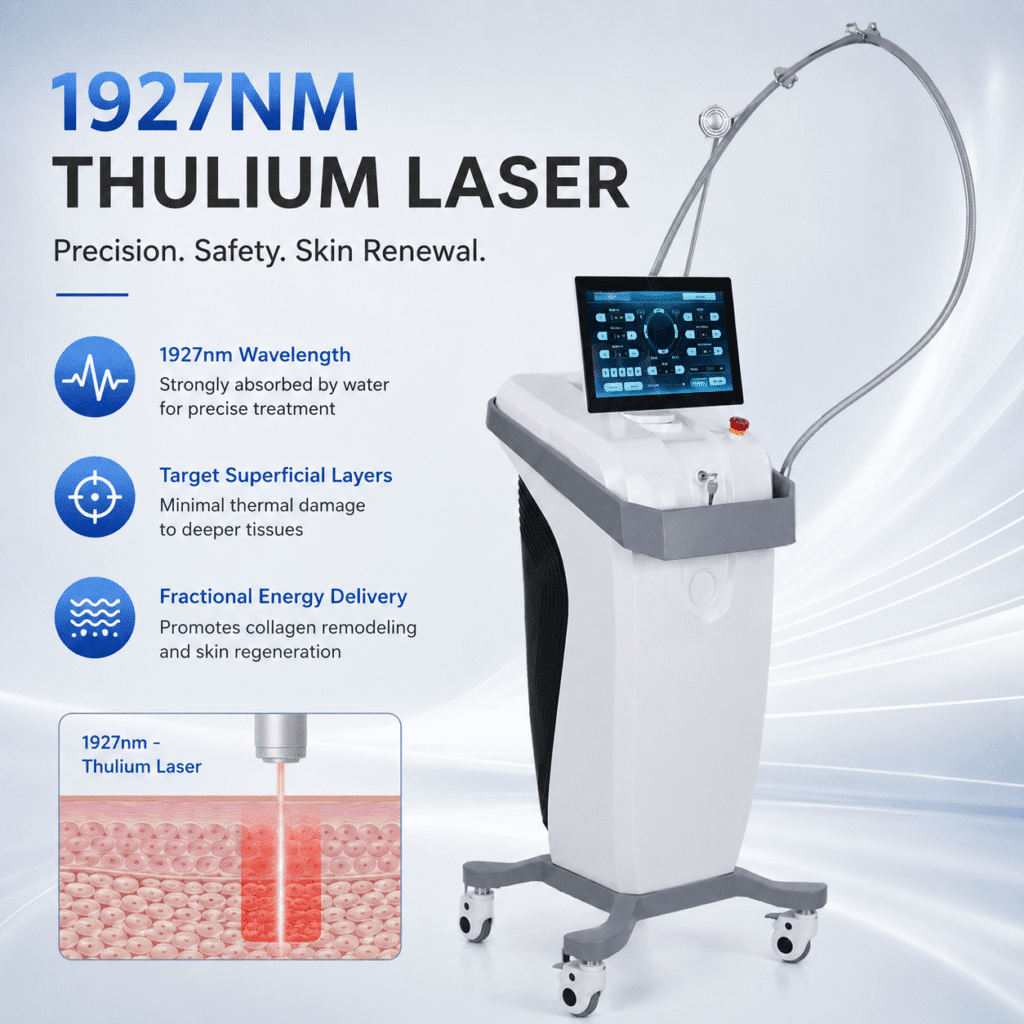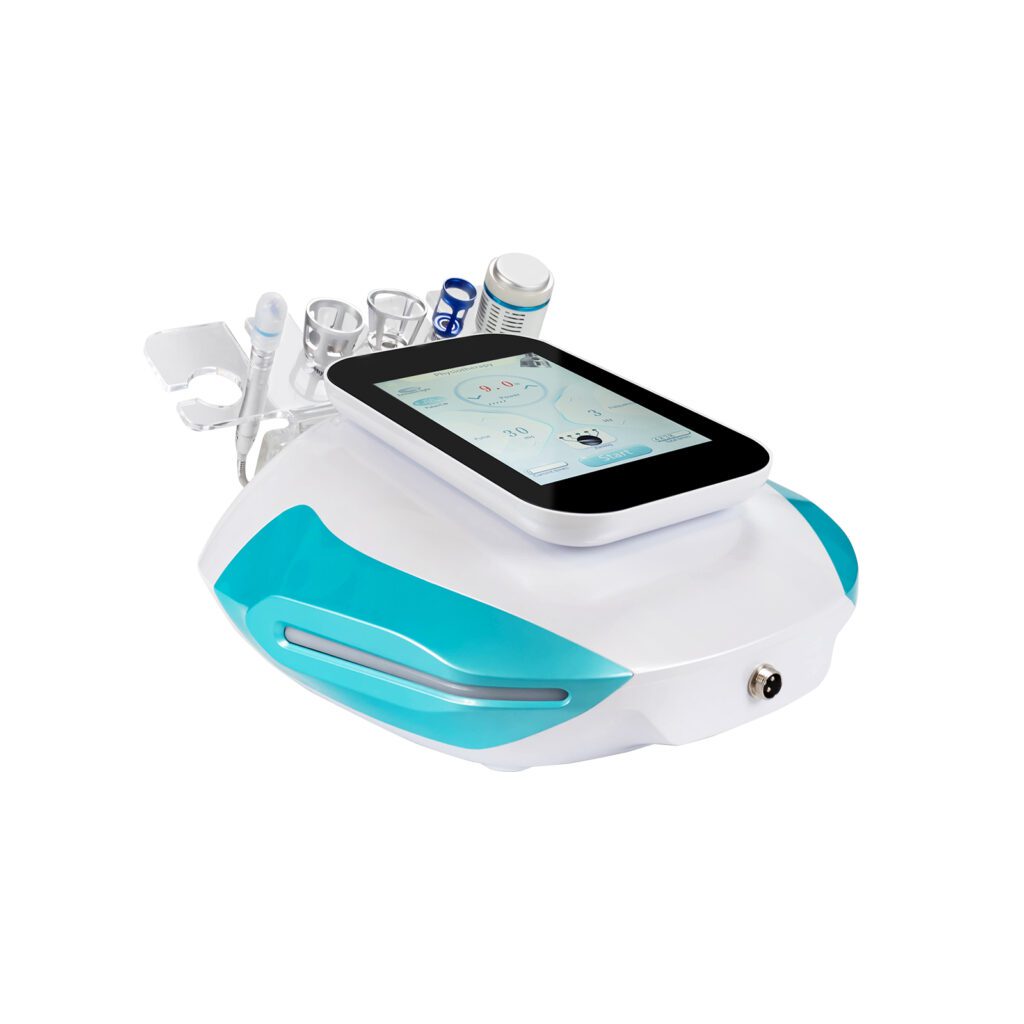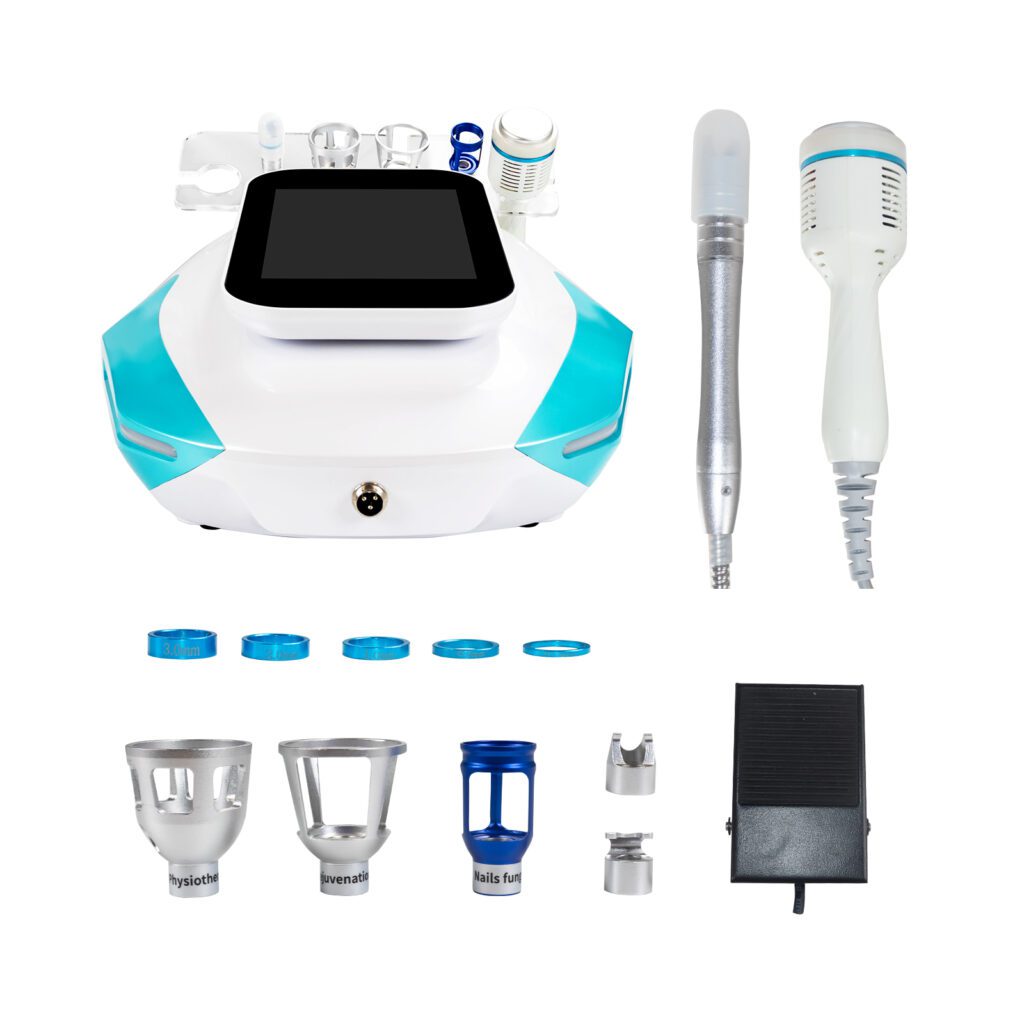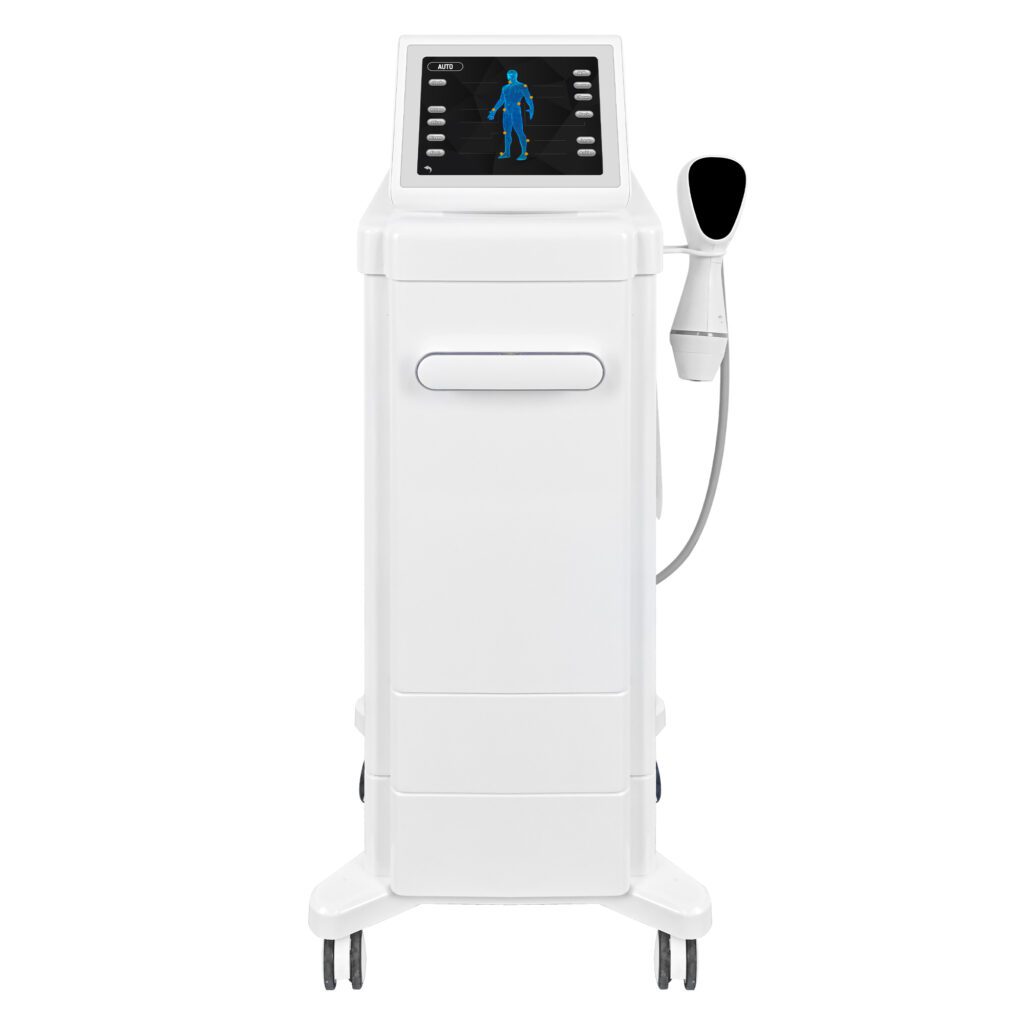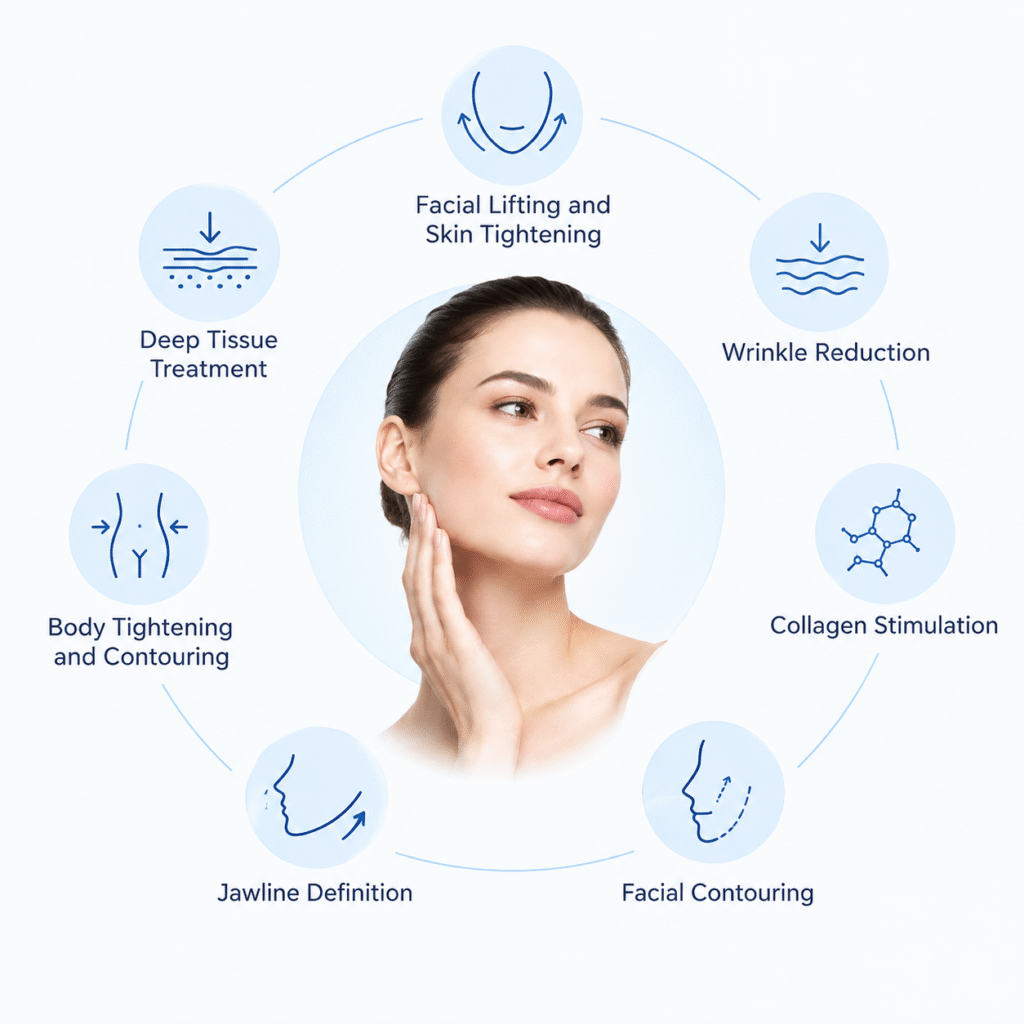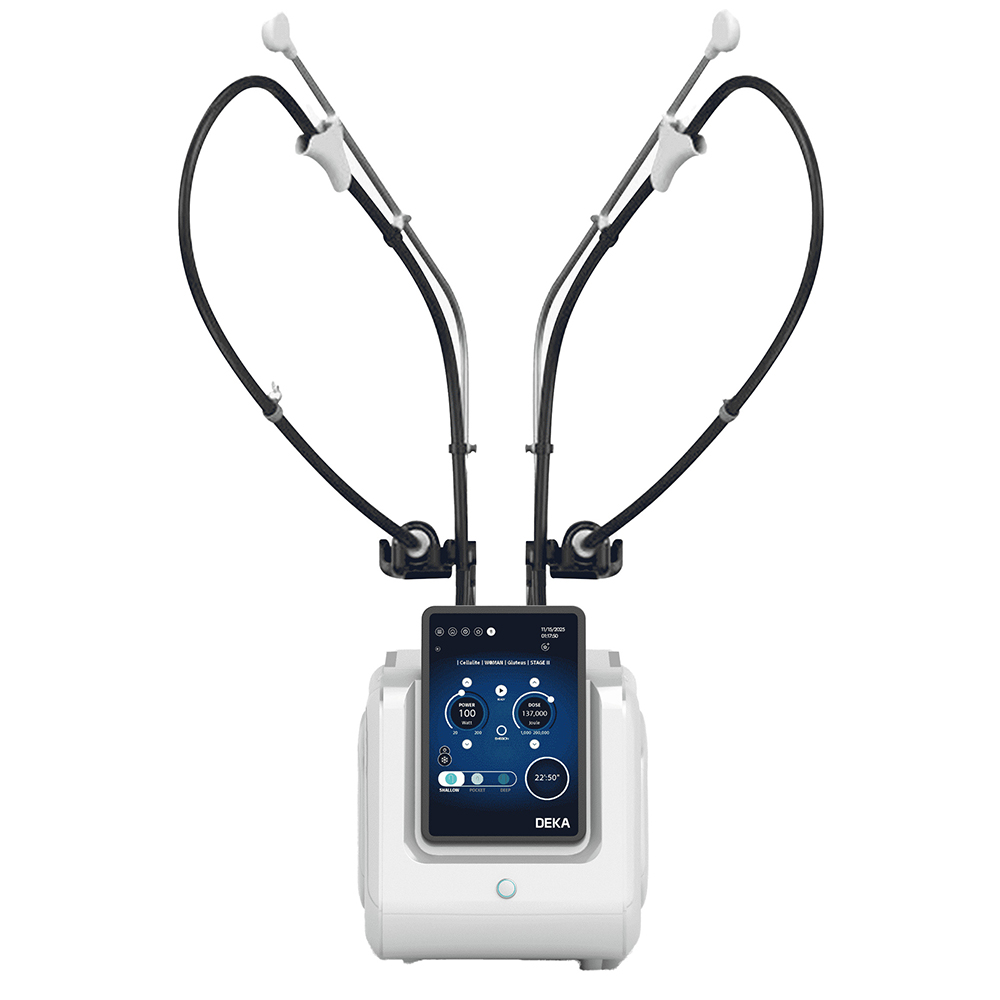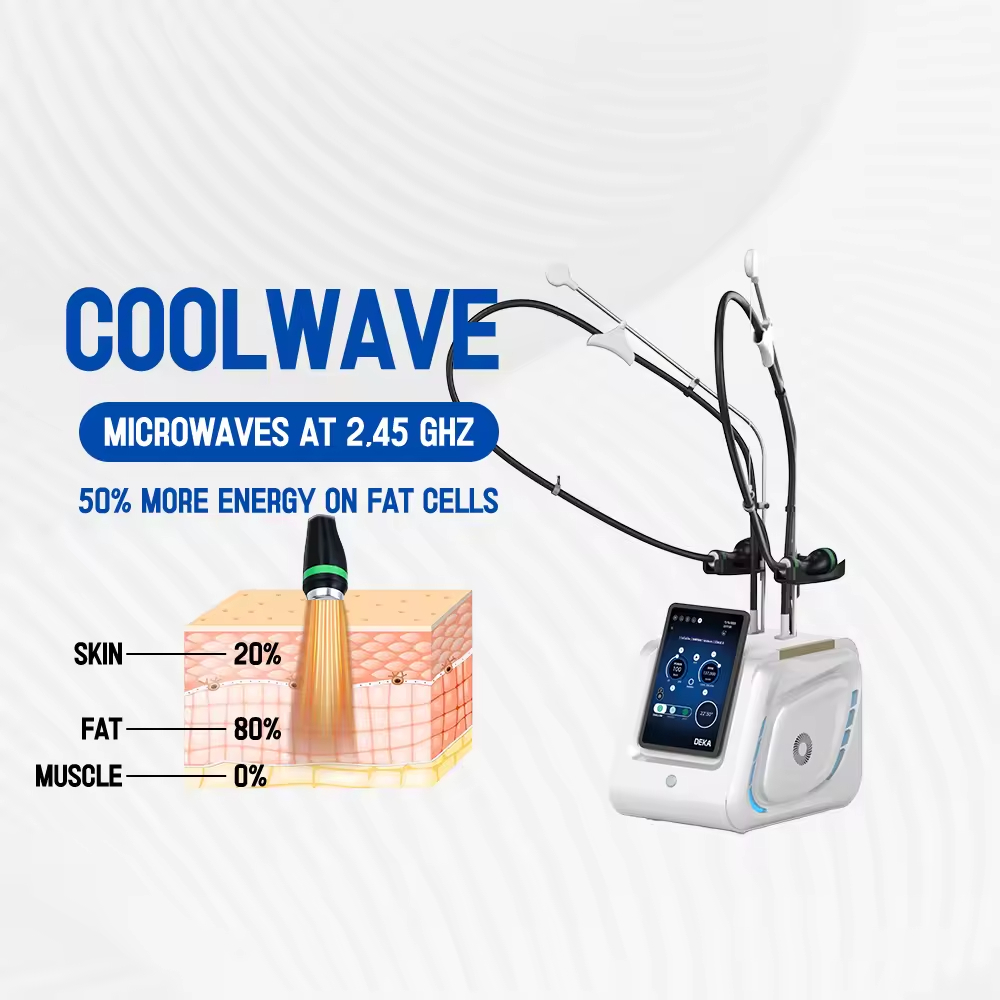










Professional beauty machines are now widely used across the global aesthetics industry, supporting non-invasive treatments such as skin tightening, body contouring, fat reduction, and facial rejuvenation. Instead of being limited to medical settings, technologies like HIFU, RF, EMS, cryolipolysis, cavitation, and shockwave therapy are now integrated into different types of businesses depending on their service level, client expectations, and investment capacity. In practice, these machines are most effectively used in three core environments: medical aesthetic clinics, med spas and beauty spas, and beauty salons.
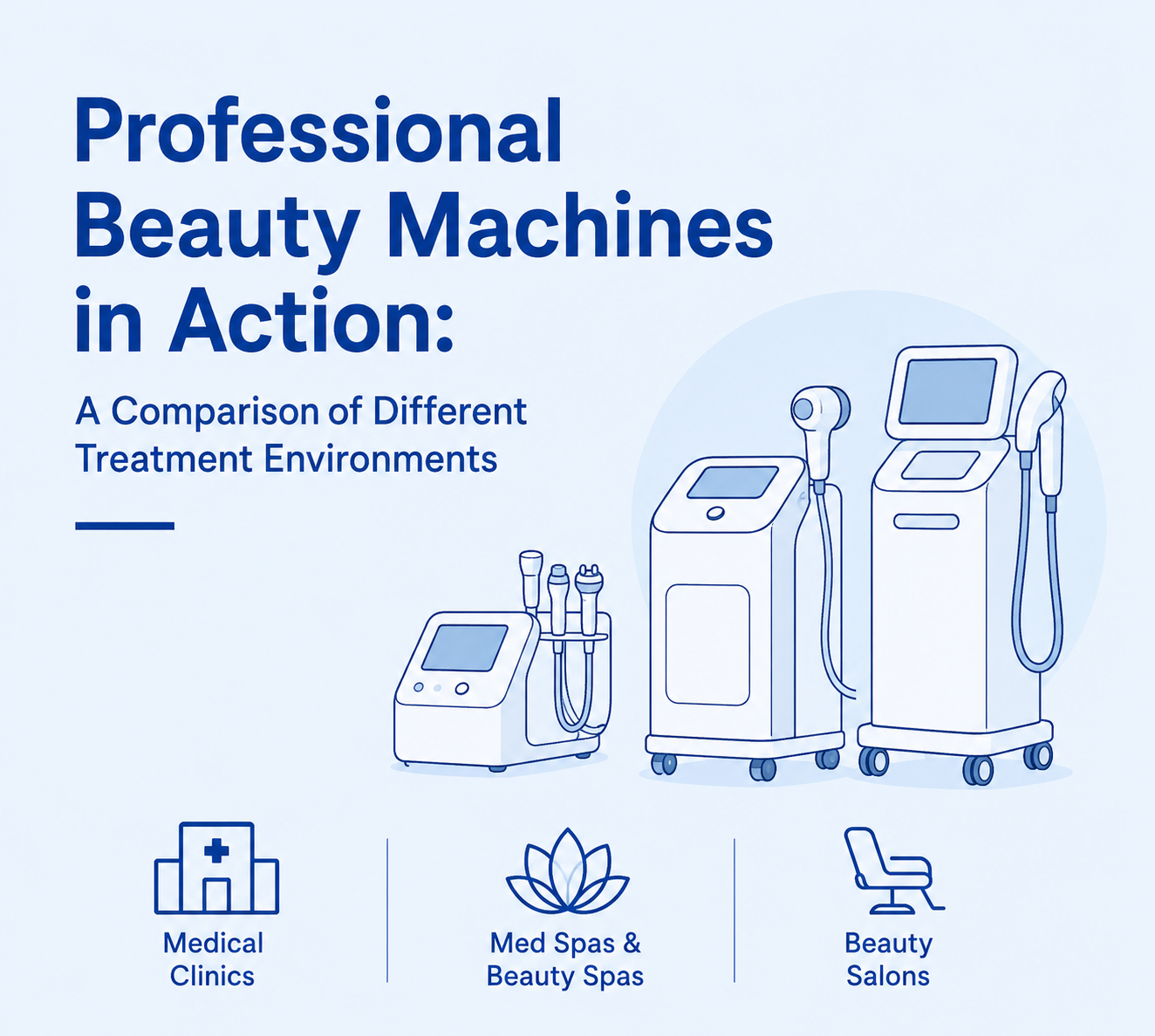
1. Medical Aesthetic Clinics: High-Precision and Results-Driven Treatments
Medical aesthetic clinics represent the highest level of professional use for beauty machines. These environments focus on clinical outcomes, deeper tissue targeting, and structured treatment protocols. Devices used in clinics are typically higher in energy output and more advanced in control systems, allowing practitioners to treat more complex concerns such as skin laxity, deep wrinkles, and localized fat deposits.
Common equipment in this setting includes high-intensity focused ultrasound (HIFU) systems for deep lifting, medical-grade radiofrequency (RF) devices for collagen remodeling, cryolipolysis machines for fat cell reduction, and microneedling RF systems for skin texture improvement. These devices require trained operators who understand anatomical layers and can adjust parameters precisely for different skin types and treatment goals.
The workflow in clinics is highly structured, usually involving consultation, diagnosis, treatment planning, device selection, parameter adjustment, and follow-up evaluation. This makes the machines part of a broader medical decision-making process rather than standalone beauty tools. Clients in this environment expect measurable, long-lasting results and are generally more focused on correction rather than relaxation.

2. Med Spas and Beauty Spas: Experience-Based and Combination Treatments
Med spas and beauty spas represent the most common commercial environment for professional beauty machines. This category bridges the gap between clinical-grade treatment and lifestyle-based wellness services. Here, the focus is not only on results but also on comfort, relaxation, and overall experience.
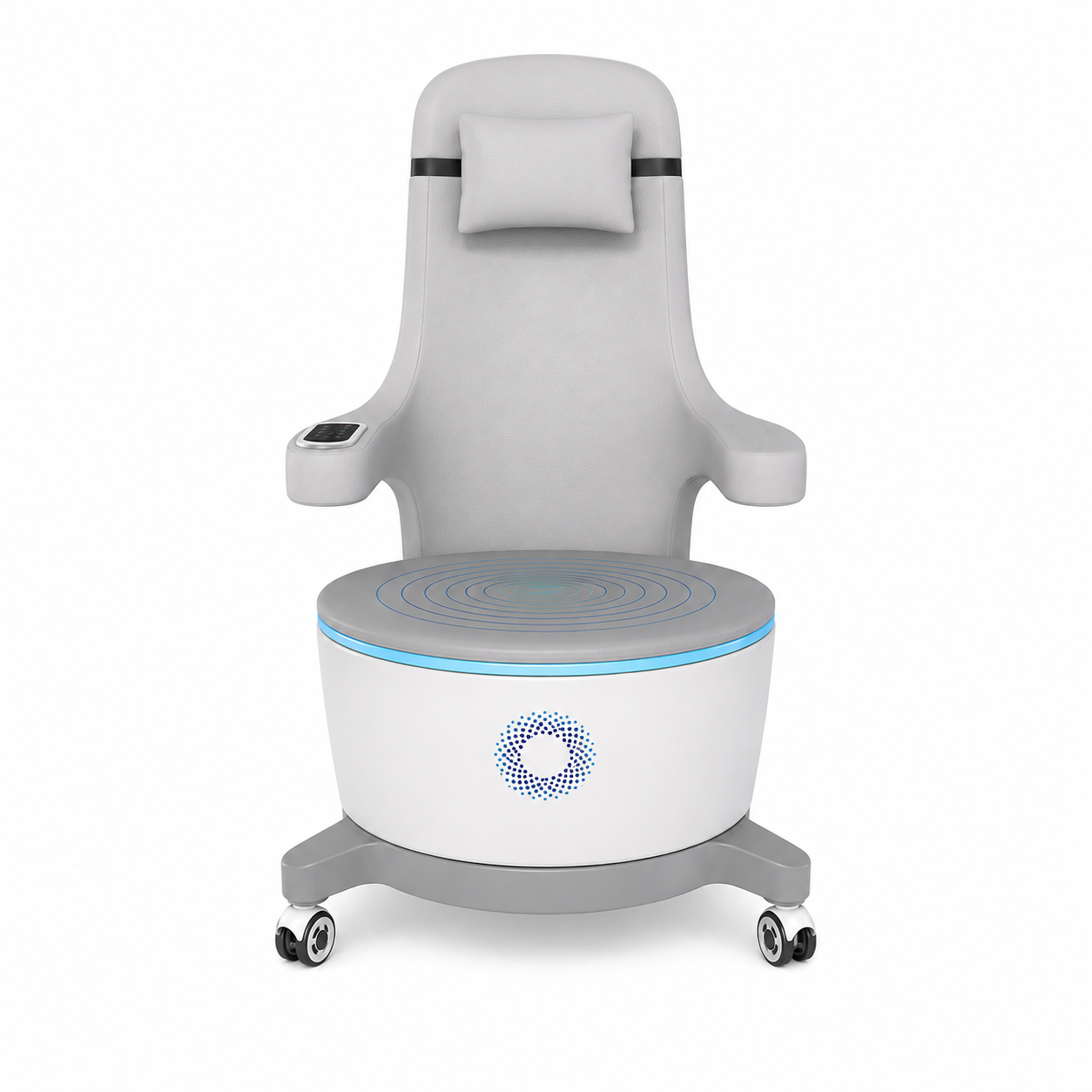
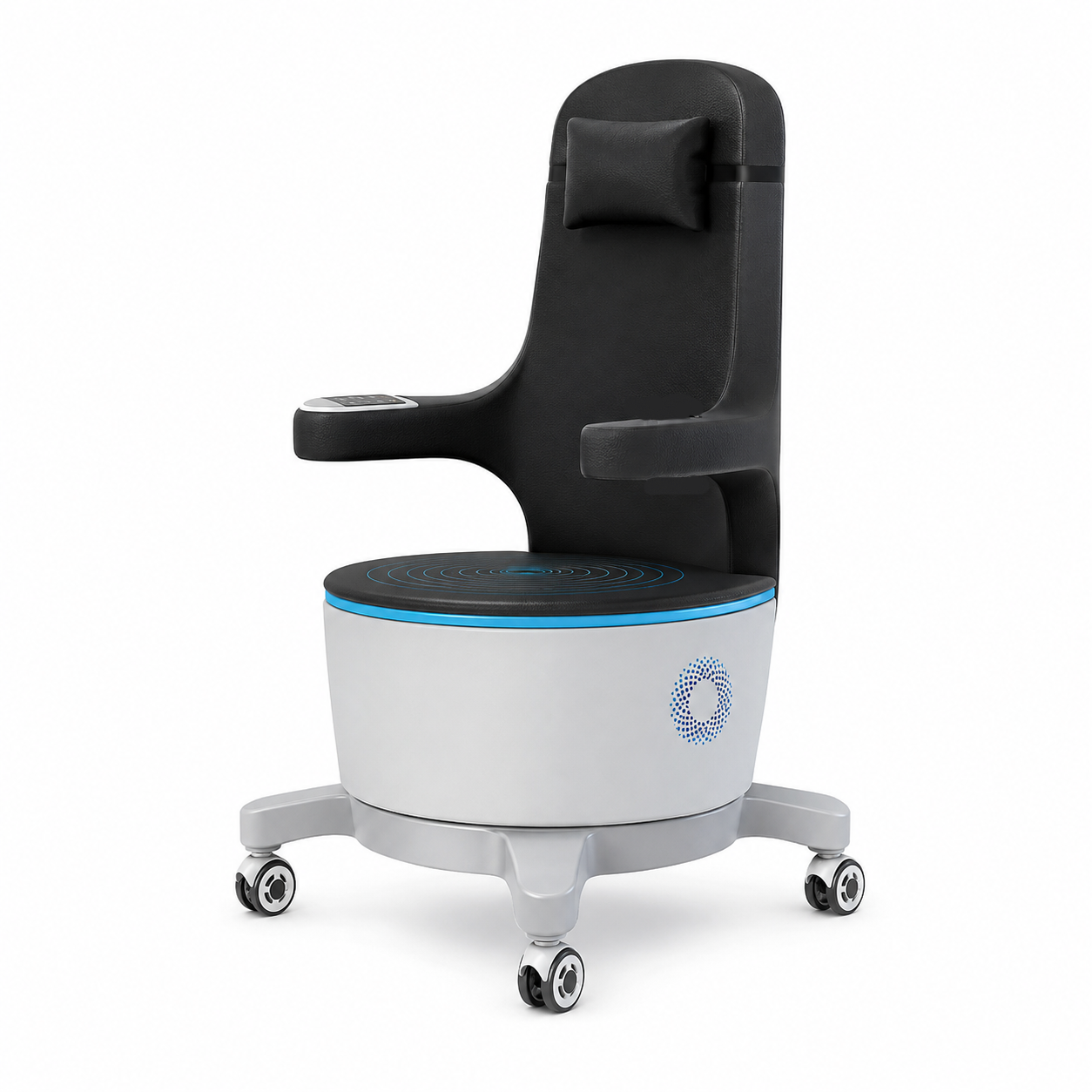
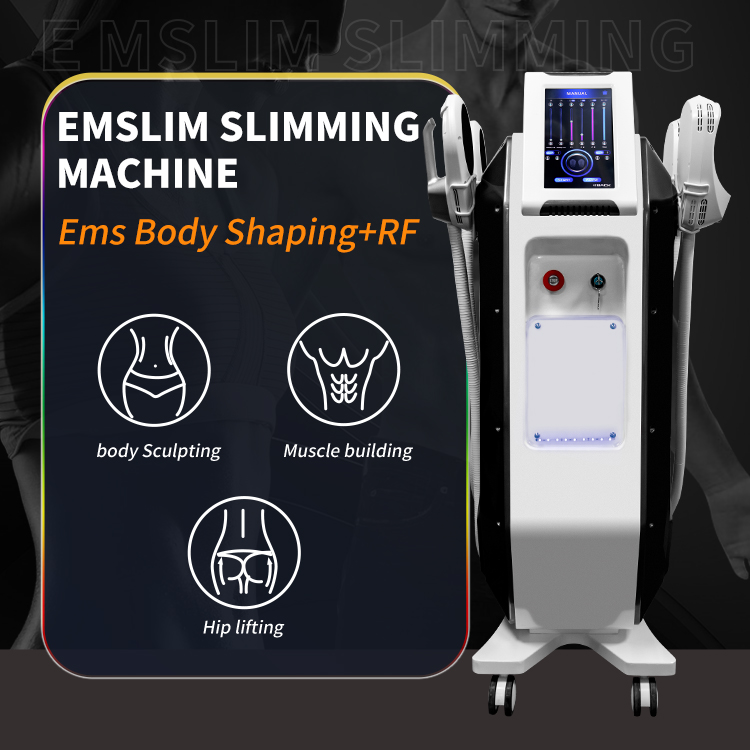
The machines used in spas are typically mid-level in intensity and are often combined in multi-technology treatment protocols. Popular devices include RF cavitation systems for body shaping, EMS muscle stimulation machines for toning and firming, shockwave therapy devices for improving circulation and cellulite appearance, and non-invasive facial rejuvenation systems for hydration and skin quality improvement.
Unlike clinical environments, spa treatments are designed to feel comfortable and non-invasive, often described by clients as relaxing wellness experiences rather than corrective procedures. Treatments are usually delivered in multiple sessions, with gradual improvements over time. Business models in this environment often rely on package deals, memberships, and repeat visits, making treatment consistency and operational efficiency very important.
Machines used in med spas must therefore be easy to operate, versatile across different body areas, and capable of supporting high client turnover. The ability to combine multiple technologies in one system is especially valuable, as it allows providers to expand their service menu without increasing equipment complexity.
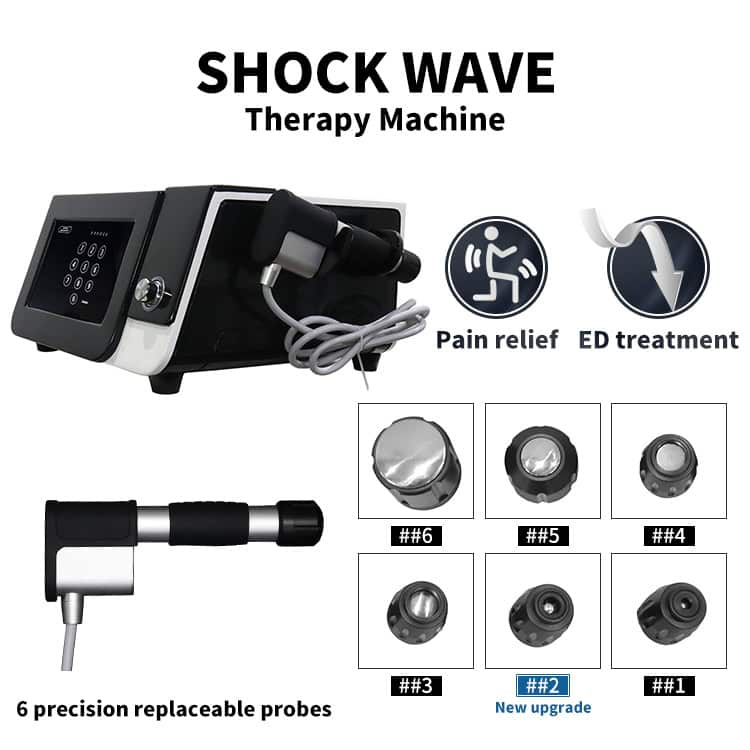
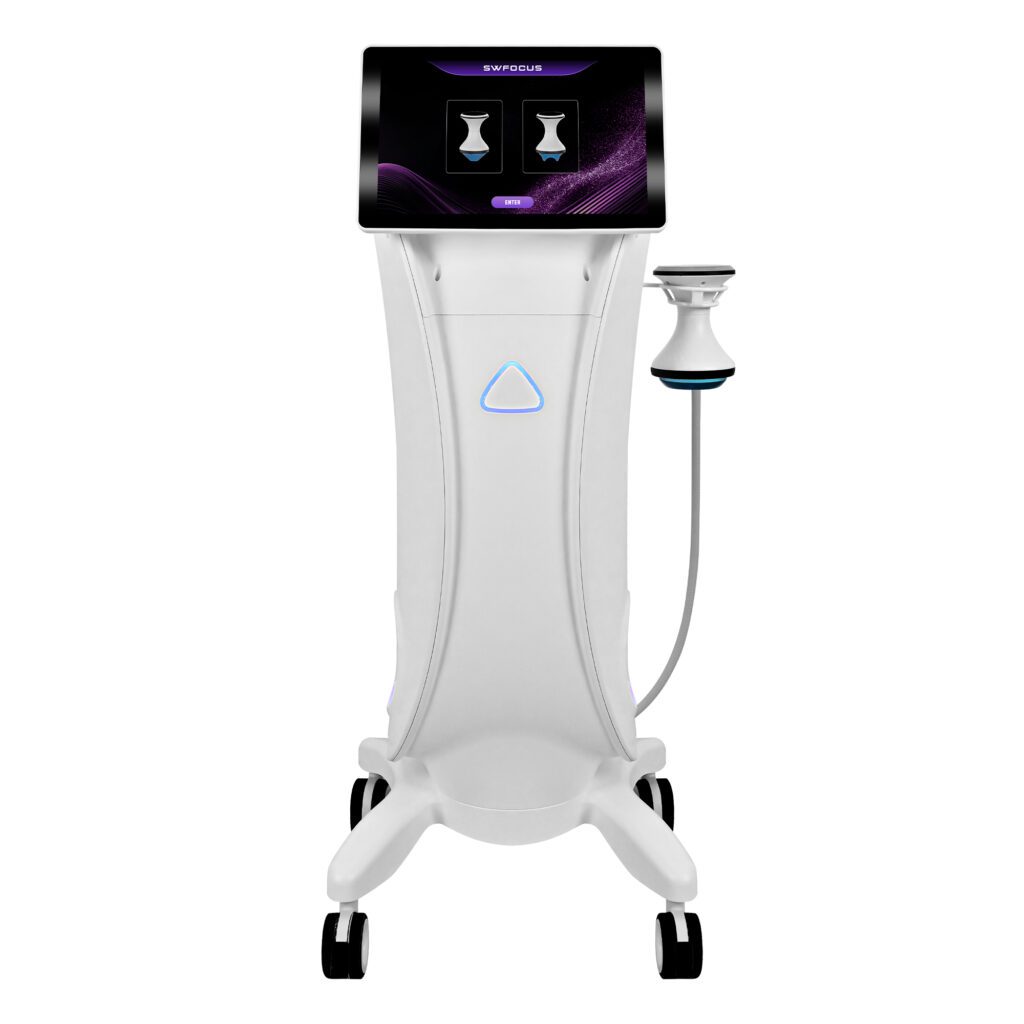
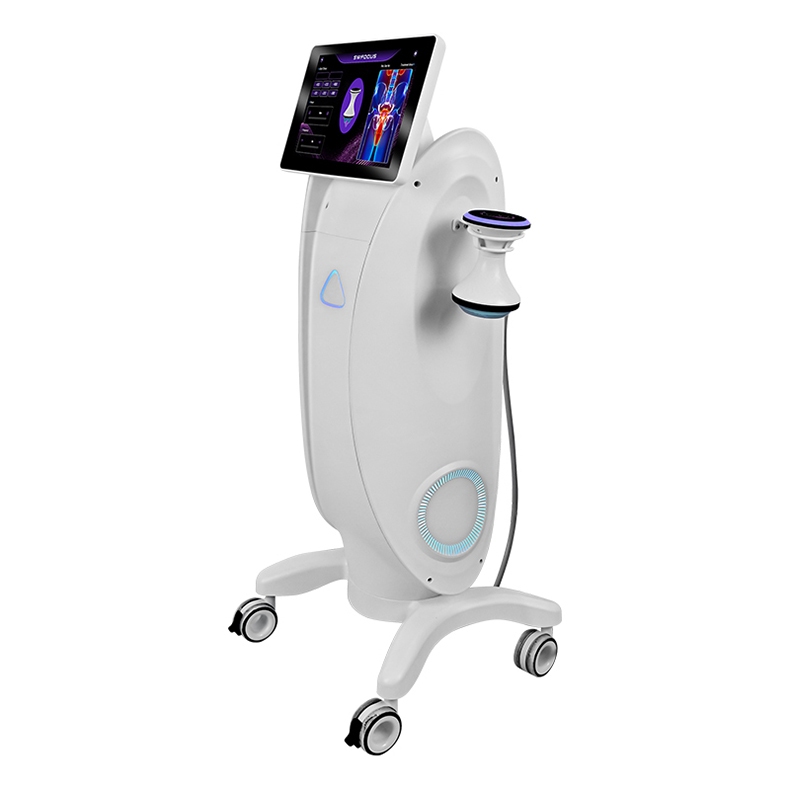
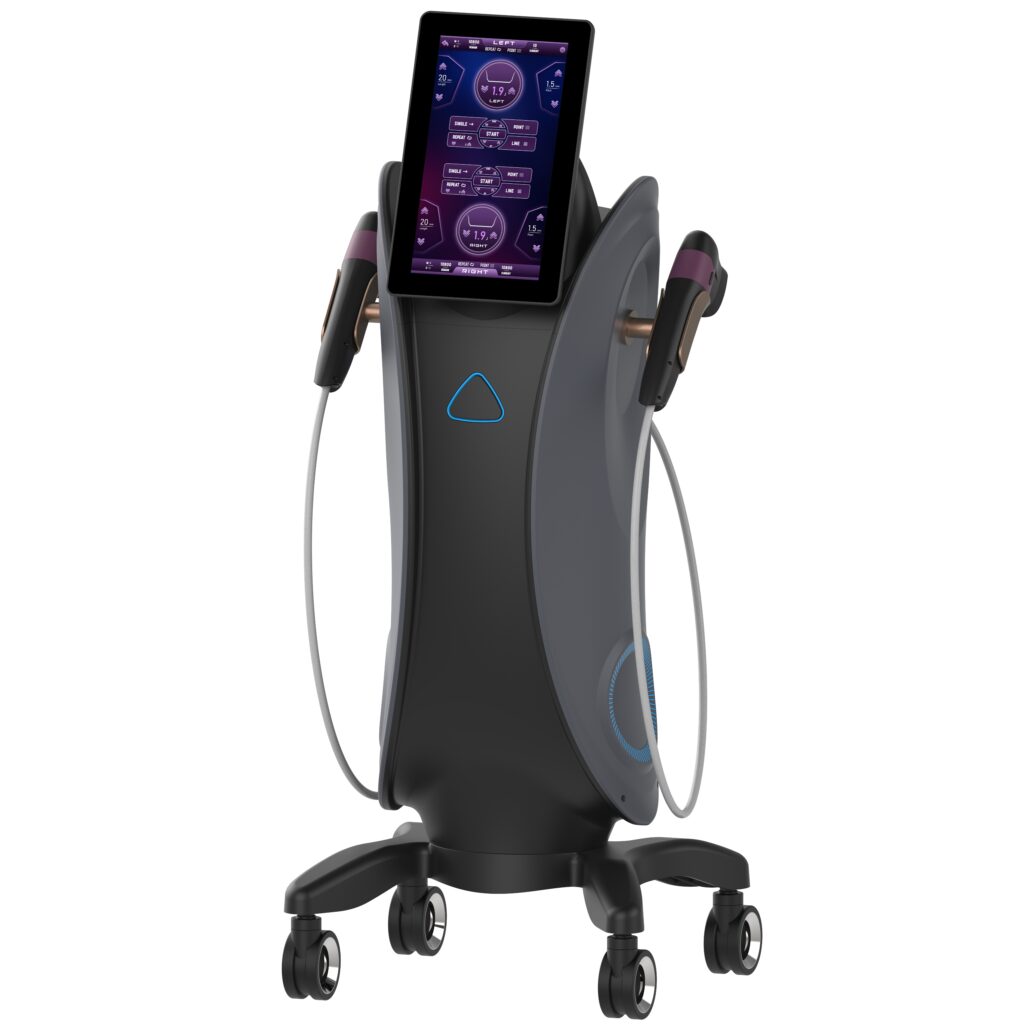
sw12 shockwave therapy machine
3. Beauty Salons: Entry-Level Aesthetic Services and Basic Technology
Beauty salons represent the most accessible and widely distributed environment for aesthetic services. In this category, machines are typically used for basic non-invasive treatments that support skin maintenance, light body shaping, and overall appearance improvement. Compared to clinics and med spas, salons operate at a lower intensity level and focus more on frequent, affordable services.
Common equipment in beauty salons includes basic radiofrequency devices for skin tightening, ultrasonic or cavitation systems for light body contouring, LED light therapy machines for skin rejuvenation, and entry-level EMS devices for muscle stimulation. These technologies are designed to be safe, easy to operate, and suitable for staff with shorter training periods.
The salon environment prioritizes speed, simplicity, and repeatability. Treatments are often shorter in duration and integrated into routine beauty services such as facials or body care packages. Clients in salons usually seek visible but subtle improvements, such as firmer skin, smoother texture, or mild contouring effects, rather than dramatic structural changes.
From a business perspective, salons benefit from high customer flow and accessibility. Machines must therefore be durable, user-friendly, and cost-efficient, allowing owners to offer additional services without significantly increasing operational complexity.
Conclusion
Professional beauty machines achieve their best performance when matched with the right treatment environment. Medical aesthetic clinics focus on precision and deep corrective results, med spas and beauty spas emphasize experience and combination therapies, while beauty salons provide accessible and routine aesthetic maintenance. Although the same core technologies are used across all three environments, their application, intensity, and business purpose vary significantly. Understanding these differences helps operators choose the right equipment strategy and ensures that beauty machines deliver both effective treatments and sustainable business value across the entire aesthetics industry.