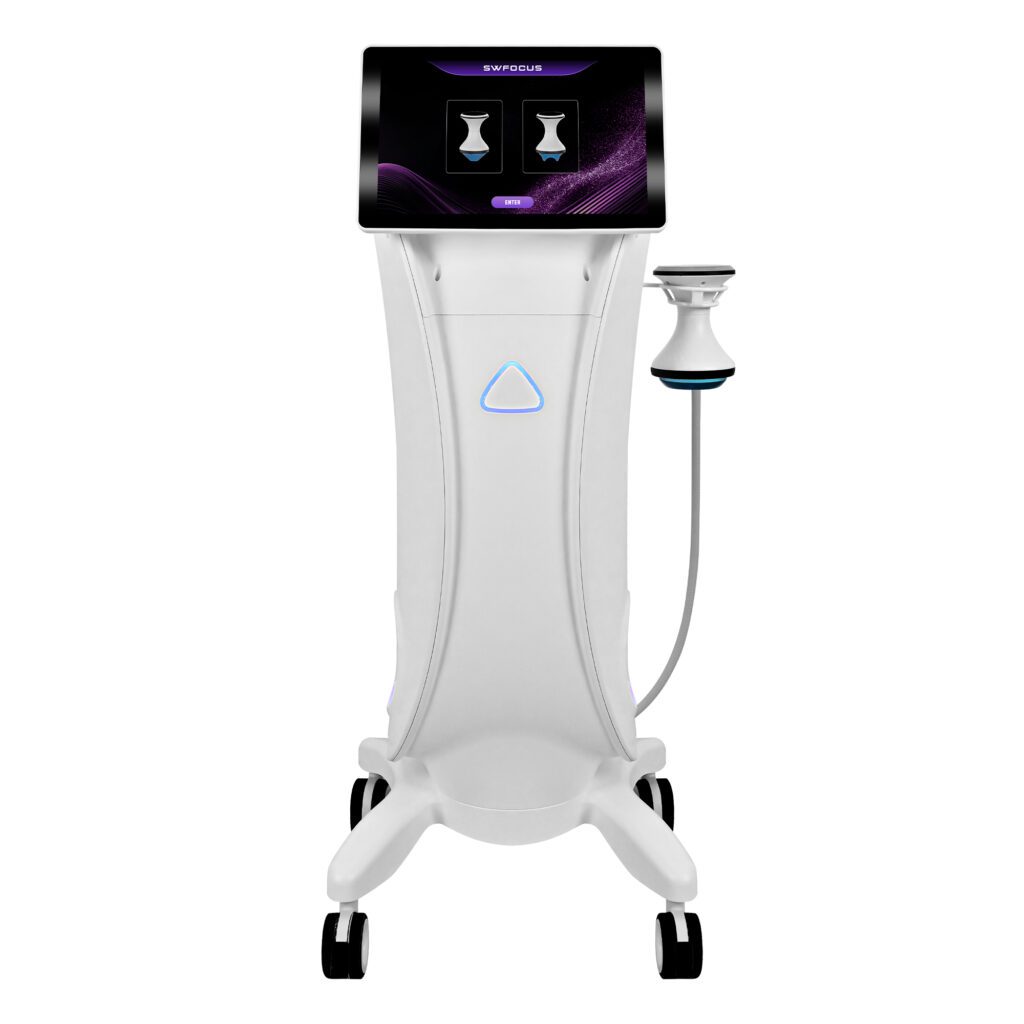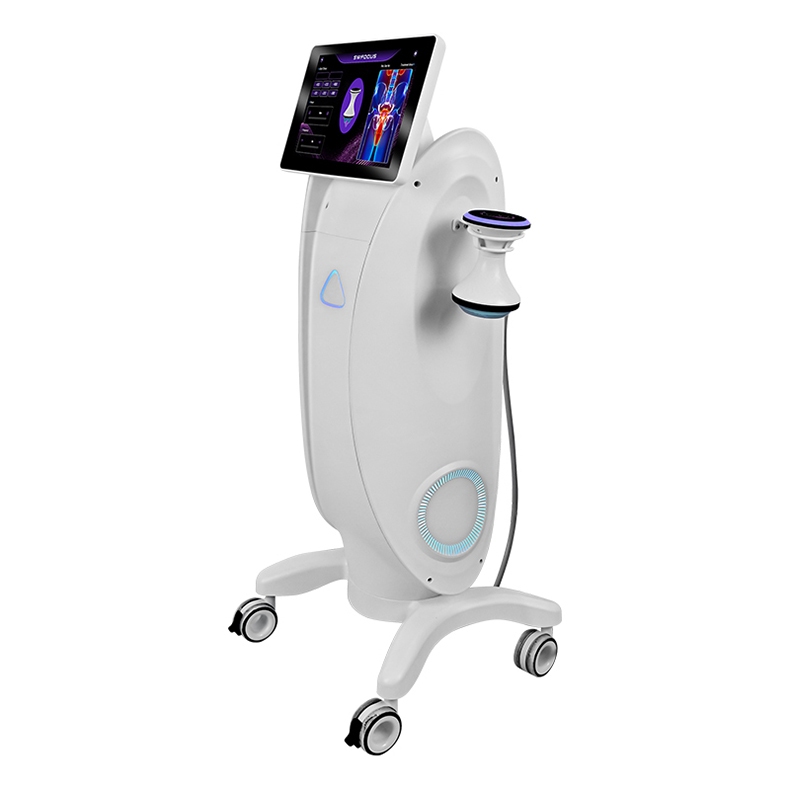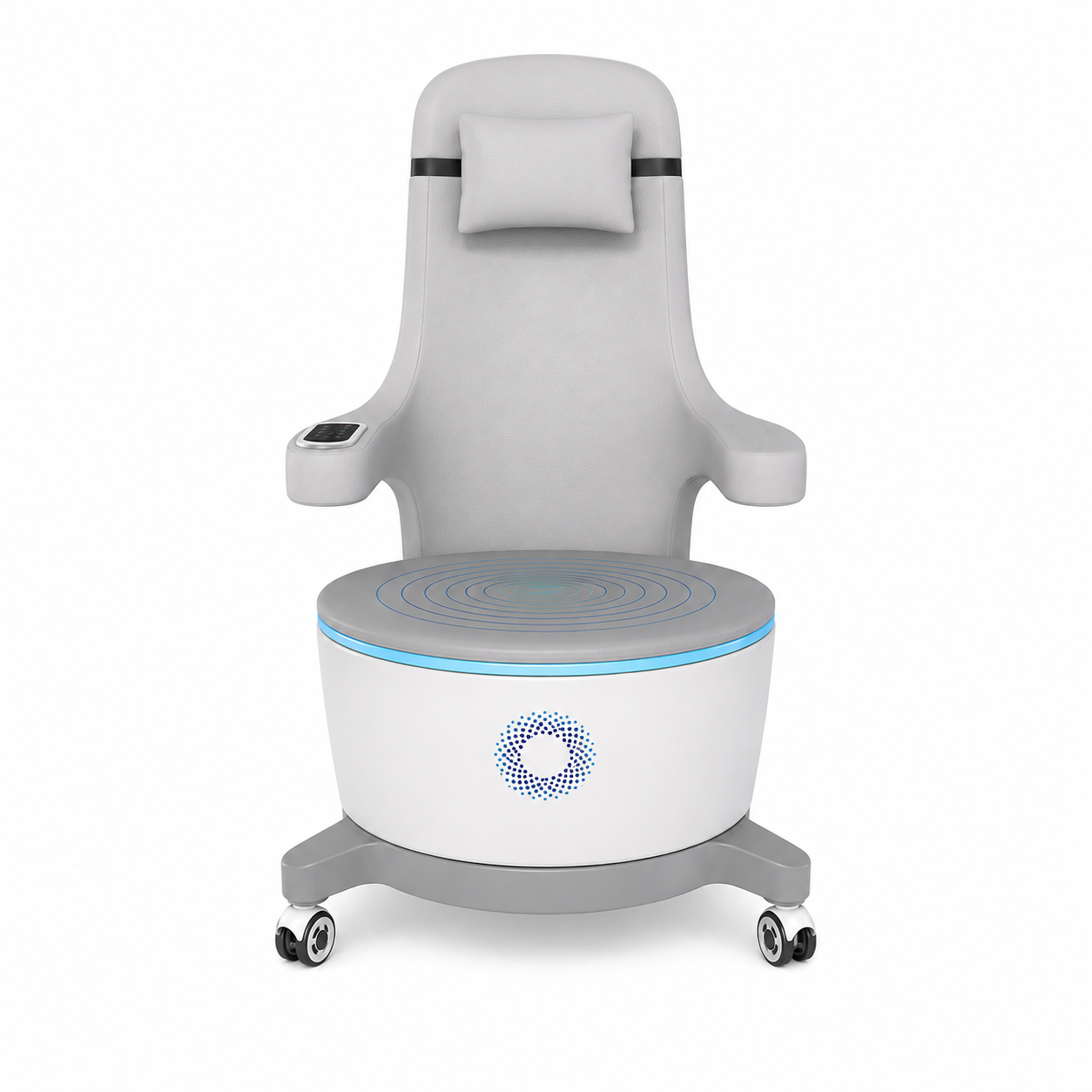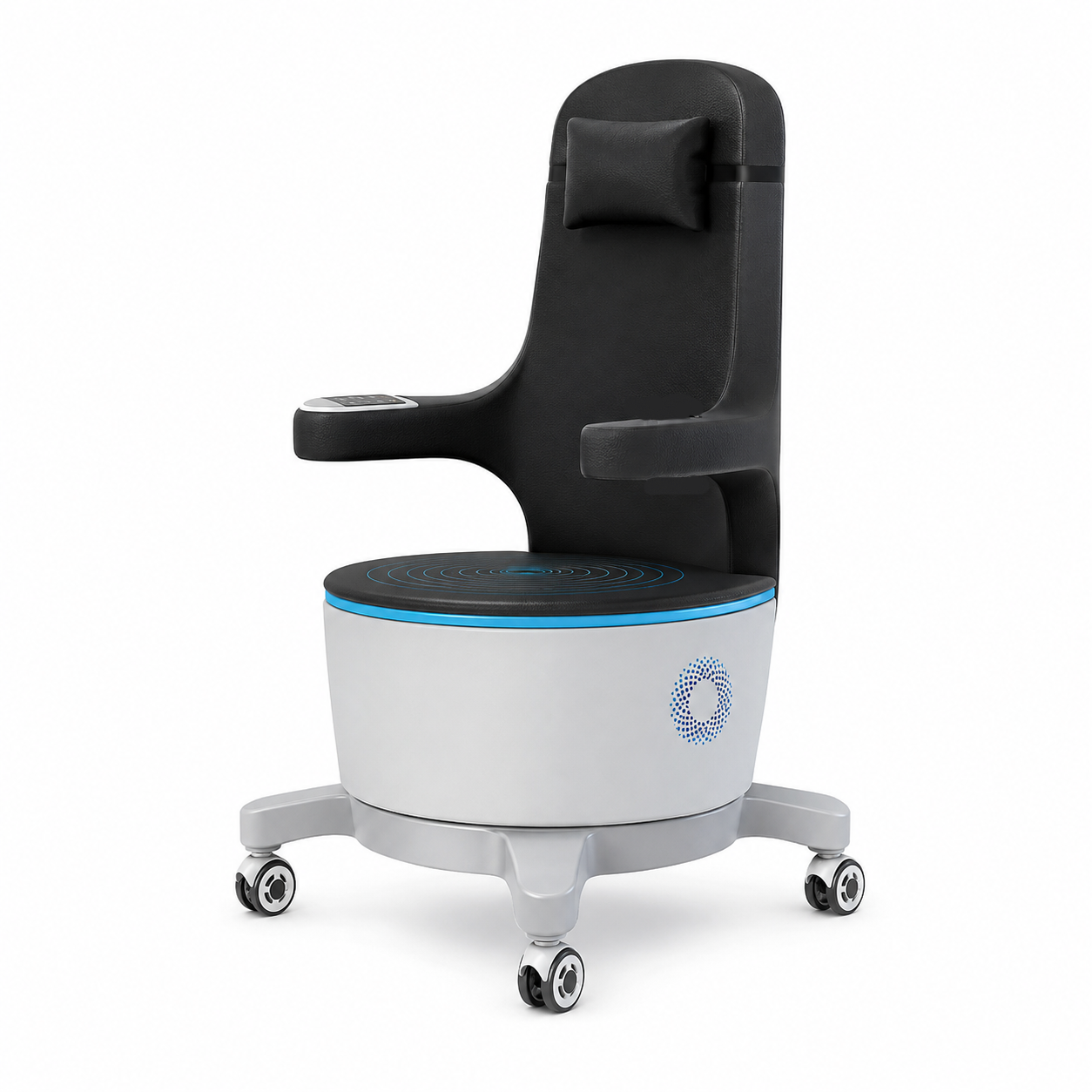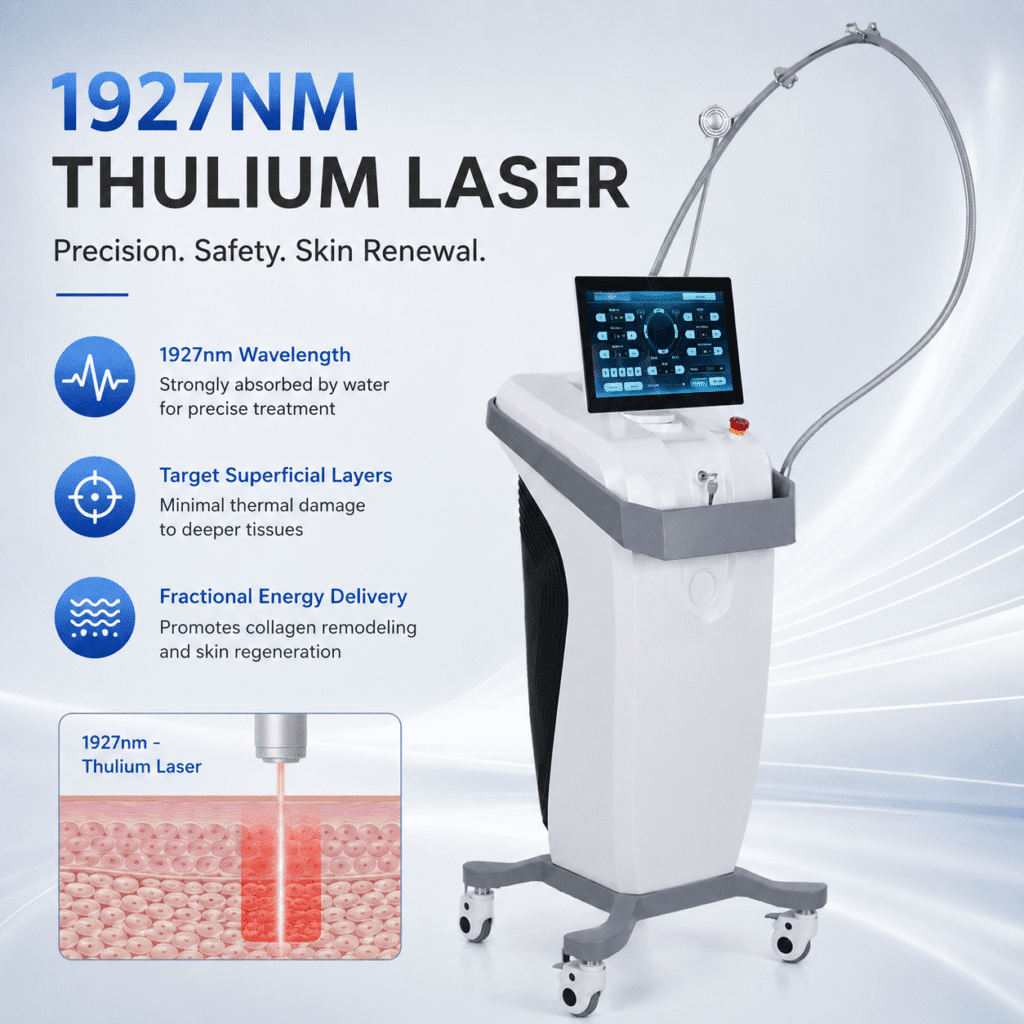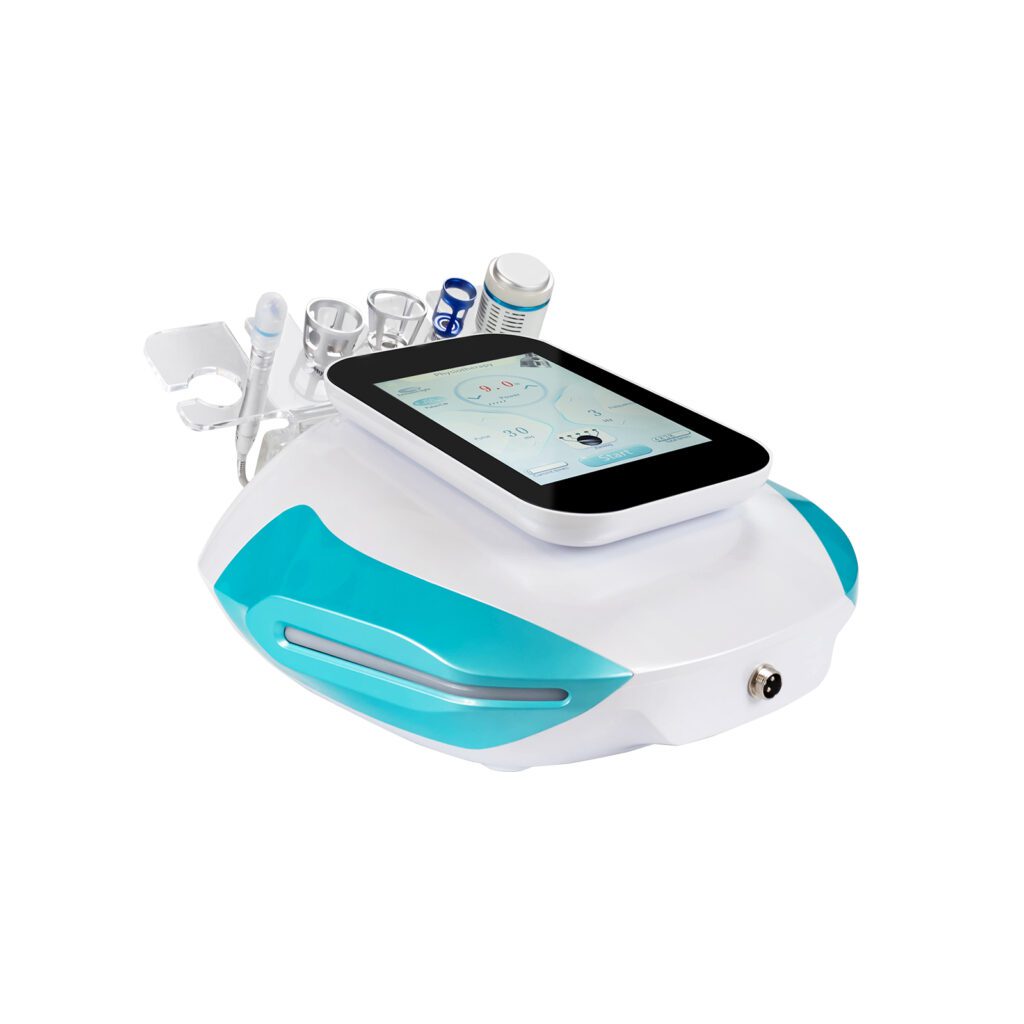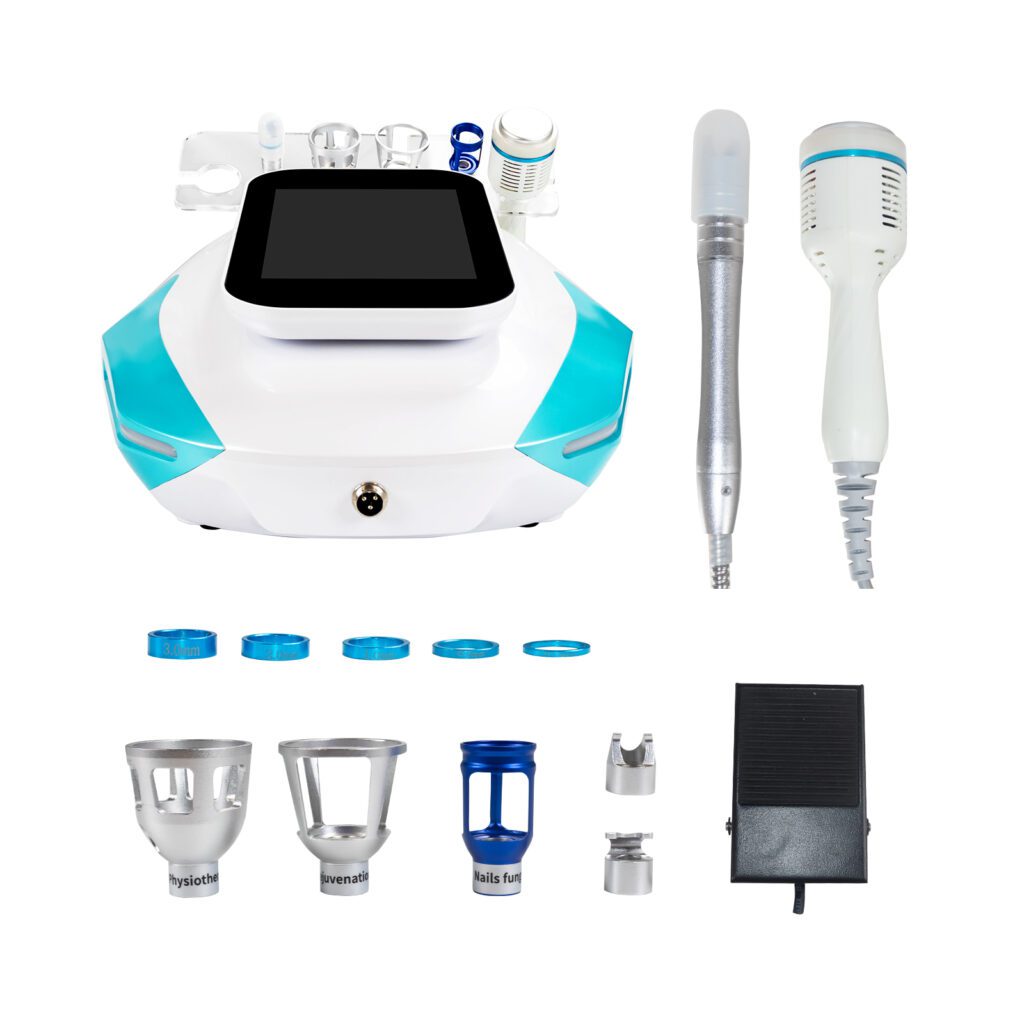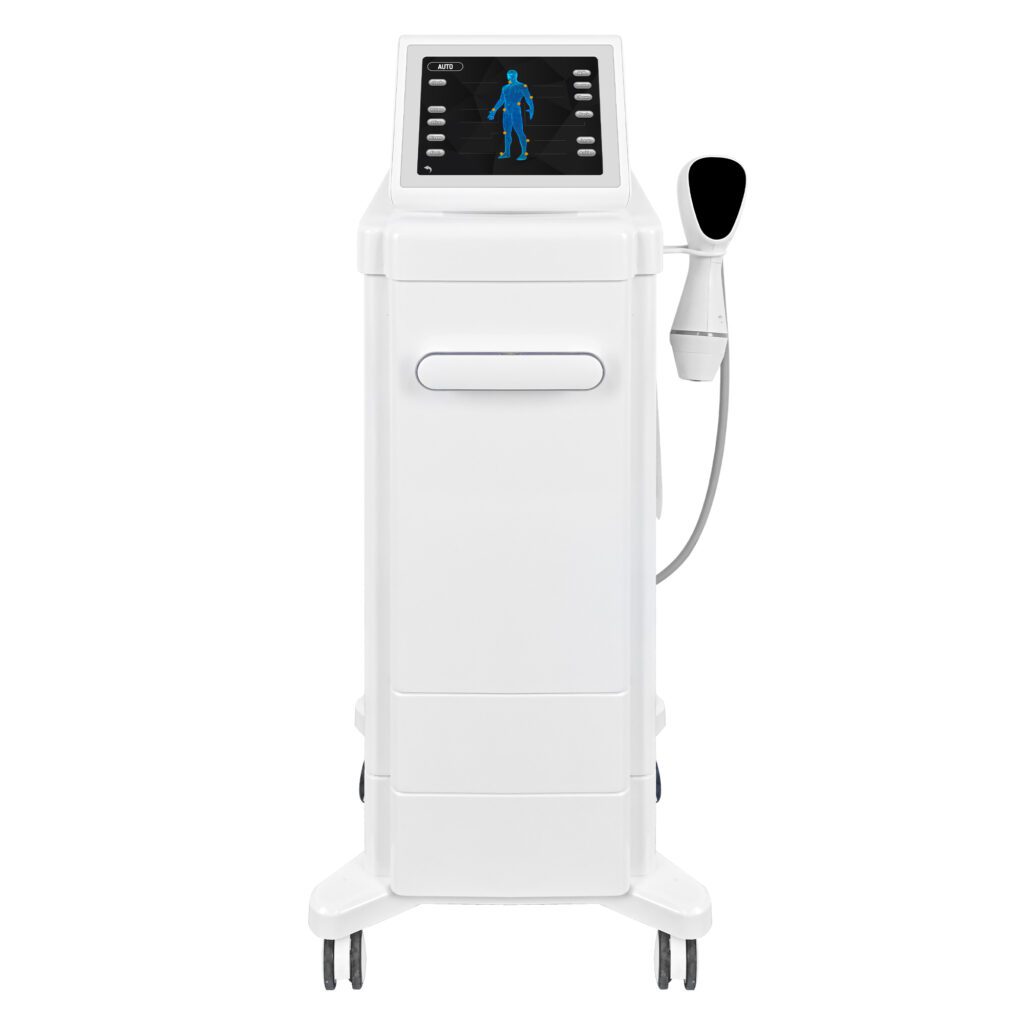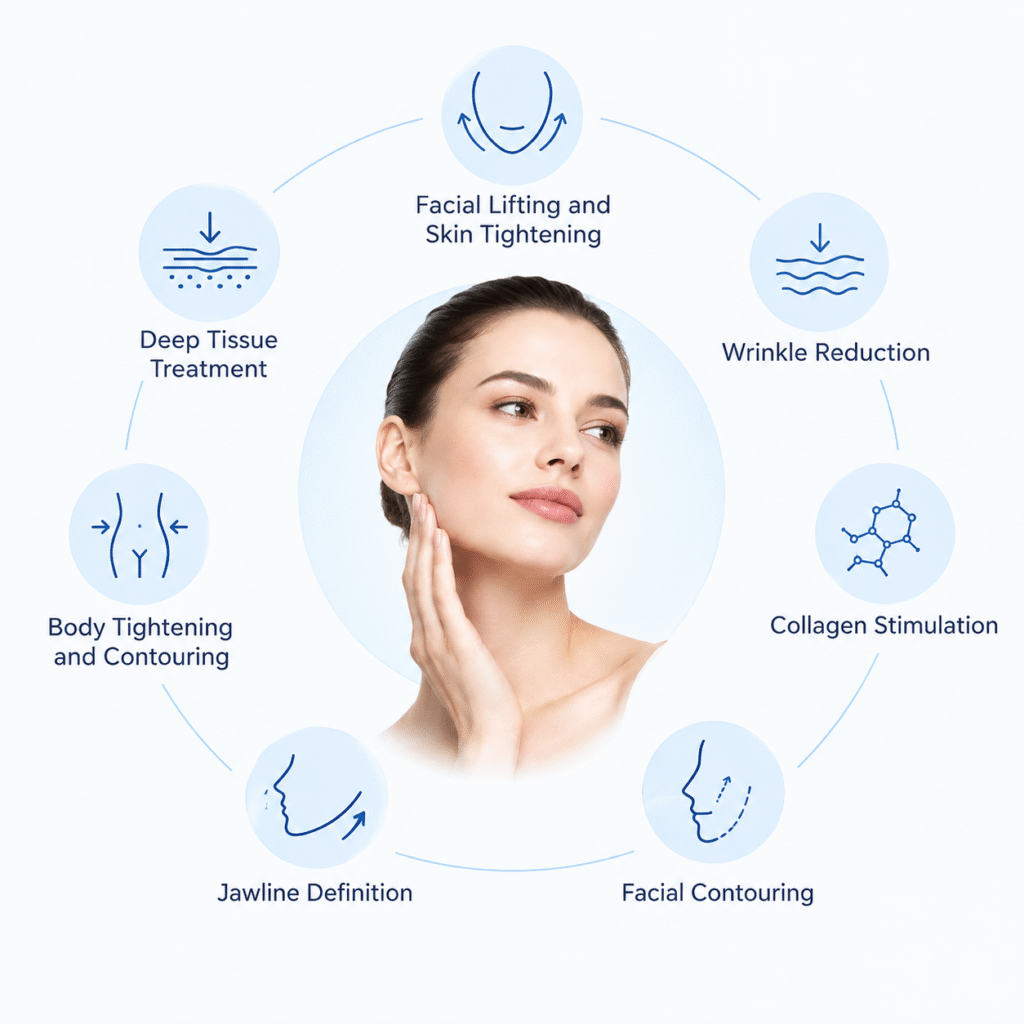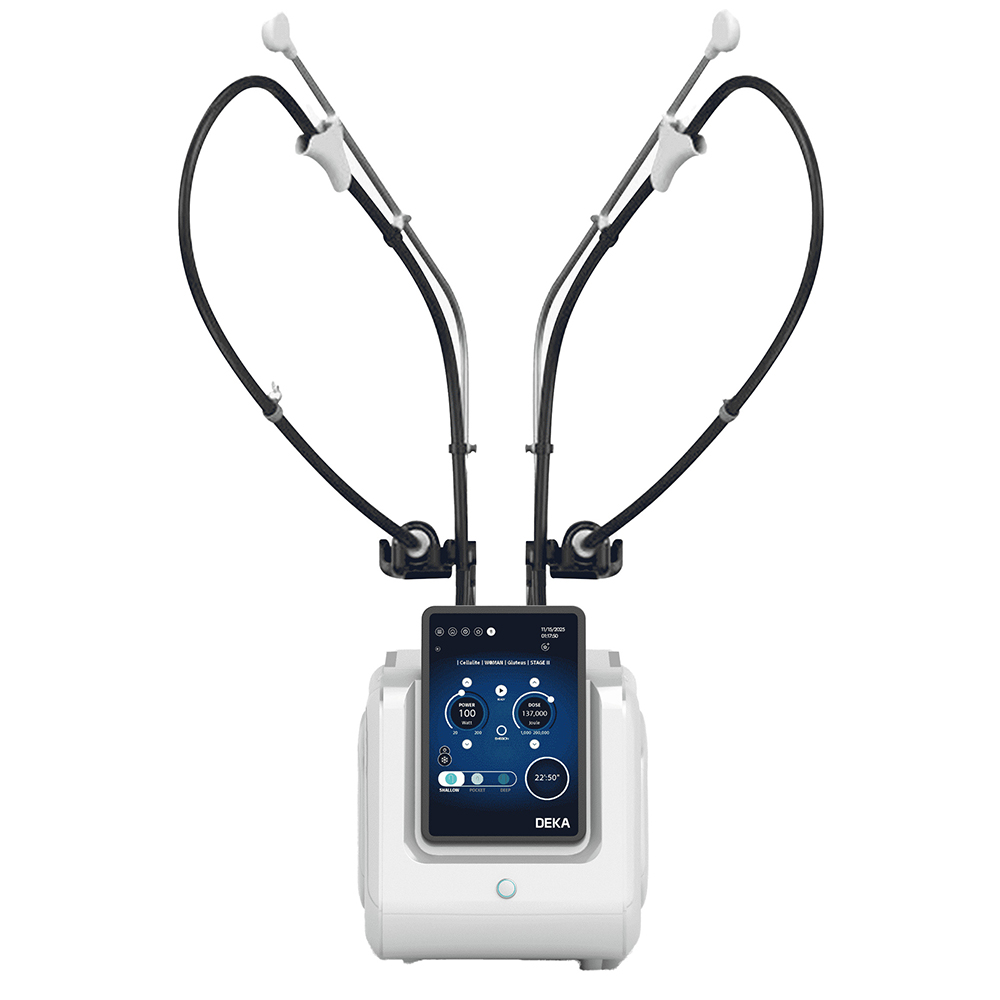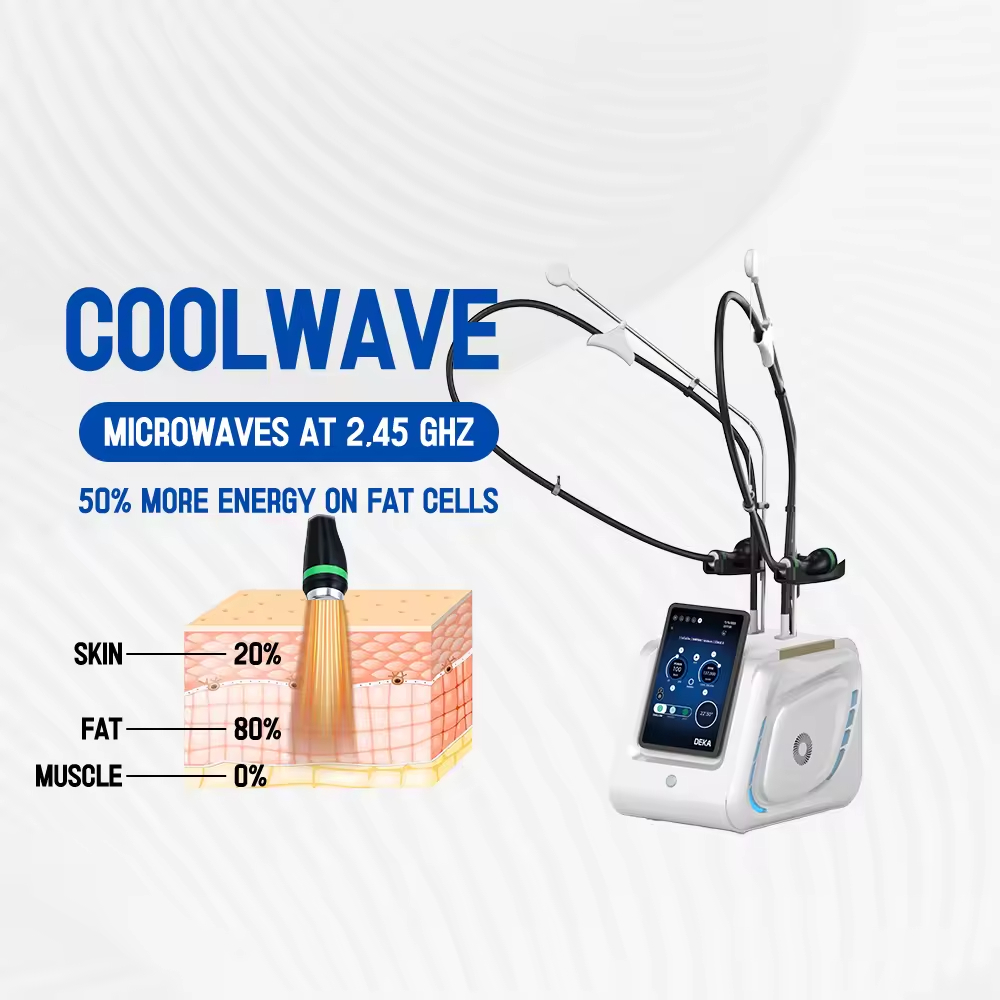










In today’s beauty industry, professional results are increasingly shaped by technology rather than manual techniques alone. Skincare clinics, beauty salons, and aesthetic centers all rely on different types of machines to deliver targeted treatments for skin improvement, body contouring, and overall aesthetic enhancement. Although these venues may appear similar to clients at first glance, the equipment they use, the level of technology involved, and the service outcomes they provide can vary significantly. Understanding these differences helps clarify how each type of facility positions itself in the modern beauty ecosystem and why machines have become the core driver of service quality and customer expectations.
1. Skincare Clinics: Precision-Focused Skin Treatment Centers
1.1 Equipment used in skincare clinics
Skincare clinics typically focus on skin health, correction, and maintenance. The most commonly used machines include hydradermabrasion systems for deep cleansing and hydration, radio frequency (RF) devices for collagen stimulation and skin tightening, microcurrent machines for facial muscle toning, and ultrasound devices that enhance product absorption and skin repair efficiency. These devices are designed to work gently yet effectively on skin texture, hydration balance, and early signs of aging.
1.2 Treatment logic and service model
Unlike general beauty salons, skincare clinics usually follow a diagnostic-based approach. Clients often undergo skin analysis before any machine-based treatment is applied. Based on the results, specialists design personalized treatment plans that target specific concerns such as acne, pigmentation, sensitivity, dehydration, or fine lines. The focus is on gradual improvement and long-term skin health rather than immediate visual transformation.
1.3 Professional environment and client expectations
The environment in skincare clinics is typically clean, clinical, and structured. Treatments are performed by trained skincare professionals who understand both device operation and skin physiology. Clients choose these clinics mainly for problem-solving and maintenance, expecting safe, consistent, and scientifically guided outcomes.
2. Beauty Salons: Multi-Service Spaces with Practical Equipment Use
2.1 Common machines in beauty salons
Beauty salons operate as multifunctional service spaces, offering hair, skin, and basic body treatments. The equipment used here is generally more practical and user-friendly, including basic RF lifting devices, vacuum suction systems for lymphatic drainage, EMS (electrical muscle stimulation) machines for toning and firming, and ultrasonic skin scrubbers for exfoliation and cleansing.
2.2 How machines are integrated into services
In beauty salons, machines are often used to enhance traditional manual treatments rather than replace them. For example, a facial treatment may combine cleansing massage with ultrasonic exfoliation, while body care sessions may include vacuum therapy to improve circulation and reduce fluid retention. These devices are usually designed for quick application and visible short-term results.
2.3 Customer experience and positioning
Clients visiting beauty salons generally expect relaxation, convenience, and immediate improvements. Therefore, services are often packaged as express treatments or routine care sessions. The machines used support efficiency and comfort, allowing salons to serve a higher volume of clients with consistent service quality.
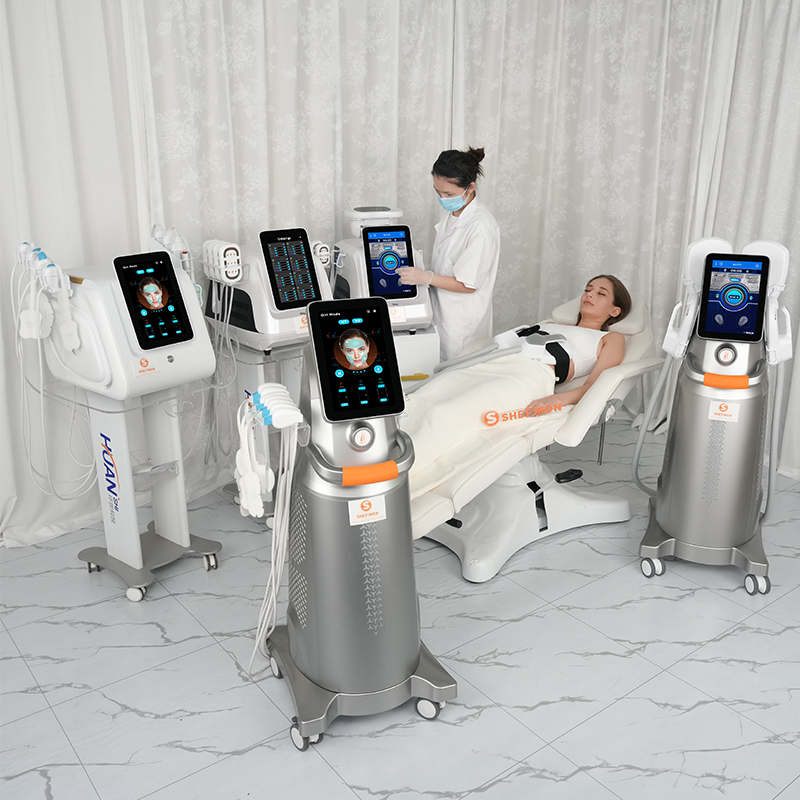
3. Aesthetic Centers: High-Intensity, Result-Oriented Treatment Facilities
3.1 Advanced equipment systems
Aesthetic centers represent a more advanced level of beauty service, focusing on visible transformation and deeper treatment outcomes. The equipment used includes high-intensity focused ultrasound (HIFU) systems for non-surgical lifting, advanced multi-polar RF devices for deep skin tightening, cavitation machines for fat reduction, and combined body contouring systems that integrate suction, heating, and stimulation technologies.
3.2 Treatment structure and professional standards
Services in aesthetic centers are highly structured and results-driven. Clients typically undergo consultations followed by multi-session treatment plans designed for specific goals such as lifting, slimming, or contour improvement. Machine settings are adjusted precisely according to treatment zones, skin condition, and desired outcomes, requiring highly trained operators.
3.3 Client expectations and experience
Clients in aesthetic centers usually expect more visible, longer-lasting, and sometimes transformative results. The environment is closer to a medical or semi-medical setting, with detailed explanations, structured procedures, and higher attention to safety and effectiveness. Machines play a central role in service delivery, often replacing manual techniques in key treatments.

4. Key Differences in Machines and Service Models
4.1 Equipment complexity and performance level
Skincare clinics use moderate-intensity machines designed for precision and skin safety. Beauty salons rely on simpler, multifunctional machines that support fast and efficient services. Aesthetic centers use advanced systems capable of deeper tissue penetration and stronger physical effects, enabling more dramatic results.
4.2 Treatment customization and professional depth
Customization levels increase across the three venues. Skincare clinics rely on detailed skin analysis and gradual treatment planning. Beauty salons focus on standardized packages with flexible adjustments. Aesthetic centers implement highly personalized protocols with technical machine calibration for each session.
4.3 Role of machines in service delivery
In skincare clinics, machines support targeted skin health improvement. In beauty salons, they enhance convenience and customer experience. In aesthetic centers, they act as the primary tool for achieving transformation-oriented outcomes. This difference clearly defines the function and identity of each venue.
Conclusion
Although skincare clinics, beauty salons, and aesthetic centers all operate within the broader beauty industry, their differences are largely defined by the types of machines they use and how those machines are applied in service delivery. From gentle skin maintenance tools to advanced body contouring systems, beauty equipment shapes not only treatment results but also customer expectations and business positioning. As technology continues to evolve, these venues will further refine their equipment strategies, but the core distinction will remain clear: the depth, precision, and intensity of the machines determine the identity and purpose of each beauty environment.