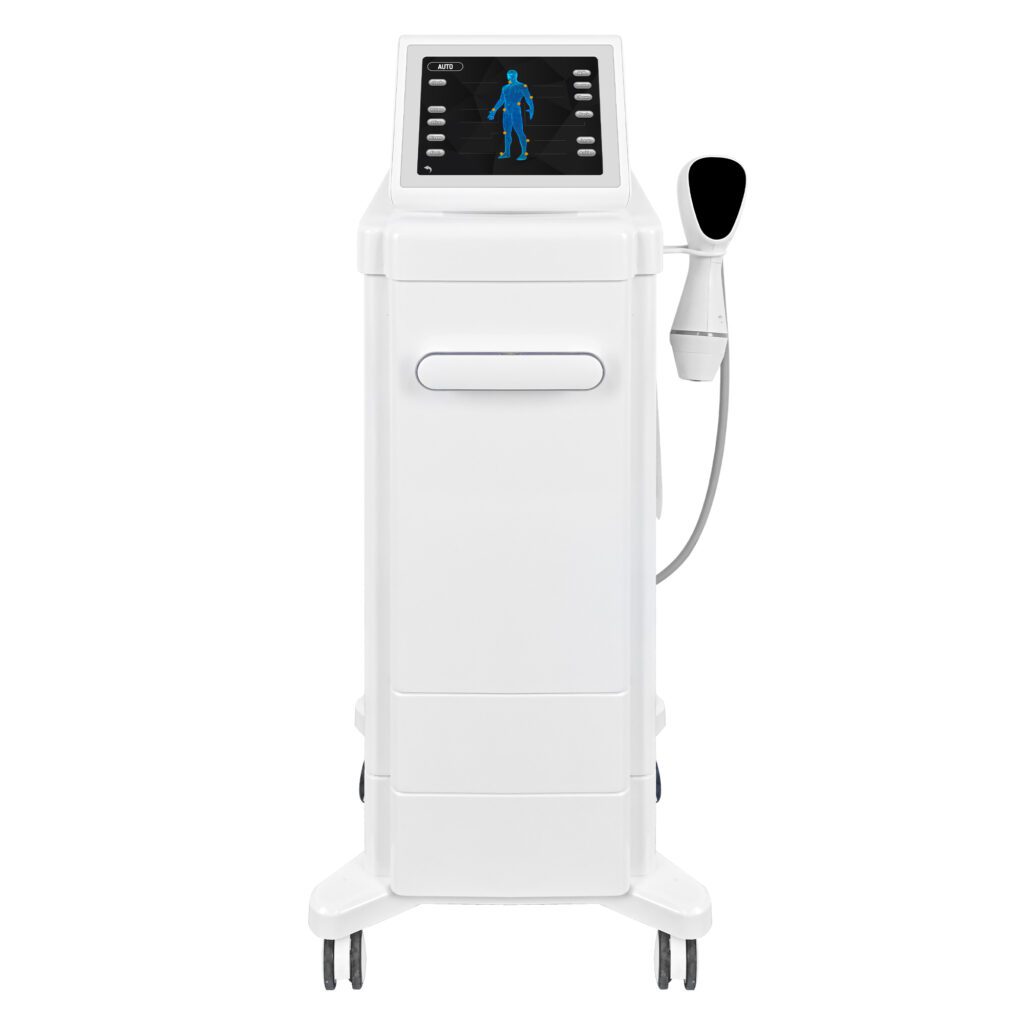
In recent years, beauty salons have been moving beyond traditional skincare and slimming services toward more advanced body-contouring solutions that promise faster and more noticeable results without surgery. Among these emerging technologies, EMS muscle stimulation systems—often enhanced with High-Intensity Pulsed Electromagnetic (HIPEM) technology—have become one of the most widely adopted tools for body shaping. Instead of focusing solely on fat reduction like older methods, these devices work by triggering deep, involuntary muscle contractions while also encouraging fat metabolism, creating a dual effect that aligns closely with modern client expectations for a toned, athletic physique with minimal effort and no downtime.
1. Shifting Consumer Expectations in Body Aesthetics
Today’s salon clients are no longer satisfied with treatments that only promise subtle slimming or temporary results. Influenced by fitness culture and social media aesthetics, many people now want visibly toned abs, lifted glutes, and defined arms without committing to long gym sessions.
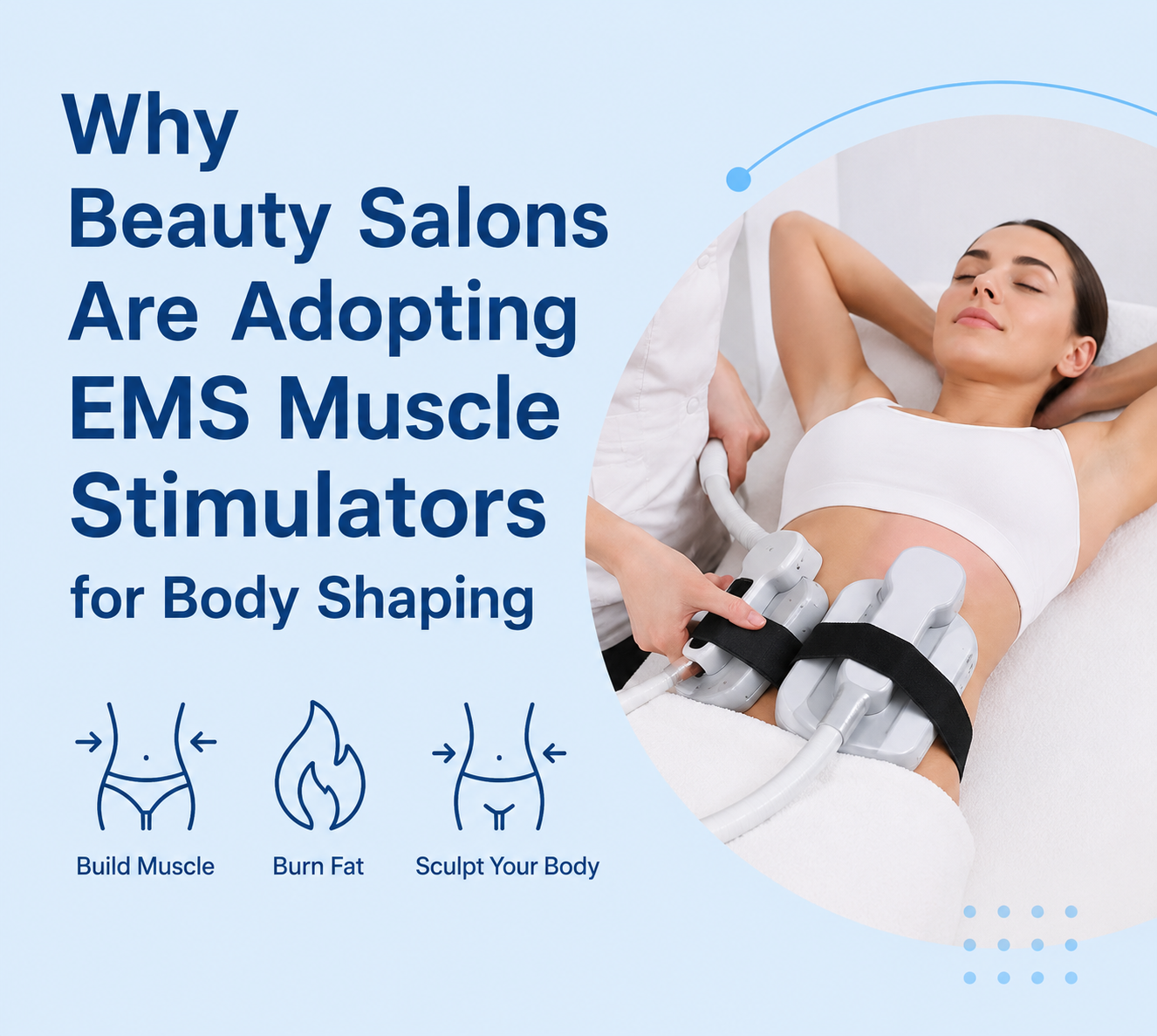
This shift has pushed salons to seek technologies that can simulate high-intensity exercise in a controlled, passive environment. EMS muscle stimulation fits this demand perfectly, as it creates thousands of powerful muscle contractions within a short 30-minute session. Devices based on HIPEM technology can even simulate exercise intensity equivalent to thousands of squats or crunches, making them highly attractive for clients who lack time for traditional fitness routines.
2. How EMS Technology Fits into Modern Salon Services
Beauty salons are increasingly positioning themselves as wellness and body transformation centers rather than purely cosmetic service providers. EMS systems integrate smoothly into this business model because they are non-invasive, easy to operate, and require no consumables or recovery management.
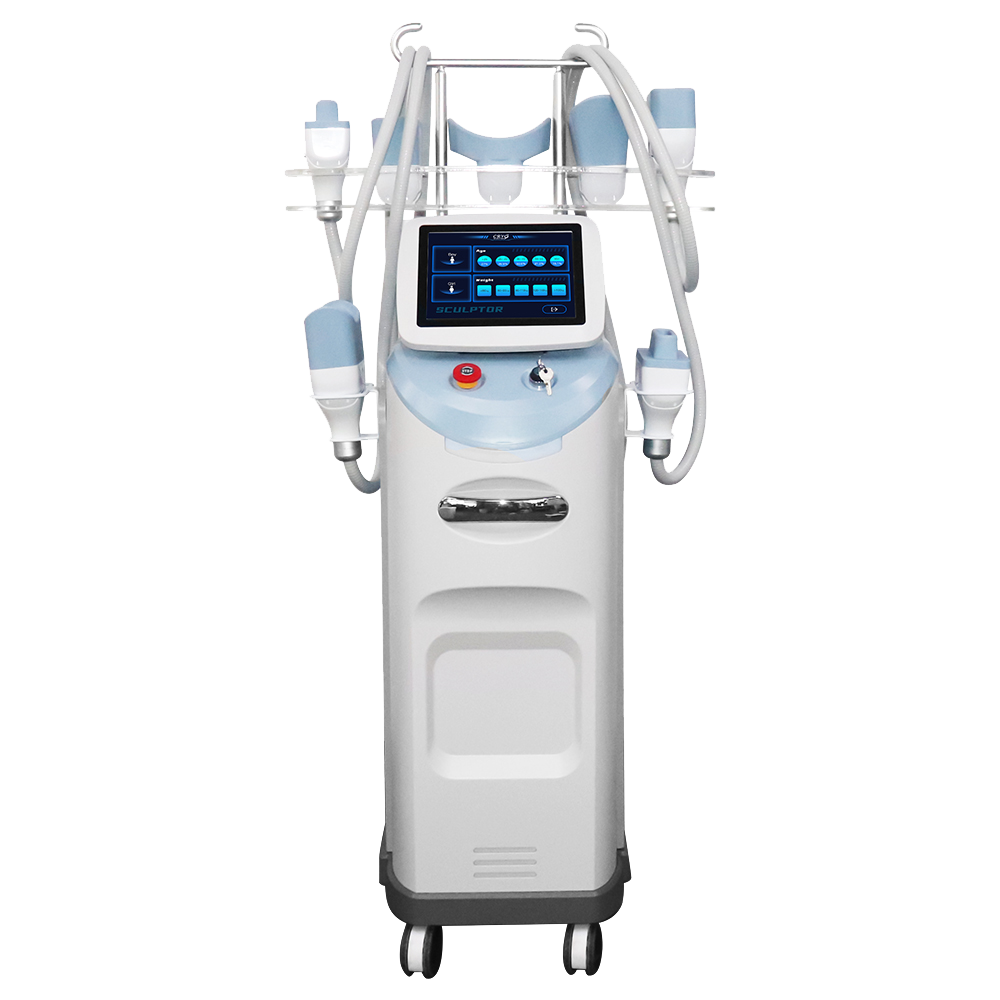
Advanced systems typically offer adjustable intensity levels, multiple frequency settings, and applicators designed for different body areas such as the abdomen, thighs, arms, and buttocks. This flexibility allows salons to personalize treatments based on client goals, whether the focus is muscle toning, body sculpting, or overall contour refinement.
From a service perspective, the simplicity of operation is also a major advantage. Staff do not need extensive medical training to deliver treatments, yet the results appear technologically advanced and professional, helping salons elevate their service offerings without dramatically increasing operational complexity.

3. The Appeal of Dual Action: Muscle Building and Fat Reduction
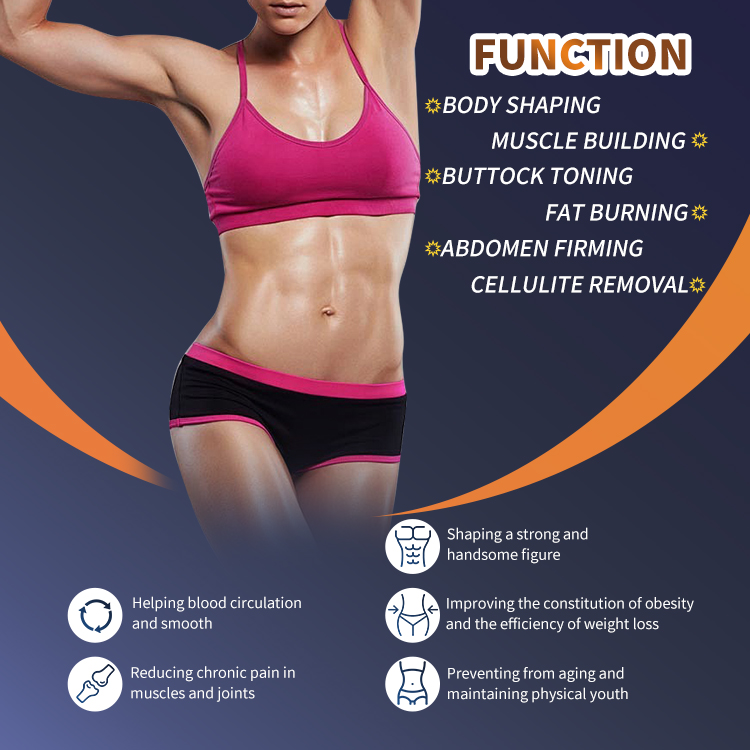
One of the main reasons EMS technology has gained traction in beauty salons is its dual-action mechanism. Unlike traditional slimming treatments that focus only on fat reduction, EMS stimulation simultaneously targets muscle growth and fat metabolism.
During treatment, supramaximal muscle contractions force muscle fibers to adapt and strengthen, similar to the effects of intensive strength training. At the same time, the energy demand created by these contractions stimulates lipolysis, which encourages the breakdown of fat in the surrounding tissue.
This combination is particularly appealing in the aesthetics industry because clients are not just looking to lose weight—they want to reshape their bodies. A reduction in fat alone does not always create the desired silhouette, but when paired with muscle strengthening, it results in a more defined and sculpted appearance.
4. Business Advantages Driving Salon Adoption
Beyond client demand, EMS systems are becoming popular in salons due to strong business incentives. Treatments are typically packaged in multi-session programs, often ranging from four to six sessions, which encourages repeat visits and improves customer retention.
Operationally, these devices require minimal ongoing costs since they do not rely on disposable consumables. Once installed, salons can offer repeated high-margin services with relatively low overhead. This makes EMS technology particularly attractive for business owners aiming to increase profitability without significantly expanding staff or space requirements.
Another key advantage is the perceived value of the treatment. Clients often associate EMS body sculpting with high-end, clinical-grade technology, allowing salons to position these services at premium price points compared to traditional slimming or massage treatments.
5. The Role of Comfort, Safety, and Convenience
Client experience plays a critical role in the adoption of any new beauty technology, and EMS systems perform well in this area. Treatments are generally described as comfortable and non-invasive, with clients simply lying down while the device works.
There is no need for anesthesia, no physical strain, and no recovery period, which makes the treatment accessible to a wide range of individuals, including those who may not engage in regular exercise. Sessions are also short—typically around 30 minutes—which fits easily into busy urban lifestyles.
This combination of comfort and convenience is a major factor in repeat bookings, as clients can integrate treatments into their routine without disruption.
6. Expanding Treatment Possibilities for Salons
Another reason salons are embracing EMS technology is its versatility. It is not limited to one body area or one type of aesthetic goal. Instead, it can be applied across multiple regions of the body depending on client needs.
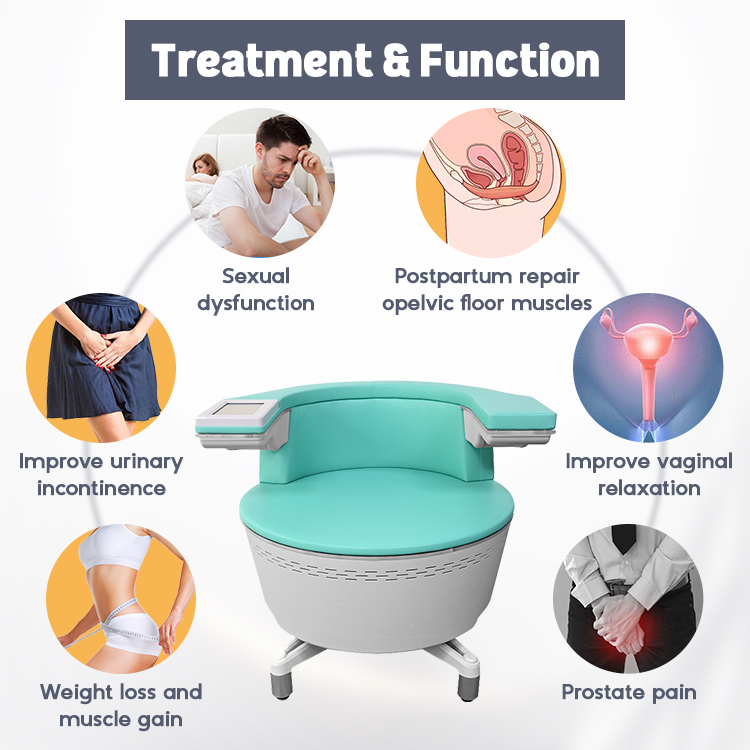
Common treatment focuses include abdominal tightening, glute lifting, arm toning, and thigh contouring. Some systems even offer specialized applications for pelvic floor strengthening, expanding their use beyond aesthetics into wellness-oriented services.
This versatility allows salons to diversify their service menus without investing in multiple separate technologies, making EMS systems a multifunctional solution for modern body shaping demands.
Conclusion
EMS muscle stimulation technology is being rapidly adopted by beauty salons because it aligns perfectly with the industry’s shift toward efficient, non-invasive, and results-driven body shaping solutions. By combining muscle activation and fat reduction in a single treatment, it meets modern client expectations for visible transformation without downtime or discomfort. At the same time, it offers salon owners a practical and profitable service model with low operational complexity and high perceived value. As demand for body contouring continues to grow, EMS systems are likely to remain a central technology in the evolution of beauty and wellness services.