









What Facial Rejuvenation Actually Means
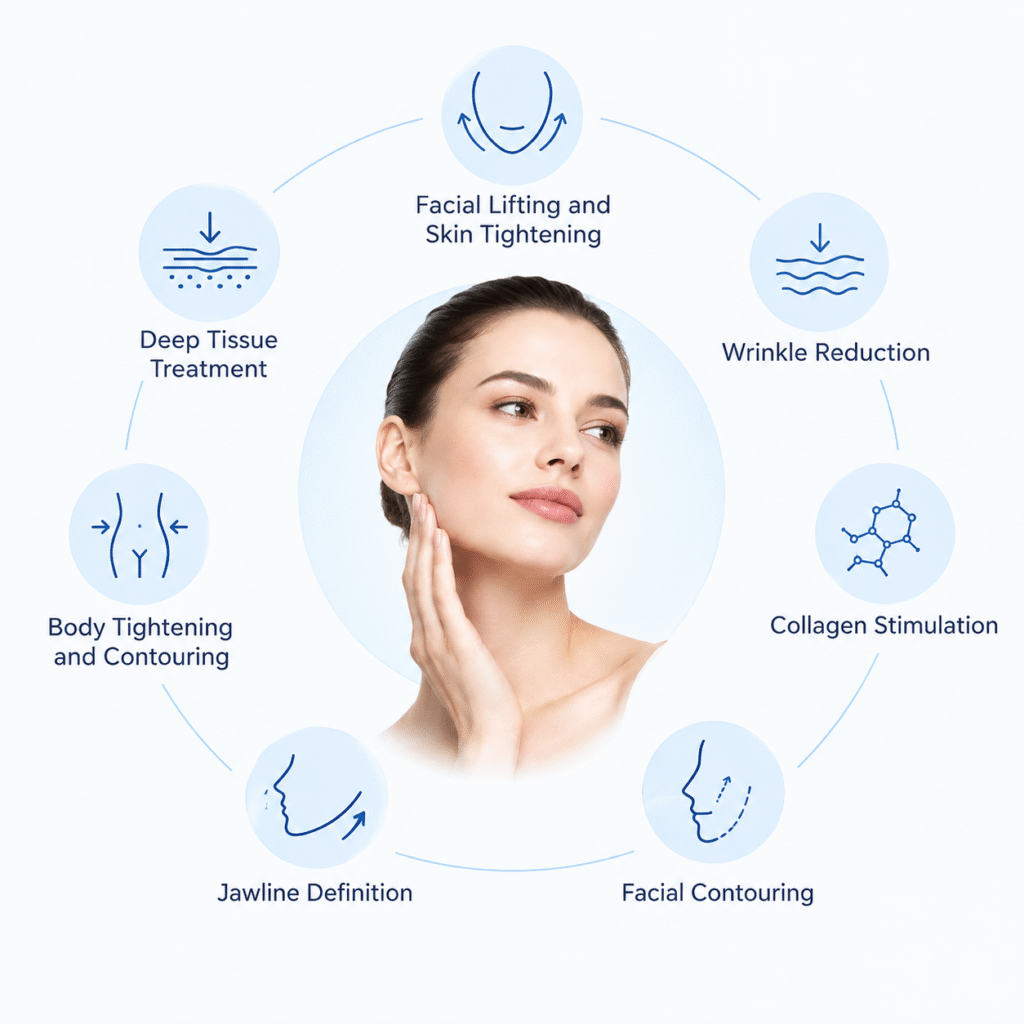
Facial rejuvenation is a broad term that includes treatments designed to improve the appearance of aging skin, facial contours, texture, pigmentation, wrinkles, and skin firmness. Some people hear the phrase and immediately think of facelifts or Botox, but modern facial rejuvenation is much more advanced and diverse than that. Today’s treatments range from non-invasive technologies with zero downtime to aggressive resurfacing procedures that dramatically renew the skin.
One reason facial rejuvenation has become so popular is because people are starting treatments earlier. Instead of waiting until severe sagging appears, many individuals in their late twenties and thirties now focus on preventative treatments that stimulate collagen before major aging develops. This “maintenance instead of repair” approach is changing the entire aesthetics industry.
The market has also shifted toward technologies that encourage the body to heal and rebuild naturally. Treatments like HIFU, RF microneedling, plasma therapy, and EMS facial stimulation don’t simply mask aging. They aim to activate collagen production, improve circulation, tighten tissue, and strengthen underlying facial structures. This is why many clinics now prefer device-based treatments instead of relying entirely on injectables.
According to recent ASPS statistics, minimally invasive cosmetic procedures account for over 90% of aesthetic treatment volume in the United States. That statistic alone tells you something important: people increasingly want results without surgery, long recovery times, or unnatural outcomes.
How Facial Aging Really Happens
To understand whether facial rejuvenation works, you first need to understand why faces age in the first place. Aging isn’t caused by one single issue. It’s a combination of skin thinning, collagen depletion, fat redistribution, muscle weakening, bone structure changes, and environmental damage. Think of your face like a mattress. When the springs weaken and the padding shifts, the surface starts to sag and wrinkle.
Collagen is one of the biggest players in facial aging. Starting in your mid-twenties, collagen production naturally decreases every year. Sun exposure, stress, smoking, pollution, and poor skincare accelerate that decline. As collagen breaks down, skin becomes thinner, looser, and less elastic. Fine lines slowly become deeper wrinkles, especially around the eyes, mouth, and forehead.
Another hidden factor is muscle tone. Facial muscles support the overlying skin. As muscles weaken and fat pads shift downward, the jawline loses definition and cheeks begin to droop. This is one reason newer technologies like EMS face sculpting and microcurrent devices have become so popular. Instead of focusing only on the skin surface, they target the deeper muscular structure of the face.
Lifestyle also matters more than most people realize. Lack of sleep, dehydration, chronic stress, sugar-heavy diets, and excessive alcohol consumption all accelerate inflammation and collagen degradation. Even the best facial rejuvenation device cannot fully compensate for poor lifestyle habits. The most successful anti-aging results usually come from combining treatments with healthy long-term skin maintenance.
The Science Behind Facial Rejuvenation
The reason modern facial rejuvenation works is because many technologies trigger the body’s natural healing mechanisms. Instead of artificially stretching the skin or temporarily masking wrinkles, these treatments create controlled stimulation beneath the surface. That stimulation encourages collagen remodeling, elastin production, tissue tightening, and skin regeneration.
For example, radiofrequency devices generate thermal energy deep within the dermis. That heat causes collagen fibers to contract immediately while also encouraging long-term collagen rebuilding over several months. A recent systematic review published on PubMed highlighted growing evidence supporting RF-based facial rejuvenation for improving skin laxity and texture.
HIFU works differently. It uses focused ultrasound energy to target the SMAS layer, which is the same foundational layer addressed during surgical facelifts. By heating precise tissue depths, HIFU creates tightening and lifting effects without surgery. Results appear gradually because collagen remodeling takes time.
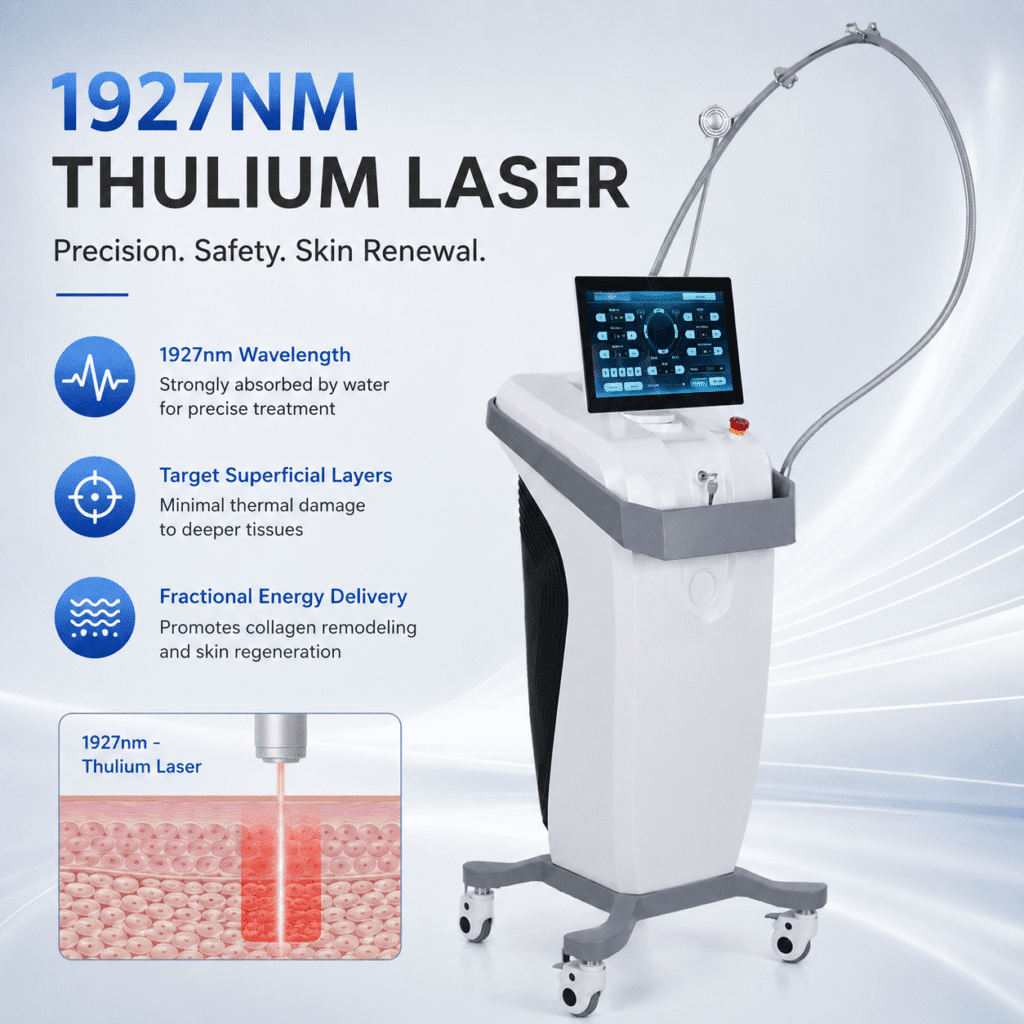
Laser resurfacing treatments focus more on skin renewal. Fractional CO2 lasers create micro-injuries that stimulate fresh skin regeneration and reduce scars, wrinkles, and pigmentation. Picosecond lasers use ultra-short pulses to break apart pigment particles while minimizing heat damage.
The key takeaway is this: facial rejuvenation works best when the treatment matches the actual aging concern. Tightening treatments are not ideal for pigmentation. Pigment lasers will not lift sagging muscles. EMS devices improve facial tone but cannot erase deep acne scars. Understanding this distinction is what separates realistic expectations from disappointment.
Do Non-Surgical Facial Treatments Really Work?
Yes, non-surgical facial rejuvenation treatments can work extremely well — but they are not magic. This is where many people get confused. Social media often shows dramatic before-and-after images that create unrealistic expectations. In reality, non-invasive treatments usually deliver gradual, natural-looking improvements rather than instant surgical-level transformations.
The best candidates are people with mild to moderate aging signs. Early skin laxity, fine lines, uneven texture, enlarged pores, dullness, mild acne scars, and loss of facial firmness often respond very well to modern device-based treatments. Younger patients also tend to see faster collagen responses because their skin still has stronger regenerative capacity.
One important trend in 2026 is combination therapy. Clinics rarely rely on a single treatment anymore. Instead, practitioners combine HIFU with RF microneedling, plasma therapy with hydro dermabrasion, or EMS muscle stimulation with laser resurfacing. Combining technologies addresses multiple aging layers simultaneously and often produces more noticeable outcomes.
Patient satisfaction also depends heavily on consistency. Many treatments require multiple sessions and maintenance appointments. Collagen remodeling is a slow biological process. You are essentially convincing your skin to behave younger again, and that takes time. Patients expecting overnight transformations often misunderstand how non-surgical rejuvenation works.
Online discussions reflect this mixed reality. Some Reddit users report impressive improvements after RF microneedling, especially for fine lines and texture, while others worry about risks like fat loss from aggressive settings. That highlights an important truth: the technology matters, but the practitioner’s skill matters just as much.
HIFU Facial Rejuvenation
HIFU, short for High-Intensity Focused Ultrasound, has become one of the most talked-about facial tightening treatments worldwide. Unlike surface-level treatments, HIFU targets deeper structural tissue beneath the skin. This deeper penetration is why many people call it a “non-surgical facelift.”
Shefmon 9D 7D Focused HIFU Machine and Shefmon VMAX HIFU Machine with RF represent the newer generation of multi-depth HIFU systems designed for lifting, tightening, and collagen stimulation.
The reason HIFU works is fairly straightforward. Focused ultrasound energy creates thermal coagulation points deep under the skin without damaging the surface. This process stimulates wound healing responses and collagen rebuilding. Over the following two to three months, the skin gradually becomes firmer and tighter.
The equation above is often used to model collagen decline over time, which is exactly why collagen-stimulating treatments like HIFU are designed to counteract age-related tissue weakening.
HIFU tends to work best for:
- Mild to moderate skin laxity
- Jawline softening
- Early jowls
- Neck tightening
- Brow lifting
- Preventative anti-aging
A recent beauty industry review described HIFU as effective for subtle lifting and collagen stimulation, especially in patients with early sagging rather than severe aging. The keyword there is subtle. HIFU is not equivalent to surgery, but it can create meaningful improvements when expectations are realistic.
RF Microneedling for Anti-Aging
RF microneedling has become one of the most requested aesthetic treatments because it combines two powerful technologies: mechanical collagen stimulation and radiofrequency heat. Tiny needles create controlled microchannels in the skin while RF energy heats deeper tissue layers simultaneously.
Devices like Shefmon MMRF Deepth 8 Microneedling RF and Desktop MMRF Deepth 8 Microneedling RF are designed to target acne scars, wrinkles, enlarged pores, and skin laxity.
RF microneedling became especially popular because it addresses multiple concerns at once. Traditional microneedling improves texture and stimulates collagen, but adding RF energy enhances skin tightening and remodeling. This makes it particularly useful for patients who want firmer skin without invasive procedures.
Many patients report improvements in:
- Acne scars
- Fine lines
- Enlarged pores
- Mild sagging
- Uneven texture
- Stretch marks
Community discussions online reveal that results can be impressive when treatments are performed correctly. Some Reddit users describe noticeable improvements in under-eye wrinkles and skin firmness after a single RF microneedling session. Still, there are ongoing debates about aggressive RF settings potentially causing unwanted facial fat loss in some cases.
That’s why proper energy settings, needle depth, and patient selection are critical. When performed conservatively and professionally, RF microneedling can deliver excellent long-term rejuvenation benefits.
Plasma and Laser Skin Treatments
Laser and plasma technologies are among the most effective tools for visible skin transformation. These treatments work by resurfacing damaged skin, stimulating collagen, and improving overall skin quality.
Shefmon CoolPlasma Cold Fusion Plasma Facial Device uses cold plasma technology to improve skin clarity, reduce inflammation, and support skin regeneration. Plasma treatments are becoming increasingly popular because they can deliver rejuvenation benefits with less thermal damage compared to some traditional lasers.
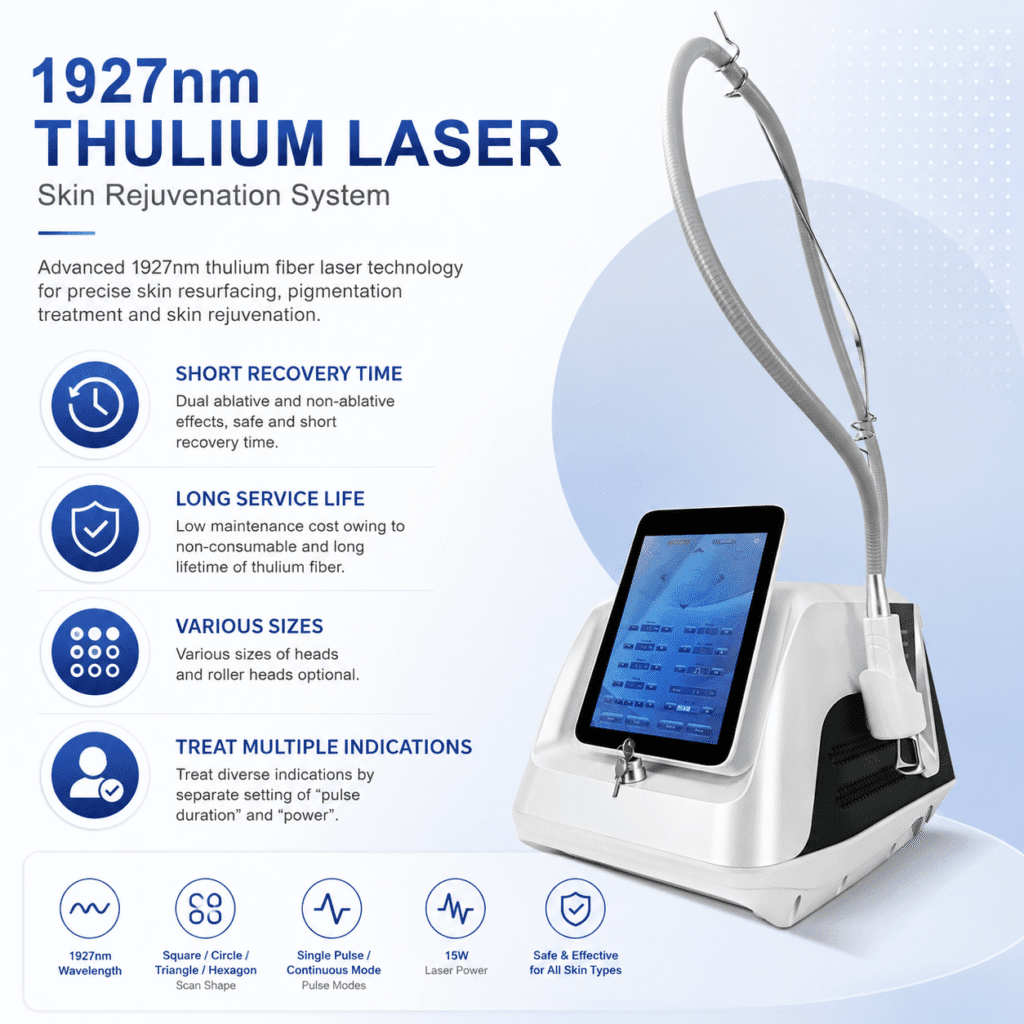
For more dramatic resurfacing, fractional CO2 lasers remain one of the gold standards. Shefmon 2910nm Fiber Fractional CO2 Ultra Laser and Professional Acne Scar Removal CO2 Fractional Laser Equipment target wrinkles, acne scars, texture issues, and severe sun damage.
Picosecond lasers are another major innovation. Shefmon Super Picosecond Picosure YAG Laser uses ultra-short pulse durations to shatter pigment with reduced heat injury, making it useful for pigmentation correction and skin rejuvenation.
Recent clinical studies continue to support collagen-stimulating laser procedures combined with hyaluronic acid treatments for improving facial rejuvenation outcomes. The combination approach appears especially effective because it addresses both skin quality and hydration simultaneously.
EMS Face Sculpting and Muscle Stimulation
One of the biggest shifts in modern aesthetics is the realization that aging is not just a skin problem. Facial muscles weaken over time, contributing to sagging and volume loss. That realization fueled the rise of EMS and microcurrent facial devices.
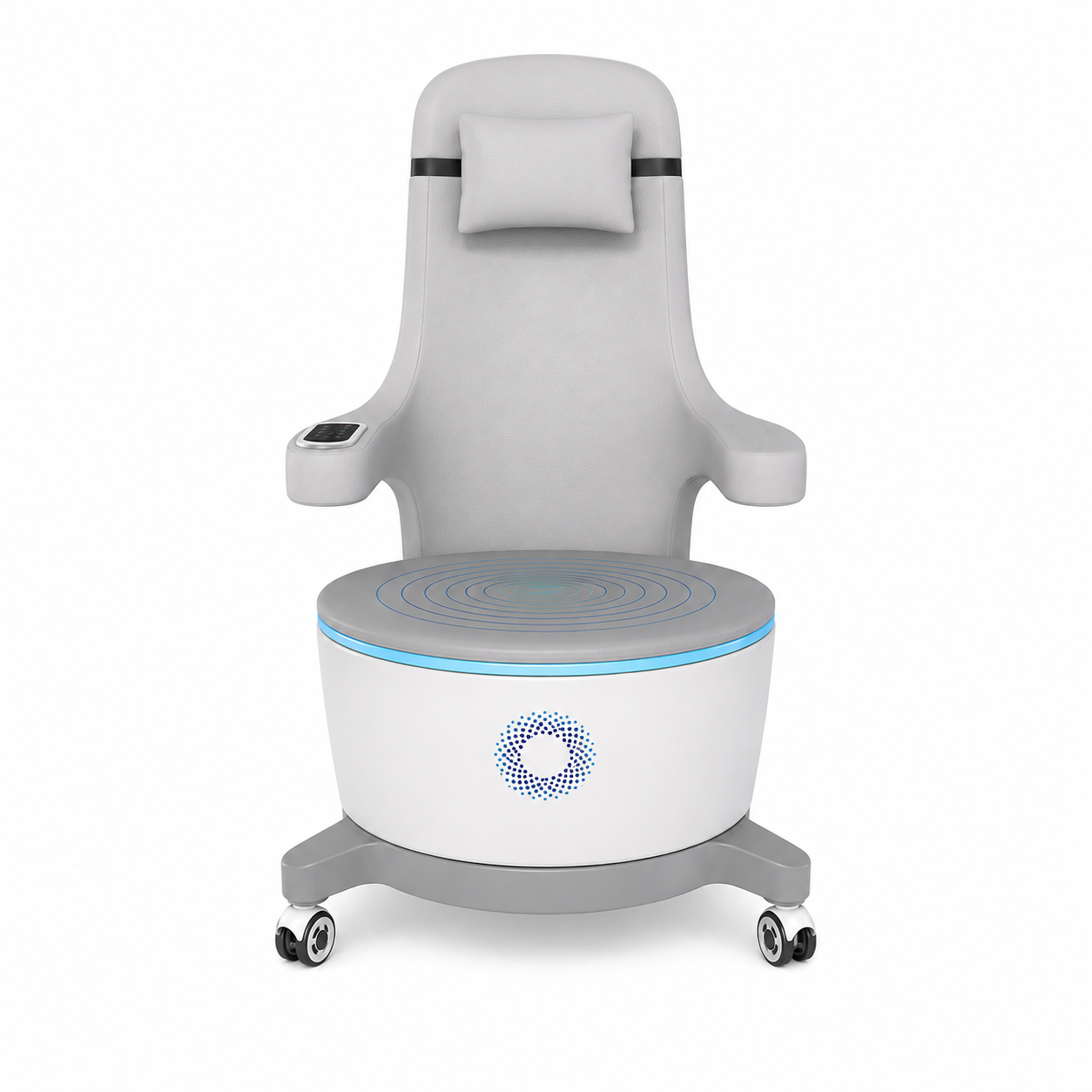
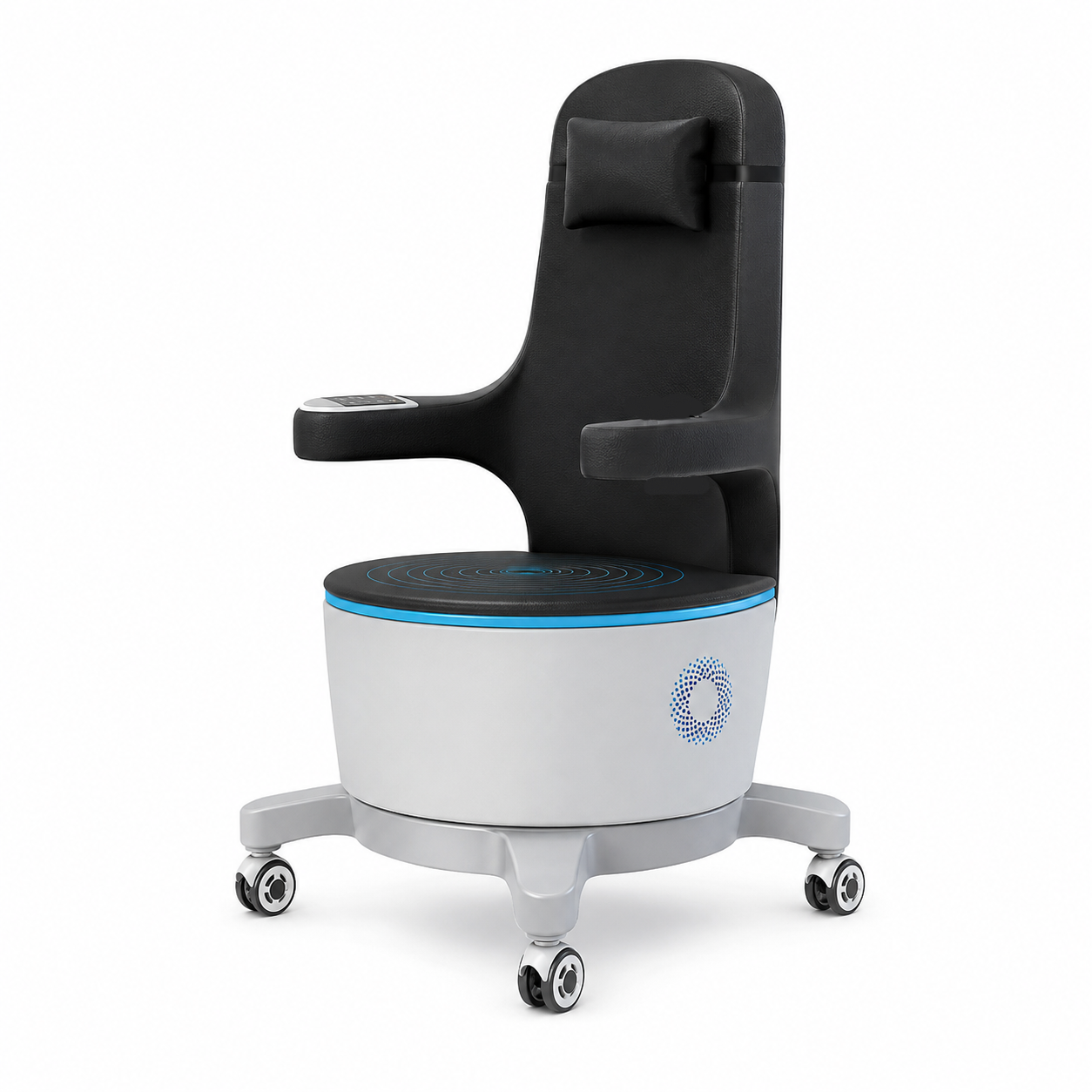
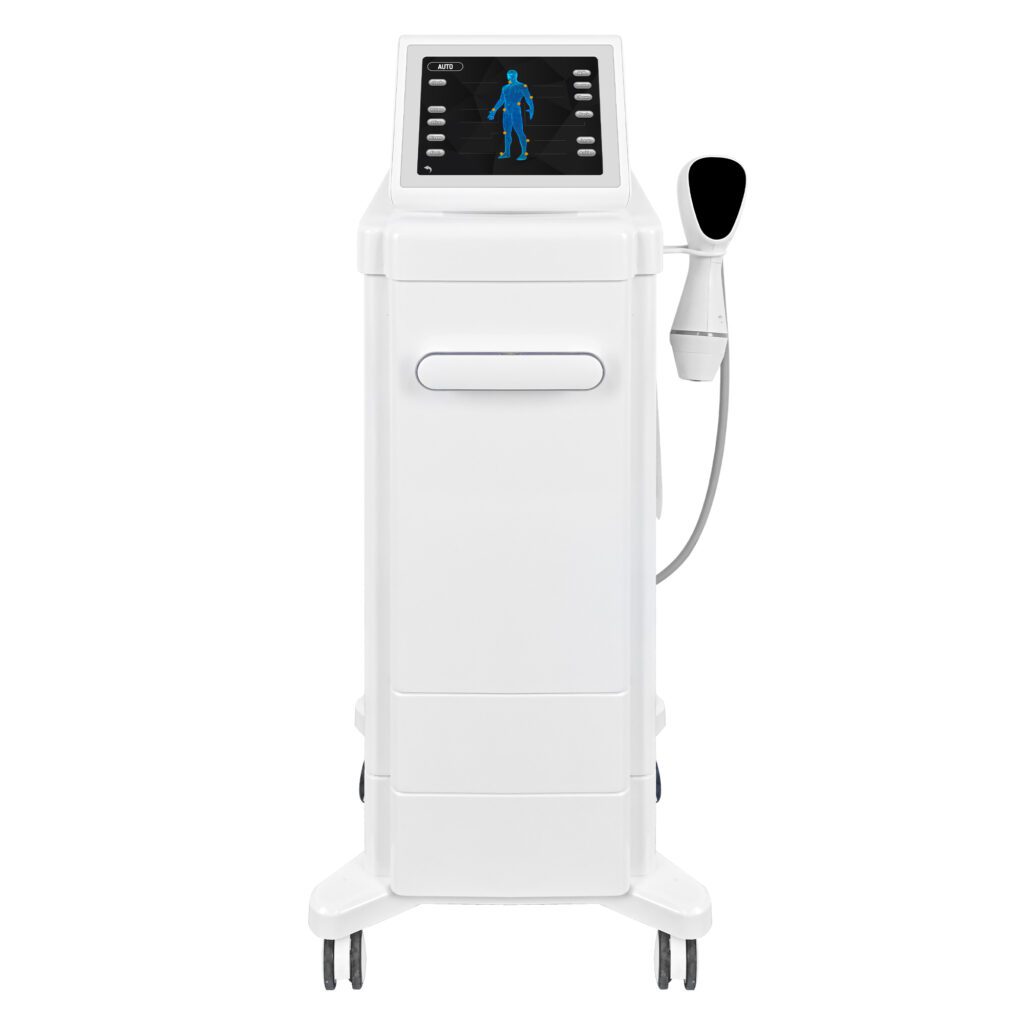
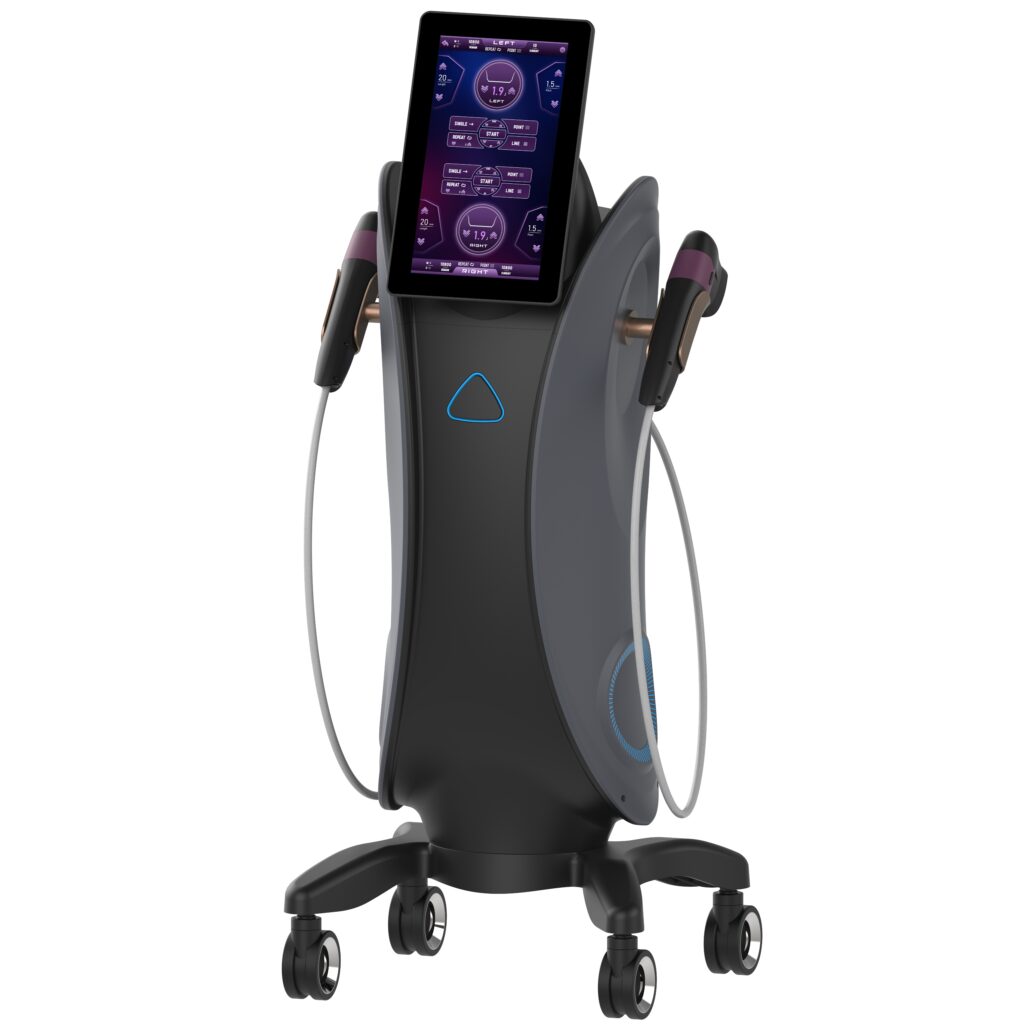
Magface EMFace Muscle Stimulators Machine and Shefmon EMFace EMS Face Sculpting Lifting Device are designed to stimulate facial muscles while improving skin firmness.
The idea behind EMS facial rejuvenation is surprisingly logical. Just as body muscles become stronger through exercise, facial muscles can also be stimulated and toned. EMS technology sends electrical impulses into the muscles, triggering contractions that improve tone and support facial structure.
Patients often use EMS devices for:
- Jawline definition
- Cheek lifting
- Facial contouring
- Muscle toning
- Preventative anti-aging
Results are typically more subtle than surgical lifting, but many patients appreciate the natural appearance. Instead of looking overfilled or frozen, the face simply appears firmer and more refreshed.
Hydro Dermabrasion and Skin Maintenance
Not every rejuvenation treatment needs to be aggressive. Sometimes healthy, glowing skin starts with proper exfoliation, hydration, and circulation support.
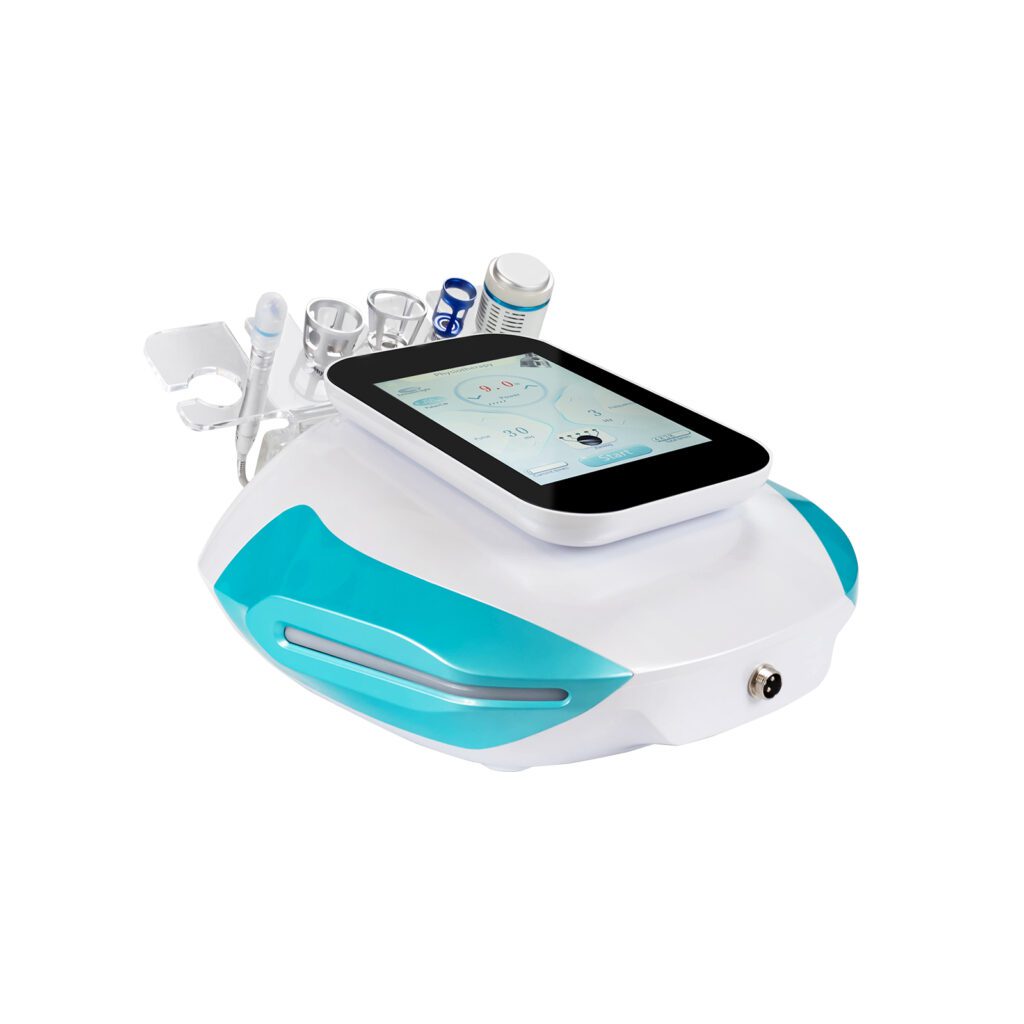
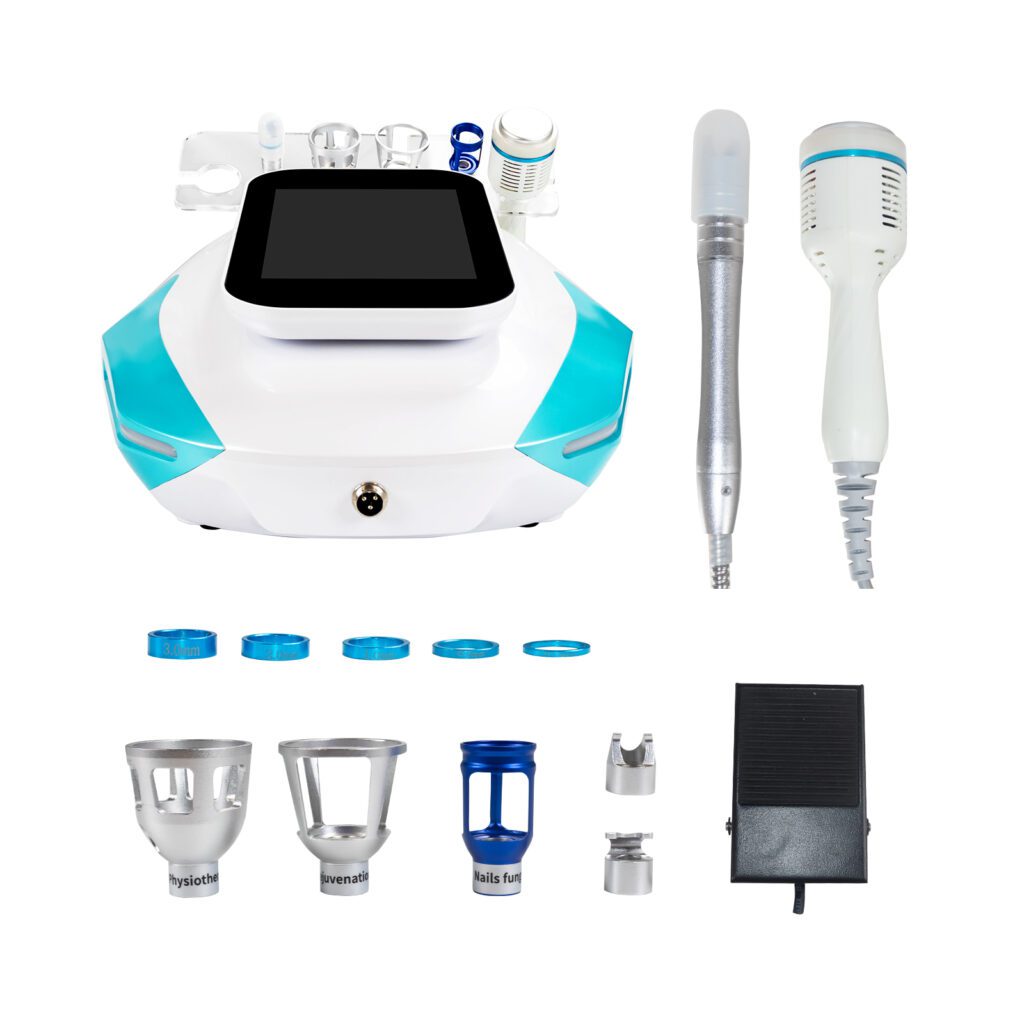
9-in-1 Diamond Hydro Microdermabrasion Peeling Machine focuses on cleansing, exfoliating, and hydrating the skin while improving product absorption.
Hydro dermabrasion treatments are often underestimated because they are gentler than lasers or HIFU. Yet they can significantly improve dullness, clogged pores, mild pigmentation, and overall skin brightness. Many clinics use these treatments as maintenance procedures between stronger rejuvenation sessions.
Healthy skin maintenance matters because rejuvenation isn’t only about tightening. Bright, hydrated, evenly textured skin naturally appears younger. That’s why many professionals combine hydro dermabrasion with RF, plasma, or laser procedures for comprehensive facial improvement.
Risks, Side Effects, and Common Mistakes
Facial rejuvenation can absolutely work, but it is not risk-free. One of the biggest mistakes patients make is chasing extreme results too quickly. Over-treatment is becoming a growing concern in the aesthetics industry.
The backlash against “filler face” reflects this issue perfectly. Many patients now prefer subtle collagen stimulation and skin tightening rather than excessive injectables. Overfilled faces, unnatural lips, and overly tight skin have pushed both patients and practitioners toward more balanced approaches.
Potential risks of facial rejuvenation treatments include:
- Burns
- Hyperpigmentation
- Swelling
- Temporary redness
- Fat loss
- Scarring
- Infection
- Uneven texture
The risk level depends heavily on the technology and practitioner expertise. Devices using heat-based energy require careful calibration, especially for darker skin tones. Incorrect settings can cause unwanted tissue damage or pigmentation complications.
Patients also need realistic expectations. Non-surgical rejuvenation can improve aging signs, but it cannot permanently stop aging itself. Maintenance treatments remain essential.
Choosing the Right Facial Rejuvenation Device
The best facial rejuvenation treatment depends entirely on the problem you want to solve. There is no universal “best” device for everyone.
Here’s a quick comparison of popular technologies:
| Treatment | Best For | Downtime | Main Benefit |
|---|---|---|---|
| HIFU | Skin lifting | Minimal | Deep tightening |
| RF Microneedling | Texture + firmness | Moderate | Collagen remodeling |
| CO2 Laser | Wrinkles + scars | Higher | Resurfacing |
| Picosecond Laser | Pigmentation | Low | Pigment correction |
| EMS Face Sculpting | Facial tone | None | Muscle stimulation |
| Hydro Dermabrasion | Skin glow | None | Cleansing + hydration |
| Plasma Therapy | Skin regeneration | Low | Healing support |
Some clinics also combine facial treatments with body contouring technologies like 3-in-1 Super Lipolaser RF EMS Muscle Stimulator and 448K Tecar Vertical Monopolar RF Lifting Machine for broader anti-aging and wellness programs.
The most important factor is customization. A good treatment plan should consider your age, skin type, lifestyle, budget, and long-term goals instead of following trends blindly.
Conclusion
So, does facial rejuvenation really work?
Yes — when the right treatment is matched to the right concern, facial rejuvenation can deliver genuinely impressive results. Modern technologies can tighten skin, improve texture, stimulate collagen, reduce pigmentation, soften wrinkles, and even strengthen facial muscle tone. The science behind these treatments is real, and the growing popularity of minimally invasive procedures proves that millions of people see value in them.
At the same time, no treatment can completely stop aging or replace healthy lifestyle habits. The best outcomes come from realistic expectations, consistent maintenance, and choosing experienced professionals who understand facial anatomy and technology settings.
The future of facial rejuvenation is moving toward natural-looking enhancement rather than dramatic transformation. Patients increasingly want to look healthier, fresher, and more confident — not artificial. That shift is exactly why collagen stimulation, RF technology, HIFU, plasma therapy, EMS muscle sculpting, and advanced laser systems continue to dominate the aesthetics industry in 2026.
FAQs
1. How long do facial rejuvenation results last?
Results vary depending on the treatment. HIFU and RF microneedling may last 6–18 months, while laser resurfacing results can last several years with proper skincare and sun protection.
2. Which facial rejuvenation treatment works best for sagging skin?
HIFU and RF-based treatments are among the best non-surgical options for mild to moderate sagging because they stimulate collagen and tighten deeper tissue layers.
3. Is facial rejuvenation painful?
Most treatments involve mild to moderate discomfort rather than severe pain. Clinics often use numbing cream or cooling systems to improve comfort during procedures.
4. Can facial rejuvenation replace a facelift?
Non-surgical treatments can improve early aging signs, but they cannot fully replicate the dramatic lifting effect of surgery in cases of severe skin laxity.
5. What age should you start facial rejuvenation treatments?
Many people begin preventative treatments in their late twenties or thirties. Starting earlier often means maintaining collagen levels instead of trying to reverse advanced aging later.