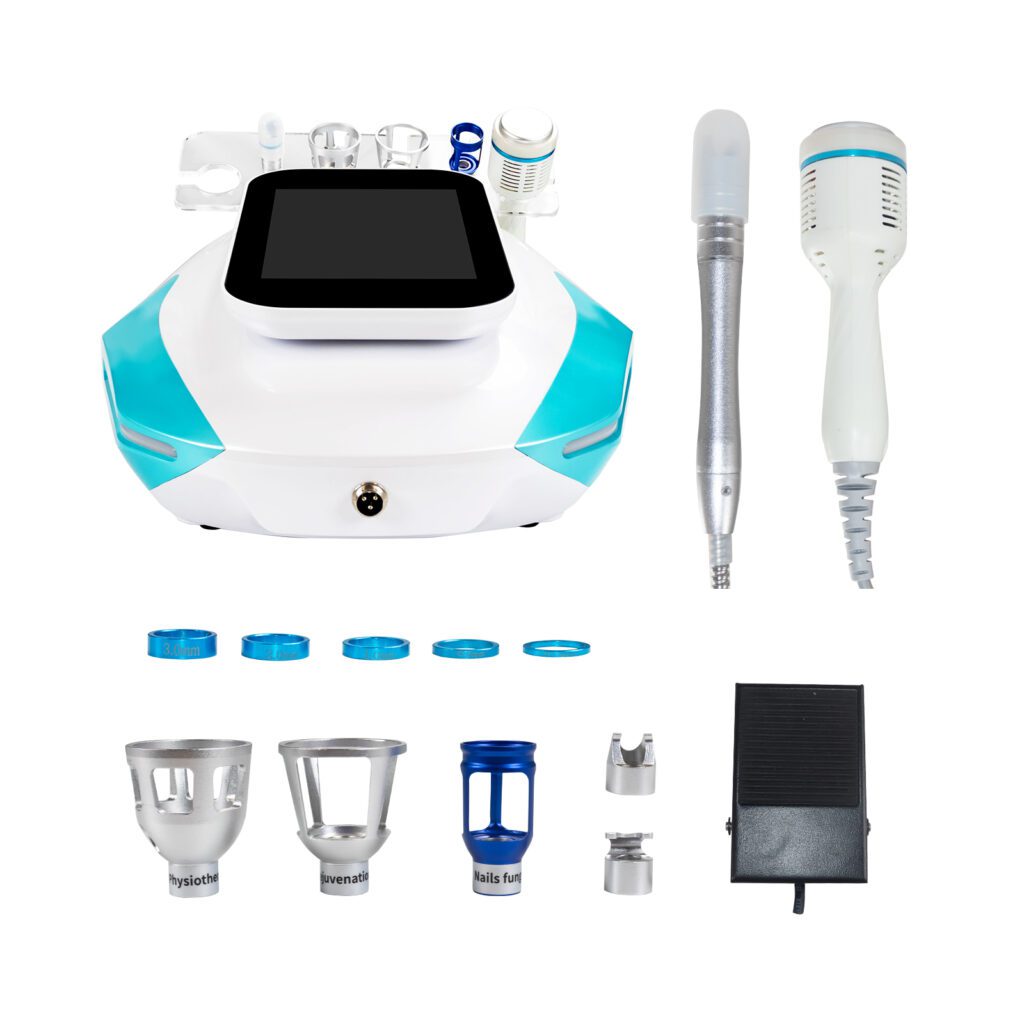
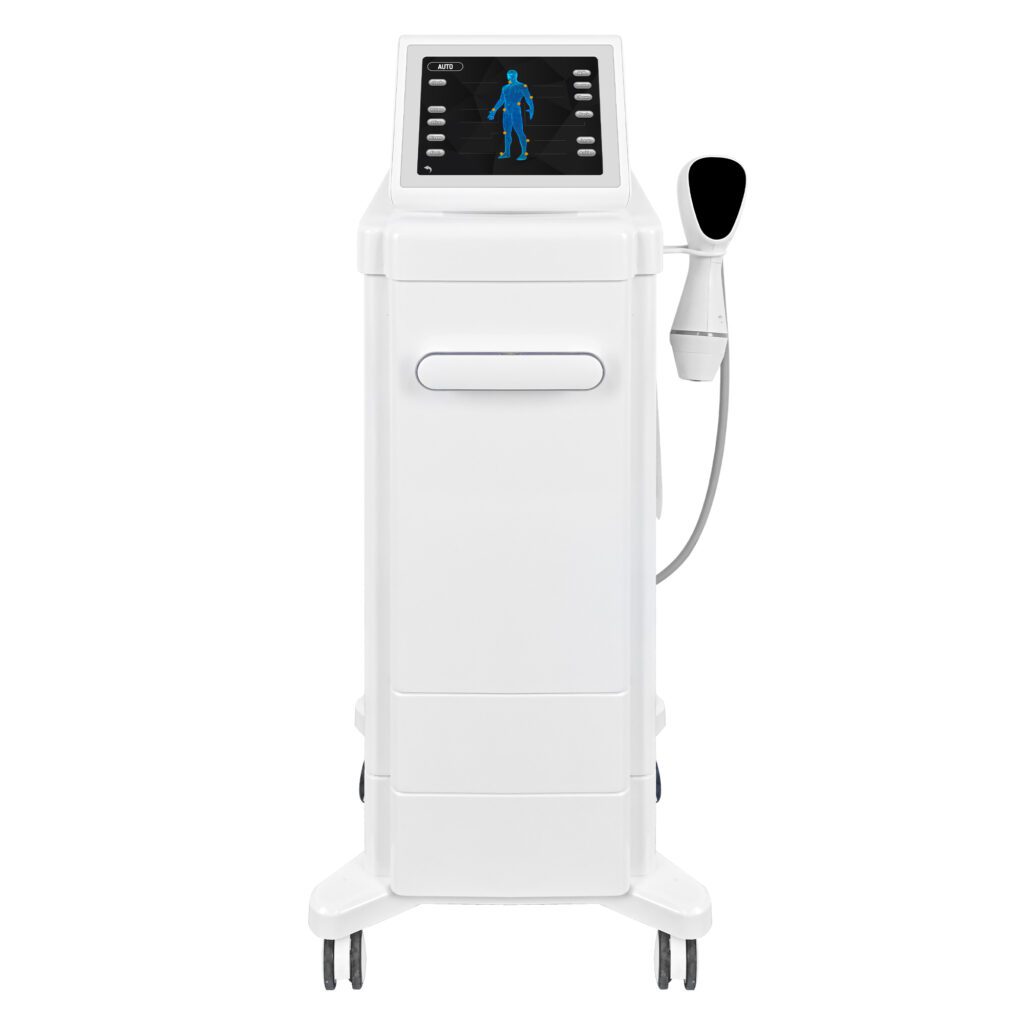
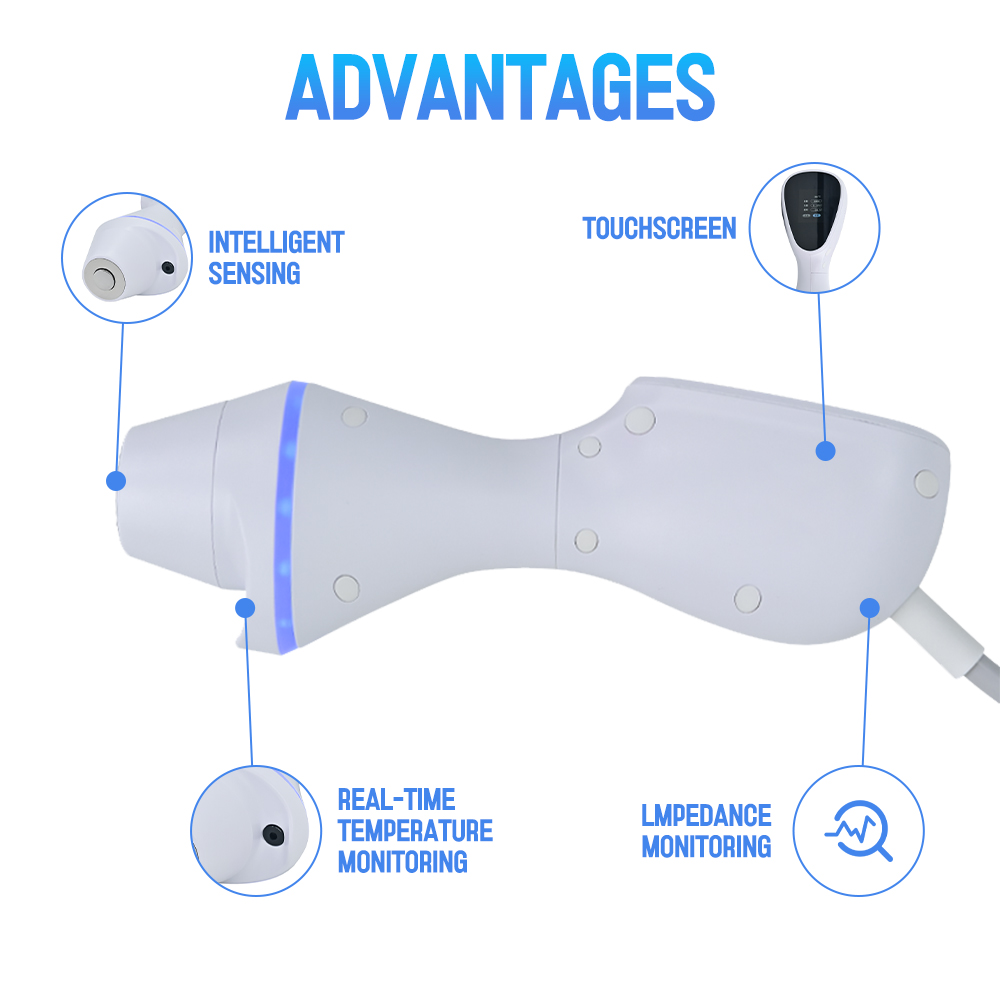
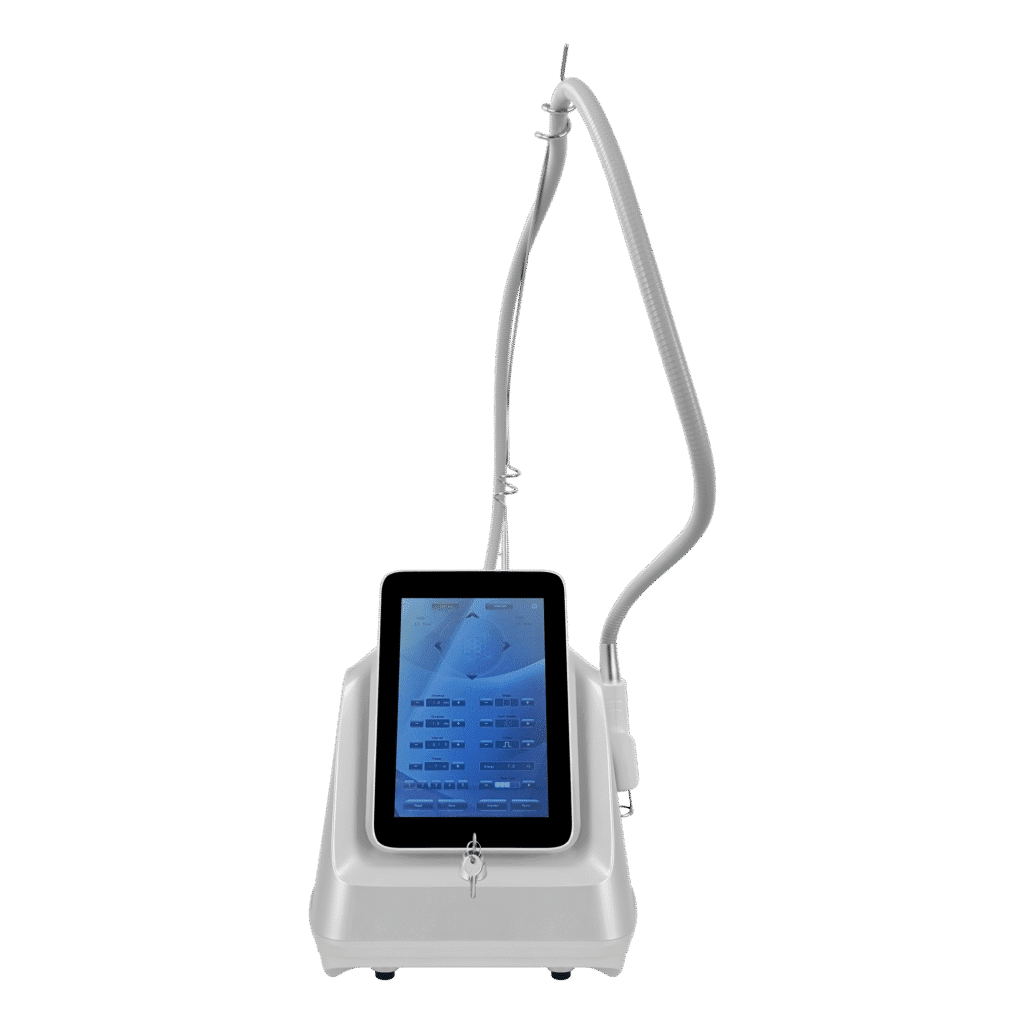
EMS (Electrical Muscle Stimulation) and microcurrent facial devices have become essential tools in modern aesthetic clinics. These technologies provide non-invasive lifting, muscle toning, and skin rejuvenation without surgery or downtime. By stimulating facial muscles and improving cellular activity, EMS microcurrent treatments help enhance facial contours and reduce signs of aging. For beauty clinics, med spas, and professional aestheticians, choosing the right EMS microcurrent device is critical for delivering effective results and ensuring client satisfaction. This guide explains how these devices work and what factors professionals should consider when selecting the best EMS facial machine.
1. Understanding EMS and Microcurrent Facial Technology
1.1 What Is EMS Facial Stimulation?
EMS technology works by delivering controlled electrical pulses that stimulate facial muscles beneath the skin. These gentle pulses cause muscles to contract and relax, similar to a workout for the face. Over time, this process helps improve muscle tone, tighten the skin, and enhance facial contours.
By strengthening muscles such as the zygomaticus and jawline muscles, EMS devices can create a natural lifting effect that improves the appearance of sagging cheeks and loose skin.
1.2 The Role of Microcurrent in Skin Rejuvenation
Microcurrent technology operates at a cellular level. It increases ATP (cellular energy) production and stimulates collagen and elastin synthesis, which are essential for youthful skin.
Benefits of microcurrent therapy include:
Improved skin firmness and elasticity
Reduction of fine lines and wrinkles
Enhanced blood circulation and skin glow
Better absorption of skincare products
When EMS and microcurrent technologies are combined in one device, they provide both muscle toning and skin rejuvenation, making them highly effective for professional facial treatments.
2. Why Professional Clinics Use EMS Face Microcurrent Devices
2.1 Non-Invasive Face Lifting
Many clients want visible lifting results without surgery or injectables. EMS microcurrent treatments offer a non-invasive solution that stimulates facial muscles and promotes collagen regeneration.
Clinics often use advanced systems such as the Emface to target facial muscles and improve skin firmness with electrical stimulation and energy-based technologies.
2.2 Versatile Treatment Applications
Professional EMS facial devices can be used for multiple aesthetic treatments, including:
Facial lifting and tightening
Jawline sculpting
Double chin reduction
Wrinkle and fine line improvement
Skin rejuvenation
This versatility allows clinics to offer comprehensive facial treatment programs using a single machine.
2.3 High Client Demand
Non-invasive aesthetic treatments continue to grow in popularity worldwide. EMS microcurrent treatments are particularly attractive because they are safe, comfortable, and require little to no downtime.
For clinics, investing in professional EMS equipment can significantly expand service offerings and increase treatment revenue.
3. Key Factors to Consider When Choosing an EMS Microcurrent Device
3.1 Technology Combination
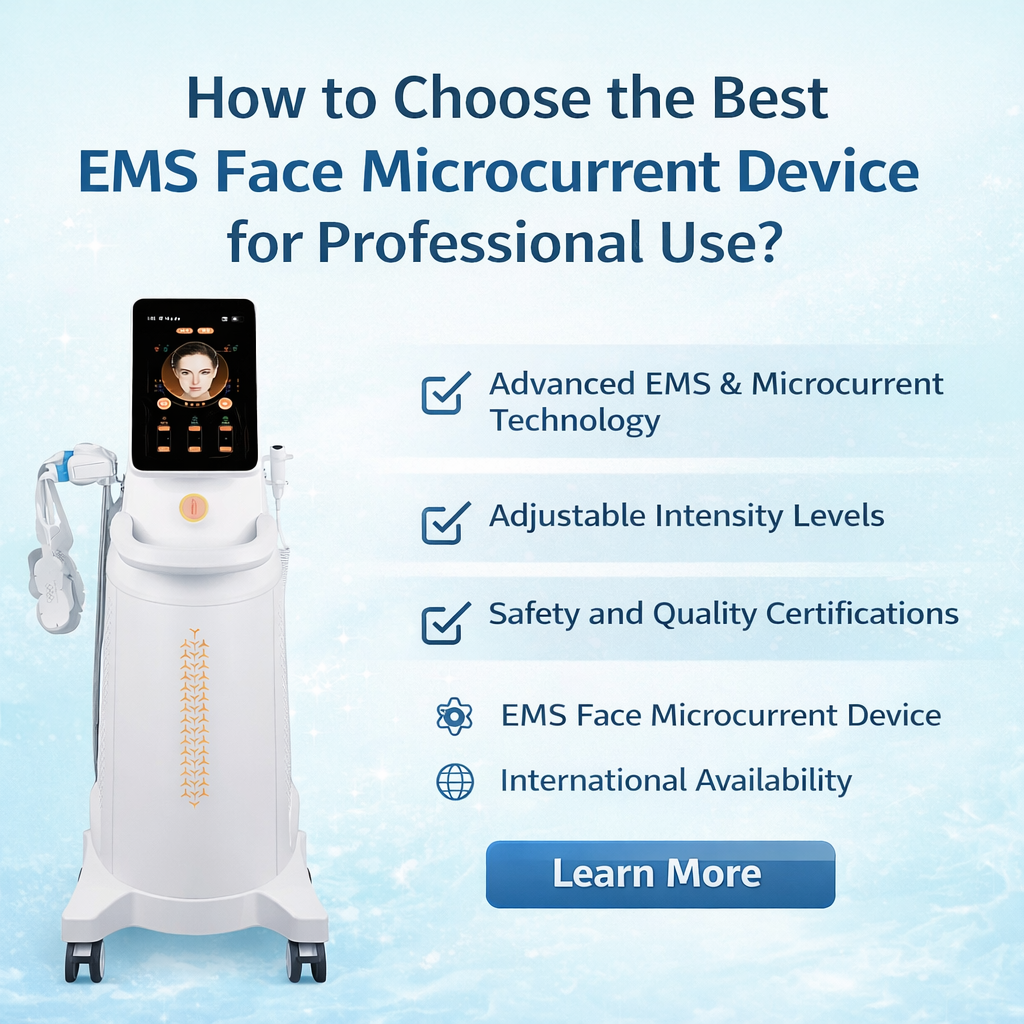
The best professional devices combine EMS muscle stimulation with microcurrent therapy. This dual technology allows clinics to treat both the muscle layer and skin cells simultaneously.
EMS strengthens and lifts facial muscles, while microcurrent stimulates collagen production and improves skin texture. Together, they deliver more comprehensive anti-aging results.
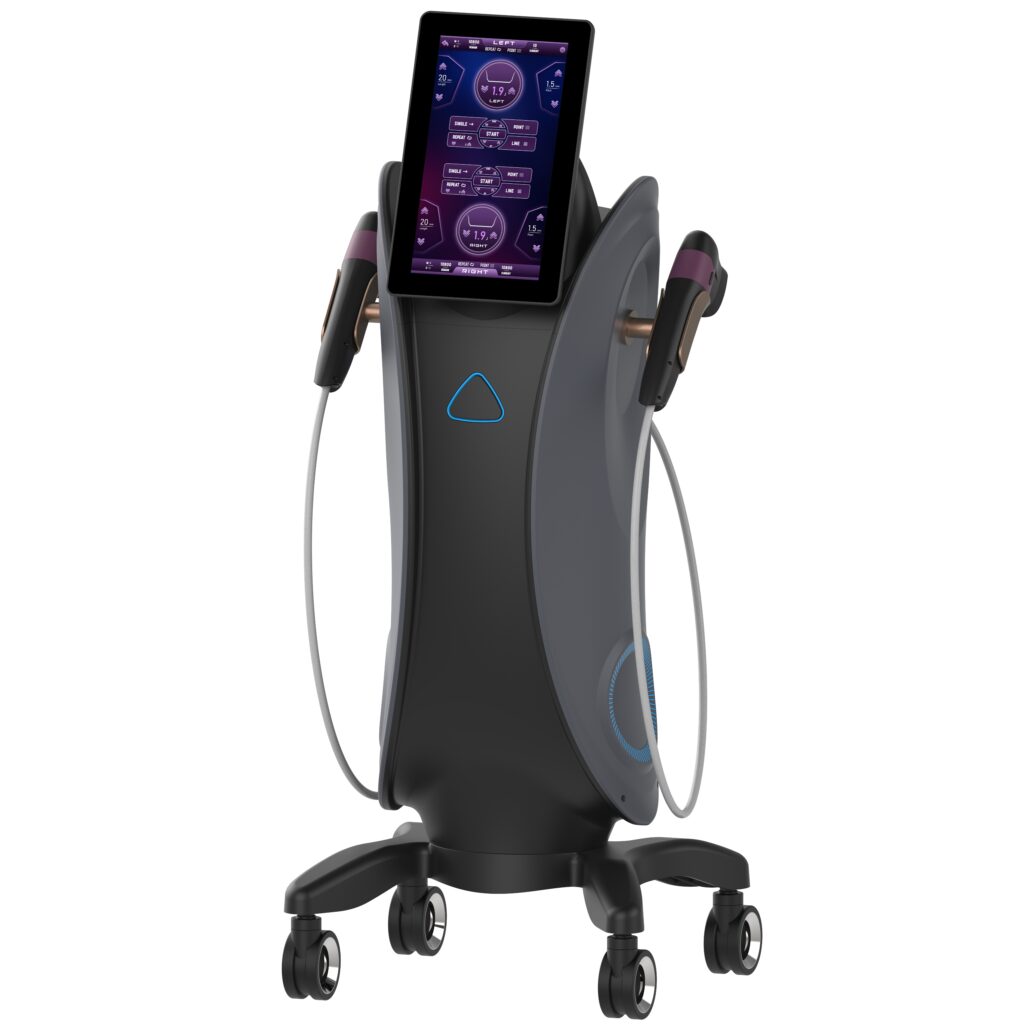
A professional system such as the Magface EMS facial device provides strong muscle stimulation designed for aesthetic clinics.
https://shefmon.com/product/magface-emface-muscle-stimulators-machine-for-sale/

3.2 Adjustable Energy Levels
Different clients have different skin sensitivity levels and treatment needs. A professional EMS facial machine should offer adjustable intensity levels so practitioners can customize treatments.
Key benefits of adjustable settings include:
Safer treatments for sensitive skin
More precise control for different facial areas
Personalized treatment protocols
Clinics can gradually increase intensity during sessions to maximize results while maintaining client comfort.
3.3 Ergonomic Design and Ease of Use
Professional beauty machines should be easy to operate during long treatment sessions. Devices designed for clinics typically feature ergonomic handpieces and user-friendly control interfaces.
Lightweight handpieces and intuitive controls allow aestheticians to perform precise facial movements without causing fatigue during treatments.
3.4 Safety and Certifications
Safety is one of the most important factors when choosing professional aesthetic equipment. Look for EMS microcurrent devices that include:
Automatic power control systems
Overcurrent protection
Medical-grade materials
International certifications (such as CE or FDA compliance)
These features ensure reliable performance and protect both practitioners and clients during treatments.
3.5 Treatment Efficiency
Time efficiency is important for clinics managing multiple clients per day. A high-quality EMS facial device should deliver noticeable results in relatively short sessions.
Most professional treatments typically last 15–20 minutes, making them convenient for clients and allowing clinics to maximize appointment scheduling.
An advanced example is the SHEFMON EMS face sculpting system, designed specifically for professional lifting and contouring treatments.
https://shefmon.com/product/shefmon-emface-ems-face-sculpting-lifting-microcurrent-device/

4. Professional Treatment Protocol for EMS Facial Devices
To achieve the best results, clinics should follow a structured treatment protocol.
Step 1: Skin Preparation
Cleanse the client’s face thoroughly to remove oils, makeup, and impurities. Clean skin improves electrical conductivity and treatment effectiveness.
Step 2: Apply Conductive Gel
A conductive gel is applied to ensure proper transmission of EMS and microcurrent energy through the skin.
Step 3: Select the Appropriate Intensity
Start with a low intensity level and gradually increase based on the client’s comfort level.
Step 4: Perform Lifting Movements
Move the device upward along the jawline, cheeks, and forehead to stimulate facial muscles and improve contour.
Step 5: Treatment Frequency
For optimal results, treatments are typically recommended 2–3 times per week initially, followed by maintenance sessions.
Consistent use helps maintain muscle tone and prolong lifting effects.
5. Future Trends in EMS Facial Technology
The aesthetic industry continues to evolve rapidly. Modern EMS facial devices now integrate multiple technologies such as:
Microcurrent
Radio frequency
LED light therapy
AI-controlled treatment protocols
These innovations allow clinics to deliver more personalized and effective treatments.
In the future, EMS facial machines will likely become even more advanced, combining smart technology, automated treatment modes, and enhanced safety systems.
Conclusion
EMS face microcurrent devices are powerful tools for professional aesthetic clinics seeking effective non-invasive facial treatments. By stimulating facial muscles and improving cellular activity, these devices can deliver visible lifting, contouring, and rejuvenation results. When choosing the best EMS microcurrent device for professional use, clinics should consider factors such as technology combination, adjustable intensity levels, ergonomic design, safety features, and treatment efficiency. With the right equipment, beauty clinics can offer advanced facial sculpting treatments that improve client satisfaction while expanding business opportunities in the rapidly growing aesthetic industry.