





Choosing the right hair removal technology can feel confusing, especially when clinics and brands all promise “permanent” results. Among the most discussed options, Diode Laser Hair Removal and IPL Hair Removal often come head-to-head. They may look similar on the surface, but their treatment principles, effectiveness, and clinical applications are quite different. Understanding these differences is essential for clinics deciding on equipment, and for clients choosing the most suitable treatment for their skin and hair type.
1. Understanding the Core Technology Behind Each Method
Diode Laser Hair Removal is based on a single, concentrated wavelength of laser light, usually around 808 nm. This wavelength is specifically designed to target melanin in the hair follicle. The energy penetrates deep into the dermis, heats the follicle, and disables its ability to regrow hair.
IPL Hair Removal, short for Intense Pulsed Light, works differently. Instead of a single wavelength, IPL emits a broad spectrum of light. Filters are used to target melanin, but the energy is more scattered. This makes IPL more versatile for skin treatments, but less precise for hair removal.
2. Precision and Energy Delivery
One of the biggest differences in treatment lies in precision. Diode lasers deliver energy in a focused and controlled way, allowing more heat to reach the hair follicle with minimal impact on surrounding skin. This precision is why diode lasers are widely used in professional clinics.
IPL devices spread light across multiple wavelengths, which means some energy is lost before reaching the follicle. As a result, IPL often requires more sessions to achieve similar levels of hair reduction.
3. Treatment Effectiveness and Results
When comparing Diode Laser Hair Removal VS IPL Hair Removal, effectiveness is often the deciding factor. Diode lasers are generally more effective on coarse, dark hair because of their strong melanin targeting and deeper penetration. Many clients notice visible hair reduction after fewer sessions.
IPL can still reduce hair growth, but results are usually more gradual. It works best on lighter skin tones with darker hair, and maintenance sessions are more common. Clinics often position IPL as a semi-permanent solution rather than a long-term hair reduction method.
4. Skin Type Compatibility
Diode laser technology is considered safer and more adaptable for a wider range of skin types, including darker skin tones. Advanced cooling systems and stable wavelengths reduce the risk of burns or pigmentation issues.
IPL is more sensitive to skin tone because its broad light spectrum can be absorbed by melanin in the skin as well as the hair. This increases the risk of discomfort or side effects on darker skin, making careful parameter adjustment essential.
5. Comfort Level During Treatment
Pain perception varies from person to person, but technology plays a role. Diode laser systems often include contact cooling, sapphire tips, or advanced cooling modules that significantly improve comfort during treatment.
IPL treatments can feel warmer or more uncomfortable, especially at higher energy levels needed for effective hair reduction. While cooling gels help, the sensation is usually less consistent compared to diode laser systems.
6. Treatment Speed and Efficiency
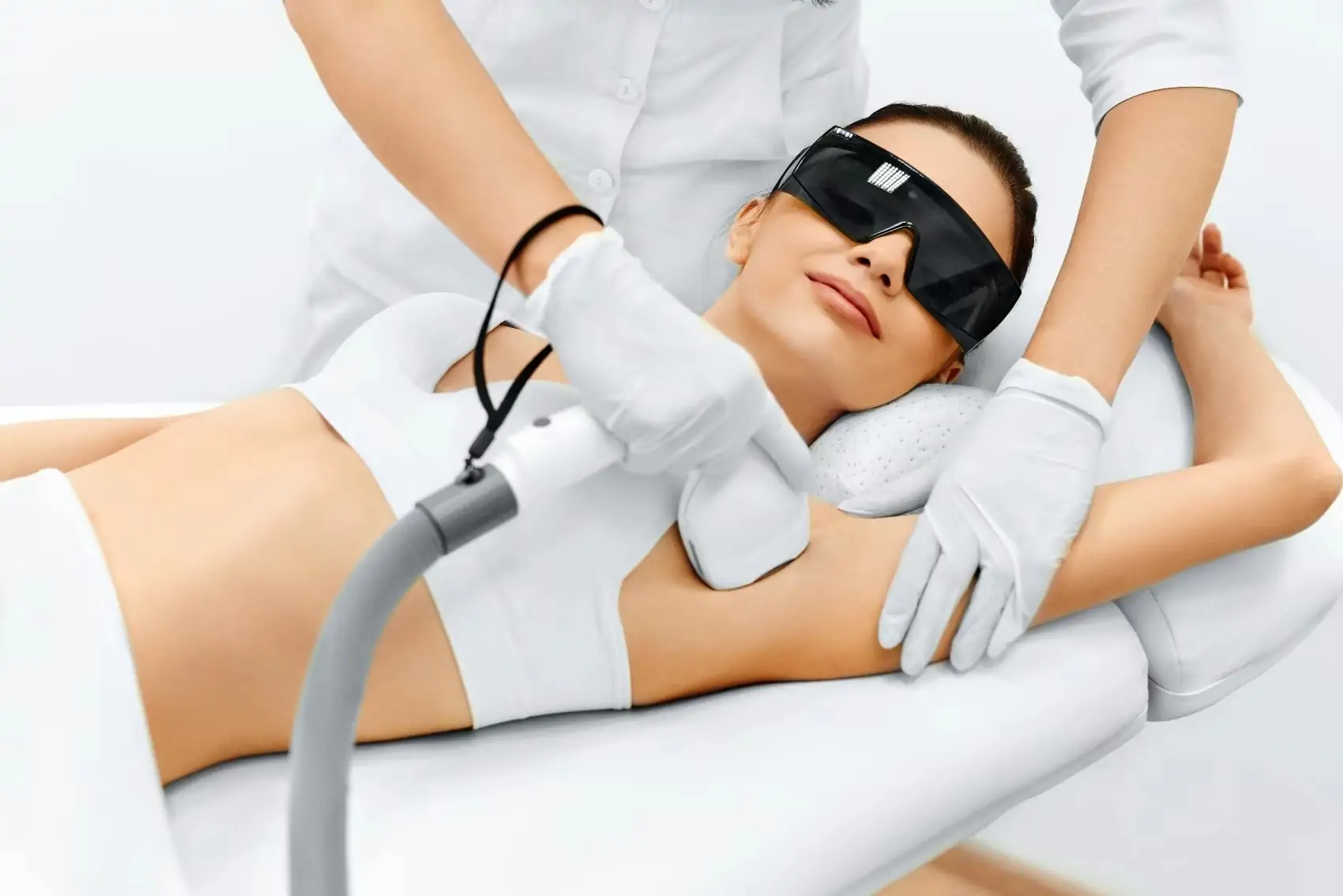
For busy professional clinics, speed matters. Diode laser devices typically feature larger spot sizes and higher repetition rates, allowing practitioners to treat large areas like legs or back more efficiently.
IPL treatments can be slower, especially when lower energy levels are used to ensure safety. This can increase total session time and impact clinic workflow.
7. Safety and Clinical Control
Safety is another key difference in treatment. Diode lasers offer stable output and predictable results, which makes them easier to standardize in a clinical setting. Built-in safety systems help reduce operator error.
IPL devices require more manual adjustment and experience. Incorrect settings can reduce effectiveness or increase the risk of adverse reactions, particularly on sensitive skin.
8. Versatility Beyond Hair Removal
IPL has an advantage when it comes to versatility. Besides hair removal, it is widely used for photofacial treatments, pigmentation correction, and skin rejuvenation. This makes IPL attractive for clinics looking for a multi-function device.
Diode laser systems, on the other hand, are more specialized. Their primary focus is hair removal, but they deliver stronger and more consistent results in this specific application.
9. Cost and Return on Investment for Clinics
From a business perspective, IPL machines are usually more affordable upfront. However, the need for more sessions and frequent maintenance treatments can affect long-term profitability.
Diode laser machines typically have a higher initial cost, but their efficiency, faster results, and broader client compatibility often lead to higher client satisfaction and better long-term returns. Clinics offering both technologies can also educate clients based on individual needs.
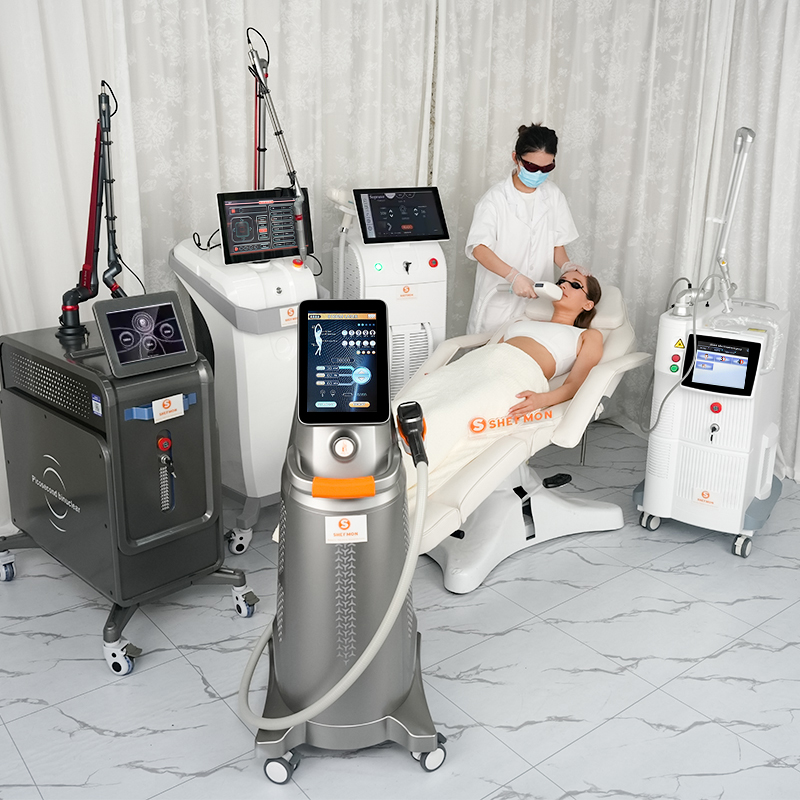
A wide range of laser and IPL systems can be reviewed here: https://shefmon.com/beauty-machines/laser-ipl/
10. Which Treatment Is the Better Choice?
So, when asking “Diode Laser Hair Removal VS IPL Hair Removal: What are the differences in treatment?”, the answer depends on goals. Diode laser hair removal is the better option for clinics focused on long-term hair reduction, higher precision, and treating diverse skin types. IPL is suitable for clinics that want a more versatile device and are treating lighter skin tones with finer hair.

Conclusion
Diode Laser Hair Removal and IPL Hair Removal are not interchangeable, even though they target the same concern. Diode lasers stand out for precision, effectiveness, and professional reliability, while IPL offers flexibility and multifunctional skin benefits. Understanding these differences helps clinics invest wisely and helps clients choose treatments that truly match their expectations. In the end, the best results come from matching the right technology to the right skin, hair type, and treatment goal.