









Beauty equipment distributors need products they can deliver quickly, but holding every device and every configuration creates unnecessary inventory risk. Some beauty devices suit standardized stock. Others are more useful as demonstration units, configured after consultation, or purchased only when a qualified order is confirmed.
The right decision depends on more than unit cost. Distributors should examine buyer demand, configuration variation, shelf and storage needs, demonstration value, installation, training, consumables, technical support, and local professional requirements. A compact advanced device can be harder to stock responsibly than a larger facial platform if its final configuration and buyer qualifications vary from one order to the next.
This guide applies that decision framework to relevant SHEFMON beauty device categories for facial salons, med spas, skin clinics, hair-removal businesses, and body-contouring centers.
Управляющее резюме
A useful inventory plan has four supply statuses:
- Stock: Hold a defined configuration for categories with repeatable demand, broad buyer fit, and manageable support.
- Demo Stock: Keep a working unit for consultation and training while confirming each sale separately.
- Configure to Order: Finalize wavelengths, handles, cartridges, applicators, voltage, and supporting documents before ordering.
- Special Order: Source advanced or infrequently requested systems only after buyer, service, and local-market qualification.
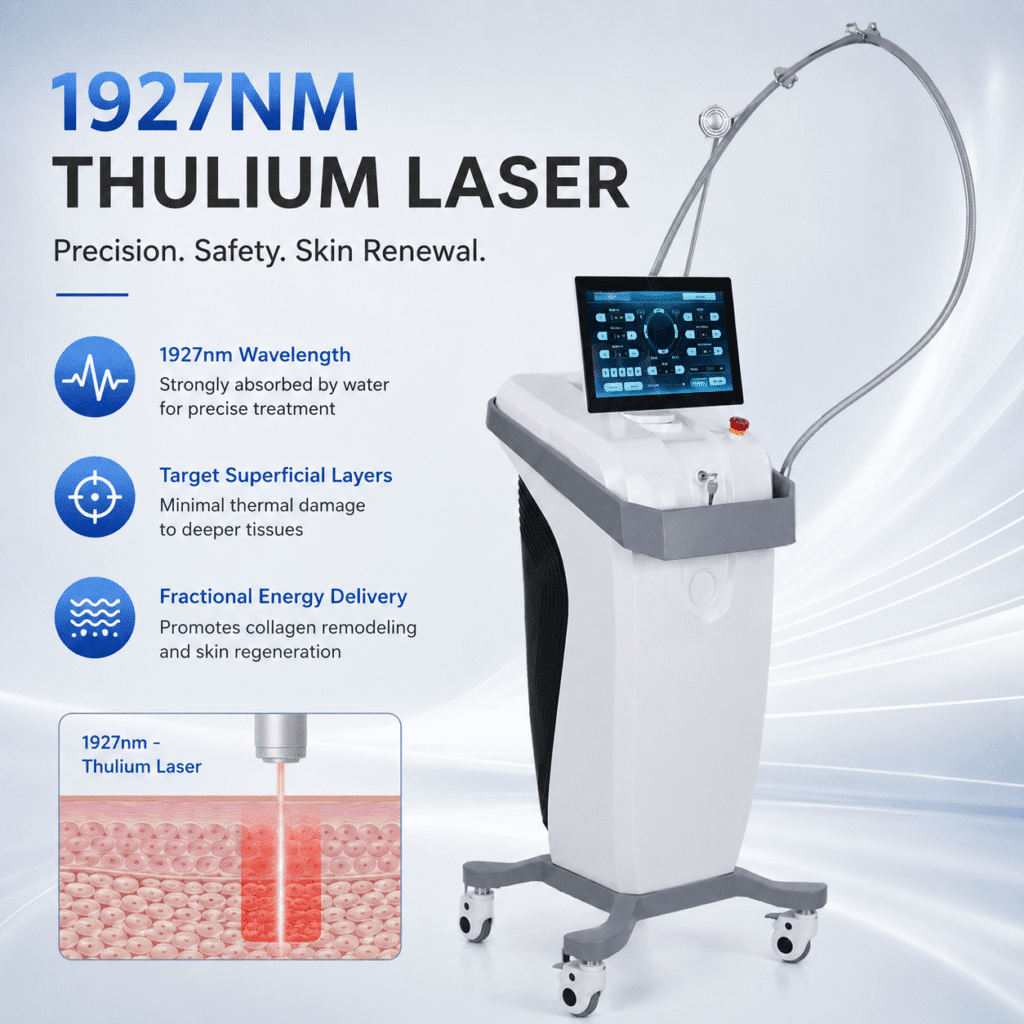
The A0648 hydro microdermabrasion system is a practical stock candidate when a distributor consistently serves facial salons. A0272-F and B0155 may justify demonstration or limited stock where facial expansion and body-care demand are proven. A0423 should normally be configuration-led because wavelength and spot-size choices must be confirmed. A0204, A0152, A0241, and S9 are better treated as order-led in many catalogs because their buyer qualification, component choices, or support requirements are more substantial.
These are planning positions, not universal rules. Actual inquiry, conversion, stock-turn, service, and support data should determine the final policy in each market.
1. Inventory Policy Is Part of Product Strategy
Stock decisions affect how a distributor sells and supports a category. A stocked device implies that the business can define a standard unit, forecast demand, store it correctly, demonstrate or explain it, deliver it, and help the buyer start using it. An order-led device requires a different promise: careful consultation, accurate configuration, transparent lead time, and documented handover.
A product can be commercially attractive without belonging in local stock. Likewise, a popular category can still be a poor stock choice when buyers request many incompatible configurations. Inventory status should reflect the sales process required for a successful installation.
2. Use Four Supply Statuses Instead of Two
“In stock” and “not in stock” do not describe how professional equipment is sold. Four statuses give buyers and staff clearer expectations.
| Supply status | Наилучшее применение | Distributor commitment | Buyer expectation |
|---|---|---|---|
| Stock | Standardized models with repeatable qualified demand | Hold a specified saleable unit and replenishment plan | Faster delivery of the published configuration |
| Demo Stock | Products whose value is easier to understand through demonstration | Maintain a working display unit and trained demonstrator | Demonstration does not guarantee immediate availability of every variant |
| Configure to Order | Model families with meaningful component or technical choices | Complete a specification review before purchase | Final price and lead time follow the approved configuration |
| Special Order | Advanced, specialist, or low-frequency categories | Qualify the buyer and source after confirmed requirements | Longer planning path and more detailed readiness review |
A distributor may use more than one status for the same model. For example, it can keep one demonstration configuration and supply customer units to order.
3. Start with Qualified Demand, Not General Interest
Website clicks and casual inquiries do not justify inventory by themselves. Separate general interest from qualified demand. A qualified inquiry identifies the buyer type, country, intended services, operator, timeline, room readiness, and desired configuration.
Track at least these indicators by model:
- qualified inquiries during a consistent period;
- quotations issued from complete requirements;
- quotation-to-order conversion;
- requested configurations and how often they repeat;
- acceptable delivery time stated by buyers;
- demonstration requests that lead to a defined next step;
- training and installation workload;
- support cases, replacements, and accessory demand; and
- repeat orders or purchases of a second device category.
This evidence reveals whether the distributor should stock a configuration, maintain a demo unit, or keep the product order-led.
4. Apply a Stock-or-Order Scorecard
Score each candidate using the same questions.
| Фактор принятия решения | Favors local stock | Favors supply to order |
|---|---|---|
| Demand pattern | Frequent, qualified, and consistent | Infrequent, project-based, or uncertain |
| Конфигурация | One repeatable specification | Multiple wavelengths, handles, cartridges, or applicators |
| Buyer base | Several prepared buyers in the market | Narrow professional or specialist audience |
| Delivery urgency | Immediate availability materially affects conversion | Buyers expect consultation and planned installation |
| Demonstration | A saleable unit can also support display needs | Demonstration configuration differs from typical orders |
| Обучение | Standard launch process | Buyer-specific technical or clinical preparation |
| Поддерживать | Predictable setup and service burden | Complex installation, application, or follow-up needs |
| Inventory exposure | Stable configuration and manageable storage | High capital, slow movement, or rapid configuration mismatch |
| Местные требования | Clear route for the target buyer | Classification, operator, or facility questions vary by account |
No single column provides the answer. A product should move into stock only when the overall pattern supports it.
5. Define the Standard Stock Unit Before Buying It
A model name is not always a complete SKU. Before purchasing inventory, create a standard-stock specification that records:
- model and internal SKU;
- standard handpieces, handles, tips, cartridges, heads, or applicators;
- voltage, plug, software language, and user interface;
- included accessories and protective items;
- consumables supplied with the unit;
- packaging dimensions and storage requirements;
- documentation and training materials; and
- warranty and support process used in the distributor’s market.
If sales staff cannot describe the exact stock unit consistently, the distributor is not ready to advertise it as available inventory.
6. A0648 as a Facial Stock Candidate
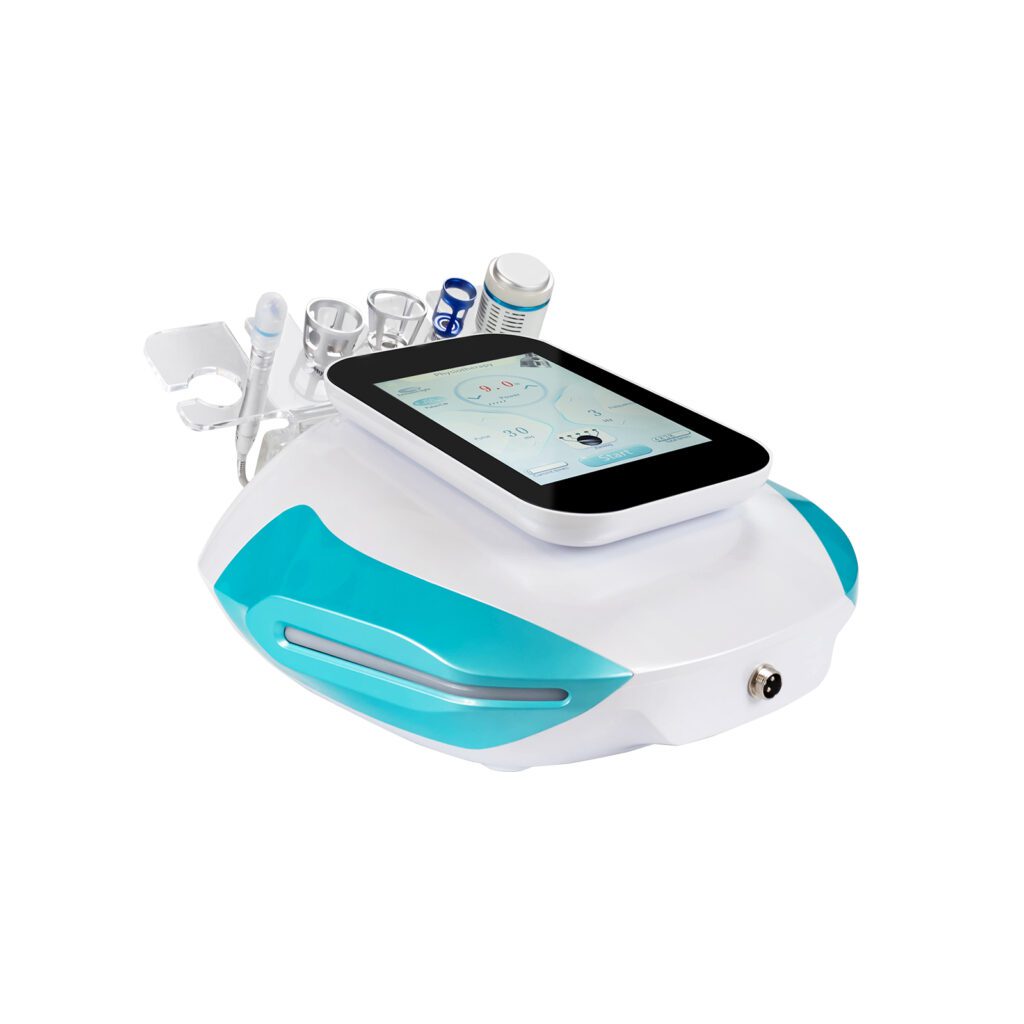
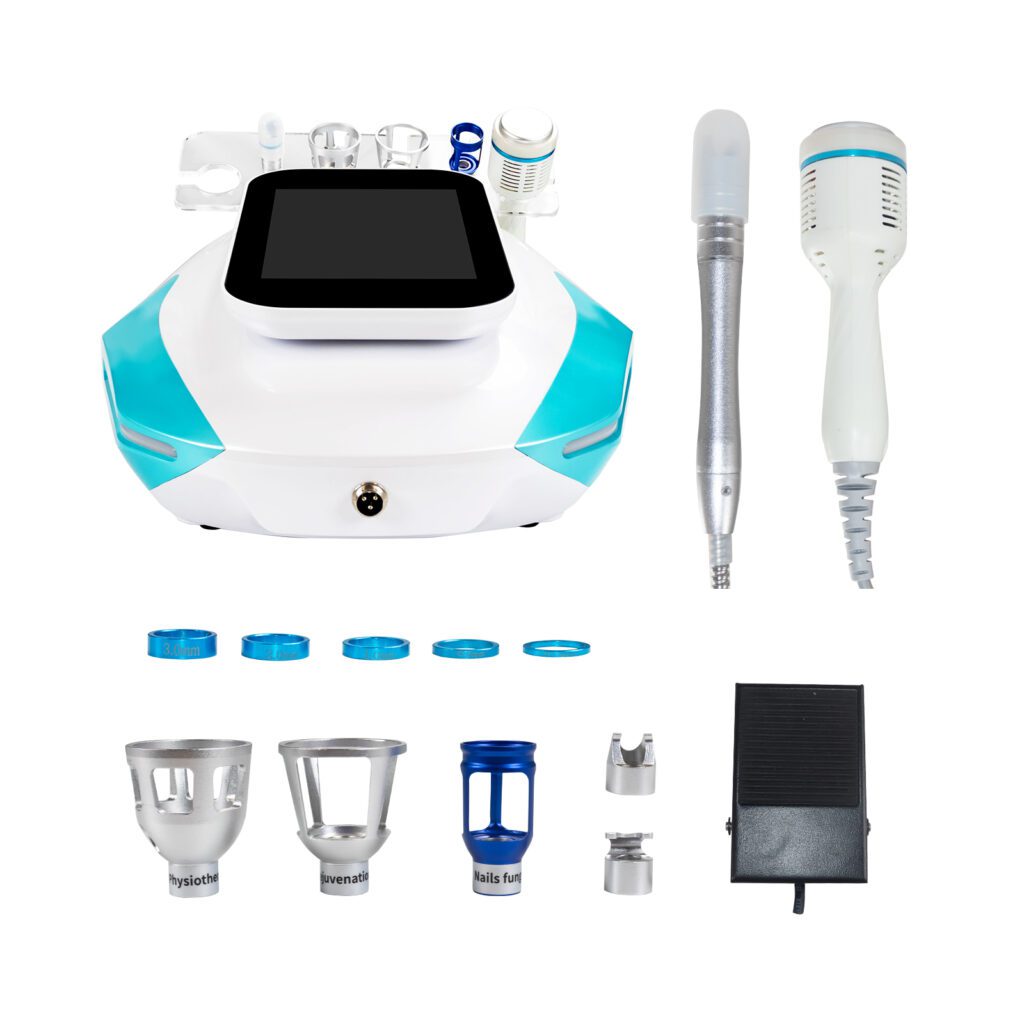
The Аппарат для гидромикродермабразии A0648 9-в-1 can be a strong stock candidate for distributors with recurring qualified demand from facial salons and beauty studios. Its catalog role is clear: a cleansing and hydration-oriented facial platform incorporating exfoliation, vacuum-assisted extraction, and hydration steps.
Before stocking it, standardize the included functions and accessories, voltage and plug, solution and consumable expectations, cleaning materials, packaging, and operator familiarization. The catalog page should show the service role and supplied package rather than relying only on “9-in-1.”
If the distributor serves few facial businesses or cannot support recurring supplies, A0648 can remain a rapid-order model. Category relevance alone does not justify stock.
7. A0272-F as Demonstration or Limited Growth Stock
The A0272-F facial electrical stimulation and RF device supports a facial tone and contour category for established salons and med spas. Its service role differs from hydro cleansing, so it can help distributors demonstrate a clear menu expansion.
A demo unit may be more valuable than deep inventory. It allows sales staff to explain applicator placement, setup, service positioning, and how the category differs from a maintenance facial. Customer units can then be supplied from a confirmed specification.
Limited saleable stock becomes reasonable only after qualified inquiries show a repeatable buyer profile and configuration. Avoid holding units merely because the product can be paired commercially with A0648; ownership of both devices does not establish a combined-treatment protocol.
8. B0155 as Conditional Stock for Body-Care Markets
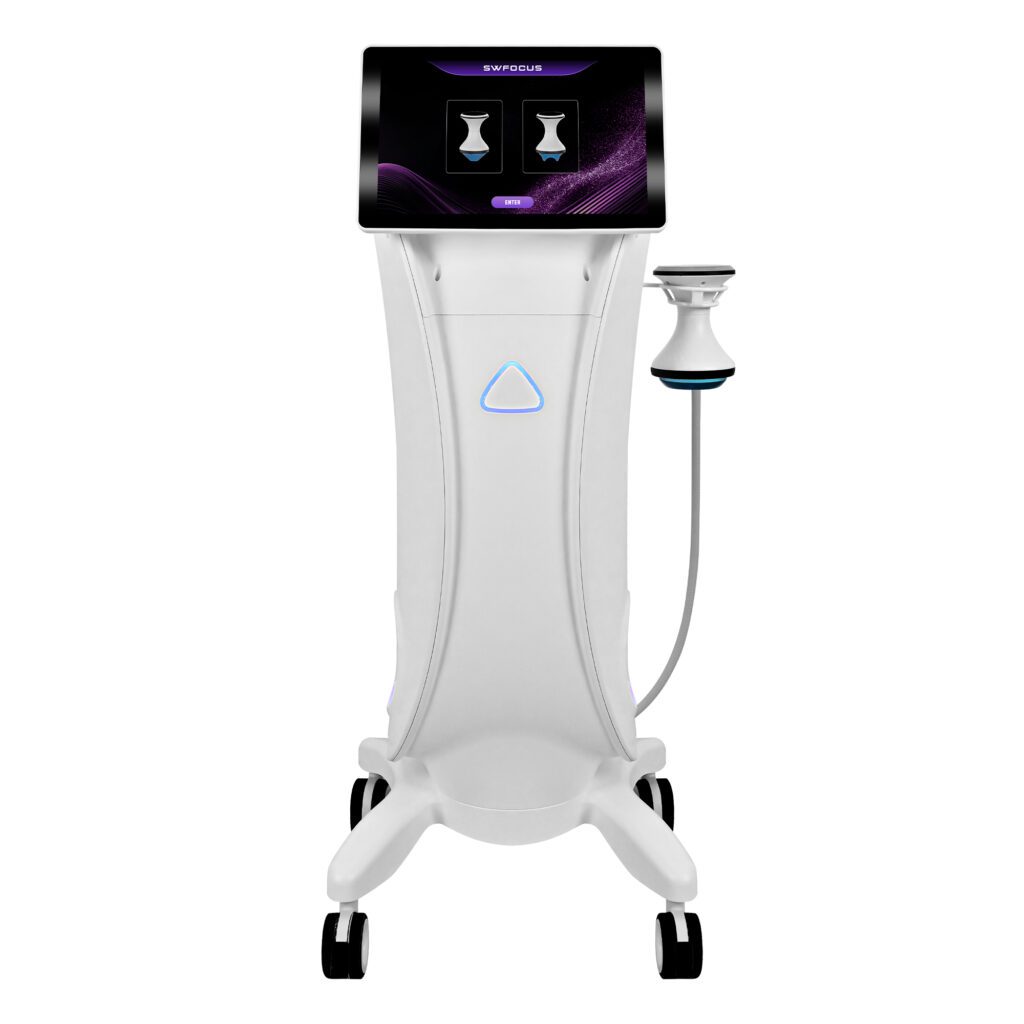
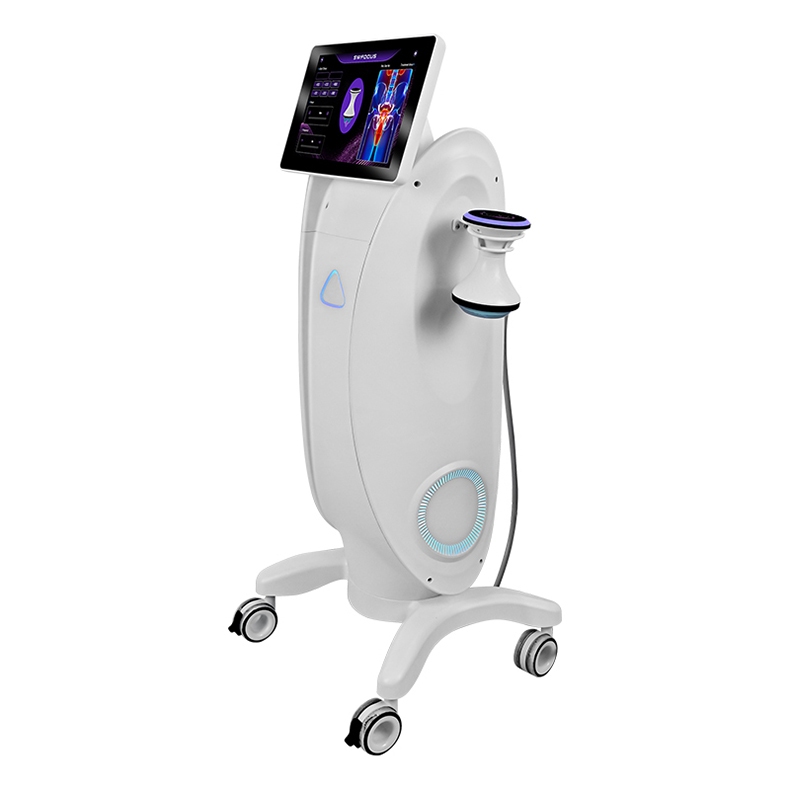
The B0155 Настольный эндоскоп Velapro lists vacuum roller, RF, rotating massage, and 80K cavitation functions. It may justify stock or demonstration inventory where the distributor repeatedly serves established beauty studios adding a defined body-care menu.
The stock decision should account for the complete package, multiple handles, storage, demonstration space, operator instruction, and after-sales familiarity. A saleable demonstration unit can work well when the distributor can keep it in controlled condition and replace it through a planned cycle.
Where buyers request different body technologies or the sales team cannot explain handle-specific workflows, B0155 should remain order-led until the category is better established.
9. A0423 Should Follow a Configuration-Led Process
The A0423 diode laser hair-removal system page lists wavelength and spot-size choices. That variation makes “A0423 in stock” an incomplete statement unless the exact version is named.
For most distributors, a sensible approach is:
- maintain a documented demonstration configuration if hair removal is a priority category;
- qualify the buyer’s service model, operator readiness, room, and local requirements;
- confirm wavelength selection, spot size, handle power, cooling arrangement, voltage, plug, and accessories; and
- supply customer units against the approved specification.
A distributor may stock one configuration after its own order data proves that the same specification recurs. Other versions should stay configure-to-order.
The American Academy of Dermatology notes in its laser hair removal guidance that treatment commonly requires multiple sessions and that results and risks vary. The distributor should direct the system only to buyers prepared for appropriate consultation, operation, protective measures, and local compliance.
10. A0204 as an Order-Led Focused HIFU Platform
The A0204 сфокусированная платформа HIFU belongs in a consultation-led range. The product page presents standard and optional components, so the final quotation must identify handpieces, cartridges, intended areas, consumable expectations, software, voltage, and documentation.
A distributor can keep a demo unit if focused HIFU is a strategic category and the team has the knowledge to demonstrate it responsibly. Saleable inventory should remain conservative until the same configuration generates repeat qualified orders.
Supplying A0204 to order also creates time to review operator qualifications, service scope, client-screening plans, room readiness, and aftercare. Immediate availability should not replace buyer qualification.
11. A0152 as a Special-Order Clinical System
The A0152 Настольный MNRF, глубина 8 is positioned as an RF microneedling platform. Its page lists several needle-head choices and selectable handle configurations, making component control and consumable planning important.
For many distributors, A0152 should be supplied to qualified clinical accounts after a detailed review. The order process should confirm the operator’s professional role, local scope, infection-control system, client screening, records, aftercare, configuration, consumable supply, and technical training plan.
The U.S. FDA has published a safety communication concerning certain uses of RF microneedling. Distributors should treat this category with appropriate caution and check requirements in the destination market. A short delivery time is less important than a correct buyer and configuration.
12. A0241 as Demand-Qualified Body Equipment
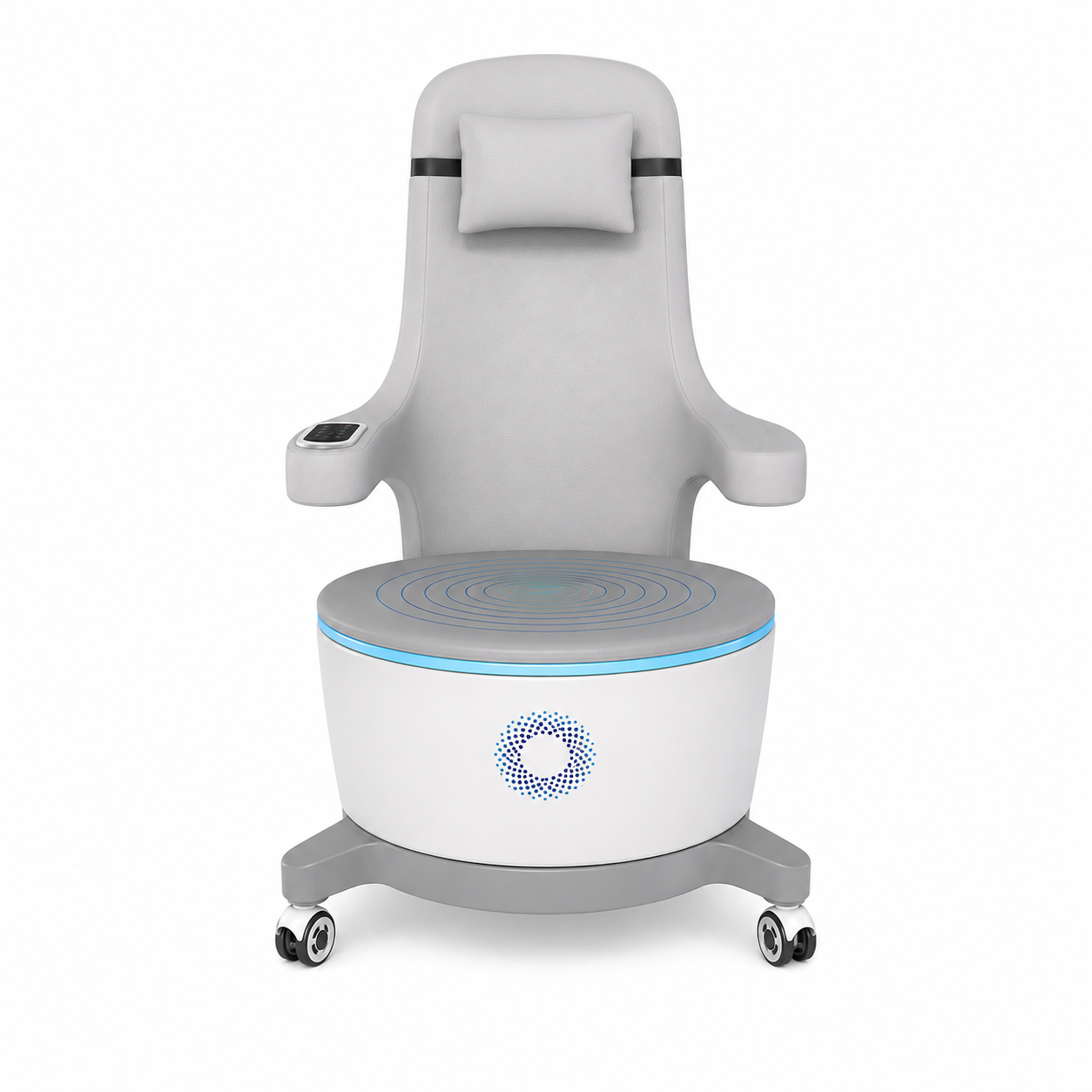
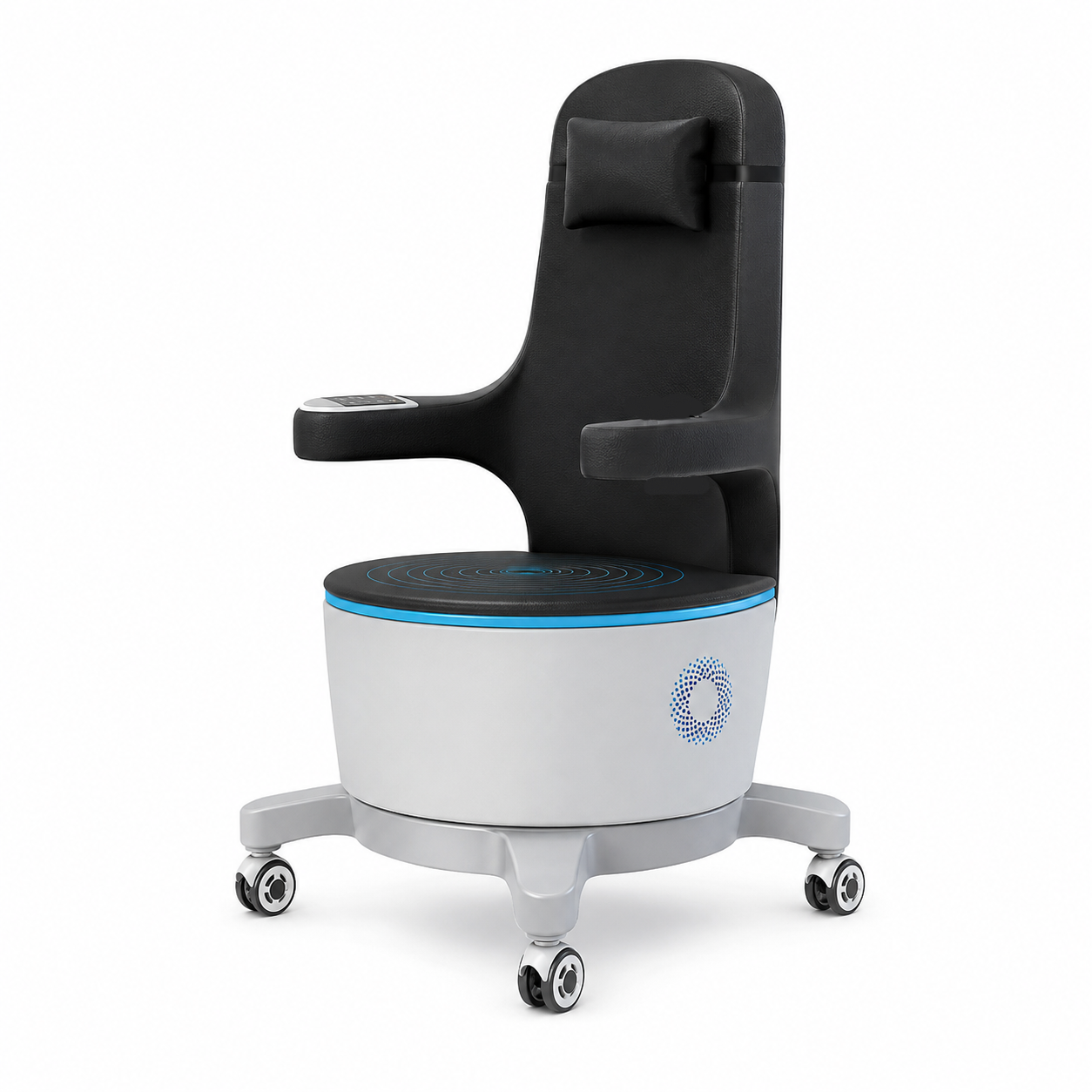
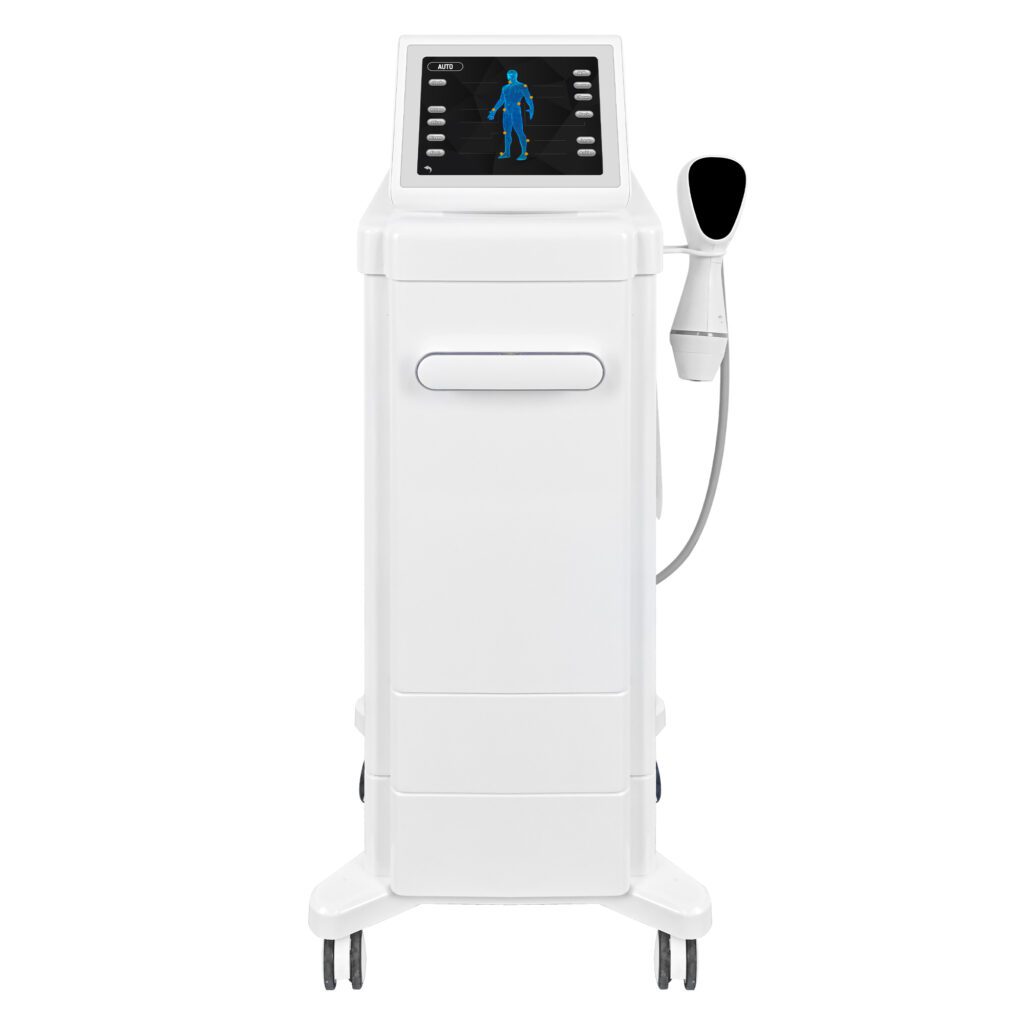
The A0241 electromagnetic stimulation and RF system represents a muscle-focused body service. It differs from vacuum-roller body care and cooling-based contouring.
Stocking decisions should consider the complete handle package, room and power requirements, setup and demonstration needs, buyer screening, staff training, and whether the distributor has a verified base of body-focused accounts. The size of the potential market should be measured through qualified opportunities rather than social-media interest.
A demonstration unit can support sales if the team can position the category accurately. Customer units can remain order-led until the distributor observes a stable configuration and predictable support burden.
13. S9 as an Applicator-Specific Order
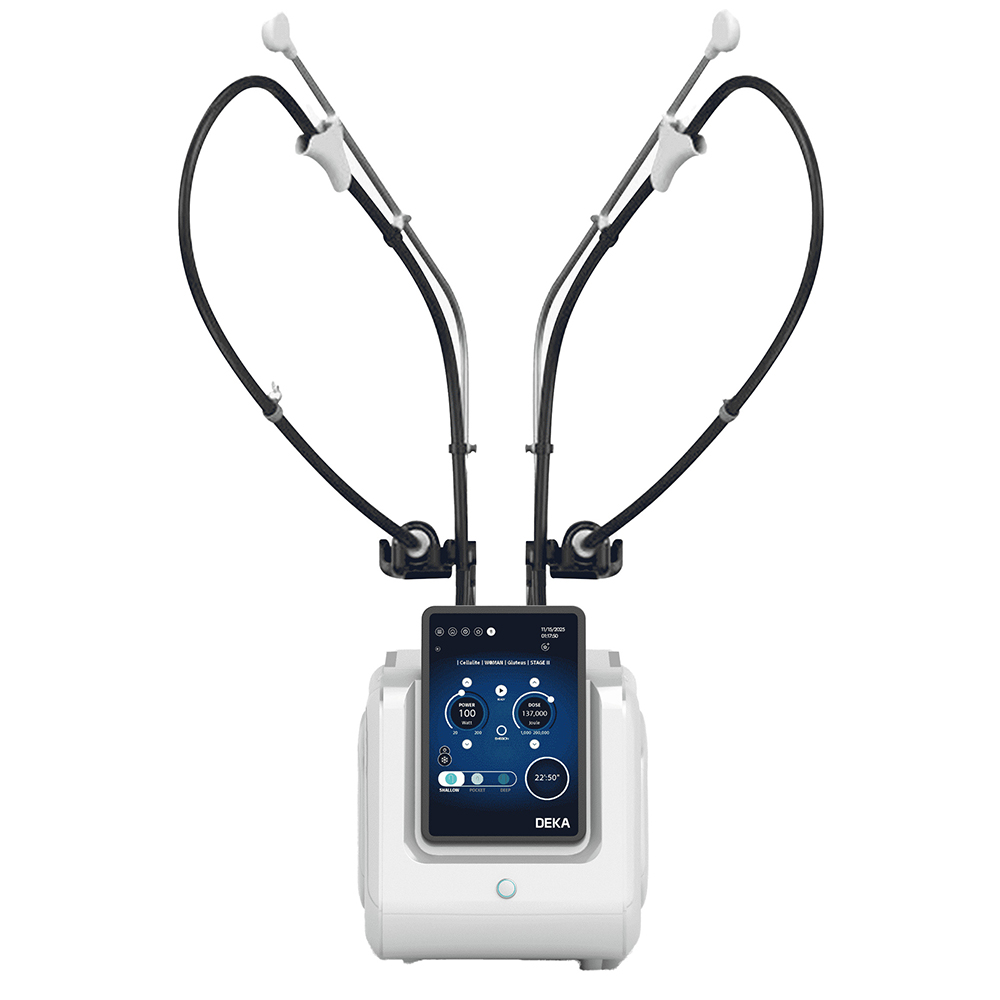
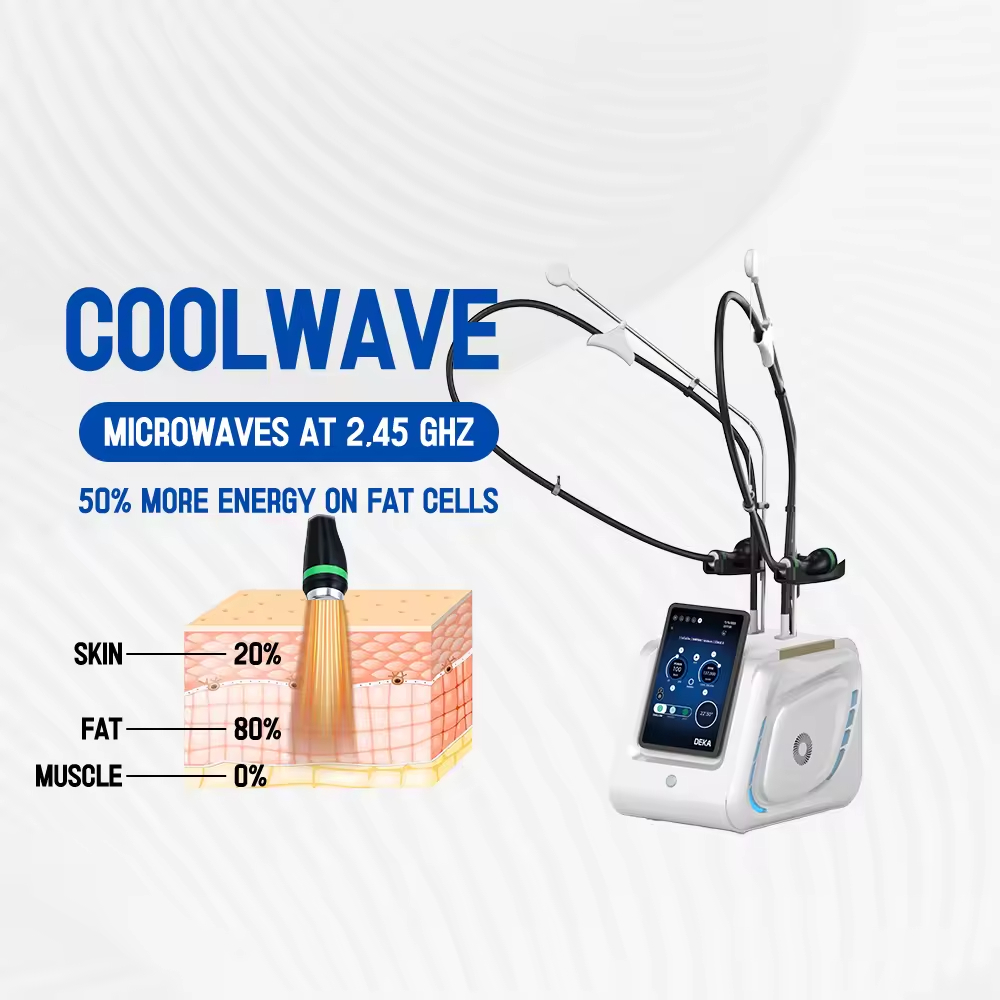
The Система криолиполиза S9 is positioned around vacuum-assisted localized cooling and multiple applicator options. The order should specify the applicator package, included accessories, operating configuration, voltage, documentation, and training scope.
S9 is usually better suited to configure-to-order or special-order supply unless the distributor has repeated demand for one exact package. Keeping a demonstration system may make sense for a body-equipment showroom, but demo use requires controlled maintenance and a clear plan for customer-unit supply.
The FDA overview of non-invasive body contouring technologies describes limitations and possible complications. Catalog and sales material should present S9 as a localized contour category, not a general weight-loss solution or a risk-free service.
14. Recommended Initial Supply Status by Model
| Модель | Suggested initial status | Почему | Condition for moving into stock |
|---|---|---|---|
| А0648 | Stock or rapid-order | Clear facial foundation and potentially repeatable package | Sustained qualified facial-salon demand and complete consumable support |
| A0272-F | Demo stock or limited stock | Demonstration helps explain a separate facial category | Recurring demand for the same configuration |
| Б0155 | Demo stock, conditional saleable stock | Multiple body-care functions benefit from guided explanation | Proven body-studio segment and trained support team |
| А0423 | Configure to order | Wavelength and spot-size choices affect the specification | Repeated orders for one documented configuration |
| А0204 | Configure to order | Optional components and advanced service positioning | Stable configuration demand plus qualified med-spa or clinic accounts |
| А0152 | Special order | Clinical buyer, component, consumable, and governance requirements | Stock only with a validated clinical market and support capability |
| А0241 | Demo or special order | Specialist body category with setup and screening needs | Predictable qualified demand and repeatable handle package |
| С9 | Configure to order or special order | Applicator selection and body-contouring qualification | Repeated demand for a defined applicator configuration |
This table is a starting framework. It does not claim which model sells best, and it should be revised using the distributor’s own records.
15. Separate Saleable Stock from Demonstration Equipment
A demo unit has a job: help qualified prospects understand the device, workflow, physical format, interface, handles, and service position. It should have its own asset record, maintenance schedule, cleaning process, accessories, software version, and demonstration rules.
Do not present a used demo unit as new inventory. If it will later be sold, define the disclosure, inspection, refurbishment if applicable, included items, warranty terms, and price policy in advance.
Demo stock also needs performance measures. Track qualified demonstrations, resulting quotations, order conversions, and support time. A device that attracts attention without producing appropriate opportunities may not justify showroom space.
16. Build a Reorder Point from Real Lead Times
For stocked models, the reorder point should reflect verified supplier lead time, transit, customs processing, local preparation, and a buffer appropriate to demand variability. Do not copy the same reorder rule across all beauty devices.
A simple planning expression is:
Reorder point = expected qualified-unit demand during replenishment time + approved safety stock
Use actual sales and delivery records to estimate each term. Separate normal replenishment from demonstration replacements and project orders. If a model has irregular demand, a minimum/maximum rule may create excess stock; rapid-order supply may be more suitable.
17. Account for Total Inventory Exposure
The purchase price is only one part of inventory exposure. Review:
- freight and import costs;
- warehouse space and handling needs;
- insurance and damage risk;
- aging of packaging, software, batteries, hoses, seals, or accessories where relevant;
- configuration obsolescence;
- local preparation and inspection time;
- demonstration wear;
- spare-part and consumable commitments; and
- capital unavailable for faster-moving categories.
A high-value device may still be worth stocking if it has stable demand and a standardized specification. A lower-value product can remain order-led if variants are fragmented or support is inefficient.
18. Treat Accessories and Consumables as Separate Inventory Plans
Device availability is not useful if the buyer cannot operate the service. Create an accessory and consumable plan for each active model:
- standard components supplied with every unit;
- optional application components;
- recurring consumables;
- wear items and planned replacements;
- cleaning and room supplies; and
- parts held for after-sales support.
Consumables often move at a different rate from equipment. Track them separately by installed unit base and service usage. Do not promise “no consumables” unless every recurring item in the chosen configuration supports that statement.
19. Set a Market-Specific Stock Policy
The same model may have different supply status in different countries or distributor territories. Market-specific factors include:
- concentration of salons, med spas, clinics, hair-removal practices, and body centers;
- import and registration processes;
- voltage and plug requirements;
- language and labeling needs;
- operator and facility rules;
- buyer expectations for immediate delivery;
- freight reliability; and
- local technical-service coverage.
Maintain the policy by destination market and configuration. A global label such as “always in stock” can become misleading if the available unit does not match the buyer’s electrical or documentation needs.
20. Use Buyer Type to Allocate Inventory
| Buyer group served by the distributor | Likely inventory emphasis | Usually order-led |
|---|---|---|
| Facial salons | Standardized A0648; possible A0272-F demo | Advanced HIFU or clinical procedures |
| Established beauty studios | Facial core plus B0155 demo where body demand exists | Specialist body systems until demand is proven |
| Hair-removal practices | A0423 demonstration configuration | Customer units with confirmed wavelength and spot-size specification |
| Медицинские спа-салоны | Selected facial demo equipment | A0204 and other configuration-sensitive advanced systems |
| Clinical skin practices | Maintenance-care equipment if locally relevant | A0152 and other procedure-specific platforms |
| Body-contouring centers | One strategic demonstration modality | A0241 or S9 packages selected from qualified demand |
Inventory should mirror the customers the distributor can reach and support, rather than every category shown in the full product range.
21. Publish Availability Language Carefully
Use precise customer-facing labels:
- In Stock — Standard Configuration: name the configuration and location.
- Demo Available: state that the demonstration unit is not necessarily saleable inventory.
- Configuration Required: explain which choices must be confirmed.
- Available to Order: provide a realistic process for confirming lead time.
- Professional Buyer Review Required: use for categories that need deeper qualification.
Avoid “ready to ship” when the unit still needs voltage conversion, missing accessories, documentation, inspection, or local preparation. Confirm availability again when issuing the quotation.
22. Design Different Quotation Workflows
A stocked-device quotation should identify the exact SKU, serial or batch allocation process, supplied package, delivery timing, training, and warranty support.
A configure-to-order quotation should begin with a signed requirements sheet. Only then should it show the selected options, excluded components, production or preparation time, freight assumptions, and delivery estimate.
A special-order quotation should also document buyer qualification, professional-use boundaries, installation needs, consumables, and local responsibilities. This protects the clarity of the transaction without turning the article or quotation into a legal or clinical protocol.
23. Avoid Substituting the Wrong Configuration
When a stocked configuration does not match an inquiry, the distributor should not substitute it simply to reduce inventory. Differences in wavelength, handle, cartridge, applicator, voltage, or intended service can materially change the purchase.
Return to the buyer’s requirements, explain the difference, and quote the appropriate order-led version. An unsuitable immediate-delivery unit can create training, performance, compliance, and support problems that cost more than waiting for the correct product.
24. Review Slow Stock Before Discounting It
When a device remains unsold, first identify the reason:
- Was demand never qualified?
- Is the stored configuration different from current requests?
- Does the sales team understand the buyer and service role?
- Is a demonstration needed?
- Are accessories, documentation, or training incomplete?
- Is the product page attracting the wrong audience?
- Has the device been superseded or its condition changed?
Discounting does not correct a configuration or buyer-fit problem. The distributor may need to reclassify the unit, complete its package, train the sales team, or disclose and sell it through an appropriate clearance process.
25. Decide When to Change Supply Status
Review each active model on a fixed schedule and after material changes. Move an order-led product toward stock when qualified demand repeats, configurations converge, lead time affects conversions, and support becomes predictable.
Move a stocked product back to order-led when demand declines, configurations fragment, inventory ages, support cases rise, or local requirements change. Supply status is a management decision, not a permanent product label.
Document the reason, effective date, affected SKU, remaining stock plan, and website update. This prevents different teams from giving buyers conflicting availability information.
26. Common Stocking Mistakes
Stocking the catalog instead of the customer base
A wide product range is useful for sourcing, but local inventory should reflect qualified buyers the distributor can reach and support.
Treating every model number as one SKU
Optional wavelengths, handles, cartridges, applicators, voltage, and language can create distinct saleable configurations.
Buying premium systems before building support
Advanced inventory without trained sales, technical service, consumables, and buyer qualification can remain idle or be sold poorly.
Confusing a demo with available stock
A working display unit may be unavailable for immediate sale and may not match the requested customer configuration.
Ignoring after-sales parts and consumables
Holding the main unit without its operating and support ecosystem weakens the value of rapid delivery.
Using exaggerated claims to move slow inventory
Guarantees about results, safety, popularity, or profitability do not solve a stock-planning error and can mislead the buyer.
27. Distributor Stock-or-Order Checklist
Before assigning a supply status, confirm:
- Which buyer type and service category generate the demand?
- Is the demand qualified and repeated?
- Can one standard configuration serve most relevant inquiries?
- Is immediate delivery important to the purchasing decision?
- Does the distributor understand the installation, training, and support workload?
- Are accessories, consumables, replacements, and documentation available?
- Can a demonstration unit produce measurable qualified opportunities?
- Do local rules narrow the target buyer or configuration?
- Is the total inventory exposure acceptable?
- Is the availability label accurate for the exact SKU and location?
- What evidence would move the model into or out of stock?
- When will the policy be reviewed again?
Часто задаваемые вопросы
1. Which beauty device should a distributor consider stocking first?
The first stock model should match the distributor’s strongest qualified buyer segment and have a repeatable specification. For distributors serving facial salons, A0648 may be a practical candidate after confirming demand, consumables, and support.
2. Are multifunction beauty devices always good stock items?
No. Multiple functions can broaden buyer interest, but they can also increase demonstration, training, accessory, and support requirements. Stock the device only when its configuration and service role are clear.
3. Should a distributor stock diode laser hair-removal machines?
It may keep a documented demonstration or proven standard configuration, but A0423 customer units are often better configured to order because wavelength, spot size, handle power, and other requirements need confirmation.
4. Which SHEFMON devices are suitable for supply to order?
A0204, A0152, A0241, and S9 are strong order-led candidates in many markets. A0423 is also configuration-led. The final decision depends on the distributor’s demand and support evidence.
5. What is the difference between demo stock and saleable stock?
Demo stock is maintained for controlled product presentations and training. Saleable stock is new inventory assigned to customer delivery. If a demo is sold, its condition and terms should be disclosed clearly.
6. When should an order-led device move into stock?
Consider the change when qualified orders recur, buyers select the same configuration, delivery time affects conversion, and installation and support have become predictable.
7. How should a distributor manage devices with optional handles?
Define the standard package, list options separately, and use a signed configuration record. Avoid advertising all available handles as included unless they are part of the stocked SKU.
8. Should premium beauty devices always be special order?
Not always. A distributor with a validated specialist market, stable configurations, trained staff, and reliable technical support may stock selected premium systems. The decision should come from evidence rather than the premium label.
9. How often should stock policy be reviewed?
Use a regular schedule appropriate to the sales cycle and review immediately after a major change in demand, supplier lead time, configuration, regulation, service burden, or product status.
10. What information should be collected before requesting an order-led quotation?
Collect the buyer type, country, operator background, intended services, room and power details, preferred handles or applicators, voltage and plug, documentation needs, training expectations, and planned launch date.
Заключение
Distributors should stock beauty devices when qualified demand repeats, one specification serves the market, rapid delivery matters, and the support ecosystem is ready. They should use demo stock when buyers need to see a category before choosing it. Configuration-sensitive and advanced systems should remain order-led until the exact product and buyer requirements are confirmed.
A0648 can serve as a standardized facial stock candidate. A0272-F and B0155 may earn demonstration or limited inventory positions. A0423 benefits from configuration-led supply, while A0204, A0152, A0241, and S9 usually warrant a more selective ordering process. Each status should be reviewed against real distributor data.
Просматривать косметические приборы SHEFMON или свяжитесь с Шефмоном with your market, buyer groups, planned stock models, demo requirements, and order-led configurations to develop a more controlled supply plan.