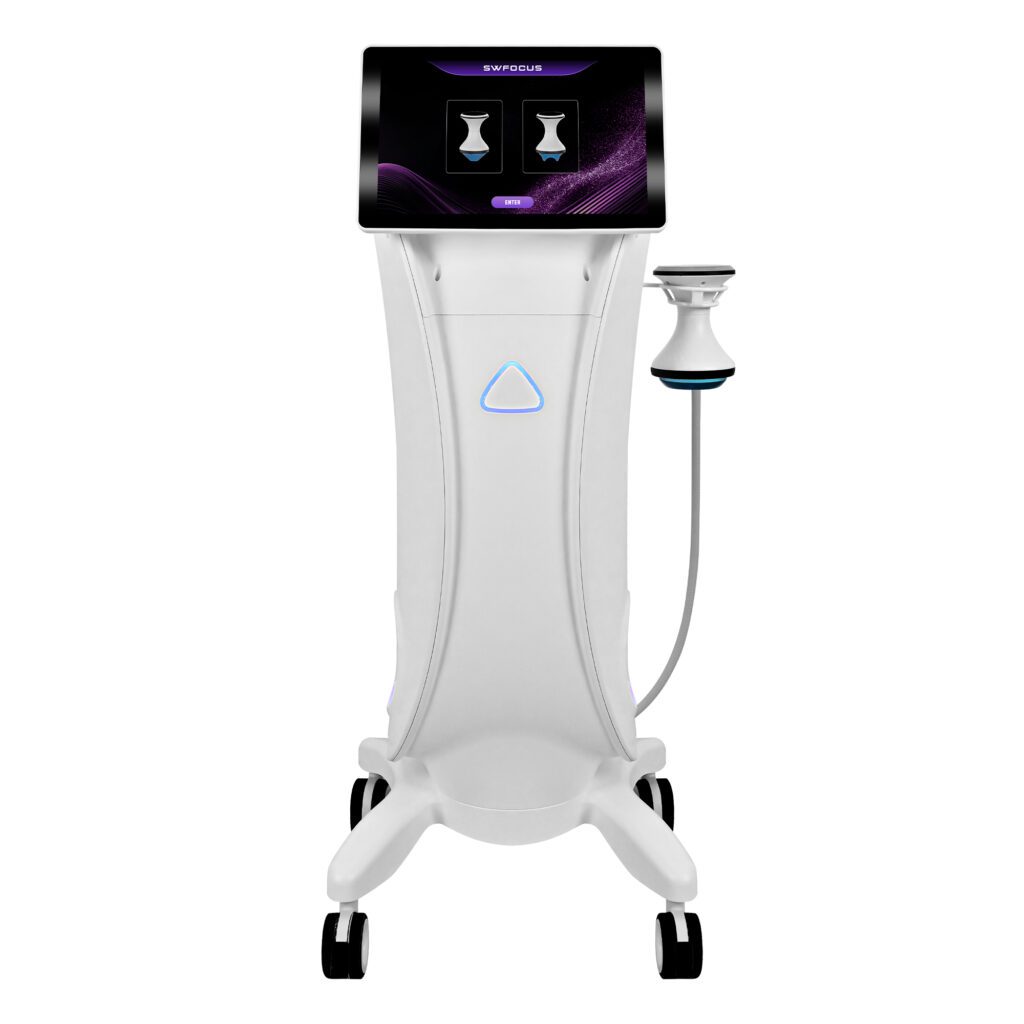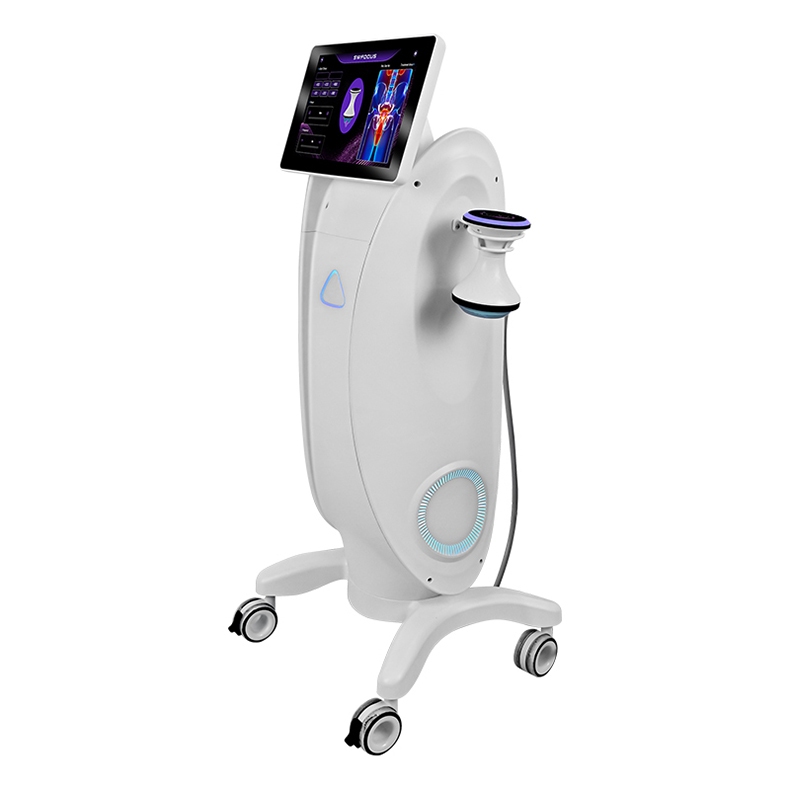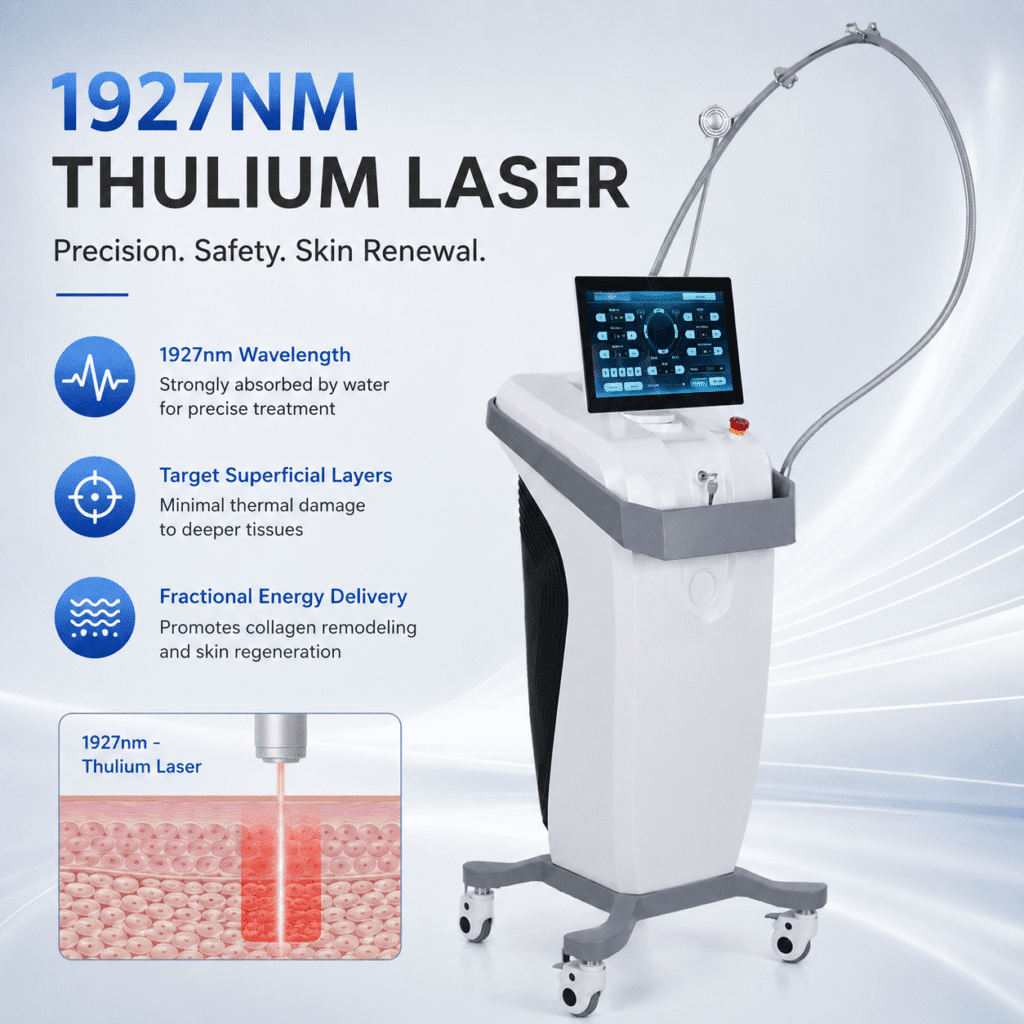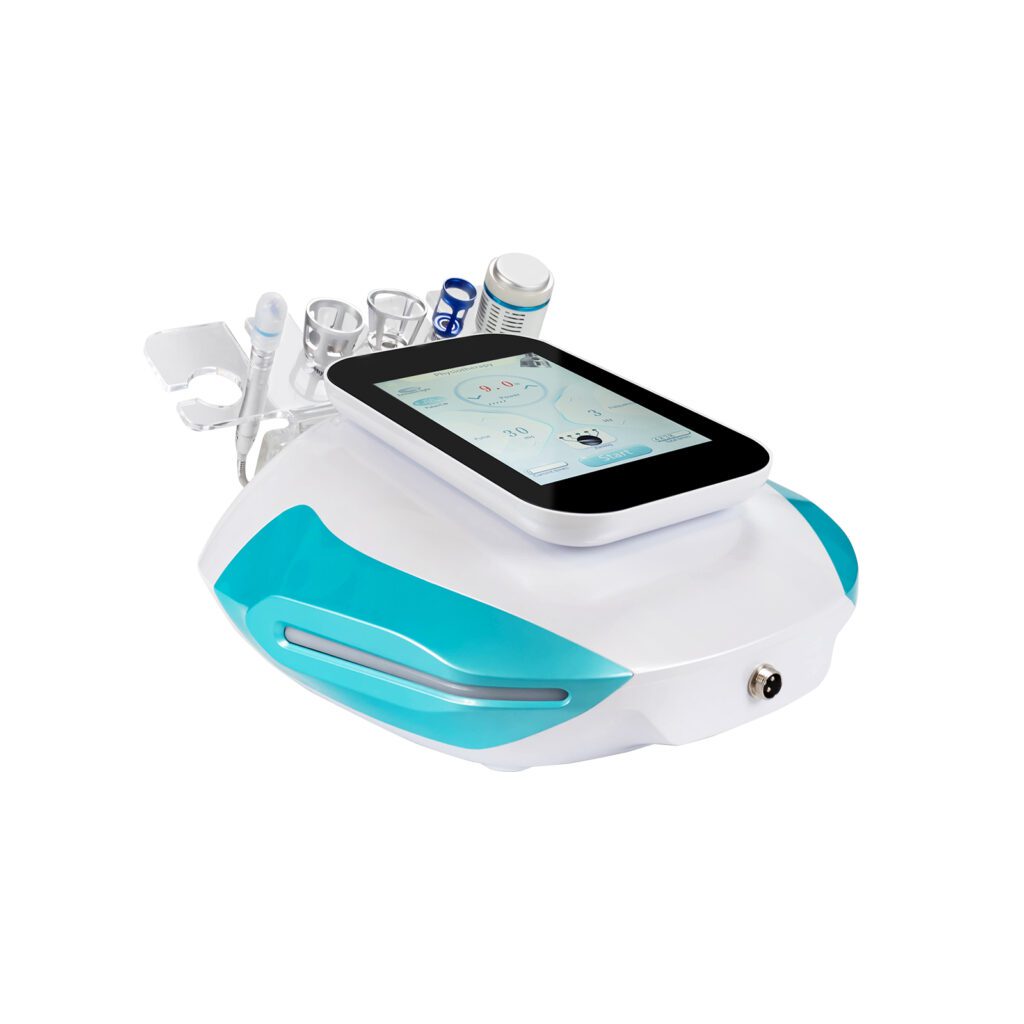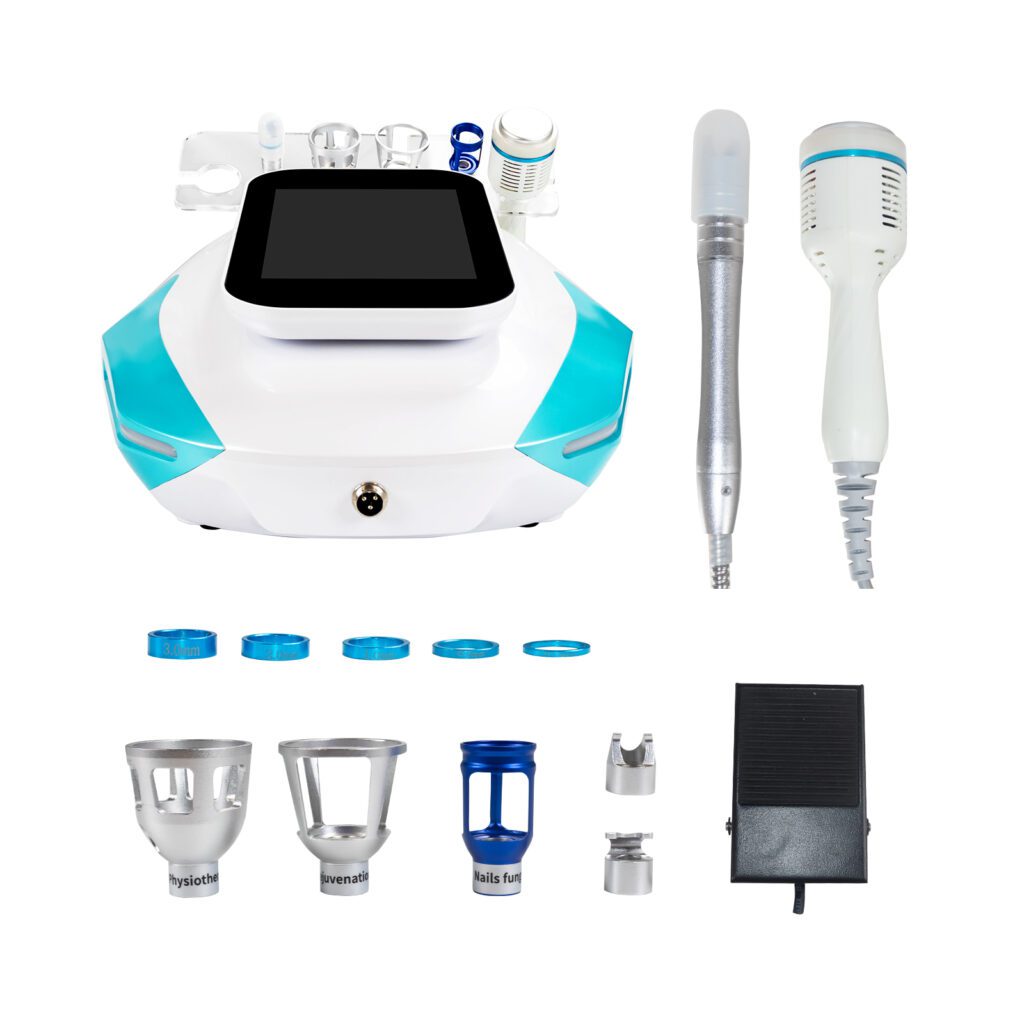








Choosing an RF microneedling machine supplier is a high-stakes procurement decision for aesthetic clinics, dermatology practices, medspas, distributors, and private label buyers. RF microneedling can support high-value procedures for skin texture, wrinkles, acne scar appearance, skin tightening, resurfacing, and selected aesthetic skin concerns where permitted. But it combines skin penetration with radiofrequency energy, which means supplier selection must be treated more seriously than ordinary beauty equipment purchasing.
The wrong supplier can create problems far beyond weak treatment results. Poor documentation, unstable RF output, low-quality needles, unreliable insulation, unclear sterilization records, weak training, vague contraindication guidance, and slow after-sales support can create patient safety risk, legal exposure, staff anxiety, downtime, and reputation damage.
The best RF microneedling supplier is not simply the one with the lowest price or the most dramatic before and after photos. It is the supplier that can support the full clinical service cycle: regulatory documentation, device performance, sterile consumables, treatment protocols, operator training, patient screening, risk disclosure, maintenance, spare parts, marketing compliance, and long-term technical support.
This guide explains how aesthetic clinics should evaluate an RF microneedling machine supplier before purchase.
Что такое радиочастотная микроигольная терапия?
RF microneedling, also called radiofrequency microneedling or fractional RF microneedling, uses arrays of fine needles or microneedle electrodes to penetrate the skin and deliver radiofrequency energy into targeted tissue depths. The device may use insulated or non-insulated needles, monopolar or bipolar RF, adjustable needle depth, variable pulse duration, and different energy modes depending on model design.
In clinical and medspa marketing, RF microneedling is often positioned for:
- Улучшение внешнего вида морщин
- улучшение внешнего вида рубцов от акне
- Управление текстурой кожи
- Skin tightening support
- Pore appearance improvement
- Stretch mark appearance management
- Scar appearance management where permitted
- Body skin laxity projects
- Face and neck rejuvenation projects
The exact claims depend on the device’s cleared or authorized indications, target market regulations, operator qualification, and supplier evidence. A clinic should never assume that every RF microneedling device can support every claim or every treatment area.
RF Microneedling Is Not Ordinary Microneedling
RF microneedling is different from a basic microneedling pen because it adds radiofrequency energy delivery. This changes both the benefit profile and the risk profile.
A basic powered microneedling device mechanically punctures the skin. An RF microneedling device may puncture the skin and deliver controlled heat through the needle array. This can make the procedure more powerful, but it also increases the importance of:
- Needle quality
- Needle depth accuracy
- Insulation integrity
- RF output stability
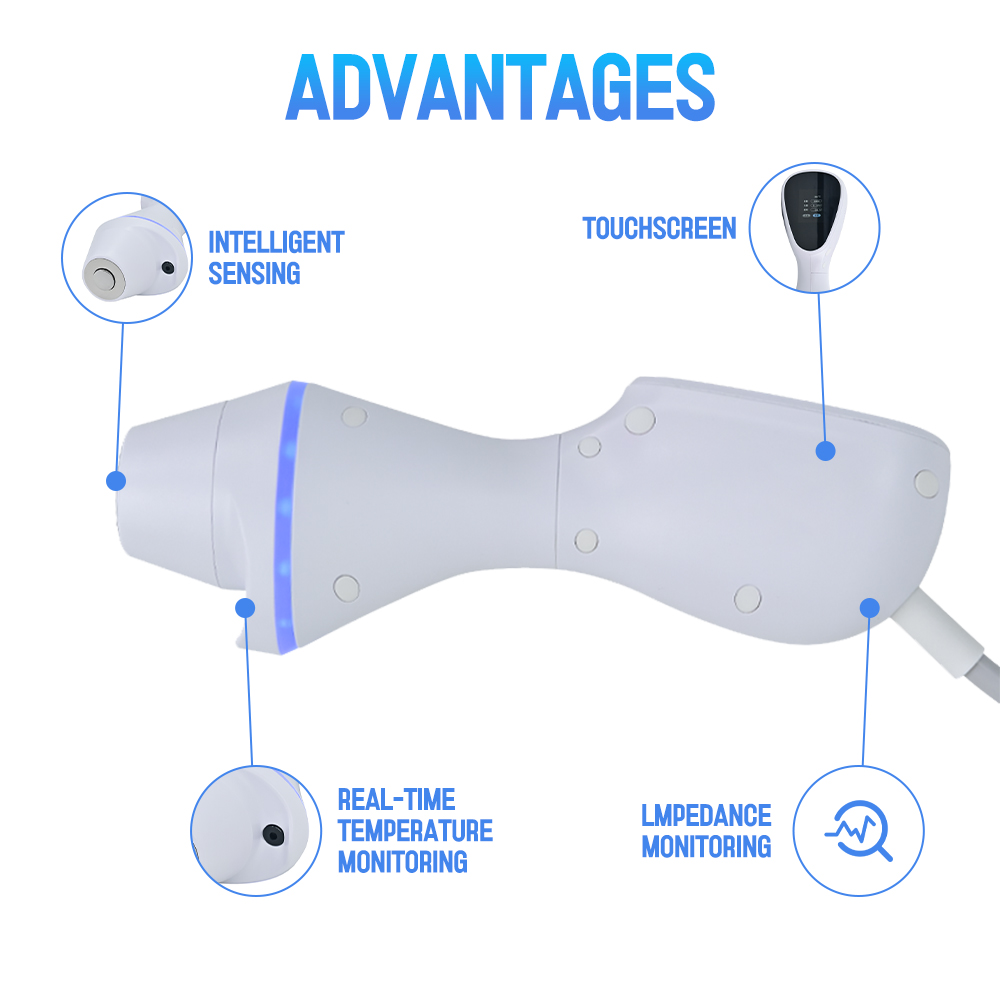
- Impedance monitoring
- Energy delivery control
- Обучение операторов
- Patient selection
- Treatment mapping
- Cooling and comfort management where relevant
- Экстренное реагирование
- Уход после лечения
For aesthetic clinics, this means supplier evaluation must include both microneedling and RF system quality.
Why Aesthetic Clinics Are Interested In RF Microneedling
RF microneedling is attractive to clinics because it can be positioned as a premium energy-based procedure with repeatable treatment plans. It often fits well into skin rejuvenation, acne scar programs, anti-aging packages, and post-laser or combination treatment menus where clinically appropriate.
Clinics may use RF microneedling to support:
- Более высокая средняя стоимость заказа
- Procedure-based revenue
- Multi-session treatment plans
- Membership or package upgrades
- Acne scar appearance programs
- Skin tightening or rejuvenation offerings
- Combination protocols with injectables, lasers, peels, LED, or skin care where permitted
- Differentiation from basic facials or standard microneedling
However, patient interest does not remove the need for caution. Because RF microneedling involves penetration and energy delivery, patients will ask about pain, downtime, scarring, pigmentation risk, infection risk, fat loss, safety around implants, expected results, and provider experience. A professional supplier should help the clinic answer these questions responsibly.
Start With Regulatory Status
Before comparing machine features, confirm the target market regulatory status. RF microneedling devices are medical devices in many markets. In the United States, FDA states that RF microneedling devices are Class II medical devices cleared through the 510(k) process. FDA also provides a dedicated safety communication on potential risks with certain uses of RF microneedling.
For buyers, this means:
- Do not rely on generic “FDA registered” wording
- Ask for the exact device name
- Ask for the exact 510(k) number where applicable
- Verify the device in the FDA 510(k) database
- Review the indications for use
- Check whether the cleared indication covers your intended procedure
- Check whether the specific handpiece and applicators are included
- Check whether the device is prescription use only
- Check whether private label changes affect documentation
- Confirm operator qualification and state or local rules
If the supplier cannot explain the regulatory status of the exact model, that is a major warning sign.
Understand FDA Registration, Listing, Clearance, And Approval
RF microneedling suppliers often use FDA terminology loosely. A clinic should know the difference.
Important distinctions:
- FDA establishment registration means the establishment is registered where required.
- FDA device listing means the device is listed in an FDA database where required.
- FDA 510(k) clearance means FDA found the device substantially equivalent to a legally marketed device for specified intended uses.
- FDA approval usually refers to specific approval pathways and should not be used casually for all devices.
FDA warns consumers that “FDA registered” or “FDA certified” language can be misunderstood. For a clinic, the practical question is not whether a supplier can show an FDA logo in a brochure. The practical question is whether the exact RF microneedling device, with the exact manufacturer, exact indications, exact accessories, and exact labeling, has the required market authorization for the intended use.
Know The Relevant FDA Categories
RF microneedling devices may appear in FDA databases under different regulatory descriptions depending on device design and intended use.
Basic powered microneedling devices for aesthetic use may be associated with 21 CFR 878.4430 and product code QAI. FDA’s regulation describes a microneedling device for aesthetic use as a device using one or more needles to mechanically puncture and injure skin tissue for aesthetic use.
Many RF microneedling systems with RF energy delivery may appear as electrosurgical cutting and coagulation devices and accessories under 21 CFR 878.4400 and product code GEI. For example, FDA 510(k) database entries for certain well-known RF microneedling systems show this type of classification and list indications such as dermatologic and general surgical procedures for electrocoagulation and hemostasis.
The buyer should not guess classification from the marketing name. Ask the supplier for the official product code, regulation number, device name, indications for use, and 510(k) summary for the exact model.
Consider The 2025 FDA Safety Communication
On October 15, 2025, FDA issued a safety communication about potential risks with certain uses of radiofrequency microneedling. FDA reported awareness of serious complications such as burns, scarring, fat loss, disfigurement, and nerve damage. FDA also stated that RF microneedling is a medical procedure, not a cosmetic treatment, and that these devices should not be used at home.
This does not mean every RF microneedling treatment is unsafe. It does mean aesthetic clinics should select suppliers carefully and operate the procedure with strong clinical protocols.
Supplier evaluation should include:
- Whether the device is cleared or authorized for the intended use
- Whether the supplier provides updated risk information
- Whether the user manual includes proper warnings
- Whether contraindications are clear
- Whether operator training addresses burns, scarring, fat loss, nerve risk, and pigment risk
- Whether the supplier supports adverse event reporting
- Whether the clinic has consent forms updated for current risk information
- Whether treatment depth and energy settings are controlled by trained providers
A supplier that ignores the safety communication or dismisses patient risk is not a professional partner.
Match The Supplier To Your Clinic Model
Different buyers need different levels of support.
Дерматологические клиники
Dermatology clinics need strong clinical documentation, physician-level protocol review, skin type guidance, acne scar and wrinkle indication clarity, adverse event response, charting support, and clear contraindication language.
Медицинские курорты
Medspas need training, delegation guidance, provider supervision workflow, patient consent, safe parameter protocols, aftercare cards, staff scripting, and state-specific scope-of-practice awareness.
Эстетические клиники
Aesthetic clinics need a balance of clinical performance and business support: device reliability, procedure packaging, patient education, photography standards, package design, and realistic marketing materials.
Дистрибьюторы
Distributors need stable production, clear wholesale policy, spare parts, sterile tip supply, training for customer clinics, territory support, marketing materials, and fast technical escalation.
OEM And Private Label Buyers
OEM buyers need labeling, IFU, language localization, packaging, UDI or traceability support where applicable, private label documentation clarity, warranty responsibility, and regulatory review for any customization.
Choose a supplier that can support your business model, not only ship a machine.
Verify Supplier Identity
Before paying a deposit, verify who the supplier really is.
Запросить:
- Legal company name
- Business license
- Адрес завода
- Office address
- Manufacturer role
- Export history
- Main product lines
- Quality management certificate
- Engineering team information
- Regulatory team information
- After-sales team structure
- Sterile tip production or supplier relationship
- Customer references where available
- Distribution history in your target market
Clarify whether the seller is:
- Legal manufacturer
- Brand owner
- Trading company
- Contract manufacturer
- Distributor of another manufacturer’s device
- OEM or ODM service provider
Trading companies can be legitimate, but clinics should know who is legally responsible for documentation, quality, sterile needle cartridges, warranty, and adverse event support.
Review Quality Management
RF microneedling is not a product category where informal manufacturing is acceptable. A professional supplier should have a quality management system suitable for medical device manufacturing.
Ask about:
- Сертификат ISO 13485
- Certificate scope
- Design control process
- Risk management process
- Supplier qualification
- Контроль поступления материалов
- Production process control
- Sterilization supplier control for single-use tips
- Nonconforming product process
- CAPA process
- Рассмотрение жалоб
- Traceability system
- Lot tracking
- Device history records
- Change control
- Post-market surveillance where applicable
ISO 13485 is not a market authorization by itself, but it is a useful signal that the manufacturer has a structured medical device quality system. Verify certificate scope and issuer, not just the logo.
Check Exact Model Documentation
Do not accept generic certificates. Documents must match the exact model, exact accessories, and exact market.
Запрос:
- Full certificate copies
- 510(k) number and summary where applicable
- FDA product code and regulation number where applicable
- Declaration of conformity where applicable
- CE certificate and notified body details where applicable
- EU MDR technical documentation support where applicable
- User manual or IFU
- Label and rating plate
- Applicator and tip list
- Sterility documentation for needle tips
- Shelf-life information for sterile consumables
- Отчет по электробезопасности
- Отчет EMC
- Biocompatibility summary where applicable
- Версия программного обеспечения
- Risk management summary where available
- Packaging validation summary where available
- Inspection report sample
- Условия гарантии
If the supplier claims a certificate covers multiple models, ask for the model list and technical equivalence explanation.
Evaluate EU MDR And CE Requirements
In the European Union, aesthetic devices without an intended medical purpose may still fall under the Medical Device Regulation framework if they are listed in Annex XVI and have similar risk profiles to medical devices. High intensity electromagnetic radiation equipment intended for use on the human body for skin treatment can fall into this area depending on the device and claims.
For EU buyers, ask:
- Is the product under MDR as a medical device or Annex XVI device?
- What is the risk class?
- Is a notified body involved?
- What is the CE certificate scope?
- Is there a declaration of conformity?
- Is there an EU authorized representative?
- Is there UDI support?
- Is there a clinical evaluation or performance evaluation where required?
- Are common specifications considered where applicable?
- Are labeling and IFU available in local languages?
A CE mark without clear MDR documentation may not be enough for professional clinic procurement.
Evaluate RF Output And Control
RF output is the core performance factor in RF microneedling. A professional supplier should explain RF delivery clearly.
Просить:
- Is the system monopolar, bipolar, or both?
- Какая радиочастота используется?
- What is the maximum output power?
- What is the output range?
- How is power measured?
- What load is used during testing?
- What pulse duration range is available?
- What treatment modes are available?
- Does the device have impedance feedback?
- Does it adjust output based on tissue contact or resistance?
- Is energy delivered only after needle deployment?
- How is output stopped if contact is poor?
- Is there real-time monitoring?
- Is there a treatment log?
High power is not automatically better. The best device is one that delivers controlled, repeatable energy at the intended depth with appropriate safety feedback.
Compare Needle Cartridge Design
Needle tips are one of the most important cost and safety points in RF microneedling.
Проверять:
- Needle count options
- Needle material
- Needle coating
- Insulated or non-insulated design
- Needle sharpness
- Needle deployment smoothness
- Needle depth range
- Tip recognition
- Single-use design
- Sterile packaging
- Sterilization method
- Shelf life
- Lot number traceability
- Packaging integrity
- Replacement cost
- Supply lead time
- Compatibility across models
- Disposal instructions
FDA’s microneedling regulation excludes devices intended for transdermal delivery of topical products such as cosmetics, drugs, or biologics. Clinics should avoid suppliers that casually suggest applying unapproved topical drugs, biologics, exosomes, or non-sterile products through microneedling channels unless the clinic has legal and clinical clearance for that use.
Insulated Vs Non-Insulated Needles
Many RF microneedling suppliers promote insulated or non-insulated needles. Buyers should understand the practical difference.
Insulated needles are designed to deliver RF energy more selectively near the exposed needle tip, while reducing heating along the shaft. Non-insulated needles may deliver energy along more of the needle length. The clinical implications depend on device design, needle depth, energy setting, skin type, target concern, and operator skill.
Обратитесь к поставщику:
- Which needle types are available?
- What indications or protocols support each needle type?
- How is insulation quality tested?
- What happens if insulation is damaged?
- Are insulated and non-insulated tips both cleared or included in documentation?
- Are tips sterile and single-use?
- How should staff choose between tip types?
Do not choose needle type based only on marketing claims. Choose based on training, documentation, and clinical protocol.
Needle Depth Accuracy Matters
RF microneedling treatment depth is central to both result and risk. A device with poor depth accuracy can deliver energy too superficially or too deeply.
Просить:
- What is the depth range?
- What is the depth adjustment increment?
- How is depth calibrated?
- Is needle depth consistent across all needles?
- Does the handpiece deploy smoothly?
- Does skin thickness affect effective depth?
- Are there face, neck, and body depth protocols?
- Are sensitive zones clearly restricted?
- Is there a depth lock or parameter control?
For areas near thin skin, nerves, eyes, or facial fat compartments, depth selection should be conservative and provider-led. A professional supplier should not encourage aggressive depth settings as a selling point.
Check Handpiece Ergonomics
The handpiece affects treatment quality every day.
Оценивать:
- Масса
- Grip comfort
- Balance
- Cable flexibility
- Tip attachment stability
- Needle deployment sound and feel
- Trigger design
- Foot switch option
- Treatment visibility
- Heat buildup
- Ease of cleaning
- Tip recognition
- Error alerts
- Replacement cost
- Гарантийное покрытие
A heavy or awkward handpiece can increase operator fatigue and reduce precision during long treatment sessions.
Evaluate Electrical Safety And EMC
RF microneedling equipment is active electrical equipment. Electrical safety and electromagnetic compatibility matter, especially in medical environments.
Запросить:
- Проверка электробезопасности
- тестирование на электромагнитную совместимость
- IEC 60601-1 testing where applicable
- IEC 60601-1-2 testing where applicable
- Leakage current testing
- Grounding protection
- Emergency stop
- Защита от перегрузки по току
- Overtemperature protection
- Applicator connection detection
- Error code system
- User manual warnings
- график технического обслуживания
The supplier should be able to explain how safety features work in practical operation, not only send a certificate name.
Screen Patients Carefully
RF microneedling should not be offered to every patient. A supplier should provide screening guidance, and the clinic should adapt it to local medical practice and provider judgment.
Screening may include:
- Беременность или кормление грудью
- Active infection
- Открытые раны
- Active severe acne or inflammatory lesions in the treatment area
- Keloid tendency
- Poor wound healing
- Recent isotretinoin use where clinically relevant
- Recent laser, peel, filler, surgery, or energy procedure
- Implanted electronic devices
- Металлические имплантаты в области лечения
- Bleeding disorders or anticoagulant use
- Immunosuppression
- History of pigmentary problems
- Skin type and PIH risk
- Uncontrolled medical conditions
- Нереалистичные ожидания
The exact screening list should be set by licensed clinical leadership. A supplier that provides no contraindication guidance is not suitable for an aesthetic clinic.
Explain Possible Risks And Side Effects
Patients should understand that RF microneedling is a medical procedure and not risk-free.
Possible effects and complications may include:
- Покраснение
- Припухлость
- Pinpoint bleeding
- Синяки
- Crusting
- Pain or tenderness
- Temporary dryness or roughness
- Pigment changes
- Ожоги
- Инфекция
- Рубцевание
- Снижение веса
- Nerve injury
- Unsatisfactory results
- Need for medical intervention
FDA’s 2025 safety communication specifically mentions reports of serious complications such as burns, scarring, fat loss, disfigurement, and nerve damage. A clinic should include relevant risk language in informed consent, pre-treatment consultation, provider training, and post-treatment instructions.
Review Treatment Protocols
A professional supplier should provide clinically useful protocols, not only a user manual.
Запросить:
- Patient consultation form
- Контрольный список противопоказаний
- Fitzpatrick skin type guidance
- Acne scar protocol
- Wrinkle protocol
- Skin tightening protocol where permitted
- Face and neck mapping
- Body area mapping where permitted
- Needle depth chart
- RF energy starting ranges
- Pass count guidance
- Endpoint guidance
- Pain control guidance
- Pre-treatment preparation
- Уход после лечения
- Combination therapy caution
- Adverse event response
- Treatment record template
The clinic should review all protocols with licensed providers. Supplier protocols are a starting point, not a substitute for clinical judgment.
Training Should Be Provider-Level
RF microneedling training must be deeper than basic machine operation.
Обучение должно включать в себя:
- Технология устройств
- Regulatory status and intended use
- Indications and claim limits
- Skin anatomy
- Needle depth selection
- RF energy adjustment
- Insulated and non-insulated tip use
- Patient screening
- Противопоказания
- Skin type risk
- Pigment risk
- Управление болью
- Aseptic workflow
- Treatment mapping
- Endpoint recognition
- Avoiding over-treatment
- Handling complications
- Последующий уход
- Device cleaning
- Tip disposal
- Обслуживание
- Документация
- Before and after photo standards
- Advertising claim boundaries
For medspas, training should also address who is legally allowed to perform or supervise the procedure in the relevant state or country.
Sterility And Infection Control Are Core
RF microneedling penetrates the skin, so sterile single-use tips and aseptic workflow are essential.
Обратитесь к поставщику:
- Are needle cartridges sterile?
- What sterilization method is used?
- Is sterility validated?
- Какой срок годности?
- Is each tip individually packaged?
- Is the package tamper-evident?
- Is there a lot number?
- Is there an expiration date?
- Are instructions for safe disposal included?
- Are reusable parts reprocessed according to validated instructions?
- Can the supplier provide reprocessing guidance for the handpiece exterior?
CDC disinfection and sterilization guidance differentiates between items based on patient contact risk. Because RF microneedling involves skin puncture and potential blood exposure, clinics should follow manufacturer instructions, local infection control rules, sharps disposal requirements, and clinical aseptic technique. Surface wiping alone is not enough for components that puncture skin.
Review Consumable Economics
The profitability of RF microneedling depends heavily on needle tip cost and supply stability.
Рассчитайте:
- Cost per sterile tip
- Number of tips per treatment
- Tip type by indication
- Tip expiration and inventory loss
- Treatment gel or consumables where applicable
- Numbing product cost
- Disinfectant and disposable cost
- Staff time
- Время в комнате
- Время последующего наблюдения
- Резерв на техническое обслуживание
- Warranty exclusions
- Маркетинговые издержки
Просить:
- What is the MOQ for tips?
- Are tips always in stock?
- What is the lead time?
- Can tips be shipped separately?
- Are tips locked by software?
- What happens if a tip fails during treatment?
- Are private label tips available?
- Can distributors stock tips locally?
A low machine price can be a trap if needle tips are expensive, short-supplied, or inconsistent.
Check Warranty And Service Terms
Warranty should be detailed.
Confirm:
- Full console warranty period
- Handpiece warranty period
- RF generator warranty
- Screen warranty
- Power supply warranty
- Main board warranty
- Foot switch warranty
- Tip recognition system warranty
- Поддержка программного обеспечения
- Remote diagnosis process
- Replacement part policy
- Shipping cost responsibility
- Repair turnaround time
- Loaner device option
- What voids warranty
- Время отклика
- Consumable exclusions
Do not accept a vague “one year warranty” without component detail. RF microneedling handpieces and RF generators are high-value components.
Confirm Spare Parts Supply
Long-term service depends on parts availability.
Запросить:
- Handpiece
- RF generator components
- Main board
- Источник питания
- Экран
- Foot switch
- Кабели
- Tip holder
- Applicator connectors
- Cooling fan if used
- Emergency stop switch
- Предохранители
- Packaging for spare parts
Ask for a spare parts price list and lead time. A clinic cannot afford long procedure downtime after building patient demand.
Evaluate Software And User Interface
Software affects safety and workflow.
Проверять:
- Языковые параметры
- Названия режимов лечения
- Needle depth display
- RF energy display
- Pulse duration display
- Tip recognition
- Количество выстрелов
- Patient or treatment log where available
- Parameter lock
- User permission levels
- Error messages
- Напоминания о техническом обслуживании
- Политика обновления программного обеспечения
- Cybersecurity or data handling if patient data is stored
For OEM buyers, software changes may affect compliance. Do not assume the supplier can change modes, claims, or interface language without regulatory impact.
Inspect Build Quality
The device should look and feel suitable for a professional clinical environment.
Inspect:
- Console shell
- Screen quality
- Handpiece holder
- прочность кабеля
- Foot switch durability
- Вентиляция
- Internal wiring organization where viewable
- Power socket
- Labels
- Rating plate
- Wheels and brakes if cart-based
- Защита упаковки
- Tip storage
- Accessory organization
If buying multiple units, request factory inspection photos, video testing, or third-party inspection before shipment.
Ask About Factory Quality Control
Supplier quality control should be documented.
Ask about:
- Контроль поступления материалов
- RF generator testing
- Handpiece testing
- Needle tip supplier qualification
- Sterile packaging inspection
- Tip recognition testing
- Needle deployment testing
- Проверка электробезопасности
- тестирование на электромагнитную совместимость
- Software testing
- Aging or burn-in testing
- Output testing under load
- Final function test
- Appearance inspection
- Packing inspection
- Serial number traceability
- Lot traceability for tips
- Inspection report for each machine
For distributors, batch consistency is critical. One good sample does not prove that every device in a shipment will perform the same.
Review Marketing Claims
RF microneedling marketing must be careful. Clinics should not use supplier-provided claims without review.
Избегать:
- Risk-free treatment
- No downtime for everyone
- Совершенно безболезненно
- Permanent tightening
- Guaranteed acne scar removal
- Replaces surgery
- Safe for all skin types without assessment
- Подходит для всех
- Fat loss as a desired effect
- Before and after photos without context
- Testimonials implying typical results without support
Более удачная формулировка:
- RF microneedling treatment performed by trained providers
- Designed for selected aesthetic skin concerns where permitted
- Individual results vary
- Consultation is required
- Downtime and risks will be discussed before treatment
- A treatment series may be recommended
- Device and protocol selection depends on patient suitability
FTC guidance emphasizes that advertising claims must be truthful, not misleading, and evidence-based. Health-related claims require appropriate support.
Используйте примеры «до» и «после» с осторожностью.
Before and after images can help clinics educate patients, but they can also mislead if not standardized.
Case standards:
- Patient permission
- Такое же освещение
- Same camera
- Тот же угол
- Same distance
- То же выражение лица
- No skin smoothing filter
- No color editing that changes comparison
- Тот же статус макияжа
- Clear treatment timeline
- Количество сеансов
- Areas treated
- Device used
- Напоминаем, что результаты могут различаться.
- Disclosure if the patient received incentives
Do not use supplier stock photos as if they are your clinic’s patients. Do not imply that one best case represents typical outcomes without evidence.
Evaluate Combination Treatment Guidance
RF microneedling is often combined with topical products, PRP, exosomes, injectables, lasers, peels, LED, or skin care. This is an area of increased risk.
Обратитесь к поставщику:
- What combinations are included in the device labeling or training?
- Are topical delivery claims allowed?
- Does the device labeling exclude transdermal delivery of drugs, cosmetics, or biologics?
- What waiting periods are recommended between procedures?
- What combinations should be avoided?
- What evidence supports combination protocols?
- Who is qualified to approve combination treatment plans?
FDA’s microneedling regulation states that the aesthetic microneedling classification does not include devices intended for transdermal delivery of topical products such as cosmetics, drugs, or biologics. Clinics should be careful with any supplier that promotes unreviewed drug, biologic, or cosmetic infusion claims.
Build A Clinic Launch Plan
After purchase, the clinic should not immediately sell packages without internal preparation.
Suggested launch process:
- Inspect the device on arrival
- Record serial number
- Check accessories and tips
- Verify tip lot numbers and expiration dates
- Test startup
- Test handpiece connection
- Review IFU and labels
- Complete provider training
- Update informed consent
- Prepare patient screening forms
- Prepare aftercare instructions
- Build treatment mapping templates
- Set photography standards
- Run supervised internal training where appropriate
- Create pricing and package structure
- Prepare compliant marketing materials
- Open limited treatment slots
- Track every early case carefully
- Review outcomes and adverse events after 30 days
This controlled launch protects patient safety and clinic reputation.
Design A Profitable RF Microneedling Project
Profitability depends on procedure quality, patient trust, and repeat treatment planning.
Define:
- Target indications
- Patient profile
- Consultation fee policy
- Single-session price
- Цена за комплект
- Series length
- Tip cost per session
- Numbing and disposable cost
- Provider time
- Время в комнате
- Follow-up protocol
- Combination treatment policy
- Maintenance pricing
- Photography and review visit policy
RF microneedling is usually better positioned as a clinical procedure series than a one-time discount service. Low trial pricing can undermine perceived value and may not cover consumable cost.
Use A Supplier Scorecard
A scorecard helps compare suppliers objectively.
Suggested scoring:
- Supplier credibility: 10 points
- Regulatory documentation: 15 points
- RF output transparency: 15 points
- Needle cartridge quality: 15 points
- Sterility and traceability: 10 points
- Safety features: 10 points
- Training and protocols: 10 points
- Warranty and parts: 5 points
- Consumable economics: 5 points
- Marketing and clinic support: 5 points
Do not let price dominate the decision. RF microneedling downtime, adverse events, or unclear documentation can cost much more than the purchase discount.
Key Questions To Ask A Supplier
Перед оформлением заказа уточните:
- Are you the legal manufacturer?
- What exact model will be shipped?
- What is the device’s regulatory status in my target market?
- Is the exact model FDA-cleared where applicable?
- What is the 510(k) number where applicable?
- What product code and regulation number apply?
- What indications for use are cleared or authorized?
- Are all tips and handpieces included in the documentation?
- Are needle tips sterile and single-use?
- What sterilization method is used?
- What is the tip shelf life?
- What is the cost and lead time for tips?
- Is the system monopolar, bipolar, or both?
- How is RF output measured?
- What safety features stop output if contact is poor?
- Какое обучение включено?
- Какие противопоказания указаны?
- What warranty covers handpiece and RF generator?
- What spare parts are stocked?
- Do you support adverse event reporting?
- Do you support OEM or private label?
- What changes affect compliance?
- What marketing claims should we avoid?
The supplier should answer clearly and in writing.
Red Flags
Будьте осторожны, если поставщик:
- Says RF microneedling is only a simple beauty treatment
- Ignores FDA’s 2025 RF microneedling safety communication
- Uses “FDA approved” without exact proof
- Provides only certificate screenshots
- Cannot match documents to the exact model
- Cannot provide tip sterility information
- Suggests reusing single-use needle tips
- Cannot explain RF output measurement
- Cannot explain insulated versus non-insulated tips
- Has no contraindication checklist
- Has no patient consent template
- Has no complication response guidance
- Promises no risk or no downtime
- Uses misleading before and after photos
- Cannot supply tips long-term
- Has vague handpiece warranty terms
- Avoids written after-sales commitments
Совокупность нескольких тревожных признаков должна стать причиной отказа от покупки.
How Aesthetic Clinics Should Choose
Clinics should prioritize:
- Verified regulatory documentation
- Clear indications for use
- Sterile single-use tips
- Stable RF output
- Reliable handpiece
- Depth accuracy
- Strong safety controls
- клиническая подготовка
- Contraindication and consent support
- Рекомендации по последующему уходу
- Быстрая техническая поддержка
- Tip supply stability
- Realistic marketing material
The best supplier helps the clinic operate safely and confidently, not only sell procedures quickly.
How Distributors Should Choose
Distributors should think about long-term sell-through and after-sales burden.
Prioritize:
- Stable batch quality
- Official documentation
- Sterile tip supply
- Wholesale tip pricing
- Distributor training
- Запас запасных частей
- Разъяснение гарантийных условий
- Territory policy
- OEM support
- Multilingual marketing materials
- Fast technical escalation
- Complaint and adverse event support
RF microneedling can be profitable for distributors, but weak tip supply or unclear documentation can destroy customer trust.
How OEM Buyers Should Choose
Private label buyers should confirm:
- Минимальный объем заказа
- Размещение логотипа
- Настройка руководства пользователя
- IFU responsibility
- Label and packaging customization
- Tip packaging branding
- UDI or traceability requirements where applicable
- Certificate scope
- 510(k) holder or private label responsibility
- EU authorized representative responsibility where applicable
- Software customization limits
- Claim wording limits
- Ответственность по гарантии
- Spare parts branding
- Post-market complaint handling
Do not assume that changing the label is a simple cosmetic change. In medical device markets, private label activity can create legal manufacturer, importer, distributor, and post-market responsibilities.
Часто задаваемые вопросы
Is RF microneedling a medical procedure?
FDA’s 2025 safety communication states that RF microneedling is a medical procedure, not a cosmetic treatment, and that these devices should not be used at home. Clinics should verify local operator qualification and supervision rules.
Is FDA registration the same as FDA clearance?
No. Establishment registration and device listing are different from 510(k) clearance. Ask for the exact 510(k) number, device name, product code, regulation number, and indications for use where applicable.
What is more important: high RF power or output control?
Output control is more important. High power alone does not prove treatment quality. Clinics should evaluate RF measurement, pulse duration, impedance feedback, depth control, handpiece design, and safety shutoff behavior.
Are needle tips reusable?
Sterile needle tips for RF microneedling are generally treated as single-use consumables. Do not reuse tips labeled for single use. Ask for sterility, shelf life, packaging, lot traceability, and disposal instructions.
Should clinics buy insulated or non-insulated tips?
It depends on the device, indication, skin type, depth, and protocol. The supplier should explain which tips are included in documentation and how providers should choose between them.
What risks should patients be told about?
Patients should be informed about common expected effects and possible complications, including redness, swelling, bleeding, bruising, pain, pigment changes, infection, burns, scarring, fat loss, nerve injury, and unsatisfactory results where relevant.
Can RF microneedling be combined with exosomes or topical products?
Clinics should be very cautious. Ask whether the device labeling supports transdermal delivery claims and whether the topical product is legally appropriate for the intended use. Supplier marketing claims are not enough.
What after-sales support matters most?
Tip supply, handpiece warranty, RF generator support, software help, remote troubleshooting, spare parts, training updates, adverse event support, and response time matter most.
Заключение
Choosing an RF microneedling machine supplier requires clinical, regulatory, technical, and business judgment. Aesthetic clinics should verify exact market authorization, FDA or CE documentation where applicable, RF output control, needle cartridge sterility, depth accuracy, safety features, contraindication guidance, provider training, informed consent support, warranty, spare parts, consumable economics, and marketing claim boundaries.
RF microneedling can be a strong premium procedure for aesthetic clinics, but it is not a simple beauty machine. A professional supplier helps the clinic protect patients, train providers, manage consumables, handle risk, and build repeatable revenue. A weak supplier may create safety problems, unclear claims, downtime, and loss of trust. The professional choice is to buy from a supplier that can support the full lifecycle of the procedure, from documentation and training to tip supply, after-sales service, and responsible patient communication.